Spending more time in nature can do more for your health than a...

George Ferman@Helios_Movement
101 views
Sep 05, 2025
~10 min read
Advertisement
1
Spending more time in nature can do more for your health than a 617-step biohacking routine.
From reducing cortisol, improving mental health, boosting immunity, syncing your circadian rhythm and more, this simple act can outperform many of the conventional wellness tools.
Thread🧵

From reducing cortisol, improving mental health, boosting immunity, syncing your circadian rhythm and more, this simple act can outperform many of the conventional wellness tools.
Thread🧵
2
*Standard disclaimer that nothing in this thread should be used as a substitute for medical advice*
If you are skeptical about the title of this thread, by the end of it, you will realize that prioritizing spending more time in nature is still an underutilized remedy for improving one’s physical and mental health.
Here are some reasons why this is the case presented in a manner anyone can understand.
If you are skeptical about the title of this thread, by the end of it, you will realize that prioritizing spending more time in nature is still an underutilized remedy for improving one’s physical and mental health.
Here are some reasons why this is the case presented in a manner anyone can understand.
3
Number 1: Walking in nature reduces amygdala activity (especially in women).
Whatever your thoughts and beliefs about trauma are, one thing is for sure.
Traumatic events often result in an overactive amygdala, leading to a heightened state of alertness and a perception of danger in non-threatening situations.
This makes us unable to think clearly and process various data properly.
So given the fact that you, me and everyone you know will 100% go through something very traumatic because well, that's life, using walks in nature during these periods can help more than you might think.
Now i am not saying that these walks will cure everything overnight.
All i’m saying is that they can be a great tool for assisting the recovery from these issues.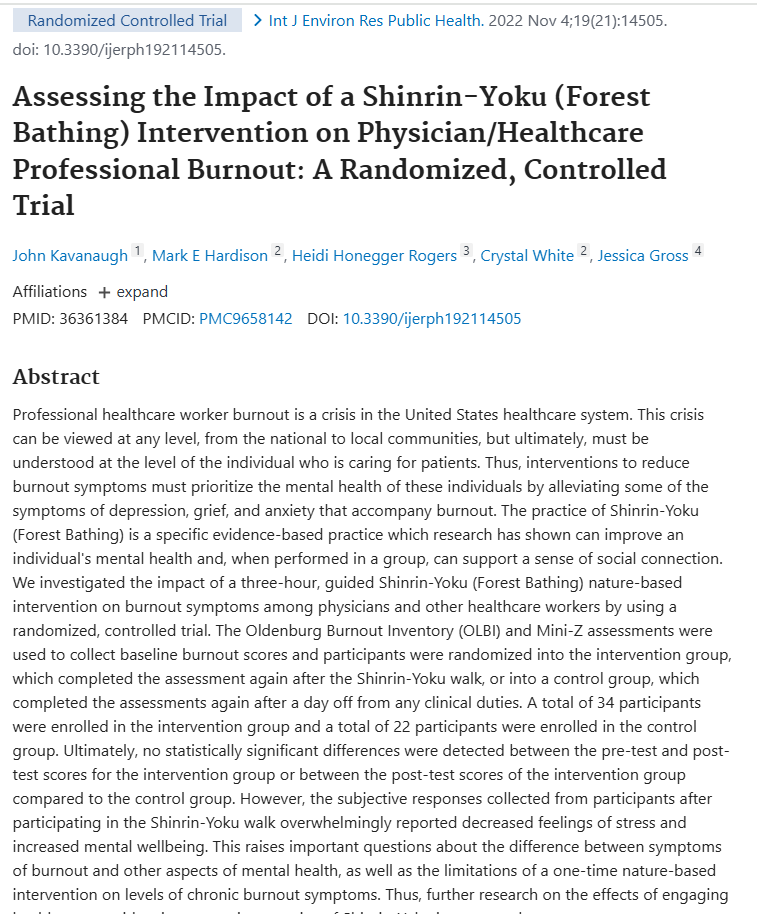
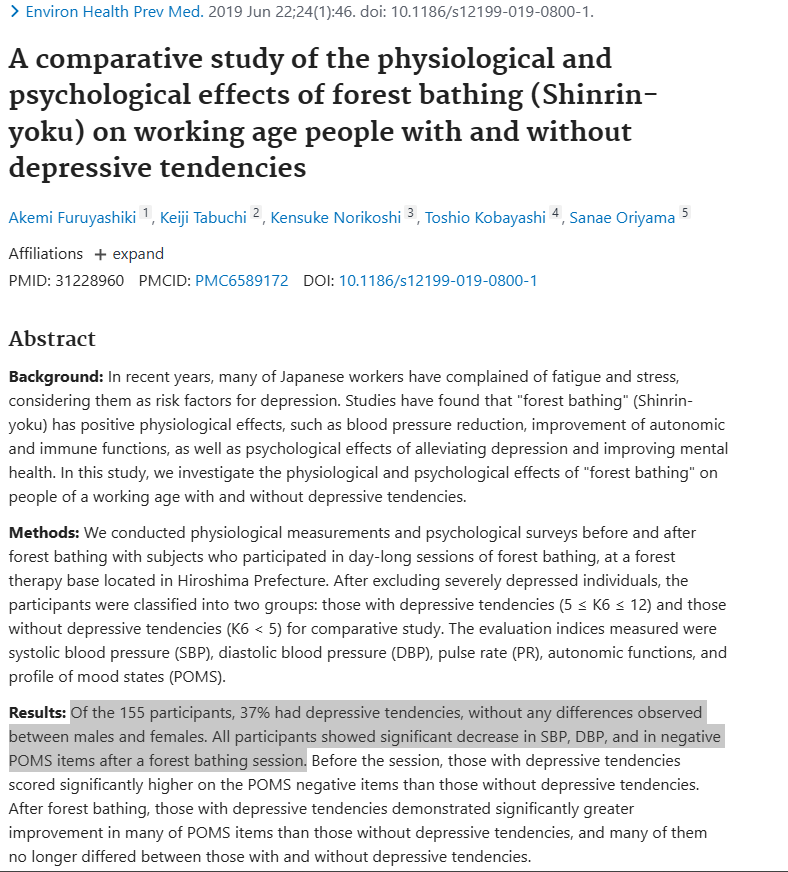
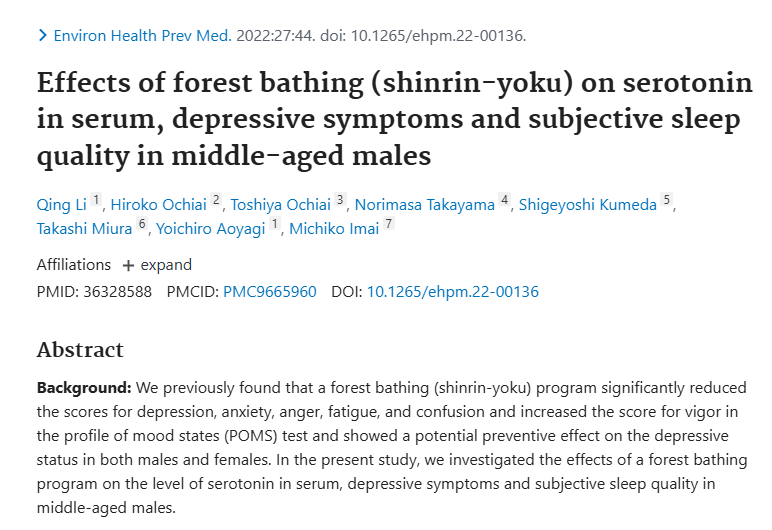
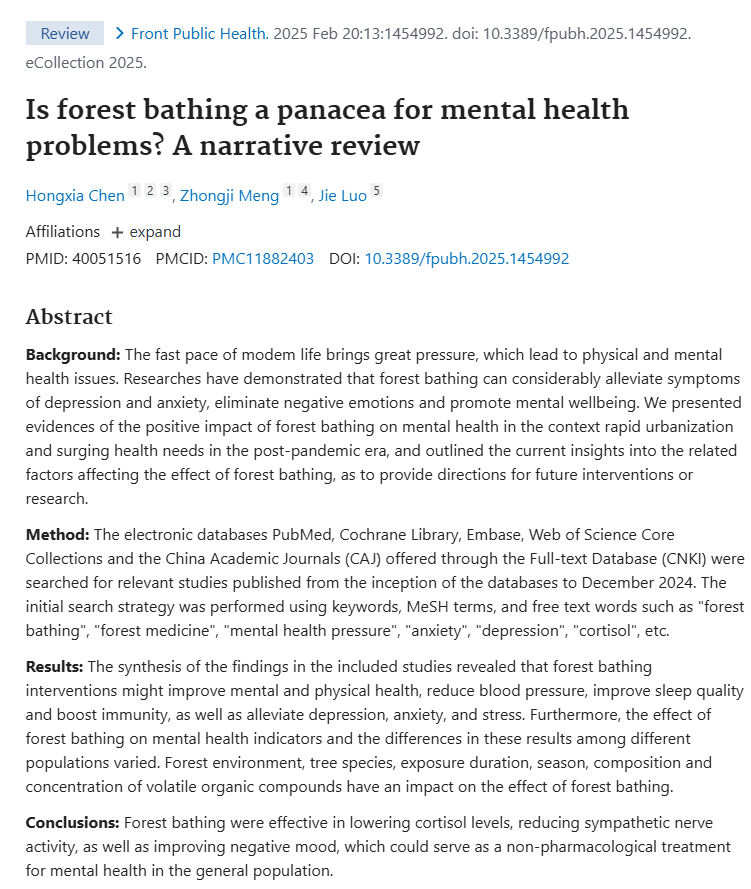
Whatever your thoughts and beliefs about trauma are, one thing is for sure.
Traumatic events often result in an overactive amygdala, leading to a heightened state of alertness and a perception of danger in non-threatening situations.
This makes us unable to think clearly and process various data properly.
So given the fact that you, me and everyone you know will 100% go through something very traumatic because well, that's life, using walks in nature during these periods can help more than you might think.
Now i am not saying that these walks will cure everything overnight.
All i’m saying is that they can be a great tool for assisting the recovery from these issues.
4
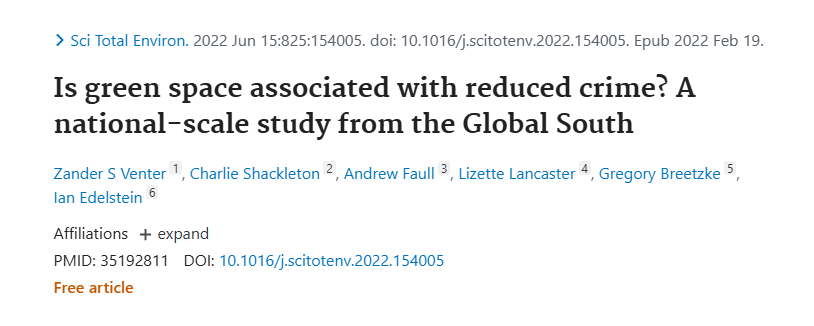
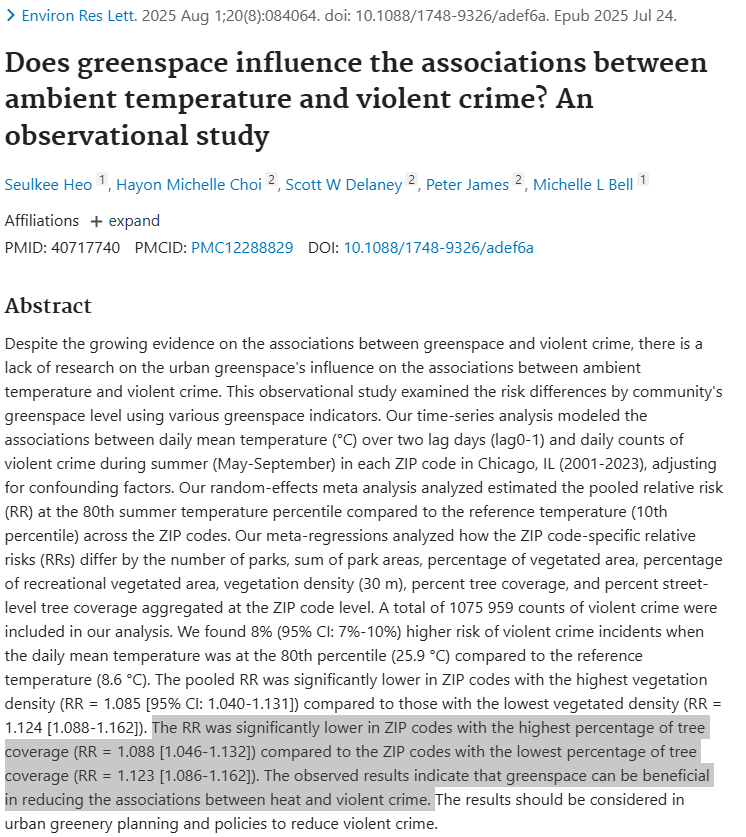
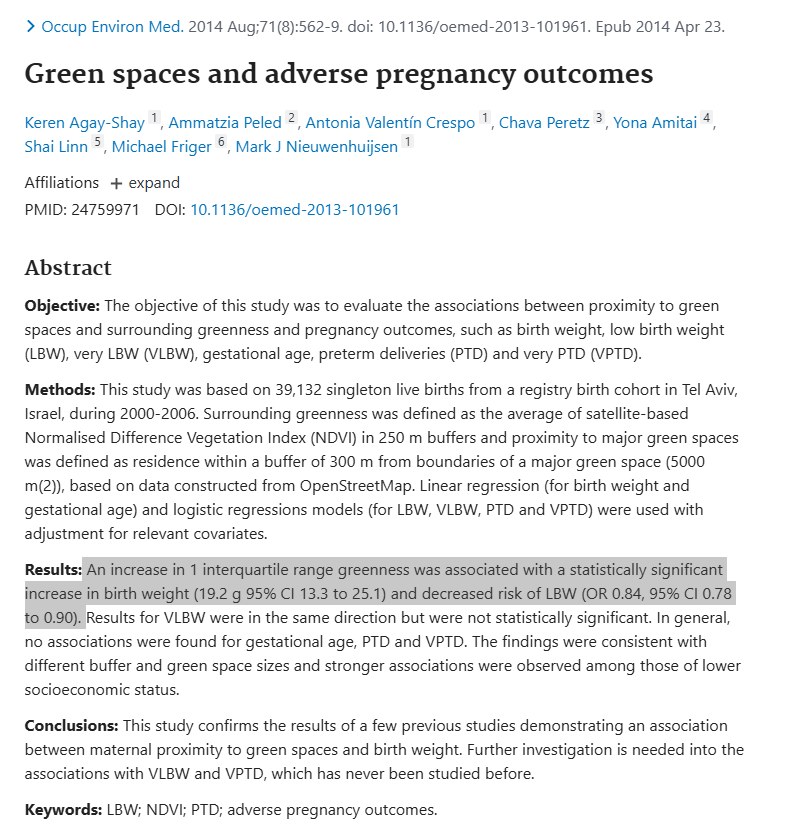
Four more cool studies.

5
Number 2: Spending time in nature is one of the most effective ways to destimulate.
Extremely fast-paced and stimulating environments are inescapable in the modern world.
But, they come with a great cost because we are not designed to live in those fast paced environments by default.
We are not designed to be bombarded with non stop notifications, screens, urban noises, that many people and so on.
We are designed to insert various data in our minds and then literally fk off and let our minds process them.
Too much data without time to process them, will sooner or later drive anyone insane.
Not to even mention that plenty of what's referred to as "anxiety" is not fully understanding and thus taking into consideration how unnaturally overstimulating modern life is.
Extremely fast-paced and stimulating environments are inescapable in the modern world.
But, they come with a great cost because we are not designed to live in those fast paced environments by default.
We are not designed to be bombarded with non stop notifications, screens, urban noises, that many people and so on.
We are designed to insert various data in our minds and then literally fk off and let our minds process them.
Too much data without time to process them, will sooner or later drive anyone insane.
Not to even mention that plenty of what's referred to as "anxiety" is not fully understanding and thus taking into consideration how unnaturally overstimulating modern life is.
6
Number 3: It reduces cortisol quite fast.
Even 30 minutes spent in nature can lower cortisol by 30%-50%.
These numbers are huge considering the fact that high cortisol levels, are linked to issues ranging from high blood pressure and diabetes all the way to hypothyroidism, depression and cancer.
Even 30 minutes spent in nature can lower cortisol by 30%-50%.
These numbers are huge considering the fact that high cortisol levels, are linked to issues ranging from high blood pressure and diabetes all the way to hypothyroidism, depression and cancer.
7
Number 4: Spending more time in forests, specifically, is great for the immune system because we are breathing in phytoncides (antimicrobial compounds emitted by trees) and these increase the activity and number of natural killer (NK) cells.


8
Number 5: Spending time in forests can increase levels of DHEA and adiponectin, which support our cardiovascular and overall metabolic health.

9
Number 6: Less air pollution.
Urban air in most big cities is shown to contain various carcinogens.
This can result to various health issues and it's no wonder why.
-Aluminum can lead to fatigue since it decreases the concentration of magnesium and zinc in various parts of our bodies and even the spinal cord
-Arsenic is known to harm oxidative phosphorylation, various mitochondrial enzymes, decrease things such as IL-10 while increasing IL-6-8-12 and TNF-a, it inhibits DNA repair by inhibiting PARP-1 and even cause skin issues by decreasing the expression of keratinocytes.
-Heavy metals (let's take arsenic as an example) also harm our (males') reproductive system by impairing NF-kB and thus negatively affecting spermatogenesis.
-Arsenic is well known to initiate the upturn of intracellular calcium and cause changes in synaptic transmission in general.
-Other toxins such as thallium and the edema they produce in the cerebral hemispheres are known to negatively affect the brain for over 40 years now.
-Mercury negatively affects the way oxygen is transported due to the effects that it has on hemoglobin.
Urban air in most big cities is shown to contain various carcinogens.
This can result to various health issues and it's no wonder why.
-Aluminum can lead to fatigue since it decreases the concentration of magnesium and zinc in various parts of our bodies and even the spinal cord
-Arsenic is known to harm oxidative phosphorylation, various mitochondrial enzymes, decrease things such as IL-10 while increasing IL-6-8-12 and TNF-a, it inhibits DNA repair by inhibiting PARP-1 and even cause skin issues by decreasing the expression of keratinocytes.
-Heavy metals (let's take arsenic as an example) also harm our (males') reproductive system by impairing NF-kB and thus negatively affecting spermatogenesis.
-Arsenic is well known to initiate the upturn of intracellular calcium and cause changes in synaptic transmission in general.
-Other toxins such as thallium and the edema they produce in the cerebral hemispheres are known to negatively affect the brain for over 40 years now.
-Mercury negatively affects the way oxygen is transported due to the effects that it has on hemoglobin.
10
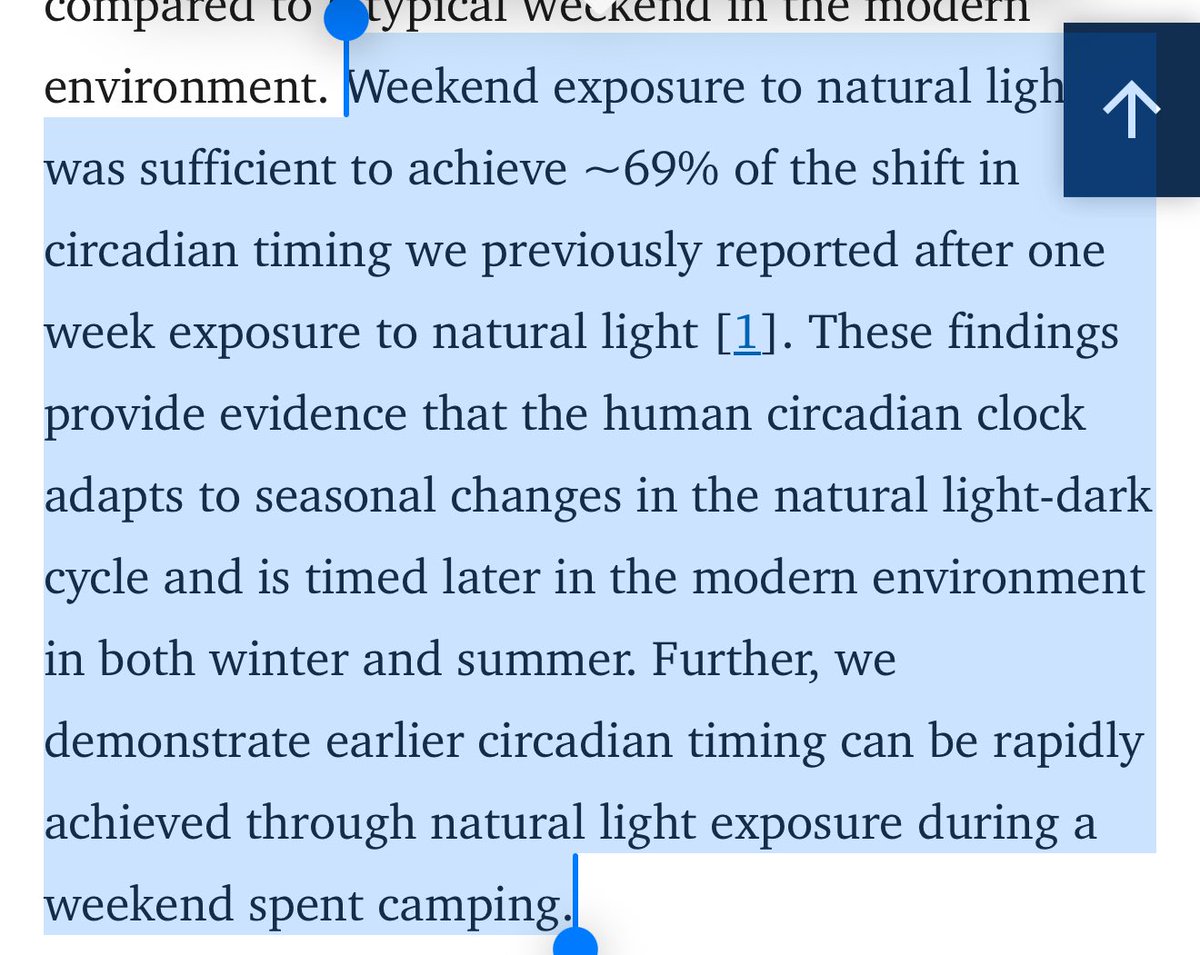
Number 7: It's one of the most powerful interventions when it comes to circadian health.
Chronic circadian rhythm disruption is now shown to exacerbate or directly contribute to conditions such as:
-Gastrointestinal problems, including IBS
-ADHD, depression, bipolar disorders, anxiety and broader mental health issues
-Insulin resistance and metabolic disorders
-Immune system dysfunction
-Increased cancer risk
-Alzheimer’s disease
And more.
But it's no wonder why that's the case, since everything in the human body follows a circadian rhythm.
From liver enzyme activity to hormone production and gastric acid secretion, everything in the human body follows a circadian pattern.
Now circadian rhythms are 24-hour cycles that are part of the body’s internal clock and controlled by a combination of:
1. Internal molecular mechanisms
2. External environmental cues (aka zeitgebers)
3. Physiological processes
such as:
-The suprachiasmatic nucleus (SCN) (you can remember this more easily through the nickname “the pacemaker”)
The primary circadian clock in mammals is located in the suprachiasmatic nucleus (SCN), which is a cluster of approximately 20,000 neurons in the hypothalamus that integrates external cues (like light) and synchronizes peripheral clocks in organs like the liver, heart, and pancreas.
How?
Well it receives direct input through the retinohypothalamic tract, which connects the retina to the hypothalamus. and specialized retinal ganglion cells containing melanopsin detect light, particularly blue wavelengths (460–480 nm) and signal the SCN to reset the circadian clock daily (their signals follow a pathway called the retinohypothalamic tract).
So basically, the SCN takes the information on the lengths of the day and night from the retina, interprets it, and passes it on to things such as the pineal gland which in response to this secretes melatonin that peaks at night and ebbs during the day.
-Molecular feedback loops.
The circadian clock has a feedback loop in which genes are transcribed into mRNA, then into proteins and finally those proteins then regulate their own genes.
Some key genes and proteins when it comes to the topic of circadian rhythms include:
1. CLOCK (Circadian Locomotor Output Cycles Kaput)
2. BMAL1 (Brain and Muscle ARNT-Like 1)
3. PER
4. CRY
5. REV-ERB
6. ROR
7. DBP
8. E4BP4
When it comes to CLOCK and BMAL1, these transcription factors form a heterodimer that binds to E-box promoter regions, activating the transcription of Period (PER1, PER2, PER3) and Cryptochrome (CRY1, CRY2) genes.
As PER and CRY proteins accumulate in the cytoplasm (mainly at night), they form complexes, translocate to the nucleus, and inhibit CLOCK-BMAL1 activity, repressing their own transcription.
This creates a negative feedback loop with a 24-hour cycle.
Then, kinases like casein kinase 1 epsilon/delta phosphorylate PER, marking it for degradation via the ubiquitin-proteasome pathway, allowing the cycle to restart.
We also have some secondary feedback loops.
The nuclear receptors REV-ERBα/β and RORs regulate BMAL1 expression.
REV-ERBα/β represses BMAL1 for example while RORs activate it.
-External environmental cues (Zeitgebers).
External cues entrain the internal clock to the 24-hour day and are critical for aligning biological rhythms with the external world.
The main ones a person should focus on for starters are:
-Light
This is the most potent cue for resetting the SCN.
Blue light (460–480 nm) is particularly effective, as it activates melanopsin in intrinsically photosensitive retinal ganglion cells (ipRGCs).
This is why exposure to artificial light at night can desynchronize the SCN, leading to circadian misalignment with some studies suggesting that even low-intensity light (~100 lux) at night can suppress melatonin by up to 50%.
-Temperature
You might have read/heard advice such as "sleep in a slightly cold room" for example if you struggle with insomnia and the reason for this is that temperature influences peripheral clocks.
-Meal timing.
What's fascinating is that meal timing can reset peripheral clocks independently of the SCN.
For instance, eating during the night can desynchronize liver clocks, exacerbating and even leading to metabolic issues like insulin resistance.
-Physical activity.
Working out in the morning/early noon, can reinforce circadian rhythms by modulating clock gene expression and melatonin secretion.
However, intense exercise late at night may delay the clock.
Note in case it's unclear: we have peripheral clocks in organs such as the pancreas, liver, heart and even muscle tissues.

Chronic circadian rhythm disruption is now shown to exacerbate or directly contribute to conditions such as:
-Gastrointestinal problems, including IBS
-ADHD, depression, bipolar disorders, anxiety and broader mental health issues
-Insulin resistance and metabolic disorders
-Immune system dysfunction
-Increased cancer risk
-Alzheimer’s disease
And more.
But it's no wonder why that's the case, since everything in the human body follows a circadian rhythm.
From liver enzyme activity to hormone production and gastric acid secretion, everything in the human body follows a circadian pattern.
Now circadian rhythms are 24-hour cycles that are part of the body’s internal clock and controlled by a combination of:
1. Internal molecular mechanisms
2. External environmental cues (aka zeitgebers)
3. Physiological processes
such as:
-The suprachiasmatic nucleus (SCN) (you can remember this more easily through the nickname “the pacemaker”)
The primary circadian clock in mammals is located in the suprachiasmatic nucleus (SCN), which is a cluster of approximately 20,000 neurons in the hypothalamus that integrates external cues (like light) and synchronizes peripheral clocks in organs like the liver, heart, and pancreas.
How?
Well it receives direct input through the retinohypothalamic tract, which connects the retina to the hypothalamus. and specialized retinal ganglion cells containing melanopsin detect light, particularly blue wavelengths (460–480 nm) and signal the SCN to reset the circadian clock daily (their signals follow a pathway called the retinohypothalamic tract).
So basically, the SCN takes the information on the lengths of the day and night from the retina, interprets it, and passes it on to things such as the pineal gland which in response to this secretes melatonin that peaks at night and ebbs during the day.
-Molecular feedback loops.
The circadian clock has a feedback loop in which genes are transcribed into mRNA, then into proteins and finally those proteins then regulate their own genes.
Some key genes and proteins when it comes to the topic of circadian rhythms include:
1. CLOCK (Circadian Locomotor Output Cycles Kaput)
2. BMAL1 (Brain and Muscle ARNT-Like 1)
3. PER
4. CRY
5. REV-ERB
6. ROR
7. DBP
8. E4BP4
When it comes to CLOCK and BMAL1, these transcription factors form a heterodimer that binds to E-box promoter regions, activating the transcription of Period (PER1, PER2, PER3) and Cryptochrome (CRY1, CRY2) genes.
As PER and CRY proteins accumulate in the cytoplasm (mainly at night), they form complexes, translocate to the nucleus, and inhibit CLOCK-BMAL1 activity, repressing their own transcription.
This creates a negative feedback loop with a 24-hour cycle.
Then, kinases like casein kinase 1 epsilon/delta phosphorylate PER, marking it for degradation via the ubiquitin-proteasome pathway, allowing the cycle to restart.
We also have some secondary feedback loops.
The nuclear receptors REV-ERBα/β and RORs regulate BMAL1 expression.
REV-ERBα/β represses BMAL1 for example while RORs activate it.
-External environmental cues (Zeitgebers).
External cues entrain the internal clock to the 24-hour day and are critical for aligning biological rhythms with the external world.
The main ones a person should focus on for starters are:
-Light
This is the most potent cue for resetting the SCN.
Blue light (460–480 nm) is particularly effective, as it activates melanopsin in intrinsically photosensitive retinal ganglion cells (ipRGCs).
This is why exposure to artificial light at night can desynchronize the SCN, leading to circadian misalignment with some studies suggesting that even low-intensity light (~100 lux) at night can suppress melatonin by up to 50%.
-Temperature
You might have read/heard advice such as "sleep in a slightly cold room" for example if you struggle with insomnia and the reason for this is that temperature influences peripheral clocks.
-Meal timing.
What's fascinating is that meal timing can reset peripheral clocks independently of the SCN.
For instance, eating during the night can desynchronize liver clocks, exacerbating and even leading to metabolic issues like insulin resistance.
-Physical activity.
Working out in the morning/early noon, can reinforce circadian rhythms by modulating clock gene expression and melatonin secretion.
However, intense exercise late at night may delay the clock.
Note in case it's unclear: we have peripheral clocks in organs such as the pancreas, liver, heart and even muscle tissues.
11
Number 8: Less exposure to nnEMFs.
Let's start by defining nnEMF: an EMF produced by a non native source.
To put it simply: Cell towers, electronic devices such as Wi-Fi routers, smartphones, computers, wireless Bluetooth devices and so on, hide behind a lot of health issues.
Why is that? Well, first of all, just as our body has no idea how to process high fructose corn syrup since it’s not compatible with our biology, it also has no clue what to do with things such as 5G, WiFi routes, smartphones and Bluetooth for example.
After all, biochemistry has taught us that humans run on electrons and our cells need to maintain a negative charge and nnEMFs mess with exactly this by “stealing” electrons and thus reducing the number of free electrons available.
We get electrons from things such as the sun, the earth, movement, food and just like your smartphone we need to recharge with electrons on a regular basis in order to operate at our best.
Now the seven key biological mechanisms underlying the negative effects of nnEMFs include:
1. Oxidative stress.
nnEMFs, particularly RF fields, can increase reactive oxygen species (ROS) like superoxide or hydroxyl radicals and cause lipid peroxidation in cells, thus alterling antioxidant enzyme levels (such as superoxide dismutase) and damaging cell membranes, proteins and DNA.
2. Calcium channel dysregulation.
nnEMFs, increase intracellular calcium through voltage-gated calcium channels (VGCCs).
VGCCs are large protein complexes that “open” in response to electrical signals (they open when the membrane depolarizes (becomes less negative)), in order for calcium ions to enter cells (due to its concentration gradient (higher outside than inside cells)) and nnEMFs act as an external electrical stimulus.
VGCCs trigger neurotransmitter release (particularly glutamate), initiate contraction in cardiac and skeletal muscle for example, eegulate hormone secretion, control gene expression, enzyme activity and apoptosis.
3. DNA damage.
nnEMFs, may induce single- and double-strand DNA breaks, directly (through energy transfer) or indirectly (through ROS).
4. Melatonin suppression.
This happens possibly by altering neuronal signaling or mimicking some signals of light exposure but human and animal studies show reduced melatonin levels after RFR exposure, particularly at night.
5. Increasing blood-brain barrier permeability.
This is well documented in animal studies that show increased blood-brain barrier leakage after RFR exposure, but it’s true that human research is limited.
Yet based on the 4 previous mechanisms that were just discussed this isn’t unlikely and nnEMFs probably increase permeability of endothelial cells in barriers in humans as well, probably through oxidative stress or calcium-mediated tight junction disruption.
6. Autonomic nervous system dysregulation.
It’s documented that nnEMFs alter sympathetic and parasympathetic activity thus affecting heart rate variability and of course animal studies show even altered neurotransmitter levels.
7. Disruption of cellular electrical balance.
Our cells maintain a negative membrane potential (resting potential) and nnEMFs interfere with ion channels altering membrane potential and disrupting processes like nerve signaling, muscle contraction or enzyme function.
Then of course there are other ones such as heat shock protein induction for example (cell culture studies show increased HSP expression after EMF exposure, even at non-thermal levels).
Let's start by defining nnEMF: an EMF produced by a non native source.
To put it simply: Cell towers, electronic devices such as Wi-Fi routers, smartphones, computers, wireless Bluetooth devices and so on, hide behind a lot of health issues.
Why is that? Well, first of all, just as our body has no idea how to process high fructose corn syrup since it’s not compatible with our biology, it also has no clue what to do with things such as 5G, WiFi routes, smartphones and Bluetooth for example.
After all, biochemistry has taught us that humans run on electrons and our cells need to maintain a negative charge and nnEMFs mess with exactly this by “stealing” electrons and thus reducing the number of free electrons available.
We get electrons from things such as the sun, the earth, movement, food and just like your smartphone we need to recharge with electrons on a regular basis in order to operate at our best.
Now the seven key biological mechanisms underlying the negative effects of nnEMFs include:
1. Oxidative stress.
nnEMFs, particularly RF fields, can increase reactive oxygen species (ROS) like superoxide or hydroxyl radicals and cause lipid peroxidation in cells, thus alterling antioxidant enzyme levels (such as superoxide dismutase) and damaging cell membranes, proteins and DNA.
2. Calcium channel dysregulation.
nnEMFs, increase intracellular calcium through voltage-gated calcium channels (VGCCs).
VGCCs are large protein complexes that “open” in response to electrical signals (they open when the membrane depolarizes (becomes less negative)), in order for calcium ions to enter cells (due to its concentration gradient (higher outside than inside cells)) and nnEMFs act as an external electrical stimulus.
VGCCs trigger neurotransmitter release (particularly glutamate), initiate contraction in cardiac and skeletal muscle for example, eegulate hormone secretion, control gene expression, enzyme activity and apoptosis.
3. DNA damage.
nnEMFs, may induce single- and double-strand DNA breaks, directly (through energy transfer) or indirectly (through ROS).
4. Melatonin suppression.
This happens possibly by altering neuronal signaling or mimicking some signals of light exposure but human and animal studies show reduced melatonin levels after RFR exposure, particularly at night.
5. Increasing blood-brain barrier permeability.
This is well documented in animal studies that show increased blood-brain barrier leakage after RFR exposure, but it’s true that human research is limited.
Yet based on the 4 previous mechanisms that were just discussed this isn’t unlikely and nnEMFs probably increase permeability of endothelial cells in barriers in humans as well, probably through oxidative stress or calcium-mediated tight junction disruption.
6. Autonomic nervous system dysregulation.
It’s documented that nnEMFs alter sympathetic and parasympathetic activity thus affecting heart rate variability and of course animal studies show even altered neurotransmitter levels.
7. Disruption of cellular electrical balance.
Our cells maintain a negative membrane potential (resting potential) and nnEMFs interfere with ion channels altering membrane potential and disrupting processes like nerve signaling, muscle contraction or enzyme function.
Then of course there are other ones such as heat shock protein induction for example (cell culture studies show increased HSP expression after EMF exposure, even at non-thermal levels).
0:24
12
That was it.
So on your next day off, pack up your stuff and go spend some time in nature.
I hope that you found something interesting in this thread.
If you did, make sure to leave a like/RT.
So on your next day off, pack up your stuff and go spend some time in nature.
I hope that you found something interesting in this thread.
If you did, make sure to leave a like/RT.
George Ferman@Helios_Movement
Spending more time in nature can do more for your health than a 617-step biohacking routine.
From reducing cortisol, improving mental health, boosting immunity, syncing your circadian rhythm and more, this simple act can outperform many of the conventional wellness tools.
Thread🧵
From reducing cortisol, improving mental health, boosting immunity, syncing your circadian rhythm and more, this simple act can outperform many of the conventional wellness tools.
Thread🧵
13
Forgot to add these:

