Optimizing your hormones starts with implementing the following...

George Ferman@Helios_Movement
150 views
Jun 18, 2025
~5 min read
Advertisement
1
Optimizing your hormones starts with implementing the following lifestyle changes, not fancy supplements, devices or whatever.
So here the key lifestyle change you must immediately implement if you want to have healthy hormones.
Thread🧵


So here the key lifestyle change you must immediately implement if you want to have healthy hormones.
Thread🧵
2
*Standard disclaimer that nothing in this thread should be used as a substitute for medical advice*
Obviously you are probably already that our hormones control everything from how we think, feel and our energy levels all the way to our libido, immune system and mental clarity.
The only thing i'd like to mention before diving in this thread is that these lifestyle changes have way more data behind them than most fancy supplements.
So they are not only MORE effective than most supplements but also MORE backed up.
Obviously you are probably already that our hormones control everything from how we think, feel and our energy levels all the way to our libido, immune system and mental clarity.
The only thing i'd like to mention before diving in this thread is that these lifestyle changes have way more data behind them than most fancy supplements.
So they are not only MORE effective than most supplements but also MORE backed up.
3
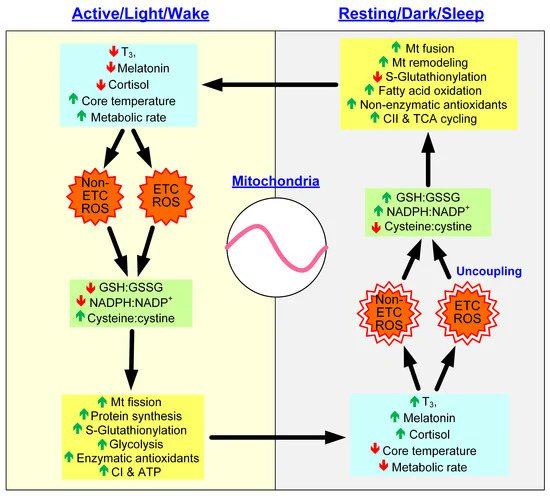
Number 1: Fix your sleep and circadian rhythm.
Poor sleep impairs our hormones through multiple mechanisms.
For example, it reduces testosterone production in Leydig cells, downregulates AR expression and lowers luteinizing hormone (LH) pulses.
Then, sleep regulates the HPT axis, stabilizing T3/T4 production and TR (thyroid receptor) expression.
Poor sleep also increases cortisol, which represses TR signaling via GR AND impairs IR (insulin receptor) signaling through reduced GLUT4 translocation.
Not to mention that it disrupts the hypothalamic-pituitary-ovarian axis, reducing progesterone and PR expression.


Poor sleep impairs our hormones through multiple mechanisms.
For example, it reduces testosterone production in Leydig cells, downregulates AR expression and lowers luteinizing hormone (LH) pulses.
Then, sleep regulates the HPT axis, stabilizing T3/T4 production and TR (thyroid receptor) expression.
Poor sleep also increases cortisol, which represses TR signaling via GR AND impairs IR (insulin receptor) signaling through reduced GLUT4 translocation.
Not to mention that it disrupts the hypothalamic-pituitary-ovarian axis, reducing progesterone and PR expression.
4
Number 2: Get sunlight and go measure your vitamin D levels.
Vitamin D for example not only enhances testosterone production but also boosts AR function.
The vitamin D receptor (VDR) also interacts with thyroid receptors to enhance their expression, supports insulin receptor expression and improves insulin sensitivity.
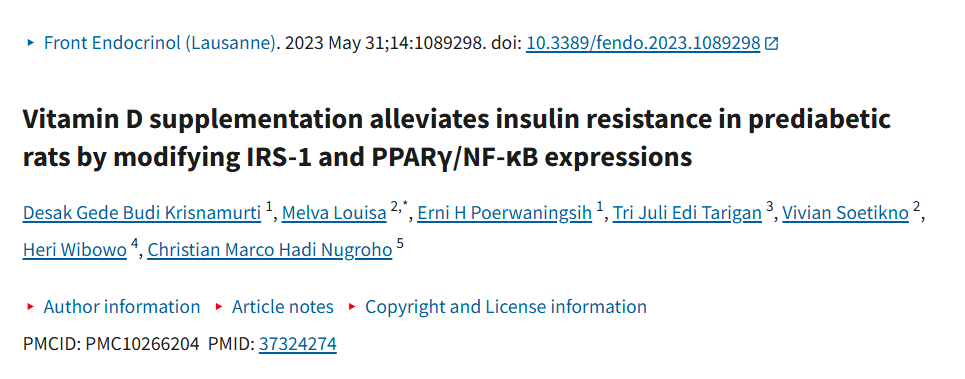
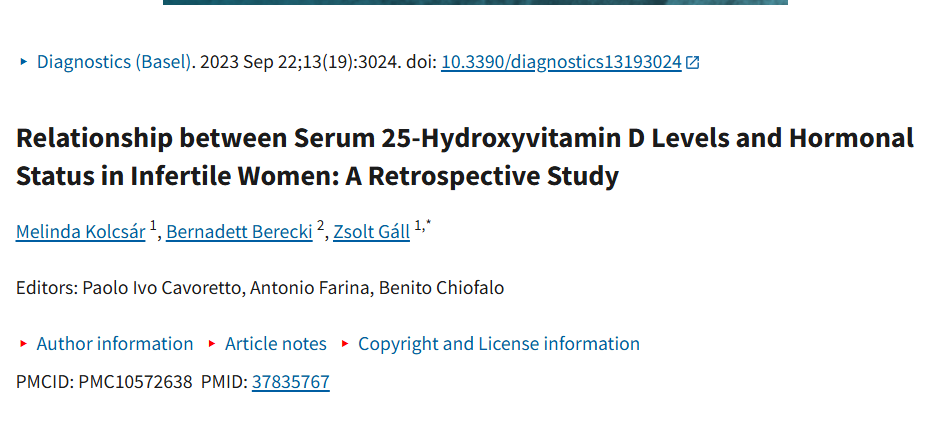
Vitamin D for example not only enhances testosterone production but also boosts AR function.
The vitamin D receptor (VDR) also interacts with thyroid receptors to enhance their expression, supports insulin receptor expression and improves insulin sensitivity.
5
Number 3: Providing enough nutrients such as cholesterol, vitamin E, zinc, magnesium, vitamin C, vitamin K, retinol and B vitamins.
Zinc for example stabilizes progesterone receptor's DNA-binding domain, vitamin C boosts progesterone production in the corpus luteum and vitamin E protects the corpus luteum.
Then, B vitamins support thyroid hormone synthesis and T4-to-T3 conversion by aiding energy metabolism and reducing oxidative stress.
B12 and B6 also support methylation, which influences TR expression epigenetically.
Magnesium also enhances T4-to-T3 conversion by supporting deiodinase activity.
It also enhances IR sensitivity and GLUT4 translocation and zinc stabilizes IR signaling and insulin storage.
Zinc also supports TR function by stabilizing the DNA-binding domain and enhancing T3 binding affinity.
It also promotes T4-to-T3 conversion and synergizes with selenium for deiodinase activity.
Also deficiencies in key nutrients like zinc, magnesium, B vitamins, selenium and potassium impair AR (androgen receptor) function.

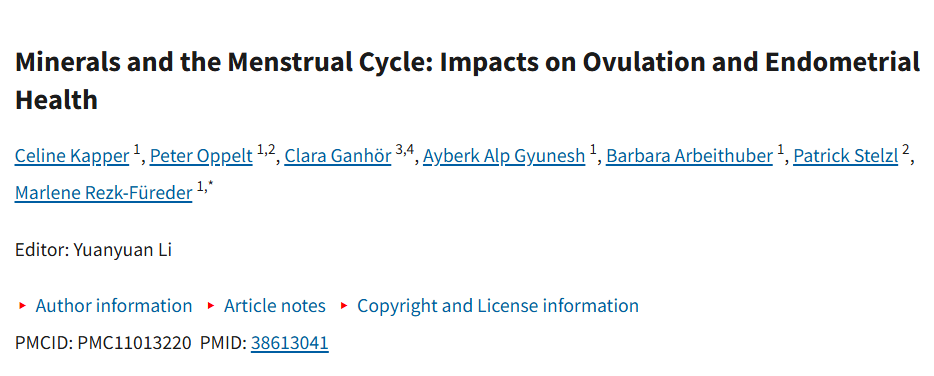
Zinc for example stabilizes progesterone receptor's DNA-binding domain, vitamin C boosts progesterone production in the corpus luteum and vitamin E protects the corpus luteum.
Then, B vitamins support thyroid hormone synthesis and T4-to-T3 conversion by aiding energy metabolism and reducing oxidative stress.
B12 and B6 also support methylation, which influences TR expression epigenetically.
Magnesium also enhances T4-to-T3 conversion by supporting deiodinase activity.
It also enhances IR sensitivity and GLUT4 translocation and zinc stabilizes IR signaling and insulin storage.
Zinc also supports TR function by stabilizing the DNA-binding domain and enhancing T3 binding affinity.
It also promotes T4-to-T3 conversion and synergizes with selenium for deiodinase activity.
Also deficiencies in key nutrients like zinc, magnesium, B vitamins, selenium and potassium impair AR (androgen receptor) function.
6
Number 4: Go train (everything).
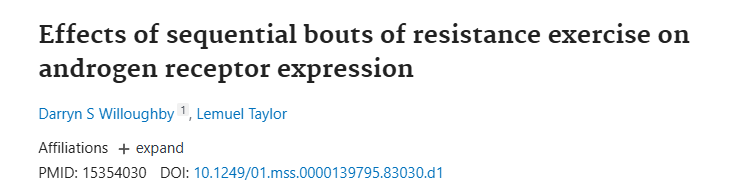
Training is taken for granted a lot of the time, but it’s one of the fundamental aspects of hormonal health that should never be neglected.
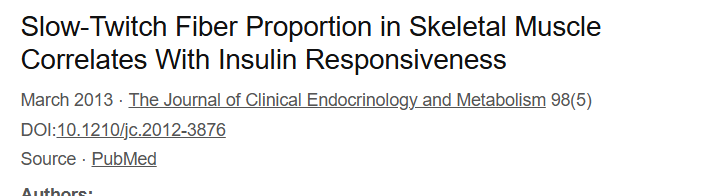
Exercise for example enhances T4-to-T3 conversion, upregulates TR expression in muscle and liver, and improves insulin sensitivity, supporting TR-mediated metabolism.
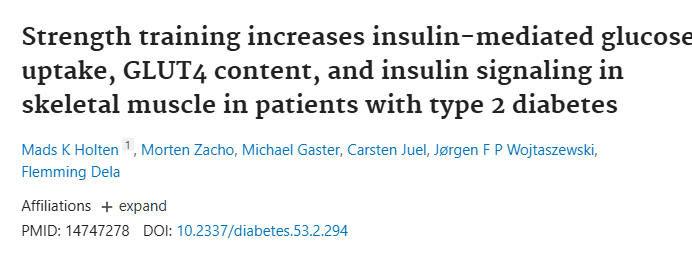
Resistance and aerobic training also enhance IR sensitivity by upregulating GLUT4 and IRS expression.
Start by aiming for 250 min/week of moderate exercise or 60 min/week of high-intensity exercise.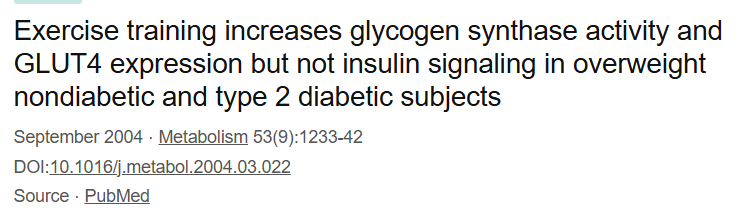
Training is taken for granted a lot of the time, but it’s one of the fundamental aspects of hormonal health that should never be neglected.
Exercise for example enhances T4-to-T3 conversion, upregulates TR expression in muscle and liver, and improves insulin sensitivity, supporting TR-mediated metabolism.
Resistance and aerobic training also enhance IR sensitivity by upregulating GLUT4 and IRS expression.
Start by aiming for 250 min/week of moderate exercise or 60 min/week of high-intensity exercise.
7
Number 5: Relaxing/managing cortisol.
Excess cortisol will inhibit TR (thyroid receptor) signaling, PR (progesterone receptor) signaling, IR (insulin receptor) signaling and will suppress AR sensitivity by competing with androgen signaling pathways, as cortisol binds to glucocorticoid receptors (GR) that interact with ARs.
The same is true for progesterone for example (it competes for co-regulators).
Excess cortisol will inhibit TR (thyroid receptor) signaling, PR (progesterone receptor) signaling, IR (insulin receptor) signaling and will suppress AR sensitivity by competing with androgen signaling pathways, as cortisol binds to glucocorticoid receptors (GR) that interact with ARs.
The same is true for progesterone for example (it competes for co-regulators).
8
Number 6: Manage your body weight.
Besides increasing aromatase which most of you are probably familiar with, excess visceral fat promotes insulin resistance via inflammatory cytokines such as TNF-α and IL-6 for example.
These can als suppress AR function by downregulating AR expression.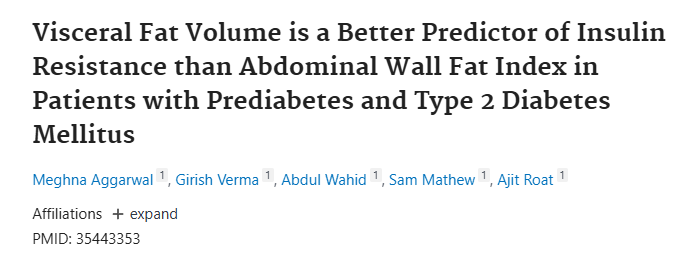
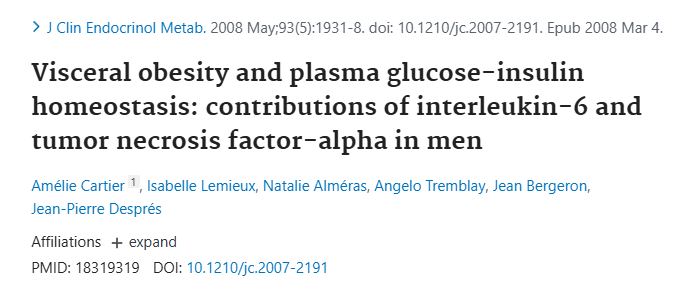

Besides increasing aromatase which most of you are probably familiar with, excess visceral fat promotes insulin resistance via inflammatory cytokines such as TNF-α and IL-6 for example.
These can als suppress AR function by downregulating AR expression.
9
Number 7: Avoid toxins such as endocrine disruptors and heavy metals (within reason).
Endocrine disruptors such as BPA, phthalates and pesticides impair PR function, IR signaling, interfere with thyroid hormone synthesis, transport, or TR binding.
Then, heavy metals for example bind to ARs and act as antagonists and inhibit testosterone synthesis through toxicity to Leydig cells (cadmium for example mimics estrogen).
Also things such as bisphenol A (BPA), phthalates and pesticides not only bind to AR as antagonists, preventing androgen binding, disrupting testosterone synthesis by inhibiting steroidogenic enzymes in Leydig cells but they also alter AR expression.

Endocrine disruptors such as BPA, phthalates and pesticides impair PR function, IR signaling, interfere with thyroid hormone synthesis, transport, or TR binding.
Then, heavy metals for example bind to ARs and act as antagonists and inhibit testosterone synthesis through toxicity to Leydig cells (cadmium for example mimics estrogen).
Also things such as bisphenol A (BPA), phthalates and pesticides not only bind to AR as antagonists, preventing androgen binding, disrupting testosterone synthesis by inhibiting steroidogenic enzymes in Leydig cells but they also alter AR expression.
10
Number 8: Heal your gut.
The gut has a profound influence on every major organ and hormonal pathway in our bodies, whether that’s through bidirectional communication pathways aka "axes” (gut-brain axins, gut-liver axis, gut-immune axis etc), microbial metabolites, immune signaling, nutrient absorption and so on.
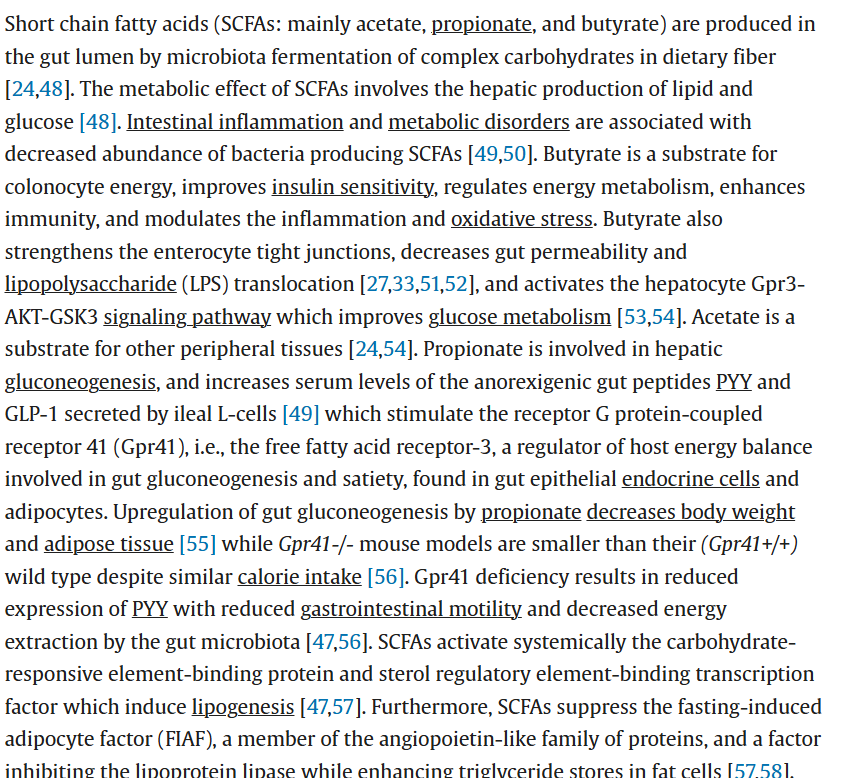
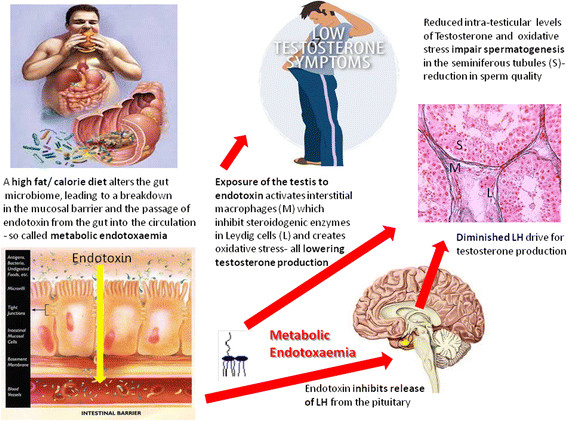
An imbalanced gut microbiome for example can impair AR function by increasing systemic inflammation via leaky gut, which elevates cytokines that suppress AR, reducing short-chain fatty acid (SCFA) production which supports testosterone synthesis, and altering bile acid metabolism, which influences steroid hormone regulation.
Gut bacteria also modulate estrogen metabolism, and dysbiosis may increase estrogen levels, reducing androgen availability.
A balanced microbiome also enhances insulin sensitivity by reducing inflammation and producing SCFAs such as butyrate.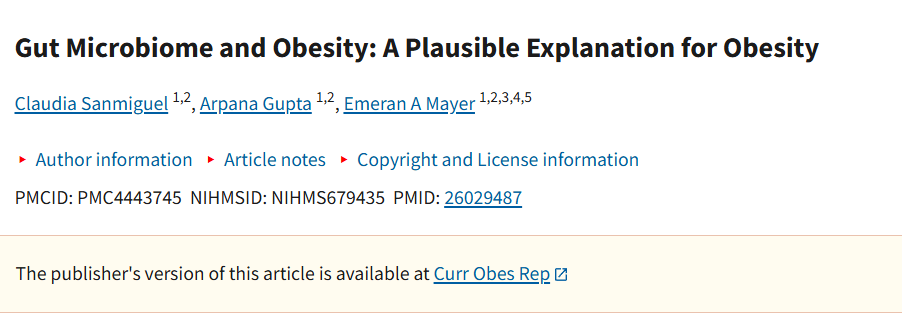

The gut has a profound influence on every major organ and hormonal pathway in our bodies, whether that’s through bidirectional communication pathways aka "axes” (gut-brain axins, gut-liver axis, gut-immune axis etc), microbial metabolites, immune signaling, nutrient absorption and so on.
An imbalanced gut microbiome for example can impair AR function by increasing systemic inflammation via leaky gut, which elevates cytokines that suppress AR, reducing short-chain fatty acid (SCFA) production which supports testosterone synthesis, and altering bile acid metabolism, which influences steroid hormone regulation.
Gut bacteria also modulate estrogen metabolism, and dysbiosis may increase estrogen levels, reducing androgen availability.
A balanced microbiome also enhances insulin sensitivity by reducing inflammation and producing SCFAs such as butyrate.
11
Number 9: Avoid excessive alcohol and junk food consumption.
You might not eat that much junk food or drink alcohol but keep in mind that most people do multiple times per week.
Yet chronic or excessive alcohol intake disrupts AR function by suppressing testosterone production through inhibition of LH and steroidogenic enzymes, increasing oxidative stress, which impairs AR signaling, and promoting aromatization of testosterone to estrogen, reducing androgens.
It also impairs IR signaling by increasing oxidative stress and disrupting glucose metabolism.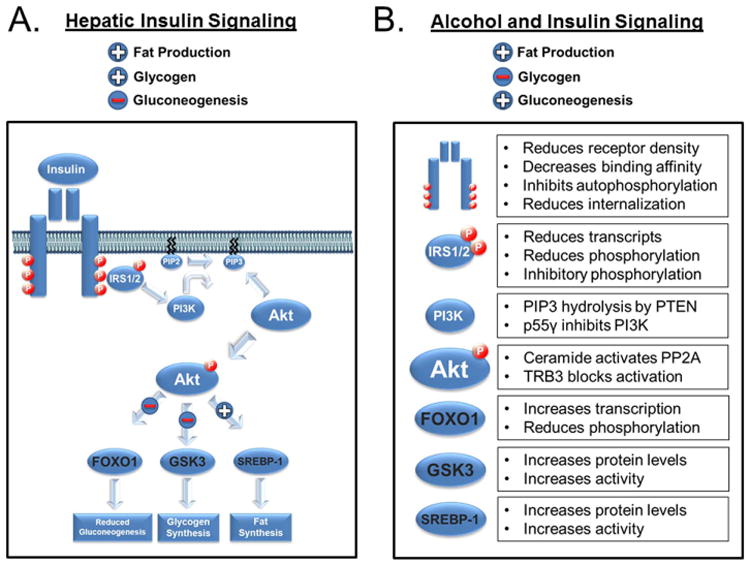
You might not eat that much junk food or drink alcohol but keep in mind that most people do multiple times per week.
Yet chronic or excessive alcohol intake disrupts AR function by suppressing testosterone production through inhibition of LH and steroidogenic enzymes, increasing oxidative stress, which impairs AR signaling, and promoting aromatization of testosterone to estrogen, reducing androgens.
It also impairs IR signaling by increasing oxidative stress and disrupting glucose metabolism.
12
That's it.
Apply these 9 habits and your hormones will thank you.
If you enjoyed this thread and learned something from it make sure to leave a like/RT.
Apply these 9 habits and your hormones will thank you.
If you enjoyed this thread and learned something from it make sure to leave a like/RT.
George Ferman@Helios_Movement
Optimizing your hormones starts with implementing the following lifestyle changes, not fancy supplements, devices or whatever.
So here the key lifestyle change you must immediately implement if you want to have healthy hormones.
Thread🧵
So here the key lifestyle change you must immediately implement if you want to have healthy hormones.
Thread🧵
13
For more tips go here: fitandball.gumroad.com/l/georgesystem…