Most men today, even the young ones, suffer not only from low...

George Ferman@Helios_Movement
139 views
Aug 07, 2025
~21 min read
Advertisement
1
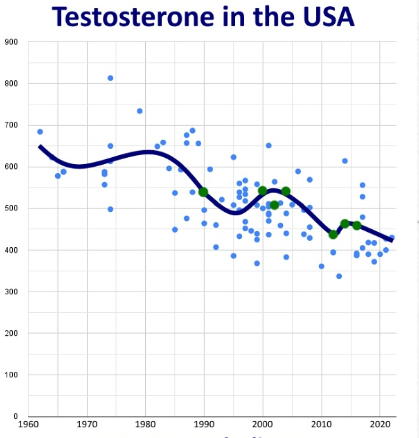
Most men today, even the young ones, suffer not only from low testosterone, but from low androgens overall.
This is a big problem that will inevitably lead consequences such as:
-Low libido
-Fatigue
-Depression
-Anxiety
-Poor functioning memory
-Inability to put on muscle mass
-Lack of strength
and much more.
Of course, if you've personally experienced low androgens you are familiar with these and already know how much it sucks.
It's literally hell on earth for a man.
So here's a guide that discusses:
-What androgens are
-How they are produced
-The main functions of each one
-Tests you can take
-How to improve their function
and more.
Thread🧵

This is a big problem that will inevitably lead consequences such as:
-Low libido
-Fatigue
-Depression
-Anxiety
-Poor functioning memory
-Inability to put on muscle mass
-Lack of strength
and much more.
Of course, if you've personally experienced low androgens you are familiar with these and already know how much it sucks.
It's literally hell on earth for a man.
So here's a guide that discusses:
-What androgens are
-How they are produced
-The main functions of each one
-Tests you can take
-How to improve their function
and more.
Thread🧵
2
*Standard disclaimer that nothing in this thread should be used as a substitute for medical advice*
It's George.
First and foremost, when we are talking about androgens, we are referring to the following steroid hormones:
-Testosterone
-DHT
-DHEA
-DHEA-S
-Androstenedione
-Androsterone
It's George.
First and foremost, when we are talking about androgens, we are referring to the following steroid hormones:
-Testosterone
-DHT
-DHEA
-DHEA-S
-Androstenedione
-Androsterone
3
Why are they so important for our well being?
Well, let’s analyze some of their effects.
Some of the effects that testosterone has on our bodies include:
-Stimulating protein synthesis through the mTOR pathway
-Promoting osteoblast proliferation and inhibits osteoclast activity, increasing bone mineral density (BMD)
-promoting spermatogenesis in Sertoli cells
-Helping our libido through androgen receptors in the hypothalamus and the amygdala
Increasing dopamine release in ventral striatum
-Stimulating sebaceous gland activity
-Supporting our resting metabolic rate (RMR)
-Upregulating GLUT4 expression in skeletal muscle and adipocytes thus enhancing insulin sensitivity
-It also enhances endothelial function, increasing nitric oxide (NO) production and vasodilation
-Inhibiting NF-κB signaling
-Enhancing T-cell proliferation and natural killer (NK) cell activity
-Inhibiting 11β-HSD1 and upregulates 11β-HSD2
-Inhibiting TGF-β signaling
and much more.
Some of the effects that DHT has on our bodies include:
-Enhancing insulin sensitivity by upregulating glucose transporter 4 (GLUT4) expression in skeletal muscle and adipocytes.
-Modulating leptin signaling.
-Promoting fat breakdown by stimulating lipolysis in adipose tissue.
-Activating the mTOR pathway, promoting protein synthesis and muscle growth.
-Supporting osteoblast activity and inhibiting osteoclasts, increasing bone mineral density (BMD).
-Enhancing endothelial function, increasing nitric oxide (NO) production.
-Helping monitoring triglycerides.
-Enhancing thyroid hormone activity by upregulating thyroid receptor sensitivity, aiding metabolism and energy production.
-Inhibiting 11β-HSD1 (which activates cortisol) and upregulates 11β-HSD2 (which inactivates cortisol), helping to balance stress hormone levels.
-Counteracting estrogen dominance by competing for receptor binding and inhibits prolactin release.
-Upregulating dopamine synthesis in areas like the ventral striatum.
-Influencing serotonin and melatonin production by modulating tryptophan metabolism.
-Activating androgen receptors in the hypothalamus and amygdala.
-Supporting spermatogenesis indirectly by maintaining Sertoli cell function and optimizing the testicular environment.
-Stimulating sebaceous gland activity.
-Promoting vocal cord thickening and lengthening, contributing to voice deepening, particularly during puberty.
-Supporting ocular tissue integrity and may protect against conditions like dry eye by maintaining glandular function.
Some of the effects that DHEA (and DHEA-S) have on our bodies include:
-Also enhancing insulin sensitivity by upregulating glucose transporter 4 (GLUT4) expression in adipocytes and skeletal muscle plus modulating leptin signaling.
-Also promoting fat breakdown by stimulating lipolysis in adipose tissue.
-Supporting energy expenditure by enhancing mitochondrial function and thermogenesis, increasing RMR (resting metabolic rate).
-Also promoting osteoblast proliferation and inhibits osteoclast activity.
-Contributing to the production of allopregnanolone, a neurosteroid that modulates GABA receptors, promoting stress resilience and mood stability.
-Enhancing thyroid hormone activity by improving thyroid receptor sensitivity and supporting T3/T4 conversion.
-Acting as a cortisol antagonist by inhibiting 11β-HSD1.
-Modulating estrogen levels through its conversion to estrone and estradiol.
-Enhancing dopamine synthesis and release.
-Promoting synaptic plasticity and supporting neurogenesis.
-Enhancing T-cell proliferation and natural killer (NK) cell activity
"HOLD ON, WON'T HIGH DHT GIVE ME HAIR LOSS?"
Do you really think that:
A) Most men today that have 400ng/dl of testosterone at 25 are so androgenic that they have high DHT levels?
B) There's not a lot of research that shows that DHT might not even cause hair loss?
These hormones are crucial for our well being and their downsides especially when it comes to maximizing their endogenous production are a myth at this point.
Moving on.


Well, let’s analyze some of their effects.
Some of the effects that testosterone has on our bodies include:
-Stimulating protein synthesis through the mTOR pathway
-Promoting osteoblast proliferation and inhibits osteoclast activity, increasing bone mineral density (BMD)
-promoting spermatogenesis in Sertoli cells
-Helping our libido through androgen receptors in the hypothalamus and the amygdala
Increasing dopamine release in ventral striatum
-Stimulating sebaceous gland activity
-Supporting our resting metabolic rate (RMR)
-Upregulating GLUT4 expression in skeletal muscle and adipocytes thus enhancing insulin sensitivity
-It also enhances endothelial function, increasing nitric oxide (NO) production and vasodilation
-Inhibiting NF-κB signaling
-Enhancing T-cell proliferation and natural killer (NK) cell activity
-Inhibiting 11β-HSD1 and upregulates 11β-HSD2
-Inhibiting TGF-β signaling
and much more.
Some of the effects that DHT has on our bodies include:
-Enhancing insulin sensitivity by upregulating glucose transporter 4 (GLUT4) expression in skeletal muscle and adipocytes.
-Modulating leptin signaling.
-Promoting fat breakdown by stimulating lipolysis in adipose tissue.
-Activating the mTOR pathway, promoting protein synthesis and muscle growth.
-Supporting osteoblast activity and inhibiting osteoclasts, increasing bone mineral density (BMD).
-Enhancing endothelial function, increasing nitric oxide (NO) production.
-Helping monitoring triglycerides.
-Enhancing thyroid hormone activity by upregulating thyroid receptor sensitivity, aiding metabolism and energy production.
-Inhibiting 11β-HSD1 (which activates cortisol) and upregulates 11β-HSD2 (which inactivates cortisol), helping to balance stress hormone levels.
-Counteracting estrogen dominance by competing for receptor binding and inhibits prolactin release.
-Upregulating dopamine synthesis in areas like the ventral striatum.
-Influencing serotonin and melatonin production by modulating tryptophan metabolism.
-Activating androgen receptors in the hypothalamus and amygdala.
-Supporting spermatogenesis indirectly by maintaining Sertoli cell function and optimizing the testicular environment.
-Stimulating sebaceous gland activity.
-Promoting vocal cord thickening and lengthening, contributing to voice deepening, particularly during puberty.
-Supporting ocular tissue integrity and may protect against conditions like dry eye by maintaining glandular function.
Some of the effects that DHEA (and DHEA-S) have on our bodies include:
-Also enhancing insulin sensitivity by upregulating glucose transporter 4 (GLUT4) expression in adipocytes and skeletal muscle plus modulating leptin signaling.
-Also promoting fat breakdown by stimulating lipolysis in adipose tissue.
-Supporting energy expenditure by enhancing mitochondrial function and thermogenesis, increasing RMR (resting metabolic rate).
-Also promoting osteoblast proliferation and inhibits osteoclast activity.
-Contributing to the production of allopregnanolone, a neurosteroid that modulates GABA receptors, promoting stress resilience and mood stability.
-Enhancing thyroid hormone activity by improving thyroid receptor sensitivity and supporting T3/T4 conversion.
-Acting as a cortisol antagonist by inhibiting 11β-HSD1.
-Modulating estrogen levels through its conversion to estrone and estradiol.
-Enhancing dopamine synthesis and release.
-Promoting synaptic plasticity and supporting neurogenesis.
-Enhancing T-cell proliferation and natural killer (NK) cell activity
"HOLD ON, WON'T HIGH DHT GIVE ME HAIR LOSS?"
Do you really think that:
A) Most men today that have 400ng/dl of testosterone at 25 are so androgenic that they have high DHT levels?
B) There's not a lot of research that shows that DHT might not even cause hair loss?
These hormones are crucial for our well being and their downsides especially when it comes to maximizing their endogenous production are a myth at this point.
Moving on.
4
Moving on to how androgens are reproduced.
This process is managed by the hypothalamic-pituitary-gonadal (HPG) axis.
This is a neuroendocrine system whose segments are the hypothalamus, anterior pituitary gland and gonads.
It all starts with the hypothalamus secreting gonadotropin-releasing hormone (GnRH), a peptide hormone that is synthesized in specialized neurons (in the hypothalamic preoptic area and arcuate nucleus) that express G protein-coupled receptors (GPCRs) and ion channels, whose production is influenced by factors such as stress, hormones such as cortisol and leptin, neuropeptides and light-dark cycles.
For example, kisspeptin (a neuropeptide) binds to the GPR54 receptor on GnRH neurons thus activating phospholipase C, which hydrolyzes phosphatidylinositol 4,5-bisphosphate into inositol trisphosphate that triggers calcium release from the endoplasmic reticulum, increasing intracellular calcium and diacylglycerol that activates protein kinase C, amplifying signaling where elevated intracellular calcium and PKC stimulate cAMP response element-binding protein (CREB) and other transcription factors, upregulating GnRH gene expression.
It is released every 1–2 hours into the hypophyseal portal system which connects the hypothalamus to the anterior pituitary and binds to G protein-coupled receptors on pituitary gonadotroph cells.
This process is managed by the hypothalamic-pituitary-gonadal (HPG) axis.
This is a neuroendocrine system whose segments are the hypothalamus, anterior pituitary gland and gonads.
It all starts with the hypothalamus secreting gonadotropin-releasing hormone (GnRH), a peptide hormone that is synthesized in specialized neurons (in the hypothalamic preoptic area and arcuate nucleus) that express G protein-coupled receptors (GPCRs) and ion channels, whose production is influenced by factors such as stress, hormones such as cortisol and leptin, neuropeptides and light-dark cycles.
For example, kisspeptin (a neuropeptide) binds to the GPR54 receptor on GnRH neurons thus activating phospholipase C, which hydrolyzes phosphatidylinositol 4,5-bisphosphate into inositol trisphosphate that triggers calcium release from the endoplasmic reticulum, increasing intracellular calcium and diacylglycerol that activates protein kinase C, amplifying signaling where elevated intracellular calcium and PKC stimulate cAMP response element-binding protein (CREB) and other transcription factors, upregulating GnRH gene expression.
It is released every 1–2 hours into the hypophyseal portal system which connects the hypothalamus to the anterior pituitary and binds to G protein-coupled receptors on pituitary gonadotroph cells.
5
Then, the anterior pituitary responds to GnRH by synthesizing and releasing two gonadotropins:
Number 1: Luteinizing hormone (LH) that stimulates the production of testosterone in males and estrogen/progesterone in females.
In males for example, LH targets Leydig cells in the testes inducing testosterone synthesis.
In females, LH also drives androgen production in theca cells (converted to estrogens in granulosa cells).
Number 2: Follicle-stimulating hormone (FSH) that promotes spermatogenesis in males and follicle development plus estrogen synthesis in females.
In males for example, FSH acts on Sertoli cells, supporting spermatogenesis and producing inhibin, a feedback hormone.
Then, LH binds to receptors on Leydig cells in the testes, activating adenylate cyclase to increase cyclic AMP (cAMP) levels.
This increase drives the expression of steroidogenic acute regulatory protein (StAR) that transports cholesterol that is acquired by dietary low-density lipoproteins (LDL), de novo synthesis in the endoplasmic reticulum from acetyl-CoA or stored cholesterol esters in lipid droplets within cells, from the outer to the inner mitochondrial membrane.
Number 1: Luteinizing hormone (LH) that stimulates the production of testosterone in males and estrogen/progesterone in females.
In males for example, LH targets Leydig cells in the testes inducing testosterone synthesis.
In females, LH also drives androgen production in theca cells (converted to estrogens in granulosa cells).
Number 2: Follicle-stimulating hormone (FSH) that promotes spermatogenesis in males and follicle development plus estrogen synthesis in females.
In males for example, FSH acts on Sertoli cells, supporting spermatogenesis and producing inhibin, a feedback hormone.
Then, LH binds to receptors on Leydig cells in the testes, activating adenylate cyclase to increase cyclic AMP (cAMP) levels.
This increase drives the expression of steroidogenic acute regulatory protein (StAR) that transports cholesterol that is acquired by dietary low-density lipoproteins (LDL), de novo synthesis in the endoplasmic reticulum from acetyl-CoA or stored cholesterol esters in lipid droplets within cells, from the outer to the inner mitochondrial membrane.
6
Then, CYP11A1 cleaves cholesterol’s side chain to produce pregnenolone (this requires electron transfer from NADPH via adrenodoxin and adrenodoxin reductase) which follows the Δ5 pathway in Leydig cells where CYP17A1 (17α-hydroxylase) converts pregnenolone to 17α-hydroxypregnenolone.
CYP17A1’s 17,20-lyase activity transforms 17α-hydroxypregnenolone into dehydroepiandrosterone (DHEA), 3β-hydroxysteroid dehydrogenase (3β-HSD) converts DHEA to androstenedione.
17β-HSD (type 3) reduces androstenedione to testosterone.
Some testosterone is then further converted to dihydrotestosterone (DHT) by 5α-reductase in peripheral tissues by reducing the double bond at C4-C5 to a single bond.
What’s important to keep in mind as well, is that this axis is tightly regulated by negative feedback to prevent hormone overproduction.
For example, testosterone inhibits GnRH release from the hypothalamus and LH/FSH secretion from the pituitary (partly via aromatization to estradiol) while Iihibin (from Sertoli cells) selectively suppresses FSH release.
Note 1: We also have peripheral conversion where testosterone gets turned into dihydrotestosterone (DHT) by 5α-reductase in tissues like the prostate and skin.
Note 2: Luteinizing hormone (LH) from the pituitary stimulates StAR and steroidogenic enzymes.
CYP17A1’s 17,20-lyase activity transforms 17α-hydroxypregnenolone into dehydroepiandrosterone (DHEA), 3β-hydroxysteroid dehydrogenase (3β-HSD) converts DHEA to androstenedione.
17β-HSD (type 3) reduces androstenedione to testosterone.
Some testosterone is then further converted to dihydrotestosterone (DHT) by 5α-reductase in peripheral tissues by reducing the double bond at C4-C5 to a single bond.
What’s important to keep in mind as well, is that this axis is tightly regulated by negative feedback to prevent hormone overproduction.
For example, testosterone inhibits GnRH release from the hypothalamus and LH/FSH secretion from the pituitary (partly via aromatization to estradiol) while Iihibin (from Sertoli cells) selectively suppresses FSH release.
Note 1: We also have peripheral conversion where testosterone gets turned into dihydrotestosterone (DHT) by 5α-reductase in tissues like the prostate and skin.
Note 2: Luteinizing hormone (LH) from the pituitary stimulates StAR and steroidogenic enzymes.
7
Moving on to another important topic, which is androgen receptors.
These intracellular proteins function as ligand-activated transcription factors and mediate the effects of androgens.
They are expressed in a wide range of tissues such as the prostate, testes, seminal vesicles, epididymis, skeletal muscle, bones, hair follicles, sebaceous glands, hypothalamus, pituitary, liver, adipose tissue and cardiovascular system.
So when we pair the effects of androgens with the tissues which ARs are expressed, we can better understand why their activation leads to sexual development, enhanced protein synthesis in muscles and osteoblast activity in bones, the regulation of lipid metabolism, insulin sensitivity, energy homeostasis but also how they modulate mood, cognition and sexual behavior (and plenty of other neurological effects (ARs in the hippocampus and amygdala for example greatly modulate stress-related behaviors)).
ARs exists in an inactive state in the cytoplasm, bound to heat shock proteins (HSPs) and other chaperones, which stabilize it until ligand binding occurs.
They are encoded by the AR gene, which is located on the X chromosome (Xq11-12).
When it comes to its domains:
-The N-terminal domain (NTD) contains activation function 1 (AF1), which is involved in transcriptional activation.
It interacts with co-regulatory proteins to modulate gene expression.
-The DNA-binding domain (DBD) contains zinc finger motifs that allow the receptor to bind to specific DNA sequences called androgen response elements (AREs) in the promoter regions of target genes.
-The hinge region connects the DBD to the ligand-binding domain and contains a nuclear localization signal (NLS) to direct the receptor to the cell nucleus upon activation.
-The ligand-binding domain (LBD) is located at the C-terminus, this domain forms a pocket that binds androgens with high specificity and affinity.
It also contains activation function 2 (AF2), which is critical for recruiting co-activator proteins after ligand binding.

These intracellular proteins function as ligand-activated transcription factors and mediate the effects of androgens.
They are expressed in a wide range of tissues such as the prostate, testes, seminal vesicles, epididymis, skeletal muscle, bones, hair follicles, sebaceous glands, hypothalamus, pituitary, liver, adipose tissue and cardiovascular system.
So when we pair the effects of androgens with the tissues which ARs are expressed, we can better understand why their activation leads to sexual development, enhanced protein synthesis in muscles and osteoblast activity in bones, the regulation of lipid metabolism, insulin sensitivity, energy homeostasis but also how they modulate mood, cognition and sexual behavior (and plenty of other neurological effects (ARs in the hippocampus and amygdala for example greatly modulate stress-related behaviors)).
ARs exists in an inactive state in the cytoplasm, bound to heat shock proteins (HSPs) and other chaperones, which stabilize it until ligand binding occurs.
They are encoded by the AR gene, which is located on the X chromosome (Xq11-12).
When it comes to its domains:
-The N-terminal domain (NTD) contains activation function 1 (AF1), which is involved in transcriptional activation.
It interacts with co-regulatory proteins to modulate gene expression.
-The DNA-binding domain (DBD) contains zinc finger motifs that allow the receptor to bind to specific DNA sequences called androgen response elements (AREs) in the promoter regions of target genes.
-The hinge region connects the DBD to the ligand-binding domain and contains a nuclear localization signal (NLS) to direct the receptor to the cell nucleus upon activation.
-The ligand-binding domain (LBD) is located at the C-terminus, this domain forms a pocket that binds androgens with high specificity and affinity.
It also contains activation function 2 (AF2), which is critical for recruiting co-activator proteins after ligand binding.
8
Here’s a brief summary of how androgen receptors work:
A molecule of an androgen hormone slips through the cell’s outer membrane since it’s fat-soluble, it finds the androgen receptor and goes to the ligand-binding domain (LBD) in the cytoplasm.
This causes the receptor to change shape and kick off the heat shock proteins (HSPs) in order to expose parts of the receptor that were hidden.
Once activated, it travels to the cell’s nucleus with the help of nuclear localization signal (NLS) in order to influence the cell’s instructions (DNA is stored in the nucleus).
Once in the nucleus, two activated receptors “team up” (just an analogy for dimerization) to form a “homodimer” which then binds to specific spots on the DNA called androgen response elements (AREs).
In order to modulate gene expression, the receptor needs help from other proteins called co-activators or co-repressors that “open up” the DNA (by adding chemical tags to histones, which are like spools that DNA is wrapped around) or “close it off” to control whether genes are turned on or off.
They also connect the receptor to the cell’s machinery that reads DNA.
Then all these instruct the cell to make specific proteins by turning on or off certain genes, which then carry out the androgen’s effects.
The activity of ARs is regulated by:
-Ligand availability (controlled by enzymes like 5α-reductase and aromatase).
-Co-activators such as SRC-1 and CBP/p300.
-Co-repressors such as NCoR and SMRT.
-Phosphorylation, acetylation, and ubiquitination
-Feedback Mechanisms: Androgen signaling regulates the hypothalamic-pituitary-gonadal axis, controlling testosterone production.
Side note 1: You might have seen the term “SARMs” which stands for selective androgen receptor modulators and these are compounds that selectively activate AR in specific tissues while minimizing effects in others.
Side note 2: The AR gene contains a variable number of CAG repeats, which stands for cytosine-adenine-guanine, in its N-terminal domain, ranging from less than 10 to over 35 that influence receptor sensitivity.
-Fewer CAG repeats means higher AR sensitivity, meaning more transcriptional activity per molecule of a particular androgen, thus your cells respond more effectively to androgens.
-More CAG repeats means lower AR sensitivity, reducing the impact of androgens.
This can lead to diminished muscle gains or libido despite normal testosterone levels.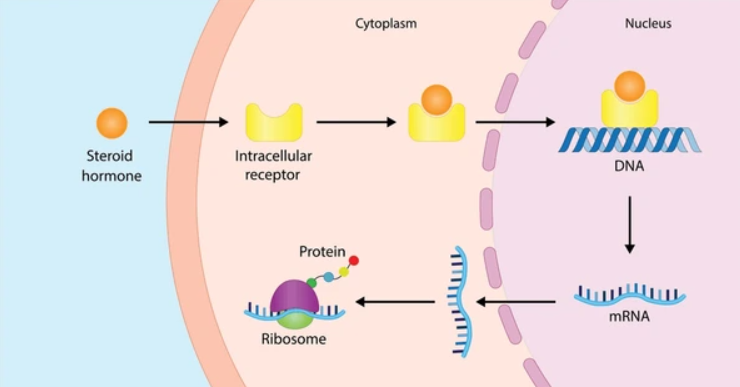
A molecule of an androgen hormone slips through the cell’s outer membrane since it’s fat-soluble, it finds the androgen receptor and goes to the ligand-binding domain (LBD) in the cytoplasm.
This causes the receptor to change shape and kick off the heat shock proteins (HSPs) in order to expose parts of the receptor that were hidden.
Once activated, it travels to the cell’s nucleus with the help of nuclear localization signal (NLS) in order to influence the cell’s instructions (DNA is stored in the nucleus).
Once in the nucleus, two activated receptors “team up” (just an analogy for dimerization) to form a “homodimer” which then binds to specific spots on the DNA called androgen response elements (AREs).
In order to modulate gene expression, the receptor needs help from other proteins called co-activators or co-repressors that “open up” the DNA (by adding chemical tags to histones, which are like spools that DNA is wrapped around) or “close it off” to control whether genes are turned on or off.
They also connect the receptor to the cell’s machinery that reads DNA.
Then all these instruct the cell to make specific proteins by turning on or off certain genes, which then carry out the androgen’s effects.
The activity of ARs is regulated by:
-Ligand availability (controlled by enzymes like 5α-reductase and aromatase).
-Co-activators such as SRC-1 and CBP/p300.
-Co-repressors such as NCoR and SMRT.
-Phosphorylation, acetylation, and ubiquitination
-Feedback Mechanisms: Androgen signaling regulates the hypothalamic-pituitary-gonadal axis, controlling testosterone production.
Side note 1: You might have seen the term “SARMs” which stands for selective androgen receptor modulators and these are compounds that selectively activate AR in specific tissues while minimizing effects in others.
Side note 2: The AR gene contains a variable number of CAG repeats, which stands for cytosine-adenine-guanine, in its N-terminal domain, ranging from less than 10 to over 35 that influence receptor sensitivity.
-Fewer CAG repeats means higher AR sensitivity, meaning more transcriptional activity per molecule of a particular androgen, thus your cells respond more effectively to androgens.
-More CAG repeats means lower AR sensitivity, reducing the impact of androgens.
This can lead to diminished muscle gains or libido despite normal testosterone levels.
9
Now that you are aware of these basic concepts here are some suggestions.
Suggestion number 1: Go and test the following markers in order to have a clear picture of your starting point.
These markers are:
1) Total testosterone
This is the testosterone that is also bound to albumin and SHBG.
A good range for total testosterone is 600 - 1000 ng/dL depending on your age (but to be fair, most men under 35 will not feel great at 600).
2) Free testosterone.
This is the testosterone that is not bound to SHBG or albumin and is often referred to as bioactive testosterone (2-4% of the total testosterone levels is bioactive).
Ideally you want a range of 80-200 pg/mL of free testosterone.
3) Estradiol and prolactin.
Ideally, regarding estradiol levels, you want a range of 10–35 pg/mL and prolactin levels below 16 ng/ml.
4) SHBG
This is a protein that binds to testosterone (this is an oversimplification but this thread serves as a starting point).
Ideally, when it comes to SHBG you want levels of 25 - 45 nmol/L.
5)LH and FSH
These stimulate sperm and testosterone production.
Ideally, you want a range of 3 - 10 mIU/L.
Suggestion number 1: Go and test the following markers in order to have a clear picture of your starting point.
These markers are:
1) Total testosterone
This is the testosterone that is also bound to albumin and SHBG.
A good range for total testosterone is 600 - 1000 ng/dL depending on your age (but to be fair, most men under 35 will not feel great at 600).
2) Free testosterone.
This is the testosterone that is not bound to SHBG or albumin and is often referred to as bioactive testosterone (2-4% of the total testosterone levels is bioactive).
Ideally you want a range of 80-200 pg/mL of free testosterone.
3) Estradiol and prolactin.
Ideally, regarding estradiol levels, you want a range of 10–35 pg/mL and prolactin levels below 16 ng/ml.
4) SHBG
This is a protein that binds to testosterone (this is an oversimplification but this thread serves as a starting point).
Ideally, when it comes to SHBG you want levels of 25 - 45 nmol/L.
5)LH and FSH
These stimulate sperm and testosterone production.
Ideally, you want a range of 3 - 10 mIU/L.
10
Suggestion number 2: Fix your sleep.
Getting quality sleep on a regular basis is one of the cornerstones for healthy hormones in general.
If you haven't fixed this, then you really shouldn't worry about anything else because it's that important.
This thread will help you out a lot.
Poor sleep, will lower your androgens faster than anything else.
In fact, you can take a man that's totally healthy, ruin his sleep for a week and this alone is shown to have a profound negative effect on his testosterone levels.
It also increases cortisol, downregulates AR expression and lowers luteinizing hormone (LH) pulses.
Your sleep guide for the ones struggling:


Getting quality sleep on a regular basis is one of the cornerstones for healthy hormones in general.
If you haven't fixed this, then you really shouldn't worry about anything else because it's that important.
This thread will help you out a lot.
Poor sleep, will lower your androgens faster than anything else.
In fact, you can take a man that's totally healthy, ruin his sleep for a week and this alone is shown to have a profound negative effect on his testosterone levels.
It also increases cortisol, downregulates AR expression and lowers luteinizing hormone (LH) pulses.
Your sleep guide for the ones struggling:
George Ferman@Helios_Movement
"I want more energy, higher testosterone, better skin health, mental clarity etc".
Then optimize your sleep.
You can have the perfect diet, workout plan and so on, but if you don't get deep sleep on a regular basis you're doomed to fail.
So here's how you can get deep sleep on a regular basis.
Thread🧵
Then optimize your sleep.
You can have the perfect diet, workout plan and so on, but if you don't get deep sleep on a regular basis you're doomed to fail.
So here's how you can get deep sleep on a regular basis.
Thread🧵
11
Suggestion number 3: Train
Training is taken for granted a lot of the time in these spaces, but it’s one of the fundamental aspects of hormonal health that should never be neglected especially given the fact that most people live sedentary lives.
Now of course, there’s a point of diminishing returns when it comes to training so a basic Upper/Rest/Lower/Rest/Full body/Rest/Rest split with cardio in between lifting days will work great for most people.
Full body workout examples:
Number 1
-Hack squat X4
-Seated DB press X 4
-Lat pulldown X 4
-Weighted dips X4
-Concentration curls X 3
-Seated calf raises X 3
-Rear delt DB flyes X 3
Number 2
-Incline BB bench X 4
-Weighted pull ups X 4
- Leg press X 5
-Cable cross over x 3
-One arm DB row X 3
-Lateral raises X 3
-Hammer curls X3
-Leg raises X 3
-Weighted hyperextensions X 3
Number 3
-RDL X4
-Bulgarian split squats X4
-Weighted dips X 4
-Seated close grip row X 4
-Lateral raises X4
-EZ bar bicep curls X 3


Training is taken for granted a lot of the time in these spaces, but it’s one of the fundamental aspects of hormonal health that should never be neglected especially given the fact that most people live sedentary lives.
Now of course, there’s a point of diminishing returns when it comes to training so a basic Upper/Rest/Lower/Rest/Full body/Rest/Rest split with cardio in between lifting days will work great for most people.
Full body workout examples:
Number 1
-Hack squat X4
-Seated DB press X 4
-Lat pulldown X 4
-Weighted dips X4
-Concentration curls X 3
-Seated calf raises X 3
-Rear delt DB flyes X 3
Number 2
-Incline BB bench X 4
-Weighted pull ups X 4
- Leg press X 5
-Cable cross over x 3
-One arm DB row X 3
-Lateral raises X 3
-Hammer curls X3
-Leg raises X 3
-Weighted hyperextensions X 3
Number 3
-RDL X4
-Bulgarian split squats X4
-Weighted dips X 4
-Seated close grip row X 4
-Lateral raises X4
-EZ bar bicep curls X 3
12
Suggestion number 4: Lose the fat/manage aromatase.
CYP19A1-Aromatase is crucial when it comes to having healthy androgens.
Aromatase helps with the conversion of androgens such as testosterone (or androstenedione) to estrogens such as estradiol (or estrone)).
Suggestions:
-Lose fat if you are overweight
-Avoid 5-AR inhibitors (DHT is also probably the most powerful aromatase inhibitor that exists)
-Avoid xenoestrogens
-Get sunlight and test your vitamin D levels.
-Lift.
-Manage stress.
-Get enough magnesium, vitamin E, retinol, K2, CALCIUM (very underrated), zinc and selenium
-Avoid the overconsumption of grains and alcohol
-Make sure that your liver is working properly
-You can also include natural aromatase inhibitors in your diet such as:
-Olives and organic olive leaf extract
-Naringin
-Nettle root
-Turkey tail
-Grape seed proanthocyanidin extract
-Garlic
-Black ginger
CYP19A1-Aromatase is crucial when it comes to having healthy androgens.
Aromatase helps with the conversion of androgens such as testosterone (or androstenedione) to estrogens such as estradiol (or estrone)).
Suggestions:
-Lose fat if you are overweight
-Avoid 5-AR inhibitors (DHT is also probably the most powerful aromatase inhibitor that exists)
-Avoid xenoestrogens
-Get sunlight and test your vitamin D levels.
-Lift.
-Manage stress.
-Get enough magnesium, vitamin E, retinol, K2, CALCIUM (very underrated), zinc and selenium
-Avoid the overconsumption of grains and alcohol
-Make sure that your liver is working properly
-You can also include natural aromatase inhibitors in your diet such as:
-Olives and organic olive leaf extract
-Naringin
-Nettle root
-Turkey tail
-Grape seed proanthocyanidin extract
-Garlic
-Black ginger
13
Suggestion number 5: If anything sounds too complicated in this thread, just work on your mitochondria as your starting point.
Something that most people miss is that low testosterone is for a good part, a consequence of poor mitochondrial function.
Mitochondria are critical for cellular energy production (ATP via oxidative phosphorylation, OXPHOS) and steroidogenesis (testosterone synthesis in Leydig cells).
Mitochondria are complex organelles found in nearly every cell of your body.
Here are practical tips to improve your mitochondrial function broken down in 3 stages/steps.
Step 1: Protect.
This includes: No high caloric malnutrition, don't get fat, no seed oils, not using meds such as statins for no reason, no artificial blue light past sunset, no one dimensional diets that lack macronutrients, manage exposure to toxins (mycotoxins, heavy metals etc) and nnEMFs.
Step 2: Lifestyle.
This includes: sun, HIIT, cold exposure (within context), nutrients needed for melatonin conversion etc
Step 3: Nutrients.
This includes mainly B vitamins, magnesium, glutathione precursors, K2, taurine, L carnitine, zinc, CoQ10.
Something that most people miss is that low testosterone is for a good part, a consequence of poor mitochondrial function.
Mitochondria are critical for cellular energy production (ATP via oxidative phosphorylation, OXPHOS) and steroidogenesis (testosterone synthesis in Leydig cells).
Mitochondria are complex organelles found in nearly every cell of your body.
Here are practical tips to improve your mitochondrial function broken down in 3 stages/steps.
Step 1: Protect.
This includes: No high caloric malnutrition, don't get fat, no seed oils, not using meds such as statins for no reason, no artificial blue light past sunset, no one dimensional diets that lack macronutrients, manage exposure to toxins (mycotoxins, heavy metals etc) and nnEMFs.
Step 2: Lifestyle.
This includes: sun, HIIT, cold exposure (within context), nutrients needed for melatonin conversion etc
Step 3: Nutrients.
This includes mainly B vitamins, magnesium, glutathione precursors, K2, taurine, L carnitine, zinc, CoQ10.
14
Suggestion number 6: Get more sunlight not only for vitamin D but because no one can have a properly functioning hypothalamus without it and a healthy light environment overall.
Vitamin D supplements won't cut it and it has been demonstrated in a variety of hormones such as even the thyroid.
sciencedirect.com/science/articl…
Now the easiest first steps on can take in order to fix his light environment include:
-Literally spending more time outside (if you don't have much time for it, at least prioritize exposure during sunrise and sunset)
-Limiting screen time when possible and installing programs like f.lux
-Prioritize doing cardio outdoors over a treadmill/at the gym
-A pair of blue light blockers
Note: If you spend time in the sun and are still deficient in vitamin D, i wouldn't look into an SNP in the VDR at first but at other common reasons for vitamin D deficiency such as:
-High fiber diets (no fiber is not bad, "high fiber" was typed).
-Poor bile flow.
-Fat malabsorption.
-WAY too much caffeine
-Low fat diets.
-Mindless supplementation of the other fat-soluble vitamins such as vitamin A.
-Not getting enough boron, magnesium and zinc.
-Insulin resistance.
-Gut issues.
-Kidney issues
Vitamin D supplements won't cut it and it has been demonstrated in a variety of hormones such as even the thyroid.
sciencedirect.com/science/articl…
Now the easiest first steps on can take in order to fix his light environment include:
-Literally spending more time outside (if you don't have much time for it, at least prioritize exposure during sunrise and sunset)
-Limiting screen time when possible and installing programs like f.lux
-Prioritize doing cardio outdoors over a treadmill/at the gym
-A pair of blue light blockers
Note: If you spend time in the sun and are still deficient in vitamin D, i wouldn't look into an SNP in the VDR at first but at other common reasons for vitamin D deficiency such as:
-High fiber diets (no fiber is not bad, "high fiber" was typed).
-Poor bile flow.
-Fat malabsorption.
-WAY too much caffeine
-Low fat diets.
-Mindless supplementation of the other fat-soluble vitamins such as vitamin A.
-Not getting enough boron, magnesium and zinc.
-Insulin resistance.
-Gut issues.
-Kidney issues
15
Sggestion number 7: Manage stress.
Okay, this is a huge one.
We are not designed to be constantly ON and never relaxing will inevitably lead to health issues (anything from insomnia and gut issues all the way to hormonal issues such as even diabetes).
Stress is meant to be experienced in intervals.
So if you've been under chronic stress, relaxing should be one of your first priorities.
Practical tips for stress reduction:
Number 1: Limit your inputs.
We are not designed to be constantly hammered with noise and neglecting this is one of the most useless sources of stress in the modern day and age.
Number 2: Take care of your adrenals.
The easiest things you can do regarding this is making sure that you are not going zero carb while also eating a breakfast with vitamin C, enough protein and that you are getting enough B5 in general.
Number 3: Get enough minerals.
Not getting enough minerals while being stressed creates a vicious loop since minerals such as magnesium and calcium help us regulate cortisol by default and stress depletes minerals.
So get a quality salt, prioritize fruits and tubers as your carb sources and supplement with magnesium or trace minerals.
Number 4: Cycle the damn stimulants or at least weight 60 minutes after waking up before consuming.
You don't need coffee as soon as you wake up. You're not sick.
Number 5: Get sunlight and block the artificial blue light. Vitamin D is known to protect the adrenals and artificial blue light is known to increase cortisol.
Number 6: Consider using herbs such as lemon balm, valerian, chamomile and maybe reishi occasionally (once every 2 weeks).
Can you use other things such as theanine, epsom salt baths and inositol? Sure.
Number 7: Learn to recognize the point of diminishing returns in your activities.
Number 8: Do a digital detox.
Number 9: Go ground and unless you have some serious damage in your gut lining, get some taurine.
Number 10: Ask smarter people to help you with whatever problem is causing you stress and speak about the problem out loud or write it down in order to think it through better.
Number 11: Do breathing exercises.

Okay, this is a huge one.
We are not designed to be constantly ON and never relaxing will inevitably lead to health issues (anything from insomnia and gut issues all the way to hormonal issues such as even diabetes).
Stress is meant to be experienced in intervals.
So if you've been under chronic stress, relaxing should be one of your first priorities.
Practical tips for stress reduction:
Number 1: Limit your inputs.
We are not designed to be constantly hammered with noise and neglecting this is one of the most useless sources of stress in the modern day and age.
Number 2: Take care of your adrenals.
The easiest things you can do regarding this is making sure that you are not going zero carb while also eating a breakfast with vitamin C, enough protein and that you are getting enough B5 in general.
Number 3: Get enough minerals.
Not getting enough minerals while being stressed creates a vicious loop since minerals such as magnesium and calcium help us regulate cortisol by default and stress depletes minerals.
So get a quality salt, prioritize fruits and tubers as your carb sources and supplement with magnesium or trace minerals.
Number 4: Cycle the damn stimulants or at least weight 60 minutes after waking up before consuming.
You don't need coffee as soon as you wake up. You're not sick.
Number 5: Get sunlight and block the artificial blue light. Vitamin D is known to protect the adrenals and artificial blue light is known to increase cortisol.
Number 6: Consider using herbs such as lemon balm, valerian, chamomile and maybe reishi occasionally (once every 2 weeks).
Can you use other things such as theanine, epsom salt baths and inositol? Sure.
Number 7: Learn to recognize the point of diminishing returns in your activities.
Number 8: Do a digital detox.
Number 9: Go ground and unless you have some serious damage in your gut lining, get some taurine.
Number 10: Ask smarter people to help you with whatever problem is causing you stress and speak about the problem out loud or write it down in order to think it through better.
Number 11: Do breathing exercises.
16
Suggestion number 8: Get enough of the following micronutrients.
Nutrient deficiencies can also lead to your androgen levels being screwed.
Hundreds of thousands of chemicals reactions are affected in micronutrients.
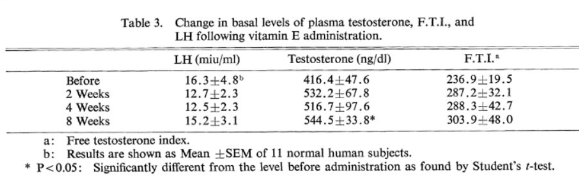
Why do you think for example that when zinc-deficient men supplemented zinc, their testosterone levels almost doubled over 6 months.
Or that a zinc deficiency can lead to a 30% drop in testosterone in just 16 weeks.
Or even why zinc can also reduce estrogen and SHBG levels.
Then iodine can promote the metabolism of estrone and estradiol into estriol, it increases CYP1A1/1B1 for example.
B3 for example has even been found as one of the most effective ways to treat age related steroid deficiency and of course a lot of steroidogenic enzymes such as CYP450scc use NAD+
Same for MK4.
Same for magnesium.
pubmed.ncbi.nlm.nih.gov/19095394/
Heck even potassium is super important.
pubmed.ncbi.nlm.nih.gov/8756540/
So, if you want to improve your androgens, you diet should have enough:
-Bioavailable protein
-Zinc
-B vitamins
-Vitamin E
-Calcium
-Vitamin C
-Selenium
-Iodine
-Magnesium
-Potassium
-Boron
-Retinol
-K2
NOTE: ALWAYS, prioritize foods as your nutrient sources.
Certain forms found in most supplements WILL negatively affect androgens.
Example:
pubmed.ncbi.nlm.nih.gov/1421208/
Then you can overdo it very easily with supplements (most people for example have no idea that we recycle a lot of boron, they will use 9 mg and then wonder why their estrogens are sky high 3 months later (i like boron, i'm just pointing out something)).

Nutrient deficiencies can also lead to your androgen levels being screwed.
Hundreds of thousands of chemicals reactions are affected in micronutrients.
Why do you think for example that when zinc-deficient men supplemented zinc, their testosterone levels almost doubled over 6 months.
Or that a zinc deficiency can lead to a 30% drop in testosterone in just 16 weeks.
Or even why zinc can also reduce estrogen and SHBG levels.
Then iodine can promote the metabolism of estrone and estradiol into estriol, it increases CYP1A1/1B1 for example.
B3 for example has even been found as one of the most effective ways to treat age related steroid deficiency and of course a lot of steroidogenic enzymes such as CYP450scc use NAD+
Same for MK4.
Same for magnesium.
pubmed.ncbi.nlm.nih.gov/19095394/
Heck even potassium is super important.
pubmed.ncbi.nlm.nih.gov/8756540/
So, if you want to improve your androgens, you diet should have enough:
-Bioavailable protein
-Zinc
-B vitamins
-Vitamin E
-Calcium
-Vitamin C
-Selenium
-Iodine
-Magnesium
-Potassium
-Boron
-Retinol
-K2
NOTE: ALWAYS, prioritize foods as your nutrient sources.
Certain forms found in most supplements WILL negatively affect androgens.
Example:
pubmed.ncbi.nlm.nih.gov/1421208/
Then you can overdo it very easily with supplements (most people for example have no idea that we recycle a lot of boron, they will use 9 mg and then wonder why their estrogens are sky high 3 months later (i like boron, i'm just pointing out something)).
17
Suggestion number 9: Fix your gut (read the thread below).

George Ferman@Helios_Movement
Most people try to improve their gut health the wrong way.
So if you are struggling with gut issues such as bloating, constipation, IBS,SIBO, SIFO and candida, here's the ultimate plan for improving them.
Master thread🧵
So if you are struggling with gut issues such as bloating, constipation, IBS,SIBO, SIFO and candida, here's the ultimate plan for improving them.
Master thread🧵
18
Suggestion number 10: Avoid toxins such as endocrine disruptors and heavy metals (within reason).
Endocrine disruptors such as BPA, phthalates and pesticides impair PR function, IR signaling, interfere with androgen synthesis, transport, or AR binding.
Then, heavy metals for example bind to ARs and act as antagonists and inhibit testosterone synthesis through toxicity to Leydig cells (cadmium for example mimics estrogen).
Also things such as bisphenol A (BPA), phthalates and pesticides not only bind to AR as antagonists, preventing androgen binding, disrupting testosterone synthesis by inhibiting steroidogenic enzymes in Leydig cells but they also alter AR expression.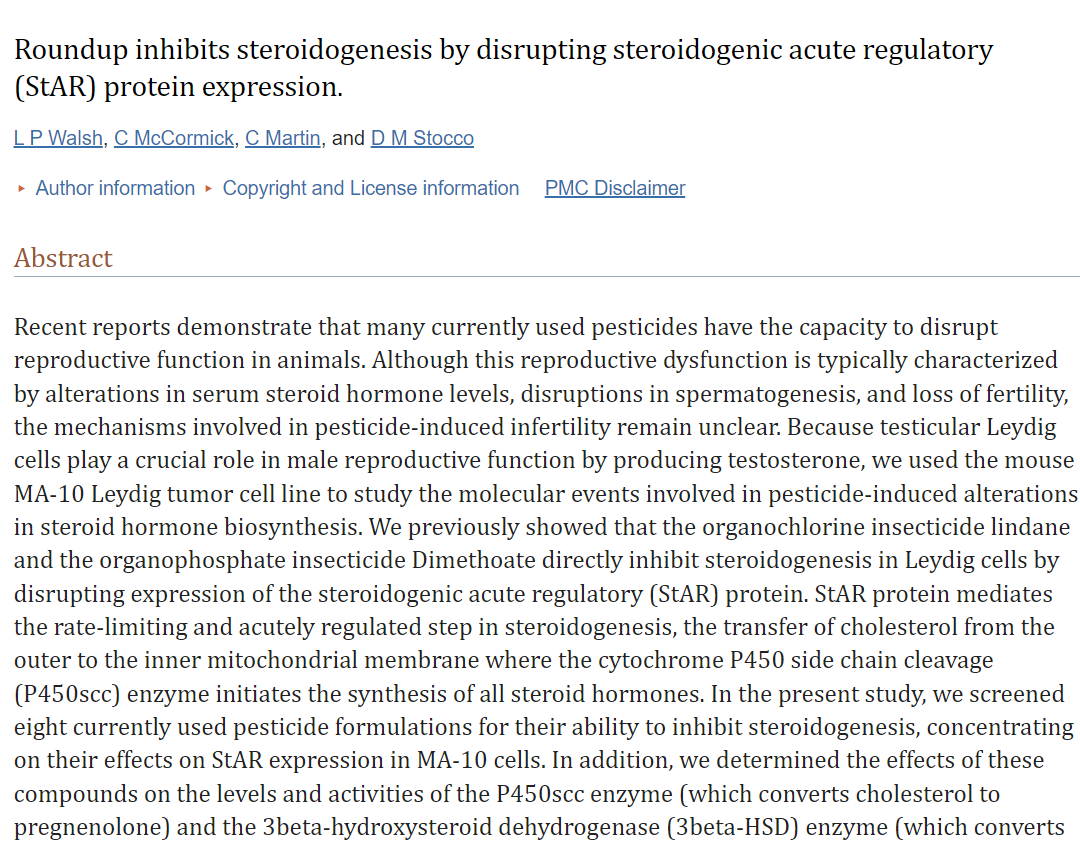
Endocrine disruptors such as BPA, phthalates and pesticides impair PR function, IR signaling, interfere with androgen synthesis, transport, or AR binding.
Then, heavy metals for example bind to ARs and act as antagonists and inhibit testosterone synthesis through toxicity to Leydig cells (cadmium for example mimics estrogen).
Also things such as bisphenol A (BPA), phthalates and pesticides not only bind to AR as antagonists, preventing androgen binding, disrupting testosterone synthesis by inhibiting steroidogenic enzymes in Leydig cells but they also alter AR expression.
19
Suggestion number 11: Log off and go compete.
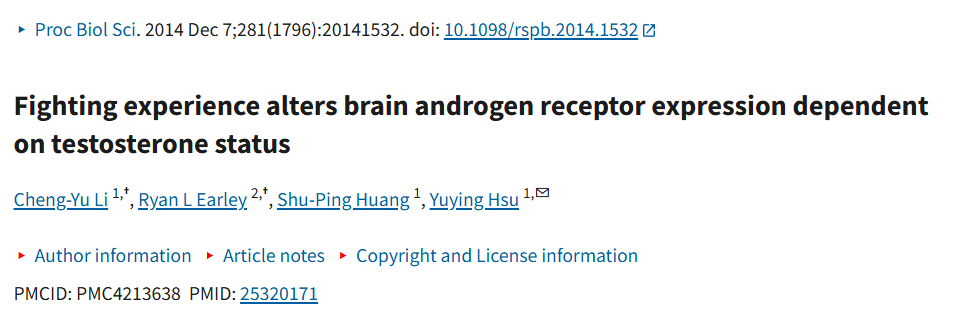
Chronic overstimulation which is very easily accomplished these days through digital means, may deplete dopamine levels and desensitize dopamine receptors (D1/D2) in reward-related brain regions like the nucleus accumbens.
Basically, by causing these unnatural dopamine spikes frequently, we are downregulating dopamine receptors and the problem is that dopamine signaling is linked to AR function.
Try a combat sport instead of scrolling.
Chronic overstimulation which is very easily accomplished these days through digital means, may deplete dopamine levels and desensitize dopamine receptors (D1/D2) in reward-related brain regions like the nucleus accumbens.
Basically, by causing these unnatural dopamine spikes frequently, we are downregulating dopamine receptors and the problem is that dopamine signaling is linked to AR function.
Try a combat sport instead of scrolling.
20
Suggestion number 12: Supplements.
"Testosterone" supplements are an endless discussion so only try these at first.
-Magnesium acetyl taurate
-Injectable L carnitine
-L. reuteri
-Cistanche
-Low dose boron or shilajit
That's it.
Why these?
Because they have very broad effects.
Carnitine for example is produced endogenously in the human body mainly in the liver through hepatocytes and kidneys in proximal tubule cells (in the cytoplasm and mitochondria of these).
The overall process starts with L-lycine and L-methionine with the latter providing methyl groups via S-adenosylmethionine (SAM).
Cofactors in this process are B6, iron, vitamin C and NAD+ each one affecting different steps, whether that’s called hydroxylation, methyl transfer or redox reactions where basically trimethyllysine (TML) is formed as step 1 through methylation, step 2 is transforming it into 3-Hydroxy-Trimethyllysine (HTML) through hydroxylation, step 3 is its cleavage of to glycine and 4-Trimethylaminobutyraldehyde, with oxidation to γ-Butyrobetaine following right after which is then hydroxylated to L-Canritine.
Once carnitine is synthesised, it is released into the bloodstream and taken up by tissues with the help of the OCTN2 transporter.
How does it enter the mitochondria?
It binds to the fatty acyl group using CPT1 to form acylcarnitines, which enter the inner mitochondrial membrane by CACT.
If these are too complicated basically think that carnitine is essential for energy production from fat within the mitochondria.
When to consider supplementing with it?
Well first and foremost let’s mention the following: Even though carnitine and acetyl-L-carnitine (ALCAR) are closely related, ALCAR is carnitine with an acetyl group attached which allows it to cross the blood-brain barrier for example.
So ALCAR does everything carnitine does with additional benefits.
Also high doses of carnitine will probably increase TMAO more than ALCAR.
So here's when to consider using it.
-Alternative pre workout
If you dislike highly stimulatory pre workouts and prefer options such as thiamine, magnesium, ubiquinol, beta alanine, cordyceps and things of that sort.
Carnitine can come into play here, especially for endurance sports that will force muscles to switch to fatty acid oxidation.
-Heart health (low doses of ALCAR).
Even up to 70% of energy in the heart can come from fatty acid oxidation and low dose ALCAR can be a simple tool to support this.
-Balancing coenzyme A (CoA).
Note: If you do not cycle it and consume it for months on end, you will cause mitochondria damage since high long-chain acetyl carnitines can aggravate mitochondrial damage.
-Mutations (SLC22A5, CPT1, CPT2).
OCTN2 for example is encoded by the SLC22A5 gene.
-If you are vegan or vegetarian
-Osteoporosis.
-NAFLD
-Brain health
Mainly for Alzheimer's and depression.
-Inhibiting NF-kB.
-Supporting insulin sensitivity and glucose metabolism.
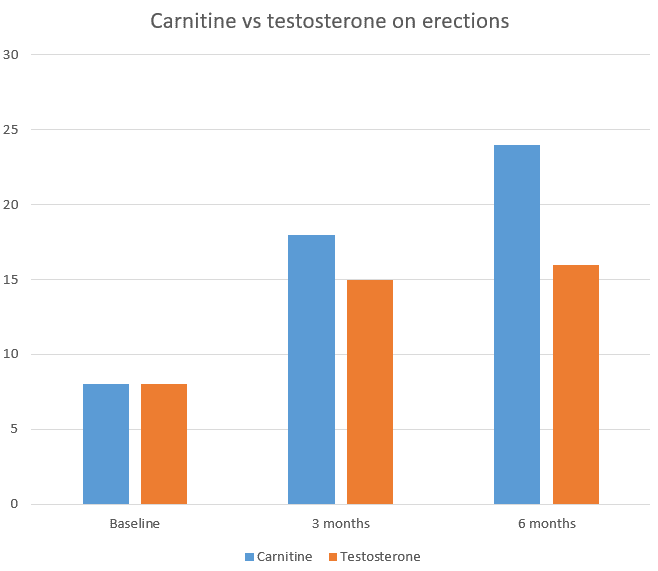
-Improving sperm quality.
-Improving A.R sensitivity.
Now let's see who should NOT use it (or use it under medical supervision (if that)).
Mainly, people with hypothyroidism, a history of seizure disorders, people on blood thinners, people struggling with bipolar disorders or are pre-disposed to hypomania and people who are predisposed to TMAO formation should stay away of it (you could manage some of the side effects with alicin for example but the benefits in these cases do not surpass the downsides UNLESS we are talking about the topic of sperm quality since carnitine is just that good with it).

"Testosterone" supplements are an endless discussion so only try these at first.
-Magnesium acetyl taurate
-Injectable L carnitine
-L. reuteri
-Cistanche
-Low dose boron or shilajit
That's it.
Why these?
Because they have very broad effects.
Carnitine for example is produced endogenously in the human body mainly in the liver through hepatocytes and kidneys in proximal tubule cells (in the cytoplasm and mitochondria of these).
The overall process starts with L-lycine and L-methionine with the latter providing methyl groups via S-adenosylmethionine (SAM).
Cofactors in this process are B6, iron, vitamin C and NAD+ each one affecting different steps, whether that’s called hydroxylation, methyl transfer or redox reactions where basically trimethyllysine (TML) is formed as step 1 through methylation, step 2 is transforming it into 3-Hydroxy-Trimethyllysine (HTML) through hydroxylation, step 3 is its cleavage of to glycine and 4-Trimethylaminobutyraldehyde, with oxidation to γ-Butyrobetaine following right after which is then hydroxylated to L-Canritine.
Once carnitine is synthesised, it is released into the bloodstream and taken up by tissues with the help of the OCTN2 transporter.
How does it enter the mitochondria?
It binds to the fatty acyl group using CPT1 to form acylcarnitines, which enter the inner mitochondrial membrane by CACT.
If these are too complicated basically think that carnitine is essential for energy production from fat within the mitochondria.
When to consider supplementing with it?
Well first and foremost let’s mention the following: Even though carnitine and acetyl-L-carnitine (ALCAR) are closely related, ALCAR is carnitine with an acetyl group attached which allows it to cross the blood-brain barrier for example.
So ALCAR does everything carnitine does with additional benefits.
Also high doses of carnitine will probably increase TMAO more than ALCAR.
So here's when to consider using it.
-Alternative pre workout
If you dislike highly stimulatory pre workouts and prefer options such as thiamine, magnesium, ubiquinol, beta alanine, cordyceps and things of that sort.
Carnitine can come into play here, especially for endurance sports that will force muscles to switch to fatty acid oxidation.
-Heart health (low doses of ALCAR).
Even up to 70% of energy in the heart can come from fatty acid oxidation and low dose ALCAR can be a simple tool to support this.
-Balancing coenzyme A (CoA).
Note: If you do not cycle it and consume it for months on end, you will cause mitochondria damage since high long-chain acetyl carnitines can aggravate mitochondrial damage.
-Mutations (SLC22A5, CPT1, CPT2).
OCTN2 for example is encoded by the SLC22A5 gene.
-If you are vegan or vegetarian
-Osteoporosis.
-NAFLD
-Brain health
Mainly for Alzheimer's and depression.
-Inhibiting NF-kB.
-Supporting insulin sensitivity and glucose metabolism.
-Improving sperm quality.
-Improving A.R sensitivity.
Now let's see who should NOT use it (or use it under medical supervision (if that)).
Mainly, people with hypothyroidism, a history of seizure disorders, people on blood thinners, people struggling with bipolar disorders or are pre-disposed to hypomania and people who are predisposed to TMAO formation should stay away of it (you could manage some of the side effects with alicin for example but the benefits in these cases do not surpass the downsides UNLESS we are talking about the topic of sperm quality since carnitine is just that good with it).
21
"What about this supplement, the other supplement"?
Supplements can help BUT when it comes to androgens, if the supplements that were mentioned did not work whatsoever the next step would be red light therapy.
Note: The lifestyle misalignments that were mentioned, won't only lead to low testosterone but they can also lead to a variety of other health issues, so they are worth taking into consideration even if you are on TRT.
Yes, i am not opposed to TRT/HRT past a certain age.
Now if you need TRT in like 25, your body is crying for help and you need to figure out why.
Supplements can help BUT when it comes to androgens, if the supplements that were mentioned did not work whatsoever the next step would be red light therapy.
Note: The lifestyle misalignments that were mentioned, won't only lead to low testosterone but they can also lead to a variety of other health issues, so they are worth taking into consideration even if you are on TRT.
Yes, i am not opposed to TRT/HRT past a certain age.
Now if you need TRT in like 25, your body is crying for help and you need to figure out why.
22
That's all.
I hope that you found something interesting in this thread.
If you did, make sure to leave a like/RT.
I hope that you found something interesting in this thread.
If you did, make sure to leave a like/RT.
George Ferman@Helios_Movement
Most men today, even the young ones, suffer not only from low testosterone, but from low androgens overall.
This is a big problem that will inevitably lead consequences such as:
-Low libido
-Fatigue
-Depression
-Anxiety
-Poor functioning memory
-Inability to put on muscle mass
-Lack of strength
and much more.
Of course, if you've personally experienced low androgens you are familiar with these and already know how much it sucks.
It's literally hell on earth for a man.
So here's a guide that discusses:
-What androgens are
-How they are produced
-The main functions of each one
-Tests you can take
-How to improve their function
and more.
Thread🧵
This is a big problem that will inevitably lead consequences such as:
-Low libido
-Fatigue
-Depression
-Anxiety
-Poor functioning memory
-Inability to put on muscle mass
-Lack of strength
and much more.
Of course, if you've personally experienced low androgens you are familiar with these and already know how much it sucks.
It's literally hell on earth for a man.
So here's a guide that discusses:
-What androgens are
-How they are produced
-The main functions of each one
-Tests you can take
-How to improve their function
and more.
Thread🧵
23

