These (not so hard to understand causes) could be hiding behind...

George Ferman@Helios_Movement
84 views
Feb 10, 2025
~13 min read
Advertisement
1
These (not so hard to understand causes) could be hiding behind your fatigue.
Thread🧵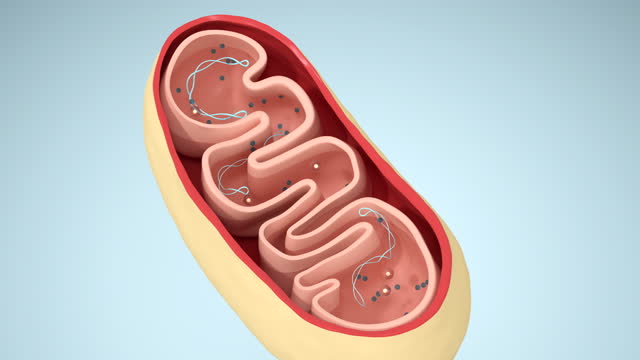
Thread🧵
2
You've probably noticed that these days everyone seems to be tired and needs 4 cups of coffee just to be able to function.
This of course, is not normal and you probably know that it takes a LOT in order to make a healthy organisms tired.
Just look at kids.
They are full of energy.
So tackling fatigue in most cases will require a multifaceted approach and this is what this thread proposes (nothing in it should be used as a substitute for medical advice).
Of course, since it is a holistic approach, do not expect it to apply it within a day.
It will take some time depending on your current lifestyle and thus changes that you will need to make.
Simply pick the one that you find easier, apply it and move to the next.
This of course, is not normal and you probably know that it takes a LOT in order to make a healthy organisms tired.
Just look at kids.
They are full of energy.
So tackling fatigue in most cases will require a multifaceted approach and this is what this thread proposes (nothing in it should be used as a substitute for medical advice).
Of course, since it is a holistic approach, do not expect it to apply it within a day.
It will take some time depending on your current lifestyle and thus changes that you will need to make.
Simply pick the one that you find easier, apply it and move to the next.
3
Also, even though many of us work a lot, remember that this would not be possible if certain mechanisms such as our nutrition, sleep and so on were not at place.
No one is superhuman in the long run.
This is mentioned since, if you eat and sleep like crap, then no wonder why you work for 8 hours and feel like you just run a full marathon.
So keep in mind that the only ways to be able to work long hours and feel fine are either improving your health or various stimulants and other things that are usually worse.
The case of being overworked for years on end because you work two jobs or 15 hours a day for example won't be mentioned because it's unlikely that these people spend time reading these threads.
No one is superhuman in the long run.
This is mentioned since, if you eat and sleep like crap, then no wonder why you work for 8 hours and feel like you just run a full marathon.
So keep in mind that the only ways to be able to work long hours and feel fine are either improving your health or various stimulants and other things that are usually worse.
The case of being overworked for years on end because you work two jobs or 15 hours a day for example won't be mentioned because it's unlikely that these people spend time reading these threads.
4
So, what could be hiding behind your fatigue?
Number 1: You don’t spend enough time outside and spend too much time under artificial blue light.
Or, aka, your light environment isn't that great.
We will explain some negative effects that chronic exposure to artificial blue light has on our health, but we shouldn't study/talk/discuss a certain topic all the way to losing our common sense about it.
Have you noticed for example that you have way more energy during the summer even though your work load is often the same?
That’s partly due to sunlight.
All of us need sunlight exposure in order to maintain a healthy metabolism, but for some of us whose metabolic health is at a descent, a lack of sunlight during the winter for example won’t have catastrophic effects.
This is not the case with individuals whose metabolic health is not at a good state which will feel the lack of sunlight during the winter quite a lot.
A red light panel and vitamin D lamp can help you during the winter.
Number 1: You don’t spend enough time outside and spend too much time under artificial blue light.
Or, aka, your light environment isn't that great.
We will explain some negative effects that chronic exposure to artificial blue light has on our health, but we shouldn't study/talk/discuss a certain topic all the way to losing our common sense about it.
Have you noticed for example that you have way more energy during the summer even though your work load is often the same?
That’s partly due to sunlight.
All of us need sunlight exposure in order to maintain a healthy metabolism, but for some of us whose metabolic health is at a descent, a lack of sunlight during the winter for example won’t have catastrophic effects.
This is not the case with individuals whose metabolic health is not at a good state which will feel the lack of sunlight during the winter quite a lot.
A red light panel and vitamin D lamp can help you during the winter.
5
Now, how can chronic exposure to artificial blue light harm our health?
First of all, signaling to our brains that we're in the middle of a desert will obviously negatively affect our circadian rhythm.
This is why for example: "Morning and evening blue light exposure alters metabolic function in NORMAL-weight adults".
So blue light messes up your insulin response without you consuming a single calorie.
journals.plos.org/plosone/articl……
Of course, blue light indeed exists in nature and has many benefits for our well being.
But the potential downsides of blue light in nature are balanced by the red light (and the rest of the light spectrum) that also exists in natural light.
This obviously is not the case for artificial blue light. You have all the downside without the upside.
A few things that exposure to artificial blue light can cause include:
-Melanin degradation
-Neuropathy
-Insomnia
-Fatigue
-Suppress BDNF
-Increase leptin
-Skin aging
-Suppress melatonin
-Eyesight issues
and a lot more.
These didn't cover even the 1% of what the problems are.
You can even talk about how it affects corticotropin-like intermediate peptide for pages on end.
Are there any sources on this? Yes (posted for the refs ncbi.nlm.nih.gov/pmc/articles/P…), but always refer back to common sense.
For example, in general, by messing up with the light that goes through the retina, we can not properly stimulate the hypothalamus which is responsible for regulating every single one of our hormones.
It's really not that hard to understand.
What makes it hard is that these unnatural things have become normalized and thus never questioned.
So: Get more natural sunlight, block the blue light from your devices and get a pair of blue light blocking glasses.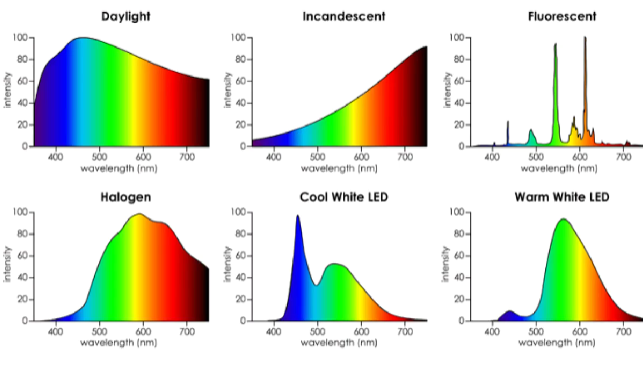

First of all, signaling to our brains that we're in the middle of a desert will obviously negatively affect our circadian rhythm.
This is why for example: "Morning and evening blue light exposure alters metabolic function in NORMAL-weight adults".
So blue light messes up your insulin response without you consuming a single calorie.
journals.plos.org/plosone/articl……
Of course, blue light indeed exists in nature and has many benefits for our well being.
But the potential downsides of blue light in nature are balanced by the red light (and the rest of the light spectrum) that also exists in natural light.
This obviously is not the case for artificial blue light. You have all the downside without the upside.
A few things that exposure to artificial blue light can cause include:
-Melanin degradation
-Neuropathy
-Insomnia
-Fatigue
-Suppress BDNF
-Increase leptin
-Skin aging
-Suppress melatonin
-Eyesight issues
and a lot more.
These didn't cover even the 1% of what the problems are.
You can even talk about how it affects corticotropin-like intermediate peptide for pages on end.
Are there any sources on this? Yes (posted for the refs ncbi.nlm.nih.gov/pmc/articles/P…), but always refer back to common sense.
For example, in general, by messing up with the light that goes through the retina, we can not properly stimulate the hypothalamus which is responsible for regulating every single one of our hormones.
It's really not that hard to understand.
What makes it hard is that these unnatural things have become normalized and thus never questioned.
So: Get more natural sunlight, block the blue light from your devices and get a pair of blue light blocking glasses.
6
Number 2: Nutritional deficiencies.
Not providing the basic nutrients in order for the citric acid cycle to properly function for example, will inevitably lead to fatigue.
The synthesis of ATP heavily depends on the function of the citric acid cycle.
In order for ATP to be produced through oxidative phosphorylation, electrons are required for ATP to pass down the electron transport chain.
These electrons come from electron carriers such as NADH and FADH, which are produced by the citric acid cycle .
The citric acid cycle harnesses the available chemical energy of acetyl coenzyme A (acetyl CoA) into the reducing power of nicotinamide adenine dinucleotide (NADH).
Or if you want another example.
Have you ever experienced a vitamin D, B12, or magnesium deficiency?
Do you remember the intense fatigue that these led to?
So now, some vitamin deficiencies that can affect your fatigue include:
-B vitamins
-Vitamin C
-Magnesium
-Potassium
-CoQ10
-Zinc
-Vitamin K
Most of which can be found in animal products, seasonal fruits, and beef or lamb heart.
Not providing the basic nutrients in order for the citric acid cycle to properly function for example, will inevitably lead to fatigue.
The synthesis of ATP heavily depends on the function of the citric acid cycle.
In order for ATP to be produced through oxidative phosphorylation, electrons are required for ATP to pass down the electron transport chain.
These electrons come from electron carriers such as NADH and FADH, which are produced by the citric acid cycle .
The citric acid cycle harnesses the available chemical energy of acetyl coenzyme A (acetyl CoA) into the reducing power of nicotinamide adenine dinucleotide (NADH).
Or if you want another example.
Have you ever experienced a vitamin D, B12, or magnesium deficiency?
Do you remember the intense fatigue that these led to?
So now, some vitamin deficiencies that can affect your fatigue include:
-B vitamins
-Vitamin C
-Magnesium
-Potassium
-CoQ10
-Zinc
-Vitamin K
Most of which can be found in animal products, seasonal fruits, and beef or lamb heart.
7
Small note:
-Not going way above your maintenance calories
-Not consuming empty calories
-Avoiding alcohol
-Avoiding the regular use of stimulants
-Being aware of things that can deplete us of nutrients such as phytic acid for example
will also be helpful.
And of course, if you have issues with pathogens, this could also lead to deficiencies.
So:
1. Avoid alcohol, coffee, herbicides, pesticides (very key), toxic hygiene products, a lot of stress, highly processed foods and get enough sunlight, nutrients such as bioavailable protein, gelatine, broths etc in order to support the defenses.
2. Address endotoxins and redox mediators such as B2 and C while potentially following a low-ish iron diet.
3. Run tests both for pathogens but also heavy metals and mold to address these as well if they are an issue.
Even a breath and hair mineral analysis test.
4. Get bile metabolism at an optimal stage and the lymphatic system going.
5. Start to change the diet and add tools for detoxing if some of the other tests come back positive. Depending on the issue, low calcium, histamine or carb approaches might be used here while adding things like cinnamon, BSO, mastic, oregano or rosemary in the short term once again.
6. Tackle the specific biofilm and nuke the specific pathogen.
Propolis, lactoferrin, m. blue, niacinamide or even certain meds can be used here depending on the biofilm
7. Bind the byproducts with zeolites, AC or something similar.
8. Repopulate the gut if necessary with things such as colostrum.
-Not going way above your maintenance calories
-Not consuming empty calories
-Avoiding alcohol
-Avoiding the regular use of stimulants
-Being aware of things that can deplete us of nutrients such as phytic acid for example
will also be helpful.
And of course, if you have issues with pathogens, this could also lead to deficiencies.
So:
1. Avoid alcohol, coffee, herbicides, pesticides (very key), toxic hygiene products, a lot of stress, highly processed foods and get enough sunlight, nutrients such as bioavailable protein, gelatine, broths etc in order to support the defenses.
2. Address endotoxins and redox mediators such as B2 and C while potentially following a low-ish iron diet.
3. Run tests both for pathogens but also heavy metals and mold to address these as well if they are an issue.
Even a breath and hair mineral analysis test.
4. Get bile metabolism at an optimal stage and the lymphatic system going.
5. Start to change the diet and add tools for detoxing if some of the other tests come back positive. Depending on the issue, low calcium, histamine or carb approaches might be used here while adding things like cinnamon, BSO, mastic, oregano or rosemary in the short term once again.
6. Tackle the specific biofilm and nuke the specific pathogen.
Propolis, lactoferrin, m. blue, niacinamide or even certain meds can be used here depending on the biofilm
7. Bind the byproducts with zeolites, AC or something similar.
8. Repopulate the gut if necessary with things such as colostrum.
8
Number 3: You consume foods that our bodies have no clue what to do with.
Let's take canola oil as an example, because even though you are aware of the fact that it's crap, most people still are not.
So, in order for fats like canola oil to be made, they gather the seeds or whatever they want to make an “oil” out of, such as GMO soy, cotton, rapeseed most of which are owned mostly by just 4 companies, they then use more chemicals to deodorize the oils since they smell horrendous and finally more chemicals are added to improve their color.
Then these “seeds” are heated to extremely high temperatures obviously causing the seeds to oxidize creating extremely cancerous byproducts and ten the seeds are processed with a petroleum-based solvent such as hexane to maximize the amount of “oil” extracted from them.
Other than that, these "oils" remodel the cardiolipin structure of mitochondria causing cellular death, leakage of potassium and thus inevitably leading to disease.
So pretty much, stick to eating real foods.
Let's take canola oil as an example, because even though you are aware of the fact that it's crap, most people still are not.
So, in order for fats like canola oil to be made, they gather the seeds or whatever they want to make an “oil” out of, such as GMO soy, cotton, rapeseed most of which are owned mostly by just 4 companies, they then use more chemicals to deodorize the oils since they smell horrendous and finally more chemicals are added to improve their color.
Then these “seeds” are heated to extremely high temperatures obviously causing the seeds to oxidize creating extremely cancerous byproducts and ten the seeds are processed with a petroleum-based solvent such as hexane to maximize the amount of “oil” extracted from them.
Other than that, these "oils" remodel the cardiolipin structure of mitochondria causing cellular death, leakage of potassium and thus inevitably leading to disease.
So pretty much, stick to eating real foods.
9
Number 4: Lack of deep sleep.
If you have ever battled insomnia you already know the deep fatigued state that it puts you in.
You can’t focus, can’t train properly, have no motivation and so on.
Two very common causes of sleep problems are a dysregulated CR and low GABA.
Here are the 101 for both.
Circadian rhythm, derived from the Latin term “circa diem” which literally means “approximately one day” is the body's internal clock.
If you have ever battled insomnia you already know the deep fatigued state that it puts you in.
You can’t focus, can’t train properly, have no motivation and so on.
Two very common causes of sleep problems are a dysregulated CR and low GABA.
Here are the 101 for both.
Circadian rhythm, derived from the Latin term “circa diem” which literally means “approximately one day” is the body's internal clock.
10
This clock is set at slightly over 24 hours. It controls sleep as well as most biological processes, including hormone production, metabolism, core body temperature variations, and cell regeneration among others.
This clock is normally highly synchronized to environmental cues such as the light-dark cycle and eating.
So here's how you can improve a possible circadian rhythm dysregulation.
Step 1: Avoid the main things that dysregulate our CR which mainly are:
-An unhealthy light environment
-Shift work if possible
-Irregular sleep and wake up times
-Stimulants (this includes certain supplements and medications as well)
-Eating way too sporadically in terms of timing and portions (this might sound counterintuitive but try it) -Working out too late in the day (2 hours before your bed time)
-Frequent traveling and changing time zones
This clock is normally highly synchronized to environmental cues such as the light-dark cycle and eating.
So here's how you can improve a possible circadian rhythm dysregulation.
Step 1: Avoid the main things that dysregulate our CR which mainly are:
-An unhealthy light environment
-Shift work if possible
-Irregular sleep and wake up times
-Stimulants (this includes certain supplements and medications as well)
-Eating way too sporadically in terms of timing and portions (this might sound counterintuitive but try it) -Working out too late in the day (2 hours before your bed time)
-Frequent traveling and changing time zones
11
Step 2: Try the following: -Wake up at roughly the same time every day.
-Expose yourself to natural light first thing in the morning.
-Have a healthy breakfast.
-Do not have caffeine or any other stimulant for the first 90 minutes of the day.
-Do not do any form of intense exercise in the first 90 minutes of the day.
You can go for things such as walk obviously*
-Block the artificial blue light within reason throughout the day.
-Eat lunch.
-Do not consume caffeine or nap in the afternoon.
-De-stimulate twice daily.
-Do not have huge meals late in the day.
-Roughly have the same bedtime and preferably before 11 p.m
-Try to avoid snacking unless you’re sensing that your blood glucose is too low.
-Do not make significant changing to your meal timing and workout time every day.
-Expose yourself to natural light first thing in the morning.
-Have a healthy breakfast.
-Do not have caffeine or any other stimulant for the first 90 minutes of the day.
-Do not do any form of intense exercise in the first 90 minutes of the day.
You can go for things such as walk obviously*
-Block the artificial blue light within reason throughout the day.
-Eat lunch.
-Do not consume caffeine or nap in the afternoon.
-De-stimulate twice daily.
-Do not have huge meals late in the day.
-Roughly have the same bedtime and preferably before 11 p.m
-Try to avoid snacking unless you’re sensing that your blood glucose is too low.
-Do not make significant changing to your meal timing and workout time every day.
12
Regarding GABA ( gamma-aminobutyric acid), it is the main inhibitory transmitter especially in the brain but also the spinal cord.
There's not one person on earth who suffers from chronic sleep issues and has optimal GABA levels.
In order to somewhat get GABA going again, you will have to:
Number 1: Avoid foods that have free-form glutamate such as MSG, monopotassium glutamate, soy sauce and soy products in general , maltodextrin, modified food starch , corn starch and corn syrup , barley malt , calcium caseinate, rice syrup and brown rice syrup, xanthan gum, pectin , carrageenan, bouillon , citric acid.
Number 2: Get some magnesium and vitamin B6.
Number 3: Have a healthy pancreas since the beta cells in the pancreas produce GABA so if our pancreas is not at a healthy state this will affect GABA.
Number 4: Avoid chronic stress.
Number 5: Get some dietary taurine and glycine.
Amino acids partly are building blocks for neurotransmitters so if we do not provide enough of them or harm our ability to synthesize / utilize them, problems will happen.
Number 6: Cut back on stimulants (nicotine, caffeine etc)
Number 7: Provide enough nutrients that help us synthesize GABA in the first place.
These are:
Thiamine (vitamin B1), vitamin C, vitamin D, vitamin A, copper, zinc, magnesium, taurine and vitamin E.
Number 8: Get midday sunlight and avoid artificial blue light.
There's not one person on earth who suffers from chronic sleep issues and has optimal GABA levels.
In order to somewhat get GABA going again, you will have to:
Number 1: Avoid foods that have free-form glutamate such as MSG, monopotassium glutamate, soy sauce and soy products in general , maltodextrin, modified food starch , corn starch and corn syrup , barley malt , calcium caseinate, rice syrup and brown rice syrup, xanthan gum, pectin , carrageenan, bouillon , citric acid.
Number 2: Get some magnesium and vitamin B6.
Number 3: Have a healthy pancreas since the beta cells in the pancreas produce GABA so if our pancreas is not at a healthy state this will affect GABA.
Number 4: Avoid chronic stress.
Number 5: Get some dietary taurine and glycine.
Amino acids partly are building blocks for neurotransmitters so if we do not provide enough of them or harm our ability to synthesize / utilize them, problems will happen.
Number 6: Cut back on stimulants (nicotine, caffeine etc)
Number 7: Provide enough nutrients that help us synthesize GABA in the first place.
These are:
Thiamine (vitamin B1), vitamin C, vitamin D, vitamin A, copper, zinc, magnesium, taurine and vitamin E.
Number 8: Get midday sunlight and avoid artificial blue light.
13
Number 5: Gut issues.
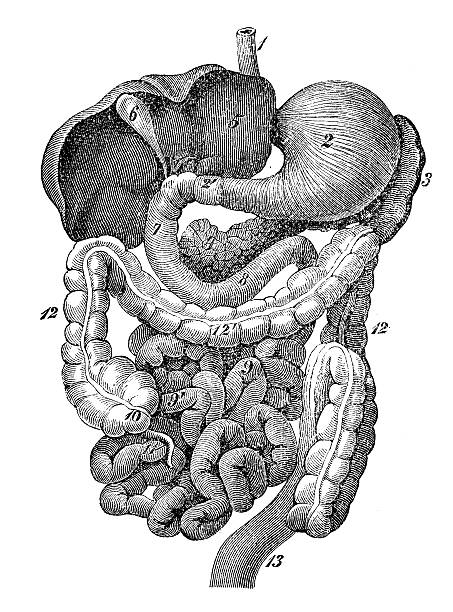
George Ferman@Helios_Movement
Just as with all health issues, gut issues are becoming more and more common.
So here are 15 things that could help you in your journey towards better gut health and better digestion overall if you're just starting out.
Thread🧵
So here are 15 things that could help you in your journey towards better gut health and better digestion overall if you're just starting out.
Thread🧵
14
Number 6: Fried adrenals.
How could this be caused?
Well, the chronic use of stimulants, living under constant stress (which will lead to the adrenals being unable to keep up with the demands of the constant fight-or-flight arousal) and lack of certain nutrients such as magnesium, vitamin B5 and vitamin C among other things are common causes.
Other things include:
-Skipping breakfast for years on end.
This is contextual and does not mean fasting = bad.
What it means is that cortisol levels climax early in the morning and if you are like most people who don’t eat a proper breakfast that has a good amount of protein, a good amount of fats and a good amount of carbs and consume 300mg of caffeine you will inevitably spike cortisol too much.
-Low vitamin C and electrolyte consumption.
Under the state of adrenal fatigue, the adrenal glands dumb vitamin C at a very high rate for example and vitamin C is something very crucial for the health of our endocrine system.
-Alcohol consumption
Take a 12 week break from alcohol since it activates the HPA axis and results in elevated glucocorticoid levels.
-Elevated prolactin Elevated prolactin will increase cortisol through ACTH.
-Sources of oxidative stress such as smoking and cooking with bad fats.
How could this be caused?
Well, the chronic use of stimulants, living under constant stress (which will lead to the adrenals being unable to keep up with the demands of the constant fight-or-flight arousal) and lack of certain nutrients such as magnesium, vitamin B5 and vitamin C among other things are common causes.
Other things include:
-Skipping breakfast for years on end.
This is contextual and does not mean fasting = bad.
What it means is that cortisol levels climax early in the morning and if you are like most people who don’t eat a proper breakfast that has a good amount of protein, a good amount of fats and a good amount of carbs and consume 300mg of caffeine you will inevitably spike cortisol too much.
-Low vitamin C and electrolyte consumption.
Under the state of adrenal fatigue, the adrenal glands dumb vitamin C at a very high rate for example and vitamin C is something very crucial for the health of our endocrine system.
-Alcohol consumption
Take a 12 week break from alcohol since it activates the HPA axis and results in elevated glucocorticoid levels.
-Elevated prolactin Elevated prolactin will increase cortisol through ACTH.
-Sources of oxidative stress such as smoking and cooking with bad fats.
15
Number 7: "Low dopamine".
How can a state of "low dopamine" happen?
Here are some of the most common causes:
Number 0: "Desensitization" through things such as pron, social media etc etc.
Number 1: High prolactin
First of all, take care of your androgen health and thyroid since both low testosterone and high PTH will increase prolactin.
Then make sure you have enough prolactin antagonists such as:
● Sea salt
● Vitamin D (sunlight)
● Vitamin B6
● Zinc
● Vitamin E
● Taurine
Foods such as (obviously) sea salt, red palm oil, oysters, red meat, EVOO, quality low fat seafood and sunlight contain all of these nutrients.
How can a state of "low dopamine" happen?
Here are some of the most common causes:
Number 0: "Desensitization" through things such as pron, social media etc etc.
Number 1: High prolactin
First of all, take care of your androgen health and thyroid since both low testosterone and high PTH will increase prolactin.
Then make sure you have enough prolactin antagonists such as:
● Sea salt
● Vitamin D (sunlight)
● Vitamin B6
● Zinc
● Vitamin E
● Taurine
Foods such as (obviously) sea salt, red palm oil, oysters, red meat, EVOO, quality low fat seafood and sunlight contain all of these nutrients.
16
You can also use certain aromatase inhibitors such as:
● Nettle root
● Citrus fruits
● Mushrooms
● Dried celery (unless your iron levels are too low or you have issues with oxalates)
● Chamomile tea
An also avoid exposure to xenoestrogens, liver and gut health since elevated prolactin can also be a sign of poor estrogen metabolism
Number 2: High glutamate and NDMA receptor agonists in general.
Number 3: Not providing enough of the following nutrients:
● Bioavailable protein
● Zinc
● Vitamin C
● Vitamin K
● Vitamin D
● Vitamin E
● Quality fats such as coconut oil, EVOO and quality animal fats.
● Nettle root
● Citrus fruits
● Mushrooms
● Dried celery (unless your iron levels are too low or you have issues with oxalates)
● Chamomile tea
An also avoid exposure to xenoestrogens, liver and gut health since elevated prolactin can also be a sign of poor estrogen metabolism
Number 2: High glutamate and NDMA receptor agonists in general.
Number 3: Not providing enough of the following nutrients:
● Bioavailable protein
● Zinc
● Vitamin C
● Vitamin K
● Vitamin D
● Vitamin E
● Quality fats such as coconut oil, EVOO and quality animal fats.
17
Number 4: Adrenaline excess.
Number 5: High intracellular calcium.
Number 6: Dysregulated circadian rhythm, lack of sunlight and lack of sleep.
Number 7: Excessive serotonin.
Number 8: Lack of exercise / sedentary lifestyle.
Number 9: Insulin resistance.
Number 5: High intracellular calcium.
Number 6: Dysregulated circadian rhythm, lack of sunlight and lack of sleep.
Number 7: Excessive serotonin.
Number 8: Lack of exercise / sedentary lifestyle.
Number 9: Insulin resistance.
18
Number 8: Thyroid issues
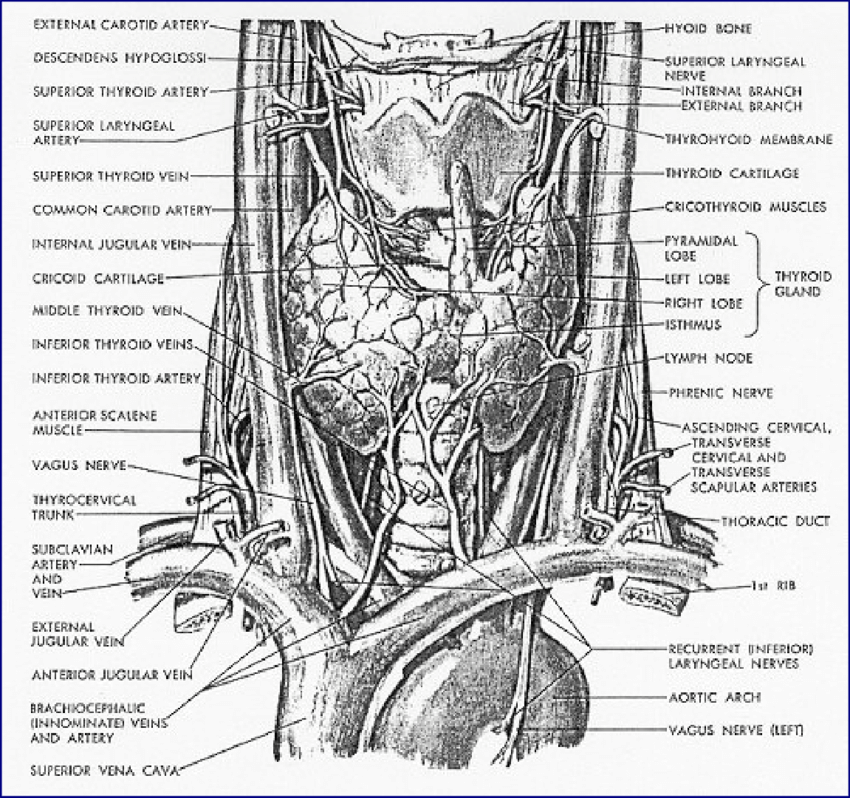
George Ferman@Helios_Movement
Fatigue? Gut issues such as SIBO? Low libido? Hair loss? Dry skin? High prolactin? Elevated cholesterol levels? Lactose intolerance? Cold intolerance?
Then consider looking into the thyroid.
Thread🧵
Then consider looking into the thyroid.
Thread🧵
19
Number 9: Androgen issues

George Ferman@Helios_Movement
Men with low testosterone levels have no energy or vitality, can't experience joy, have this undergoing anxiety for no apparent reason and their mental and physical performance are not that great.
So start with these if you are worried about your testosterone levels.
Thread🧵
So start with these if you are worried about your testosterone levels.
Thread🧵
20
Number 10: Toxin exposure/accumulation.
Mitochondria are the first target sites for a variety of heavy metals for example.
They alter mitochondrial membrane permeability and generate increased amounts of reactive oxygen species (ROS) which causes damage to the mitochondrial respiratory chain, oxidative phosphorylation decoupling, ATP synthesis disorders and mitochondrial apoptosis.
For example, chronic mercury exposure results in its accumulation in mitochondria, which causes ultrastructural mitochondrial alterations that depolarize the mitochondrial membrane and subsequently reduce ATP production and Ca2+ buffering capacity.
Another example is that mercury and arsenic promote an abnormal regulation of mitophagy(mitophagy has the ability to clear damaged mitochondrial components) and the development of CRS.
The main toxins that you need to be aware of are:
-Heavy metals
-Mold
-Herbicides and pesticides
-Xenoestrogens (Toxic hygiene, cooking and cleaning products_
Mitochondria are the first target sites for a variety of heavy metals for example.
They alter mitochondrial membrane permeability and generate increased amounts of reactive oxygen species (ROS) which causes damage to the mitochondrial respiratory chain, oxidative phosphorylation decoupling, ATP synthesis disorders and mitochondrial apoptosis.
For example, chronic mercury exposure results in its accumulation in mitochondria, which causes ultrastructural mitochondrial alterations that depolarize the mitochondrial membrane and subsequently reduce ATP production and Ca2+ buffering capacity.
Another example is that mercury and arsenic promote an abnormal regulation of mitophagy(mitophagy has the ability to clear damaged mitochondrial components) and the development of CRS.
The main toxins that you need to be aware of are:
-Heavy metals
-Mold
-Herbicides and pesticides
-Xenoestrogens (Toxic hygiene, cooking and cleaning products_
21
That's pretty much it.
Do me a favor and leave a like if you enjoyed the thread.
Do me a favor and leave a like if you enjoyed the thread.
George Ferman@Helios_Movement
These (not so hard to understand causes) could be hiding behind your fatigue.
Thread🧵
Thread🧵
22