It's estimated that 57 million people worldwide are living with...

George Ferman@Helios_Movement
125 views
Jul 28, 2025
~14 min read
Advertisement
1
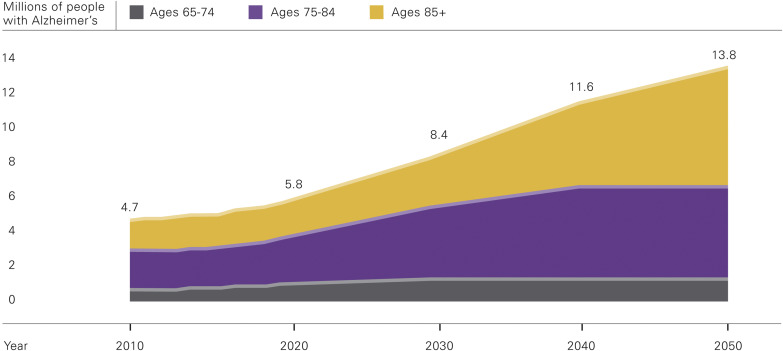
It's estimated that 57 million people worldwide are living with Alzheimer's disease and this will only get worse (83.2 million people by 2030).
So if you want to understand some key things on this topic, whether these are its main causes, neglected but quite important factors that can exacerbate it or the most promising tools when it comes to managing it, tap in.
Thread🧵
So if you want to understand some key things on this topic, whether these are its main causes, neglected but quite important factors that can exacerbate it or the most promising tools when it comes to managing it, tap in.
Thread🧵
2
*Standard disclaimer that nothing in this thread should be used as a substitute for medical advice*
It's George.
Alzheimer’s disease (named after Alois Alzheimer, who identified amyloid plaques and tau tangles in a patient’s brain) is a progressive neurodegenerative disorder that destroys neurons (neurons transmit signals through synapses, converting electrical impulses into chemical signals through neurotransmitters).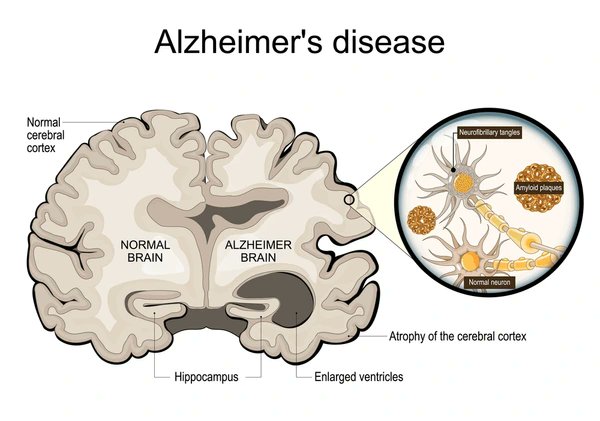
It's George.
Alzheimer’s disease (named after Alois Alzheimer, who identified amyloid plaques and tau tangles in a patient’s brain) is a progressive neurodegenerative disorder that destroys neurons (neurons transmit signals through synapses, converting electrical impulses into chemical signals through neurotransmitters).
3
Some of its main causes include:
-Amyloid plaques: These are extracellular aggregates of beta-amyloid (Aβ) peptides such as Aβ40 and Aβ42, formed from the cleavage of amyloid precursor protein (APP) by enzymes like beta-secretase (BACE1) and gamma-secretase that interfere with synaptic function (they accumulate in the spaces between neurons, impairing signal transmission by disrupting calcium signaling).
-Tau tangles: Tau is a microtubule-associated protein that stabilizes microtubules, which act as "tracks" for transporting nutrients and organelles within neurons. Tau tangles are formed by hyperphosphorylated tau protein and disrupt nutrient transport within neurons by destabilizing microtubules, which act as tracks for intracellular transport.
-Anything that can lead to neuronal loss (such as TBIs): Loss of connections between neurons leads to brain atrophy.
-Things such as TBIs are usually unfortunately neglected when it comes to AD, but individuals with a history of moderate-to-severe TBIs have a 2-4 times higher risk of developing AD.
-Genetic factors: Gene variants in the APOE4 gene significantly increase AD risk since they impair the clearance of Aβ by binding less effectively to receptors that remove it, leading to plaque buildup, promoting tau hyperphosphorylation and neuroinflammation, reducing blood-brain barrier integrity and cerebral blood flow, starving neurons of nutrients.
-Vascular issues like reduced blood flow or microbleeds, impair nutrient and oxygen delivery to neurons, exacerbating beta-amyloid accumulation and tau pathology.
20-30% of AD cases show vascular pathology.
-Stroke: Stroke-induced ischemia kills neurons in regions like the cortex or hippocampus, critical for memory and post-stroke inflammation, driven by cytokines and immune cell activation, accelerates Aβ and tau pathology.
-CVD is also linked to increased amyloid plaque formation and cognitive decline.
-Type 2 diabetes and obesity increase insulin resistance, which reduces the activity of insulin-degrading enzyme (IDE), which clears Aβ, leading to plaque buildup.
It also activate kinases that phosphorylate tau, promoting tangles.
-Amyloid plaques: These are extracellular aggregates of beta-amyloid (Aβ) peptides such as Aβ40 and Aβ42, formed from the cleavage of amyloid precursor protein (APP) by enzymes like beta-secretase (BACE1) and gamma-secretase that interfere with synaptic function (they accumulate in the spaces between neurons, impairing signal transmission by disrupting calcium signaling).
-Tau tangles: Tau is a microtubule-associated protein that stabilizes microtubules, which act as "tracks" for transporting nutrients and organelles within neurons. Tau tangles are formed by hyperphosphorylated tau protein and disrupt nutrient transport within neurons by destabilizing microtubules, which act as tracks for intracellular transport.
-Anything that can lead to neuronal loss (such as TBIs): Loss of connections between neurons leads to brain atrophy.
-Things such as TBIs are usually unfortunately neglected when it comes to AD, but individuals with a history of moderate-to-severe TBIs have a 2-4 times higher risk of developing AD.
-Genetic factors: Gene variants in the APOE4 gene significantly increase AD risk since they impair the clearance of Aβ by binding less effectively to receptors that remove it, leading to plaque buildup, promoting tau hyperphosphorylation and neuroinflammation, reducing blood-brain barrier integrity and cerebral blood flow, starving neurons of nutrients.
-Vascular issues like reduced blood flow or microbleeds, impair nutrient and oxygen delivery to neurons, exacerbating beta-amyloid accumulation and tau pathology.
20-30% of AD cases show vascular pathology.
-Stroke: Stroke-induced ischemia kills neurons in regions like the cortex or hippocampus, critical for memory and post-stroke inflammation, driven by cytokines and immune cell activation, accelerates Aβ and tau pathology.
-CVD is also linked to increased amyloid plaque formation and cognitive decline.
-Type 2 diabetes and obesity increase insulin resistance, which reduces the activity of insulin-degrading enzyme (IDE), which clears Aβ, leading to plaque buildup.
It also activate kinases that phosphorylate tau, promoting tangles.
4
Now let’s talk about APOE4 mutations.
The apolipoprotein E protein plays a critical role in transporting cholesterol and other lipids in the brain but also the blood and is crucial for lipid metabolism overall.
Now the APOE4 variant is associated with specific health implications, most notably its role in Alzheimer’s disease and cardiovascular disease.
In order to understand how important this specific variant is, individuals with one copy of APOE4 have a 2-3x higher risk of developing Alzheimer’s compared to those with APOE3 and those with two copies (homozygous) have a 10-15x higher risk.
One of the reason why this is the case, is because APOE4 makes a person less effective at clearing amyloid-beta plaques leading to their accumulation in the brain which is a hallmark of Alzheimer’s.
Changes/supplements to consider if you carry it:
-Mediterranean style diet
-Red light therapy
-Curcumin
-Ubiquinol
-Methylated B vitamins
-Magnesium threonate
-Agmatine sulfate
-Phosphatidylserine (PS)
The apolipoprotein E protein plays a critical role in transporting cholesterol and other lipids in the brain but also the blood and is crucial for lipid metabolism overall.
Now the APOE4 variant is associated with specific health implications, most notably its role in Alzheimer’s disease and cardiovascular disease.
In order to understand how important this specific variant is, individuals with one copy of APOE4 have a 2-3x higher risk of developing Alzheimer’s compared to those with APOE3 and those with two copies (homozygous) have a 10-15x higher risk.
One of the reason why this is the case, is because APOE4 makes a person less effective at clearing amyloid-beta plaques leading to their accumulation in the brain which is a hallmark of Alzheimer’s.
Changes/supplements to consider if you carry it:
-Mediterranean style diet
-Red light therapy
-Curcumin
-Ubiquinol
-Methylated B vitamins
-Magnesium threonate
-Agmatine sulfate
-Phosphatidylserine (PS)
5
Moving on to dopamine receptors.
Now targeting dopamine receptor density, particularly D1 and D2 receptors, is a promising but complex approach for Alzheimer’s disease (AD) management.
That being said, given the fact that right now in 2025, D1 receptor agonists improved memory and Aβ clearance in AD mouse models, while D2/D3 agonists reduced apathy in clinical trials it's a topic worth discussing at least in my opinion.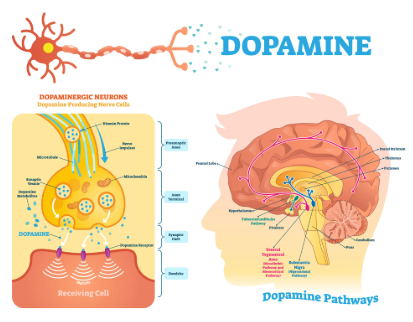
Now targeting dopamine receptor density, particularly D1 and D2 receptors, is a promising but complex approach for Alzheimer’s disease (AD) management.
That being said, given the fact that right now in 2025, D1 receptor agonists improved memory and Aβ clearance in AD mouse models, while D2/D3 agonists reduced apathy in clinical trials it's a topic worth discussing at least in my opinion.
6
Dopamine receptors are G-protein-coupled receptors that mediate the effects of dopamine in the brain and body.
There are five main subtypes (D1, D2, D3, D4, D5) each with specific roles.
That main jobs of D1 are to activates neurons by increasing cyclic AMP (cAMP) levels, in order to modulate reward processing and motivation, support working memory and cognitive flexibility in the prefrontal cortex, motor control in the basal ganglia and reinforce behaviors.
The main jobs of D2 are to inhibit neurons by decreasing cAMP levels, in order to regulate motor control , also modulates reward (low D2 receptor density is associated with addiction vulnerability while D3 hyperactivity is linked to compulsive behaviors), inhibit prolactin and regulate our impulse control.
The main jobs of D3 are to modulate dopamine signaling (often acting as an autoreceptor) in order to regulate reward-seeking behavior and motivation, particularly in the limbic system, regulate cognitive processes like attention and decision-making.
The main jobs of D4 (linked to ADHD) are to inhibit cAMP signaling in order to regulate attention and executive function in the prefrontal cortex, our response to stress and it even influences exploratory behaviors and cognitive flexibility.
The main jobs of D5 are to activate neurons similar to D1 in order to enhance learning and memory processes in the hippocampus and cortex, synaptic plasticity and even regulate our blood pressure.
When it comes to D1, the safest tools probably are cardio and uridine.
Aerobic exercise is known to increase D1 receptor expression in the striatum and prefrontal cortex and uridine increases D1 expression while also having some agonistic effects at the GABA-A receptors.
When it comes to D2, the safest tools are inositol and some fasting believe it or not and one of the primary reasons for this is that D2 receptors are particularly sensitive to downregulation from overstimulation.
*Uridine can also help with D2.
Upregulating D3 is rarely needed/advised but two tools that can help are forskolin and mucuna.
When it comes to D4, L-Theanine, cognitive training and phosphatidylserine seem to be the safest.
When it comes to D5, lion's mane, aerobic exercise and polyphenols seem to be the safest.
Notes:
-These can not replace the building blocks such as (P5P, tyrosine, taurine or choline).
-Given the fact that dopamine neurons are very sensitive to oxidative stress, quality sleep, whole food vitamin C, E and providing the right building blocks for glutathione can also help.
-Curcumin has also shown to potentially upregulate D1 receptors due to the effects it has on reducing oxidative stress and inflammation overall.
-Vitamin D is also crucial for each one of the dopamine receptors.
-Enhancing synaptic plasticity and may upregulate almost all receptors.
-Healthy testosterone levels are crucial for dopamine production, dopamine receptor sensitivity and reducing dopamine uptake.
-Aluminum toxicity harms dopamine production and dopamine receptors.
There are five main subtypes (D1, D2, D3, D4, D5) each with specific roles.
That main jobs of D1 are to activates neurons by increasing cyclic AMP (cAMP) levels, in order to modulate reward processing and motivation, support working memory and cognitive flexibility in the prefrontal cortex, motor control in the basal ganglia and reinforce behaviors.
The main jobs of D2 are to inhibit neurons by decreasing cAMP levels, in order to regulate motor control , also modulates reward (low D2 receptor density is associated with addiction vulnerability while D3 hyperactivity is linked to compulsive behaviors), inhibit prolactin and regulate our impulse control.
The main jobs of D3 are to modulate dopamine signaling (often acting as an autoreceptor) in order to regulate reward-seeking behavior and motivation, particularly in the limbic system, regulate cognitive processes like attention and decision-making.
The main jobs of D4 (linked to ADHD) are to inhibit cAMP signaling in order to regulate attention and executive function in the prefrontal cortex, our response to stress and it even influences exploratory behaviors and cognitive flexibility.
The main jobs of D5 are to activate neurons similar to D1 in order to enhance learning and memory processes in the hippocampus and cortex, synaptic plasticity and even regulate our blood pressure.
When it comes to D1, the safest tools probably are cardio and uridine.
Aerobic exercise is known to increase D1 receptor expression in the striatum and prefrontal cortex and uridine increases D1 expression while also having some agonistic effects at the GABA-A receptors.
When it comes to D2, the safest tools are inositol and some fasting believe it or not and one of the primary reasons for this is that D2 receptors are particularly sensitive to downregulation from overstimulation.
*Uridine can also help with D2.
Upregulating D3 is rarely needed/advised but two tools that can help are forskolin and mucuna.
When it comes to D4, L-Theanine, cognitive training and phosphatidylserine seem to be the safest.
When it comes to D5, lion's mane, aerobic exercise and polyphenols seem to be the safest.
Notes:
-These can not replace the building blocks such as (P5P, tyrosine, taurine or choline).
-Given the fact that dopamine neurons are very sensitive to oxidative stress, quality sleep, whole food vitamin C, E and providing the right building blocks for glutathione can also help.
-Curcumin has also shown to potentially upregulate D1 receptors due to the effects it has on reducing oxidative stress and inflammation overall.
-Vitamin D is also crucial for each one of the dopamine receptors.
-Enhancing synaptic plasticity and may upregulate almost all receptors.
-Healthy testosterone levels are crucial for dopamine production, dopamine receptor sensitivity and reducing dopamine uptake.
-Aluminum toxicity harms dopamine production and dopamine receptors.
7
Another crucial thing that's rarely discussed is testosterone levels.
Even though insulin is talked in depth when it comes to AD, testosterone tends to be neglected.
The following thread is a summary of the most effective changes you can make for having healthy hormones:




Even though insulin is talked in depth when it comes to AD, testosterone tends to be neglected.
The following thread is a summary of the most effective changes you can make for having healthy hormones:
George Ferman@Helios_Movement
Optimizing your hormones starts with implementing the following lifestyle changes, not fancy supplements, devices or whatever.
So here the key lifestyle change you must immediately implement if you want to have healthy hormones.
Thread🧵
So here the key lifestyle change you must immediately implement if you want to have healthy hormones.
Thread🧵
8
Now it's time to talk about neurotrophic factors since NGF and GDNF reduce Aβ toxicity and tau phosphorylation for example, while NDNF shows preliminary effects.
These are proteins that act as growth factors, supporting the formation of new neural connections (synaptic plasticity), the growth of new neurons (neurogenesis), and the repair of damaged neural tissue.
There are three key ones that it’s a good idea to be familiar with:
1. Brain-derived neurotrophic factor (BDNF)
This one is the most abundant neurotrophin in the brain, being primarily expressed in the hippocampus, cortex and basal ganglia.
It is essential for consolidating memories and enhancing cognitive flexibility, mood regulation (low BDNF levels are linked to depression and anxiety and reduced BDNF in individuals with major depressive disorder is very common), increases dendritic spine density, protects neurons from oxidative stress, inflammation and apoptosis, it reduces beta-amyloid toxicity and supports dopaminergic neurons which are the primary mechanisms behind how it protects us against Alzheimer’s and Parkinson’s.
2. Glial-derived neurotrophic factor (GDNF)
GDNF is primarily produced by glial cells and is critical for the survival and function of dopaminergic neurons, particularly in the substantia nigra.
It modulates reward circuits in the ventral tegmental area, influencing addiction behaviors (higher levels = less addiction), plays a key role in motor control, axonal growth, protects dopaminergic neurons from oxidative stress and also interacts with NCAM (neural cell adhesion molecule) to support neural repair.
3. Nerve growth factor (NGF)
NGF is critical for the growth, maintenance, and survival of sensory and sympathetic neurons, particularly in the peripheral nervous system (PNS), supports cholinergic neurons in the basal forebrain (it also enhances acetylcholine release in it), cognitive functions like attention and memory, protects neurons from oxidative stress and inflammation, regulates sensory neuron function in the PNS, modulates stress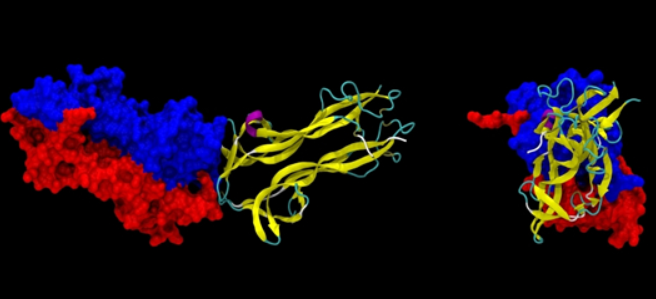
These are proteins that act as growth factors, supporting the formation of new neural connections (synaptic plasticity), the growth of new neurons (neurogenesis), and the repair of damaged neural tissue.
There are three key ones that it’s a good idea to be familiar with:
1. Brain-derived neurotrophic factor (BDNF)
This one is the most abundant neurotrophin in the brain, being primarily expressed in the hippocampus, cortex and basal ganglia.
It is essential for consolidating memories and enhancing cognitive flexibility, mood regulation (low BDNF levels are linked to depression and anxiety and reduced BDNF in individuals with major depressive disorder is very common), increases dendritic spine density, protects neurons from oxidative stress, inflammation and apoptosis, it reduces beta-amyloid toxicity and supports dopaminergic neurons which are the primary mechanisms behind how it protects us against Alzheimer’s and Parkinson’s.
2. Glial-derived neurotrophic factor (GDNF)
GDNF is primarily produced by glial cells and is critical for the survival and function of dopaminergic neurons, particularly in the substantia nigra.
It modulates reward circuits in the ventral tegmental area, influencing addiction behaviors (higher levels = less addiction), plays a key role in motor control, axonal growth, protects dopaminergic neurons from oxidative stress and also interacts with NCAM (neural cell adhesion molecule) to support neural repair.
3. Nerve growth factor (NGF)
NGF is critical for the growth, maintenance, and survival of sensory and sympathetic neurons, particularly in the peripheral nervous system (PNS), supports cholinergic neurons in the basal forebrain (it also enhances acetylcholine release in it), cognitive functions like attention and memory, protects neurons from oxidative stress and inflammation, regulates sensory neuron function in the PNS, modulates stress
9
A list of tools when it comes to these specifically includes:
Tool 1: Curcumin (boosts BDNF and NGF).
Tool 2: Lion's mane (Increases NGF and BDNF like few things do).
Tool 3: Any form of magnesium besides oxide (enhances BDNF)
Tool 4: NAC (enhances BDNF)
Tool 5: ALCAR (supports BDNF).
Tool 6: CoQ10 (supports BDNF/GDNF).
Tool 7: Gingko biloba (enhances BDNF)
Tool 8: Bacopa (increases BDNF and NGF).
Tool 9: PQQ (enhances BDNF and NGF
Tool 10: Gotu kola (increases BDNF and NGF)
Tool 11: Phosphatidylserine (supports BDNF).
Tool 12: Semax (boosts BDNF and NGF).
Tool 13: Huperzine A (enhances NGF and BDNF)
Tool 14: Saffron (boosts BDNF and NGF)

Tool 1: Curcumin (boosts BDNF and NGF).
Tool 2: Lion's mane (Increases NGF and BDNF like few things do).
Tool 3: Any form of magnesium besides oxide (enhances BDNF)
Tool 4: NAC (enhances BDNF)
Tool 5: ALCAR (supports BDNF).
Tool 6: CoQ10 (supports BDNF/GDNF).
Tool 7: Gingko biloba (enhances BDNF)
Tool 8: Bacopa (increases BDNF and NGF).
Tool 9: PQQ (enhances BDNF and NGF
Tool 10: Gotu kola (increases BDNF and NGF)
Tool 11: Phosphatidylserine (supports BDNF).
Tool 12: Semax (boosts BDNF and NGF).
Tool 13: Huperzine A (enhances NGF and BDNF)
Tool 14: Saffron (boosts BDNF and NGF)
10
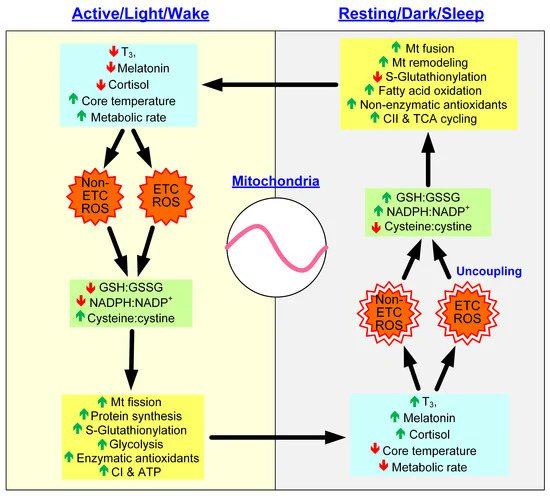
Moving on to your light environment (you basically need to endogenous melatonin max, get sunlight and block the artificial blue light (see the pics below)).
Melatonin, a neurohormone primarily produced by the pineal gland, is also crucial for brain health.
Here are some key reasons why:
-Melatonin synchronizes the body’s internal clock through receptors such as MT1 and MT2 in the suprachiasmatic nucleus (SCN), hippocampus, and cortex promoting sleep onset and deep sleep.
-It shortens sleep latency and enhances slow-wave sleep (SWS) and REM sleep which are critical for memory consolidation and synaptic pruning.
-It supports hippocampal neuroplasticity.
-It promotes brain-derived neurotrophic factor (BDNF) expression.
-It neutralizes reactive oxygen species (ROS) and reactive nitrogen species (RNS) thus reducing oxidative stress in the brain.
-It enhances glymphatic clearance.
-It enhances GABA activity.
-It modulates amygdala activity.
-It reduces amyloid-beta and tau pathology.
-It decreases pro-inflammatory cytokines, protecting the blood-brain barrier and neurons from inflammation-related damage.

Melatonin, a neurohormone primarily produced by the pineal gland, is also crucial for brain health.
Here are some key reasons why:
-Melatonin synchronizes the body’s internal clock through receptors such as MT1 and MT2 in the suprachiasmatic nucleus (SCN), hippocampus, and cortex promoting sleep onset and deep sleep.
-It shortens sleep latency and enhances slow-wave sleep (SWS) and REM sleep which are critical for memory consolidation and synaptic pruning.
-It supports hippocampal neuroplasticity.
-It promotes brain-derived neurotrophic factor (BDNF) expression.
-It neutralizes reactive oxygen species (ROS) and reactive nitrogen species (RNS) thus reducing oxidative stress in the brain.
-It enhances glymphatic clearance.
-It enhances GABA activity.
-It modulates amygdala activity.
-It reduces amyloid-beta and tau pathology.
-It decreases pro-inflammatory cytokines, protecting the blood-brain barrier and neurons from inflammation-related damage.
11
Now what's also neglected sometimes is the fact that elevated homocysteine (hyperhomocysteinemia) contributes to AD.
For example it promotes endothelial dysfunction, atherosclerosis, and cerebral small vessel disease, reducing blood flow to the brain and exacerbating AD pathology.
It enhances β-amyloid (Aβ) production by upregulating amyloid precursor protein (APP) and β-secretase activity.
It also promotes tau hyperphosphorylation via activation of glycogen synthase kinase-3β (GSK-3β), accelerating neurofibrillary tangle formation.
It acts as an NMDA receptor agonist, causing excitotoxic neuronal damage, particularly in the hippocampus, a key memory region affected in AD.
Now, homocysteine levels are regulated through two primary metabolic pathways both of which ensure that homocysteine is either recycled or converted into other compounds:
1. Remethylation (this pathway recycles homocysteine back into methionine by adding a methyl group with enzymes and co-factors such as methionine synthase, MTHFR and betaine-homocysteine methyltransferase (BHMT)).
and
2. Transsulfuration (here homocysteine is converted into cystathionine and then cysteine with enzymes and co-factors such as cystathionine beta-synthase (CBS) and cystathionine gamma-lyase).
In order for these pathways to properly work we need:
-B12 for methionine synthase
-Betaine for BHMT
-Methylated B9 for methionine synthase
-P5P for CBS
This is the simple reason why: B12, methylfolate, P5P, TMG and balancing the methionine: glycine ratio in a person's diet work so well for lowering homocysteine levels in most people without serious genetic defects.
Now when it comes to using glutathione or NAC, it makes sense as a strategy since as stated homocysteine is metabolized through the transsulfuration pathway with one of the end goals being glutathione production.
So increasing glutathione may enhance this pathway and reduce homocysteine as a result.
For example it promotes endothelial dysfunction, atherosclerosis, and cerebral small vessel disease, reducing blood flow to the brain and exacerbating AD pathology.
It enhances β-amyloid (Aβ) production by upregulating amyloid precursor protein (APP) and β-secretase activity.
It also promotes tau hyperphosphorylation via activation of glycogen synthase kinase-3β (GSK-3β), accelerating neurofibrillary tangle formation.
It acts as an NMDA receptor agonist, causing excitotoxic neuronal damage, particularly in the hippocampus, a key memory region affected in AD.
Now, homocysteine levels are regulated through two primary metabolic pathways both of which ensure that homocysteine is either recycled or converted into other compounds:
1. Remethylation (this pathway recycles homocysteine back into methionine by adding a methyl group with enzymes and co-factors such as methionine synthase, MTHFR and betaine-homocysteine methyltransferase (BHMT)).
and
2. Transsulfuration (here homocysteine is converted into cystathionine and then cysteine with enzymes and co-factors such as cystathionine beta-synthase (CBS) and cystathionine gamma-lyase).
In order for these pathways to properly work we need:
-B12 for methionine synthase
-Betaine for BHMT
-Methylated B9 for methionine synthase
-P5P for CBS
This is the simple reason why: B12, methylfolate, P5P, TMG and balancing the methionine: glycine ratio in a person's diet work so well for lowering homocysteine levels in most people without serious genetic defects.
Now when it comes to using glutathione or NAC, it makes sense as a strategy since as stated homocysteine is metabolized through the transsulfuration pathway with one of the end goals being glutathione production.
So increasing glutathione may enhance this pathway and reduce homocysteine as a result.
12
If all of these sound too complicated for now, a great general step you can take besides things such as cardio, getting enough micronutrients and living under a healthy light environment is taking good care of your gut.
A 2025 study found AD patients have reduced gut microbial diversity, with lower levels of SCFA-producing bacteria that correlated with elevated p-tau217 and Aβ42/40 in blood.
Also another one showed linked gut dysbiosis in APOE4 carriers to faster cognitive decline, with higher LPS levels in blood correlating with AD biomarkers.
And of course studies have shown that Lactobacillus rhamnosus reduced p-tau217 by 10% in MCI patients, improving cognitive scores.
A 2025 study found AD patients have reduced gut microbial diversity, with lower levels of SCFA-producing bacteria that correlated with elevated p-tau217 and Aβ42/40 in blood.
Also another one showed linked gut dysbiosis in APOE4 carriers to faster cognitive decline, with higher LPS levels in blood correlating with AD biomarkers.
And of course studies have shown that Lactobacillus rhamnosus reduced p-tau217 by 10% in MCI patients, improving cognitive scores.
13
Speaking of cardio, here’s a summary of the key reasons why exercise is essential for brain health.
-It boosts neurotrophic factors (BDNF, GDNF, NGF) A LOT. No, no. A LOT.
Just 30 minutes of aerobic exercise 3–5 times/week increases brain-derived neurotrophic factor (BDNF) by 20–30%.
It also enhances glial cell line-derived neurotrophic factor (GDNF) in motor circuits, aiding neuron survival and motor function.
In older adults, exercise boosts nerve growth factor (NGF), promoting neuronal health and cognitive resilience.
-Promotes synaptic plasticity, strengthening neural connections in the hippocampus and prefrontal cortex, critical for long-term and short-term memory.
-It increases dopamine release and receptor sensitivity.
It modulates the hypothalamic-pituitary-adrenal (HPA) axis, lowering cortisol levels and enhancing stress resilience.
-It supports the glymphatic system.
While sleep primarily drives glymphatic clearance, exercise enhances cerebral blood flow and CSF dynamics.
-Exercise reduces amygdala hyperactivity.
-It boosts endorphin release, enhancing mental resilience and reducing irritability or anxiety.
-Regular exercise lowers the risk of Alzheimer’s and Parkinson’s by reducing beta-amyloid and tau accumulation and protecting dopaminergic neurons.
-It boosts neurotrophic factors (BDNF, GDNF, NGF) A LOT. No, no. A LOT.
Just 30 minutes of aerobic exercise 3–5 times/week increases brain-derived neurotrophic factor (BDNF) by 20–30%.
It also enhances glial cell line-derived neurotrophic factor (GDNF) in motor circuits, aiding neuron survival and motor function.
In older adults, exercise boosts nerve growth factor (NGF), promoting neuronal health and cognitive resilience.
-Promotes synaptic plasticity, strengthening neural connections in the hippocampus and prefrontal cortex, critical for long-term and short-term memory.
-It increases dopamine release and receptor sensitivity.
It modulates the hypothalamic-pituitary-adrenal (HPA) axis, lowering cortisol levels and enhancing stress resilience.
-It supports the glymphatic system.
While sleep primarily drives glymphatic clearance, exercise enhances cerebral blood flow and CSF dynamics.
-Exercise reduces amygdala hyperactivity.
-It boosts endorphin release, enhancing mental resilience and reducing irritability or anxiety.
-Regular exercise lowers the risk of Alzheimer’s and Parkinson’s by reducing beta-amyloid and tau accumulation and protecting dopaminergic neurons.
14
Also get enough of the following nutrients.
-B Vitamins.
B vitamins are crucial for neurotransmitter synthesis, oxygen transport, energy metabolism, and homocysteine regulation, which, when elevated, is a risk factor for cognitive decline.
-Zinc
Zinc is critical for synaptic transmission, neurogenesis, and neuroprotection.
For example, it modulates NMDA receptors, preventing glutamate excitotoxicity, and supports dopamine synthesis.
Zinc is so crucial for brain health that a deficiency is linked to ADHD by multiple studies at this point.
-Magnesium
Magnesium regulates neuronal excitability, supports synaptic plasticity, and blocks NMDA receptors to prevent excitotoxicity. It also enhances GABA activity.
-Choline
Adequate choline intake is linked to better cognitive performance and reduced dementia risk.
It’s no wonder why since choline is a precursor to acetylcholine and also supports neuronal membrane integrity and myelination.
-Full spectrum protein sources
Amino acids from protein are building blocks for neurotransmitters and a balanced amino acid intake has been shown to improve mood and cognitive performance.
Tyrosine supplementation for example enhances working memory under stress.
-Antioxidants (vitamin C, E and polyphenols)
Overall, antioxidants combat oxidative stress, which can damage neurons and contributes to neurodegenerative diseases.
Then, vitamin C supports neurotransmitter synthesis, protects against glutamate excitotoxicity vitamin E preserves neuronal membrane integrity.
Also, polyphenols can enhance BDNF and also reduce inflammation.
-B Vitamins.
B vitamins are crucial for neurotransmitter synthesis, oxygen transport, energy metabolism, and homocysteine regulation, which, when elevated, is a risk factor for cognitive decline.
-Zinc
Zinc is critical for synaptic transmission, neurogenesis, and neuroprotection.
For example, it modulates NMDA receptors, preventing glutamate excitotoxicity, and supports dopamine synthesis.
Zinc is so crucial for brain health that a deficiency is linked to ADHD by multiple studies at this point.
-Magnesium
Magnesium regulates neuronal excitability, supports synaptic plasticity, and blocks NMDA receptors to prevent excitotoxicity. It also enhances GABA activity.
-Choline
Adequate choline intake is linked to better cognitive performance and reduced dementia risk.
It’s no wonder why since choline is a precursor to acetylcholine and also supports neuronal membrane integrity and myelination.
-Full spectrum protein sources
Amino acids from protein are building blocks for neurotransmitters and a balanced amino acid intake has been shown to improve mood and cognitive performance.
Tyrosine supplementation for example enhances working memory under stress.
-Antioxidants (vitamin C, E and polyphenols)
Overall, antioxidants combat oxidative stress, which can damage neurons and contributes to neurodegenerative diseases.
Then, vitamin C supports neurotransmitter synthesis, protects against glutamate excitotoxicity vitamin E preserves neuronal membrane integrity.
Also, polyphenols can enhance BDNF and also reduce inflammation.
15
One driver for the causes that were described in the beginning of this, also is toxin accumulation and especially of things such as aluminum.
Aluminum is known for example to bind to Aβ peptides, promoting their aggregation into insoluble plaques and it induces tau hyperphosphorylation by activating kinases like GSK-3β.


Aluminum is known for example to bind to Aβ peptides, promoting their aggregation into insoluble plaques and it induces tau hyperphosphorylation by activating kinases like GSK-3β.
George Ferman@Helios_Movement
Toxins are indeed one of the primary drivers behind a lot of people's health issues but most of the detox advice is false.
Here's what you need know presented as a 10-step plan.
Thread🧵
Here's what you need know presented as a 10-step plan.
Thread🧵
16
Ditch your Airpods.

17
Bonus things to consider:
-Benfotiamine: It may reverse amyloid plaque accumulation and reduce tau hyperphosphorylation.
-Lactoferrin: In mouse studies, it reduced amyloid beta levels, inhibited amyloidogenic processing, and improved memory.
-Semax: The studies on theses are preclinical studies but show reduced amyloid-beta aggregation.
-Curcumin: It may reduce the formation and enhance the clearance of amyloid beta and boosts BDNF and NGF.
-Vitamin C: It may reduce amyloid plaque deposition.
-Cat’s Claw: It could inhibit and reduce beta-amyloid fibrils and tau tangles.
-Coenzyme Q10 (CoQ10) and PQQ: These reduce amyloid plaque formation and oxidative stress.
-Sunlight (too many benefits to count in general): It enhances amyloid clearance by macrophages.
-Inositol, uridine and some fasting can help with D2 receptors (postmortem studies show reduced D2 receptor density in the striatum of AD patients)
-Magnesium, taurine and P5P to regulate glutamate activity.
-Creatine monohydrate: This at high dose (20 grams) is shown to improve cognitive function by 5% in AD patients over 8 weeks usually.
-Anything else that can support BDNF since D3 receptor expression regulated by BDNF, is decreased in AD and also tau hyperphosphorylation decreases BDNF expression, while BDNF depletion promotes tau cleavage by δ-secretase.
-Stimulate the vagus nerve.
-Anything else that can support GDNF since it may reduce Aβ-induced toxicity.
-Red light therapy: boosts ATP production in neurons, decreases pro-inflammatory cytokines such as IL-1β and TNF-α, protecting the blood-brain barrier (BBB) and neurons, it stimulates the release of brain-derived neurotrophic factor (BDNF), it increases cerebral blood flow, supporting nutrient delivery and waste removal, it reduces secondary brain damage in TBI and stroke by decreasing inflammation, excitotoxicity, and neuronal apoptosis.
-A hair mineral analysis since heavy metal exposure is a risk factor for AD.
-Benfotiamine: It may reverse amyloid plaque accumulation and reduce tau hyperphosphorylation.
-Lactoferrin: In mouse studies, it reduced amyloid beta levels, inhibited amyloidogenic processing, and improved memory.
-Semax: The studies on theses are preclinical studies but show reduced amyloid-beta aggregation.
-Curcumin: It may reduce the formation and enhance the clearance of amyloid beta and boosts BDNF and NGF.
-Vitamin C: It may reduce amyloid plaque deposition.
-Cat’s Claw: It could inhibit and reduce beta-amyloid fibrils and tau tangles.
-Coenzyme Q10 (CoQ10) and PQQ: These reduce amyloid plaque formation and oxidative stress.
-Sunlight (too many benefits to count in general): It enhances amyloid clearance by macrophages.
-Inositol, uridine and some fasting can help with D2 receptors (postmortem studies show reduced D2 receptor density in the striatum of AD patients)
-Magnesium, taurine and P5P to regulate glutamate activity.
-Creatine monohydrate: This at high dose (20 grams) is shown to improve cognitive function by 5% in AD patients over 8 weeks usually.
-Anything else that can support BDNF since D3 receptor expression regulated by BDNF, is decreased in AD and also tau hyperphosphorylation decreases BDNF expression, while BDNF depletion promotes tau cleavage by δ-secretase.
-Stimulate the vagus nerve.
-Anything else that can support GDNF since it may reduce Aβ-induced toxicity.
-Red light therapy: boosts ATP production in neurons, decreases pro-inflammatory cytokines such as IL-1β and TNF-α, protecting the blood-brain barrier (BBB) and neurons, it stimulates the release of brain-derived neurotrophic factor (BDNF), it increases cerebral blood flow, supporting nutrient delivery and waste removal, it reduces secondary brain damage in TBI and stroke by decreasing inflammation, excitotoxicity, and neuronal apoptosis.
-A hair mineral analysis since heavy metal exposure is a risk factor for AD.
18
That was it.
I hope that you found something useful in this thread, if you did, make sure to leave a like/RT.
I hope that you found something useful in this thread, if you did, make sure to leave a like/RT.
George Ferman@Helios_Movement
It's estimated that 57 million people worldwide are living with Alzheimer's disease and this will only get worse (83.2 million people by 2030).
So if you want to understand some key things on this topic, whether these are its main causes, neglected but quite important factors that can exacerbate it or the most promising tools when it comes to managing it, tap in.
Thread🧵
So if you want to understand some key things on this topic, whether these are its main causes, neglected but quite important factors that can exacerbate it or the most promising tools when it comes to managing it, tap in.
Thread🧵
19
For more:
fitandball.gumroad.com/l/georgesystem…
fitandball.gumroad.com/l/georgesystem…
