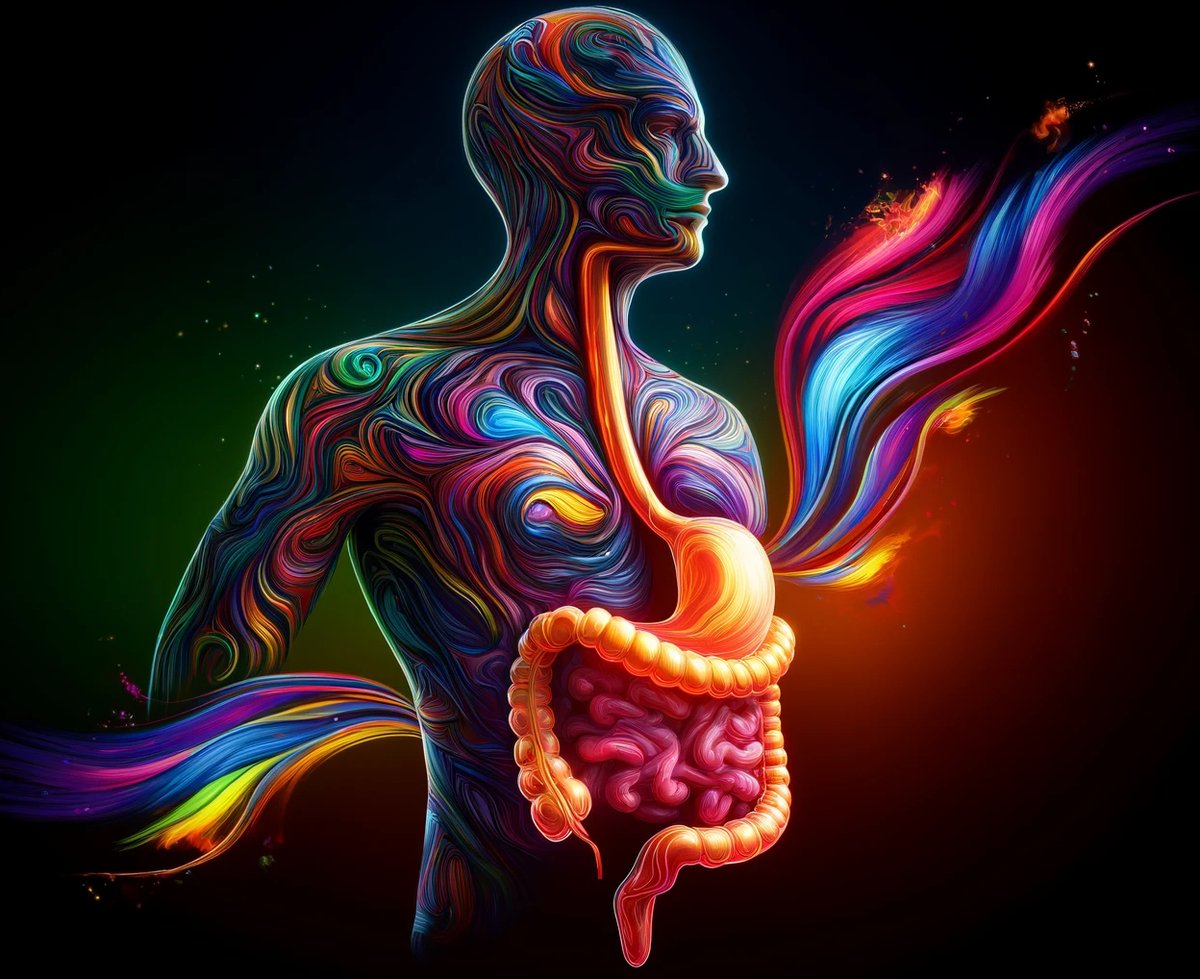
Researchers have called it the guardian of the gut. It is a godsend...

Dalton (Analyze & Optimize)@Outdoctrination
100 views
Mar 15, 2025
~5 min read
Advertisement
1
Researchers have called it the guardian of the gut.
It is a godsend for IBS, Crohn’s, Ulcerative Colitis and even colon cancer.
Why BUTYRATE might be your key optimal digestion + gut health: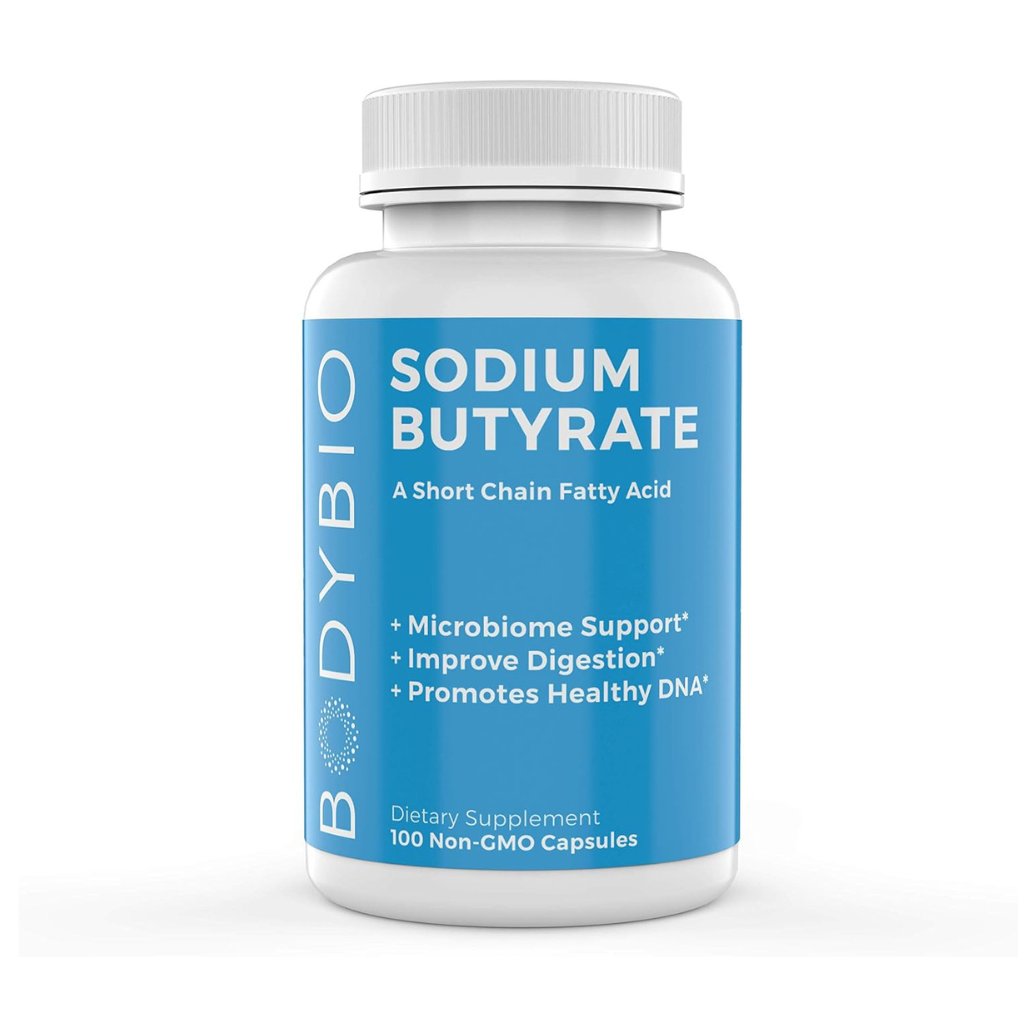
It is a godsend for IBS, Crohn’s, Ulcerative Colitis and even colon cancer.
Why BUTYRATE might be your key optimal digestion + gut health:
2
You are looking at a dramatic improvement in colon tumors by using butyrate in animals.
Butyrate:
⬩KILLS colon cancer cells
⬩STOPS metastasis
⬩SHRINKS tumors
Cancer is a metabolic disease, and butyrate is the primary metabolic fuel of the colon.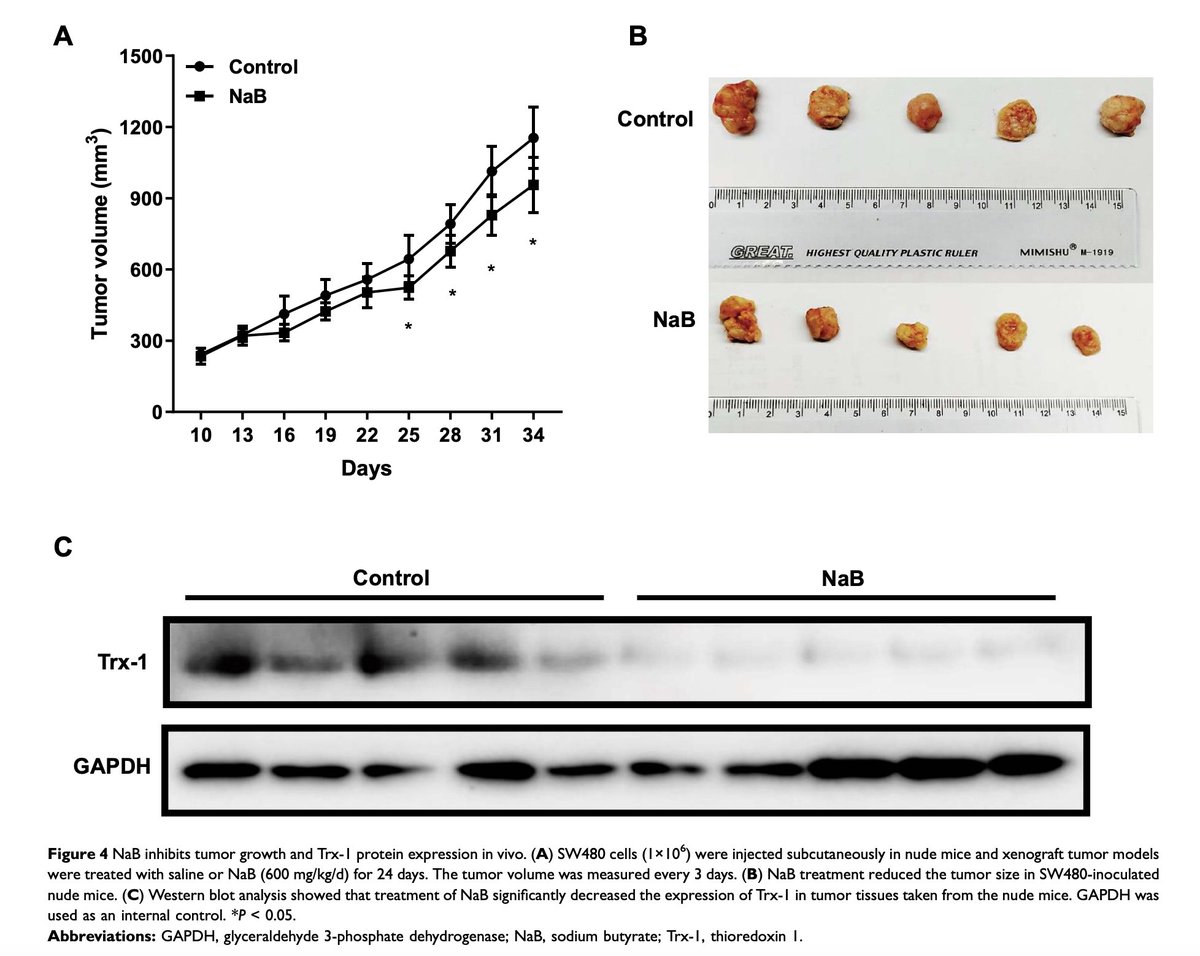
Butyrate:
⬩KILLS colon cancer cells
⬩STOPS metastasis
⬩SHRINKS tumors
Cancer is a metabolic disease, and butyrate is the primary metabolic fuel of the colon.
3
Butyrate cuts colon cancer tumors by over 80%
Improves:
⬩Survival
⬩Histology
⬩Gut function
In colon cancer.
Butyrate works here by improving bacterial composition and directly reducing inflammation,
people with colon cancer have lower butyrate in the gut.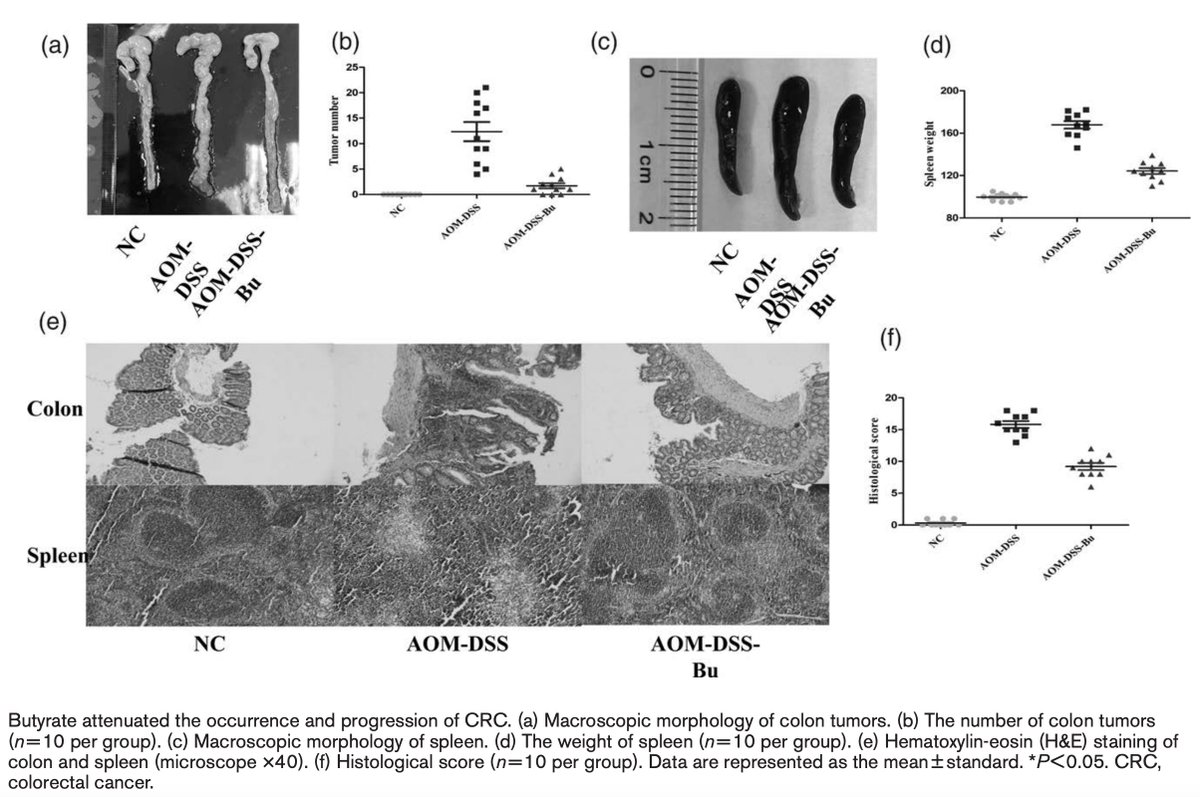
Improves:
⬩Survival
⬩Histology
⬩Gut function
In colon cancer.
Butyrate works here by improving bacterial composition and directly reducing inflammation,
people with colon cancer have lower butyrate in the gut.
4
Butyrate is highly effective for IBS.
At 300 mg a day, sodium butyrate improved:
⬩ Abdominal pain
⬩ Urge sensation
⬩ Stool consistency
⬩ Constipation
After 12 weeks.
It is the single most important metabolite in the colon, regulating nearly every function of gut health.
At 300 mg a day, sodium butyrate improved:
⬩ Abdominal pain
⬩ Urge sensation
⬩ Stool consistency
⬩ Constipation
After 12 weeks.
It is the single most important metabolite in the colon, regulating nearly every function of gut health.
5
Another study showed in IBS patients showed that butyrate improved:
⬩Abdominal pain
⬩Flatulence
⬩Diarrhea
⬩Constipation
⬩Urgent pressure for stool
⬩Nausea
⬩Vomiting
⬩QUALITY OF LIFE
So, essentially every symptom you can think of.
⬩Abdominal pain
⬩Flatulence
⬩Diarrhea
⬩Constipation
⬩Urgent pressure for stool
⬩Nausea
⬩Vomiting
⬩QUALITY OF LIFE
So, essentially every symptom you can think of.
6
Butyrate induces remission in Crohn's disease.
4g for 4 weeks:
• Nearly reversed visible pathology in the colon
• Reduced markers of inflammation
by improving gut bioenergetics.
Butyrate has profound inflammation reducing properties that make it incredible for IBDs.
4g for 4 weeks:
• Nearly reversed visible pathology in the colon
• Reduced markers of inflammation
by improving gut bioenergetics.
Butyrate has profound inflammation reducing properties that make it incredible for IBDs.
7
Butyrate therapeutic for Ulcerative Colitis, improves sleep.
600 mg per day, improvements in:
⬩ALL symptoms
⬩ALL markers of inflammation
⬩Sleep quality
Butyrate regulates the circadian rhythm by increasing circadian clock genes expression,
this is HUGE for digestion.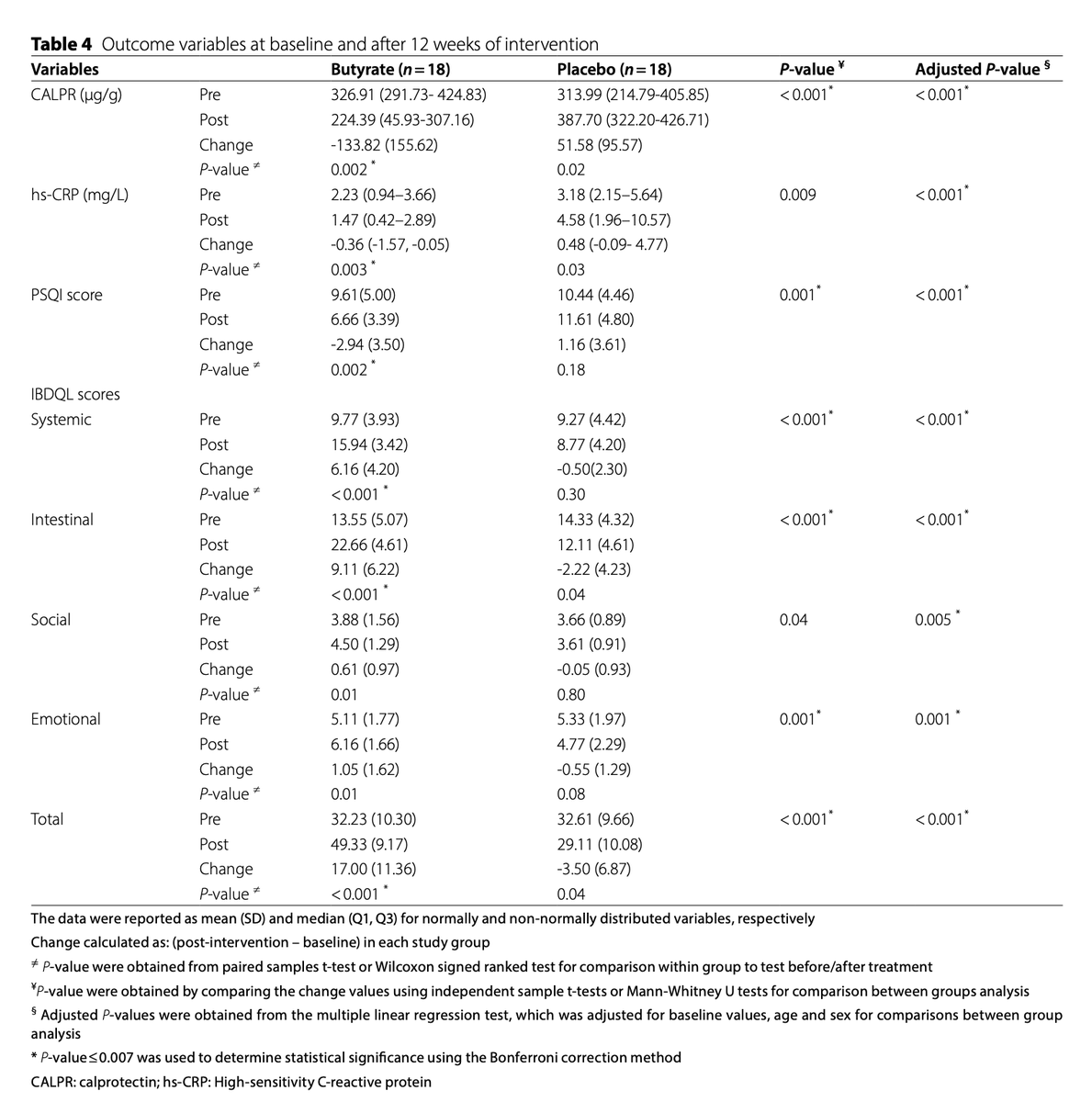
600 mg per day, improvements in:
⬩ALL symptoms
⬩ALL markers of inflammation
⬩Sleep quality
Butyrate regulates the circadian rhythm by increasing circadian clock genes expression,
this is HUGE for digestion.
8
The circadian rhythm is critical for gut health, as it reduces:
⬩Pathogenic bacteria
⬩Intestinal permeability
⬩Inflammation
& so more.
I’ve written on the importance of circadian rhythms and gut health here:

⬩Pathogenic bacteria
⬩Intestinal permeability
⬩Inflammation
& so more.
I’ve written on the importance of circadian rhythms and gut health here:
Dalton (Analyze & Optimize)@Outdoctrination
You WILL NOT have good digestion… without addressing this first.
The key to relieving your indigestion, constipation, and bloating may be where you least expect it.
Let’s talk about it:
The key to relieving your indigestion, constipation, and bloating may be where you least expect it.
Let’s talk about it:
9
Butyrate levels are higher when inflammatory gut problems subside.
The metabolism of butyrate and glutamine are both LOW in these states.
Gut inflammation is driven by poor gut metabolism,
But supplementing back butyrate & glutamine have shown a ton of benefit.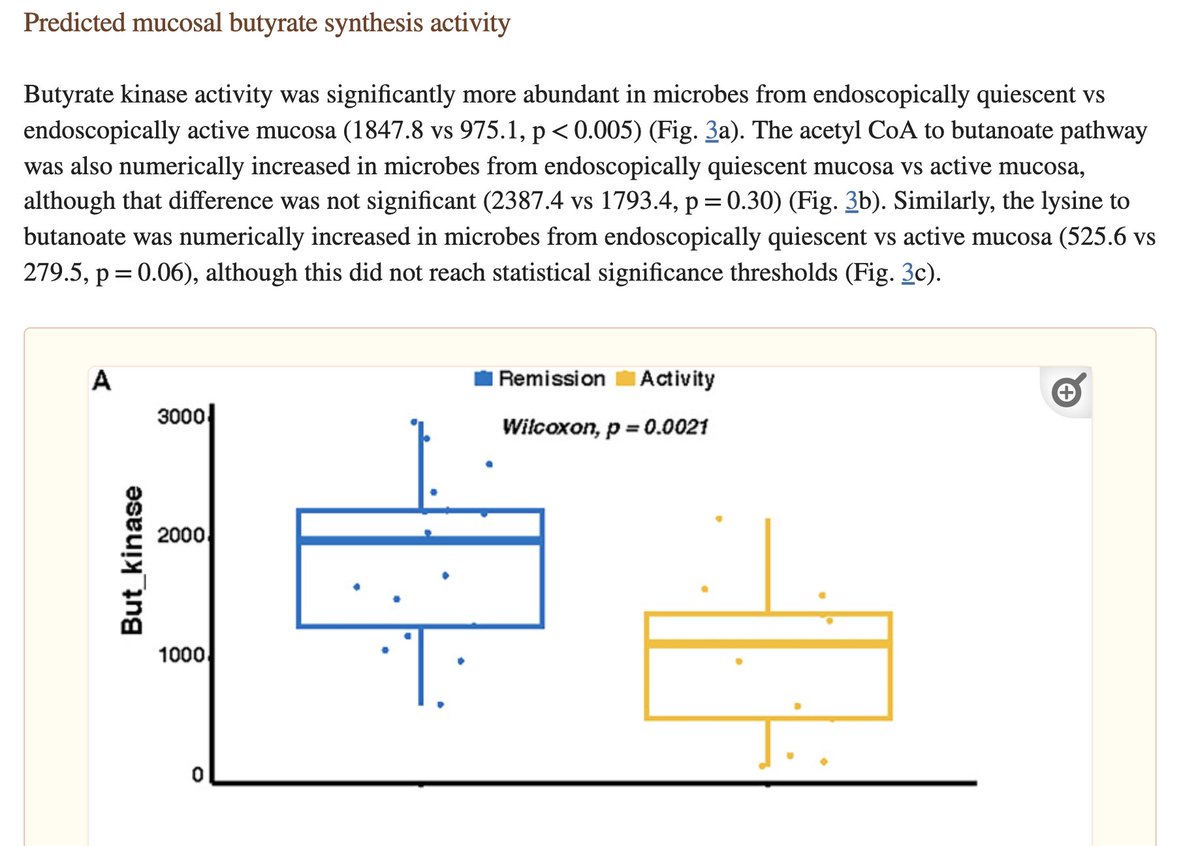
The metabolism of butyrate and glutamine are both LOW in these states.
Gut inflammation is driven by poor gut metabolism,
But supplementing back butyrate & glutamine have shown a ton of benefit.
10
I’ve written on the benefits of taking glutamine here:

Dalton (Analyze & Optimize)@Outdoctrination
A cheap, easy and powerful tool for healing your gut.
For bloating, distention, brain fog and more, the answer might just be GLUTAMINE.
Here’s why, and how to use it for maximal digestive benefit:
For bloating, distention, brain fog and more, the answer might just be GLUTAMINE.
Here’s why, and how to use it for maximal digestive benefit:
11
Butyrate reduces diverticulitis / diverticulosis.
At 300 mg per day, it was shown to reduce these serious conditions.
Butyrate supports the structure of the gut by increasing:
⬩Tight junction proteins
⬩Mucus production
⬩Cell migration
⬩Stem cell differentiation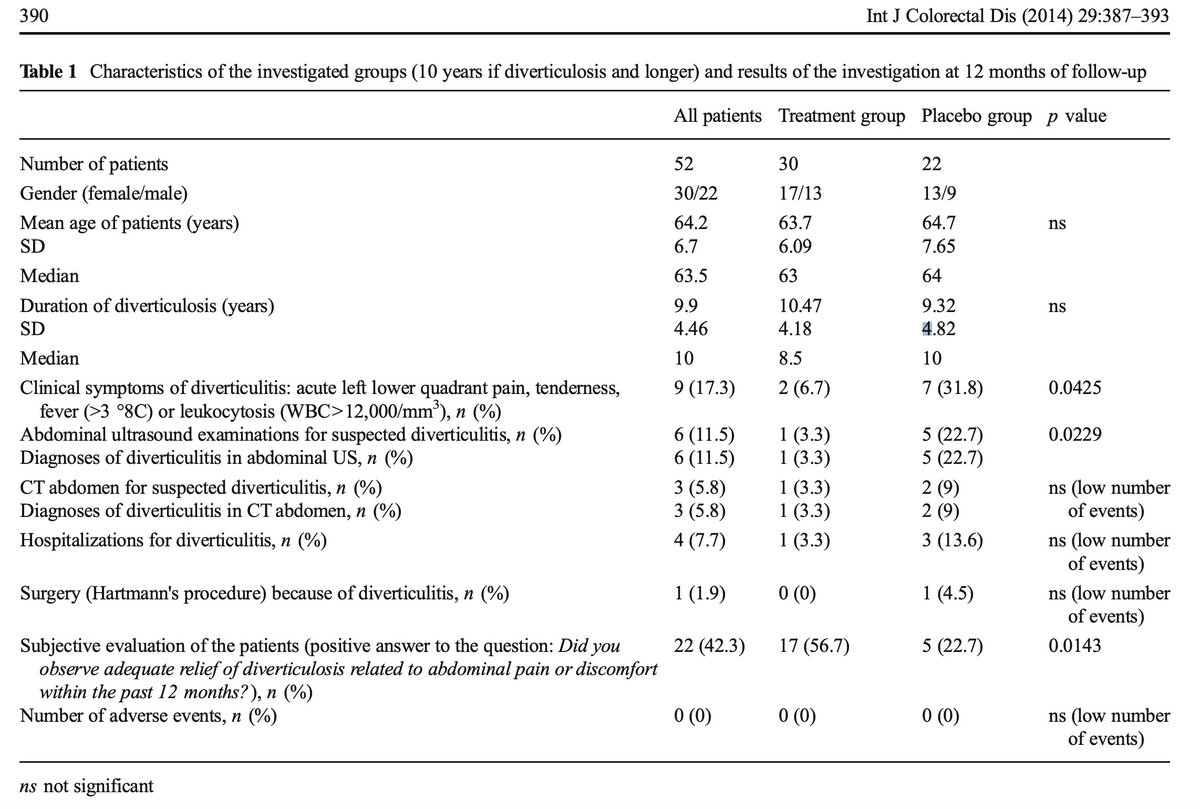
At 300 mg per day, it was shown to reduce these serious conditions.
Butyrate supports the structure of the gut by increasing:
⬩Tight junction proteins
⬩Mucus production
⬩Cell migration
⬩Stem cell differentiation
12
Butyrate prevents food allergies.
Animals given butyrate were protected from peanut allergies, as they had:
⬩Less anaphylaxis
⬩Lower IgE
⬩More “tolerant” / anti-inflammatory immune cells
⬩Reduced mast cell degranulation
Allergies begin in the gut - butyrate can help.
Animals given butyrate were protected from peanut allergies, as they had:
⬩Less anaphylaxis
⬩Lower IgE
⬩More “tolerant” / anti-inflammatory immune cells
⬩Reduced mast cell degranulation
Allergies begin in the gut - butyrate can help.
13
Butyrate improves gut motility.
Oral butyrate supplementation was shown to increase the proportion of neurons in the gut that produce acetylcholine.
Acetylcholine is the primary regulator of gut motility, and low gut acetylcholine can lead to diarrhea or constipation.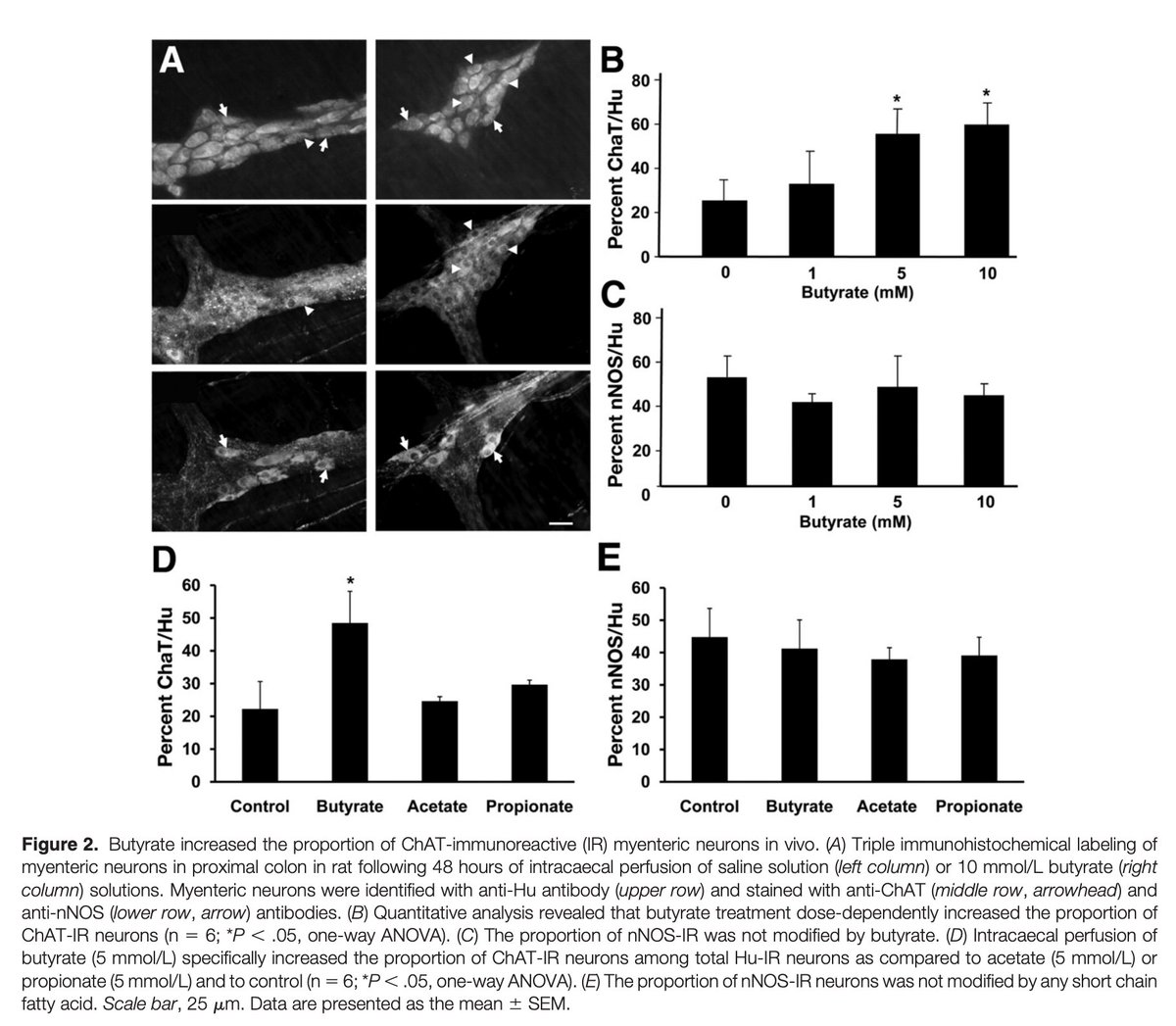
Oral butyrate supplementation was shown to increase the proportion of neurons in the gut that produce acetylcholine.
Acetylcholine is the primary regulator of gut motility, and low gut acetylcholine can lead to diarrhea or constipation.
14
Butyrate improves gut bacterial balance.
Butyrate is a metabolite of “good” bacteria, but it also stabilizes the gut environment to where more butyrate producing microbes proliferate.
Thus, it is the inverse of dependency - it should set your gut up for a healthier future.
Butyrate is a metabolite of “good” bacteria, but it also stabilizes the gut environment to where more butyrate producing microbes proliferate.
Thus, it is the inverse of dependency - it should set your gut up for a healthier future.
15
How butyrate improves gut health:
1. ENERGY
Butyrate is the primary source of fuel for the cells lining the large intestine.
This maintains all of their functions - energy metabolism is what allows cells to fulfill their proper phenotype.
This is also important for butyrate’s anti-cancer properties.
Butyrate metabolism in the colon requires lots of oxygen, and when there isn’t enough butyrate metabolism, the oxygen leaks into the gut.
Pathogenic bacteria thrive in this oxygen rich environment, meaning that the metabolism ultimately determines the health of your gut bacteria.
2. Anti-inflammatory
Short chain fatty acids like butyrate have multiple ways of calming inflammation, especially in the gut.
First, it inhibits the nuclear translocation of the master inflammatory gene regulator, NF-κB. This is ubiquitously elevated in digestive inflammatory conditions.
Second, it halts the primary white blood cells, neutrophils, from being overactive.
It also decreases mast cell degranulation, which stops a rise in histamine, serotonin, among other inflammatory mediators commonly elevated in gut inflammation.
Finally, butyrate is perhaps our primary endogenous inhibitor of histone deacetylases.
Histone deacetylase inhibitors have been developed by pharma for their anti-cancer and anti-inflammatory properties. More on this later.
3. Mucus
The gut mucus layer is absolutely vital. It acts as a protective layer to prevent pathogens and food residue from coming into contact with the cells of the colon, which causes inflammation.
It also houses various antimicrobial factors, such as sIgA and antimicrobial peptides.
This mucus layer becomes depleted with gut symptoms, especially in things like inflammatory bowel disease.
Butyrate fuels the secretion of mucus.
4. Antimicrobial peptides
I mentioned this previously but not only does butyrate directly improve the gut’s structure and energy, but it actually improves the bacterial composition as well.
It increases the production of “good” bacteria which helps to eliminate pathogens.
In this way it acts like a pre or probiotic.
Additionally, it supports the production of antimicrobial peptides, our body’s own antibiotics.
Considering the fact that so many gut issues are driven by bacterial overgrowth, this is absolutely huge.
5. Motility
Finally, butyrate supports motility as I mentioned earlier.
It’s hard to overstate how important this is for gut health, impaired motility underlies just about everything that goes wrong digestive wise.
People with IBS have impaired motility and higher fecal loads.
Symptoms like nausea, bloating, gas, improper bowel habits, etc are all driven by poor motility.
You will not fix your gut health without addressing this first.


1. ENERGY
Butyrate is the primary source of fuel for the cells lining the large intestine.
This maintains all of their functions - energy metabolism is what allows cells to fulfill their proper phenotype.
This is also important for butyrate’s anti-cancer properties.
Butyrate metabolism in the colon requires lots of oxygen, and when there isn’t enough butyrate metabolism, the oxygen leaks into the gut.
Pathogenic bacteria thrive in this oxygen rich environment, meaning that the metabolism ultimately determines the health of your gut bacteria.
2. Anti-inflammatory
Short chain fatty acids like butyrate have multiple ways of calming inflammation, especially in the gut.
First, it inhibits the nuclear translocation of the master inflammatory gene regulator, NF-κB. This is ubiquitously elevated in digestive inflammatory conditions.
Second, it halts the primary white blood cells, neutrophils, from being overactive.
It also decreases mast cell degranulation, which stops a rise in histamine, serotonin, among other inflammatory mediators commonly elevated in gut inflammation.
Finally, butyrate is perhaps our primary endogenous inhibitor of histone deacetylases.
Histone deacetylase inhibitors have been developed by pharma for their anti-cancer and anti-inflammatory properties. More on this later.
3. Mucus
The gut mucus layer is absolutely vital. It acts as a protective layer to prevent pathogens and food residue from coming into contact with the cells of the colon, which causes inflammation.
It also houses various antimicrobial factors, such as sIgA and antimicrobial peptides.
This mucus layer becomes depleted with gut symptoms, especially in things like inflammatory bowel disease.
Butyrate fuels the secretion of mucus.
4. Antimicrobial peptides
I mentioned this previously but not only does butyrate directly improve the gut’s structure and energy, but it actually improves the bacterial composition as well.
It increases the production of “good” bacteria which helps to eliminate pathogens.
In this way it acts like a pre or probiotic.
Additionally, it supports the production of antimicrobial peptides, our body’s own antibiotics.
Considering the fact that so many gut issues are driven by bacterial overgrowth, this is absolutely huge.
5. Motility
Finally, butyrate supports motility as I mentioned earlier.
It’s hard to overstate how important this is for gut health, impaired motility underlies just about everything that goes wrong digestive wise.
People with IBS have impaired motility and higher fecal loads.
Symptoms like nausea, bloating, gas, improper bowel habits, etc are all driven by poor motility.
You will not fix your gut health without addressing this first.
16
This is an excellent butyrate product.
This link will give you 15% off.
I think starting with one capsule of sodium butyrate daily is a good strategy.
That will give you 600 mg, which is a pretty good dose.
bodybio.com/products/butyr…
This link will give you 15% off.
I think starting with one capsule of sodium butyrate daily is a good strategy.
That will give you 600 mg, which is a pretty good dose.
bodybio.com/products/butyr…
17
Butyrate is awesome, but it might not fully do the job for you.
If YOU want personalized help from us optimizing your health, click where it says “schedule a free call” here: prism.miami
If YOU want personalized help from us optimizing your health, click where it says “schedule a free call” here: prism.miami
18
I've touched more on the importance of histone acetylation / deacetylation here.
Vinegar is very similar to butyrate as it contains acetate, a closely related molecule:
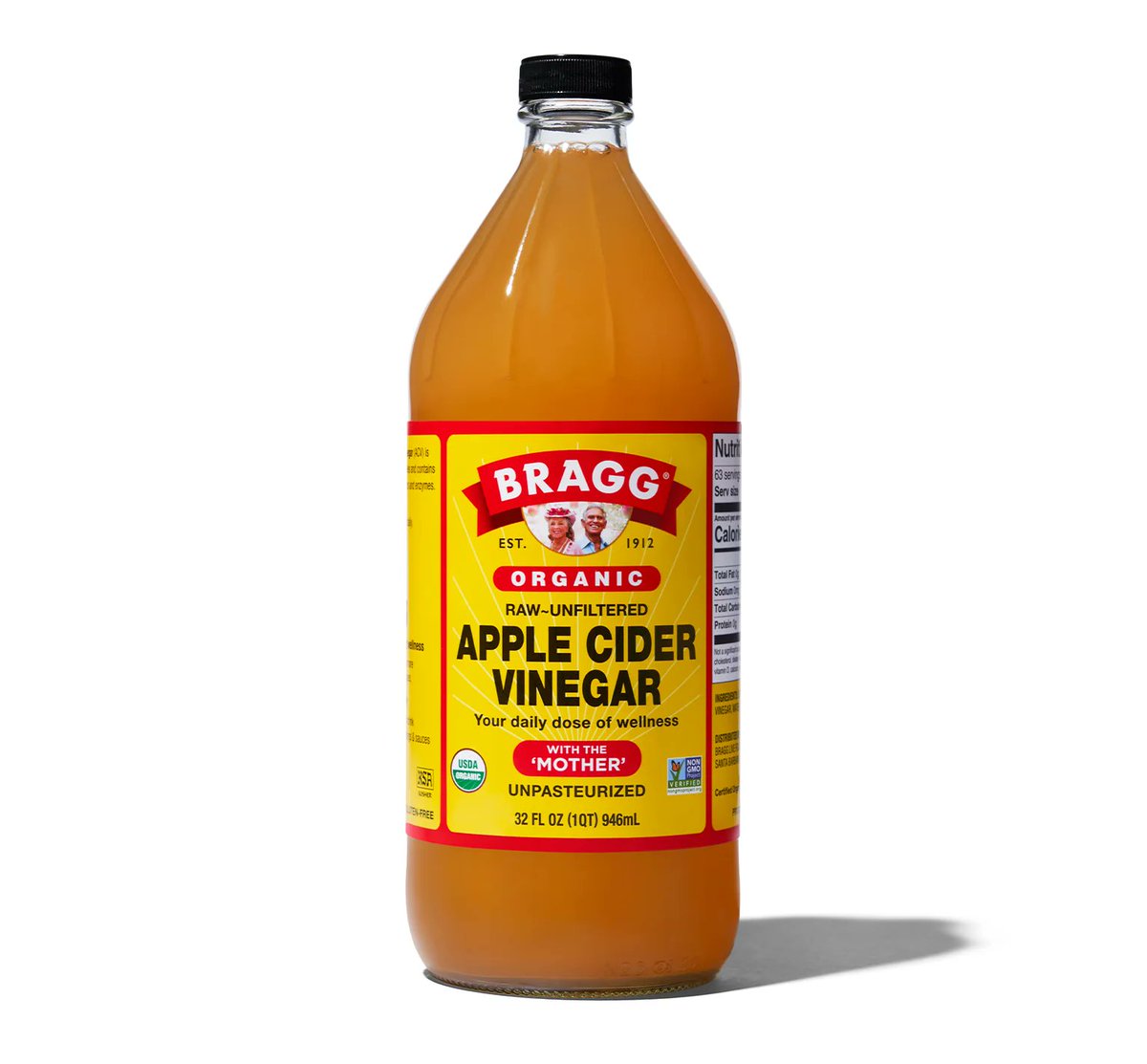
Vinegar is very similar to butyrate as it contains acetate, a closely related molecule:
Dalton (Analyze & Optimize)@Outdoctrination
The miracle medicine that’s sitting in your kitchen, and costs you almost nothing.
It sheds fat, improves insulin resistance, stops kidney stones, and might even turn cancer cells back to normal.
The benefits of VINEGAR will absolutely blow your mind:
It sheds fat, improves insulin resistance, stops kidney stones, and might even turn cancer cells back to normal.
The benefits of VINEGAR will absolutely blow your mind:
19
Some further reading of interest
Dalton (Analyze & Optimize)@Outdoctrination
YOU MUST ADDRESS THIS TO FIX YOUR GUT
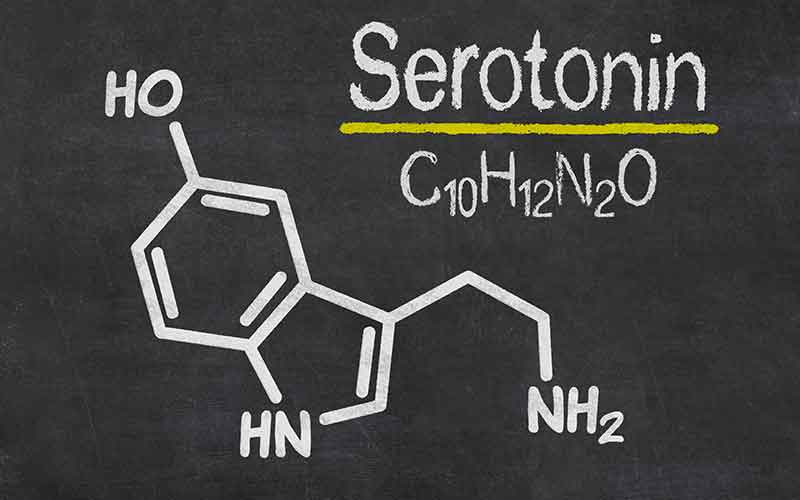
This “happy hormone” is the primary driver of digestive problems.
I found that out the hard way.
Here’s what I’ve learned, how I lowered it and how you can do the same:
This “happy hormone” is the primary driver of digestive problems.
I found that out the hard way.
Here’s what I’ve learned, how I lowered it and how you can do the same:
20
Dalton (Analyze & Optimize)@Outdoctrination
🚨GUT MASTERCLASS🚨
7 KEYS to fixing your digestive issues:
1. BACTERIA
Probably the most important thing to address.
Issues with gut bacteria (dysbiosis) will directly worsen everything else on this list.
Dysbiosis will drive:
⬩Pain
⬩Gas
⬩Sensitization
⬩Bloating
⬩Poor motility
⬩Food intolerances
⬩Inflammation
⬩Diarrhea
⬩Poorly formed stools
⬩Constipation
2 key easy and free ways to tell if you have dysbiosis:
1. Coated / white tongue in the morning (especially in the back)
2. Consistent foamy urine
Both very common signs of bacterial issues.
Stool testing is nice if you're really stuck, but if these are prevalent along with other gut symptoms - you can bet dysbiosis is an issue.
3 primary levers to pull to fix dysbiosis:
⬩Diet
⬩Antimicrobials
⬩Probiotics
For Diet: Starting with a low residue diet that limits bacterial fermentation.
Animal protein/fat: all cuts of beef, lamb, bison, etc. + eggs, seafood, dairy as tolerated (cottage cheese and Greek yogurt the least offensive typically)
+ easily digestible carbs like fruit juices, cane sugar and honey.
A low FODMAP diet can be effective if the problem is more upper GI (belching, upper bloating, lack of appetite).
& NO MATTER WHAT: keep polyunsaturated fats LOW (seed oils mainly).
+ Avoid food additives: added iron, colors, gums, dyes, etc. It's all terrible.
From there, in general, the least problematic foods to add back in order seem to be:
⬩Whole fruit
⬩Very well cooked potatoes / rice
⬩Toasted / non whole / cooked grains (sourdough)
⬩Very well cooked green vegetables
The better you get, the more you ought to expand the diet to make the gut more robust over time. You don't want to have a restrictive diet long term.
In general - over or under-eating will make things worse. Listen to your body.
For antimicrobials: low dose, safe antibiotics can be an absolute life saver.
⬩100-200 mg penicillin, 3-4x a day for 1-3 weeks
⬩25 mg doxy/minocycline, 2x a day, for 1-3 days
have been the most reliable in my experience.
Some natural antimicrobials:
⬩Oregano oil
⬩Allicin (garlic/onion)
⬩Mastic gum
⬩Pau D'Arco
⬩Rosemary
⬩Thyme
⬩Activated charcoal
⬩Wormwood
⬩Camphor
⬩Carrot
⬩Berberine
One herbal protocol that was studied: 2 capsules each of proprietary blends (you can get these online) FC Cidal + Dysbiocide or Candibactin-AR + Candibactin-BR, 2x a day for 4 weeks
PROBIOTICS: I wouldn't start with these if the problem is really bad, but I think the closer you get back to normal, the more important they become.
Probiotics:
⬩Have antimicrobial/anti-biofilm effects
⬩Essential for gut immunity
⬩Enhance gut motility
⬩Can metabolize food components
In general - multi strain, long duration is the key to success. At least 2 months is a good starting point.
I like the Ruscio triple therapy, MegaSporeBiotic and Seed products.
2. GUT MOTILITY
Absolutely vital to keep things moving. If you don't:
⬩Greater bacterial fermentation
⬩More inflammation from food lingering
⬩More gas production, retention (bloating)
Some tools to enhance gut motility:
⬩Coffee
⬩Cascara
⬩Triphala
⬩Raw carrot
Walking consistently is also essential here, as is maintaining consistent sleep / wake times, since gut motility is coordinated by the circadian rhythm.
The most important aspect of gut motility is vagal tone - the primary governor of the "rest and digest" nervous system that allows things to flow along well.
Which brings me to...
3. STRESS
Stress will destroy digestion. It:
⬩Worsens gut immunity - allowing for dysbiosis
⬩Slows motility (but can also cause diarrhea)
⬩Impairs energy production
Obviously, solving stress is a massive puzzle, but supporting the vagal cholinergic system here is paramount for the gut.
⬩B1
⬩Choline(rgics)
Are vital nutrients.
⬩Pregnenolone
⬩Progesterone
⬩Humming
⬩Acupressure points
⬩Breathing practices
⬩Sunlight
⬩Maintaining circadian rhythm
⬩Grounding
Are all important levers to pull for increasing vagal tone.
Deficiencies of pretty much any nutrient can cause stress, but the most noteworthy anti-stress nutrients IMO are:
⬩Magnesium
⬩Vitamin D
⬩Carbohydrate
⬩Salt
⬩Potassium
⬩Vitamin C
4. ENERGY
If your metabolism sucks good luck digesting anything.
You need energy for:
⬩Stomach acid
⬩Digestive enzyme secretion
⬩Motility
⬩Immunity
⬩Maintaining "good" bacterial balance
Some keys to enhancing energy production:
⬩Thyroid optimization / supplementation
⬩B vitamins
⬩Copper
⬩Limiting polyunsaturated fats
Eat ya liver and oysters.
5. SEROTONIN
Something NOBODY talks about but is VITAL to target.
You WILL have excess gut serotonin if you have these issues. It directly drives:
⬩Nausea
⬩Pain
⬩Sensitivity
⬩Diarrhea
⬩Bloating
⬩Loss of appetite
and more.
Serotonin is primarily the result of dysbiosis and gut irritation, so the bacteria / diet notes apply here as well.
Some tools that can directly lower serotonin and give immediate relief:
⬩Ginger
⬩Lysine
⬩Vitamins A & D
⬩Zinc
and some drugs:
⬩Cyproheptadine
⬩Benadryl
⬩Zofran (Ondansetron)
⬩Famotidine
This is so so important I will link my post on it below.
6. INFLAMMATION + LEAKY GUT
Inflammation is what directly facilitates a lot of these symptoms.
The breakdown of the intestinal barrier, or "leaky gut," is a common underlying theme in all digestive problems that drives inflammation.
Everything mentioned above plays a key role in driving or managing inflammation and the intestinal barrier,
but some good foods to directly target it:
⬩Gelatinous meats / bone broth (glycine + hydroxyproline)
⬩Raw milk
⬩Orange juice
Good supplements that directly lower inflammation:
⬩Lactoferrin
⬩Zinc Carnosine
⬩BPC-157
⬩Glutamine
7 KEYS to fixing your digestive issues:
1. BACTERIA
Probably the most important thing to address.
Issues with gut bacteria (dysbiosis) will directly worsen everything else on this list.
Dysbiosis will drive:
⬩Pain
⬩Gas
⬩Sensitization
⬩Bloating
⬩Poor motility
⬩Food intolerances
⬩Inflammation
⬩Diarrhea
⬩Poorly formed stools
⬩Constipation
2 key easy and free ways to tell if you have dysbiosis:
1. Coated / white tongue in the morning (especially in the back)
2. Consistent foamy urine
Both very common signs of bacterial issues.
Stool testing is nice if you're really stuck, but if these are prevalent along with other gut symptoms - you can bet dysbiosis is an issue.
3 primary levers to pull to fix dysbiosis:
⬩Diet
⬩Antimicrobials
⬩Probiotics
For Diet: Starting with a low residue diet that limits bacterial fermentation.
Animal protein/fat: all cuts of beef, lamb, bison, etc. + eggs, seafood, dairy as tolerated (cottage cheese and Greek yogurt the least offensive typically)
+ easily digestible carbs like fruit juices, cane sugar and honey.
A low FODMAP diet can be effective if the problem is more upper GI (belching, upper bloating, lack of appetite).
& NO MATTER WHAT: keep polyunsaturated fats LOW (seed oils mainly).
+ Avoid food additives: added iron, colors, gums, dyes, etc. It's all terrible.
From there, in general, the least problematic foods to add back in order seem to be:
⬩Whole fruit
⬩Very well cooked potatoes / rice
⬩Toasted / non whole / cooked grains (sourdough)
⬩Very well cooked green vegetables
The better you get, the more you ought to expand the diet to make the gut more robust over time. You don't want to have a restrictive diet long term.
In general - over or under-eating will make things worse. Listen to your body.
For antimicrobials: low dose, safe antibiotics can be an absolute life saver.
⬩100-200 mg penicillin, 3-4x a day for 1-3 weeks
⬩25 mg doxy/minocycline, 2x a day, for 1-3 days
have been the most reliable in my experience.
Some natural antimicrobials:
⬩Oregano oil
⬩Allicin (garlic/onion)
⬩Mastic gum
⬩Pau D'Arco
⬩Rosemary
⬩Thyme
⬩Activated charcoal
⬩Wormwood
⬩Camphor
⬩Carrot
⬩Berberine
One herbal protocol that was studied: 2 capsules each of proprietary blends (you can get these online) FC Cidal + Dysbiocide or Candibactin-AR + Candibactin-BR, 2x a day for 4 weeks
PROBIOTICS: I wouldn't start with these if the problem is really bad, but I think the closer you get back to normal, the more important they become.
Probiotics:
⬩Have antimicrobial/anti-biofilm effects
⬩Essential for gut immunity
⬩Enhance gut motility
⬩Can metabolize food components
In general - multi strain, long duration is the key to success. At least 2 months is a good starting point.
I like the Ruscio triple therapy, MegaSporeBiotic and Seed products.
2. GUT MOTILITY
Absolutely vital to keep things moving. If you don't:
⬩Greater bacterial fermentation
⬩More inflammation from food lingering
⬩More gas production, retention (bloating)
Some tools to enhance gut motility:
⬩Coffee
⬩Cascara
⬩Triphala
⬩Raw carrot
Walking consistently is also essential here, as is maintaining consistent sleep / wake times, since gut motility is coordinated by the circadian rhythm.
The most important aspect of gut motility is vagal tone - the primary governor of the "rest and digest" nervous system that allows things to flow along well.
Which brings me to...
3. STRESS
Stress will destroy digestion. It:
⬩Worsens gut immunity - allowing for dysbiosis
⬩Slows motility (but can also cause diarrhea)
⬩Impairs energy production
Obviously, solving stress is a massive puzzle, but supporting the vagal cholinergic system here is paramount for the gut.
⬩B1
⬩Choline(rgics)
Are vital nutrients.
⬩Pregnenolone
⬩Progesterone
⬩Humming
⬩Acupressure points
⬩Breathing practices
⬩Sunlight
⬩Maintaining circadian rhythm
⬩Grounding
Are all important levers to pull for increasing vagal tone.
Deficiencies of pretty much any nutrient can cause stress, but the most noteworthy anti-stress nutrients IMO are:
⬩Magnesium
⬩Vitamin D
⬩Carbohydrate
⬩Salt
⬩Potassium
⬩Vitamin C
4. ENERGY
If your metabolism sucks good luck digesting anything.
You need energy for:
⬩Stomach acid
⬩Digestive enzyme secretion
⬩Motility
⬩Immunity
⬩Maintaining "good" bacterial balance
Some keys to enhancing energy production:
⬩Thyroid optimization / supplementation
⬩B vitamins
⬩Copper
⬩Limiting polyunsaturated fats
Eat ya liver and oysters.
5. SEROTONIN
Something NOBODY talks about but is VITAL to target.
You WILL have excess gut serotonin if you have these issues. It directly drives:
⬩Nausea
⬩Pain
⬩Sensitivity
⬩Diarrhea
⬩Bloating
⬩Loss of appetite
and more.
Serotonin is primarily the result of dysbiosis and gut irritation, so the bacteria / diet notes apply here as well.
Some tools that can directly lower serotonin and give immediate relief:
⬩Ginger
⬩Lysine
⬩Vitamins A & D
⬩Zinc
and some drugs:
⬩Cyproheptadine
⬩Benadryl
⬩Zofran (Ondansetron)
⬩Famotidine
This is so so important I will link my post on it below.
6. INFLAMMATION + LEAKY GUT
Inflammation is what directly facilitates a lot of these symptoms.
The breakdown of the intestinal barrier, or "leaky gut," is a common underlying theme in all digestive problems that drives inflammation.
Everything mentioned above plays a key role in driving or managing inflammation and the intestinal barrier,
but some good foods to directly target it:
⬩Gelatinous meats / bone broth (glycine + hydroxyproline)
⬩Raw milk
⬩Orange juice
Good supplements that directly lower inflammation:
⬩Lactoferrin
⬩Zinc Carnosine
⬩BPC-157
⬩Glutamine