What you need to know about your immune system. Thread🧵

George Ferman@Helios_Movement
93 views
Jan 11, 2025
~7 min read
Advertisement
1
What you need to know about your immune system.
Thread🧵
Thread🧵
2
*Standard disclaimer that nothing in this thread is a substitute for medical advice*
Let’s begin this thread by mentioning the main parts of the immune system.
These are:
● White blood cells
● Antibodies
● Complement system
● Lymphatic system
● Spleen
● Bone marrow
● Thymus
Let’s begin this thread by mentioning the main parts of the immune system.
These are:
● White blood cells
● Antibodies
● Complement system
● Lymphatic system
● Spleen
● Bone marrow
● Thymus
3
White blood cells.
White blood cells are made in our bone marrow, are part of the lymphatic system and move through blood and tissue throughout your body, looking for foreign invaders (microbes) such as bacteria, viruses, parasites and fungi.
When they find them, they launch an immune attack.
White blood cells include lymphocytes and many other types of immune cells.
White blood cells are made in our bone marrow, are part of the lymphatic system and move through blood and tissue throughout your body, looking for foreign invaders (microbes) such as bacteria, viruses, parasites and fungi.
When they find them, they launch an immune attack.
White blood cells include lymphocytes and many other types of immune cells.
4
Antibodies.
Antibodies help the body to fight microbes or the toxins (poisons) they produce.
They do this by recognizing substances called antigens on the surface of the microbe, or in the chemicals they produce, which mark the microbe or toxin as being foreign.
The antibodies then mark these antigens for destruction.
Antibodies help the body to fight microbes or the toxins (poisons) they produce.
They do this by recognizing substances called antigens on the surface of the microbe, or in the chemicals they produce, which mark the microbe or toxin as being foreign.
The antibodies then mark these antigens for destruction.
5
Lymphatic system
The lymphatic system is a network of delicate tubes throughout the body.
The main roles of the lymphatic system are to:
-Manage the fluid levels in the body
-React to bacteria
-Deal with cancer cells
-Deal with cell products that otherwise would result in disease or disorders
-Absorbing some of the fats in our diet from the intestine.
The lymphatic system is a network of delicate tubes throughout the body.
The main roles of the lymphatic system are to:
-Manage the fluid levels in the body
-React to bacteria
-Deal with cancer cells
-Deal with cell products that otherwise would result in disease or disorders
-Absorbing some of the fats in our diet from the intestine.
6
Spleen
The spleen is a blood-filtering organ that removes microbes and destroys old or damaged red blood cells.
It also makes disease-fighting components of the immune system (including antibodies and lymphocytes).
The spleen is a blood-filtering organ that removes microbes and destroys old or damaged red blood cells.
It also makes disease-fighting components of the immune system (including antibodies and lymphocytes).
7
Bone marrow
Bone marrow is the spongy tissue found inside your bones.
It produces the red blood cells our bodies need to carry oxygen, the white blood cells we use to fight infection, and the platelets we need to help our blood clot.
Thymus
The thymus filters and monitors your blood content.
It produces the white blood cells called T-lymphocytes.
Bone marrow is the spongy tissue found inside your bones.
It produces the red blood cells our bodies need to carry oxygen, the white blood cells we use to fight infection, and the platelets we need to help our blood clot.
Thymus
The thymus filters and monitors your blood content.
It produces the white blood cells called T-lymphocytes.
8
Now here are some suggestions regarding taking care of your immune system.
Suggestion number 1: Take good care of your gut.
We can not have a robust immune system that will protect us against viruses for example without a healthy gut.
Our gut, makes up 60% of our total immune system so imagine your immune system being dysfunctional by 30-40-50% because of a messed gut. You will inevitably get sick.

Suggestion number 1: Take good care of your gut.
We can not have a robust immune system that will protect us against viruses for example without a healthy gut.
Our gut, makes up 60% of our total immune system so imagine your immune system being dysfunctional by 30-40-50% because of a messed gut. You will inevitably get sick.
9
Now the most practical things that you can implement and will greatly affect your gut health for the better are the following:
1. Avoid herbicides.
These things are antibiotics by default and constant exposure to them, will inevitably alter our gut microbiome for the worse.
2. No tap water.
3. Do not eat when stressed.
4. Chew your food very well.
5. Do not “fast” by drinking black coffee.
6. Avoid A1 dairy.
7. Do use eat grains as your primary carbohydrate source.
You can have them, but not in every single meal.
8. Avoid non-sprouted nuts and seeds.
9. Get rid of bad fats such as canola oil, soybean oil, cottonseed oil etc in case you have not already.
10. Do not exercise intensely on an empty stomach.
11. Do not underestimate how irritating certain supplement additives can be so do not use 900 supplements every single day.
12. Get enough bioavailable protein.
13. Avoid raw vegetables for the most part.
14. Avoid corn.
15. Prioritize unheated honey over sugar.
16. Get enough B vitamins, potassium, magnesium, vitamin K and zinc.
17. Walk throughout the day.
18. Focus more on amino acids such as taurine and glycine from sources such as quality low fat sea food.
19. Do not use NSAIDs if you don’t have to.
20. Quit alcohol.
21. Ditch highly processed foods that will inevitably be full of things such as high fructose corn syrup, inorganic iron and artificial colorings.
1. Avoid herbicides.
These things are antibiotics by default and constant exposure to them, will inevitably alter our gut microbiome for the worse.
2. No tap water.
3. Do not eat when stressed.
4. Chew your food very well.
5. Do not “fast” by drinking black coffee.
6. Avoid A1 dairy.
7. Do use eat grains as your primary carbohydrate source.
You can have them, but not in every single meal.
8. Avoid non-sprouted nuts and seeds.
9. Get rid of bad fats such as canola oil, soybean oil, cottonseed oil etc in case you have not already.
10. Do not exercise intensely on an empty stomach.
11. Do not underestimate how irritating certain supplement additives can be so do not use 900 supplements every single day.
12. Get enough bioavailable protein.
13. Avoid raw vegetables for the most part.
14. Avoid corn.
15. Prioritize unheated honey over sugar.
16. Get enough B vitamins, potassium, magnesium, vitamin K and zinc.
17. Walk throughout the day.
18. Focus more on amino acids such as taurine and glycine from sources such as quality low fat sea food.
19. Do not use NSAIDs if you don’t have to.
20. Quit alcohol.
21. Ditch highly processed foods that will inevitably be full of things such as high fructose corn syrup, inorganic iron and artificial colorings.
10
Suggestion number 2: Pay attention to mold exposure.
Three practical suggestions for these would be:
● Keeping the humidity levels at your house at a healthy level by using a dehumidifier.
● Using an infrared sauna instead of the classic one due to the humidity levels.
● If you have mold in your house, remove it with the help of a professional or if you can not afford it, search for items such as biobalance.
Three practical suggestions for these would be:
● Keeping the humidity levels at your house at a healthy level by using a dehumidifier.
● Using an infrared sauna instead of the classic one due to the humidity levels.
● If you have mold in your house, remove it with the help of a professional or if you can not afford it, search for items such as biobalance.
11
Suggestion number 3: Provide enough of the following nutrients
1. Vitamin D from sunlight
2. Zinc from sources such as quality beef and seafood.
3. Vitamin C from sources such as acerola cherry, camu camu, berries and hibiscus.
4. B vitamins from quality animal products (besides vitamin D, B vitamins are also extremely crucial for T-Lymphocyte levels).
5. Vitamin E from sources such as EVOO or red palm oil.
6. Selenium from quality animal products (if you tend to get viruses very often, check the selenium content of your diet if you are getting enough sun).
1. Vitamin D from sunlight
2. Zinc from sources such as quality beef and seafood.
3. Vitamin C from sources such as acerola cherry, camu camu, berries and hibiscus.
4. B vitamins from quality animal products (besides vitamin D, B vitamins are also extremely crucial for T-Lymphocyte levels).
5. Vitamin E from sources such as EVOO or red palm oil.
6. Selenium from quality animal products (if you tend to get viruses very often, check the selenium content of your diet if you are getting enough sun).
12
Suggestion number 4: Quit alcohol and nicotine.
Now some people might say that nicotine can help the function of the immune system.
This is very deceiving.
The studies which showed the benefits of nicotine in the immune system, used a dosage so small that it would be the equivalent of ⅓ of 2mg nicotine gum.
If you are using nicotine, you can try out.
Quit it this winter and i guarantee you that you will get less sick than you usually were.

Now some people might say that nicotine can help the function of the immune system.
This is very deceiving.
The studies which showed the benefits of nicotine in the immune system, used a dosage so small that it would be the equivalent of ⅓ of 2mg nicotine gum.
If you are using nicotine, you can try out.
Quit it this winter and i guarantee you that you will get less sick than you usually were.
13
Suggestion number 5: Eat raw honey and royal jelly a few times per week.
These two not only benefits our immune system but our overall well-being.
Royall jelly for example such as improved fertility, and better conversion of DHEA (or DHEA-S to be more specific).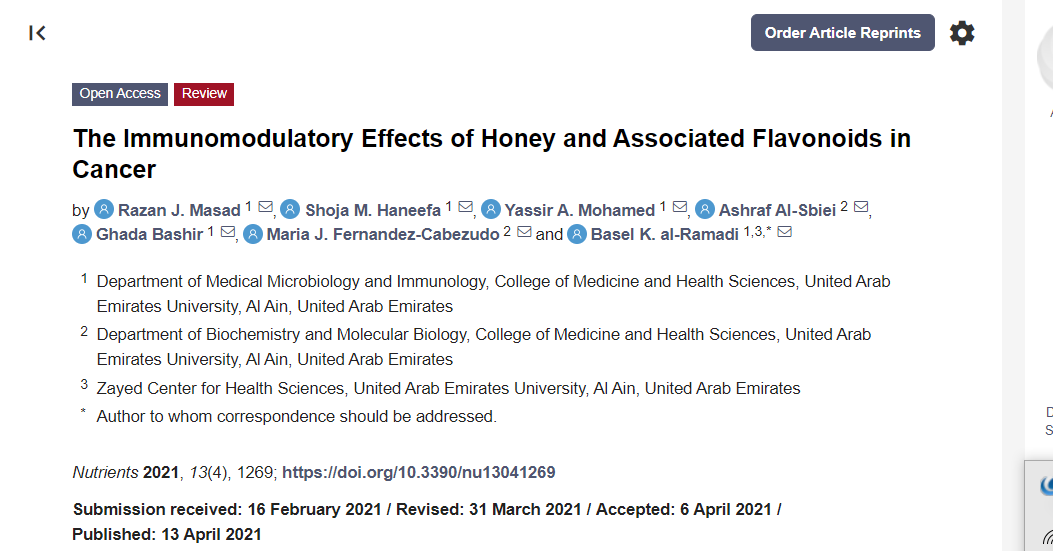

These two not only benefits our immune system but our overall well-being.
Royall jelly for example such as improved fertility, and better conversion of DHEA (or DHEA-S to be more specific).
14
Suggestion number 6: Practise cold exposure the right way
We say “the right way” because cold exposure is a stressor and if you over do it, do it at a deeply exhausted state or your metabolic health is not at a good state, it can backfire.
But we’ve known for quite a while the benefits that cold exposure can have on our overall well-being (one example is winter swimmers pubmed.ncbi.nlm.nih.gov/15253480/)
Now the good news is that even a short cold shower can have benefits for our immune system especially when it comes to white blood cells, T-cells and NK cells.
Studies:
1. pubmed.ncbi.nlm.nih.gov/8925815/
2. liebertpub.com/doi/10.1089/ji……
3. pubmed.ncbi.nlm.nih.gov/17999770/
We say “the right way” because cold exposure is a stressor and if you over do it, do it at a deeply exhausted state or your metabolic health is not at a good state, it can backfire.
But we’ve known for quite a while the benefits that cold exposure can have on our overall well-being (one example is winter swimmers pubmed.ncbi.nlm.nih.gov/15253480/)
Now the good news is that even a short cold shower can have benefits for our immune system especially when it comes to white blood cells, T-cells and NK cells.
Studies:
1. pubmed.ncbi.nlm.nih.gov/8925815/
2. liebertpub.com/doi/10.1089/ji……
3. pubmed.ncbi.nlm.nih.gov/17999770/
15
Suggestion number 7: Lower stress
Now obviously, there are a lot of causes for stress.
But some things that you can do in order to lower it and be more resilient against it is first of all make sure to have enough zinc, vitamin C and B vitamins in your system.
Improving GABA through nutrition, not consuming sources of free glutamate such as MSG, getting massages, mid-day sunlight, grounding and perhaps consuming things such as lemon balm can also help.
Then, digital over-stimulation has to go.
Studies:
1. pubmed.ncbi.nlm.nih.gov/23245970/
2. ncbi.nlm.nih.gov/pmc/articles/P…
Now obviously, there are a lot of causes for stress.
But some things that you can do in order to lower it and be more resilient against it is first of all make sure to have enough zinc, vitamin C and B vitamins in your system.
Improving GABA through nutrition, not consuming sources of free glutamate such as MSG, getting massages, mid-day sunlight, grounding and perhaps consuming things such as lemon balm can also help.
Then, digital over-stimulation has to go.
Studies:
1. pubmed.ncbi.nlm.nih.gov/23245970/
2. ncbi.nlm.nih.gov/pmc/articles/P…
16
Suggestion number 8: Be careful when it comes to serotonin
Now we obviously need small amounts of serotonin for things such as gut motility, BUT, the problem is that in modern society, we can overdo it with serotonin very easily due to factors such as lack of sunlight, pathogens, getting too much tryptophan and not enough glycine or taurine, deficiencies in vitamins such as B1,B2 and B6 and a lot more.
Balancing the amino acid profile of your diet by consuming more bone in meats, quality low fat seafood, grass fed beef gelatine, getting enough choline, zinc and B vitamins, ginger, getting sunlight and perhaps ginkgo can all be helpful tools for preventing an excess.

Now we obviously need small amounts of serotonin for things such as gut motility, BUT, the problem is that in modern society, we can overdo it with serotonin very easily due to factors such as lack of sunlight, pathogens, getting too much tryptophan and not enough glycine or taurine, deficiencies in vitamins such as B1,B2 and B6 and a lot more.
Balancing the amino acid profile of your diet by consuming more bone in meats, quality low fat seafood, grass fed beef gelatine, getting enough choline, zinc and B vitamins, ginger, getting sunlight and perhaps ginkgo can all be helpful tools for preventing an excess.
17
Suggestion number 9: Improve insulin sensitivity
Insulin (the hormone that controls the availability of glucose among many other things) is a very underrated regulator of our immune system.
After all, both adaptive immune cells and things such as monocytes, macrophages and innate immune cells in general express IGF1R and InsR.
So tips that can help you out include:
1. Sunlight
2. Getting daily deep sleep and not doing shift work 3. Getting enough B vitamins, vitamin K and magnesium
4. Not over-consuming carbohydrates
5. Lifting
6. Walking daily
7. Limiting alcohol
8. Beef or lamp heart for the CoQ10
9. Ditching fats such as canola oil, soybean oil, cottonseed oil etc
10. Losing excessive fat if you are a man with over 17% bf and a woman with over 23% bf Studies:
ncbi.nlm.nih.gov/pmc/articles/P…
pubmed.ncbi.nlm.nih.gov/22847239/
Insulin (the hormone that controls the availability of glucose among many other things) is a very underrated regulator of our immune system.
After all, both adaptive immune cells and things such as monocytes, macrophages and innate immune cells in general express IGF1R and InsR.
So tips that can help you out include:
1. Sunlight
2. Getting daily deep sleep and not doing shift work 3. Getting enough B vitamins, vitamin K and magnesium
4. Not over-consuming carbohydrates
5. Lifting
6. Walking daily
7. Limiting alcohol
8. Beef or lamp heart for the CoQ10
9. Ditching fats such as canola oil, soybean oil, cottonseed oil etc
10. Losing excessive fat if you are a man with over 17% bf and a woman with over 23% bf Studies:
ncbi.nlm.nih.gov/pmc/articles/P…
pubmed.ncbi.nlm.nih.gov/22847239/
18
That's pretty much it for now.
Now:
If you catch a cold things such as ginger, red light/sunlight, vitamin C, cordyceps, beef heart (CoQ10), turmeric, echinacea, cinnamon, onions and garlic seem to help.
If you catch a virus things such as thiamine (vitamin B1), white willow bark + K2, taurine, royal jelly which was already mentioned, M. blue, rosemary and reishi (do not use if your DHT is too low) also seem to help.
Now:
If you catch a cold things such as ginger, red light/sunlight, vitamin C, cordyceps, beef heart (CoQ10), turmeric, echinacea, cinnamon, onions and garlic seem to help.
If you catch a virus things such as thiamine (vitamin B1), white willow bark + K2, taurine, royal jelly which was already mentioned, M. blue, rosemary and reishi (do not use if your DHT is too low) also seem to help.
19