CANDIDA: The cause of your terrible gut health and fatigue that...

Dalton (Analyze & Optimize)@Outdoctrination
168 views
Jan 21, 2026
~6 min read
Advertisement
1
CANDIDA: The cause of your terrible gut health and fatigue that your doctor has no idea how to fix.
Here’s how to know if you have it, what causes it and what to do about it (🧵1/13):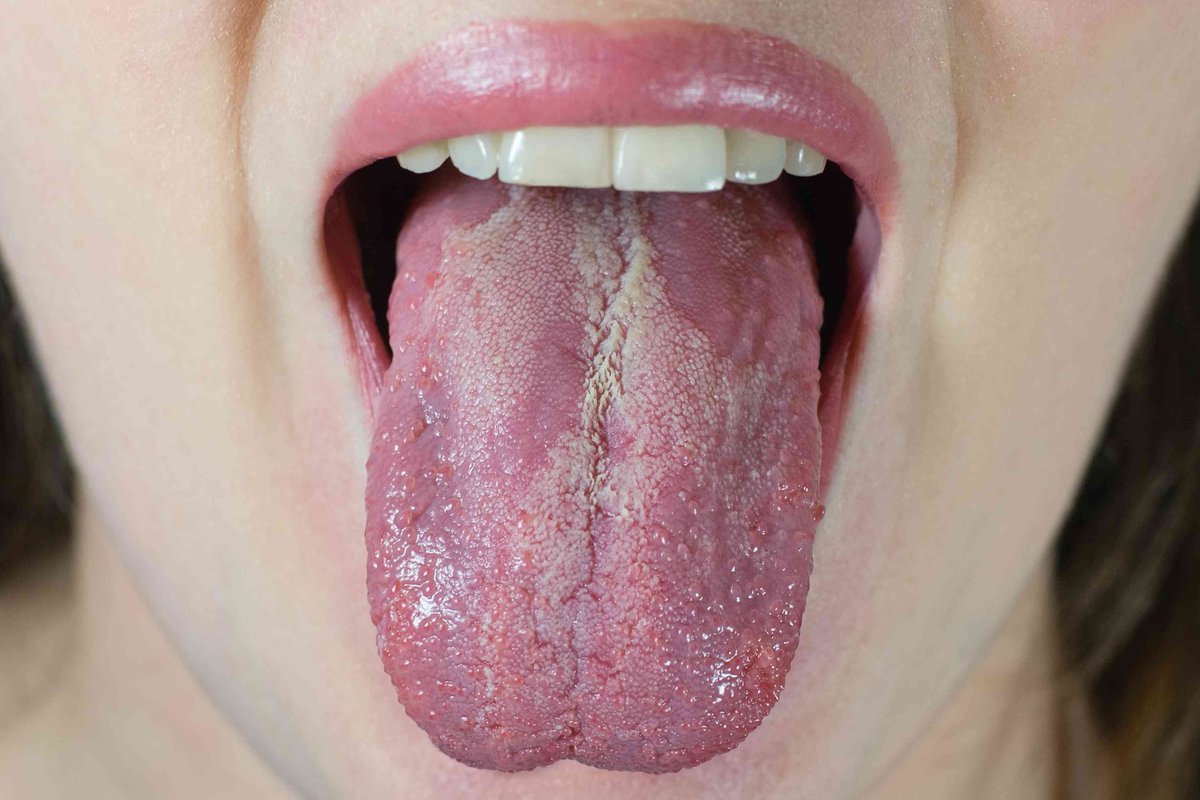
Here’s how to know if you have it, what causes it and what to do about it (🧵1/13):
2
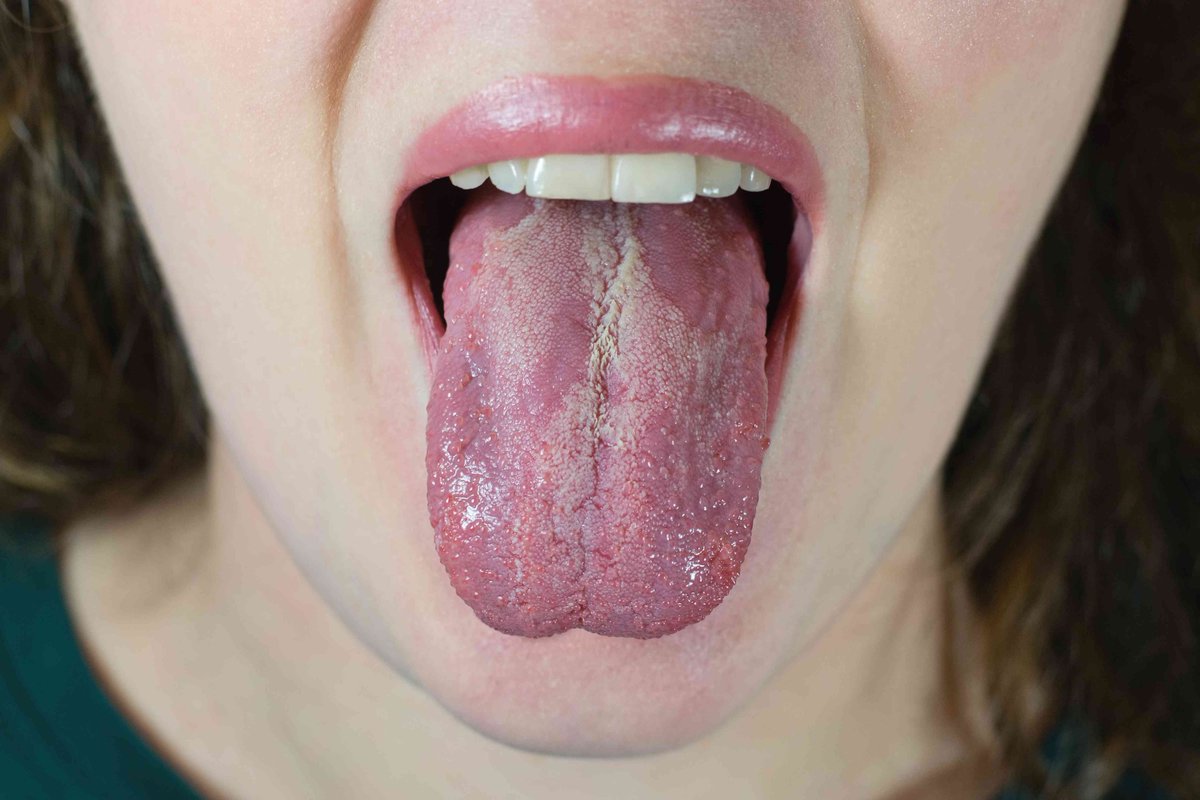
◇ A coated tongue (more towards the front)
◇ IBS
◇ Crohn’s or UC
◇ Bloating
◇ Brain fog
◇ Gas
◇ Nausea
◇ Constipation
◇ Diarrhea
◇ A lack of appetite
◇ Fatigue
Are all signs of a fungal overgrowth, the most common of which is Candida.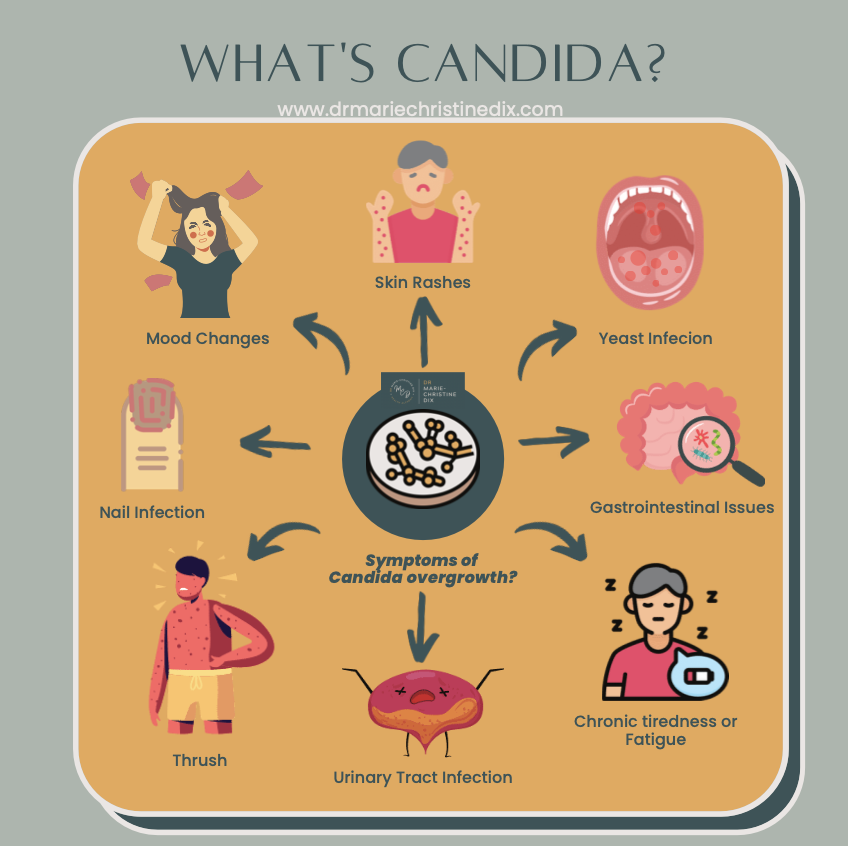
◇ IBS
◇ Crohn’s or UC
◇ Bloating
◇ Brain fog
◇ Gas
◇ Nausea
◇ Constipation
◇ Diarrhea
◇ A lack of appetite
◇ Fatigue
Are all signs of a fungal overgrowth, the most common of which is Candida.
3
Unfortunately, testing for Candida can be a futile effort.
Common testing methods are:
Candida antibodies (IgG, IgM, IgA): Tests the presence of immune proteins that recognize Candida in the blood. Indicative of exposure, but can also indicate past exposure (not present) and not telling whether or not it is causing your symptoms.
Stool: Tests the presence of yeast (or Candida) in your poop. In theory this is the best, but not indicative of Candida in the upper part of your digestive tract, and also not indicative of Candida in the lining (mucosa) of your gut, just in the poop. Candida also normally exist in the gut without causing problems, so again, not telling whether or not it is causing your symptoms.
Aspirate: Tests the presence of Candida in the juice of your small intestine. Not indicative of what is happening in the lower gut, and also rarely done in practice.
Since testing is so unreliable, going off of symptoms is really the best strategy.
HOWEVER, this can backfire if you are not careful, for reasons I will explain later.
Common testing methods are:
Candida antibodies (IgG, IgM, IgA): Tests the presence of immune proteins that recognize Candida in the blood. Indicative of exposure, but can also indicate past exposure (not present) and not telling whether or not it is causing your symptoms.
Stool: Tests the presence of yeast (or Candida) in your poop. In theory this is the best, but not indicative of Candida in the upper part of your digestive tract, and also not indicative of Candida in the lining (mucosa) of your gut, just in the poop. Candida also normally exist in the gut without causing problems, so again, not telling whether or not it is causing your symptoms.
Aspirate: Tests the presence of Candida in the juice of your small intestine. Not indicative of what is happening in the lower gut, and also rarely done in practice.
Since testing is so unreliable, going off of symptoms is really the best strategy.
HOWEVER, this can backfire if you are not careful, for reasons I will explain later.
4
Candida can be behind IBS - antifungals can reverse it.
Candida can drive inflammation, gas and other processes in the gut that contribute to IBS pathology.
People with IBS have higher levels of this fungus,
but treatment with fluconazole or nystatin can improve symptoms.
Inflammation in the gut can also predispose to greater candida colonization.
Noticing a pattern?
Inflammation and poor gut health can cause Candida overgrowth,
and Candida can cause inflammation and ruin gut health.
So, how can we stop this cycle?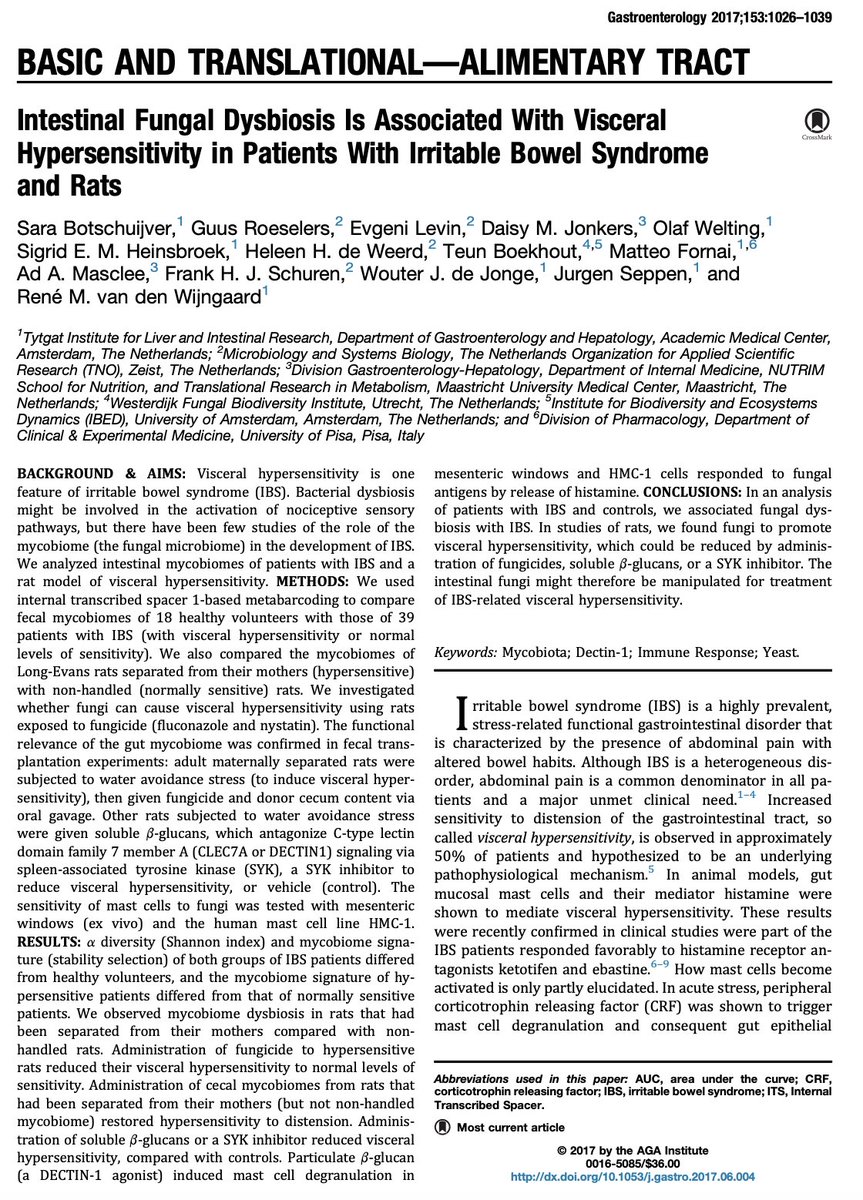
Candida can drive inflammation, gas and other processes in the gut that contribute to IBS pathology.
People with IBS have higher levels of this fungus,
but treatment with fluconazole or nystatin can improve symptoms.
Inflammation in the gut can also predispose to greater candida colonization.
Noticing a pattern?
Inflammation and poor gut health can cause Candida overgrowth,
and Candida can cause inflammation and ruin gut health.
So, how can we stop this cycle?
5
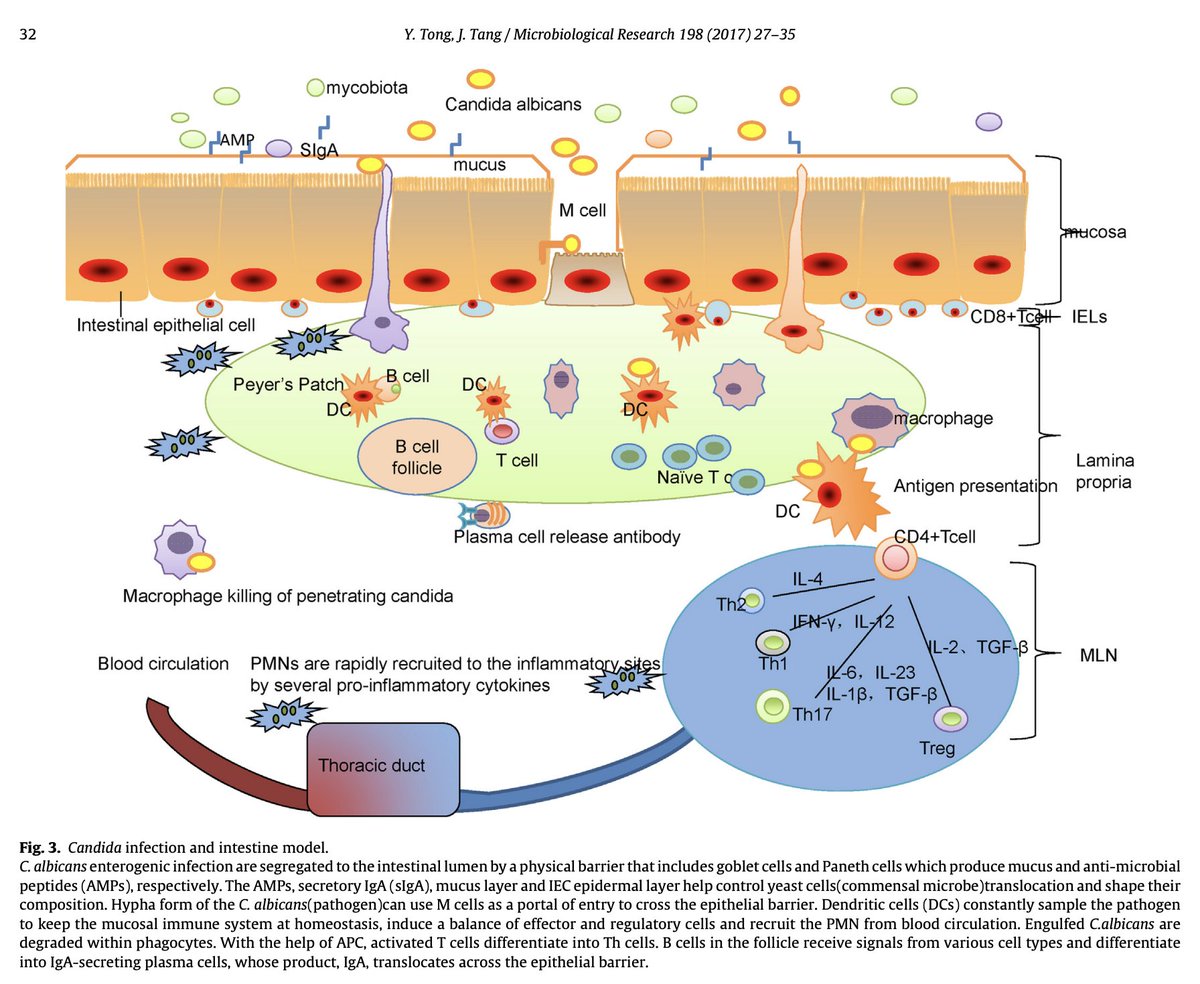
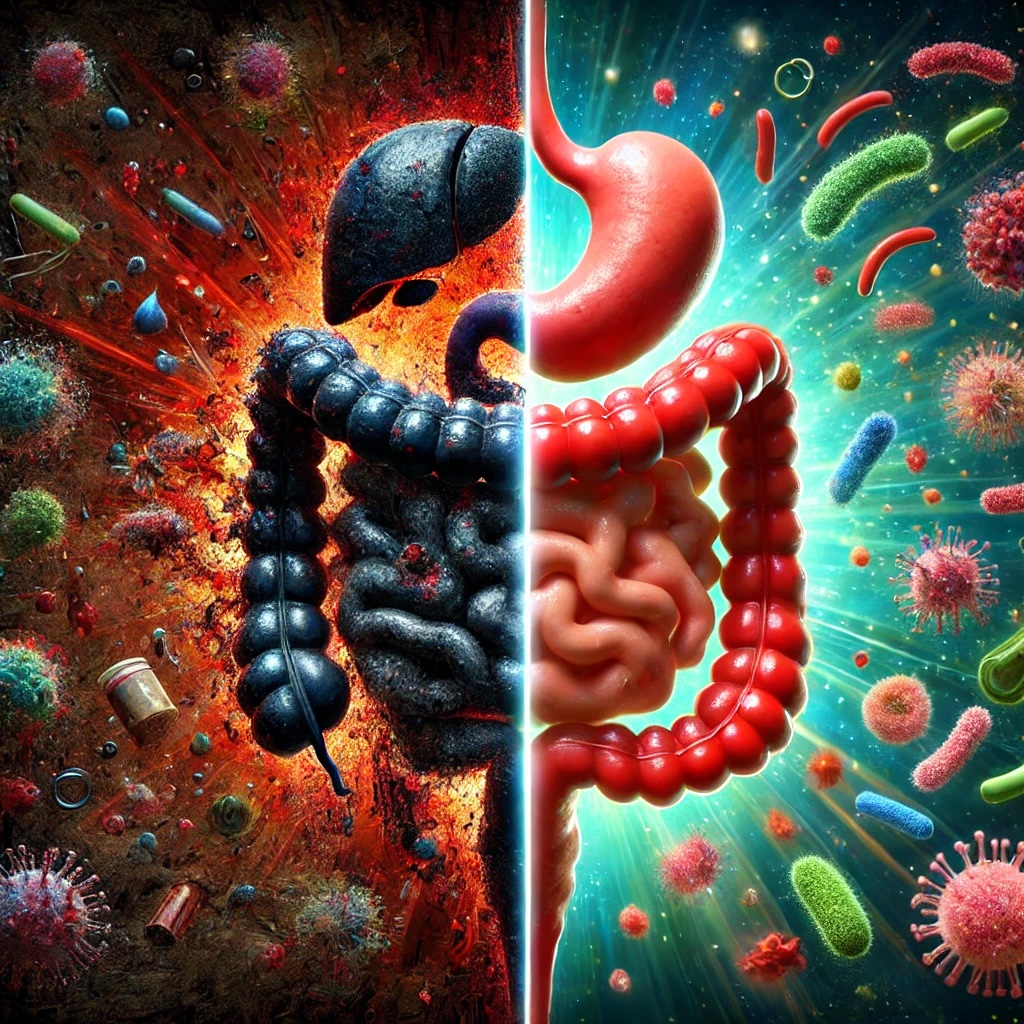
We all have Candida in our guts to some extent.
Issues arise when it starts contacting or invading our cells, or worse - passing through the gut.
This becomes more likely with:
◇ Bacterial overgrowth / dysbiosis
◇ Suppressed immunity
◇ Chronic gut inflammation
That means in order to solve Candida, you MUST nail down the basics of your gut health,
before thinking about anything specific for it.
I suggest checking out my thread on gut health overall for more on that:
Issues arise when it starts contacting or invading our cells, or worse - passing through the gut.
This becomes more likely with:
◇ Bacterial overgrowth / dysbiosis
◇ Suppressed immunity
◇ Chronic gut inflammation
That means in order to solve Candida, you MUST nail down the basics of your gut health,
before thinking about anything specific for it.
I suggest checking out my thread on gut health overall for more on that:
Dalton (Analyze & Optimize)@Outdoctrination
READ THIS IF YOU WANT TO FIX YOUR GUT.
If you have IBS, bloating, gas, poor bowel movements or brain fog, you NEED to see this.
This is a comprehensive DEEP dive into fixing your digestive health:
If you have IBS, bloating, gas, poor bowel movements or brain fog, you NEED to see this.
This is a comprehensive DEEP dive into fixing your digestive health:
6
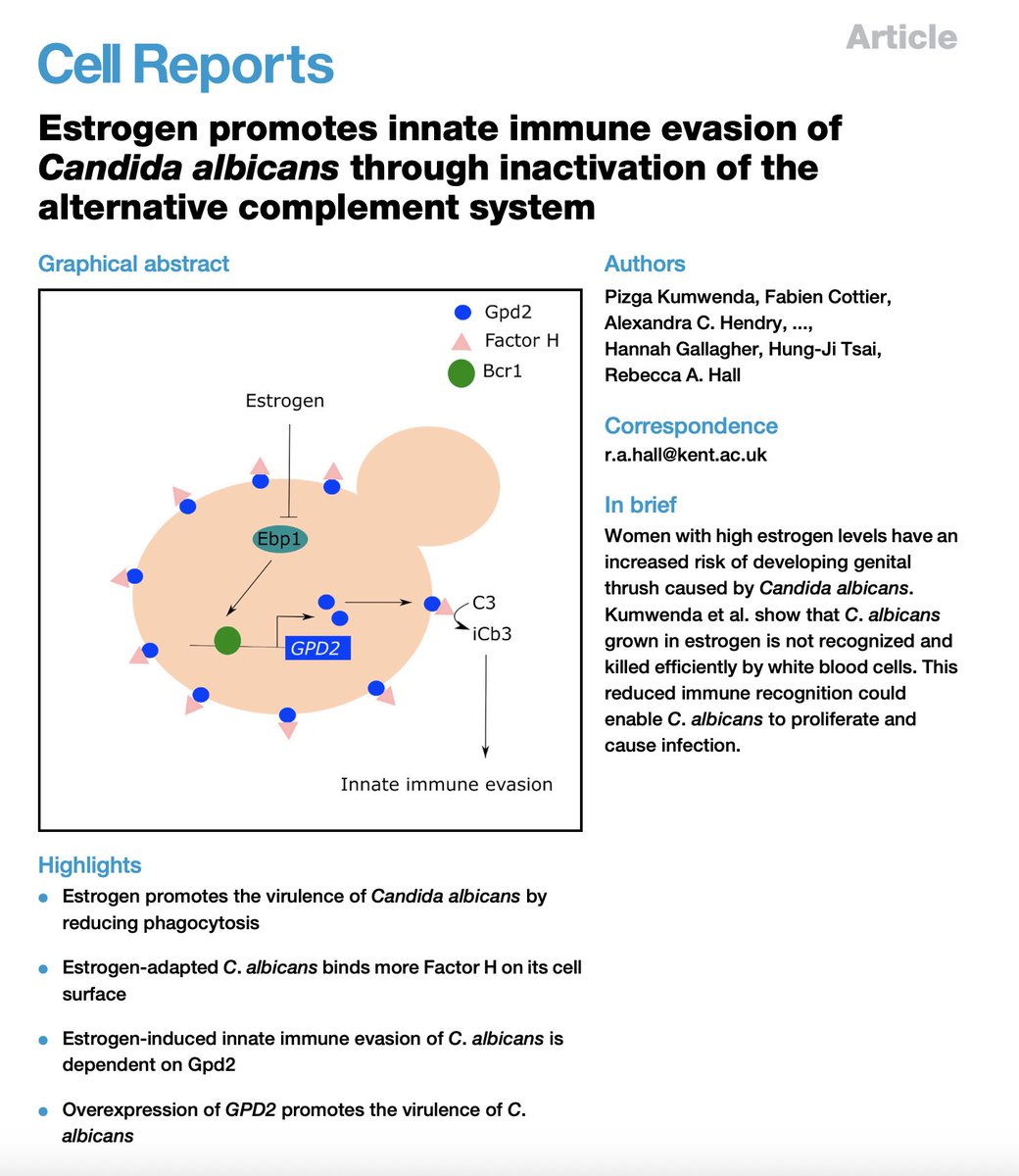
ESTROGEN is one of the key promoters of Candida.
This is why yeast infections / UTIs are common in women, especially during high estrogen portions of their cycle or during pregnancy.
If you have Candida, you MUST focus on lowering estrogen.
Estrogen master thread here.

This is why yeast infections / UTIs are common in women, especially during high estrogen portions of their cycle or during pregnancy.
If you have Candida, you MUST focus on lowering estrogen.
Estrogen master thread here.
Dalton (Analyze & Optimize)@Outdoctrination
ESTROGEN: The cause of your terrible gut health, high cortisol, and brain fog that your doctor has no idea how to fix.
Here’s how to know if you have it, what causes it and what to do about it:
First, the signs:
#1 LOVE HANDLES & PUFFINESS ⬇️
Here’s how to know if you have it, what causes it and what to do about it:
First, the signs:
#1 LOVE HANDLES & PUFFINESS ⬇️
7
Low stomach acid and a slow gut can cause Candida overgrowth.
Stomach acid is our primary defense against excess microbial growth - bacteria and fungi like Candida.
For increasing stomach acid, tools like:
◇ Vitamin B3
◇ Coffee
◇ Bitters
◇ Vinegar
◇ Salt
Will be useful.
If your gut motility is slow, then you just leave the microbes more time to linger and feast.
Some tools to help improve motility:
◇ Coffee (even decaf)
◇ Senna
◇ Raw carrot
◇ Magnesium
◇ Baking soda
◇ Cascara
◇ Triphala
◇ Sodium butyrate
◇ Mastic gum
◇ Vitamin B1
Now it's important to understand that these tools are not always fixing the root cause, but they are helpful in the interim if you're trying to overcome an infection.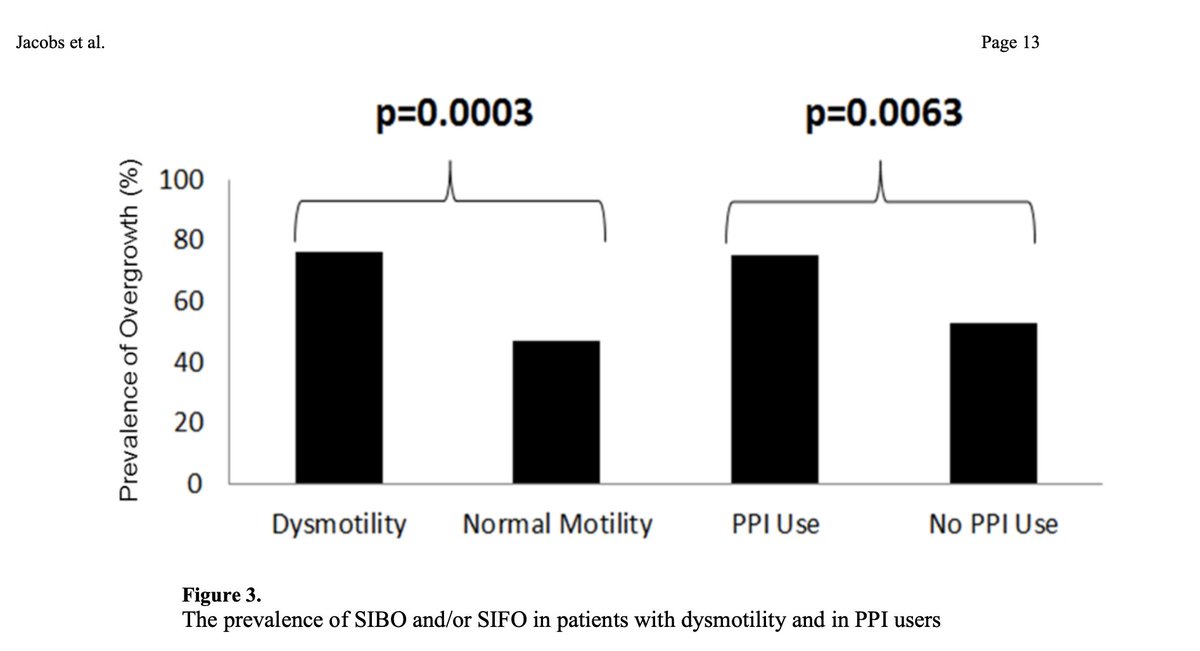
Stomach acid is our primary defense against excess microbial growth - bacteria and fungi like Candida.
For increasing stomach acid, tools like:
◇ Vitamin B3
◇ Coffee
◇ Bitters
◇ Vinegar
◇ Salt
Will be useful.
If your gut motility is slow, then you just leave the microbes more time to linger and feast.
Some tools to help improve motility:
◇ Coffee (even decaf)
◇ Senna
◇ Raw carrot
◇ Magnesium
◇ Baking soda
◇ Cascara
◇ Triphala
◇ Sodium butyrate
◇ Mastic gum
◇ Vitamin B1
Now it's important to understand that these tools are not always fixing the root cause, but they are helpful in the interim if you're trying to overcome an infection.
8
Candida thrives in an environment rich in simple sugars.
HOWEVER, the real problem is CHRONICALLY high blood sugar - in other words insulin resistance.
People with poor glucose metabolism are susceptible to fungal overgrowth.
Adding tons of refined carbohydrates to the diet does not lead to Candida overgrowth in healthy people (in clinical trials).
This is likely because most simple sugars get absorbed rapidly, before Candida gets a chance to feed on them.
There is some evidence to suggest a lower simple sugar diet can help in some people, when combined with antifungal drugs.
The immune system needs carbs to kill Candida
Candida can outcompete the immune system for carbs, leading to impaired immune defense,
but giving a sugar drink improves survival in animals after infection.
If the low carb approach isn't working, it might not be worth it.
You need to focus on the candida, but also your own host health + immunity.
Carb restriction can impair thyroid function, raise cortisol and other potentially negative effects that can backfire when trying to deal with Candida.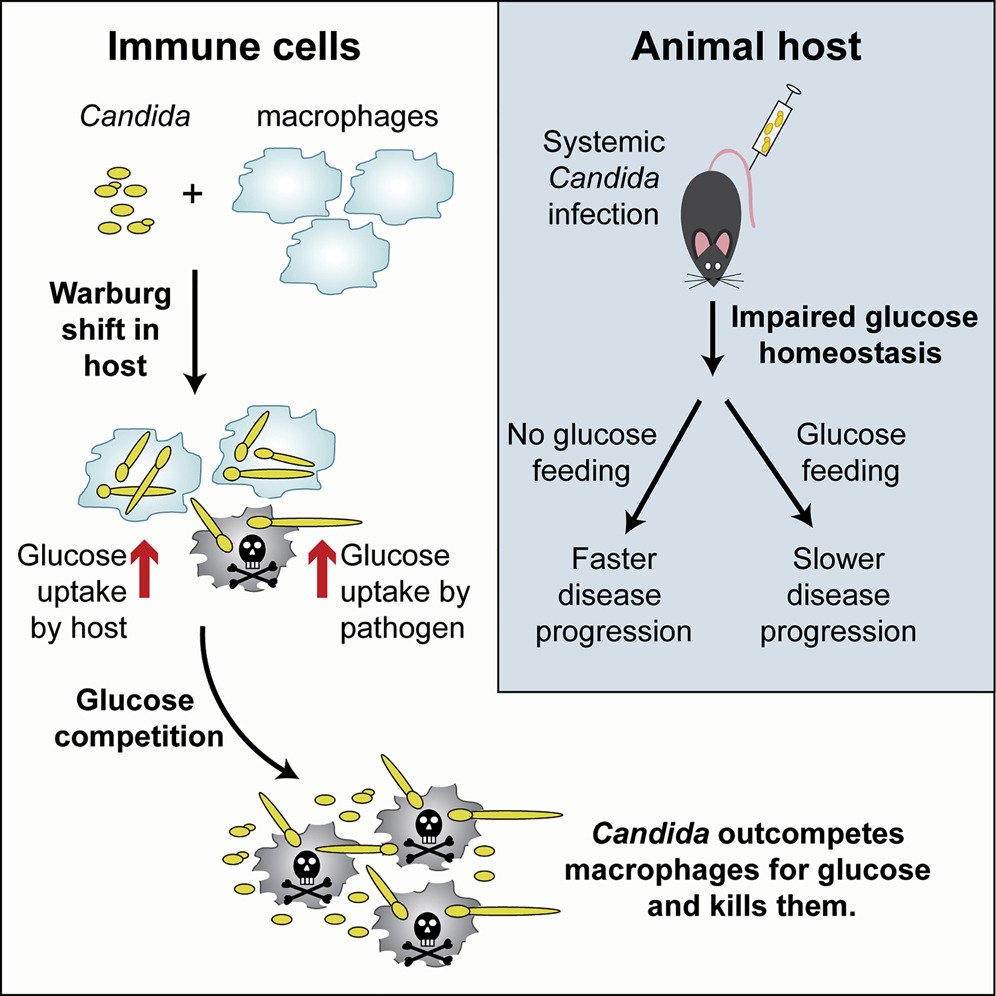
HOWEVER, the real problem is CHRONICALLY high blood sugar - in other words insulin resistance.
People with poor glucose metabolism are susceptible to fungal overgrowth.
Adding tons of refined carbohydrates to the diet does not lead to Candida overgrowth in healthy people (in clinical trials).
This is likely because most simple sugars get absorbed rapidly, before Candida gets a chance to feed on them.
There is some evidence to suggest a lower simple sugar diet can help in some people, when combined with antifungal drugs.
The immune system needs carbs to kill Candida
Candida can outcompete the immune system for carbs, leading to impaired immune defense,
but giving a sugar drink improves survival in animals after infection.
If the low carb approach isn't working, it might not be worth it.
You need to focus on the candida, but also your own host health + immunity.
Carb restriction can impair thyroid function, raise cortisol and other potentially negative effects that can backfire when trying to deal with Candida.
9
Vitamin D is a powerful anti-fungal agent.
Vitamin D is absolutely vital for a fully mature and functioning immune system.
It also produces proteins that are directly antifungal.
It reduces all forms of Candida growth, virulence and biofilm formation.
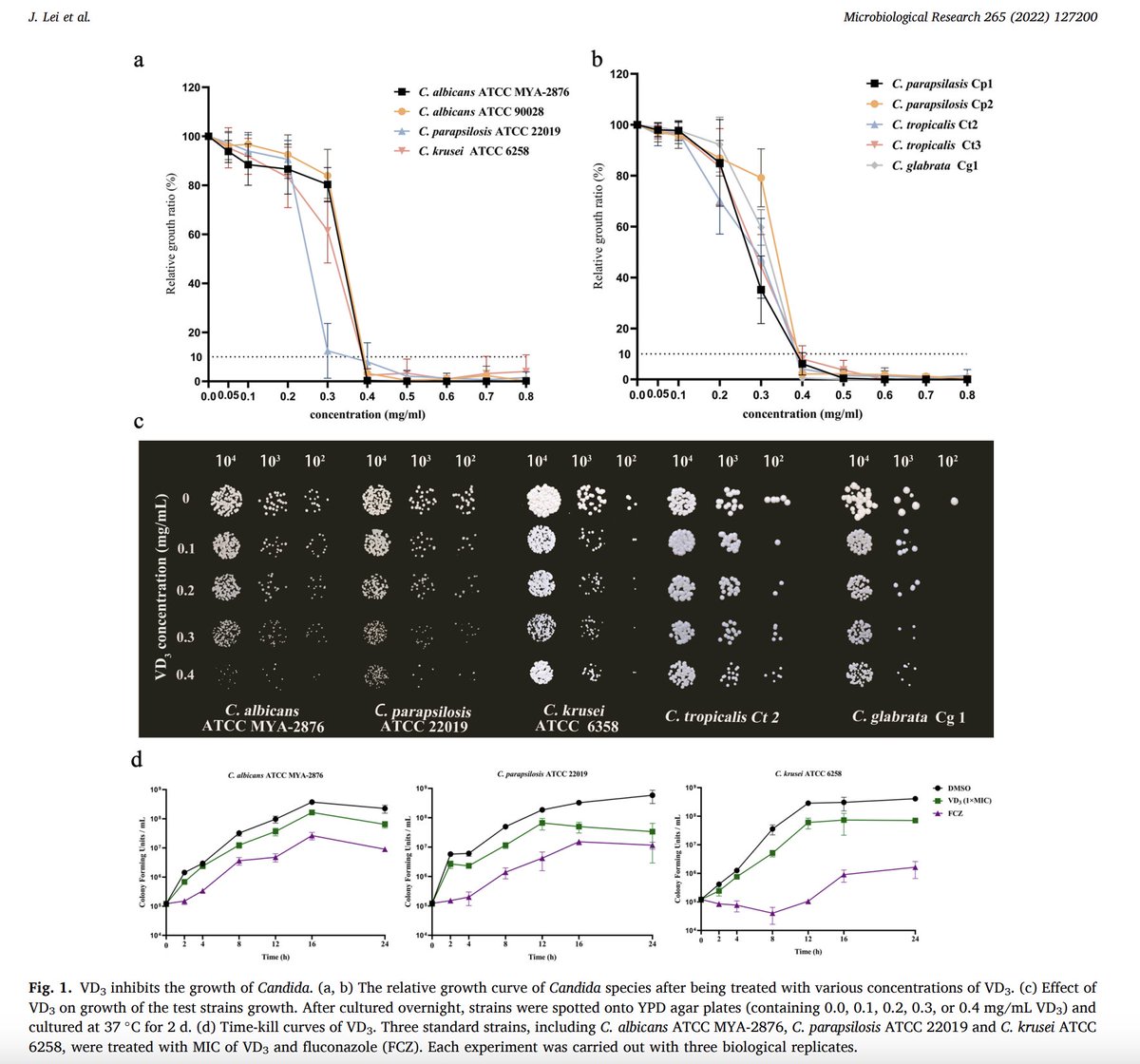
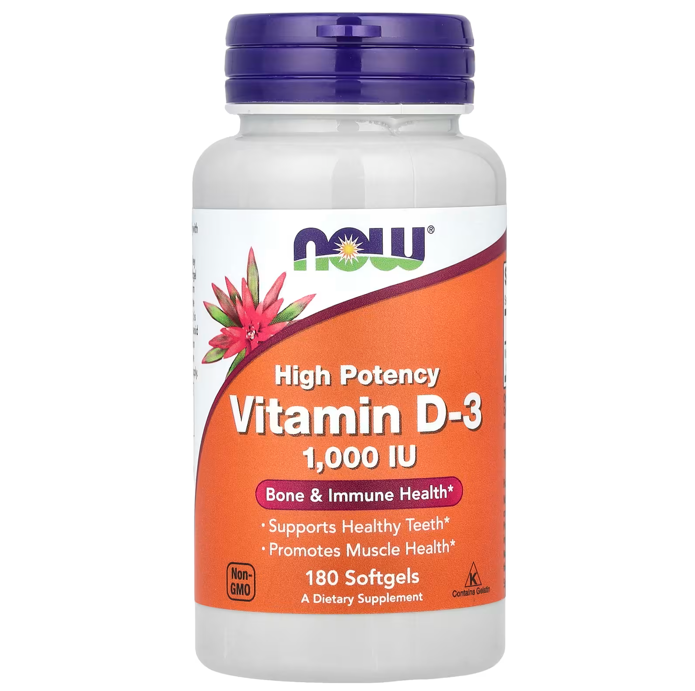
Vitamin D is absolutely vital for a fully mature and functioning immune system.
It also produces proteins that are directly antifungal.
It reduces all forms of Candida growth, virulence and biofilm formation.
Dalton (Analyze & Optimize)@Outdoctrination
One nutrient can powerfully reduce Candida, even in small amounts.
(🧵1/8)
(🧵1/8)
10
Lacto / bifido bacteria (in probiotics) in general tend to outcompete and are protective against fungal overgrowths.
Probiotics can rapidly reverse Candida.
In this study, a lacto/bifido blend reduced Candida substantially just within a few weeks.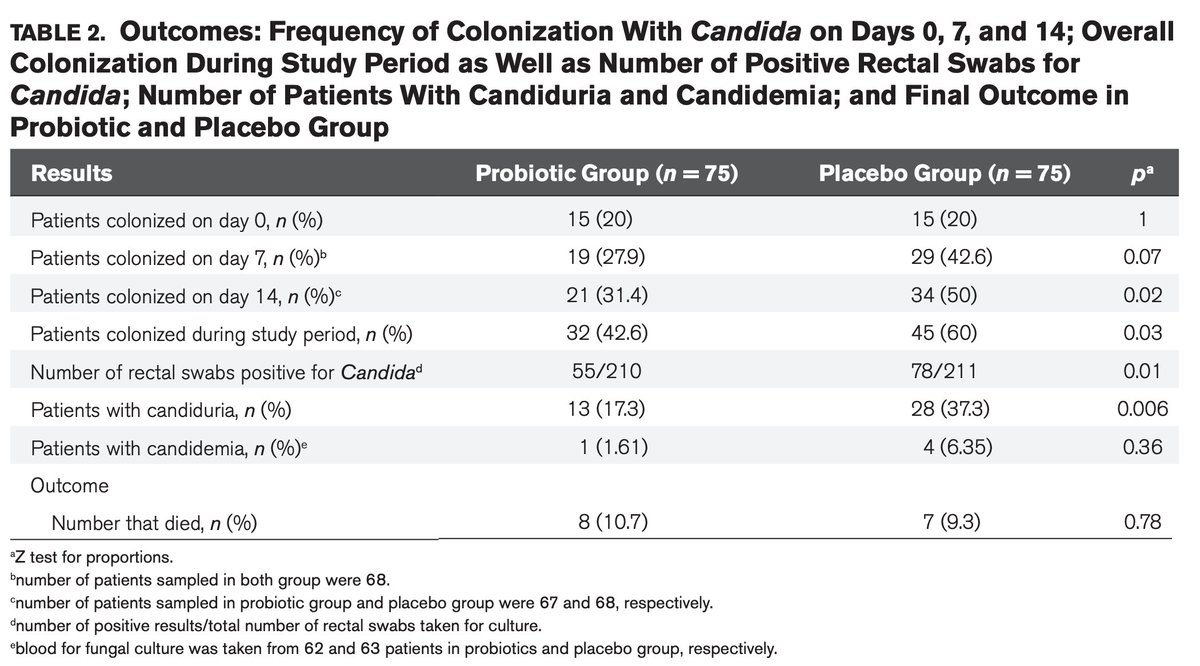
Probiotics can rapidly reverse Candida.
In this study, a lacto/bifido blend reduced Candida substantially just within a few weeks.
11
Lactoferrin is an antifungal against Candida.
Lactoferrin is a protein found in milk (especially raw milk and colostrum) with various protective benefits for the gut.
It helps chelate IRON which is important for all pathogens to grow, including fungi like Candida.
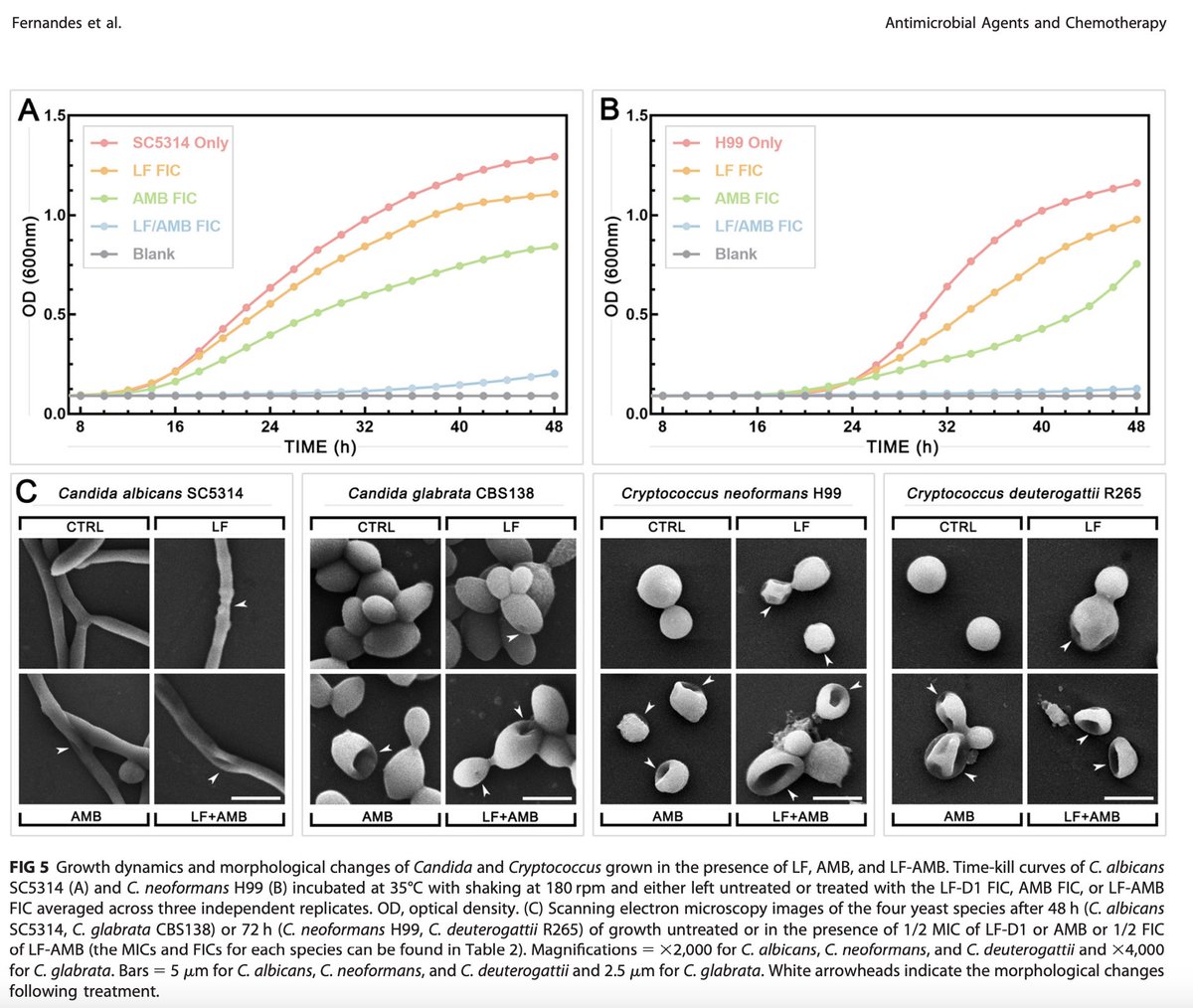
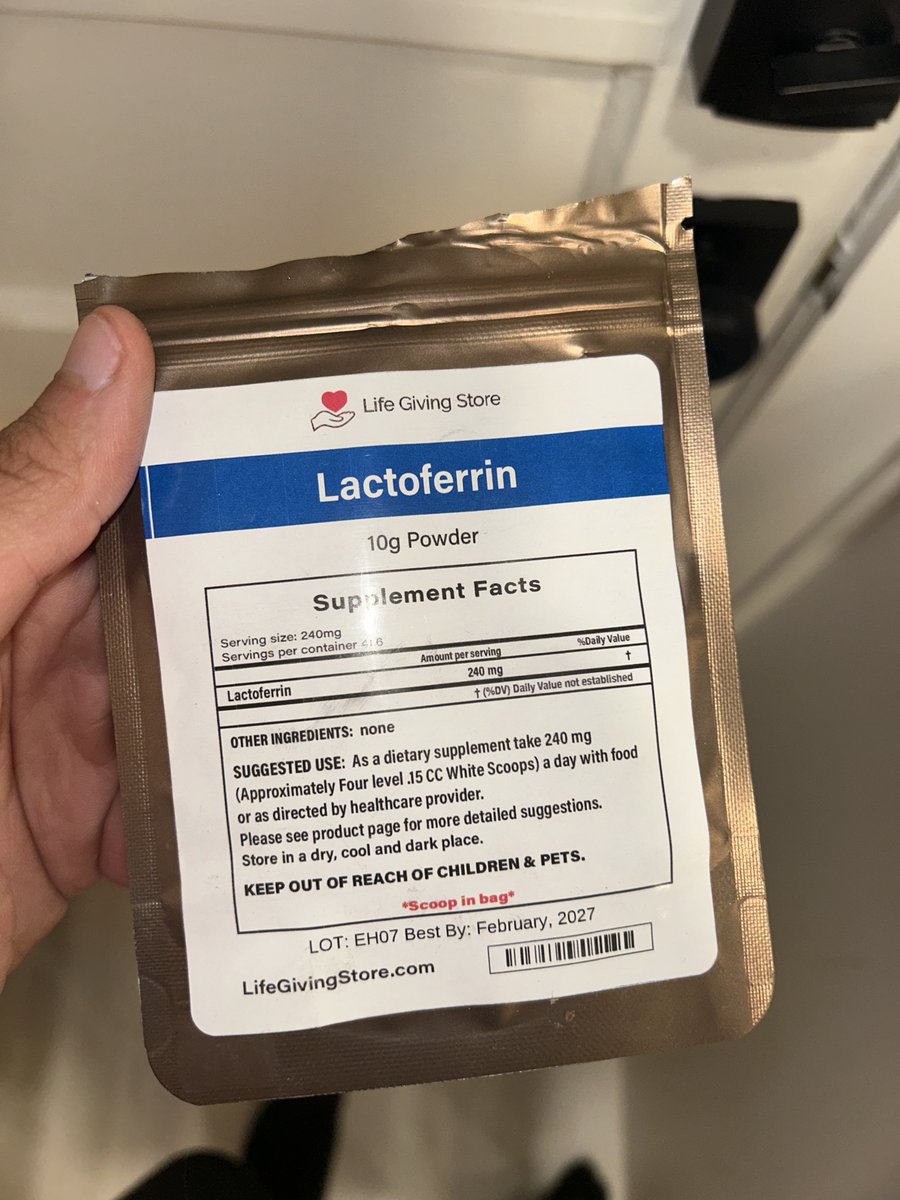
Lactoferrin is a protein found in milk (especially raw milk and colostrum) with various protective benefits for the gut.
It helps chelate IRON which is important for all pathogens to grow, including fungi like Candida.
Dalton (Analyze & Optimize)@Outdoctrination
LACTOFERRIN: A “miracle” supplement for your gut.
Heals leaky gut, powerfully reduces virtually all gut symptoms, and even has anti-cancer properties.
Here's why it might just be the answer to your digestive symptoms and immune dysfunction (& how to use it yourself):
Lactoferrin treats colon cancer.
Shown to prevent and even reverse cancer in the digestive tract of animals.
Researchers took the leap and studied it in humans:
Patients given 3g/day experienced a significant slowdown in colon tumor growth.
Curing IBD with Lactoferrin:
A man with severe Crohn’s disease moved to the U.S. and lost access to his prescriptions.
He began taking 1g/day of lactoferrin in lieu of them.
No relapse. Sustained remission.
This case alone should've put lactoferrin on the map.
Lactoferrin is strikingly therapeutic for all sorts of gut issues.
600mg/day dramatically reduces:
➜ Nausea
➜ Diarrhea
➜ Abdominal pain
in children suffering from digestive disorders.
100mg/day stopped vomiting and inflammation in pediatric patients.
Lactoferrin rapidly reverses diarrhea.
3g/day cut antibiotic-associated diarrhea cases in half in under 2 weeks.
Lactoferrin, unlike antibiotics has a selective impact on gut bacteria - fostering the growth of commensal bacteria while also having antibacterial properties.
Lactoferrin is a powerful antifungal, even against Candida.
The protein found in raw milk:
◈ Reduces fungal growth
◈ Disrupts fungal biofilm formation
◈ Is synergistic with other antifungals
A good addition to any antifungal regime.
Lactoferrin powerfully reduces gut inflammation.
In Crohn’s patients, just 100mg/day dropped inflammatory markers:
➜ IL-6
➜ Hepcidin
Two molecules driving disease progression.
How does it do it? Well...
Let’s talk iron.
Unabsorbed iron in the gut is no bueno.
When iron stays in the gut instead of getting absorbed, it becomes a growth medium for:
◇ Oxidative stress
◇ Chronic inflammation
◇ Bacterial overgrowth
Lactoferrin PROMOTES iron absorption.
Lactoferrin boosts BDNF, supports the gut's nervous system.
This iron-regulating action is one of the key reasons why lactoferrin protects against both cancer and gut inflammation.
That also protects the nerves of the gut, which govern pain sensitization and motility.
Lactoferrin is a selective antimicrobial.
◇ Pathogens like E. coli get starved of iron
◇ Commensals like Lactobacillus and Bifidobacterium thrive, as they require less
also has direct antibacterial / antifungal / antiparasitic effects.
Lactoferrin heals leaky gut.
Decreases serum zonulin - a protein released when the gut lining becomes compromised.
LF:
◇ Stimulates creation of epithelial cells
◇ Promotes their differentiation into protective cell types
◇ Increases tight junction proteins to seal gaps
Common leaky gut symptoms:
◇ Bloating
◇ Gut pain or discomfort
◇ Loose stools or urgency
◇ Mood swings
◇ Skin flare-ups
◇ Food intolerances
◇ Insomnia or unrestful sleep
Lactoferrin is one of the few supplements shown to actually rebuild this barrier.
Lactoferrin for lactose intolerance:
LF boosts digestive enzyme production - including lactase, the enzyme that breaks down milk sugar (lactose).
Lactoferrin also "retrains" the immune system.
Things like autoimmunity and allergies are the result of an overactive immune system
◇ Increases tolerogenic immune cells that keep the peace
◇ Suppresses overactive CD4+ T cells that drive inflammation
◇ Helps the immune system distinguish between friend and foe
This means fewer reactions to food, better nutrient absorption, and a calmer immune system.
It also ramps up secretory IgA, the antibody that patrols the gut lining:
◇ Binds to pathogens before they cause harm
◇ Protects you during stress, illness, or gut infections
sIgA becomes depleted with chronic stress - lactoferrin brings it back.
It doesn’t stop there.
Toll-like receptors (TLRs) are immune sensors that detect bacterial components like endotoxin. They are chronically elevated in IBS and IBD.
Lactoferrin helps downregulate TLR expression, preventing excessive inflammatory cascades.
Lactoferrin is a protein found in MILK, especially raw milk.
◇ Bovine milk: 20–200 mg/L
◇ Bovine colostrum: up to 2g/L
Supplementing can be an easier way to get higher doses.
I'll link what I use personally + with our clients below.
Typical dose range: 100mg to 3g/day
Starting at 100-300mg, moving up to 1-3g for more stubborn issues is a good strategy.
It’s incredibly safe, and highly effective even at the lower end.
Heals leaky gut, powerfully reduces virtually all gut symptoms, and even has anti-cancer properties.
Here's why it might just be the answer to your digestive symptoms and immune dysfunction (& how to use it yourself):
Lactoferrin treats colon cancer.
Shown to prevent and even reverse cancer in the digestive tract of animals.
Researchers took the leap and studied it in humans:
Patients given 3g/day experienced a significant slowdown in colon tumor growth.
Curing IBD with Lactoferrin:
A man with severe Crohn’s disease moved to the U.S. and lost access to his prescriptions.
He began taking 1g/day of lactoferrin in lieu of them.
No relapse. Sustained remission.
This case alone should've put lactoferrin on the map.
Lactoferrin is strikingly therapeutic for all sorts of gut issues.
600mg/day dramatically reduces:
➜ Nausea
➜ Diarrhea
➜ Abdominal pain
in children suffering from digestive disorders.
100mg/day stopped vomiting and inflammation in pediatric patients.
Lactoferrin rapidly reverses diarrhea.
3g/day cut antibiotic-associated diarrhea cases in half in under 2 weeks.
Lactoferrin, unlike antibiotics has a selective impact on gut bacteria - fostering the growth of commensal bacteria while also having antibacterial properties.
Lactoferrin is a powerful antifungal, even against Candida.
The protein found in raw milk:
◈ Reduces fungal growth
◈ Disrupts fungal biofilm formation
◈ Is synergistic with other antifungals
A good addition to any antifungal regime.
Lactoferrin powerfully reduces gut inflammation.
In Crohn’s patients, just 100mg/day dropped inflammatory markers:
➜ IL-6
➜ Hepcidin
Two molecules driving disease progression.
How does it do it? Well...
Let’s talk iron.
Unabsorbed iron in the gut is no bueno.
When iron stays in the gut instead of getting absorbed, it becomes a growth medium for:
◇ Oxidative stress
◇ Chronic inflammation
◇ Bacterial overgrowth
Lactoferrin PROMOTES iron absorption.
Lactoferrin boosts BDNF, supports the gut's nervous system.
This iron-regulating action is one of the key reasons why lactoferrin protects against both cancer and gut inflammation.
That also protects the nerves of the gut, which govern pain sensitization and motility.
Lactoferrin is a selective antimicrobial.
◇ Pathogens like E. coli get starved of iron
◇ Commensals like Lactobacillus and Bifidobacterium thrive, as they require less
also has direct antibacterial / antifungal / antiparasitic effects.
Lactoferrin heals leaky gut.
Decreases serum zonulin - a protein released when the gut lining becomes compromised.
LF:
◇ Stimulates creation of epithelial cells
◇ Promotes their differentiation into protective cell types
◇ Increases tight junction proteins to seal gaps
Common leaky gut symptoms:
◇ Bloating
◇ Gut pain or discomfort
◇ Loose stools or urgency
◇ Mood swings
◇ Skin flare-ups
◇ Food intolerances
◇ Insomnia or unrestful sleep
Lactoferrin is one of the few supplements shown to actually rebuild this barrier.
Lactoferrin for lactose intolerance:
LF boosts digestive enzyme production - including lactase, the enzyme that breaks down milk sugar (lactose).
Lactoferrin also "retrains" the immune system.
Things like autoimmunity and allergies are the result of an overactive immune system
◇ Increases tolerogenic immune cells that keep the peace
◇ Suppresses overactive CD4+ T cells that drive inflammation
◇ Helps the immune system distinguish between friend and foe
This means fewer reactions to food, better nutrient absorption, and a calmer immune system.
It also ramps up secretory IgA, the antibody that patrols the gut lining:
◇ Binds to pathogens before they cause harm
◇ Protects you during stress, illness, or gut infections
sIgA becomes depleted with chronic stress - lactoferrin brings it back.
It doesn’t stop there.
Toll-like receptors (TLRs) are immune sensors that detect bacterial components like endotoxin. They are chronically elevated in IBS and IBD.
Lactoferrin helps downregulate TLR expression, preventing excessive inflammatory cascades.
Lactoferrin is a protein found in MILK, especially raw milk.
◇ Bovine milk: 20–200 mg/L
◇ Bovine colostrum: up to 2g/L
Supplementing can be an easier way to get higher doses.
I'll link what I use personally + with our clients below.
Typical dose range: 100mg to 3g/day
Starting at 100-300mg, moving up to 1-3g for more stubborn issues is a good strategy.
It’s incredibly safe, and highly effective even at the lower end.
12
Some other antifungals:
⇨ Methylene Blue
⇨ Pau D'arco
⇨ Niacinamide
⇨ Aspirin
⇨ Oregano oil
⇨ Rosemary
⇨ S. Boulardii
⇨ Coconut oil
⇨ Raw honey
⇨. Zinc
⇨ Grapeseed extract
⇨ L. Rhamnosus
⇨ Sulfur (flowers of sulfur)
These will be vital.
Not saying to use them all at once, or that they alone will fix it, but they will be a huge help.
You also can use prescription antifungals,
and while these are more powerful for killing the fungi,
they can ruin the microbial environment in the gut and the immune system.
This would be my last resort once the above resources are exhausted.
⇨ Methylene Blue
⇨ Pau D'arco
⇨ Niacinamide
⇨ Aspirin
⇨ Oregano oil
⇨ Rosemary
⇨ S. Boulardii
⇨ Coconut oil
⇨ Raw honey
⇨. Zinc
⇨ Grapeseed extract
⇨ L. Rhamnosus
⇨ Sulfur (flowers of sulfur)
These will be vital.
Not saying to use them all at once, or that they alone will fix it, but they will be a huge help.
You also can use prescription antifungals,
and while these are more powerful for killing the fungi,
they can ruin the microbial environment in the gut and the immune system.
This would be my last resort once the above resources are exhausted.
13
The thing is, while Candida is highly publicized and talked about,
most gut issues are bacterial in nature.
It is much less common for issues to be driven by Candida than by bacterial dysbiosis,
and even if they are - the bacteria control Candida's proliferation.
Since tests can be misleading or a waste of money and time, I would focus on fixing the bacteria in the gut before thinking about Candida.
The symptoms can be nearly identical, besides a few differences.
most gut issues are bacterial in nature.
It is much less common for issues to be driven by Candida than by bacterial dysbiosis,
and even if they are - the bacteria control Candida's proliferation.
Since tests can be misleading or a waste of money and time, I would focus on fixing the bacteria in the gut before thinking about Candida.
The symptoms can be nearly identical, besides a few differences.
14
If you want to get some PERSONALIZED help from us with ANY of your health goals, we’re taking clients virtually worldwide every day at PRISM. Book a free call here for more: go.prism.miami/consultation
15
If you’re interested in getting lab testing, we offer a ton of different tests you can get without even needing to go to a doctor below. 10% off using code “ANALYZE” at checkout. revelationdiagnostics.com
