Severe exercise reversibly reduces brain myelin content. Myelin...

Nicholas Fabiano, MD@NTFabiano
93 views
Apr 28, 2025
~2 min read
Advertisement
1
Severe exercise reversibly reduces brain myelin content.
Myelin lipids may act as glial energy reserves in extreme metabolic conditions.
🧵1/12
Myelin lipids may act as glial energy reserves in extreme metabolic conditions.
🧵1/12
2
These findings are from a study in @NatMetabolism which used magnetic resonance imaging to study the impact of marathon running on brain structure in humans. nature.com/articles/s4225… 2/12

3
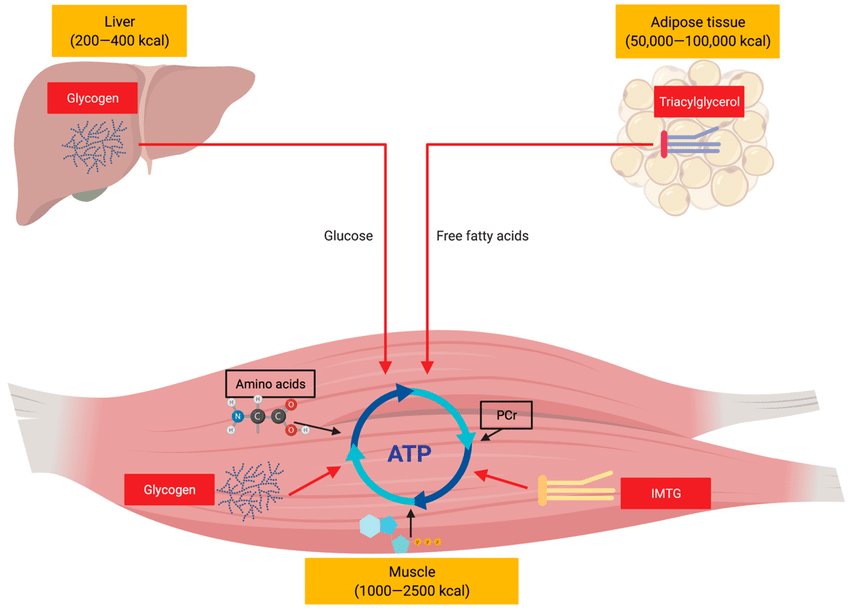
Prolonged endurance exercise mobilizes energy stores throughout the body to meet energy demands; marathon runners primarily rely on carbohydrates as the main energy source during a race. 3/12
4
Once glycogen becomes low in muscle, liver and other organs, including brain, marathon runners utilize fat as an energy source. 4/12
5
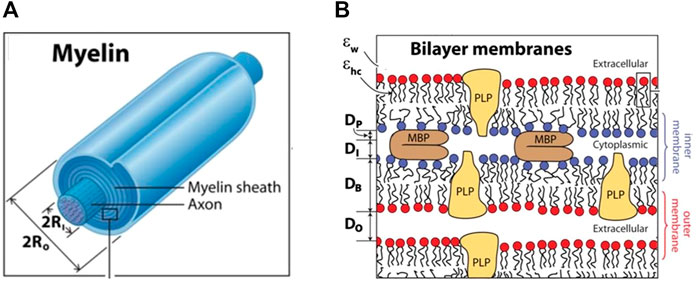
The primary components of myelin are lipids, which make up 70–80% of myelin, whereas myelin proteins compact and stabilize its multilayered structure. 5/12
6
In this study, the signal for myelin water fraction (MWF)—a surrogate of myelin content—was substantially reduced upon marathon running in specific brain regions involved in motor coordination and sensory and emotional integration, but recovered within two months. 6/12
7
Bilateral MWF loss in white matter was extensive after completion of the marathon, and its extent was similar in both hemispheres. 7/12

8
This reversible reduction in MWF upon prolonged exercise and recovery after lowering physical activity strongly suggests changes in myelin structure and content that may open up a new view of myelin as an energy store. 8/12
9
This idea is plausible, as glial cells can fuel neural metabolism by β-oxidation, and myelin peroxisomes are essential for white matter maintenance in flies and mice. 9/12
10
Thus, oligodendrocytes may survive glucose deprivation by local utilization of myelin lipids, which in turn allows oligodendrocytes to share energy substrates with axons to support their function. 10/12
11
Therefore, endurance exercise may pose an additional danger to heavily myelinated disease-vulnerable motor areas in individuals with ALS genetic risk, as myelin itself and myelin-producing oligodendrocytes are also vulnerable to glutamate excitotoxicity. 11/12
12
Overall, these findings strongly suggest that widespread reversible MWF reduction in endurance physical exercise represents a new form of plasticity to support brain function at the expense of myelin lipid use. 12/12
13
More on myelin: x.com/NTFabiano/stat…

