Mitochondrial dysfunction plays a vital role in the etiology of...

Nicholas Fabiano, MD@NTFabiano
77 views
Apr 28, 2025
~1 min read
Advertisement
1
Mitochondrial dysfunction plays a vital role in the etiology of depression.
🧵1/9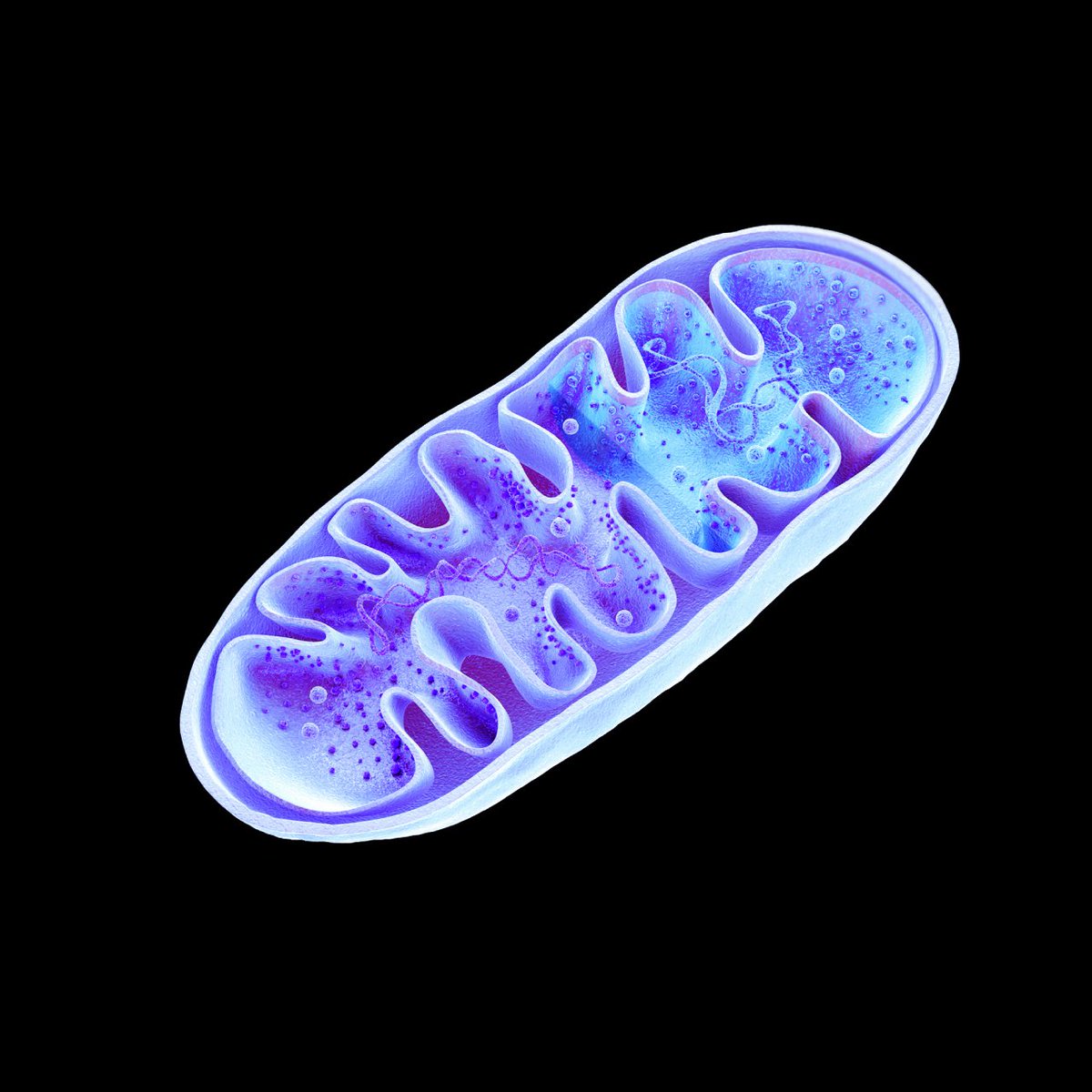
🧵1/9
2
These findings are from a study in @els_psychiatry which summarizes the influence of mitochondrial dysfunction and the underlying molecular pathways on the pathogenesis of depression. sciencedirect.com/science/articl… 2/9
3
Mitochondria maintain the normal physiological function of nerve cells by producing sufficient cellular energy and performing crucial roles in maintaining the metabolic balance through intracellular Ca2+ homeostasis, oxidative stress, and axonal development. 3/9
4
Damage to the hippocampal neurons is a key component of the plasticity regulation of synapses and plays a critical role in the mechanism of depression; there is evidence suggesting that mitochondrial dysfunction is associated with synaptic impairment. 4/9

5
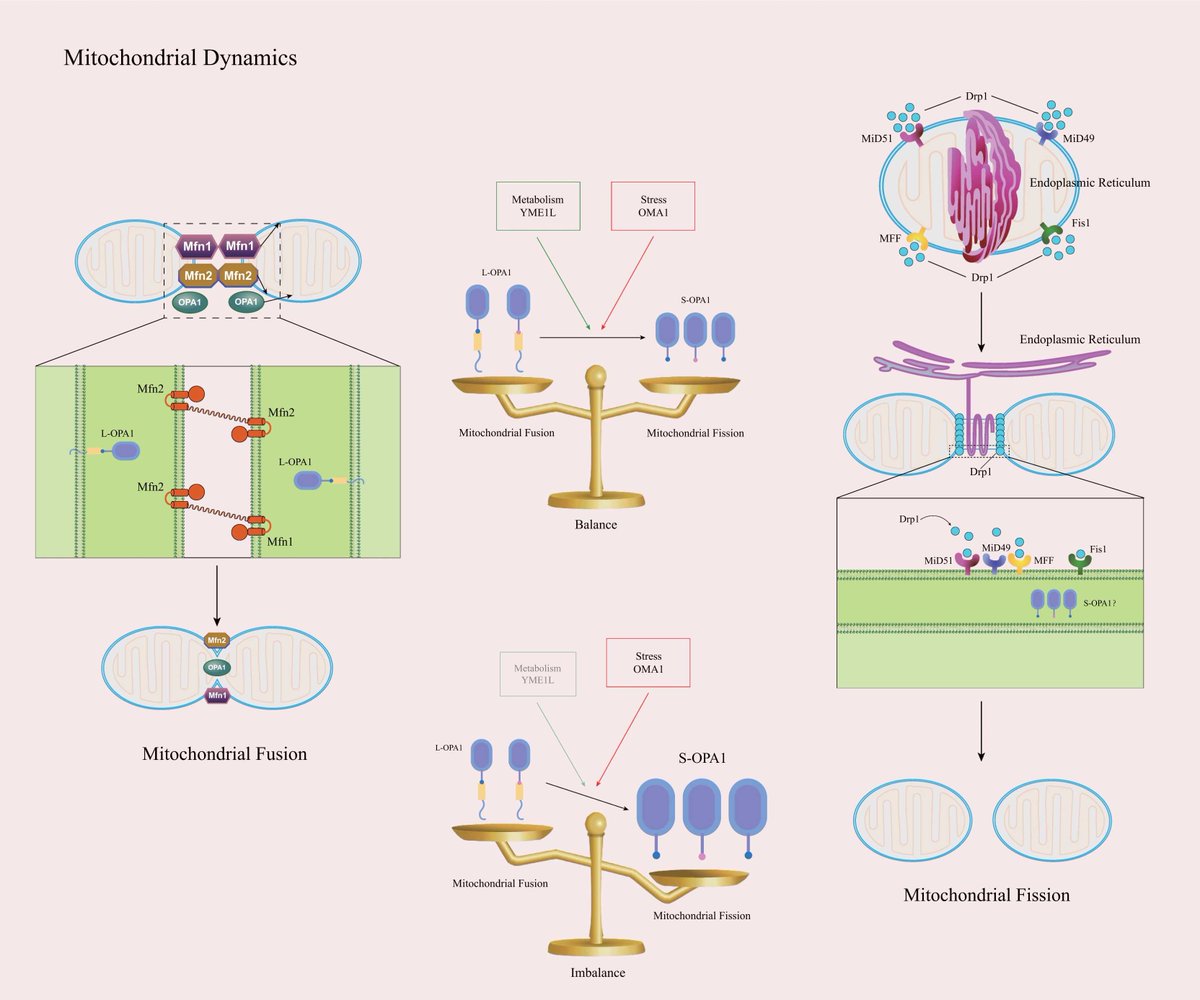
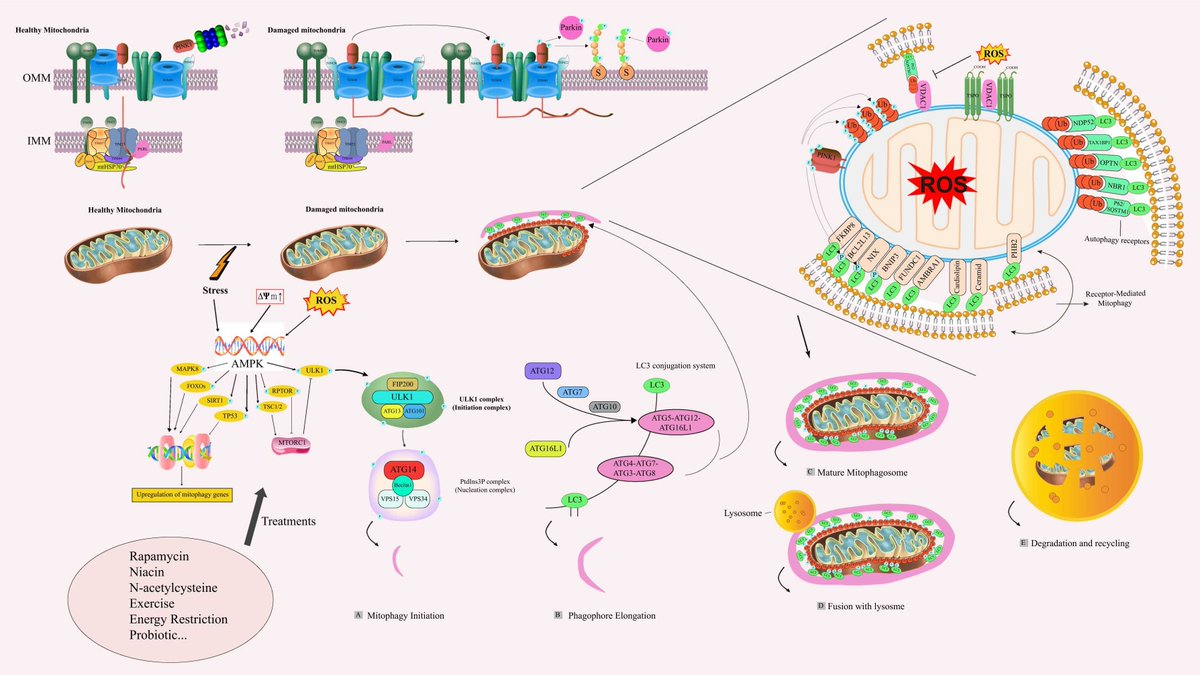
Mitochondrial biogenesis produces new and healthy mitochondria, and mitochondrial dynamics cooperate with mitophagy to remove damaged mitochondria. 5/9

6
These processes maintain mitochondrial population stability and exert neuroprotective effects against early depression. 6/9
7
In contrast, mitochondrial dysfunction is observed in various brain regions of people with major depressive disorders, whereby the accumulation of defective mitochondria accelerates cellular nerve dysfunction. 7/9
8
Impaired mitochondria aggravate alterations in the brain microenvironment, promoting neuroinflammation and energy depletion, thereby exacerbating the development of depression. 8/9

9
Overall, the ongoing investigation of the role of the mitochondria in depression may lead to the discovery of new treatments with novel mechanisms of action. 9/9

