Our paper was just published in the Journal of Psychiatry & Brain...

Nicholas Fabiano, MD@NTFabiano
83 views
Jul 29, 2025
~1 min read
Advertisement
1
Our paper was just published in the Journal of Psychiatry & Brain Science.
5 grams of creatine per day saturates your muscles, but is likely too low for the brain.
🧵1/10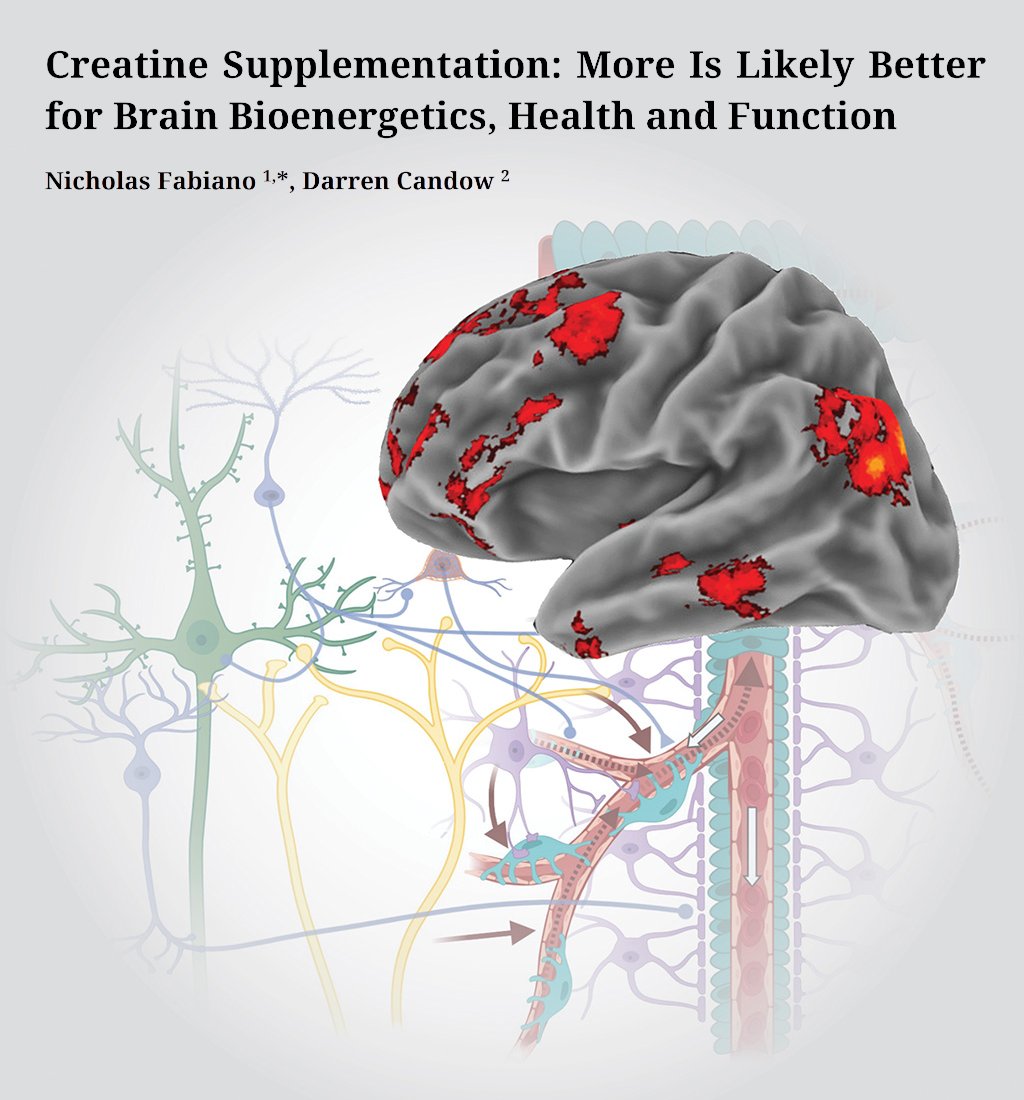
5 grams of creatine per day saturates your muscles, but is likely too low for the brain.
🧵1/10
2
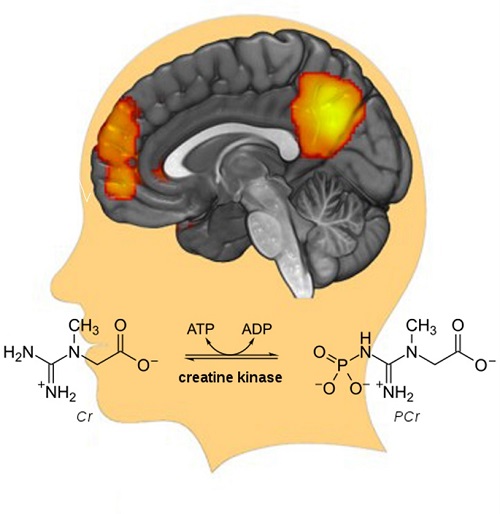
Given the constant energy supply required by the brain, there has been increasing interest in the potential of creatine for improving brain bioenergetics, health and function. 2/10
3
Accumulating research indicates that creatine is capable of increasing brain creatine stores which may help explain improvements in cognitive functioning particularly during times of metabolic stress. 3/10
4
Due to the attenuation of creatine transport kinetics and the blood-brain barrier, speculation exists that higher doses of creatine are needed to optimize brain creatine levels, however, optimal creatine doses are currently unknown. 4/10

5
When sleep deprived, a single high dose of creatine 0.35 g/kg partially reversed metabolic alterations and fatigue-related cognitive deterioration. 5/10

Nicholas Fabiano, MD@NTFabiano
A high single dose of creatine can partially reverse metabolic alterations and cognitive deterioration associated with sleep deprivation.
🧵1/9
🧵1/9
6
In Alzheimer's dementia, 20 g/day of creatine for 8 weeks increased brain creatine levels & cognition. 6/10

Nicholas Fabiano, MD@NTFabiano
The first trial of creatine in Alzheimer's dementia was just published.
Brain creatine levels & cognition significantly increased.
🧵1/8
Brain creatine levels & cognition significantly increased.
🧵1/8
7
In depression, there was a double in brain creatine levels from 4 g to 10 g daily with frontal lobe creatine inversely correlated to depression scores. link.springer.com/article/10.100… 7/10

8
Following a traumatic brain injury, a high dose of creatine (0.4 grams/kg per day) for 6 months reduced duration of amnesia, length of intensive care unit stay, and improved neurophysical/cognitive functioning. journals.lww.com/jtrauma/abstra… 8/10

9
Beyond these key variables, strategies such as glycocyamine supplementation, cyclocreatine supplementation, intranasal administration, and creatine transporter modulation appear promising for increasing total brain creatine levels which warrants further investigation. 9/10

10
Overall, although there is evidence that brain creatine levels are responsive to exogenous supplementation, emerging evidence demonstrates that higher and/or longer dosing strategies may be required. 10/10
11
Read the full paper here: jpbs.hapres.com/htmls/JPBS_176…
12
See this clip with @foundmyfitness & @darrencandow

FoundMyFitness Clips@fmfclips
If you’re only taking 5 grams of creatine, your brain might be missing out
Research comparing doses shows that 10 grams daily doubles brain creatine content compared to lower amounts—especially in critical brain regions linked to memory and cognition
While 5 grams may be sufficient for muscle benefits, it's likely inadequate for fully unlocking creatine’s brain-boosting potential
During periods of stress—like sleep deprivation, jet lag, or intense mental demands—upping your dose to 10 grams (or even higher) ensures your brain gets the support it needs most
Research comparing doses shows that 10 grams daily doubles brain creatine content compared to lower amounts—especially in critical brain regions linked to memory and cognition
While 5 grams may be sufficient for muscle benefits, it's likely inadequate for fully unlocking creatine’s brain-boosting potential
During periods of stress—like sleep deprivation, jet lag, or intense mental demands—upping your dose to 10 grams (or even higher) ensures your brain gets the support it needs most

