Fast walkers have higher IQ and larger brains than slow walkers. 🧵1/9

Nicholas Fabiano, MD@NTFabiano
58 views
Jan 22, 2025
~1 min read
Advertisement
1
Fast walkers have higher IQ and larger brains than slow walkers.
🧵1/9
🧵1/9
2
These findings are from a 5-decade cohort study of 904 participants in New Zealand published in @JAMANetworkOpen which tested the hypothesis that slow gait speed reflects accelerated biological aging at midlife. jamanetwork.com/journals/jaman… 2/9

3
Gait speed was correlated across the 3 walk conditions: usual vs dual task, usual vs maximum, and dual task vs maximum. 3/9

4
At age 45 years, participants completed a neuroimaging protocol to detect structural age-related features of the brain. Images were acquired using a 3-T magnetic resonance imaging scanner. 4/9

5
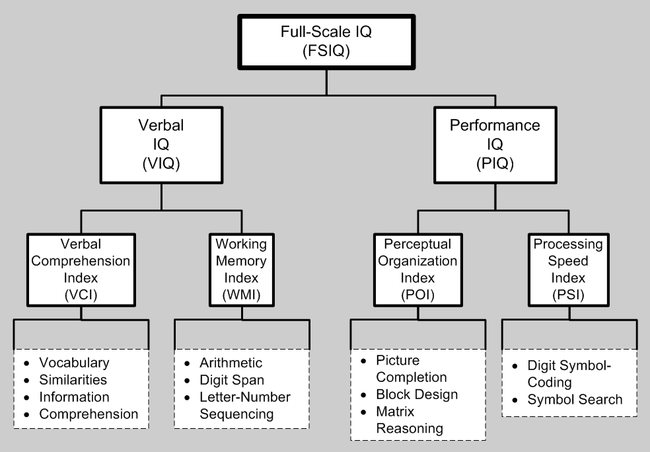
Neurocognitive function at age 45 years was assessed with the Wechsler Adult Intelligence Scale–IV, which generates the overall full-scale IQ. 5/9
6
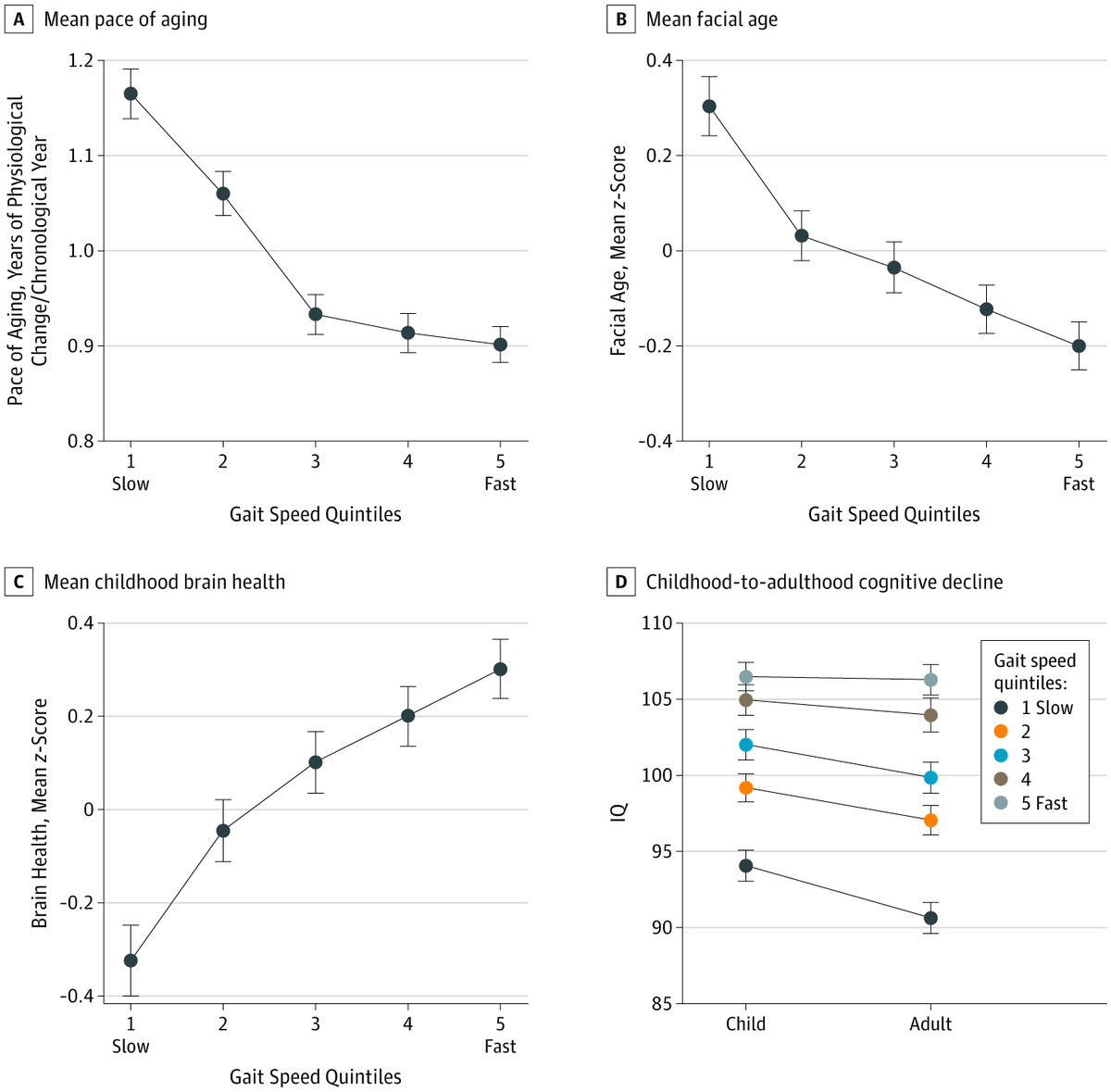
Slow gait was associated with multiple indices of compromised structural brain integrity, including smaller total brain volume, global cortical thinning, and reduced total surface area. 6/9

7
Slow gait at midlife was associated with poorer neurocognitive functioning across multiple cognitive domains; there was a mean difference of 16 IQ points (>1 SD) between the slowest and fastest walkers (ie, bottom vs top quintile). 7/9
8
Gait speed is used primarily to monitor the functional capacity of older adults and to forecast their rate of age-related decline, however these findings suggest that gait speed may not only be a geriatric concern. 8/9
9
Gait speed is more than just a geriatric index of adult functional decline; rather, it is a summary index of lifelong aging with possible origins in childhood CNS deficits. This helps to explain why gait can be such a powerful indicator of risk of disability and death. 9/9
10
For those having difficulty understanding the points of small effects + context, here's a helpful thread by @cremieuxrecueil

Crémieux@cremieuxrecueil
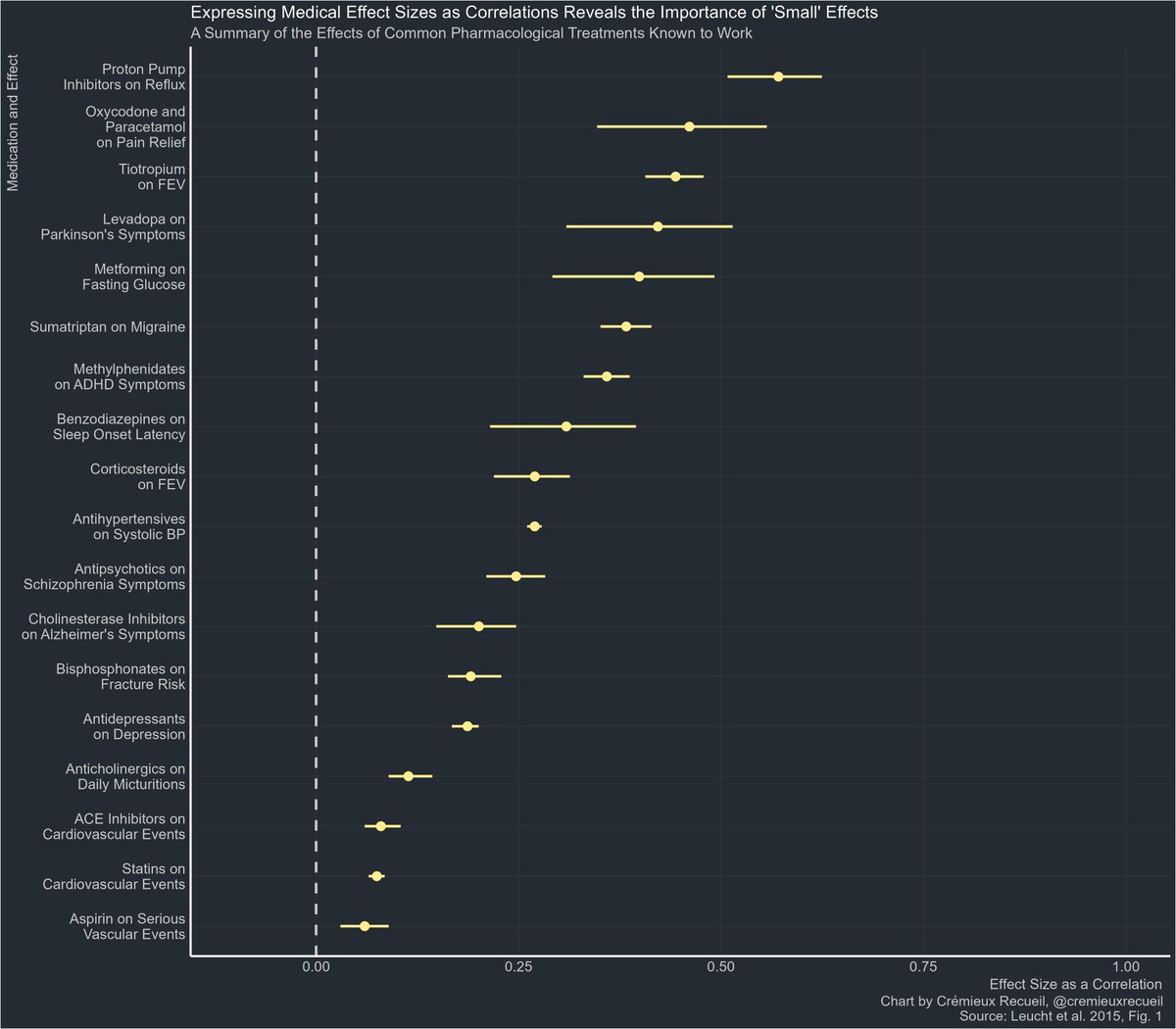
Expressing the effects of different medications after converting them to correlations might help people to overcome their reflexive disdain for small but reliable correlations, since "small" effects are frequently extremely meaningful.
Here are some examples:
Here are some examples:
11
As this thread has spontaneously went viral again, please refer to this for the interpretation of small effects.
Crémieux@cremieuxrecueil
Expressing the effects of different medications after converting them to correlations might help people to overcome their reflexive disdain for small but reliable correlations, since "small" effects are frequently extremely meaningful.
Here are some examples:
Here are some examples:

