Our paper was just published in European Neuropsychopharmacology....

Nicholas Fabiano, MD@NTFabiano
64 views
Apr 28, 2025
~3 min read
Advertisement
1
Our paper was just published in European Neuropsychopharmacology.
🧵1/18
🧵1/18
2
Creatine, a nitrogenous organic composed of the amino acids arginine, glycine and methionine, is a common and well-researched supplement used among athletes and bodybuilders to improve physical performance. 2/18
3
Through interaction with the enzyme creatine kinase, it gains a phosphate group, where it is stored as phosphocreatine largely in the muscles (approximately 95%) with the remaining in the kidneys, liver and brain. 3/18

4
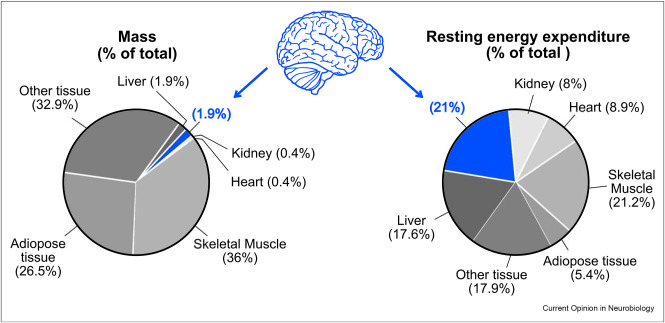
The brain, although only accounting for 2% of body mass, utilizes approximately 20% of energy consumption at rest; as such, there has been increasing interest in conceptualizing mental disorders, such as depression, through the lens of altered bioenergetics. 4/18
5
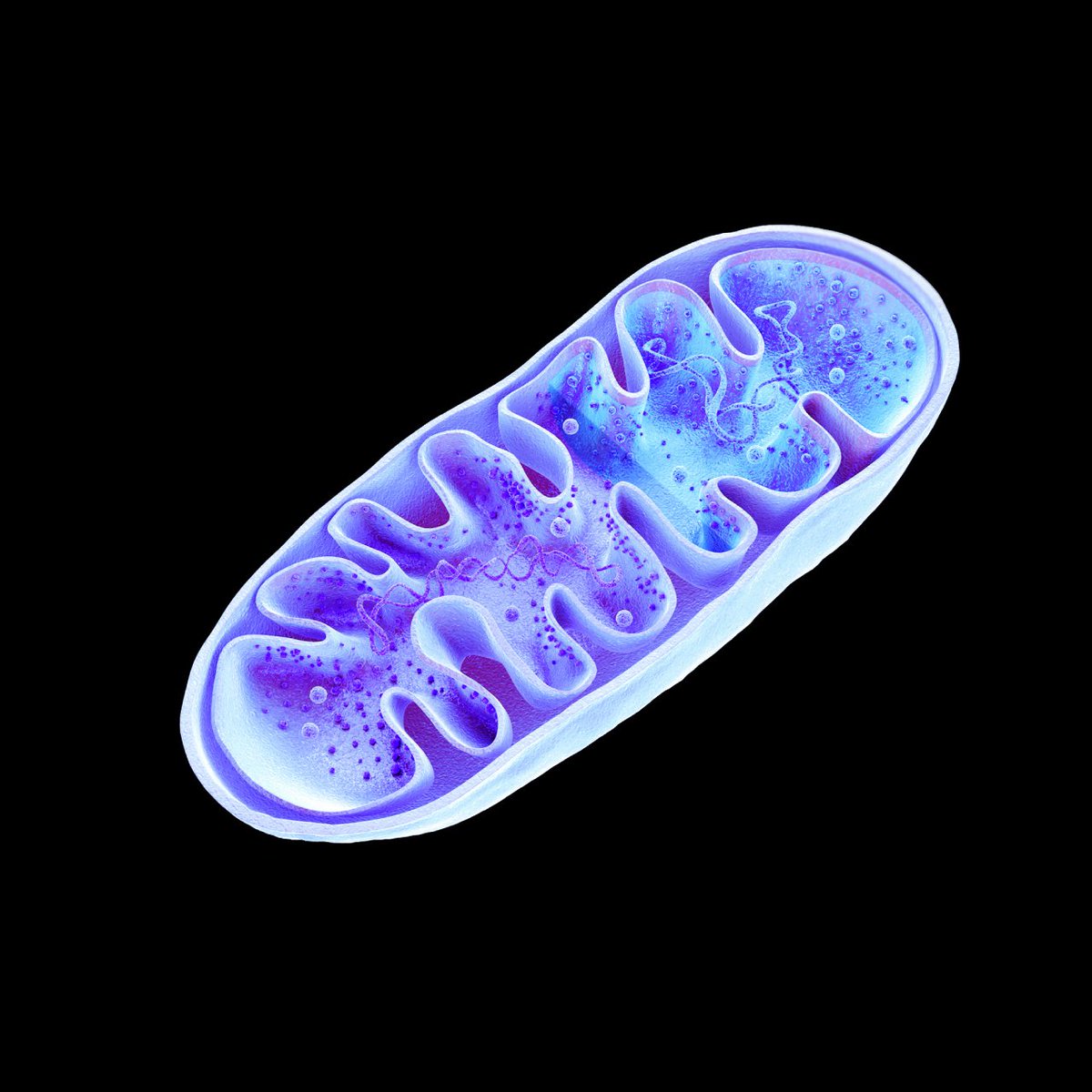
Depression represents a time of metabolic demand, related to mitochondrial pathology, including changes that affect oxidative phosphorylation and mitochondrial proliferation. 5/18
Nicholas Fabiano, MD@NTFabiano
Mitochondrial dysfunction plays a vital role in the etiology of depression.
🧵1/9
🧵1/9
6
The majority of ATP synthesis occurs during aerobic cellular respiration, which begins with glycolysis and culminates in oxidative phosphorylation; however, this metabolic pathway is complex and time-consuming. 6/18

7
Whereas the creatine-creatine kinase-phosphocreatine circuit is able to quickly replenish ATP levels in the brain when there are significant metabolic demands, such as during depression. 7/18

8
Yet when exposed to prolonged metabolic stress, brain phosphocreatine stores can become depleted, forcing cells to rely on the slower glycolysis pathway, potentially leading to mitochondrial dysfunction and brain pathology. 8/18
9
Although dietary creatine is important, one would need to eat approximately 3 pounds of beef in order to get the same amount of a single scoop (5g) of creatine; as such it is not recommended to use meat as one's primary source of creatine. 9/18
10
Creatine uptake in the brain is limited relative to skeletal muscle; it crosses the blood-brain barrier via microcapillary endothelial cells expressing the sodium-dependent creatine transporter SLC6A8, albeit at a lower transport rate compared to peripheral tissues. 10/18
11
Therefore, total creatine ingestion may need to be higher (than what is feasibly possible by diet) and for prolonged periods of time to produce significant effects in the brain as compared to the muscle. 11/18
12
Creatine has been used as an adjunct to both selective serotonin reuptake inhibitors (SSRIs) and cognitive behavioural therapy (CBT) in the treatment of depression, with largely positive findings. 12/18

Nicholas Fabiano, MD@NTFabiano
Creatine increases the antidepressant efficacy of cognitive-behavioural therapy.
🧵1/10
🧵1/10
13
Although these trials have paved the way for future creatine research, there is room for further optimization to maximize antidepressant efficacy. 13/18
14
Firstly, higher doses (>5 g/day) for a longer period of time (>8 weeks) remain largely unexplored and may be required for optimal efficacy. 14/18
15
A recent trial administered a high single dose of creatine (0.35 g/kg of bodyweight) among sleep-deprived (a state of high metabolic demand) subjects, which partially reversed metabolic alterations and cognitive deterioration. 15/18

Nicholas Fabiano, MD@NTFabiano
A high single dose of creatine can partially reverse metabolic alterations and cognitive deterioration associated with sleep deprivation.
🧵1/9
🧵1/9
16
Second, glycocyamine (GAA), a direct natural precursor to creatine, has demonstrated greater rise in brain creatine levels, than creatine itself; therefore, GAA supplemented alone or with creatine may be a promising dietary strategy to alter the bioenergetics of the brain. 16/18
17
Third, as exercise has demonstrated equivalence in antidepressant effects amongst SSRIs and CBT, with impacts on brain bioenergetics, it is imperative that the combination of creatine and exercise be formally explored. 17/18

Nicholas Fabiano, MD@NTFabiano
Our paper was just published in the Journal of Physical Activity & Health.
🧵1/12
🧵1/12
18
Overall, creatine remains a promising adjunctive intervention for the treatment of depression, which can be combined with many existing first-line options. 18/18
19
Free full-text access (until May 31, 2025): authors.elsevier.com/a/1kvop,L21E2e…
20
I just filmed a video with @bschermd from @Metabolic_Mind on creatine for depression, so check this out if you’d like to learn more. youtube.com/watch?v=0QVk-w…
21
Last day of the free full-text for our paper! Download it now, even if you want to read later sciencedirect.com/science/articl…

