The human brain may use quantum mechanics. 🧵1/12

Nicholas Fabiano, MD@NTFabiano
50 views
Feb 17, 2025
~1 min read
Advertisement
1
The human brain may use quantum mechanics.
🧵1/12
🧵1/12
2
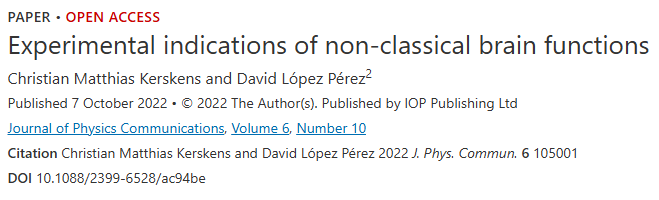
These findings are from a study in @jphyscomms which used nuclear magnetic resonance (NMR) methods to investigate quantum effects in the human brain. iopscience.iop.org/article/10.108… 2/12
3
Recent proposals in quantum gravity have suggested that unknown systems can mediate entanglement between two known quantum systems, if the mediator itself is non-classical. 3/12
4
This approach may be applicable to the brain, where speculations about quantum operations in consciousness and cognition have a long history. 4/12

5
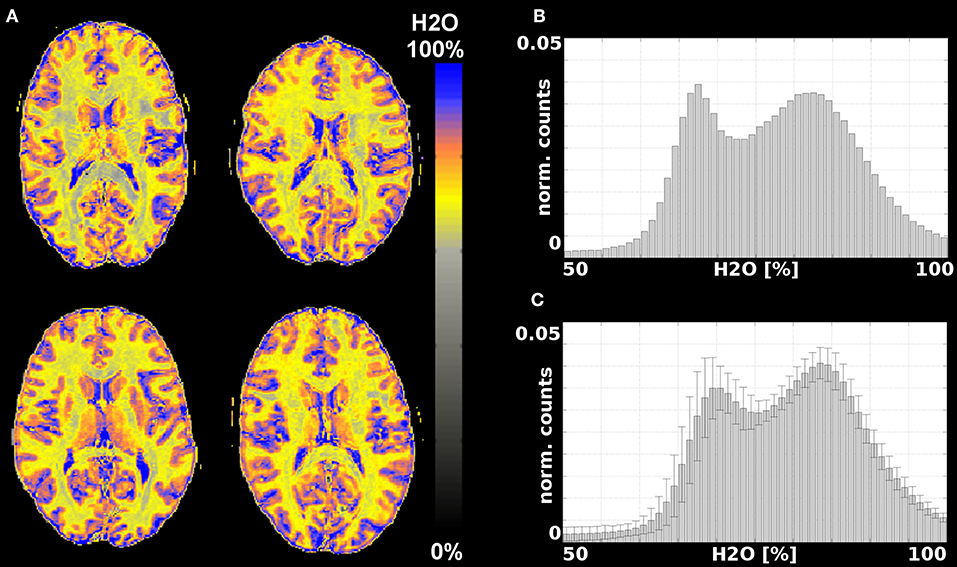
Proton spins of bulk water, which most likely interfere with any brain function, can act as the known quantum systems. 5/12
6
If an unknown mediator exists, then NMR methods based on multiple quantum coherence (MQC) can act as an entanglement witness. 6/12
7
NMR is a non-destructive analytical technique that uses the magnetic properties of atomic nuclei to study the structure and composition of molecules. 7/12

8
However, there are doubts that today's NMR signals can contain quantum correlations in general, and specifically in the brain environment. 8/12
9
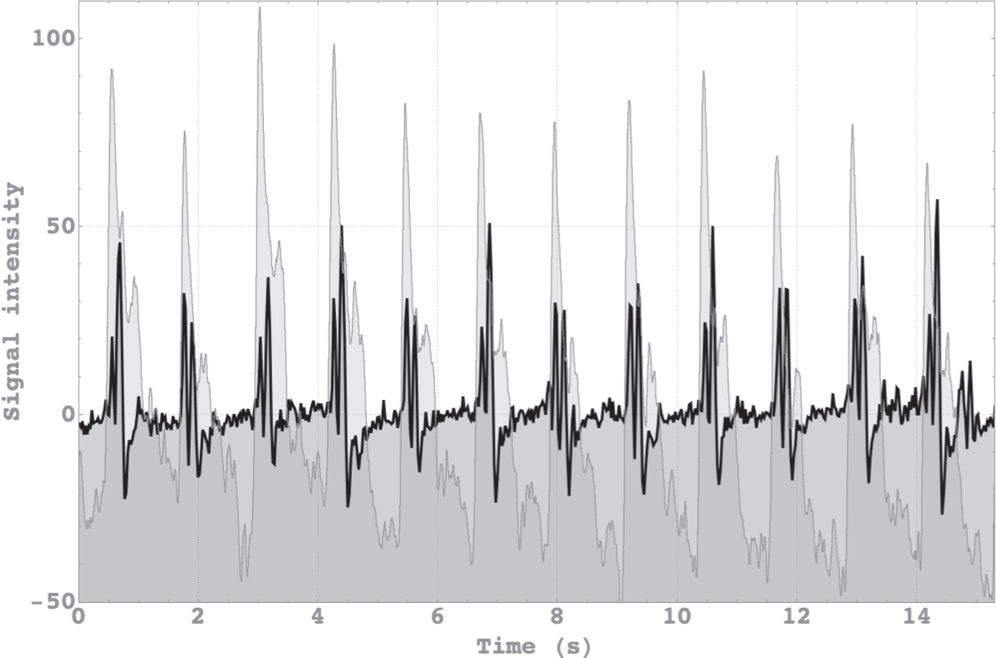
For short repetitive periods, evoked signals were found in most parts of the brain, whereby the temporal appearance resembled heartbeat-evoked potentials (HEPs); those signals had no correlates with any classical NMR contrast. 9/12
10
Similar to HEPs, the evoked signal depended on conscious awareness; consciousness-related or electrophysiological signals are unknown in NMR. 10/12

11
Remarkably, these signals only appeared if the local properties of the magnetization were reduced. 11/12
12
Overall, these findings suggest that entanglement mediated by consciousness-related brain functions may have been witnessed; those brain functions must then operate non-classically, which would mean that consciousness is non-classical. 12/12
13
More on schizophrenia:

14
Interesting to see the dichotomy in response 🤔

