The reason you can’t lose weight (or keep it off) no matter how...

Dalton (Analyze & Optimize)@Outdoctrination
92 views
Jan 14, 2025
~5 min read
Advertisement
1
The reason you can’t lose weight (or keep it off) no matter how hard you try.
LEPTIN: why it’s SO important and how to optimize yours to boost your metabolism and finally stay thin for life.
LEPTIN: why it’s SO important and how to optimize yours to boost your metabolism and finally stay thin for life.
2
These animals get uncontrollably fat even on a normal diet.
Simply because their leptin doesn’t work properly.
Leptin:
◇ Regulates appetite
◇ Increases metabolism
When we get fat, we produce tons of leptin - but the brain does not sense it properly, so it’s like we barely have any at all.
When we lose fat, our leptin levels drop too low, which slows down our metabolism and ups our appetite, making it almost certain that we regain the weight.
These systems in place are there to keep us fat when the body senses it is necessary.
Simply because their leptin doesn’t work properly.
Leptin:
◇ Regulates appetite
◇ Increases metabolism
When we get fat, we produce tons of leptin - but the brain does not sense it properly, so it’s like we barely have any at all.
When we lose fat, our leptin levels drop too low, which slows down our metabolism and ups our appetite, making it almost certain that we regain the weight.
These systems in place are there to keep us fat when the body senses it is necessary.
3
Giving people leptin can cause them to lose weight, without changing their diet.
The thing is, people who are overweight already have tons of leptin, they just don’t respond to it properly.
Restoring the body’s sensitivity to leptin is the real goal in this situation.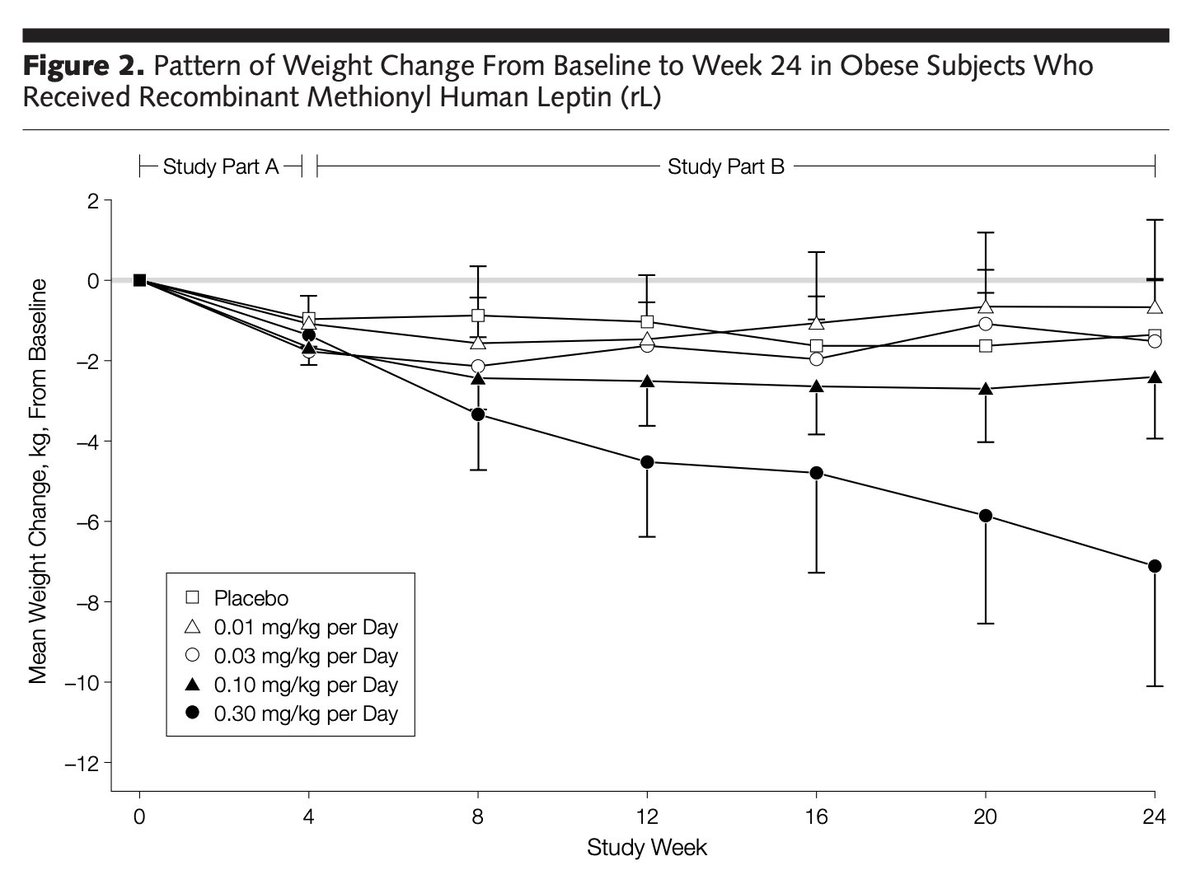
The thing is, people who are overweight already have tons of leptin, they just don’t respond to it properly.
Restoring the body’s sensitivity to leptin is the real goal in this situation.
4
Weight loss tanks metabolism + thyroid hormones - leptin restores them.
Giving people leptin:
➤ Boosts energy expenditure
➤ Increases thyroid hormones T3 and T4
Back to normal levels after weight loss.
Increasing leptin is THE KEY to successful long term weight loss.

Giving people leptin:
➤ Boosts energy expenditure
➤ Increases thyroid hormones T3 and T4
Back to normal levels after weight loss.
Increasing leptin is THE KEY to successful long term weight loss.
5
For successful fat loss, you need to restore your body’s sensitivity to leptin.
For successful maintenance after fat loss, you need to increase your leptin levels.
We need to look at how leptin works to do this.
In the hypothalamus of the brain, leptin (and insulin) act on brain cells, which produce a compound called αMSH.
αMSH then acts on other neurons to:
◇ Decrease inappropriate appetite
◇ Make the fat “brown,” which increases its heat production and metabolism
◇ Increases thyroid hormones, which increase whole body metabolism
αMSH is melanocyte stimulating hormone, because it also acts on cells that produce melanin, which is what makes your skin and hair darker.
This all works like a charm, but both inflammation and oxidative stress cause the hypothalamus to become unresponsive to leptin.
In other words, you’re fat because you basically have a microscopic headache.
Whether the issue is a lack of leptin or a lack of response to it - ultimately the result is the same: you eat more and have a worse metabolism, keeping you fat or regaining weight.
For successful maintenance after fat loss, you need to increase your leptin levels.
We need to look at how leptin works to do this.
In the hypothalamus of the brain, leptin (and insulin) act on brain cells, which produce a compound called αMSH.
αMSH then acts on other neurons to:
◇ Decrease inappropriate appetite
◇ Make the fat “brown,” which increases its heat production and metabolism
◇ Increases thyroid hormones, which increase whole body metabolism
αMSH is melanocyte stimulating hormone, because it also acts on cells that produce melanin, which is what makes your skin and hair darker.
This all works like a charm, but both inflammation and oxidative stress cause the hypothalamus to become unresponsive to leptin.
In other words, you’re fat because you basically have a microscopic headache.
Whether the issue is a lack of leptin or a lack of response to it - ultimately the result is the same: you eat more and have a worse metabolism, keeping you fat or regaining weight.
6
Sunlight stimulates αMSH production in the brain.
Just like the sun tans your skin with melanin, it does the same thing in your brain when exposed to your eyes.
That increases your metabolism and regulates your appetite.
This is one key way to optimize leptin signaling.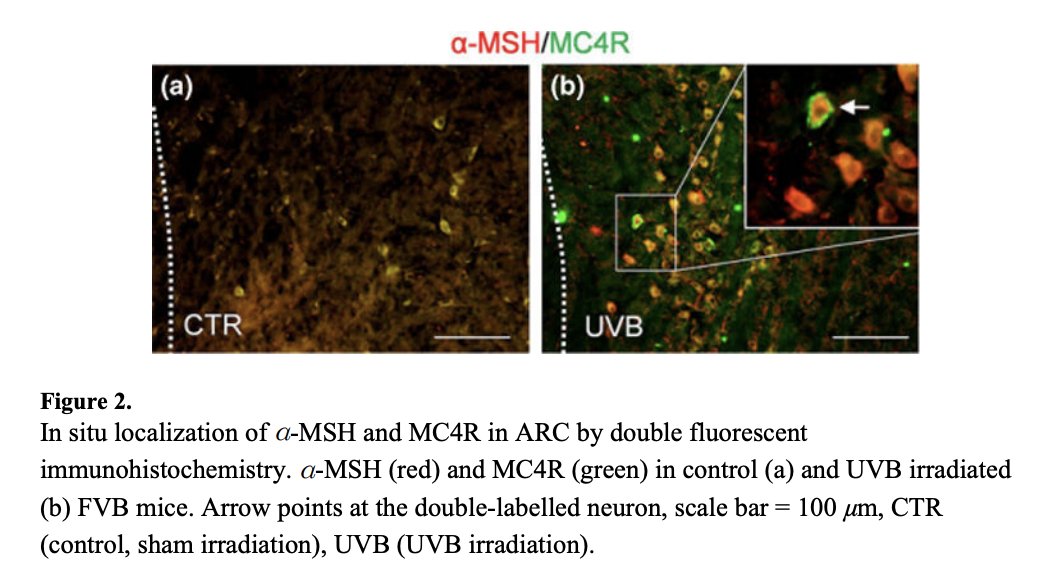
Just like the sun tans your skin with melanin, it does the same thing in your brain when exposed to your eyes.
That increases your metabolism and regulates your appetite.
This is one key way to optimize leptin signaling.
7
Bright light boosts thyroid hormones + leptin signaling.
Longer days increase the active T3 thyroid hormone.
This then increases POMC - which is a precursor to αMSH, which is the mediator of leptin signaling.
If the days are short, optimize your lighting inside.
Longer days increase the active T3 thyroid hormone.
This then increases POMC - which is a precursor to αMSH, which is the mediator of leptin signaling.
If the days are short, optimize your lighting inside.
8
You can read more on how to do that + the importance of bright light here:

Dalton (Analyze & Optimize)@Outdoctrination
The effects of BRIGHT LIGHT on your mood are more important than anyone realizes.
If you’re feeling down, tired, stressed, or anxious, this may just be the answer you never knew you needed.
I found that out the hard way.
Here’s why:
If you’re feeling down, tired, stressed, or anxious, this may just be the answer you never knew you needed.
I found that out the hard way.
Here’s why:
9
Carbs increase leptin.
This is because insulin directly promotes leptin secretion.
Thus, the more you fast and avoid carbs, the less leptin secretion you'll get.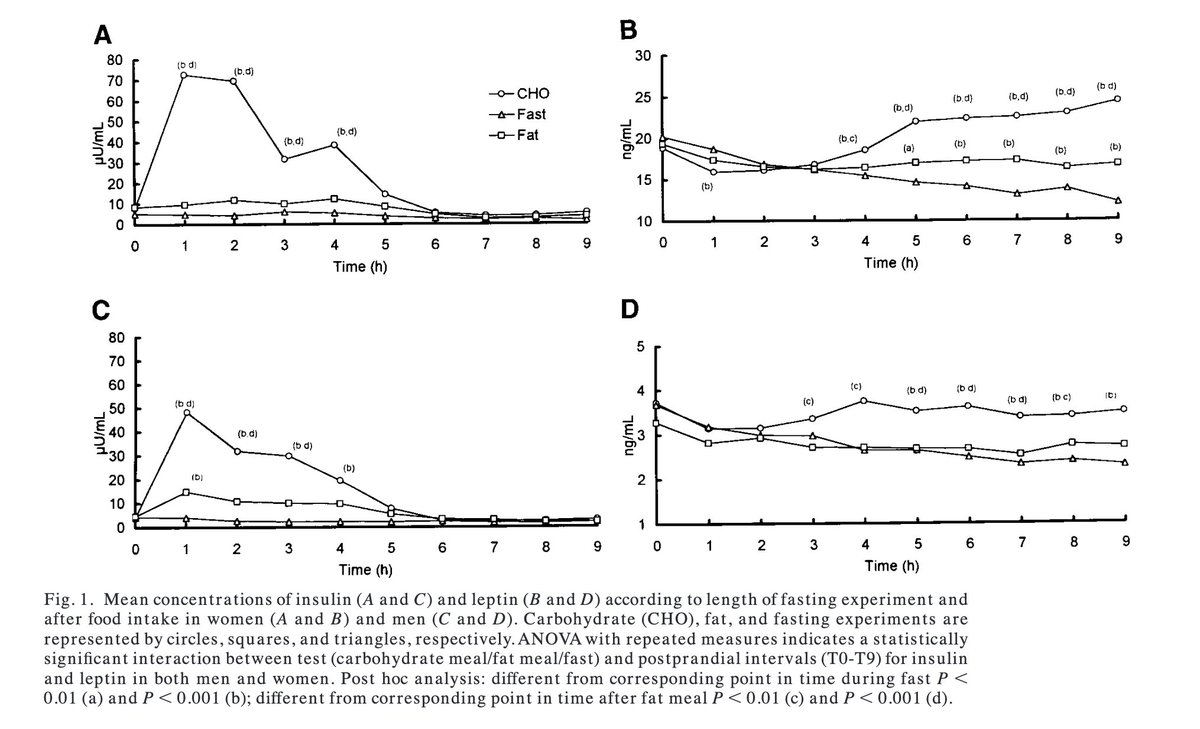
This is because insulin directly promotes leptin secretion.
Thus, the more you fast and avoid carbs, the less leptin secretion you'll get.
10
This is likely one of the reasons why carbs are generally beneficial for thyroid function,
and fasting / low carb are detrimental.
I've written about that here.

and fasting / low carb are detrimental.
I've written about that here.
Dalton (Analyze & Optimize)@Outdoctrination
Keto, Carnivore and Fasting are DECIMATING your metabolism.
The thyroid needs carbs.
Here’s why:
The thyroid needs carbs.
Here’s why:
11
Another thing leptin does is lower serotonin output in the hypothalamus.
Serotonin is one of the key mediators of slowing down your metabolism. It literally helps put you into hibernation.
I've written about that below.


Serotonin is one of the key mediators of slowing down your metabolism. It literally helps put you into hibernation.
I've written about that below.
Dalton (Analyze & Optimize)@Outdoctrination
Putting on fat while eating little?
Feeling lethargic all the time?
Almost like your body is preparing for hibernation?
It is.
Let’s talk about why.
Feeling lethargic all the time?
Almost like your body is preparing for hibernation?
It is.
Let’s talk about why.
12
Vitamin D boosts metabolism, by increasing leptin AND leptin sensitivity.
Another reason why going in the sun might be a good tool for losing weight + maintaining weight loss.
Another reason why going in the sun might be a good tool for losing weight + maintaining weight loss.
13
Poor sleep reduces leptin production, crushes thyroid hormone.
Should come as no surprise, but optimizing sleep is going to be absolutely vital for restoring proper leptin secretion, for weight loss and maintenance.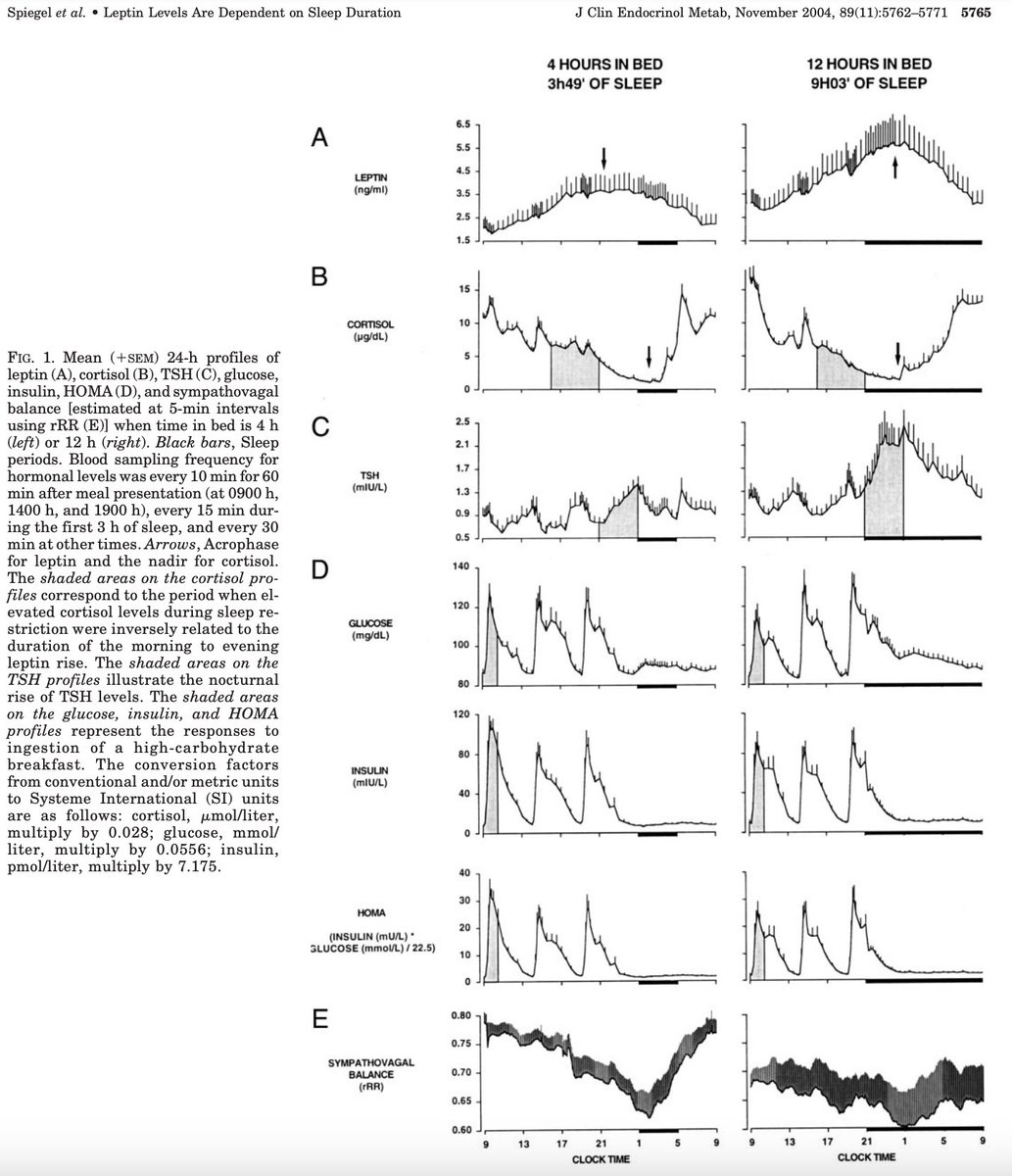
Should come as no surprise, but optimizing sleep is going to be absolutely vital for restoring proper leptin secretion, for weight loss and maintenance.
14
Omega 3 fatty acid (EPA) increases leptin.
I'm not a fan of fish oil, but you can get sufficient amounts from shellfish, eggs and grass fed meat.
EPA does this by stimulating glucose metabolism.
That means ANYTHING interrupting your metabolism will screw up the leptin system.
I'm not a fan of fish oil, but you can get sufficient amounts from shellfish, eggs and grass fed meat.
EPA does this by stimulating glucose metabolism.
That means ANYTHING interrupting your metabolism will screw up the leptin system.
15
What are the factors that "interrupt" metabolism?
There's almost an endless amount, but I discuss the most important ones here:
There's almost an endless amount, but I discuss the most important ones here:
Dalton (Analyze & Optimize)@Outdoctrination
"Diets" don't work for fat loss.
Here's why (& how to lose fat sustainably):
1. "Dieting" almost never works:
The % chance of becoming normal weight:
If obese is <1%
If very obese is <0.5%
Losing just 5% body weight is only attainable by ~10-20% of obese people.
Up to 98% of weight loss attempts only last for, at most, a few years. Then the weight is regained.
Clearly, what people normally do doesn't work.
2. Eating less and moving more (forcefully) is a recipe for disaster
The Minnesota Starvation experiment was a study where researchers forced food restriction on men.
It did result in weight loss.
However, this was accompanied by a laundry list of negative effects due to this.
× Cognitive decline
× Body image issues
× Decreased libido
× Depression
× Anxiety
Some men would chew flavored gum until their jaws became sore.
Some would scour through the garbage for more food.
Another classic example is The Biggest Loser.
Forcefully eating less and moving more worked... for a while.
But after, every single participant regained weight, and several got fatter than they were before the show!
This is even with these individuals continuing to restrict their food afterward!
3. WHY weight loss attempts fail.
Undereating causes the metabolic rate to drop.
Overeating (normally) causes the metabolic rate to increase.
If weight does change, returning to intuitive food intake results in normalization of weight.
This has been shown time and time again in the research.
Cutting your calories can “work,” plenty of people do it.
The question is, can it work forever? Is it the solution?
Our bodies need certain amounts of ENERGY in order to function properly in the long run.
Calories are essential nutrients. In fact, vitamins and minerals are useless without them.
The type of food matters:
For example, one study showed that replacing refined carbs with vegetable oil results in more weight loss
despite consuming the same amount of calories.
Animal studies routinely show that obesity is reliably induced by changing the composition of the food,
independently of caloric intake.
4. Why are some people naturally thin?
A landmark 2022 study showed that while people who were effortlessly lean did eat slightly less,
they were actually less active, and had better metabolisms at rest.
This was mainly driven by increased thyroid hormone.
The basal metabolic rate average has gone down over the past several decades, coinciding with the obesity crisis.
The average body temperature has also decreased significantly over the last century.
We also have TONS of historical examples of populations eating just as much, if not more than we do today, while effortlessly maintaining much thinner physiques.
This all tells us that inappropriate weight gain is without question a metabolic problem, not a personal one.
5. The solution
What is it that slows down the metabolism and causes weight gain?
Lots of things can do it, but a few key ones are:
• Poor thyroid function
• An excess of polyunsaturated fats (seed oils)
• Inadequate micronutrients
• Suboptimal light environment / lack of sunlight
• Dysregulated circadian rhythm
• Digestive distress + increased serotonin
• A lack of muscle mass
• Chronic stress
• Chronic inflammation
• Excess estrogen
• Environmental toxins
Of course, overeating is a thing as well, but the question is why do we overeat?
One key cause is poor micronutrient intake.
Adding in vitamins or calcium has been shown to suppress inappropriate appetite increases.
Another study showed that an estimated 45% of weight lost was attributed to increased potassium intake.
You WILL keep eating if you do not supply the body with what it needs.
The other driver of overeating is chronic stress.
By turning on the adrenals, chronic stress:
- Dampens leptin signaling
- Induces binging
- Increases preference for high sugar and fat foods
Food, especially sugar and salt, is our primary means of reducing stress hormones.
There's a reason your body intuitively goes for these types of foods when you are under lots of stress.
6. The bottom line
Asking "how do I lose weight?" is the wrong question in my view.
Weight loss should not be a primary goal.
HEALTH should be the goal:
⬩Deep sleep
⬩High energy
⬩Mental clarity
⬩Motivation
⬩High libido
⬩Smooth digestion
⬩Happiness, laughter, fullfillment
The weight will come off in time, and it will come off the right way!
It does require patience, but I'm way happier I did things this way.
My diet is absolutely delicious: quesadillas, sandwiches, ice cream, orange juice, lemonade, french fries, steaks, etc.
I don't think about what to eat, don't count calories, my quality of life and energy is sky high, and I'm not fat (contrary to popular belief).
Think about it like this:
If someone was always cold, you wouldn't tell them to be more disciplined and just deal with it.
If someone is losing hair, you wouldn't say it's because they aren’t disciplined.
But that's what we do when people are always hungry, or gain weight and don't know why.
Saying someone just needs discipline to lose weight is akin to saying someone just needs to cheer up if they are depressed.
Unhelpful, discouraging to those individuals, and also ignores what will truly lead to success in the long run.
Here's why (& how to lose fat sustainably):
1. "Dieting" almost never works:
The % chance of becoming normal weight:
If obese is <1%
If very obese is <0.5%
Losing just 5% body weight is only attainable by ~10-20% of obese people.
Up to 98% of weight loss attempts only last for, at most, a few years. Then the weight is regained.
Clearly, what people normally do doesn't work.
2. Eating less and moving more (forcefully) is a recipe for disaster
The Minnesota Starvation experiment was a study where researchers forced food restriction on men.
It did result in weight loss.
However, this was accompanied by a laundry list of negative effects due to this.
× Cognitive decline
× Body image issues
× Decreased libido
× Depression
× Anxiety
Some men would chew flavored gum until their jaws became sore.
Some would scour through the garbage for more food.
Another classic example is The Biggest Loser.
Forcefully eating less and moving more worked... for a while.
But after, every single participant regained weight, and several got fatter than they were before the show!
This is even with these individuals continuing to restrict their food afterward!
3. WHY weight loss attempts fail.
Undereating causes the metabolic rate to drop.
Overeating (normally) causes the metabolic rate to increase.
If weight does change, returning to intuitive food intake results in normalization of weight.
This has been shown time and time again in the research.
Cutting your calories can “work,” plenty of people do it.
The question is, can it work forever? Is it the solution?
Our bodies need certain amounts of ENERGY in order to function properly in the long run.
Calories are essential nutrients. In fact, vitamins and minerals are useless without them.
The type of food matters:
For example, one study showed that replacing refined carbs with vegetable oil results in more weight loss
despite consuming the same amount of calories.
Animal studies routinely show that obesity is reliably induced by changing the composition of the food,
independently of caloric intake.
4. Why are some people naturally thin?
A landmark 2022 study showed that while people who were effortlessly lean did eat slightly less,
they were actually less active, and had better metabolisms at rest.
This was mainly driven by increased thyroid hormone.
The basal metabolic rate average has gone down over the past several decades, coinciding with the obesity crisis.
The average body temperature has also decreased significantly over the last century.
We also have TONS of historical examples of populations eating just as much, if not more than we do today, while effortlessly maintaining much thinner physiques.
This all tells us that inappropriate weight gain is without question a metabolic problem, not a personal one.
5. The solution
What is it that slows down the metabolism and causes weight gain?
Lots of things can do it, but a few key ones are:
• Poor thyroid function
• An excess of polyunsaturated fats (seed oils)
• Inadequate micronutrients
• Suboptimal light environment / lack of sunlight
• Dysregulated circadian rhythm
• Digestive distress + increased serotonin
• A lack of muscle mass
• Chronic stress
• Chronic inflammation
• Excess estrogen
• Environmental toxins
Of course, overeating is a thing as well, but the question is why do we overeat?
One key cause is poor micronutrient intake.
Adding in vitamins or calcium has been shown to suppress inappropriate appetite increases.
Another study showed that an estimated 45% of weight lost was attributed to increased potassium intake.
You WILL keep eating if you do not supply the body with what it needs.
The other driver of overeating is chronic stress.
By turning on the adrenals, chronic stress:
- Dampens leptin signaling
- Induces binging
- Increases preference for high sugar and fat foods
Food, especially sugar and salt, is our primary means of reducing stress hormones.
There's a reason your body intuitively goes for these types of foods when you are under lots of stress.
6. The bottom line
Asking "how do I lose weight?" is the wrong question in my view.
Weight loss should not be a primary goal.
HEALTH should be the goal:
⬩Deep sleep
⬩High energy
⬩Mental clarity
⬩Motivation
⬩High libido
⬩Smooth digestion
⬩Happiness, laughter, fullfillment
The weight will come off in time, and it will come off the right way!
It does require patience, but I'm way happier I did things this way.
My diet is absolutely delicious: quesadillas, sandwiches, ice cream, orange juice, lemonade, french fries, steaks, etc.
I don't think about what to eat, don't count calories, my quality of life and energy is sky high, and I'm not fat (contrary to popular belief).
Think about it like this:
If someone was always cold, you wouldn't tell them to be more disciplined and just deal with it.
If someone is losing hair, you wouldn't say it's because they aren’t disciplined.
But that's what we do when people are always hungry, or gain weight and don't know why.
Saying someone just needs discipline to lose weight is akin to saying someone just needs to cheer up if they are depressed.
Unhelpful, discouraging to those individuals, and also ignores what will truly lead to success in the long run.
16
Soybean oil causes inflammation in the hypothalamus.
This is the primary underlying pathology of LEPTIN RESISTANCE - when you are fat, producing tons of leptin, but the brain does not perceive it properly.
This is the primary underlying pathology of LEPTIN RESISTANCE - when you are fat, producing tons of leptin, but the brain does not perceive it properly.
17
Orange juice compound (hesperidin) reverses leptin resistance.
One of the many anti-inflammatory, antioxidant phenolics in citrus fruit.
It actually directly binds to the leptin receptor in the brain, too.
More on OJ's benefits below:


One of the many anti-inflammatory, antioxidant phenolics in citrus fruit.
It actually directly binds to the leptin receptor in the brain, too.
More on OJ's benefits below:
Dalton (Analyze & Optimize)@Outdoctrination
Orange juice is literally one of the healthiest foods on the planet.
It has proven antidepressant, anti-inflammatory, anti-diabetic and gut health promoting properties.
Don’t believe me? Let’s get into it:
It has proven antidepressant, anti-inflammatory, anti-diabetic and gut health promoting properties.
Don’t believe me? Let’s get into it:
18
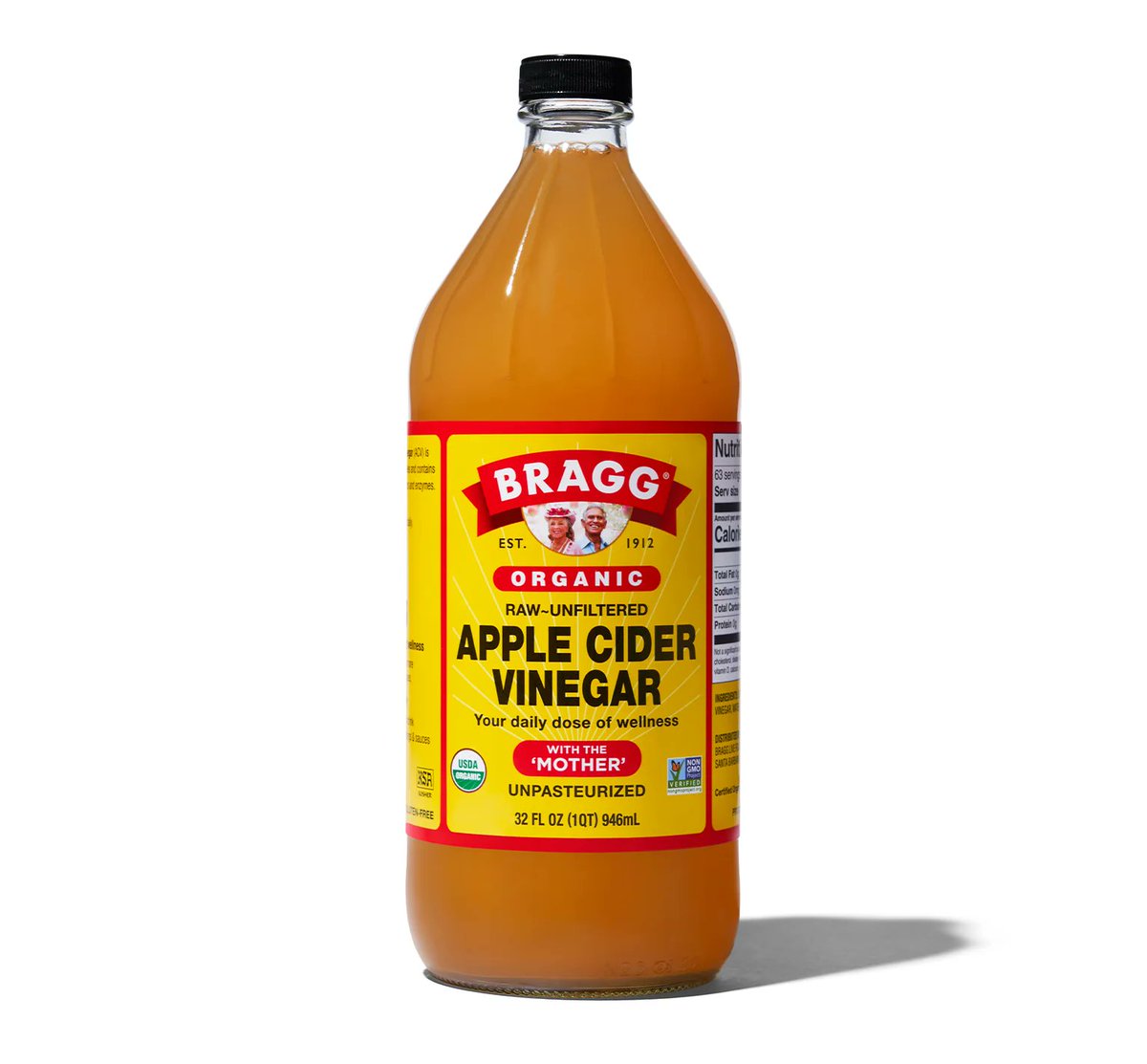
Vinegar reverses leptin resistance.
Through its effects on epigenetics, vinegar reduces inflammation in the hypothalamus.
Experimentally, this reverses obesity and insulin resistance, too.
More on vinegar benefits / how it works below.
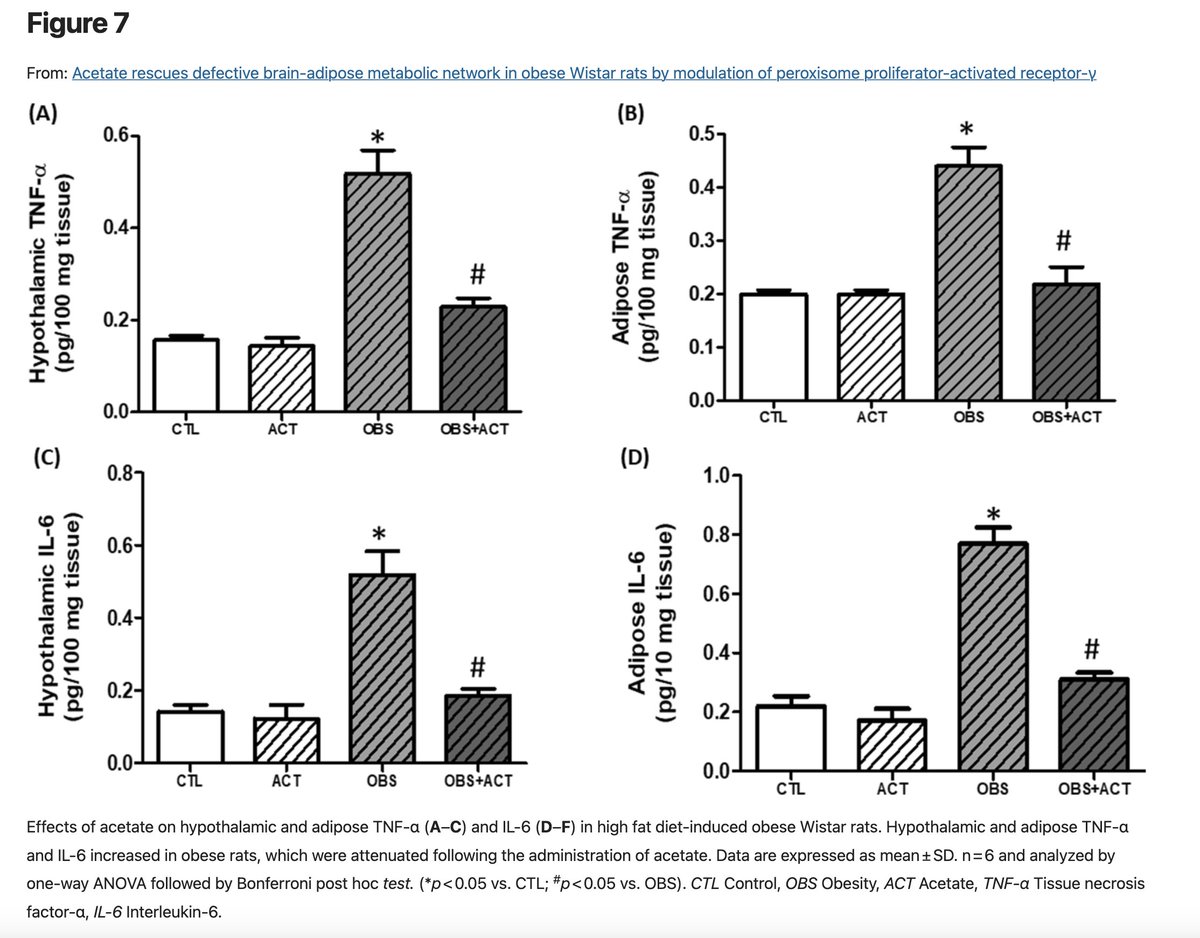
Through its effects on epigenetics, vinegar reduces inflammation in the hypothalamus.
Experimentally, this reverses obesity and insulin resistance, too.
More on vinegar benefits / how it works below.
Dalton (Analyze & Optimize)@Outdoctrination
The miracle medicine that’s sitting in your kitchen, and costs you almost nothing.
It sheds fat, improves insulin resistance, stops kidney stones, and might even turn cancer cells back to normal.
The benefits of VINEGAR will absolutely blow your mind:
It sheds fat, improves insulin resistance, stops kidney stones, and might even turn cancer cells back to normal.
The benefits of VINEGAR will absolutely blow your mind:
19
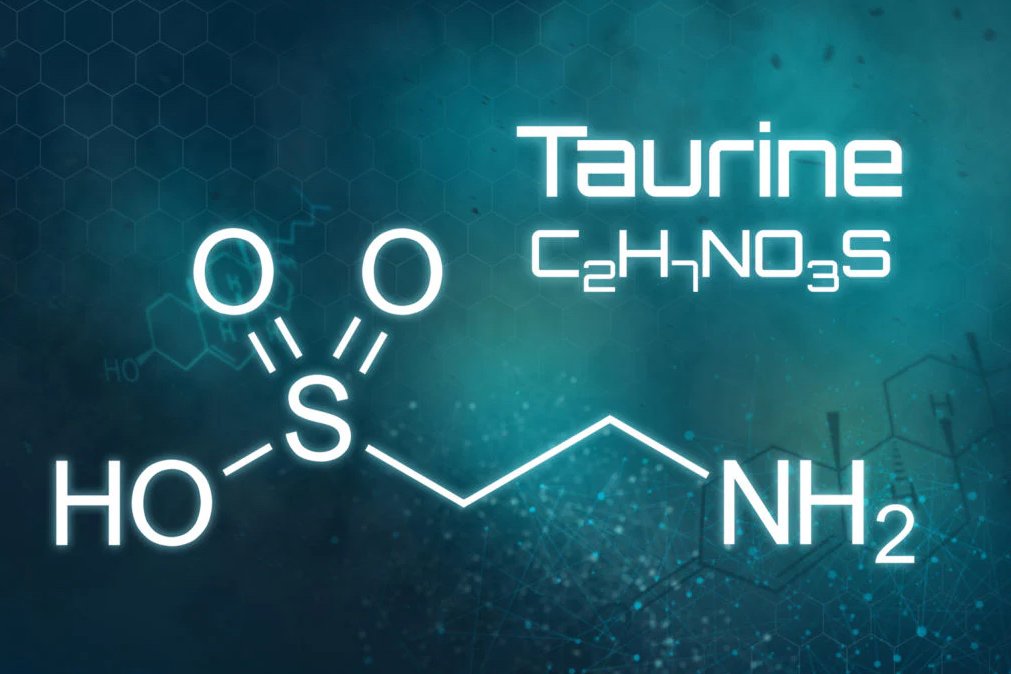
Taurine reverses leptin resistance.
◇ Anti-inflammatory
◇ Antioxidant
◇ Supports mitochondrial function
◇ Decreases endoplasmic reticulum stress
all of these are vital for restoring leptin function.
More on taurine and its benefits below.

◇ Anti-inflammatory
◇ Antioxidant
◇ Supports mitochondrial function
◇ Decreases endoplasmic reticulum stress
all of these are vital for restoring leptin function.
More on taurine and its benefits below.
Dalton (Analyze & Optimize)@Outdoctrination
The animal-based, anti-aging nutrient you aren't getting enough of.
It protects the brain, reduces inflammation, stress, insulin resistance, and might even grow your hair.
The benefits of TAURINE are boundless:
It protects the brain, reduces inflammation, stress, insulin resistance, and might even grow your hair.
The benefits of TAURINE are boundless:
20
TUDCA reverses leptin resistance.
TUDCA actually has the ability to aid in the folding of proteins after they are made.
A disruption in this process is what drives endoplasmic reticulum stress.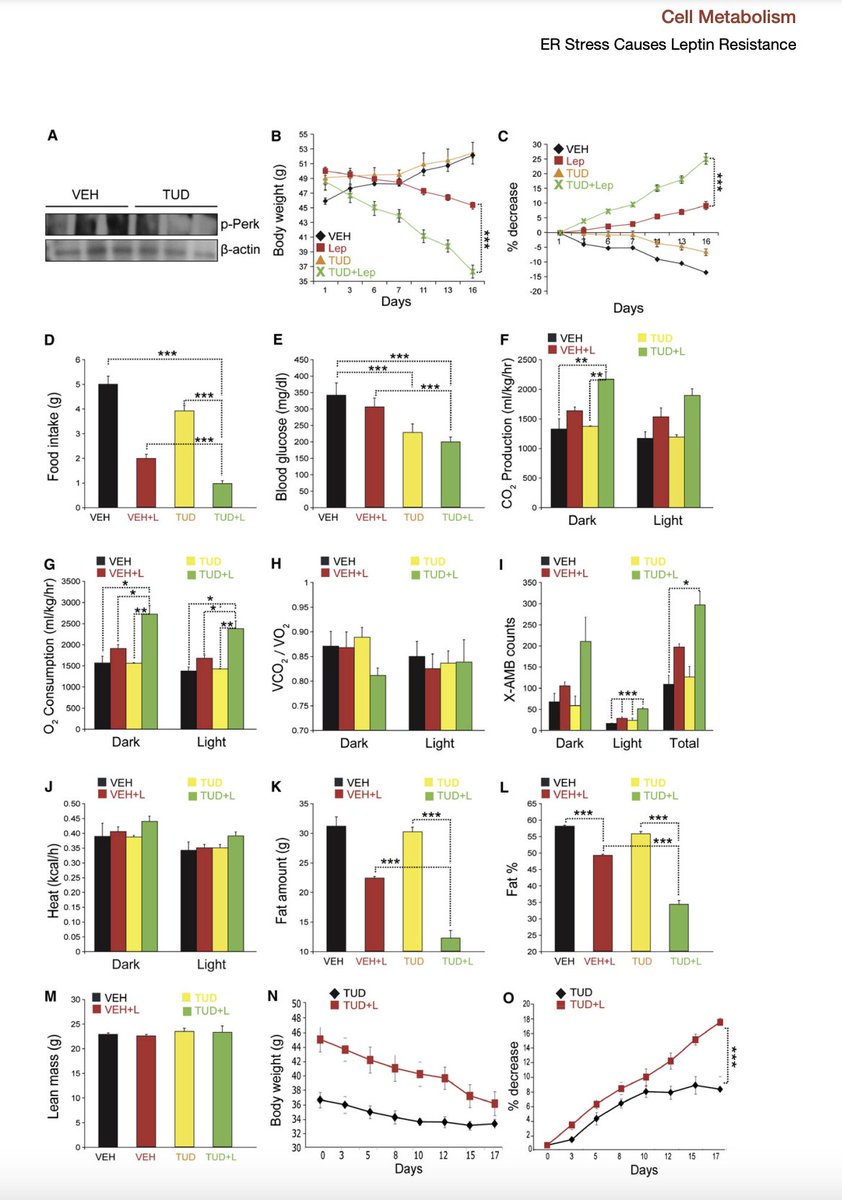
TUDCA actually has the ability to aid in the folding of proteins after they are made.
A disruption in this process is what drives endoplasmic reticulum stress.
21
Free fatty acids drive leptin resistance.
These are released from fat during stress, inflammation + obesity.
They drive inflammation in the hypothalamus + leptin resistance.
Aspirin prevents both free fatty acid release + inflammation.


These are released from fat during stress, inflammation + obesity.
They drive inflammation in the hypothalamus + leptin resistance.
Aspirin prevents both free fatty acid release + inflammation.
Dalton (Analyze & Optimize)@Outdoctrination
Modern medicine’s greatest contribution to the health of mankind.
It heals cancer, depression and is even a nootropic.
And it’s safe and cheap to boot.
Why ASPIRIN is so much more than a painkiller and a blood thinner:
It heals cancer, depression and is even a nootropic.
And it’s safe and cheap to boot.
Why ASPIRIN is so much more than a painkiller and a blood thinner:
22
Focusing on thyroid function directly is key as well, since leptin works in large part by improving thyroid function.
I've written more on that here:
I've written more on that here:
Dalton (Analyze & Optimize)@Outdoctrination
The ultimate supplement to boost your metabolism:
THYROID HORMONE - A complete guide
1. Symptoms you may be hypothyroid
Just to name a few:
• ALWAYS being tired
• Feeling COLD, especially at the extremities
• Slow / lethargic speech
• Stubborn weight gain
• Poor mood
• Puffy features: cheeks, love handles, general water retention
• Gynecomastia (man boobs)
• Muscular weakness
• Dry skin and hair
• Anxiety
• Hair loss
• Always being sick
Digestion is particularly responsive to thyroid hormone.
• Constipation or diarrhea
• Nausea
• Bacterial overgrowth
• Reflux
are all common in hypothyroidism.
Thyroid hormone is:
⬨ Key for gut regeneration, healing
⬨ Pro-motility
⬨ Vital for producing digestive enzymes
⬨ Required for producing stomach acid
⬨ Critical for gut immunity, gut barrier
2. Why labs are often misleading
TSH is the primary (and often only) metric a doctor will test for hypothyroidism.
A lower TSH should be indicative of higher thyroid hormone secretion, but it doesn't tell the full story.
For starters, TSH can be lowered by:
• Infection
• Trauma
• Cortisol
• Adrenaline
• Caffeine
• Fever
So a low TSH alone cannot rule out hypothyroidism.
The standard TSH reference range is also WAY too lenient (up to 5).
TSH >2 has been associated with:
• Heart disease
• High cortisol
Thyroid hormones:
• T4 (inactive)
• T3 (active, pro-metabolic)
• Reverse T3 (anti-metabolic)
can also be measured in the blood, but this doesn't tell the full story either.
These hormones must be transported through the blood, enter their target cells, and attach to the specific proteins in the cells that facilitate their actions.
Not as simple as thyroid in blood = thyroid activity.
Values of the “free” T3 and T4 can be misleading as well.
Thyroid hormones do not need to be "free" to exert their effects on various tissues, contrary the current medical dogma.
I still think testing can often be helpful, but you can certainly be hypothyroid while your labs look good on paper.
3. Diagnostics
An underarm temperature measured first thing in the morning, leaving the thermometer under the arm for 10 minutes to equilibrate, should start be >97.8°F.
Lower temperatures are highly indicative of hypothyroidism.
This was the gold standard thyroid test (along with aforementioned symptoms) that was successfully used to treat thousands of hypothyroid people before blood tests.
You can have “ideal” thyroid lab values yet be at the temperature of a hibernating bear.
A healthy resting pulse averaged 85 beats per minute, though Dr. Ward Dean has suggested between 65-75 is a good range.
If you eat carbs can and feel more tired and have lower temperature and pulse rate, this indicates a reliance on the stress hormones and a lack of thyroid function.
The response of the Achilles tendon when tapped was another assessment tool.
In a well-functioning thyroid, the foot would swing back energetically due to quick muscle relaxation.
but a slow, controlled return motion indicated potentially sluggish energy status, often a sign of hypothyroidism.
High cholesterol is another sign of hypothyroidism, while thyroid supplementation normalizes it.
4. NOT supplementing thyroid is unnatural
Consuming thyroid gland is as natural and "ancestral" as it gets.
Paleo researchers have stated that we probably consumed lots of thyroid gland throughout human history:
"the shift from scavenging towards hunting... would have increased thyroid gland consumption by hominins and thereby exogenous thyroid exposure."
"these Homo forebears started consuming small animals, such as amphibians, birds, and reptiles. This prey was consumed whole, and the animals’ thyroid glands thus provided a significant amount of thyroid hormone to their hominid predators."
"Nevertheless, tissues and organs (including thyroid glands) are commonly consumed by the primary hunters"
In fact, thyroid gland used to be in common foods like ground beef up until the mid 80s.
It is only recently when we stopped eating the whole animal, including the thyroid gland!
5. Using natural desiccated thyroid (NDT)
Desiccated thyroid comes from the thyroid glands of pigs or cows, and is the traditional way of supplanting thyroid hormones.
A grain (60 mg) is the unit of measurement for supplementation, containing ~40 mcg T4 + ~10 mcg T3.
A starting dose of a half grain is reasonable, and should be continued for 2-4 weeks before adjusting.
The hormones take around this long to stabilize.
As you use NDT, you should consistently track:
1. Morning temperature
2. Symptoms
Once you get to >97.8°F and symptoms resolve, the correct dose has been found.
The brand matters a lot. Many products seem to be unreliable, or outright useless.
That’s definitely been my experience. I’ve tried numerous products over the last few years.
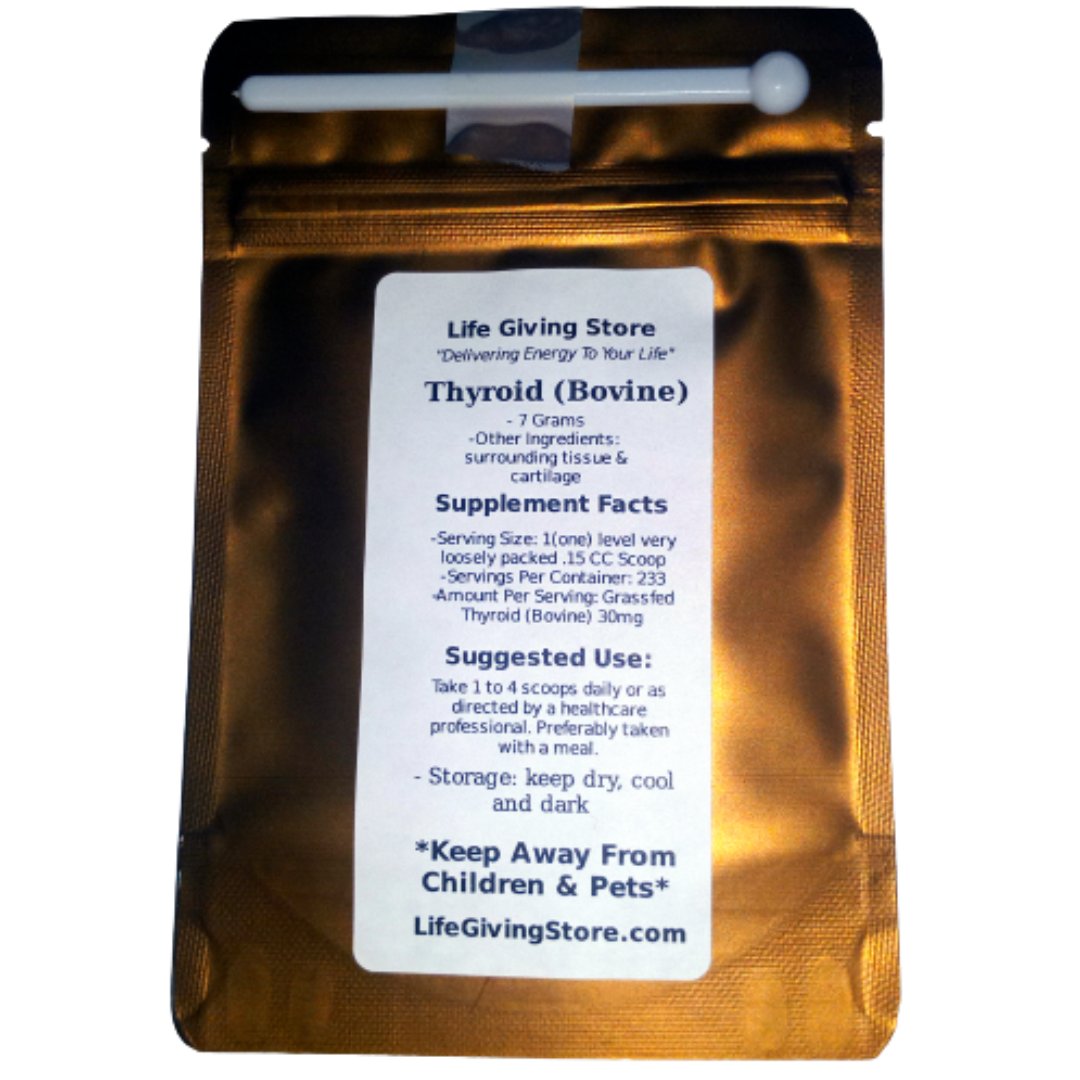
I'll link below the thyroid product I have been using recently for myself and with clients.
I would take it with food to slow the absorption, or even split into multiple doses with meals.
I prefer at dinner.
While some may require full replacement (4 to 5 grains), others find relief with as little as 15 mg (quarter grain).
Broda Barnes observed that his patients often required about two grains of thyroid to alleviate hypothyroid symptoms, occasionally needing more.
If you experience
• Too fast of a heart rate
• Palpitations,
• Anxiety,
• Overheating
• Fatigue
• Shaky feelings
then you might have taken too much thyroid.
The amount taken should be reduced or discontinued entirely.
Effects of over stimulation should resolve in a few hours.
This type of response can also indicate low cholesterol or an issue with liver function, two systems that the thyroid depends on to do its good.
You may also need more nutrients, as the increased metabolic rate demands more resources.
Eat your liver, egg yolks, and oysters.
Many people who should be candidates for supplementation find that thyroid does nothing for them, no matter how much they take.
In my experience, this always seems to be tied to an issue with the gut.
I would try to address this first.
Or, you just may not need it at all. You may need to address other factors.
Of course, supplementing thyroid is not the ONLY way to improve thyroid function, but it seems like an appropriate strategy when other factors have been addressed.
THYROID HORMONE - A complete guide
1. Symptoms you may be hypothyroid
Just to name a few:
• ALWAYS being tired
• Feeling COLD, especially at the extremities
• Slow / lethargic speech
• Stubborn weight gain
• Poor mood
• Puffy features: cheeks, love handles, general water retention
• Gynecomastia (man boobs)
• Muscular weakness
• Dry skin and hair
• Anxiety
• Hair loss
• Always being sick
Digestion is particularly responsive to thyroid hormone.
• Constipation or diarrhea
• Nausea
• Bacterial overgrowth
• Reflux
are all common in hypothyroidism.
Thyroid hormone is:
⬨ Key for gut regeneration, healing
⬨ Pro-motility
⬨ Vital for producing digestive enzymes
⬨ Required for producing stomach acid
⬨ Critical for gut immunity, gut barrier
2. Why labs are often misleading
TSH is the primary (and often only) metric a doctor will test for hypothyroidism.
A lower TSH should be indicative of higher thyroid hormone secretion, but it doesn't tell the full story.
For starters, TSH can be lowered by:
• Infection
• Trauma
• Cortisol
• Adrenaline
• Caffeine
• Fever
So a low TSH alone cannot rule out hypothyroidism.
The standard TSH reference range is also WAY too lenient (up to 5).
TSH >2 has been associated with:
• Heart disease
• High cortisol
Thyroid hormones:
• T4 (inactive)
• T3 (active, pro-metabolic)
• Reverse T3 (anti-metabolic)
can also be measured in the blood, but this doesn't tell the full story either.
These hormones must be transported through the blood, enter their target cells, and attach to the specific proteins in the cells that facilitate their actions.
Not as simple as thyroid in blood = thyroid activity.
Values of the “free” T3 and T4 can be misleading as well.
Thyroid hormones do not need to be "free" to exert their effects on various tissues, contrary the current medical dogma.
I still think testing can often be helpful, but you can certainly be hypothyroid while your labs look good on paper.
3. Diagnostics
An underarm temperature measured first thing in the morning, leaving the thermometer under the arm for 10 minutes to equilibrate, should start be >97.8°F.
Lower temperatures are highly indicative of hypothyroidism.
This was the gold standard thyroid test (along with aforementioned symptoms) that was successfully used to treat thousands of hypothyroid people before blood tests.
You can have “ideal” thyroid lab values yet be at the temperature of a hibernating bear.
A healthy resting pulse averaged 85 beats per minute, though Dr. Ward Dean has suggested between 65-75 is a good range.
If you eat carbs can and feel more tired and have lower temperature and pulse rate, this indicates a reliance on the stress hormones and a lack of thyroid function.
The response of the Achilles tendon when tapped was another assessment tool.
In a well-functioning thyroid, the foot would swing back energetically due to quick muscle relaxation.
but a slow, controlled return motion indicated potentially sluggish energy status, often a sign of hypothyroidism.
High cholesterol is another sign of hypothyroidism, while thyroid supplementation normalizes it.
4. NOT supplementing thyroid is unnatural
Consuming thyroid gland is as natural and "ancestral" as it gets.
Paleo researchers have stated that we probably consumed lots of thyroid gland throughout human history:
"the shift from scavenging towards hunting... would have increased thyroid gland consumption by hominins and thereby exogenous thyroid exposure."
"these Homo forebears started consuming small animals, such as amphibians, birds, and reptiles. This prey was consumed whole, and the animals’ thyroid glands thus provided a significant amount of thyroid hormone to their hominid predators."
"Nevertheless, tissues and organs (including thyroid glands) are commonly consumed by the primary hunters"
In fact, thyroid gland used to be in common foods like ground beef up until the mid 80s.
It is only recently when we stopped eating the whole animal, including the thyroid gland!
5. Using natural desiccated thyroid (NDT)
Desiccated thyroid comes from the thyroid glands of pigs or cows, and is the traditional way of supplanting thyroid hormones.
A grain (60 mg) is the unit of measurement for supplementation, containing ~40 mcg T4 + ~10 mcg T3.
A starting dose of a half grain is reasonable, and should be continued for 2-4 weeks before adjusting.
The hormones take around this long to stabilize.
As you use NDT, you should consistently track:
1. Morning temperature
2. Symptoms
Once you get to >97.8°F and symptoms resolve, the correct dose has been found.
The brand matters a lot. Many products seem to be unreliable, or outright useless.
That’s definitely been my experience. I’ve tried numerous products over the last few years.
I'll link below the thyroid product I have been using recently for myself and with clients.
I would take it with food to slow the absorption, or even split into multiple doses with meals.
I prefer at dinner.
While some may require full replacement (4 to 5 grains), others find relief with as little as 15 mg (quarter grain).
Broda Barnes observed that his patients often required about two grains of thyroid to alleviate hypothyroid symptoms, occasionally needing more.
If you experience
• Too fast of a heart rate
• Palpitations,
• Anxiety,
• Overheating
• Fatigue
• Shaky feelings
then you might have taken too much thyroid.
The amount taken should be reduced or discontinued entirely.
Effects of over stimulation should resolve in a few hours.
This type of response can also indicate low cholesterol or an issue with liver function, two systems that the thyroid depends on to do its good.
You may also need more nutrients, as the increased metabolic rate demands more resources.
Eat your liver, egg yolks, and oysters.
Many people who should be candidates for supplementation find that thyroid does nothing for them, no matter how much they take.
In my experience, this always seems to be tied to an issue with the gut.
I would try to address this first.
Or, you just may not need it at all. You may need to address other factors.
Of course, supplementing thyroid is not the ONLY way to improve thyroid function, but it seems like an appropriate strategy when other factors have been addressed.
23
These are all good places to start, but solving the inflammation / stress / metabolism puzzle can be tricky on your own.
If YOU want personalized help from us with your health, click where it says “schedule a free call” here: prism.miami
If YOU want personalized help from us with your health, click where it says “schedule a free call” here: prism.miami
24
Thank you for reading through this. Hopefully it was helpful / interesting. Consider reposting it if it was.
Be sure to check out all of our content, supplements, ways to donate and consulting options at analyzeandoptimize.io
Be sure to check out all of our content, supplements, ways to donate and consulting options at analyzeandoptimize.io