Frequent egg consumption is associated with a lower risk of...

Nicholas Fabiano, MD@NTFabiano
50 views
Feb 17, 2025
~2 min read
Advertisement
1
Frequent egg consumption is associated with a lower risk of Alzheimer’s dementia.
🧵1/12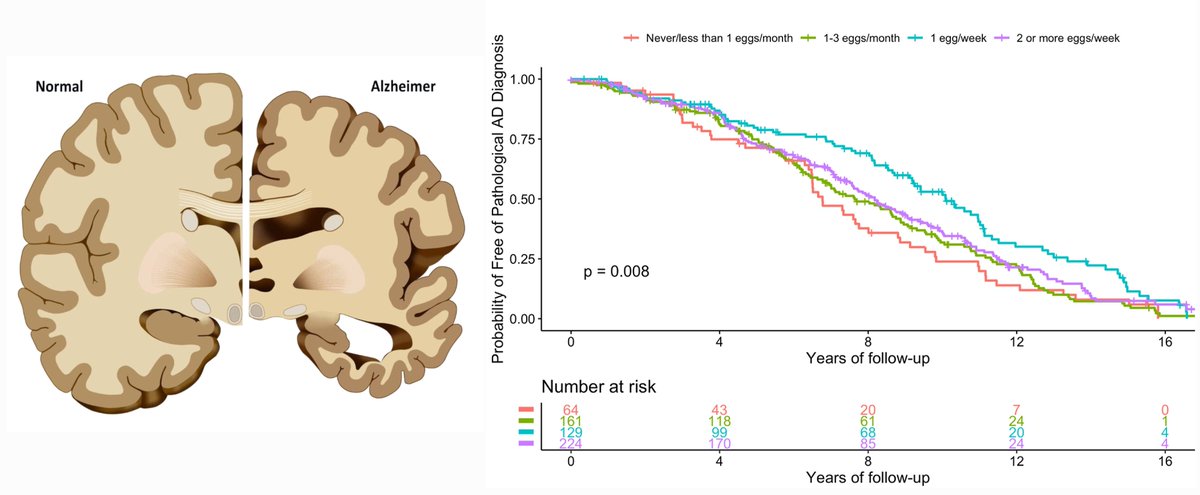
🧵1/12
2
These findings are from a study in @Els_Nutrition which examined the association of egg consumption with Alzheimer’s dementia risk. sciencedirect.com/science/articl… 2/12
3
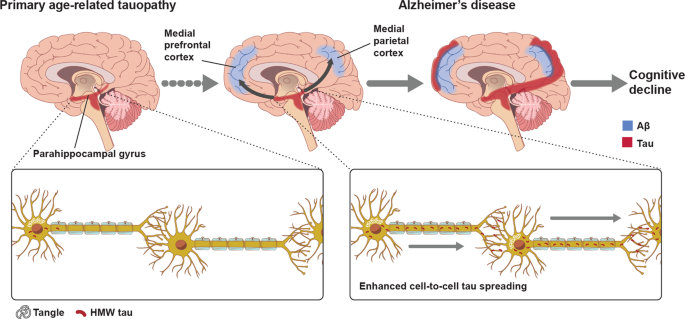
The neuropathology of Alzheimer’s disease is an imbalance between the production and clearance of amyloid-β (Aβ) peptides in the brain that results in the accumulation and aggregation of Aβ plaques, soluble Aβ oligomers, and intraneuronal Aβ cause injury to synapses. 3/12
4
The toxicity of Aβ is dependent on the presence of microtubule-associated protein tau and hyperphosphorylated forms that aggregate and deposit in the brain as neurofibrillary tangles. 4/12
5
This persistent accumulation ultimately leads to cholinergic neurodegeneration and resultant dementia. 5/12
6
Egg yolks are a rich dietary source of choline, omega (ω)-3 fatty acids, lutein, and other nutrients thought to affect cognitive health. 6/12
7
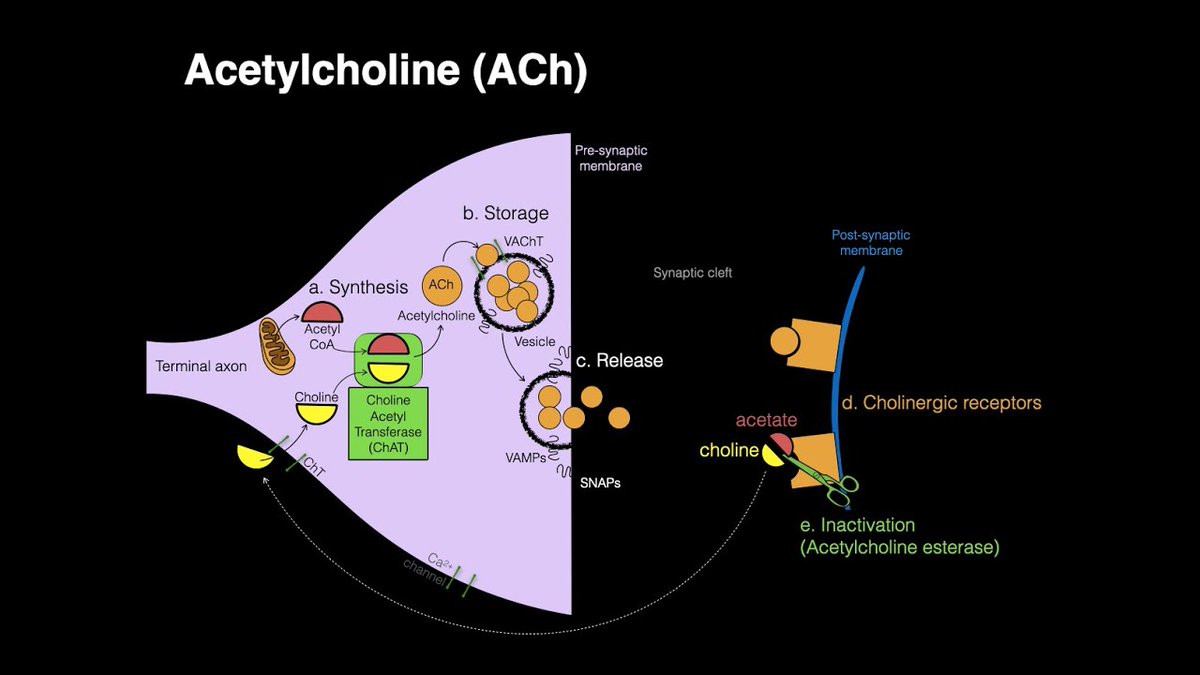
They are the top food source of choline, an essential nutrient that is a precursor to the neurotransmitter acetylcholine and a critical component to many phospholipids that comprise cell membranes. 7/12
8
Dietary intake of choline has been hypothesized to rescue this loss in cholinergic function; evidence suggests that ω-3 fatty acids have the potential to modulate a number of molecular and cellular processes that affect brain and visual health and inflammatory reactions. 8/12
9
Weekly consumption of >1 egg/wk (hazard ratio [HR]: 0.53; 95% confidence interval [CI]: 0.34, 0.83) and ≥2 eggs/wk (HR: 0.53; 95% CI: 0.35, 0.81) was associated with a decreased risk of Alzheimer’s dementia. 9/12
10
Subgroup analysis of brain autopsies from 578 deceased participants showed that intakes of >1 egg/wk (HR: 0.51; 95% CI: 0.35, 0.76) and ≥2 eggs/wk (HR: 0.62; 95% CI: 0.44, 0.90) were associated with a lower risk of Alzheimer’s disease pathology in the brain. 10/12
11
Mediation analysis showed that 39% of the total effect of egg intake on incident Alzheimer’s dementia was mediated through dietary choline. 11/12
12
Overall, these findings suggest that frequent egg consumption is associated with a lower risk of Alzheimer’s dementia and disease pathology, and the association with Alzheimer’s dementia is partially mediated through dietary choline. 12/12
13
Read more about risk factors for dementia:

Nicholas Fabiano, MD@NTFabiano
153 million people will be living with dementia by 2050.
This figure can be cut in half by addressing these 14 risk factors.🧵
This figure can be cut in half by addressing these 14 risk factors.🧵
14
If you like eggs, checkout this experiment by @nicknorwitz whereby he ate 720 eggs in a month.

Nick Norwitz MD PhD@nicknorwitz
I just completed an Eggs-treme experiment: eating 720 eggs in a month—averaging one egg per hour for a whole month🥚
Here's what happened:
↔️First 2 weeks: my LDL cholesterol was stable
⬇️Final 2 weeks, my LDL cholesterol DROPPED by 18%
These results were possible, even predictable, given
understanding of physiology - related to carbohydrates, a recently discovered hormone (cholesin), and the Lipid Energy Model - and it's application to my own metabolic context
🙉Call the concept clickbait if you’d like, but I prefer to think about it as the application of interesting physiology to provoke curiosity and make learning about metabolism more “sticky.”
⚠️Warning: do not watch this video if you dislike puns. This science and these data will certainly 'scramble' your brain
Here's what happened:
↔️First 2 weeks: my LDL cholesterol was stable
⬇️Final 2 weeks, my LDL cholesterol DROPPED by 18%
These results were possible, even predictable, given
understanding of physiology - related to carbohydrates, a recently discovered hormone (cholesin), and the Lipid Energy Model - and it's application to my own metabolic context
🙉Call the concept clickbait if you’d like, but I prefer to think about it as the application of interesting physiology to provoke curiosity and make learning about metabolism more “sticky.”
⚠️Warning: do not watch this video if you dislike puns. This science and these data will certainly 'scramble' your brain
15
For clarification, here is the KM plot with (A) clinical diagnosis and (B) pathological diagnosis of Alzheimer's disease

16
Who had eggs for breakfast today?

