In 1964, a young University of Michigan anthropologist went to live...

Students For Liberty@sfliberty
41 views
Sep 29, 2026
~4 min read
Advertisement
1
In 1964, a young University of Michigan anthropologist went to live with a tribe untouched by modernity.
What he found destroyed the noble savage myth.
Then his own discipline spent the next four decades trying to destroy him for publishing it. 🧵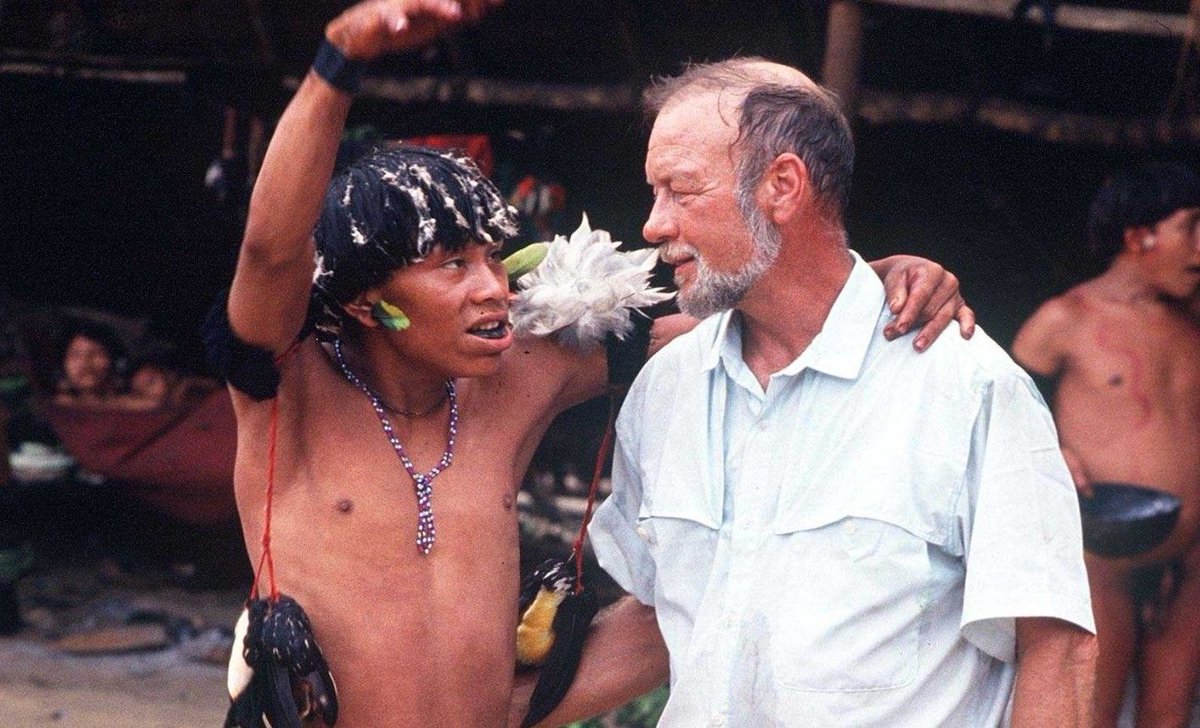
What he found destroyed the noble savage myth.
Then his own discipline spent the next four decades trying to destroy him for publishing it. 🧵
2
The field was long dominated by a myth.
Postwar anthropology, inspired by Rousseau and Marx, held that "savages" were peaceful and cooperative. Violence, hierarchy, and inequality were supposed to be diseases of civilization, invented by property, colonization, and markets. Abolish those, and the natural harmony of man would return.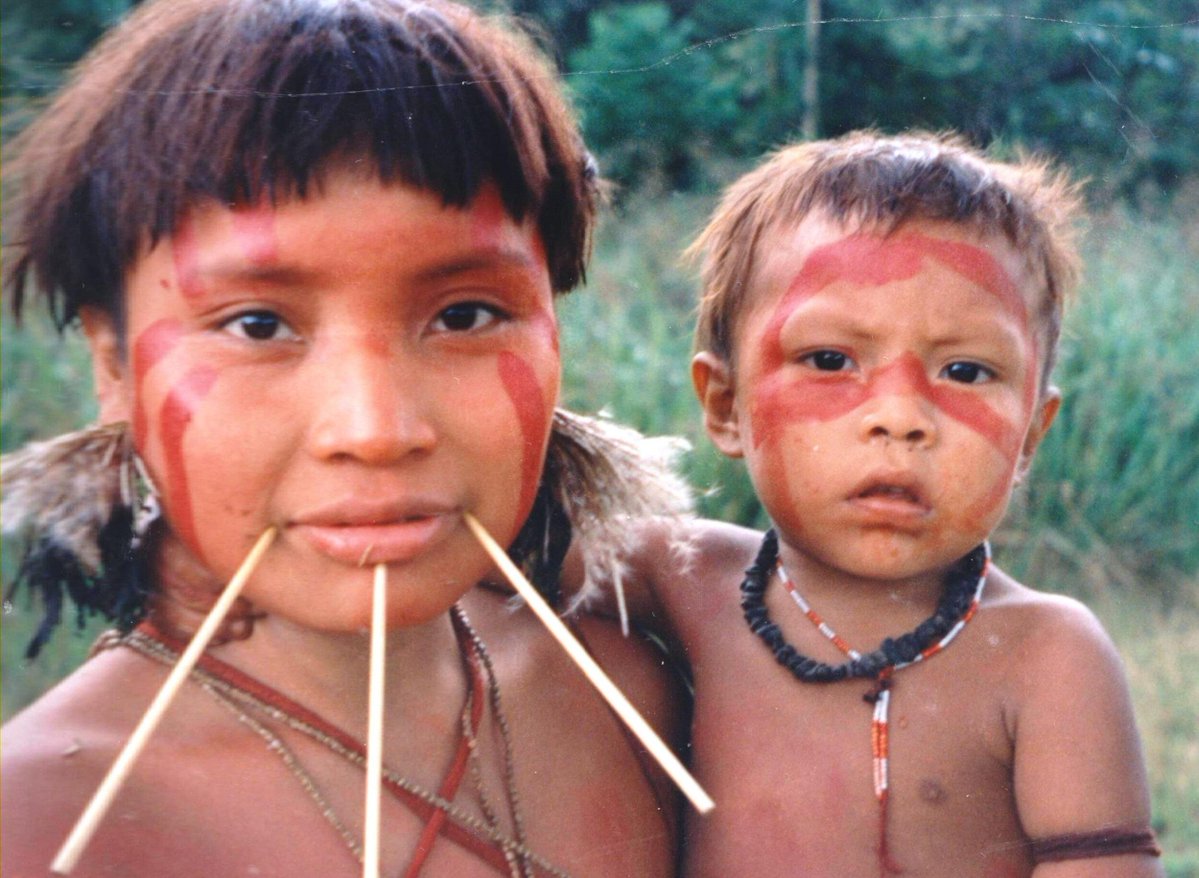
Postwar anthropology, inspired by Rousseau and Marx, held that "savages" were peaceful and cooperative. Violence, hierarchy, and inequality were supposed to be diseases of civilization, invented by property, colonization, and markets. Abolish those, and the natural harmony of man would return.
3
Then a kid from rural Michigan went to check.
In 1964, Napoleon Chagnon, one of twelve children from a poor family in Port Austin, traveled to the Venezuela–Brazil border. He went to live with the Yanomamö, roughly 20,000 people scattered across the Amazon rainforest, largely untouched by the state, by markets, or by modernity.
He would return nearly thirty times over the next three decades. His 1968 book, Yanomamö: The Fierce People, sold nearly a million copies and was translated into fifteen languages.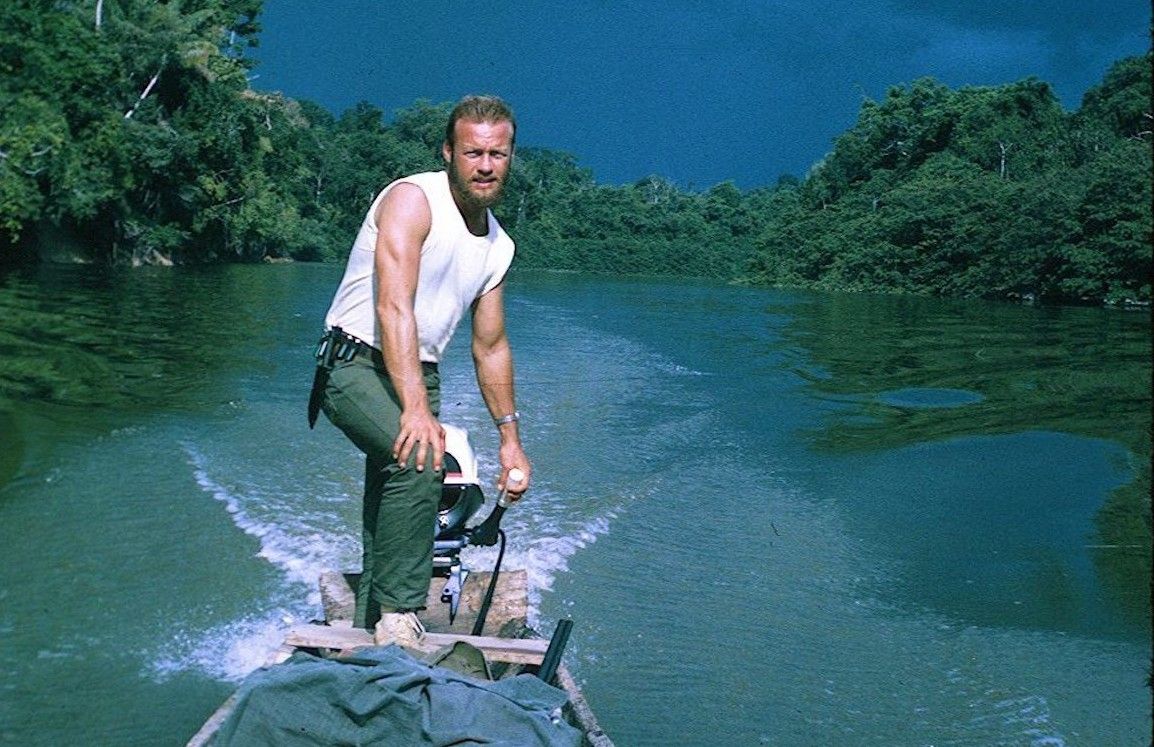
In 1964, Napoleon Chagnon, one of twelve children from a poor family in Port Austin, traveled to the Venezuela–Brazil border. He went to live with the Yanomamö, roughly 20,000 people scattered across the Amazon rainforest, largely untouched by the state, by markets, or by modernity.
He would return nearly thirty times over the next three decades. His 1968 book, Yanomamö: The Fierce People, sold nearly a million copies and was translated into fifteen languages.
4
But this is what he actually found:
Raids between villages were routine. Infanticide was common. Women were regularly abducted and traded after violent conflict. Headmen, as a rule, were killers.
Chagnon mapped Yanomamö genealogies using early computer methods, learned the language, and lived inside the villages for months at a stretch. The data was not hearsay.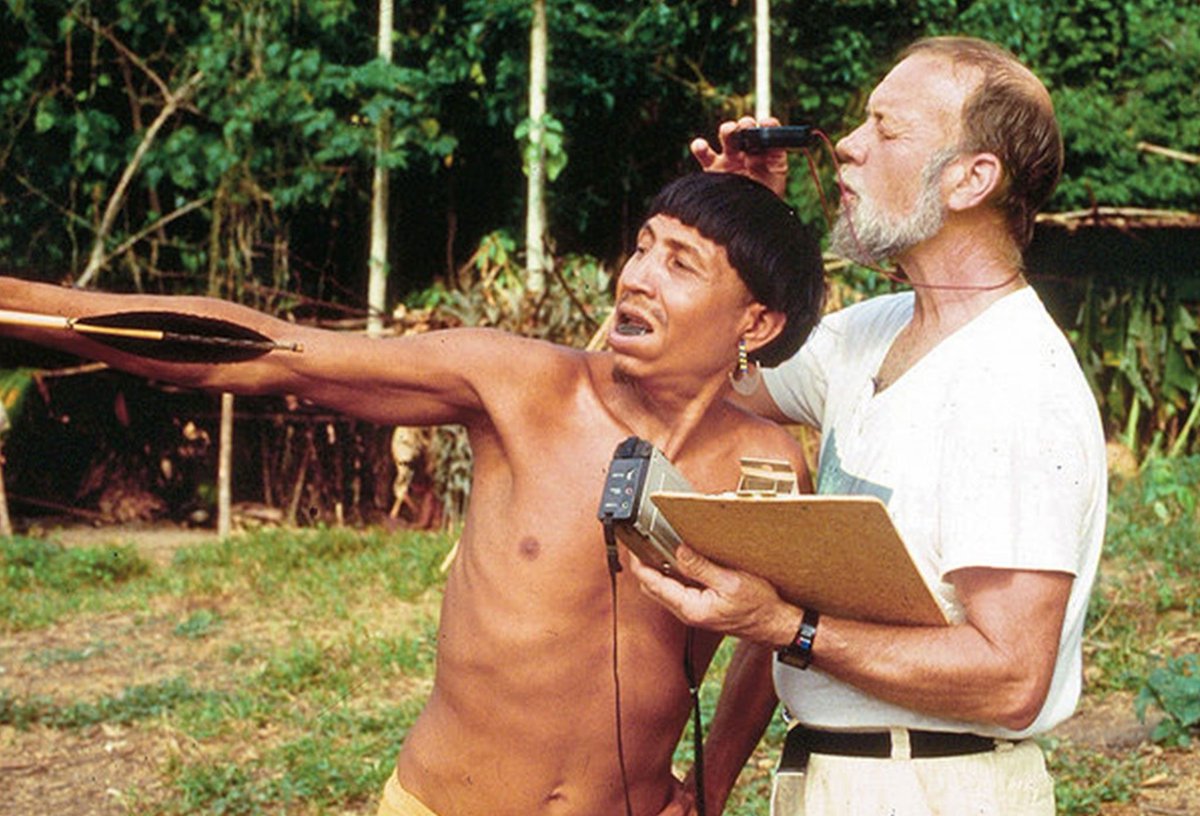
Raids between villages were routine. Infanticide was common. Women were regularly abducted and traded after violent conflict. Headmen, as a rule, were killers.
Chagnon mapped Yanomamö genealogies using early computer methods, learned the language, and lived inside the villages for months at a stretch. The data was not hearsay.
5
A particular finding broke the field.
In a 1988 paper in Science, Chagnon documented that the unokais, men who had killed in raids, had on average more wives and more surviving offspring than non-violent men of the same age.
In a state of nature, violence was being reproductively selected for. The Rousseauian premise ran backwards.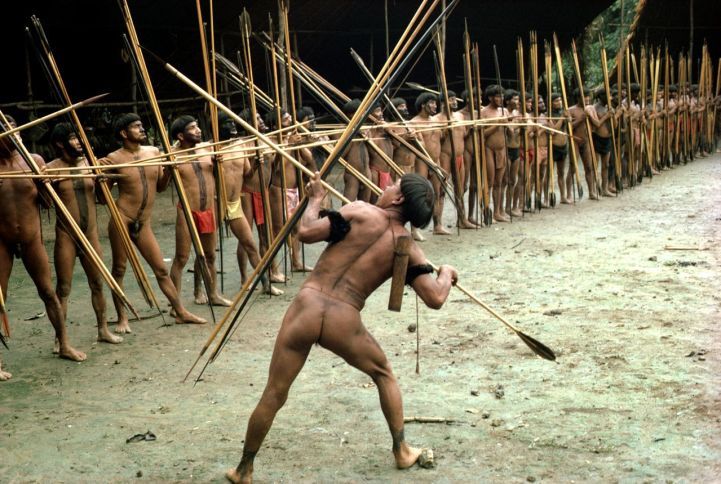
In a 1988 paper in Science, Chagnon documented that the unokais, men who had killed in raids, had on average more wives and more surviving offspring than non-violent men of the same age.
In a state of nature, violence was being reproductively selected for. The Rousseauian premise ran backwards.
6
If violence, hierarchy, and inequality were what civilization produces, they should be rare where civilization is absent.
Chagnon found the opposite.
Where the state, the market, and modern institutions had never arrived, up to 30% of adult male deaths were violent. The men who killed were the men whose lineages survived. In the modern United States that figure is under 1%.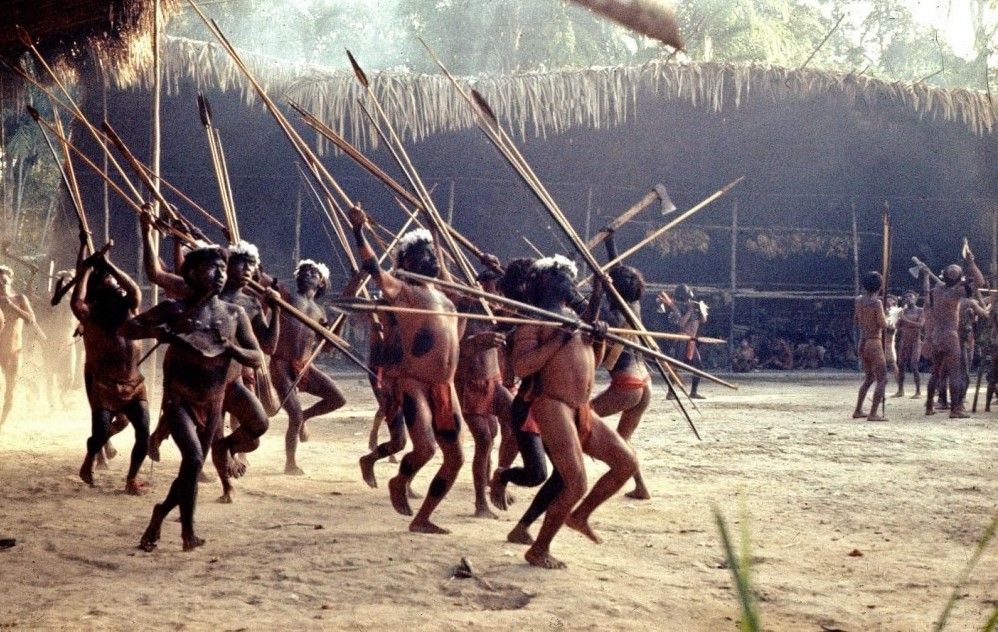
Chagnon found the opposite.
Where the state, the market, and modern institutions had never arrived, up to 30% of adult male deaths were violent. The men who killed were the men whose lineages survived. In the modern United States that figure is under 1%.
7
The reaction was immediate. Marshall Sahlins, one of Chagnon's former graduate teachers at Michigan, turned on him.
Terence Turner and Leslie Sponsel circulated a warning to the American Anthropological Association (AAA) describing "an anthropological heart of darkness beyond the imagining of even a Joseph Conrad, though not, perhaps, a Joseph Mengele." Salesian missionaries in the region joined the coalition.
What Chagnon had found could not be answered on its merits, so the man who found it became the target instead.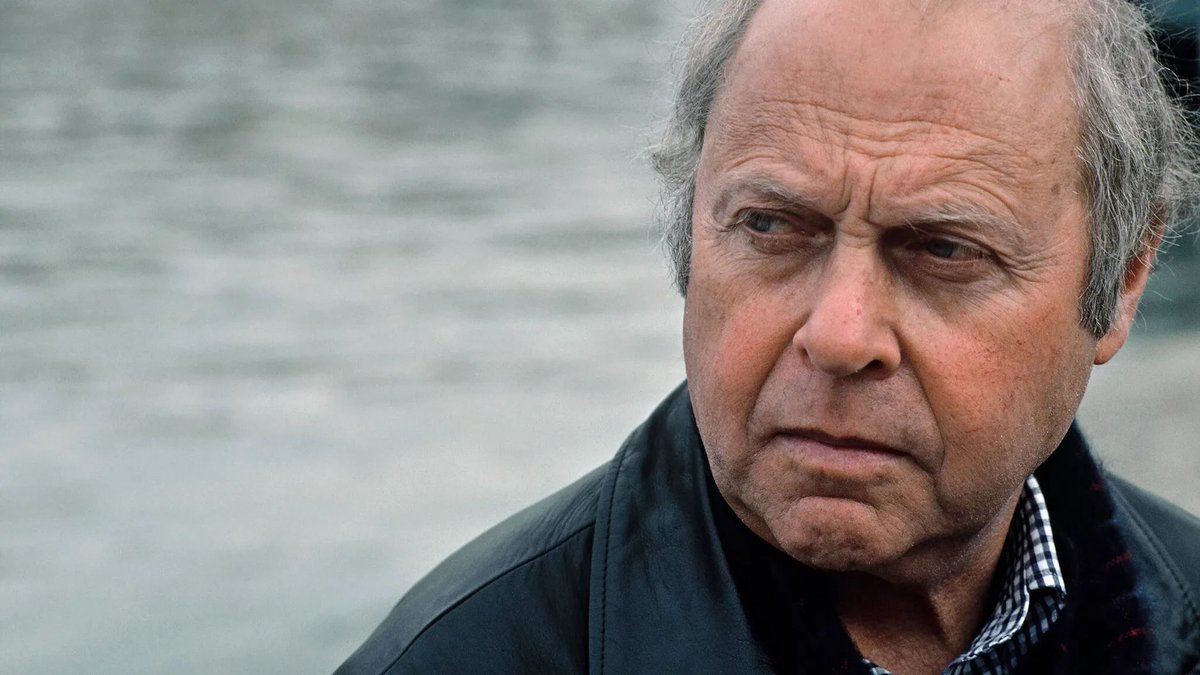
Terence Turner and Leslie Sponsel circulated a warning to the American Anthropological Association (AAA) describing "an anthropological heart of darkness beyond the imagining of even a Joseph Conrad, though not, perhaps, a Joseph Mengele." Salesian missionaries in the region joined the coalition.
What Chagnon had found could not be answered on its merits, so the man who found it became the target instead.
8
Then came the book that ended him.
In 2000, journalist Patrick Tierney published Darkness in El Dorado. He accused Chagnon of triggering a measles epidemic through vaccine experimentation, arming rival factions to stage conflicts on film, cooking his data, and behaving as "a war criminal or even a genocidaire."
The New Yorker ran Tierney's companion article the same month. Chagnon's career effectively ended before any serious investigation reached a verdict.
In 2000, journalist Patrick Tierney published Darkness in El Dorado. He accused Chagnon of triggering a measles epidemic through vaccine experimentation, arming rival factions to stage conflicts on film, cooking his data, and behaving as "a war criminal or even a genocidaire."
The New Yorker ran Tierney's companion article the same month. Chagnon's career effectively ended before any serious investigation reached a verdict.
9
But every serious charge eventually collapsed.
The vaccine complied with WHO protocols. The measles epidemic predated Chagnon's arrival. Venezuelan physicians, the Rockefeller Foundation, the University of Michigan, the American Society of Human Genetics, and the U.S. Department of Health each investigated.
Each reached the same verdict: no crime, no cover-up, no fraud. Jane Hill, who chaired the AAA's own inquiry, wrote privately that Tierney's book was "a piece of sleaze, that's all there is to it."
The vaccine complied with WHO protocols. The measles epidemic predated Chagnon's arrival. Venezuelan physicians, the Rockefeller Foundation, the University of Michigan, the American Society of Human Genetics, and the U.S. Department of Health each investigated.
Each reached the same verdict: no crime, no cover-up, no fraud. Jane Hill, who chaired the AAA's own inquiry, wrote privately that Tierney's book was "a piece of sleaze, that's all there is to it."
10
The AAA task force issued its own report in 2002 anyway, condemning Chagnon for prioritizing his research over the Yanomamö.
Raymond Hames had already resigned from the panel mid-inquiry, and Sarah Blaffer Hrdy, a National Academy of Sciences member, quit the AAA in protest.
Three years later, the AAA membership voted to rescind the report.
In 2012, Chagnon was elected to the National Academy of Sciences. The following year, Sahlins resigned from the Academy over it.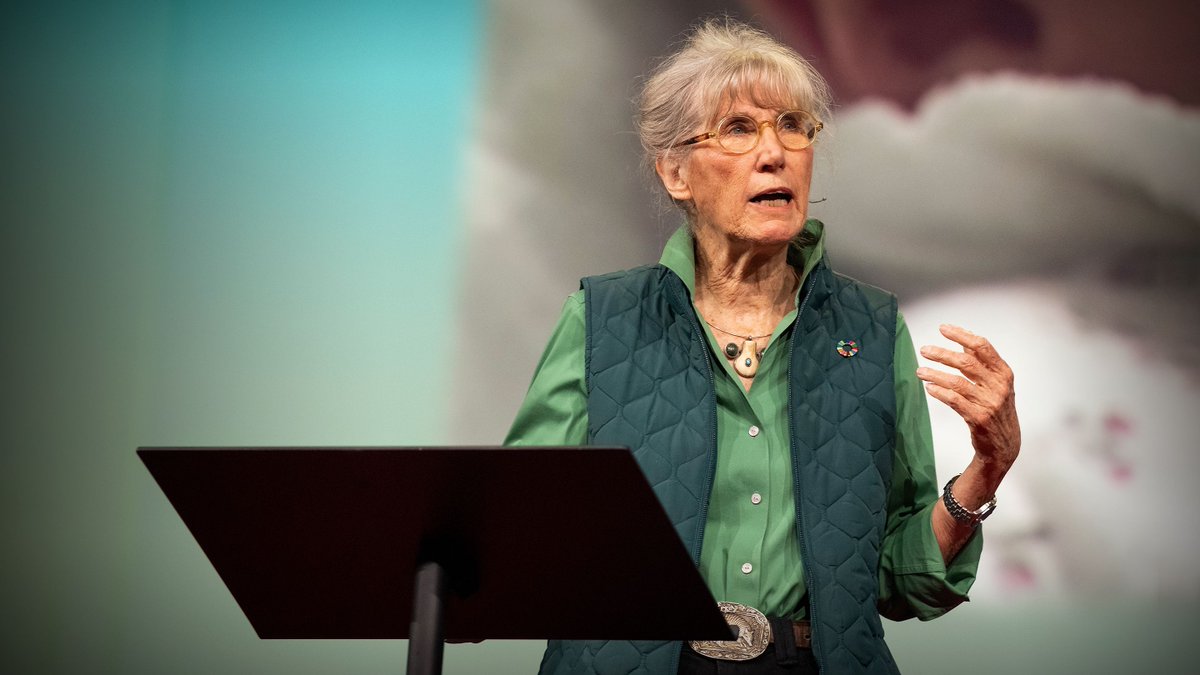
Raymond Hames had already resigned from the panel mid-inquiry, and Sarah Blaffer Hrdy, a National Academy of Sciences member, quit the AAA in protest.
Three years later, the AAA membership voted to rescind the report.
In 2012, Chagnon was elected to the National Academy of Sciences. The following year, Sahlins resigned from the Academy over it.
11
The noble savage myth outlived the twentieth century's political movements.
Today it powers the decolonial framework that dominates the humanities and much of political discourse. The claim is unchanged: violence, hierarchy, and inequality are artifacts of property, civilization, and colonization, and would vanish once those were abolished.
Three decades of Chagnon's evidence showed the claim was wrong.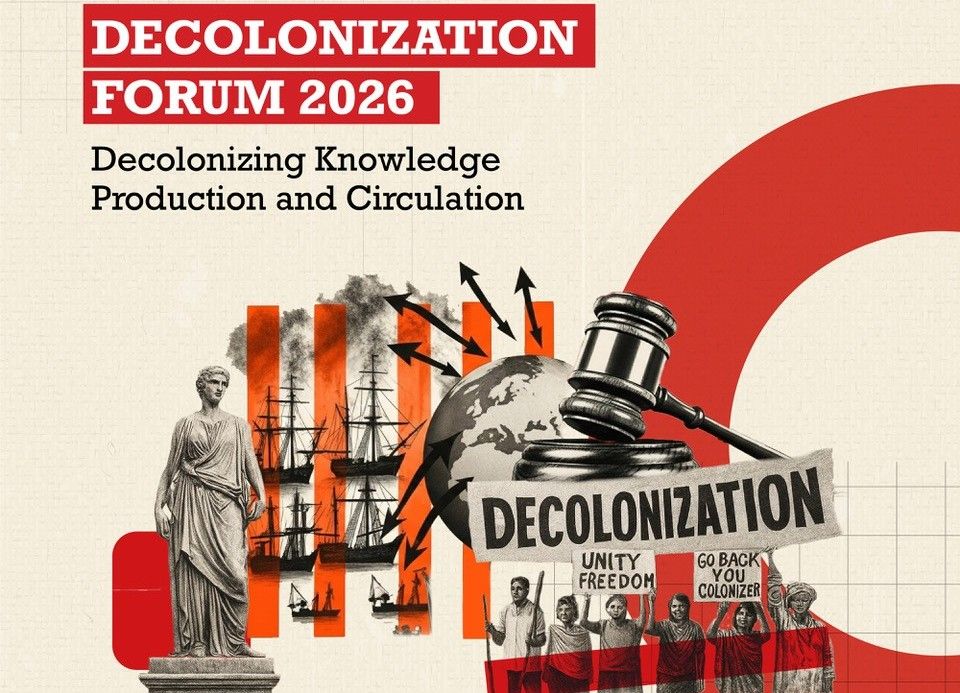
Today it powers the decolonial framework that dominates the humanities and much of political discourse. The claim is unchanged: violence, hierarchy, and inequality are artifacts of property, civilization, and colonization, and would vanish once those were abolished.
Three decades of Chagnon's evidence showed the claim was wrong.
12
In the absence of the institutions the utopians wanted to destroy, human beings behaved more violently than within them.
The discipline that could not answer his data answered his character instead.
That is what an intellectual monoculture does when evidence contradicts its premises. It goes after whoever brought the evidence.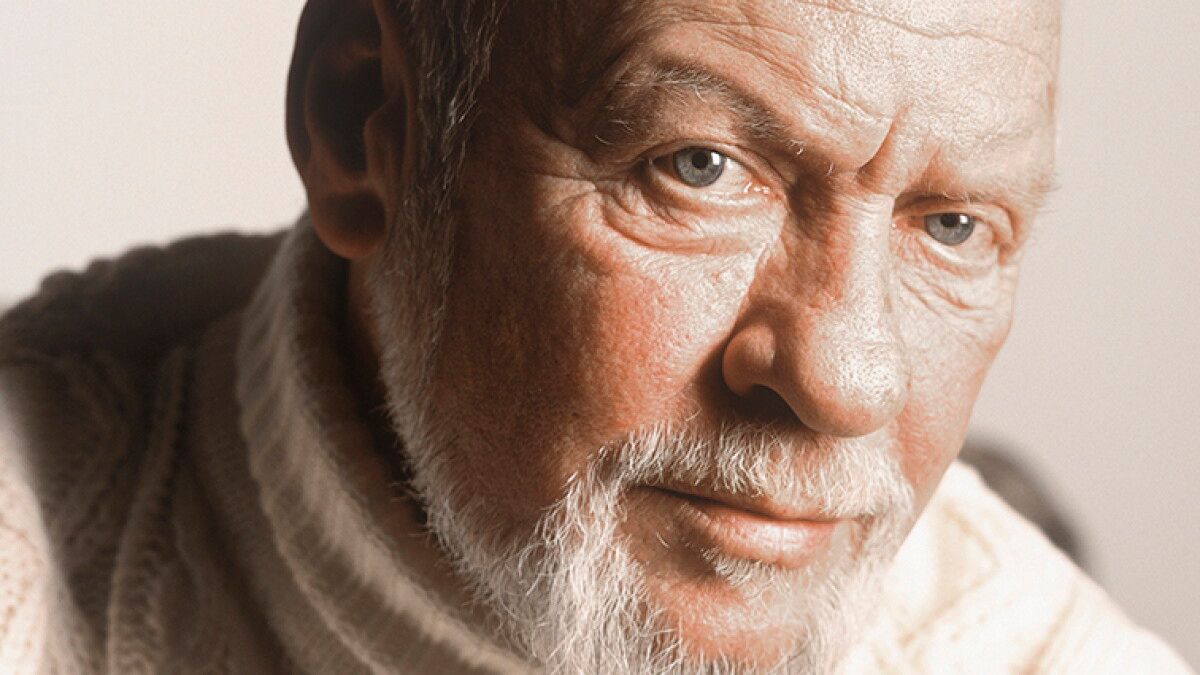
The discipline that could not answer his data answered his character instead.
That is what an intellectual monoculture does when evidence contradicts its premises. It goes after whoever brought the evidence.