In 1952, a young novelist in London joined the British Communist...

Students For Liberty@sfliberty
3 views
Oct 01, 2026
~4 min read
Advertisement
1
In 1952, a young novelist in London joined the British Communist Party because she believed communism was the anti-fascist inheritance of her generation.
Four years later, Moscow broke that belief twice: first with a speech, then with tanks.
The novel she wrote next helped win her a Nobel Prize. 🧵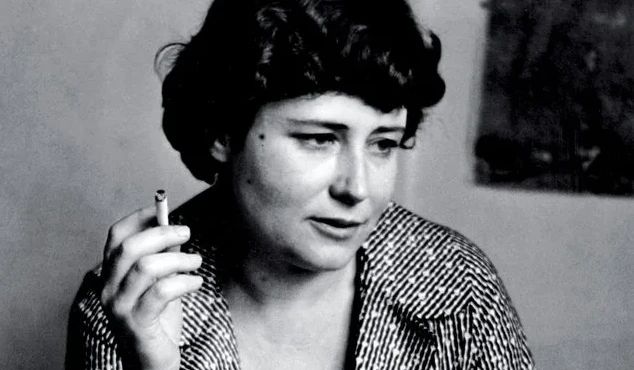
Four years later, Moscow broke that belief twice: first with a speech, then with tanks.
The novel she wrote next helped win her a Nobel Prize. 🧵
2
Her name was Doris Lessing. She grew up in Southern Rhodesia (today's Zimbabwe) and had been in Marxist circles there since the early 1940s.
Her first novel, The Grass Is Singing (1950), was about racism in white-ruled Rhodesia. Communism looked to her like the side that took injustice seriously.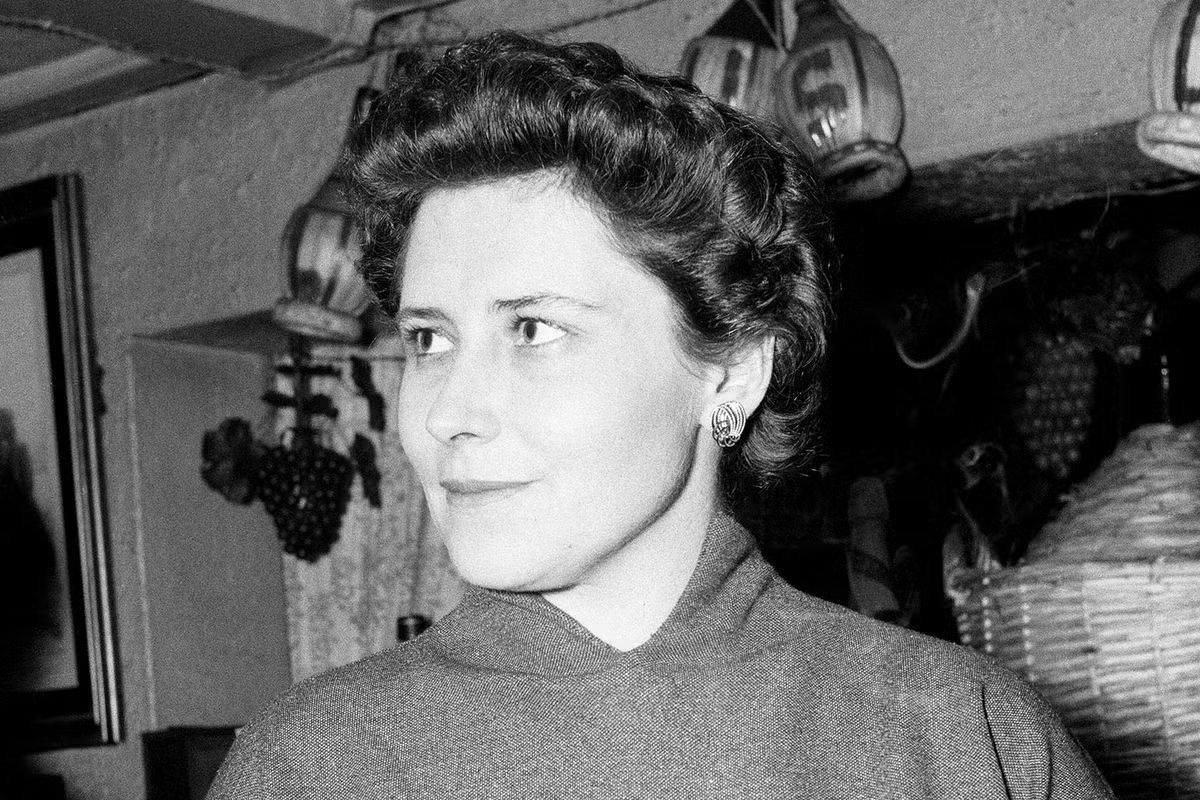
Her first novel, The Grass Is Singing (1950), was about racism in white-ruled Rhodesia. Communism looked to her like the side that took injustice seriously.
3
She later described who joined:
"All over Europe, and to a much lesser extent the United States, it was the most sensitive, compassionate, socially concerned people who became Communists."
She thought they were people who cared.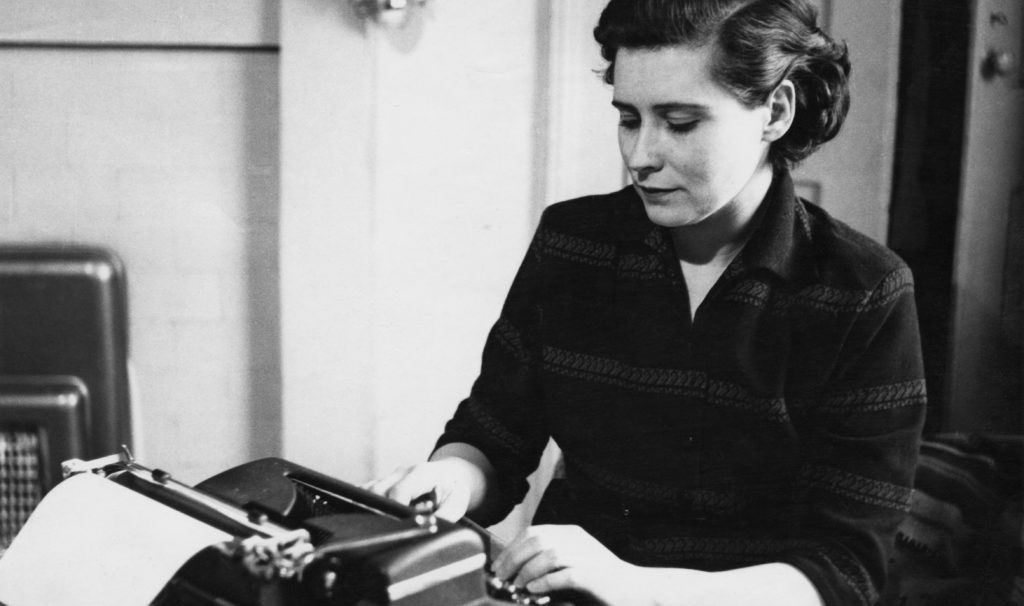
"All over Europe, and to a much lesser extent the United States, it was the most sensitive, compassionate, socially concerned people who became Communists."
She thought they were people who cared.
4
That doesn't mean she was naive. She had doubts, and by the time she joined, they had become, in her words, "a steady, private torment."
So why join anyway? Her answer, in her 1997 memoir Walking in the Shade: communism was "a religious set of mind, identical with that of passionate religious True Believers."
A believer does not drop a faith when evidence arrives. A believer explains the evidence away.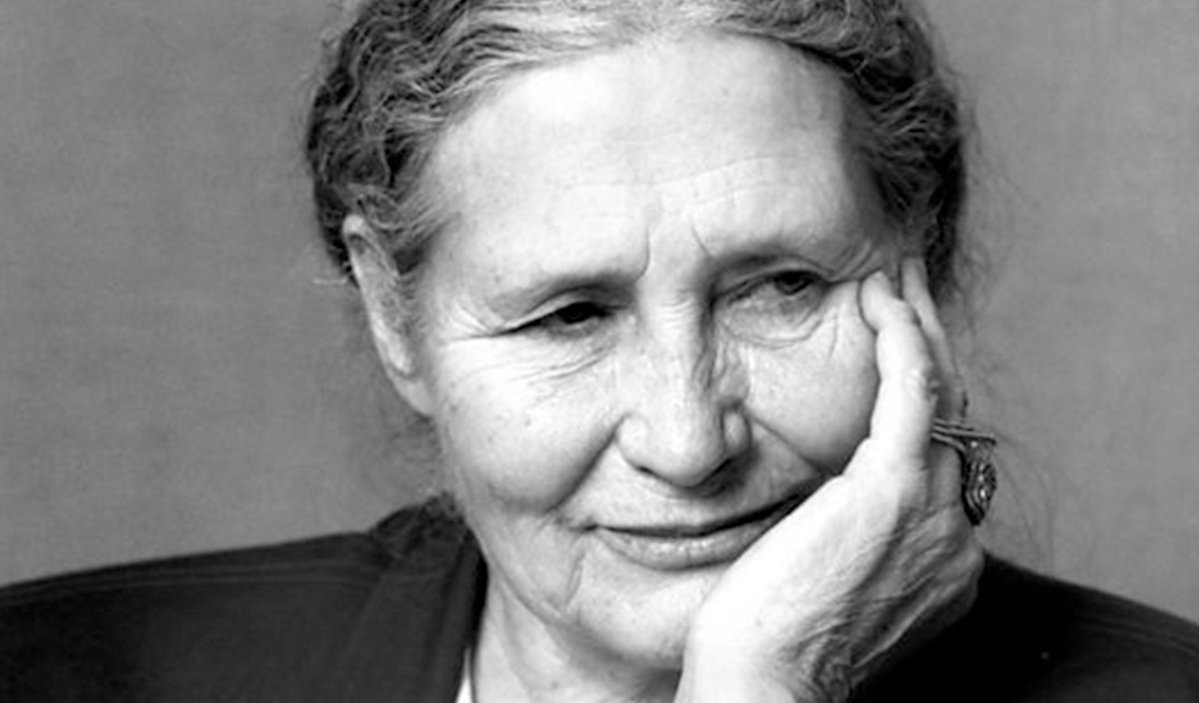
So why join anyway? Her answer, in her 1997 memoir Walking in the Shade: communism was "a religious set of mind, identical with that of passionate religious True Believers."
A believer does not drop a faith when evidence arrives. A believer explains the evidence away.
5
The same year she joined, she travelled to the Soviet Union with a delegation of British writers.
She came home still a member. Whatever doubts she had, the belief was holding.
Then came the speech.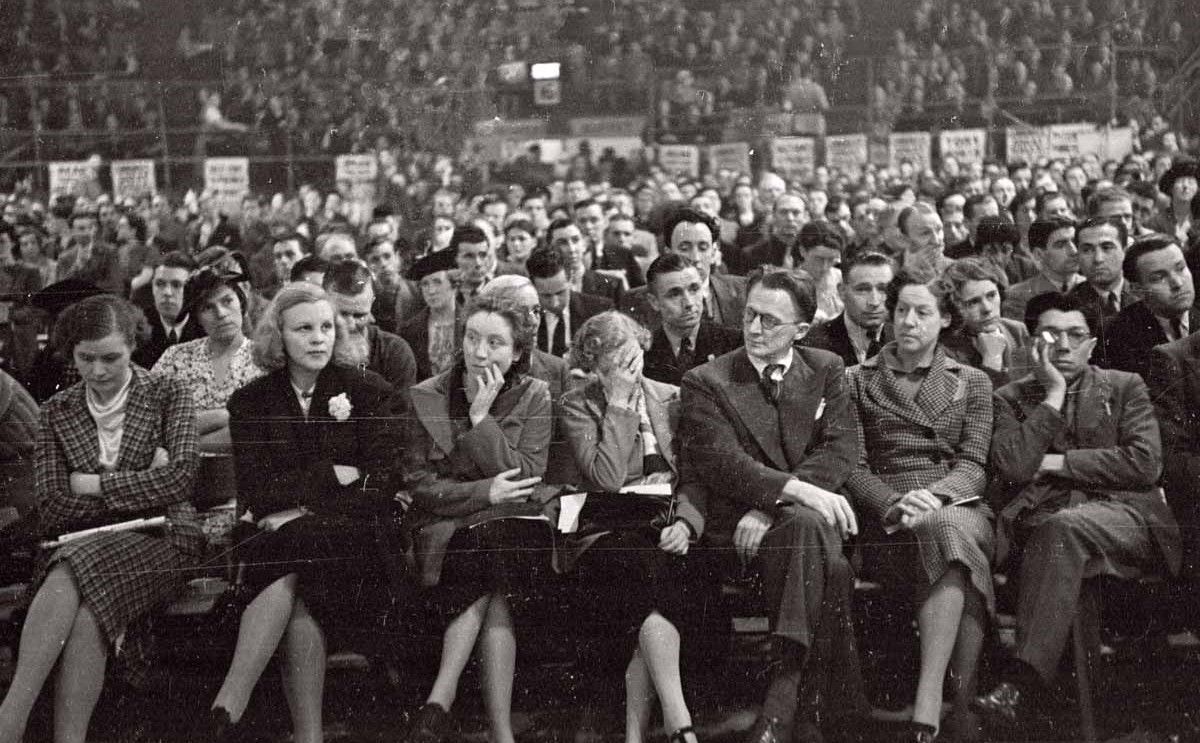
She came home still a member. Whatever doubts she had, the belief was holding.
Then came the speech.
6
February 25, 1956. At a closed session of the 20th Congress of the Soviet Communist Party, Nikita Khrushchev spent hours listing Stalin's crimes: mass arrests, torture, the execution of loyal communists.
It was a partial list. It blamed one man and left out much else. But it came from the top of the regime. On June 4, The New York Times printed the full text.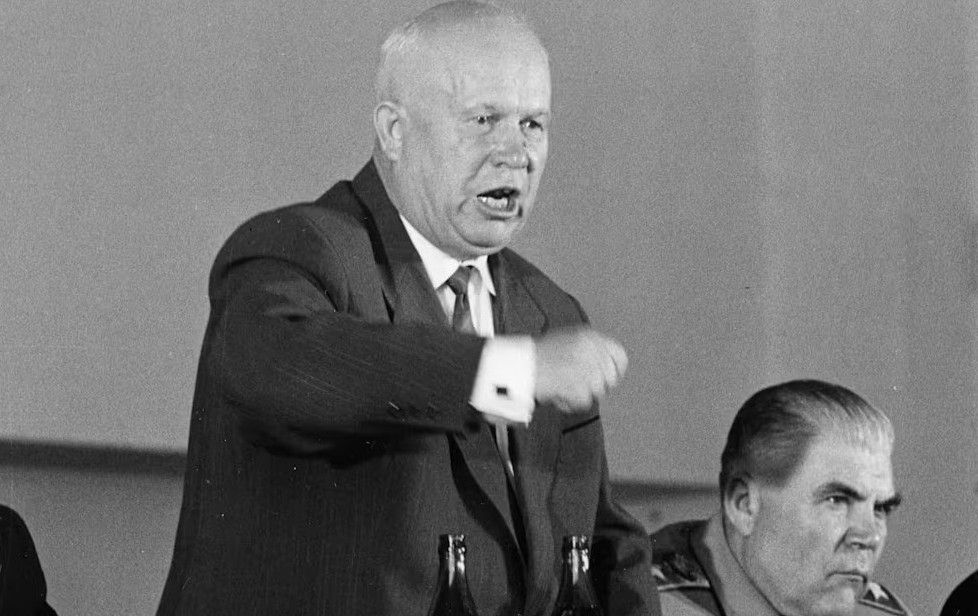
It was a partial list. It blamed one man and left out much else. But it came from the top of the regime. On June 4, The New York Times printed the full text.
7
For a believer, this was worse than any anti-communist book.
An outside critic could be dismissed as an enemy. The head of the Soviet Communist Party could not.
About 2,000 British party members drifted away after the speech.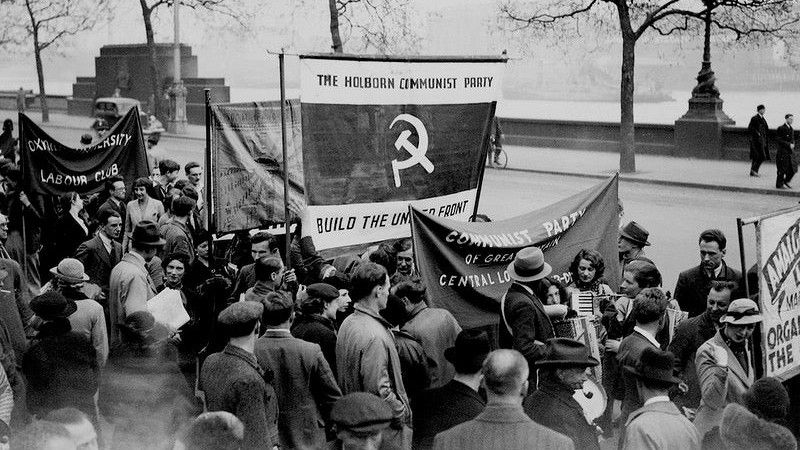
An outside critic could be dismissed as an enemy. The head of the Soviet Communist Party could not.
About 2,000 British party members drifted away after the speech.
8
Then, on November 4, 1956, Soviet tanks entered Budapest to crush the Hungarian uprising.
About 2,500 Hungarians were killed. Around 200,000 fled the country.
A regime that had just admitted its past crimes committed a new one in full view of the world.
About 2,500 Hungarians were killed. Around 200,000 fled the country.
A regime that had just admitted its past crimes committed a new one in full view of the world.
9
Lessing left the party that year. Thousands did the same. British party membership fell from 34,117 in June 1956 to 24,670 by February 1958, a loss of more than a quarter. The historian E.P. Thompson left too.
In October 1956 she had written: "Unless a communist party is a body of individuals each jealously guarding his or her independence of judgement, it must degenerate into a body of yes men."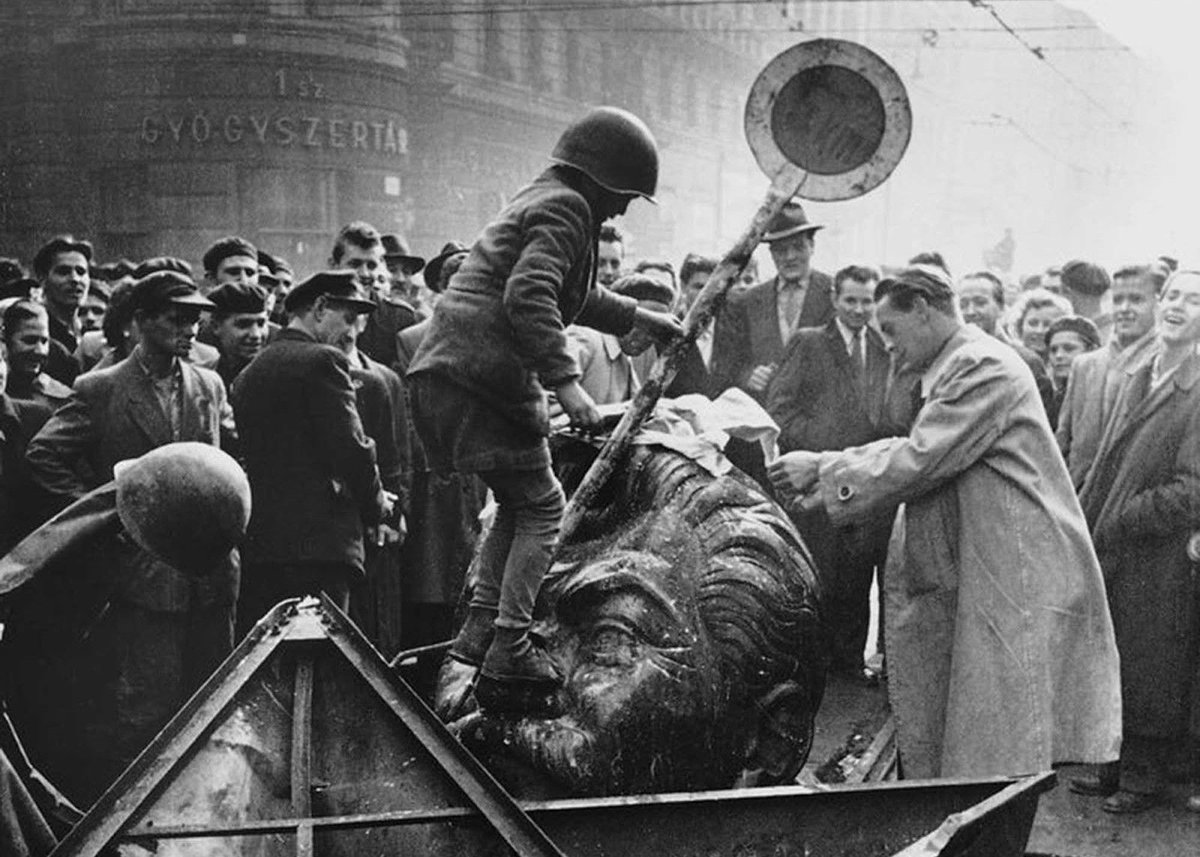
In October 1956 she had written: "Unless a communist party is a body of individuals each jealously guarding his or her independence of judgement, it must degenerate into a body of yes men."
10
She also refused the comfortable exit of blaming everyone else.
"No one who feels responsible for the bloodbaths and cynicism of the last 30 years can feel morally indignant about the bloodymindedness of capitalism."
She held herself to account for what she had supported.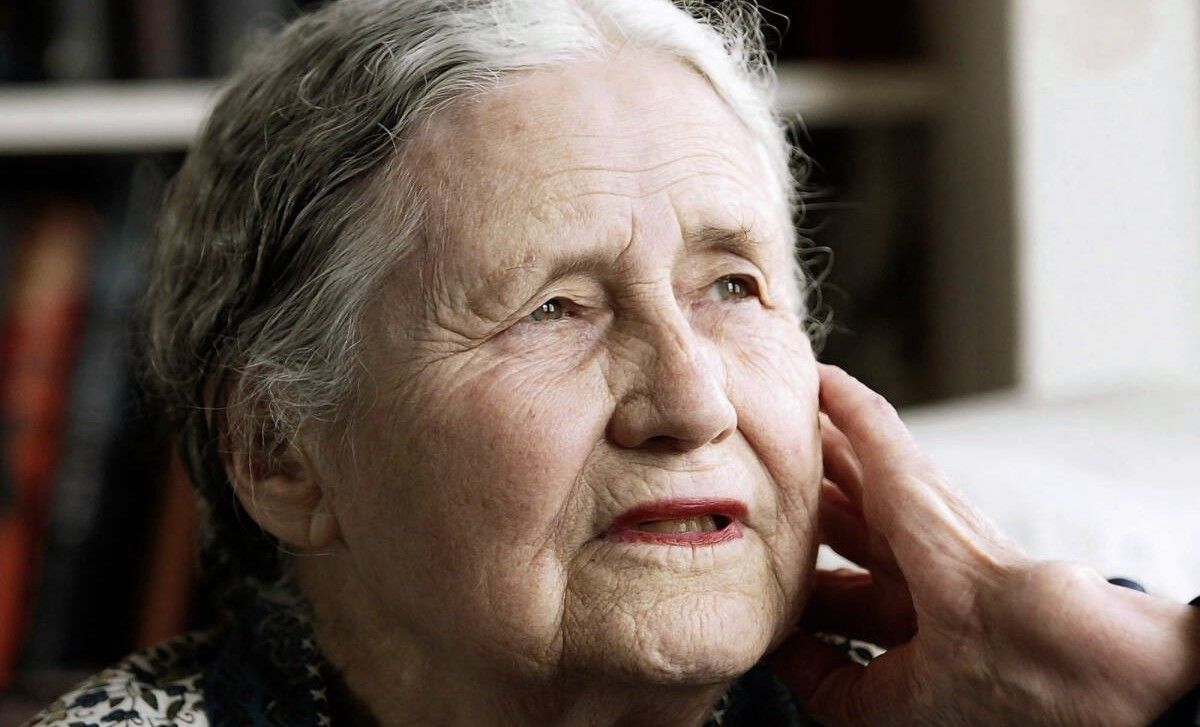
"No one who feels responsible for the bloodbaths and cynicism of the last 30 years can feel morally indignant about the bloodymindedness of capitalism."
She held herself to account for what she had supported.
11
In 1962 she published The Golden Notebook.
Its heroine, Anna Wulf, is a writer who splits her life into four notebooks. The red one records her attachment to communism and her break from it.
Anna keeps them separate, Lessing wrote in a 1971 preface, "out of fear of chaos, of formlessness." The final golden notebook is where the pieces come back together.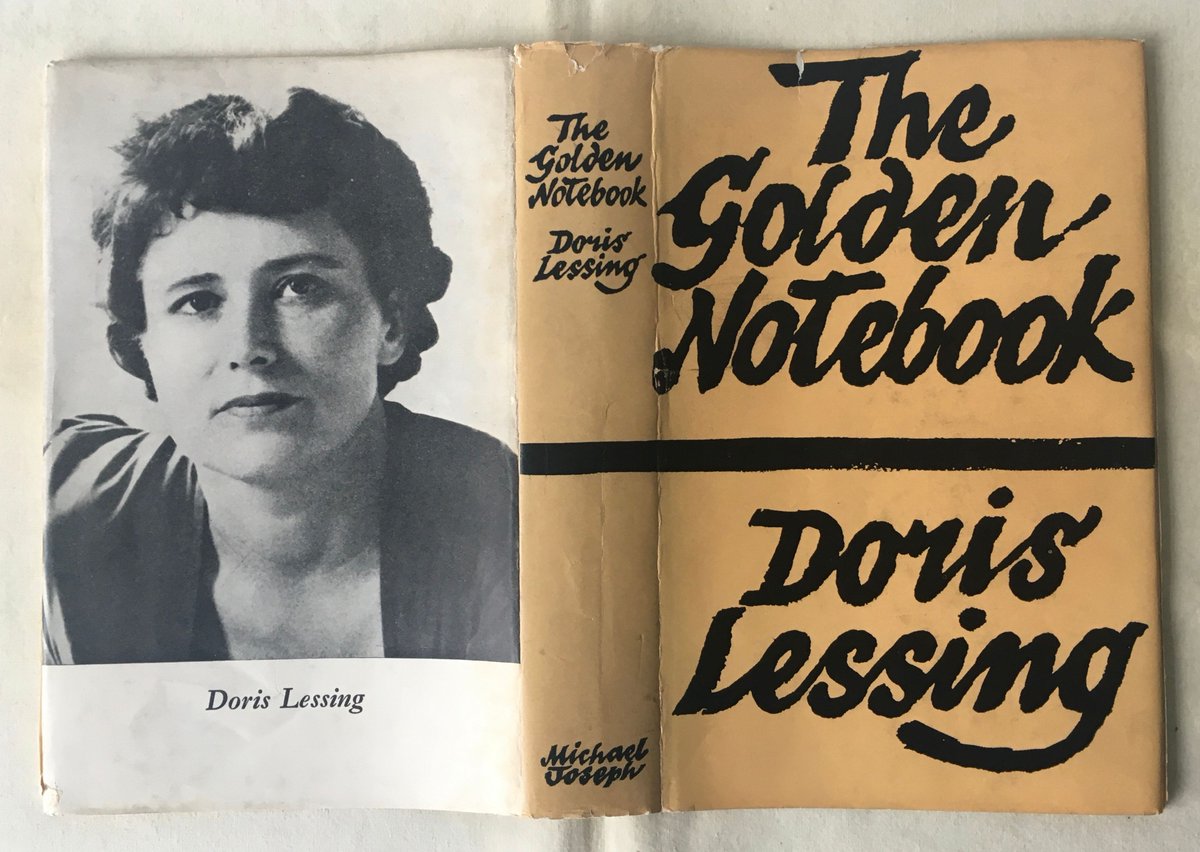
Its heroine, Anna Wulf, is a writer who splits her life into four notebooks. The red one records her attachment to communism and her break from it.
Anna keeps them separate, Lessing wrote in a 1971 preface, "out of fear of chaos, of formlessness." The final golden notebook is where the pieces come back together.
12
Look at the timing.
The Golden Notebook came out in 1962, more than 11 years before Solzhenitsyn's The Gulag Archipelago was published in Paris.
Others had already broken with the Party in print: Arthur Koestler's Darkness at Noon came out in 1940. Lessing put that break inside the mind of one ordinary believer, told in a novel.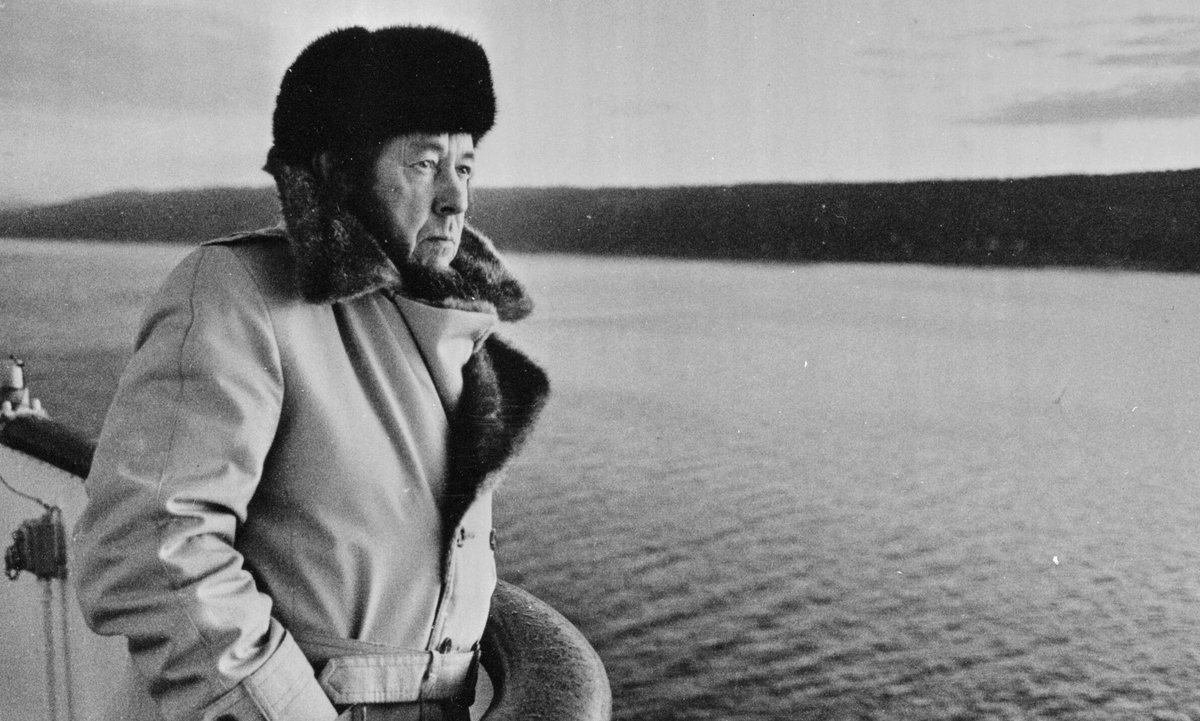
The Golden Notebook came out in 1962, more than 11 years before Solzhenitsyn's The Gulag Archipelago was published in Paris.
Others had already broken with the Party in print: Arthur Koestler's Darkness at Noon came out in 1940. Lessing put that break inside the mind of one ordinary believer, told in a novel.
13
In 2007 she won the Nobel Prize in Literature at 87, the oldest person ever to receive it.
The Swedish Academy praised the "scepticism" with which she had "subjected a divided civilisation to scrutiny."
She died in London in 2013, aged 94.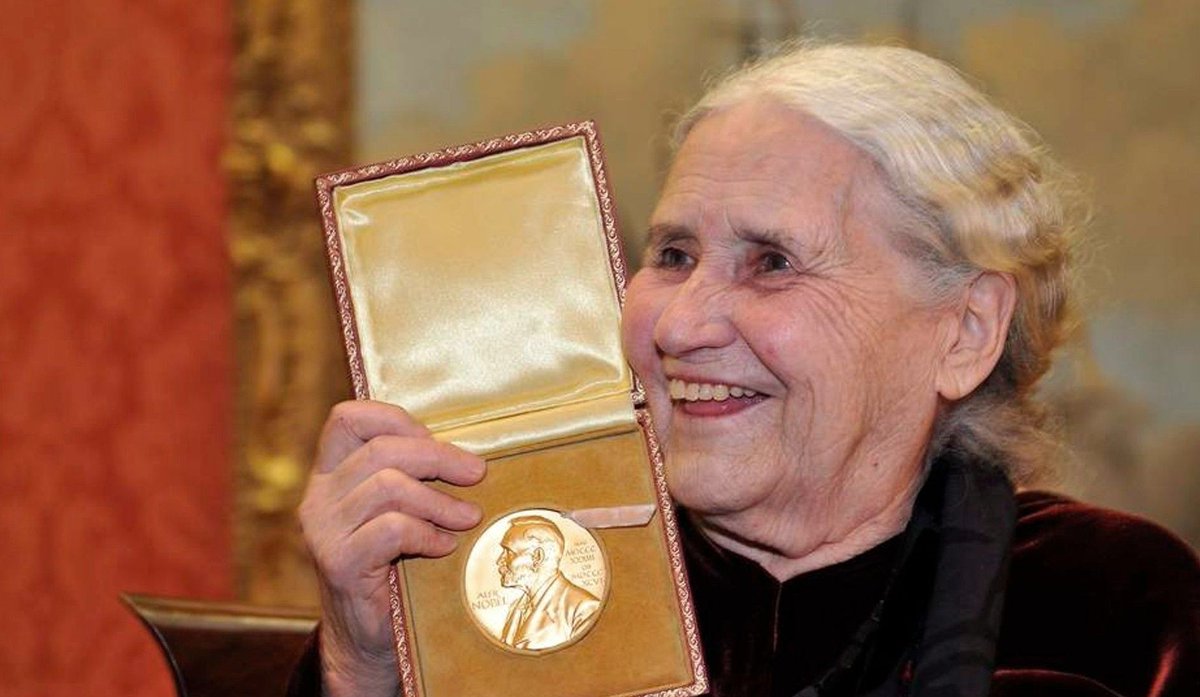
The Swedish Academy praised the "scepticism" with which she had "subjected a divided civilisation to scrutiny."
She died in London in 2013, aged 94.
14
Her story shows how a belief like this survives: decent people, a cause that looks moral, and the habit of explaining away every warning.
It took the regime's own leader and the regime's own tanks to break it for her.
What would it take to break a belief that everyone around you shares?
It took the regime's own leader and the regime's own tanks to break it for her.
What would it take to break a belief that everyone around you shares?