In 1825, a rich Welsh industrialist bought an entire American town...

Students For Liberty@sfliberty
125 views
Jul 02, 2026
~3 min read
Advertisement
1
In 1825, a rich Welsh industrialist bought an entire American town to prove that socialism could work.
He had the money, the buildings, the theory, and hundreds of eager followers waiting to move in.
Two years later, it was over. 🧵
He had the money, the buildings, the theory, and hundreds of eager followers waiting to move in.
Two years later, it was over. 🧵
2
Robert Owen paid around $150,000 for the town of Harmonie, Indiana. He got 20,000 acres, more than 160 buildings, working mills, and farms already producing food.
He renamed it New Harmony. Close to a thousand people arrived in the first year.
He renamed it New Harmony. Close to a thousand people arrived in the first year.
3
Owen already ran successful textile mills in New Lanark, Scotland, where he was famous for treating workers well and running a profitable business at the same time.
He believed that if you removed private property and paid everyone equally, cooperation would naturally replace competition.
He believed that if you removed private property and paid everyone equally, cooperation would naturally replace competition.
4
In January 1826, William Maclure sailed a riverboat full of scientists, teachers, and geologists down the Ohio River to New Harmony. Historians call it the "Boatload of Knowledge."
Thomas Say, the father of American entomology, was on it. So was Charles-Alexandre Lesueur, one of the most respected naturalists of the era.
This was the most educated, best-funded, best-equipped socialist community ever attempted on American soil.
If cooperation could beat markets anywhere, it should have worked here.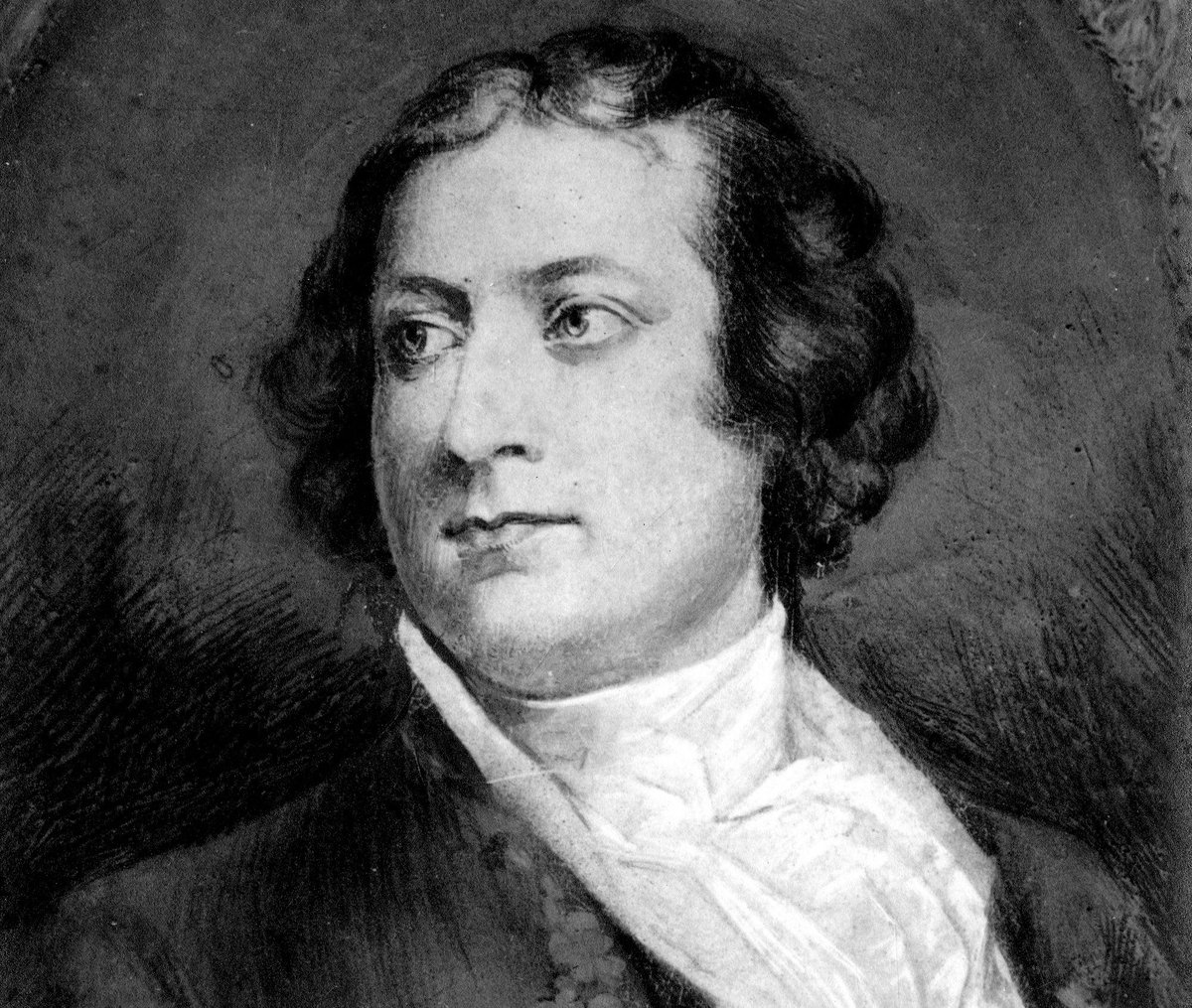
Thomas Say, the father of American entomology, was on it. So was Charles-Alexandre Lesueur, one of the most respected naturalists of the era.
This was the most educated, best-funded, best-equipped socialist community ever attempted on American soil.
If cooperation could beat markets anywhere, it should have worked here.
5
It collapsed almost immediately.
The hardest workers were feeding, housing, and clothing neighbors who did nothing while receiving the same food, the same shelter, and the same rewards.
So they stopped working too. Why wouldn't they?
Production dropped and food ran short. Buildings decayed because no one owned them and no one was responsible for maintaining them. Endless meetings replaced actual work. Owen wrote seven different constitutions in two years trying to fix it. None of them worked.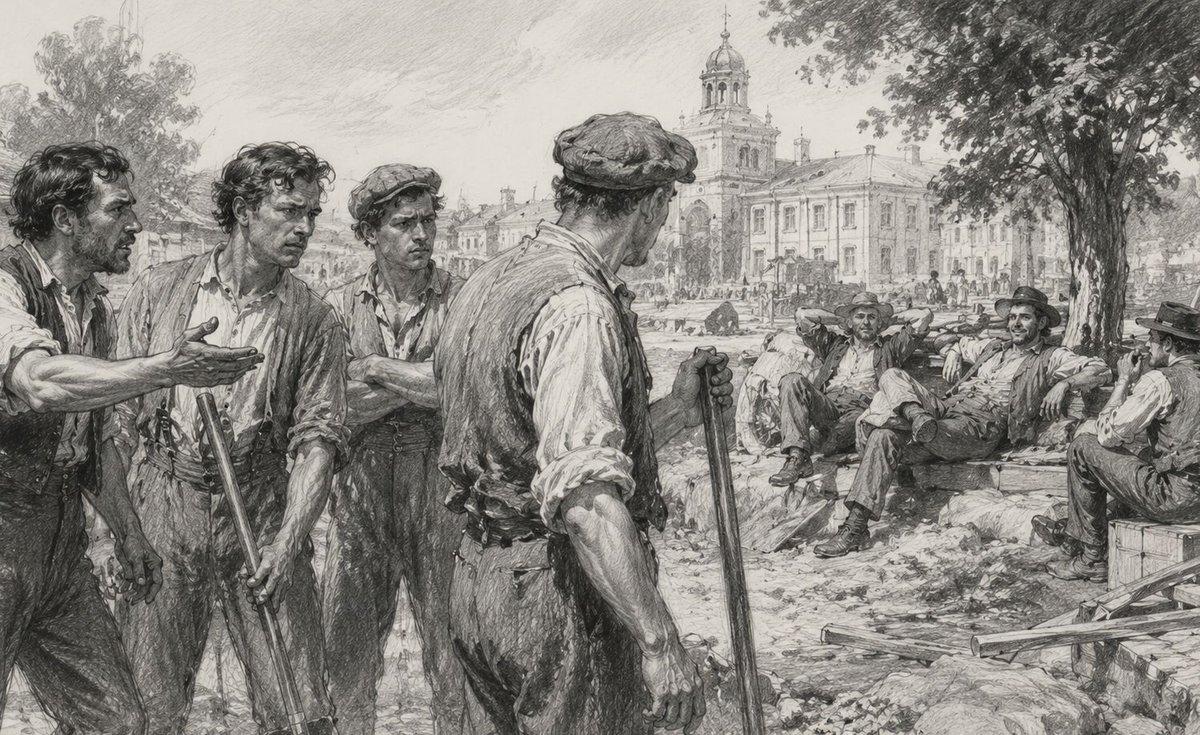
The hardest workers were feeding, housing, and clothing neighbors who did nothing while receiving the same food, the same shelter, and the same rewards.
So they stopped working too. Why wouldn't they?
Production dropped and food ran short. Buildings decayed because no one owned them and no one was responsible for maintaining them. Endless meetings replaced actual work. Owen wrote seven different constitutions in two years trying to fix it. None of them worked.
6
American inventor Josiah Warren, one of the country's earliest libertarian thinkers, was there. He watched the community fail from the inside and later wrote about why.
His conclusion: "The difference of opinion, tastes and purposes increased just in proportion to the demand for conformity."
The more the community demanded unity, the more it fractured.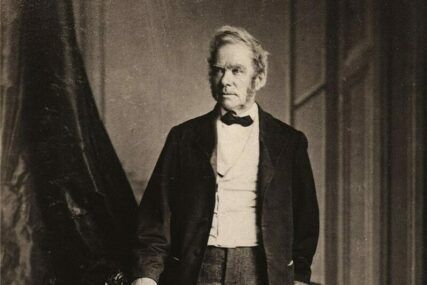
His conclusion: "The difference of opinion, tastes and purposes increased just in proportion to the demand for conformity."
The more the community demanded unity, the more it fractured.
7
Warren identified the deeper problem almost a century before Ludwig von Mises and Friedrich Hayek made it famous in academic economics.
When everyone owns everything, no one owns anything. When labor earns the same reward regardless of effort, effort disappears. When prices vanish, no one knows what anything is worth.
When everyone owns everything, no one owns anything. When labor earns the same reward regardless of effort, effort disappears. When prices vanish, no one knows what anything is worth.
8
Owen finally admitted defeat in 1827. In his farewell address, he blamed the settlers themselves, saying they were "unprepared to be members of the community of common property and equality."
Translation: the system would have worked if only people had been different.
Every socialist regime since has offered some version of that excuse.
Translation: the system would have worked if only people had been different.
Every socialist regime since has offered some version of that excuse.
9
His own son, Robert Dale Owen, put it plainly years later:
"All cooperative schemes which provide equal remuneration to the skilled and industrious and the ignorant and idle must work their own downfall."
He had lived through the collapse. He knew what killed it.
"All cooperative schemes which provide equal remuneration to the skilled and industrious and the ignorant and idle must work their own downfall."
He had lived through the collapse. He knew what killed it.
10
Every socialist experiment since New Harmony has ended the same way, and for the same reasons.
Prices communicate what things are worth. Ownership creates responsibility for maintaining them. When both are abolished, production collapses because no one can calculate what to make or repair.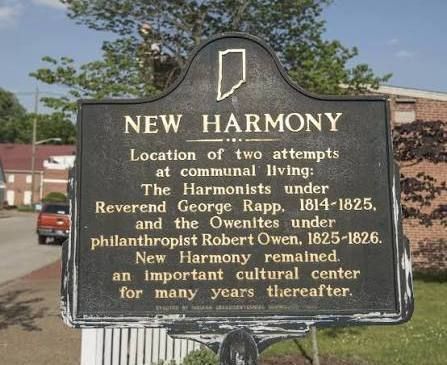
Prices communicate what things are worth. Ownership creates responsibility for maintaining them. When both are abolished, production collapses because no one can calculate what to make or repair.

