Someone just coughed on you. You were on a crowded flight. Now your...

Brandon Luu, MD@BrandonLuuMD
60 views
Jan 01, 2026
~3 min read
Advertisement
1
Someone just coughed on you.
You were on a crowded flight.
Now your coworker is sick.
The window to prevent infection is narrow.
Here’s exactly what to do in the critical hours after a high-risk exposure 🧵1/13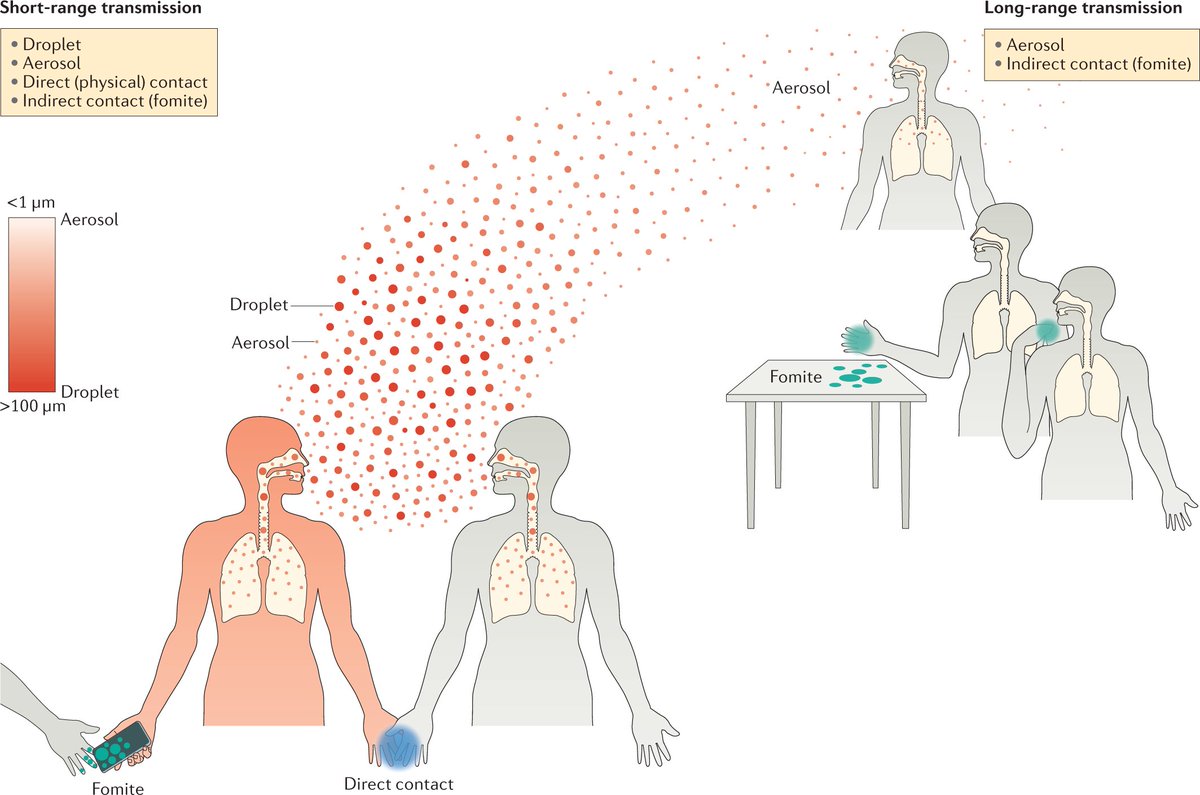
You were on a crowded flight.
Now your coworker is sick.
The window to prevent infection is narrow.
Here’s exactly what to do in the critical hours after a high-risk exposure 🧵1/13
2
The sooner you act the better. Respiratory viruses attach to cells and begin replicating within hours of exposure. Most interventions work best when started immediately and continued for 3-5 days (the typical incubation period) /2
brandonluumd.substack.com/p/doctors-guid…
brandonluumd.substack.com/p/doctors-guid…
3
Green tea gargling is possibly most effective:
↓ Overall infection risk by 26% vs control
↓ Influenza infection by 31%
↓ Acute upper respiratory infections by 22%
Protocol: Gargle with brewed green tea for 20 seconds, 3 rounds. Repeat up to 3x/day for 5 d after exposure. /3
↓ Overall infection risk by 26% vs control
↓ Influenza infection by 31%
↓ Acute upper respiratory infections by 22%
Protocol: Gargle with brewed green tea for 20 seconds, 3 rounds. Repeat up to 3x/day for 5 d after exposure. /3
4
If you don't have green tea, saline works well through mechanical washing and may have direct antiviral effects.
One study found hypertonic saline gargling combined with nasal irrigation:
↓ Household transmission by 35%
↓ Viral load in 73% of participants vs 43% of controls /4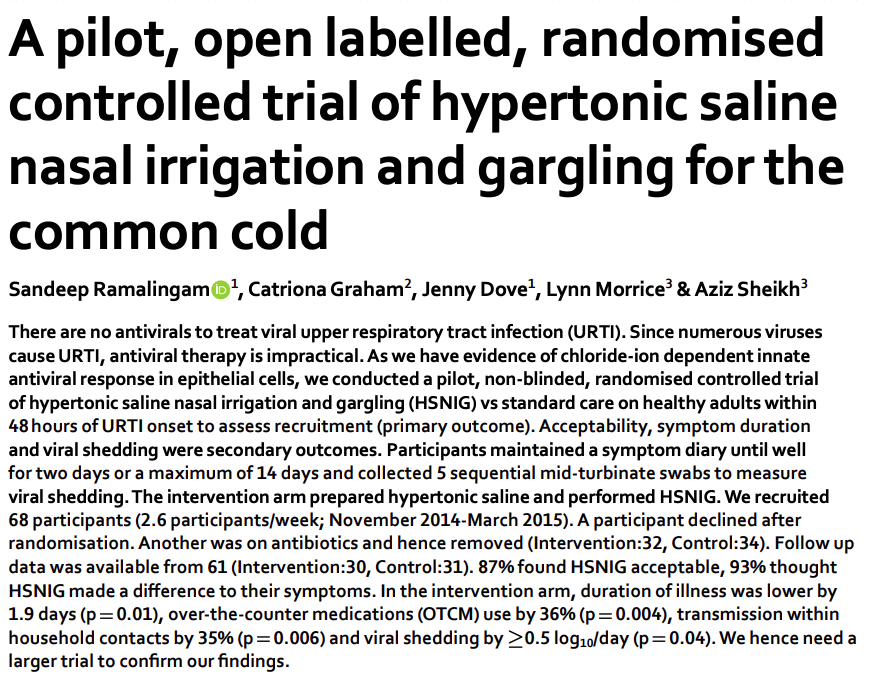
One study found hypertonic saline gargling combined with nasal irrigation:
↓ Household transmission by 35%
↓ Viral load in 73% of participants vs 43% of controls /4
5
Nasal saline irrigation:
↓ Viral shedding duration of omicron by ~5 days
↑ Return to daily activities 1.6 days faster
↓ Development of smell/taste disorders (11% vs 40% in controls, p<0.001)
↓ Fever development (37.7% vs 61.5%, p=0.03) /5
↓ Viral shedding duration of omicron by ~5 days
↑ Return to daily activities 1.6 days faster
↓ Development of smell/taste disorders (11% vs 40% in controls, p<0.001)
↓ Fever development (37.7% vs 61.5%, p=0.03) /5
6
Iota-carrageenan nasal spray blocks viral attachment to nasal cells. In 394 healthcare workers with daily COVID-19 exposure for 21 days:
↓ Symptomatic infection by 79.8% (1.0% vs 5.0% in placebo, p=0.03)
1 spray per nostril, 4 times daily for up to 5 days after exposure /6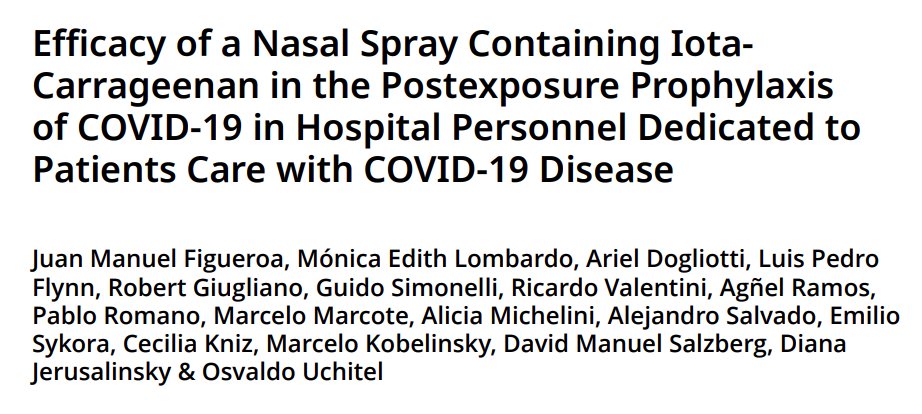
↓ Symptomatic infection by 79.8% (1.0% vs 5.0% in placebo, p=0.03)
1 spray per nostril, 4 times daily for up to 5 days after exposure /6
7
Simpler alternative: regular saline or gel-based nasal sprays. Trial of 13,799 participants over 6 months:
↓ Illness days from 8.2 to 6.4 days with saline spray (1.8 fewer days)
Both gel and saline sprays worked equally well. Saline is the most cost-effective option /7
↓ Illness days from 8.2 to 6.4 days with saline spray (1.8 fewer days)
Both gel and saline sprays worked equally well. Saline is the most cost-effective option /7
8
People touch their faces 23 times per hour on average.
44% of face touches involve mucous membranes (eyes, nose, mouth). Most face touching is unconscious and habitual.
After high-risk exposure, prioritize hand hygiene and consciously avoid touching your face /8
44% of face touches involve mucous membranes (eyes, nose, mouth). Most face touching is unconscious and habitual.
After high-risk exposure, prioritize hand hygiene and consciously avoid touching your face /8
9
Sleep matters. In a study where 153 adults were exposed to rhinovirus:
↑ Cold risk increased 2.94x with <7 hours sleep vs 8+ hours
↑ Cold risk increased 5.50x with sleep efficiency <92% vs 98%+
After exposure, prioritize 8 hours of high-quality sleep for several nights /9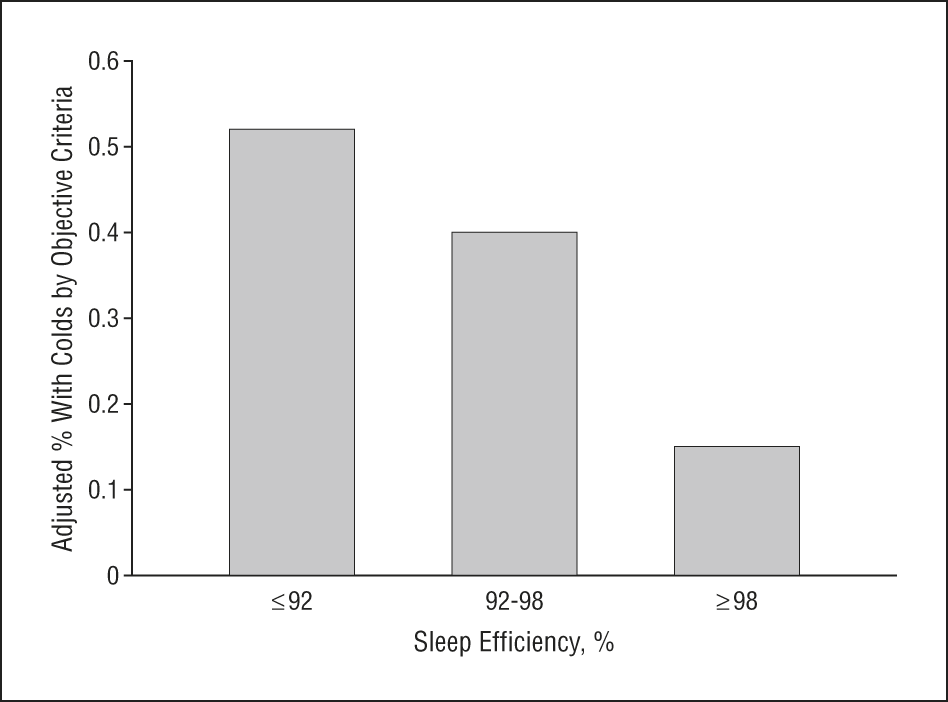
↑ Cold risk increased 2.94x with <7 hours sleep vs 8+ hours
↑ Cold risk increased 5.50x with sleep efficiency <92% vs 98%+
After exposure, prioritize 8 hours of high-quality sleep for several nights /9
10
The framework is layered protection:
1) Nasal interventions to reduce viral load in the nose
2) Oral interventions to clear virus from the throat
3) Behavioral interventions to reduce hand-to-face transmission
4) Immune support through sleep optimization /10
1) Nasal interventions to reduce viral load in the nose
2) Oral interventions to clear virus from the throat
3) Behavioral interventions to reduce hand-to-face transmission
4) Immune support through sleep optimization /10
11
Important caveats:
These strategies are adjuncts, not substitutes for medical care
If you have chronic lung disease, are immunocompromised, pregnant, or high risk, talk to your physician
If symptoms worsen, persist, or include shortness of breath, seek medical care
For confirmed influenza, vaccination remains the most effective prevention /11
12
This was part 3 of my respiratory infection series.
Part 1 covered baseline strategies to get sick less often throughout the year.
brandonluumd.substack.com/p/im-a-doctor-…
Part 2 covers evidence-based interventions to recover faster once you're already sick.
brandonluumd.substack.com/p/doctors-guid…
/12
Part 1 covered baseline strategies to get sick less often throughout the year.
brandonluumd.substack.com/p/im-a-doctor-…
Part 2 covers evidence-based interventions to recover faster once you're already sick.
brandonluumd.substack.com/p/doctors-guid…
/12
13
The window after exposure is short. Act quickly and you may avoid getting sick altogether. Even if you do get sick, these protocols can reduce severity and shorten illness duration.
For the full evidence-based protocols, here’s the complete article:
brandonluumd.substack.com/p/doctors-guid…
For the full evidence-based protocols, here’s the complete article:
brandonluumd.substack.com/p/doctors-guid…
