✝️The false jew vs Gentile dichotomy: Did you know Jesus called...

𝖍𝖎𝖙𝖑𝖊𝖗 𝖑𝖔𝖛𝖊𝖉 𝖈𝖍𝖗𝖎𝖘𝖙@GasMaskNat
46 views
Oct 16, 2025
~4 min read
Advertisement
1
✝️The false jew vs Gentile dichotomy: Did you know Jesus called modern jews "dogs" in the bible? And did you know that modern jews flip the meaning to confuse White Christians today?
The key to understand this biblical truth lies in familiarizing yourself with the demographic and ethnological realities of the 2nd Temple Period. The power of the synoptic gospels is to create a clearer picture by overlapping information from different accounts. Modern jews prey on the ignorance of Christians in this regard.
The bible verses we will examine to prove these truths recount the only time Jesus left the borders of Israel:
📚Matthew 15:21-28
📚Mark 7:24-30.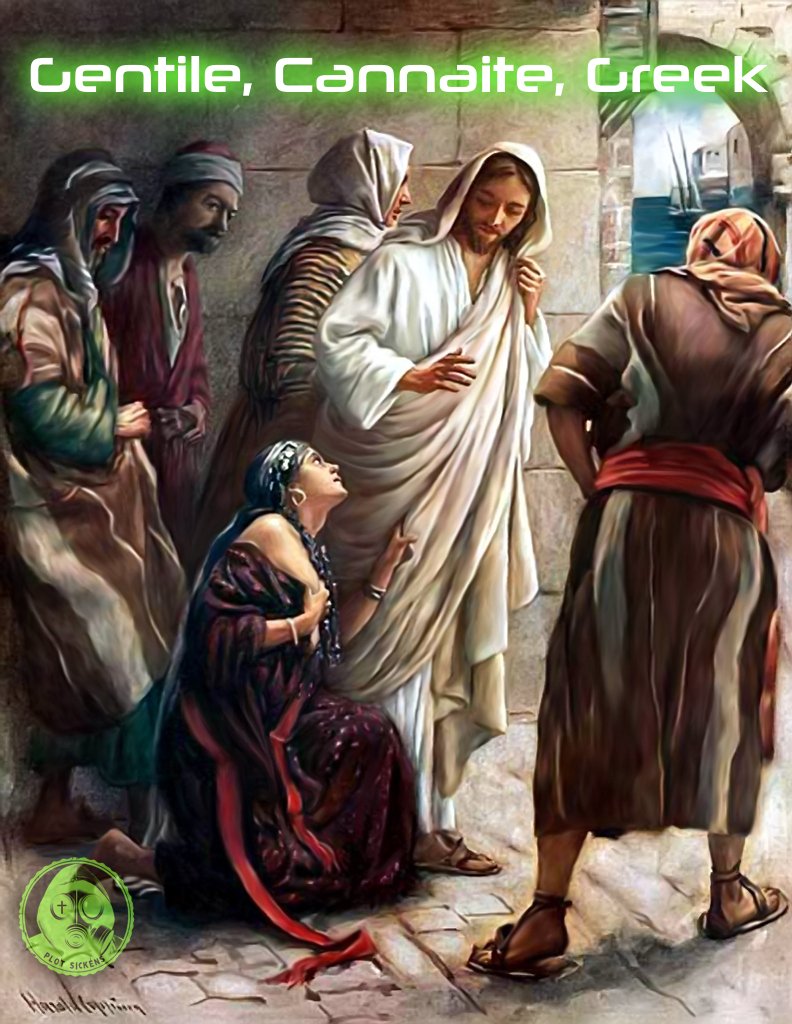
The key to understand this biblical truth lies in familiarizing yourself with the demographic and ethnological realities of the 2nd Temple Period. The power of the synoptic gospels is to create a clearer picture by overlapping information from different accounts. Modern jews prey on the ignorance of Christians in this regard.
The bible verses we will examine to prove these truths recount the only time Jesus left the borders of Israel:
📚Matthew 15:21-28
📚Mark 7:24-30.
2
📚Matthew 15:21-28 tells us the genetic race of the woman in question, and proves that modern jews are not God's sheep.
Matthew recounts a pagan Canaanite woman from the area of Tyre and Sidon, which would be modern Lebanon today, asking Jesus to remove a demon from her daughter. Jesus initially ignores her because part of his mission to redeem mankind is to start with the lost sheep of true Israel first. In this case the Judahite nation comprised the tribes of Judah, Benjamin, and Levi or the Babylonian exiles who were still loyal to YHWH.
However, because of the woman's great faith in him, he relents and heals her daugher from demon possession.
This passage tells us the woman's demographic location and her race. She would be similar to modern jews, who are 52% Canaanite by DNA. Thus, according to race science, Jesus called the ancestors of modern jews "dogs."
This dog dynamic isn't the same insult that we would think of today, but still significant. It is more of a master and servant role but alludes to his mission to offer the Israelite loyalists redemption before his crucifixion.
Matthew recounts a pagan Canaanite woman from the area of Tyre and Sidon, which would be modern Lebanon today, asking Jesus to remove a demon from her daughter. Jesus initially ignores her because part of his mission to redeem mankind is to start with the lost sheep of true Israel first. In this case the Judahite nation comprised the tribes of Judah, Benjamin, and Levi or the Babylonian exiles who were still loyal to YHWH.
However, because of the woman's great faith in him, he relents and heals her daugher from demon possession.
This passage tells us the woman's demographic location and her race. She would be similar to modern jews, who are 52% Canaanite by DNA. Thus, according to race science, Jesus called the ancestors of modern jews "dogs."
This dog dynamic isn't the same insult that we would think of today, but still significant. It is more of a master and servant role but alludes to his mission to offer the Israelite loyalists redemption before his crucifixion.
3
📚Mark 7:24-30 adds another layer of understanding.
This interaction is recounted in the Gospel of Mark as well, but Mark describes the woman by her Nation or cultural Hellenic identity: Syrophoenician.
The term "Syrophoenician" represents a cultural identity in the ancient Near East, denoting people of mixed Syrian and Phoenician descent in the Hellenistic and Roman eras, when Phoenicia (modern Lebanon) and Syria shared geographic, linguistic (Greek-influenced), and social ties under foreign rule.
The Greeks called this area "Phoenicia" due to the purple dye for which they were famous. Tyre had helped King David in 2 Samuel 5:11, so they were not always at odds with Israel. Although the region survived Nebuchadnezzar, it was conquered by Alexander the Great and thus became "Hellenized".
"Greek" in the 2nd Temple Period of the Levant did not refer to just racial Greeks from Greece. It also referred to other races and ethnicities that were Hellenized.
This interaction is recounted in the Gospel of Mark as well, but Mark describes the woman by her Nation or cultural Hellenic identity: Syrophoenician.
The term "Syrophoenician" represents a cultural identity in the ancient Near East, denoting people of mixed Syrian and Phoenician descent in the Hellenistic and Roman eras, when Phoenicia (modern Lebanon) and Syria shared geographic, linguistic (Greek-influenced), and social ties under foreign rule.
The Greeks called this area "Phoenicia" due to the purple dye for which they were famous. Tyre had helped King David in 2 Samuel 5:11, so they were not always at odds with Israel. Although the region survived Nebuchadnezzar, it was conquered by Alexander the Great and thus became "Hellenized".
"Greek" in the 2nd Temple Period of the Levant did not refer to just racial Greeks from Greece. It also referred to other races and ethnicities that were Hellenized.
4
📚Linguistic creation of a false Gentile Vs Jew paradigm.
Some translations simply call this woman a "Gentile", which adds to the confusion even more. Modern jews have helped foster an incorrect notion that Gentiles are non-jews only, and that this woman was simply a racial Greek.
Some try to demoralize White Christians by claiming the inverse of this relationship: IE that Christ was "jewish" by race and the woman was "Greek" by race. This makes no logical sense if applied to what we have learned about the anthropology and history of the area.
The truth is that the word "gentile" in the New Testament and at the time of Jesus meant non-Israelite, not non-"jew". The Judahite nation was trying to steal, or co-opt, the total identity of Israel, but even the tribe of Judah was a subset of Israel. For example, Samaritans were YHWHists (Israelite sect/YHWH worshipers) who were never "jews" and The Northern Tribes that were scattered by Assyria were also never "jews", but both groups were Israelites, and neither of groups were gentiles.
*Key to note that Paul includes both of these groups in his wish for reconciliation of Israel in Romans 11.
Some translations simply call this woman a "Gentile", which adds to the confusion even more. Modern jews have helped foster an incorrect notion that Gentiles are non-jews only, and that this woman was simply a racial Greek.
Some try to demoralize White Christians by claiming the inverse of this relationship: IE that Christ was "jewish" by race and the woman was "Greek" by race. This makes no logical sense if applied to what we have learned about the anthropology and history of the area.
The truth is that the word "gentile" in the New Testament and at the time of Jesus meant non-Israelite, not non-"jew". The Judahite nation was trying to steal, or co-opt, the total identity of Israel, but even the tribe of Judah was a subset of Israel. For example, Samaritans were YHWHists (Israelite sect/YHWH worshipers) who were never "jews" and The Northern Tribes that were scattered by Assyria were also never "jews", but both groups were Israelites, and neither of groups were gentiles.
*Key to note that Paul includes both of these groups in his wish for reconciliation of Israel in Romans 11.
5
✝️Final breakdown: The Canaanite/Hellenized/Gentile woman who was not like Jesus Christ.
1. The Woman was a Canaanite by race, and would be genetically similar to modern Zionist jews without the post-diaspora admixture. (Similar to Mizrahi).
2. The Woman was a cultural Greek and from a Hellenized nation outside of the Judahite nation, but not a racial Greek, or a pure European.
3. The Woman was a gentile, because she was of a nation that was not Israelite. (Thus modern jews are not like Jesus Christ)
This is also why Paul refers to Greeks and Jews as a cultural identity, and not a racial one in Galatians 3:28 and Roman 1:16-17.
Spiritually, Jesus is teaching his apostles about true faith using a metaphor for "table scraps/bread". The "Children" in the metaphor are the Israelites, the "bread" is God's providence, and the "dogs" are gentiles. Christ is teaching his followers that the Nations will be added later, so he makes an exception for this woman in the now due to her compelling belief in his ability to command Satan.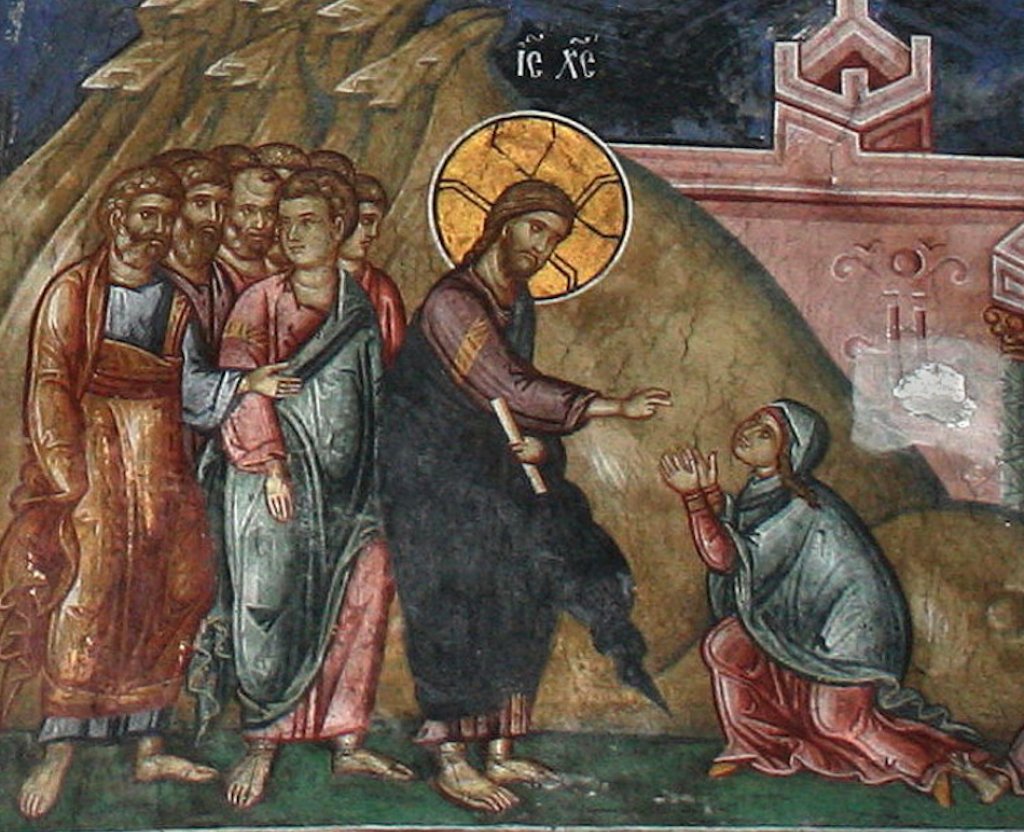
1. The Woman was a Canaanite by race, and would be genetically similar to modern Zionist jews without the post-diaspora admixture. (Similar to Mizrahi).
2. The Woman was a cultural Greek and from a Hellenized nation outside of the Judahite nation, but not a racial Greek, or a pure European.
3. The Woman was a gentile, because she was of a nation that was not Israelite. (Thus modern jews are not like Jesus Christ)
This is also why Paul refers to Greeks and Jews as a cultural identity, and not a racial one in Galatians 3:28 and Roman 1:16-17.
Spiritually, Jesus is teaching his apostles about true faith using a metaphor for "table scraps/bread". The "Children" in the metaphor are the Israelites, the "bread" is God's providence, and the "dogs" are gentiles. Christ is teaching his followers that the Nations will be added later, so he makes an exception for this woman in the now due to her compelling belief in his ability to command Satan.
6
@georgiadis33501 @Mackiavelli1933 All Good passages.
7
@Adunaiii Yes!