MOLD: The hidden cause behind your gut issues & fatigue that your...

Dalton (Analyze & Optimize)@Outdoctrination
113 views
Jun 08, 2025
~8 min read
Advertisement
1
MOLD: The hidden cause behind your gut issues & fatigue that your doctor can't figure out.
This is a DEEP dive on mold / mycotoxins - how to know if it's an issue for you and what to do about it to get back to feeling your best:

This is a DEEP dive on mold / mycotoxins - how to know if it's an issue for you and what to do about it to get back to feeling your best:
2
MOLD SYMPTOMS 101:
Cognitive & Neurological
⇨ Brain fog / poor memory
⇨ Difficulty concentrating
⇨ Word-finding issues
⇨ Headaches / migraines
⇨ Light sensitivity
⇨ Mood swings, anxiety, or depression
Respiratory
⇨ Sinus congestion
⇨ Chronic cough
⇨ Shortness of breath
⇨ Wheezing or chest tightness
⇨ Recurrent infections (sinus, bronchial)
Fatigue & Pain
⇨ Chronic fatigue
⇨ Muscle aches
⇨ Joint pain (without swelling)
⇨ Weakness
⇨ Exercise intolerance
Skin & Mucous Membranes
⇨ Itchy skin or rashes
⇨ Red eyes or blurred vision
⇨ Dry eyes, dry mouth
⇨ Increased static shocks
Gut & Immune
⇨ Nausea / abdominal pain
⇨ Diarrhea or constipation
⇨ Food sensitivities
⇨ Histamine intolerance
⇨ Low-grade fevers or immune suppression
Other Common Signs
⇨ Sensitivity to chemicals or smells
⇨ Frequent urination (especially at night)
⇨ Temperature dysregulation (feeling hot/cold)
⇨ Dizziness / balance issues
⇨ Metallic taste in mouth
⇨ Allergy like symptoms (can activate mast cells)
Having one doesn't mean you definitely have a mold issue, but it certainly could.
Cognitive & Neurological
⇨ Brain fog / poor memory
⇨ Difficulty concentrating
⇨ Word-finding issues
⇨ Headaches / migraines
⇨ Light sensitivity
⇨ Mood swings, anxiety, or depression
Respiratory
⇨ Sinus congestion
⇨ Chronic cough
⇨ Shortness of breath
⇨ Wheezing or chest tightness
⇨ Recurrent infections (sinus, bronchial)
Fatigue & Pain
⇨ Chronic fatigue
⇨ Muscle aches
⇨ Joint pain (without swelling)
⇨ Weakness
⇨ Exercise intolerance
Skin & Mucous Membranes
⇨ Itchy skin or rashes
⇨ Red eyes or blurred vision
⇨ Dry eyes, dry mouth
⇨ Increased static shocks
Gut & Immune
⇨ Nausea / abdominal pain
⇨ Diarrhea or constipation
⇨ Food sensitivities
⇨ Histamine intolerance
⇨ Low-grade fevers or immune suppression
Other Common Signs
⇨ Sensitivity to chemicals or smells
⇨ Frequent urination (especially at night)
⇨ Temperature dysregulation (feeling hot/cold)
⇨ Dizziness / balance issues
⇨ Metallic taste in mouth
⇨ Allergy like symptoms (can activate mast cells)
Having one doesn't mean you definitely have a mold issue, but it certainly could.
3
>92% of people with chronic fatigue have mold toxins in their urine.
Persistent tiredness, regardless of sleep, is a very common symptom of a mold issue.
Persistent tiredness, regardless of sleep, is a very common symptom of a mold issue.
4
Mold causes brain fog, with symptoms on par with traumatic brain injury.
Mold + their mycotoxins can impair cognitive performance through multiple mechanisms.
A primary one is their ability to disrupt mitochondrial function.
Mold + their mycotoxins can impair cognitive performance through multiple mechanisms.
A primary one is their ability to disrupt mitochondrial function.
5
Mold toxins disrupt brain cell growth & worsen memory.
Inhalation of black mold toxins:
→ Drives inflammation in the hippocampus (memory brain region)
→ Depletes mature neurons
→ Worsens memory in response to several cues
They're neurotoxins.


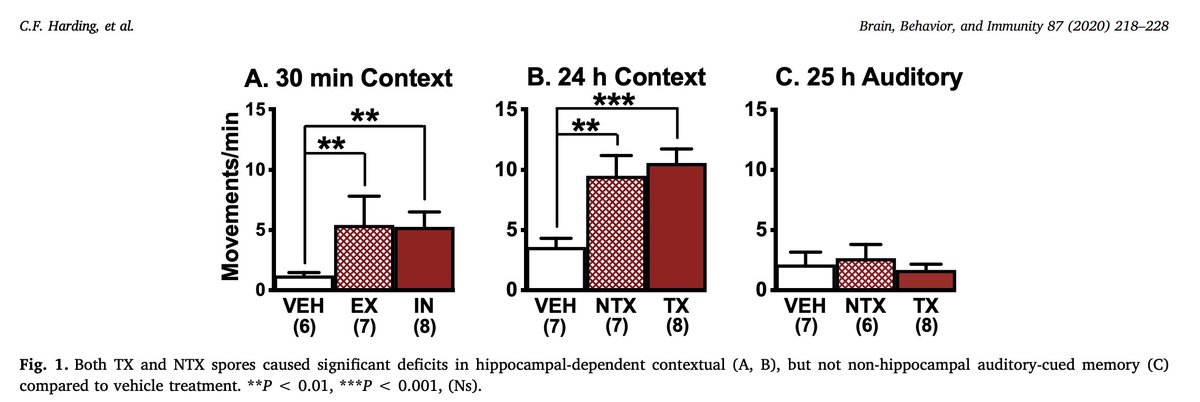
Inhalation of black mold toxins:
→ Drives inflammation in the hippocampus (memory brain region)
→ Depletes mature neurons
→ Worsens memory in response to several cues
They're neurotoxins.
6
Mycotoxins can even cause cancer.
Several common mycotoxins have carcinogenic potential, by:
➥ Driving DNA damage
➥ Influencing epigenetics
➥ Suppressing immunity
➥ Altering cell cycle dynamics
Hitting on several of the hallmarks of cancer (covered below).


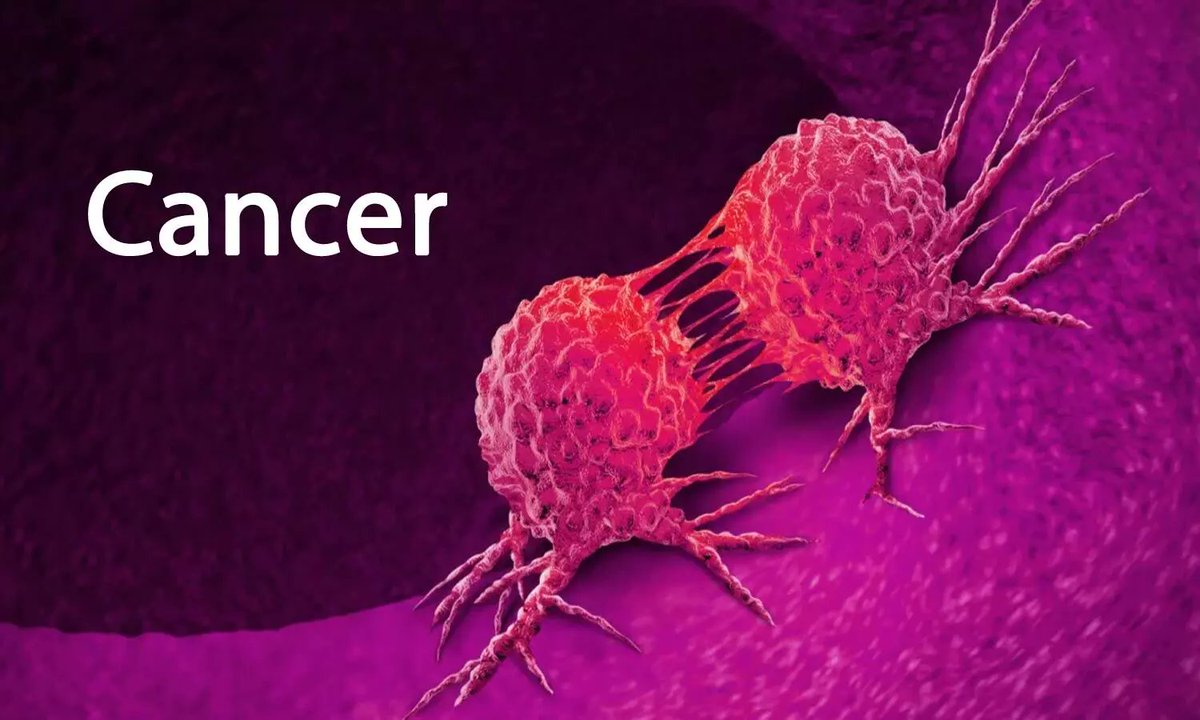
Several common mycotoxins have carcinogenic potential, by:
➥ Driving DNA damage
➥ Influencing epigenetics
➥ Suppressing immunity
➥ Altering cell cycle dynamics
Hitting on several of the hallmarks of cancer (covered below).
Dalton (Analyze & Optimize)@Outdoctrination
Cancer is complicated.
Unfortunately, most treatments are very simple.
These are the 10 hallmarks of cancer,
and what I would do to address each one.
Unfortunately, most treatments are very simple.
These are the 10 hallmarks of cancer,
and what I would do to address each one.
7
Some other telltale signs mold is wrecking you:
◇ Feel worse in certain rooms
◇ Feel better when you travel or go outside
◇ React to chemicals (perfumes, cleaning products, etc)
◇ Random food sensitivities
◇ Crash after sauna/fasting/exercise
◇ “Normal” labs but feel awful
◇ Nothing you try seems to work
◇ Can't be explained by any other common causes
◇ Feel worse in certain rooms
◇ Feel better when you travel or go outside
◇ React to chemicals (perfumes, cleaning products, etc)
◇ Random food sensitivities
◇ Crash after sauna/fasting/exercise
◇ “Normal” labs but feel awful
◇ Nothing you try seems to work
◇ Can't be explained by any other common causes
8
Mold can raise cortisol.
The toxins mold emits (mycotoxins) can powerfully stimulate inflammation in the brain, driving the HPA axis.
Disrupted cortisol patterns are common in people struggling with mold related illness.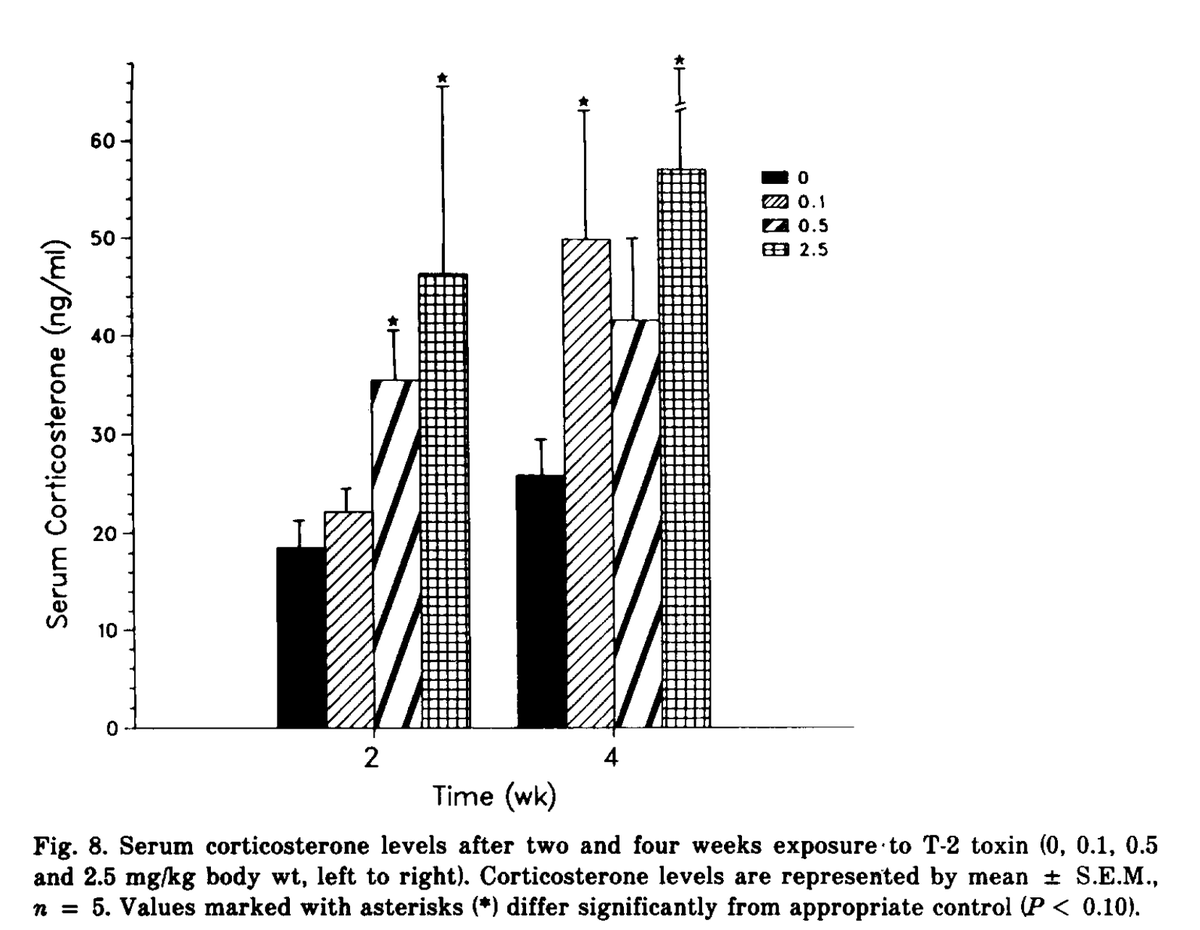
The toxins mold emits (mycotoxins) can powerfully stimulate inflammation in the brain, driving the HPA axis.
Disrupted cortisol patterns are common in people struggling with mold related illness.
9
Mold can destroy your gut health.
Mycotoxins initiate many of the processes found in all sorts of digestive conditions:
➥ Depletes SCFA producing bacteria
➥ Increases pathogenic bacteria
➥ Increases inflammation
➥ Opens gut barrier (leaky gut)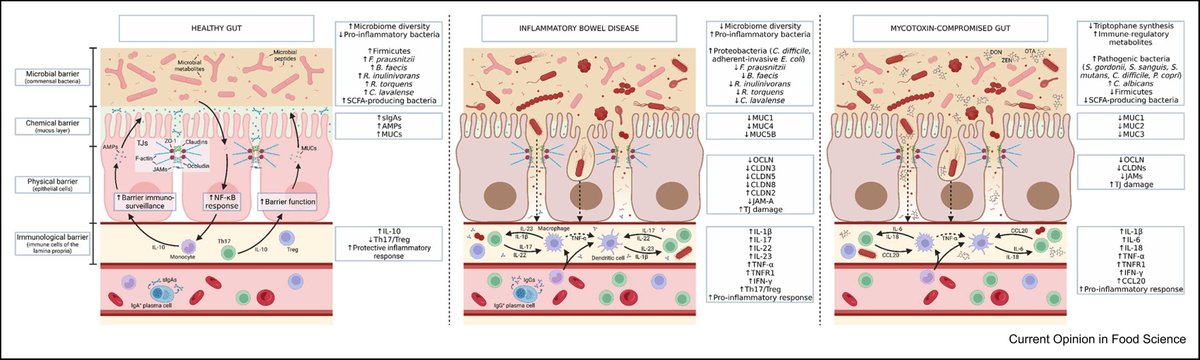
Mycotoxins initiate many of the processes found in all sorts of digestive conditions:
➥ Depletes SCFA producing bacteria
➥ Increases pathogenic bacteria
➥ Increases inflammation
➥ Opens gut barrier (leaky gut)
10
EXPOSURE TO MOLD:
The two main sources of mold exposure are:
➥ In a building (your house, place of work, etc.)
➥ Food
EVEN IF THERE IS NO VISIBLE MOLD - in both cases there can be.
Especially in warm / humid environments.

The two main sources of mold exposure are:
➥ In a building (your house, place of work, etc.)
➥ Food
EVEN IF THERE IS NO VISIBLE MOLD - in both cases there can be.
Especially in warm / humid environments.
11
MOLD WHERE YOU LIVE / WORK:
➥ Water-Damaged Buildings: leaky roofs, pipe bursts, flooding, high humidity (especially in bathrooms, basements, kitchens).
➥ Damp Building Materials: carpets, ceiling tiles, wallpaper
➥ HVAC Systems
➥ Compost, soil, decaying leaves

➥ Water-Damaged Buildings: leaky roofs, pipe bursts, flooding, high humidity (especially in bathrooms, basements, kitchens).
➥ Damp Building Materials: carpets, ceiling tiles, wallpaper
➥ HVAC Systems
➥ Compost, soil, decaying leaves
12
INDOOR MOLD CHEAT SHEET.
There are different fungi that constitute these molds, each tending to occupy different places,
giving off mycotoxins, or having allergenic risks.
If you feel better when you leave a given building, that's a red flag one of these is a problem for you.
There are different fungi that constitute these molds, each tending to occupy different places,
giving off mycotoxins, or having allergenic risks.
If you feel better when you leave a given building, that's a red flag one of these is a problem for you.
13
TESTING FOR INDOOR MOLD:
➜ ERMI: measures a ton of different molds but not all likely to cause symptoms
➜ HERTSMI-2: measures 5 of the molds commonly causing symptoms
These use dust samples (long term mycotoxin accumulation).
You can also do air or surface sampling, but they are not as reliable.
➜ ERMI: measures a ton of different molds but not all likely to cause symptoms
➜ HERTSMI-2: measures 5 of the molds commonly causing symptoms
These use dust samples (long term mycotoxin accumulation).
You can also do air or surface sampling, but they are not as reliable.
14
The BEST ways to mitigate indoor mold exposure:
➜ HEPA air filters: remove 99.97% of mold spores & mycotoxin carrying particles
➜ Dusting: ideally with damp microfiber (dust collects mycotoxins / mold spores)
➜ Negative ion generators
➜ Limiting indoor humidity (<50%)
➜ HEPA air filters: remove 99.97% of mold spores & mycotoxin carrying particles
➜ Dusting: ideally with damp microfiber (dust collects mycotoxins / mold spores)
➜ Negative ion generators
➜ Limiting indoor humidity (<50%)
15
MOLD / MYCOTOXINS IN FOODS:
Molds love certain foods that allow them to thrive with damp, nutrient rich environments.
Animal proteins are rarely in this category, the foods most liable for mold growth are as follows:
Molds love certain foods that allow them to thrive with damp, nutrient rich environments.
Animal proteins are rarely in this category, the foods most liable for mold growth are as follows:
16
TESTING FOR MOLD TOXICITY:
Mycotoxins can be tested for in:
➥ Urine - indicative of excretion / detoxification of mycotoxins
➥ Serum - indicative of existing mycotoxin burden
Both can be helpful - urine is more common. RealTime Labs + Vibrant are companies that offer them.
You can also test for antibodies (IgG, IgE), though these are often indicative of past exposure and not necessarily current issues.
Other common markers in mold illness:
HIGH:
➥ MMP9
➥ TGFβ
➥ C4a
➥ C3a
LOW:
➥ αMSH
➥ VIP
➥ VEGF
➥ ADH
Mycotoxins can be tested for in:
➥ Urine - indicative of excretion / detoxification of mycotoxins
➥ Serum - indicative of existing mycotoxin burden
Both can be helpful - urine is more common. RealTime Labs + Vibrant are companies that offer them.
You can also test for antibodies (IgG, IgE), though these are often indicative of past exposure and not necessarily current issues.
Other common markers in mold illness:
HIGH:
➥ MMP9
➥ TGFβ
➥ C4a
➥ C3a
LOW:
➥ αMSH
➥ VIP
➥ VEGF
➥ ADH
17
One of THE MOST IMPORTANT determining your susceptibility to mold illness is the HLA genes.
HLA are proteins that "present" toxins / pathogens to the immune system for clearance.
Certain gene variants of this protein make you worse at recognizing / clearing these toxins.
You can order genetic testing for: HLA Class II, Typing for DRB1, DRB3/4/5, DQA1, DQB1.
Depending on your genotype and the combinations of those genes, you could be more susceptible.
Approximately 25% of people are.
HLA are proteins that "present" toxins / pathogens to the immune system for clearance.
Certain gene variants of this protein make you worse at recognizing / clearing these toxins.
You can order genetic testing for: HLA Class II, Typing for DRB1, DRB3/4/5, DQA1, DQB1.
Depending on your genotype and the combinations of those genes, you could be more susceptible.
Approximately 25% of people are.
18
STRESS leaves you vulnerable to mold illness.
Toxins impact you if they get inside your body through the mucosal barriers in your:
➞ Gut
➞ Respiratory tract
Stress depletes the "guardian" antibody (S-IgA) AND contributes to barrier breakdown.
More breakdown = more exposure.
Thus, lowering stress systemically is paramount. Full guide on lowering stress below.


Toxins impact you if they get inside your body through the mucosal barriers in your:
➞ Gut
➞ Respiratory tract
Stress depletes the "guardian" antibody (S-IgA) AND contributes to barrier breakdown.
More breakdown = more exposure.
Thus, lowering stress systemically is paramount. Full guide on lowering stress below.
Dalton (Analyze & Optimize)@Outdoctrination
High cortisol, anxiety, and can’t sleep? This is for you.
This is the ULTIMATE GUIDE to STRESS - the signs, the biological mechanisms and what to do about it:
This is the ULTIMATE GUIDE to STRESS - the signs, the biological mechanisms and what to do about it:
19
Mold illness often goes hand in hand with:
➤ Parasites
➤ EBV
➤ Lyme
➤ Hypothyroidism
These other infections can suppress the immune system at various points and leave you susceptible.
Mold also worsens thyroid hormone metabolism.
Thyroid optimization guide below.
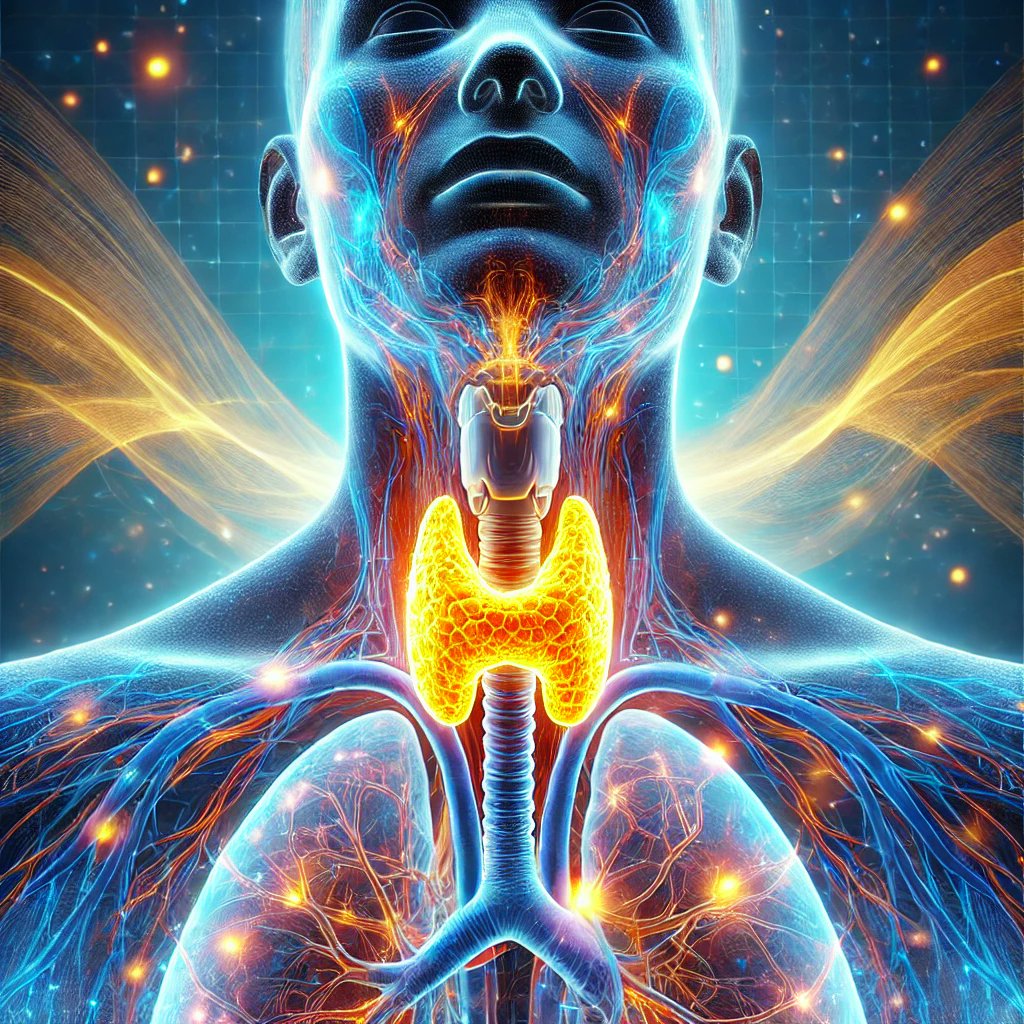
➤ Parasites
➤ EBV
➤ Lyme
➤ Hypothyroidism
These other infections can suppress the immune system at various points and leave you susceptible.
Mold also worsens thyroid hormone metabolism.
Thyroid optimization guide below.
Dalton (Analyze & Optimize)@Outdoctrination
The key to unlocking your metabolism, mood, energy and gut health is sitting under your tongue being ignored by your doctor.
This is the ULTIMATE AND COMPLETE GUIDE TO THYROID HEALTH so you can optimize it:
This is the ULTIMATE AND COMPLETE GUIDE TO THYROID HEALTH so you can optimize it:
20
Thyroid improves (almost) every symptom of mold illness.
Active thyroid hormone (T3) levels can be low during mold illness, as mycotoxins can impair conversion of T4➔T3.
T4 does not help, but T4+T3 OR T3 alone does.
Natural desiccated thyroid has T4+T3.
Active thyroid hormone (T3) levels can be low during mold illness, as mycotoxins can impair conversion of T4➔T3.
T4 does not help, but T4+T3 OR T3 alone does.
Natural desiccated thyroid has T4+T3.
21
Our preferred NDT product + guide below:

Dalton (Analyze & Optimize)@Outdoctrination
The ultimate supplement to boost your metabolism:
THYROID HORMONE - A complete guide
1. Symptoms you may be hypothyroid
Just to name a few:
• ALWAYS being tired
• Feeling COLD, especially at the extremities
• Slow / lethargic speech
• Stubborn weight gain
• Poor mood
• Puffy features: cheeks, love handles, general water retention
• Gynecomastia (man boobs)
• Muscular weakness
• Dry skin and hair
• Anxiety
• Hair loss
• Always being sick
Digestion is particularly responsive to thyroid hormone.
• Constipation or diarrhea
• Nausea
• Bacterial overgrowth
• Reflux
are all common in hypothyroidism.
Thyroid hormone is:
⬨ Key for gut regeneration, healing
⬨ Pro-motility
⬨ Vital for producing digestive enzymes
⬨ Required for producing stomach acid
⬨ Critical for gut immunity, gut barrier
2. Why labs are often misleading
TSH is the primary (and often only) metric a doctor will test for hypothyroidism.
A lower TSH should be indicative of higher thyroid hormone secretion, but it doesn't tell the full story.
For starters, TSH can be lowered by:
• Infection
• Trauma
• Cortisol
• Adrenaline
• Caffeine
• Fever
So a low TSH alone cannot rule out hypothyroidism.
The standard TSH reference range is also WAY too lenient (up to 5).
TSH >2 has been associated with:
• Heart disease
• High cortisol
Thyroid hormones:
• T4 (inactive)
• T3 (active, pro-metabolic)
• Reverse T3 (anti-metabolic)
can also be measured in the blood, but this doesn't tell the full story either.
These hormones must be transported through the blood, enter their target cells, and attach to the specific proteins in the cells that facilitate their actions.
Not as simple as thyroid in blood = thyroid activity.
Values of the “free” T3 and T4 can be misleading as well.
Thyroid hormones do not need to be "free" to exert their effects on various tissues, contrary the current medical dogma.
I still think testing can often be helpful, but you can certainly be hypothyroid while your labs look good on paper.
3. Diagnostics
An underarm temperature measured first thing in the morning, leaving the thermometer under the arm for 10 minutes to equilibrate, should start be >97.8°F.
Lower temperatures are highly indicative of hypothyroidism.
This was the gold standard thyroid test (along with aforementioned symptoms) that was successfully used to treat thousands of hypothyroid people before blood tests.
You can have “ideal” thyroid lab values yet be at the temperature of a hibernating bear.
A healthy resting pulse averaged 85 beats per minute, though Dr. Ward Dean has suggested between 65-75 is a good range.
If you eat carbs can and feel more tired and have lower temperature and pulse rate, this indicates a reliance on the stress hormones and a lack of thyroid function.
The response of the Achilles tendon when tapped was another assessment tool.
In a well-functioning thyroid, the foot would swing back energetically due to quick muscle relaxation.
but a slow, controlled return motion indicated potentially sluggish energy status, often a sign of hypothyroidism.
High cholesterol is another sign of hypothyroidism, while thyroid supplementation normalizes it.
4. NOT supplementing thyroid is unnatural
Consuming thyroid gland is as natural and "ancestral" as it gets.
Paleo researchers have stated that we probably consumed lots of thyroid gland throughout human history:
"the shift from scavenging towards hunting... would have increased thyroid gland consumption by hominins and thereby exogenous thyroid exposure."
"these Homo forebears started consuming small animals, such as amphibians, birds, and reptiles. This prey was consumed whole, and the animals’ thyroid glands thus provided a significant amount of thyroid hormone to their hominid predators."
"Nevertheless, tissues and organs (including thyroid glands) are commonly consumed by the primary hunters"
In fact, thyroid gland used to be in common foods like ground beef up until the mid 80s.
It is only recently when we stopped eating the whole animal, including the thyroid gland!
5. Using natural desiccated thyroid (NDT)
Desiccated thyroid comes from the thyroid glands of pigs or cows, and is the traditional way of supplanting thyroid hormones.
A grain (60 mg) is the unit of measurement for supplementation, containing ~40 mcg T4 + ~10 mcg T3.
A starting dose of a half grain is reasonable, and should be continued for 2-4 weeks before adjusting.
The hormones take around this long to stabilize.
As you use NDT, you should consistently track:
1. Morning temperature
2. Symptoms
Once you get to >97.8°F and symptoms resolve, the correct dose has been found.
The brand matters a lot. Many products seem to be unreliable, or outright useless.
That’s definitely been my experience. I’ve tried numerous products over the last few years.
I'll link below the thyroid product I have been using recently for myself and with clients.
I would take it with food to slow the absorption, or even split into multiple doses with meals.
I prefer at dinner.
While some may require full replacement (4 to 5 grains), others find relief with as little as 15 mg (quarter grain).
Broda Barnes observed that his patients often required about two grains of thyroid to alleviate hypothyroid symptoms, occasionally needing more.
If you experience
• Too fast of a heart rate
• Palpitations,
• Anxiety,
• Overheating
• Fatigue
• Shaky feelings
then you might have taken too much thyroid.
The amount taken should be reduced or discontinued entirely.
Effects of over stimulation should resolve in a few hours.
This type of response can also indicate low cholesterol or an issue with liver function, two systems that the thyroid depends on to do its good.
You may also need more nutrients, as the increased metabolic rate demands more resources.
Eat your liver, egg yolks, and oysters.
Many people who should be candidates for supplementation find that thyroid does nothing for them, no matter how much they take.
In my experience, this always seems to be tied to an issue with the gut.
I would try to address this first.
Or, you just may not need it at all. You may need to address other factors.
Of course, supplementing thyroid is not the ONLY way to improve thyroid function, but it seems like an appropriate strategy when other factors have been addressed.
THYROID HORMONE - A complete guide
1. Symptoms you may be hypothyroid
Just to name a few:
• ALWAYS being tired
• Feeling COLD, especially at the extremities
• Slow / lethargic speech
• Stubborn weight gain
• Poor mood
• Puffy features: cheeks, love handles, general water retention
• Gynecomastia (man boobs)
• Muscular weakness
• Dry skin and hair
• Anxiety
• Hair loss
• Always being sick
Digestion is particularly responsive to thyroid hormone.
• Constipation or diarrhea
• Nausea
• Bacterial overgrowth
• Reflux
are all common in hypothyroidism.
Thyroid hormone is:
⬨ Key for gut regeneration, healing
⬨ Pro-motility
⬨ Vital for producing digestive enzymes
⬨ Required for producing stomach acid
⬨ Critical for gut immunity, gut barrier
2. Why labs are often misleading
TSH is the primary (and often only) metric a doctor will test for hypothyroidism.
A lower TSH should be indicative of higher thyroid hormone secretion, but it doesn't tell the full story.
For starters, TSH can be lowered by:
• Infection
• Trauma
• Cortisol
• Adrenaline
• Caffeine
• Fever
So a low TSH alone cannot rule out hypothyroidism.
The standard TSH reference range is also WAY too lenient (up to 5).
TSH >2 has been associated with:
• Heart disease
• High cortisol
Thyroid hormones:
• T4 (inactive)
• T3 (active, pro-metabolic)
• Reverse T3 (anti-metabolic)
can also be measured in the blood, but this doesn't tell the full story either.
These hormones must be transported through the blood, enter their target cells, and attach to the specific proteins in the cells that facilitate their actions.
Not as simple as thyroid in blood = thyroid activity.
Values of the “free” T3 and T4 can be misleading as well.
Thyroid hormones do not need to be "free" to exert their effects on various tissues, contrary the current medical dogma.
I still think testing can often be helpful, but you can certainly be hypothyroid while your labs look good on paper.
3. Diagnostics
An underarm temperature measured first thing in the morning, leaving the thermometer under the arm for 10 minutes to equilibrate, should start be >97.8°F.
Lower temperatures are highly indicative of hypothyroidism.
This was the gold standard thyroid test (along with aforementioned symptoms) that was successfully used to treat thousands of hypothyroid people before blood tests.
You can have “ideal” thyroid lab values yet be at the temperature of a hibernating bear.
A healthy resting pulse averaged 85 beats per minute, though Dr. Ward Dean has suggested between 65-75 is a good range.
If you eat carbs can and feel more tired and have lower temperature and pulse rate, this indicates a reliance on the stress hormones and a lack of thyroid function.
The response of the Achilles tendon when tapped was another assessment tool.
In a well-functioning thyroid, the foot would swing back energetically due to quick muscle relaxation.
but a slow, controlled return motion indicated potentially sluggish energy status, often a sign of hypothyroidism.
High cholesterol is another sign of hypothyroidism, while thyroid supplementation normalizes it.
4. NOT supplementing thyroid is unnatural
Consuming thyroid gland is as natural and "ancestral" as it gets.
Paleo researchers have stated that we probably consumed lots of thyroid gland throughout human history:
"the shift from scavenging towards hunting... would have increased thyroid gland consumption by hominins and thereby exogenous thyroid exposure."
"these Homo forebears started consuming small animals, such as amphibians, birds, and reptiles. This prey was consumed whole, and the animals’ thyroid glands thus provided a significant amount of thyroid hormone to their hominid predators."
"Nevertheless, tissues and organs (including thyroid glands) are commonly consumed by the primary hunters"
In fact, thyroid gland used to be in common foods like ground beef up until the mid 80s.
It is only recently when we stopped eating the whole animal, including the thyroid gland!
5. Using natural desiccated thyroid (NDT)
Desiccated thyroid comes from the thyroid glands of pigs or cows, and is the traditional way of supplanting thyroid hormones.
A grain (60 mg) is the unit of measurement for supplementation, containing ~40 mcg T4 + ~10 mcg T3.
A starting dose of a half grain is reasonable, and should be continued for 2-4 weeks before adjusting.
The hormones take around this long to stabilize.
As you use NDT, you should consistently track:
1. Morning temperature
2. Symptoms
Once you get to >97.8°F and symptoms resolve, the correct dose has been found.
The brand matters a lot. Many products seem to be unreliable, or outright useless.
That’s definitely been my experience. I’ve tried numerous products over the last few years.
I'll link below the thyroid product I have been using recently for myself and with clients.
I would take it with food to slow the absorption, or even split into multiple doses with meals.
I prefer at dinner.
While some may require full replacement (4 to 5 grains), others find relief with as little as 15 mg (quarter grain).
Broda Barnes observed that his patients often required about two grains of thyroid to alleviate hypothyroid symptoms, occasionally needing more.
If you experience
• Too fast of a heart rate
• Palpitations,
• Anxiety,
• Overheating
• Fatigue
• Shaky feelings
then you might have taken too much thyroid.
The amount taken should be reduced or discontinued entirely.
Effects of over stimulation should resolve in a few hours.
This type of response can also indicate low cholesterol or an issue with liver function, two systems that the thyroid depends on to do its good.
You may also need more nutrients, as the increased metabolic rate demands more resources.
Eat your liver, egg yolks, and oysters.
Many people who should be candidates for supplementation find that thyroid does nothing for them, no matter how much they take.
In my experience, this always seems to be tied to an issue with the gut.
I would try to address this first.
Or, you just may not need it at all. You may need to address other factors.
Of course, supplementing thyroid is not the ONLY way to improve thyroid function, but it seems like an appropriate strategy when other factors have been addressed.
22
LYMPH FUNCTION FOR MOLD ILLNESS:
The lymphatic system houses ~50% of your immune cells.
It also helps eliminate tons of toxins.
If your lymph is stuck:
➔ Immune cells are stagnant
➔ Inflammation worsens
➔ Toxins accumulate
For the guide on getting it moving, see below.


The lymphatic system houses ~50% of your immune cells.
It also helps eliminate tons of toxins.
If your lymph is stuck:
➔ Immune cells are stagnant
➔ Inflammation worsens
➔ Toxins accumulate
For the guide on getting it moving, see below.
Dalton (Analyze & Optimize)@Outdoctrination
If you feel puffy, have “cortisol face,” are congested and feel like your body needs a reset, look no further.
You’re probably filled up with fluid that won’t leave until you address this.
Let’s talk about the LYMPH STAGNATION - why it is harmful & how to fix it:
You’re probably filled up with fluid that won’t leave until you address this.
Let’s talk about the LYMPH STAGNATION - why it is harmful & how to fix it:
23
DETOXIFICATION FOR MOLD:
Chances are if you're struggling with this your detox systems are not working properly.
Toxins need to be metabolized + conjugated in the liver,
before being excreted through the bile + feces,
or in the urine.
Chances are if you're struggling with this your detox systems are not working properly.
Toxins need to be metabolized + conjugated in the liver,
before being excreted through the bile + feces,
or in the urine.
24
SUPPORTING DETOX 101:
Phase I: CYP450 enzyme activity
• Requires iron and oxygen
• Oxygen delivery improves with higher CO₂ production — which comes from carbohydrate metabolism
• Low-carb diets can impair this phase by reducing CO₂
Phase II: Conjugation pathways
• Sulfation → Needs sulfate (from animal protein) and molybdenum
• Glucuronidation → Requires glycogen (dependent on carb intake)
• Methylation → Supported by B2, B6, B9, B12, glycine, betaine, and choline
These pathways make fat-soluble toxins water-soluble so they can be excreted.
Supporting bile flow (essential for toxin elimination):
• Taurine and glycine – conjugate bile acids
• Phosphatidylcholine – keeps bile fluid and moving
• Lactoferrin – supports liver and immune defenses, bile flow
• Coffee and vinegar – stimulate bile secretion
• Bitters and TUDCA – enhance bile flow and liver detox
Carbs, micronutrients, bile support. All crucial.
Phase I: CYP450 enzyme activity
• Requires iron and oxygen
• Oxygen delivery improves with higher CO₂ production — which comes from carbohydrate metabolism
• Low-carb diets can impair this phase by reducing CO₂
Phase II: Conjugation pathways
• Sulfation → Needs sulfate (from animal protein) and molybdenum
• Glucuronidation → Requires glycogen (dependent on carb intake)
• Methylation → Supported by B2, B6, B9, B12, glycine, betaine, and choline
These pathways make fat-soluble toxins water-soluble so they can be excreted.
Supporting bile flow (essential for toxin elimination):
• Taurine and glycine – conjugate bile acids
• Phosphatidylcholine – keeps bile fluid and moving
• Lactoferrin – supports liver and immune defenses, bile flow
• Coffee and vinegar – stimulate bile secretion
• Bitters and TUDCA – enhance bile flow and liver detox
Carbs, micronutrients, bile support. All crucial.
25
GUT HEALTH is also going to be a huge focus.
Poor gut health results in:
➥ Impaired toxin excretion
➥ Increased liver burden
➥ Increased toxin reabsorption
➥ Increased mycotoxin exposure
➥ Altered immune balance
Optimal gut health is essential here. Full guide below.
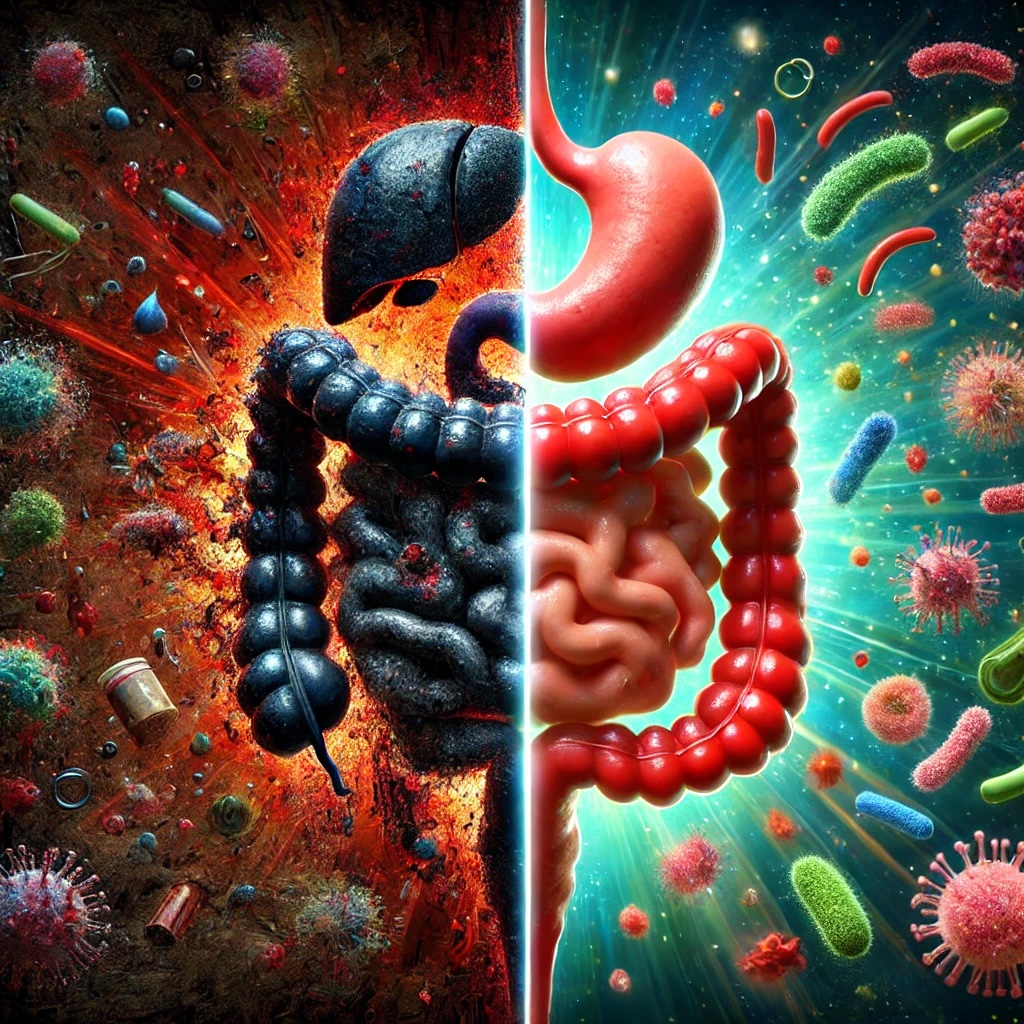
Poor gut health results in:
➥ Impaired toxin excretion
➥ Increased liver burden
➥ Increased toxin reabsorption
➥ Increased mycotoxin exposure
➥ Altered immune balance
Optimal gut health is essential here. Full guide below.
Dalton (Analyze & Optimize)@Outdoctrination
READ THIS IF YOU WANT TO FIX YOUR GUT.
If you have IBS, bloating, gas, poor bowel movements or brain fog, you NEED to see this.
This is a comprehensive DEEP dive into fixing your digestive health:
If you have IBS, bloating, gas, poor bowel movements or brain fog, you NEED to see this.
This is a comprehensive DEEP dive into fixing your digestive health:
26
BINDERS FOR MOLD / MYCOTOXINS:
Binders are various compounds that attach to mycotoxins in the gut,
which can ensure that they get excreted through the poop once detoxified.
Here's your cheat sheet on some that work below:
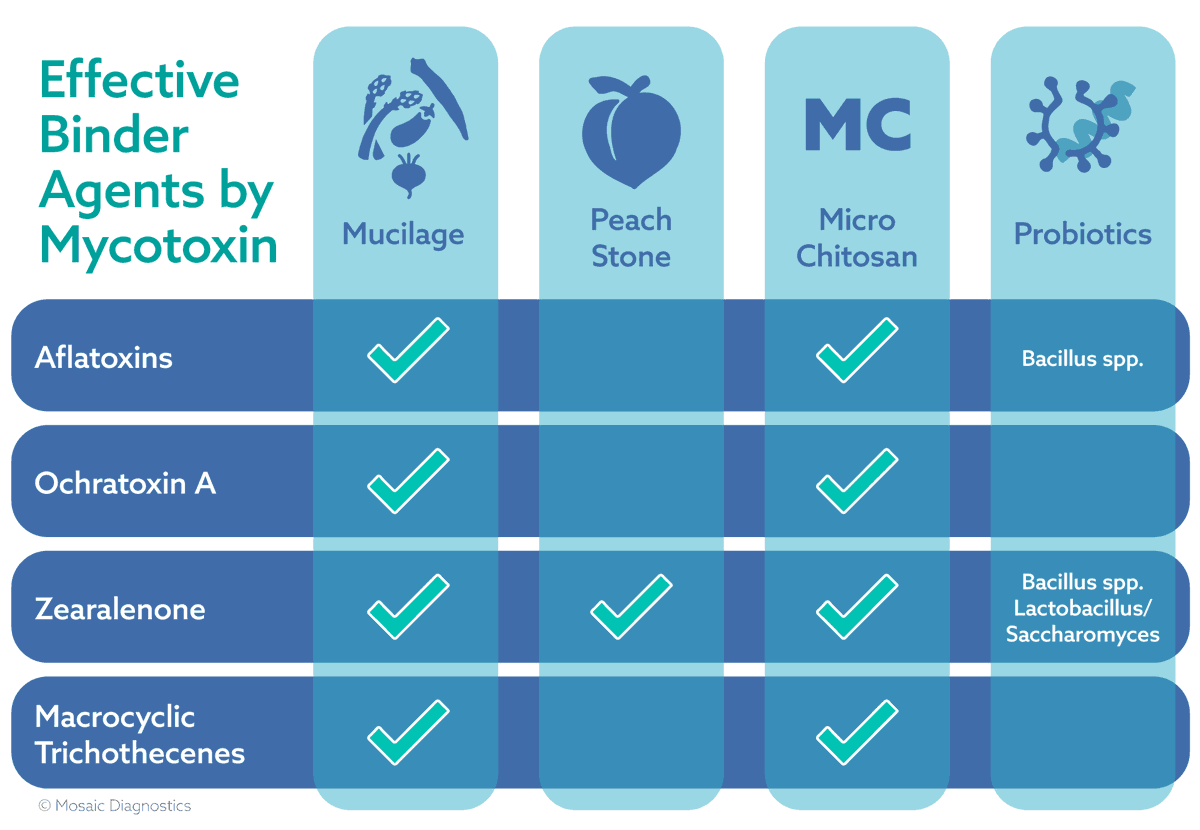
Binders are various compounds that attach to mycotoxins in the gut,
which can ensure that they get excreted through the poop once detoxified.
Here's your cheat sheet on some that work below:
27
OTHER DETOX METHODS FOR MOLD:
⇨ Sauna / sweating - toxins can be expelled through the sweat
⇨ Sunlight - your detox enzymes are catalyzed by different wavelengths of light
⇨ Red / near infrared light - enhances glymphatic flow
⇨ Pro motility agents / laxatives - you poop out toxins
⇨ Phosphatidylcholine - helps form bile, removes toxins from cell membranes
⇨ NAC - forms glutathione (conjugates toxins)
⇨ Antimicrobials - reduces inflammatory / toxin burden on liver
⇨ Swimming - top lymph moving exercise
⇨ Sauna / sweating - toxins can be expelled through the sweat
⇨ Sunlight - your detox enzymes are catalyzed by different wavelengths of light
⇨ Red / near infrared light - enhances glymphatic flow
⇨ Pro motility agents / laxatives - you poop out toxins
⇨ Phosphatidylcholine - helps form bile, removes toxins from cell membranes
⇨ NAC - forms glutathione (conjugates toxins)
⇨ Antimicrobials - reduces inflammatory / toxin burden on liver
⇨ Swimming - top lymph moving exercise
28
Sometimes mold can actually colonize within the body, and in this case antifungals can be helpful.
I've done an entire piece on handling fungal issues below, including loads of antifungals:

I've done an entire piece on handling fungal issues below, including loads of antifungals:
Dalton (Analyze & Optimize)@Outdoctrination
CANDIDA: The cause of your terrible gut health and fatigue that your doctor has no idea how to fix.
Here’s how to know if you have it, what causes it and what to do about it:
Here’s how to know if you have it, what causes it and what to do about it:
29
This can all be difficult to sort through and figure out so it helps to work with someone with experience.
Fortunately, we have a team with experience dealing with mold illness and tons of other health issues, so book a free call here if you want help: prism.miami/scheduling
Fortunately, we have a team with experience dealing with mold illness and tons of other health issues, so book a free call here if you want help: prism.miami/scheduling
30
Thank you for reading through this. Give this tweet below a repost if you found it interesting to spread the message. x.com/Outdoctrinatio…
31
Be sure to check out all of our content, supplements, lab testing options and join our email list for exclusive offers here: analyzeandoptimize.io
32
If YOU want personalized help from us with your health, schedule a free call here: prism.miami/scheduling
