Our paper was just published in Sports Psychiatry. 🧵1/13

Nicholas Fabiano, MD@NTFabiano
55 views
Dec 03, 2024
~2 min read
Advertisement
1
Our paper was just published in Sports Psychiatry.
🧵1/13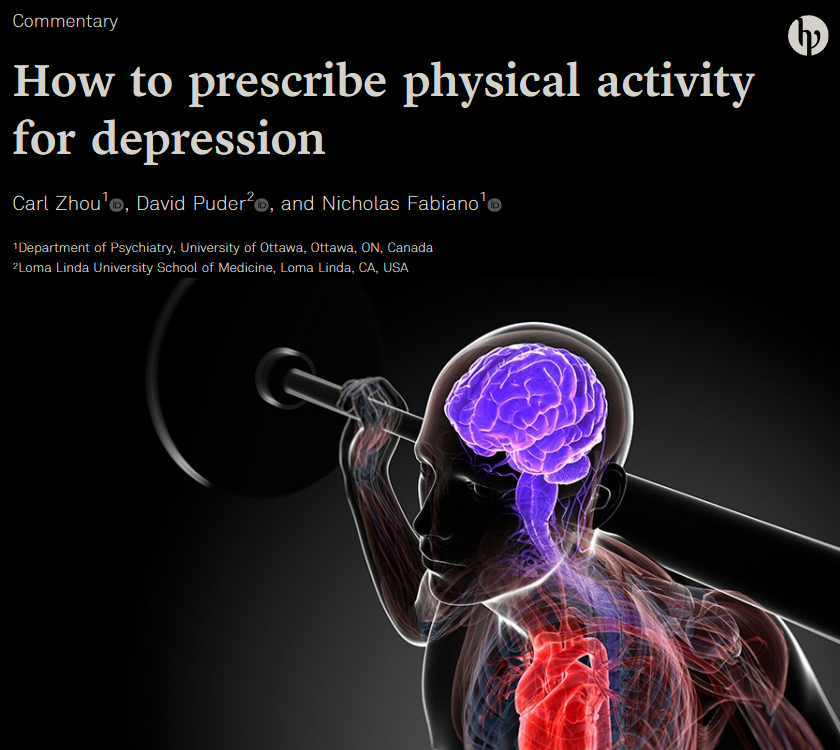
🧵1/13
2
In this paper, we highlight the key factors to consider when prescribing physical activity for depression. econtent.hogrefe.com/doi/full/10.10… 2/13
3
Prescribing physical activity involves more than simply encouraging patients to "be active”; similar to the low adherence rates observed with psychiatric medications, we must approach recommendations with empathy and understanding. 3/13
4
It can take a similar approach that a physician uses to prescribe a medication, which often includes dose, frequency, and route of administration. 4/13
5
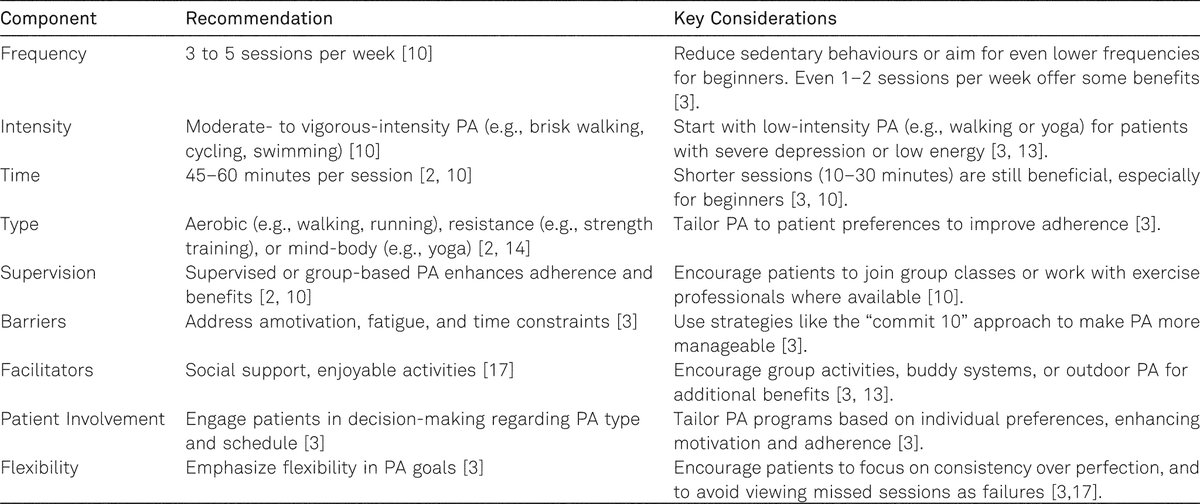
For physical activity, a structured approach based on the FITT framework—Frequency, Intensity, Time, and Type—ensures that it is both effective and sustainable. 5/13
6
Frequency—how often one is participating in physical activity. For optimal outcomes, patients should participate in physical activity 3-5x per week. 6/13
7
Intensity—how much energy is expended during physical activity. Moderate- to vigorous-intensity is recommended for treating depression in adults; however, clinicians should consider the patient's baseline fitness level and preferences. 7/13
8
Time—how long physical activity sessions are. Sessions of 45 to 60 minutes are most effective for improving mood and reducing depressive symptoms. 8/13
9
Type—aerobic, resistance, or mind-body. All three physical activity types (and their combinations) have been shown to reduce depressive symptoms. 9/13
10
Starting with small, achievable goals allows individuals to build confidence and gradually incorporate more physical activity into their routines. 10/13
11
Involving patients in the decision-making process is crucial for long-term adherence; patients are more likely to be more motivated and stick to a physical activity plan when they have a say in their activity. 11/13
12
Structured group-based physical activity or individual sessions with an exercise professional, provide accountability and motivation, which are particularly important for individuals with depression, who may struggle with fatigue or low motivation. 12/13
13
Overall, with the right support, physical activity can become a sustainable and empowering treatment for depression. 13/13
14
Read another commentary that I published in Sports Psychiatry:
