619 million people worldwide suffer from lower back pain. And the...

Ted Ryce@ted_ryce
22 views
Sep 30, 2026
~3 min read
Advertisement
1
619 million people worldwide suffer from lower back pain.
And the average person treats it like this:
• Rest it
• Ice it
• Wait for it to go away
After 27 years coaching people through this…
Here's how to get out of pain in 30 days without rest, surgery, or physical therapy: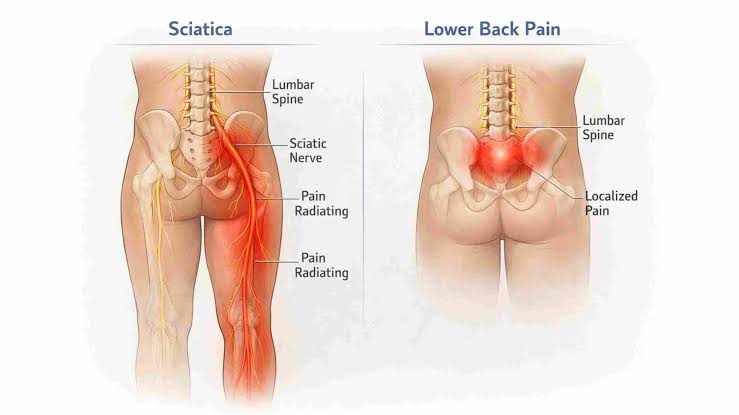
And the average person treats it like this:
• Rest it
• Ice it
• Wait for it to go away
After 27 years coaching people through this…
Here's how to get out of pain in 30 days without rest, surgery, or physical therapy:
2
Waiting it out feels reasonable, right?
Plenty of flare-ups do calm down within a few weeks.
The trouble is what happens next.
In a 2024 Lancet trial, people who had recently recovered from back pain and got no program had it come back in a median of 112 days.
Plenty of flare-ups do calm down within a few weeks.
The trouble is what happens next.
In a 2024 Lancet trial, people who had recently recovered from back pain and got no program had it come back in a median of 112 days.
3
The group that got a progressive walking program went 208 days before their pain returned.
The trial had 701 adults, and the program was mostly walking plus a handful of coaching sessions.
Keep in mind that's an average across 701 people all doing the same program.
The trial had 701 adults, and the program was mostly walking plus a handful of coaching sessions.
Keep in mind that's an average across 701 people all doing the same program.
4
A guy who hurt his back deadlifting and a guy who tweaked it moving a couch got the exact same walks.
A well-designed, personalized exercise program for your back pain will work fast.
It sounds too simple to matter, but those numbers are hard to argue with.
A well-designed, personalized exercise program for your back pain will work fast.
It sounds too simple to matter, but those numbers are hard to argue with.
5
Where you start depends on where your back is today.
For some guys that's 10 minutes, and that's fine.
Build from there as it gets easier.
Most people in that trial worked up to around 130 minutes a week, spread across 3 to 5 days, which averages out to under 20 minutes a day.
For some guys that's 10 minutes, and that's fine.
Build from there as it gets easier.
Most people in that trial worked up to around 130 minutes a week, spread across 3 to 5 days, which averages out to under 20 minutes a day.
6
Your back needs muscles that can hold a position for a long time.
Danish researchers showed this in 1984.
Men with poor endurance in their back extensors were more likely to develop low back pain.
You can test yours once the pain settles, and the test doubles as the training.
Danish researchers showed this in 1984.
Men with poor endurance in their back extensors were more likely to develop low back pain.
You can test yours once the pain settles, and the test doubles as the training.
7
Lie face down with your hips on the edge of a bench and someone holding your legs.
Keep your torso level with the floor and time how long you last.
Retest every week or so.
Watching that number climb shows you how your back is coming along.
Keep your torso level with the floor and time how long you last.
Retest every week or so.
Watching that number climb shows you how your back is coming along.
8
After a bad episode, bending over is usually the first thing to go.
A lot of guys stop, and tying their shoes turns into a whole production.
Getting comfortable bending again, reaching toward the floor first and then picking up light things, is part of the fix.
A lot of guys stop, and tying their shoes turns into a whole production.
Getting comfortable bending again, reaching toward the floor first and then picking up light things, is part of the fix.
9
The same goes for whatever you've been avoiding, like golf or picking up your grandkid.
You break the activity into smaller pieces and build toward it, which is called graded exposure.
A bucket of balls at the range comes first, and a few weeks later you're playing nine holes.
You break the activity into smaller pieces and build toward it, which is called graded exposure.
A bucket of balls at the range comes first, and a few weeks later you're playing nine holes.
10
You'll probably have a flare-up somewhere in those 30 days.
When it happens, cut the walk in half or split it into two shorter ones.
Keeping some movement going through a flare-up is usually what gets you back on track quickest.
When it happens, cut the walk in half or split it into two shorter ones.
Keeping some movement going through a flare-up is usually what gets you back on track quickest.
11
Over 30 days, the best way to judge progress is by what your back lets you do.
Pain bounces around, and a bad Tuesday is normal.
What tells you it's working is walking further than you could at the start and noticing flare-ups settle in a day or two.
Pain bounces around, and a bad Tuesday is normal.
What tells you it's working is walking further than you could at the start and noticing flare-ups settle in a day or two.
12
In 2016 I herniated a disc in my lower back.
I couldn't walk and needed pills to get through the day.
I spent years seeing doctors before I found what worked, and it was training.
If your back has been making the decisions, the walk comes after rehab.
That's what I would say.
I couldn't walk and needed pills to get through the day.
I spent years seeing doctors before I found what worked, and it was training.
If your back has been making the decisions, the walk comes after rehab.
That's what I would say.