Buffett says Charlie Munger transformed him, from a value investor...

Kintsugi Investing@kintsugiinvest
63 views
Feb 07, 2025
~4 min read
Advertisement
1
Buffett says Charlie Munger transformed him, from a value investor into a fortune builder.
Their shared secret?
Munger’s mental models that revolutionized their thinking.
I studied and distilled 15 of the best (out of 100s):
(You’d want to save this)

Their shared secret?
Munger’s mental models that revolutionized their thinking.
I studied and distilled 15 of the best (out of 100s):
(You’d want to save this)
2
1) Inversion
Start with what could go wrong.
Analyze potential failures before potential success.
When Munger evaluated BYD, he considered pitfalls like competition with Tesla.
Do this: List their key risks and mitigation strategies before any major decision.
Start with what could go wrong.
Analyze potential failures before potential success.
When Munger evaluated BYD, he considered pitfalls like competition with Tesla.
Do this: List their key risks and mitigation strategies before any major decision.
3:08
3
2) Circle of Competence
Know your strengths
Focus on areas you excel in and avoid decisions outside your expertise.
Berkshire stuck to consumer goods, consistently achieving 20% returns for decades.
Do this: Identify your top 3 areas of expertise and work within them.
Know your strengths
Focus on areas you excel in and avoid decisions outside your expertise.
Berkshire stuck to consumer goods, consistently achieving 20% returns for decades.
Do this: Identify your top 3 areas of expertise and work within them.
0:58
4
3) Margin of Safety
Build in a buffer.
Purchase assets below their intrinsic value—if a stock is worth $100, aim to buy at $70.
This safety margin protects against market downturns.
Do this: For every decision, establish your minimum acceptable outcome and ensure you have adequate protection.
Build in a buffer.
Purchase assets below their intrinsic value—if a stock is worth $100, aim to buy at $70.
This safety margin protects against market downturns.
Do this: For every decision, establish your minimum acceptable outcome and ensure you have adequate protection.
0:35
5
4) Lollapalooza Effect
Look for combined forces.
Multiple factors working together, like Costco's low prices and customer loyalty, create outsized results.
Do this: Study where multiple small advantages of companies combine for major success.
Look for combined forces.
Multiple factors working together, like Costco's low prices and customer loyalty, create outsized results.
Do this: Study where multiple small advantages of companies combine for major success.
0:41
6
5) Confirmation Bias
Question your assumptions.
Don't dismiss contradictory evidence—ignoring red flags with investments like GE can lead to 80% losses.
Do this: Actively seek opposing viewpoints and regularly study perspectives that challenge your beliefs.
Question your assumptions.
Don't dismiss contradictory evidence—ignoring red flags with investments like GE can lead to 80% losses.
Do this: Actively seek opposing viewpoints and regularly study perspectives that challenge your beliefs.
1:04
7
6) Second-Order Thinking
Consider the domino effect.
Munger evaluates how today's choices affect tomorrow's options.
Do this: Every significant decision creates ripples—document these potential long-term consequences before acting.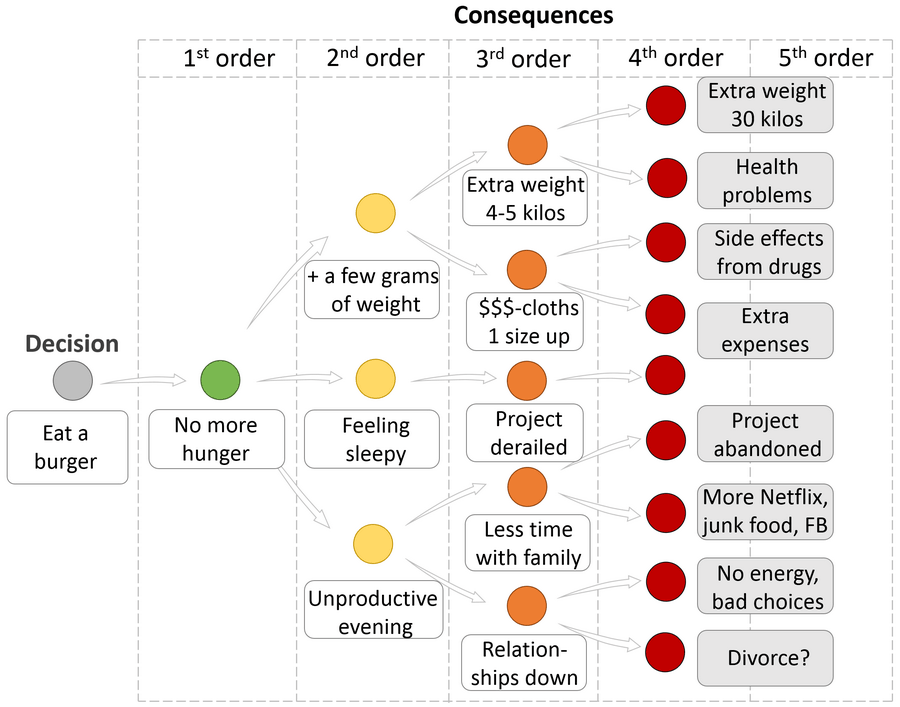
Consider the domino effect.
Munger evaluates how today's choices affect tomorrow's options.
Do this: Every significant decision creates ripples—document these potential long-term consequences before acting.
8
7) Probabilistic Thinking
Think in odds, not absolutes.
Munger evaluates scenarios by their probability—like weighing a 60% chance of 20% gain against a 30% chance of loss.
Do this: Map your decisions in a simple tree, showing potential outcomes and their likelihood.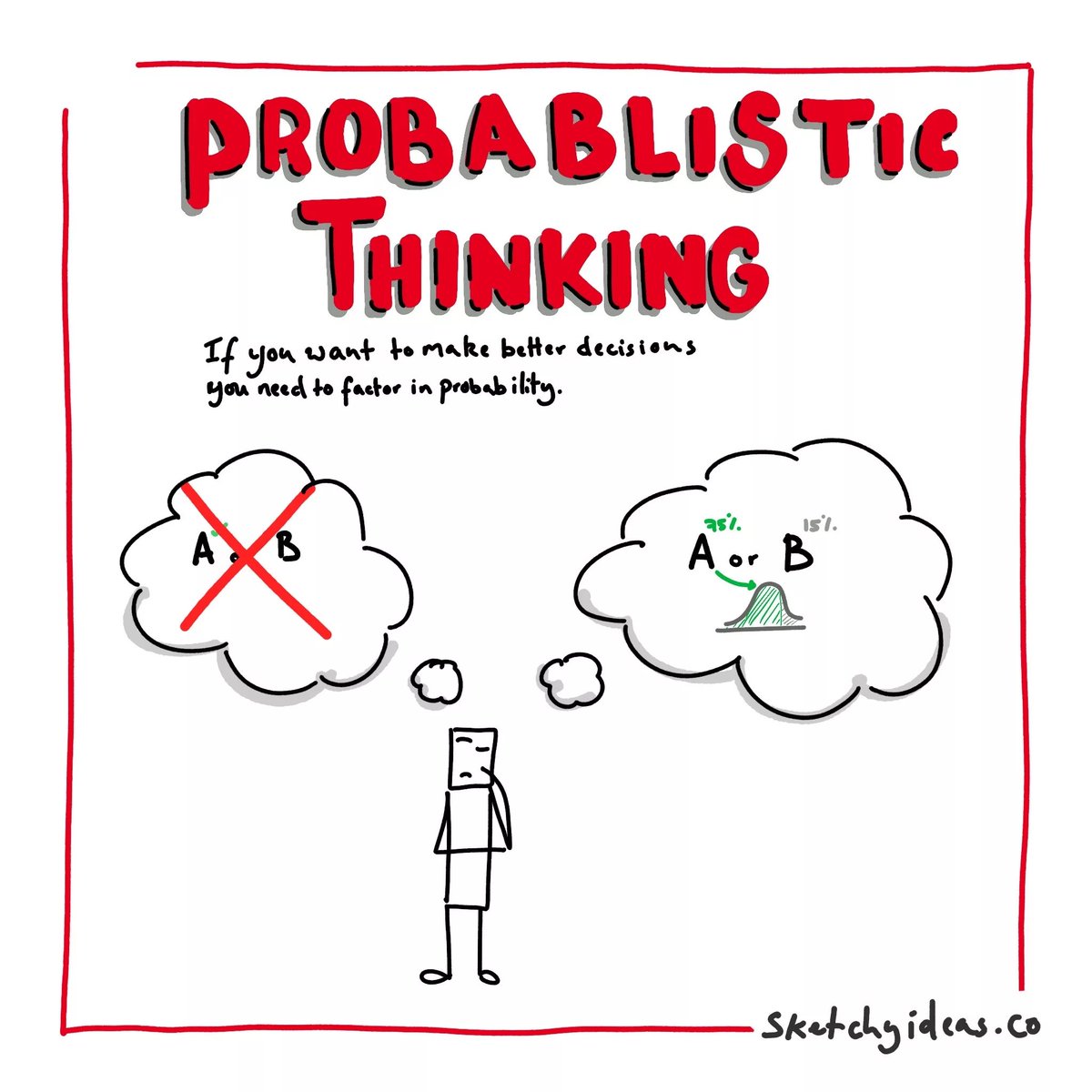
Think in odds, not absolutes.
Munger evaluates scenarios by their probability—like weighing a 60% chance of 20% gain against a 30% chance of loss.
Do this: Map your decisions in a simple tree, showing potential outcomes and their likelihood.
9
8) Resist Groupthink
Think independently.
Munger succeeds by questioning conventional wisdom.
Do this: Foster an environment where diverse opinions are welcomed and valued during discussions.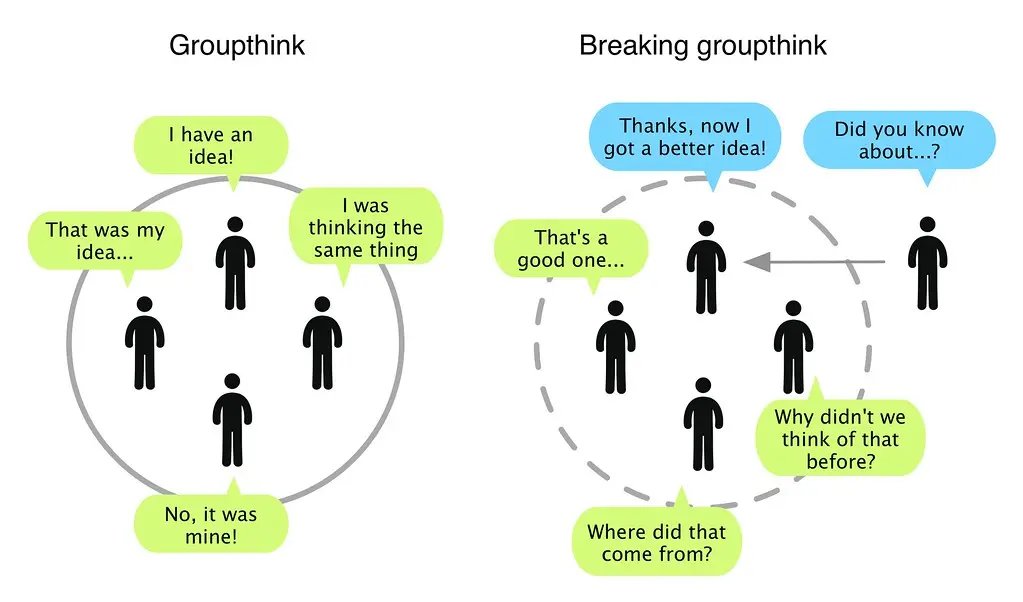
Think independently.
Munger succeeds by questioning conventional wisdom.
Do this: Foster an environment where diverse opinions are welcomed and valued during discussions.
10
9) Law of Large Numbers
Rely on substantial data.
Spread investments across at least 20 positions to reduce volatility by half.
Do this: Avoid conclusions from limited data—gather at least 5 solid data points before deciding.
Rely on substantial data.
Spread investments across at least 20 positions to reduce volatility by half.
Do this: Avoid conclusions from limited data—gather at least 5 solid data points before deciding.
4:10
11
10) Iron Prescription
Face reality as it is.
Self-delusion is costly. Accepting the unvarnished truth about your strengths and weaknesses is the path to improvement.
Do this: Write down one uncomfortable truth about your current situation and how you'll address it.
Face reality as it is.
Self-delusion is costly. Accepting the unvarnished truth about your strengths and weaknesses is the path to improvement.
Do this: Write down one uncomfortable truth about your current situation and how you'll address it.
12
11) Recency Bias
Don’t let the present overshadow the past.
We overvalue recent events and forget long-term trends. This distorts decision-making and leads to impulsive actions.
Do this: Recall one decision where focusing only on recent outcomes misled you, and consider how a broader view could improve future choices.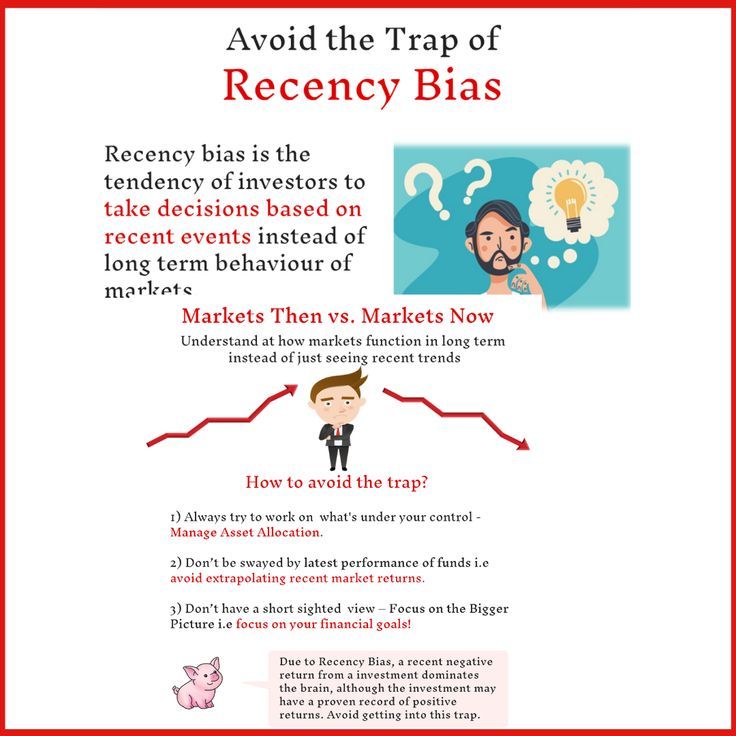
Don’t let the present overshadow the past.
We overvalue recent events and forget long-term trends. This distorts decision-making and leads to impulsive actions.
Do this: Recall one decision where focusing only on recent outcomes misled you, and consider how a broader view could improve future choices.
13
12) Build a Latticework
No one mental model is universal.
Munger analyzes investments using principles from psychology, economics, and mathematics.
Do this: Learn from other disciplines, then create your own framework with 5 key models from different fields.
No one mental model is universal.
Munger analyzes investments using principles from psychology, economics, and mathematics.
Do this: Learn from other disciplines, then create your own framework with 5 key models from different fields.
14
13) Social Proof Bias
Maintain independence.
In 2008, Wall Street sold complex products like MBS and CDOs, which investors trusted because “everyone” did.
Do this: Conduct thorough research and verify alignment with your objectives before following trends.
Maintain independence.
In 2008, Wall Street sold complex products like MBS and CDOs, which investors trusted because “everyone” did.
Do this: Conduct thorough research and verify alignment with your objectives before following trends.
15
14) Feynman Technique
Master through teaching.
Break down complex concepts into simple explanations, as if describing derivatives to a newcomer.
Do this: Test your understanding by teaching others and identifying knowledge gaps.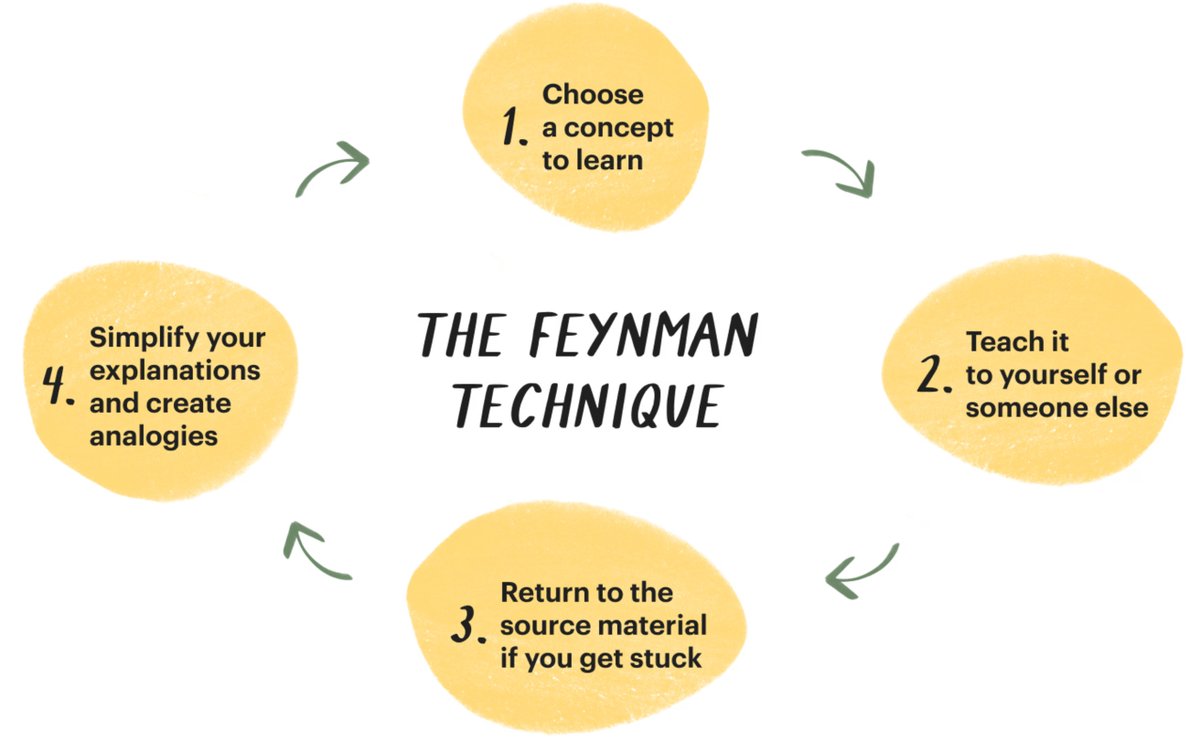
Master through teaching.
Break down complex concepts into simple explanations, as if describing derivatives to a newcomer.
Do this: Test your understanding by teaching others and identifying knowledge gaps.
16
15) Opportunity Cost
Every choice means passing up other options.
When comparing investments—like choosing between 8% returns versus 4%—calculate the long-term impact of your decision.
Do this: Always evaluate multiple options before committing.
Every choice means passing up other options.
When comparing investments—like choosing between 8% returns versus 4%—calculate the long-term impact of your decision.
Do this: Always evaluate multiple options before committing.
17
Charlie Munger’s 15 essential mental models (out of 100s):
1) Inversion
2) Circle of Competence
3) Margin of Safety
4) Lollapalooza Effect
5) Confirmation Bias
6) Second-Order Thinking
7) Probabilistic Thinking
8) Resist Groupthink
9) Law of Large Numbers
10) Iron Prescription
11) Recency Bias
12) Build a Latticework
13) Social Proof Bias
14) Feynman Technique
15) Opportunity Cost
1) Inversion
2) Circle of Competence
3) Margin of Safety
4) Lollapalooza Effect
5) Confirmation Bias
6) Second-Order Thinking
7) Probabilistic Thinking
8) Resist Groupthink
9) Law of Large Numbers
10) Iron Prescription
11) Recency Bias
12) Build a Latticework
13) Social Proof Bias
14) Feynman Technique
15) Opportunity Cost
18
We're Zee & @thehowietan:
• Financially-free investors
• Co-founders of Kintsugi Investing
• Passionate about helping others build & repair portfolios
Follow @kintsugiinvest for our learnings in investing
Repost to help others grow too⚡️
• Financially-free investors
• Co-founders of Kintsugi Investing
• Passionate about helping others build & repair portfolios
Follow @kintsugiinvest for our learnings in investing
Repost to help others grow too⚡️
Kintsugi Investing@kintsugiinvest
Buffett says Charlie Munger transformed him, from a value investor into a fortune builder.
Their shared secret?
Munger’s mental models that revolutionized their thinking.
I studied and distilled 15 of the best (out of 100s):
(You’d want to save this)
Their shared secret?
Munger’s mental models that revolutionized their thinking.
I studied and distilled 15 of the best (out of 100s):
(You’d want to save this)
19
@thehowietan Which mental model did you like most and will implement?