Nick Sleep was a quiet legend who beat the market by a huge margin...

Kintsugi Investing@kintsugiinvest
68 views
Aug 10, 2025
~3 min read
Advertisement
1
Nick Sleep was a quiet legend who beat the market by a huge margin during the "lost decade" (2001-2014).
His secret?
A rare mix of deep business insight, long-term patience, and moral clarity.
Here’s how he turned $1 into $10 by focusing on companies others misunderstood:🧵
His secret?
A rare mix of deep business insight, long-term patience, and moral clarity.
Here’s how he turned $1 into $10 by focusing on companies others misunderstood:🧵
2
Nick co-founded Nomad Investment Partnership in 2001.
From 2001 to 2014, Nomad delivered 20.8% annualized returns (net of fees).
The MSCI World Index returned just 6.5%.
Nomad turned $1 into $10.
The index? $2.31.
But what made him extraordinary was how he did it.
From 2001 to 2014, Nomad delivered 20.8% annualized returns (net of fees).
The MSCI World Index returned just 6.5%.
Nomad turned $1 into $10.
The index? $2.31.
But what made him extraordinary was how he did it.
3
His biggest winners were Amazon and Costco.
Wall Street hated Amazon’s lack of profits.
They misunderstood Costco’s low margins.
But Sleep saw something others missed:
These businesses weren’t trying to extract value.
They were building trust.
Wall Street hated Amazon’s lack of profits.
They misunderstood Costco’s low margins.
But Sleep saw something others missed:
These businesses weren’t trying to extract value.
They were building trust.
4
Sleep’s core philosophy:
Look for companies that share their scale with customers.
As companies grow, they can lower prices or improve service.
Most pocket the gains.
A few - like Amazon and Costco, give back to the customer.
That creates a flywheel.
Look for companies that share their scale with customers.
As companies grow, they can lower prices or improve service.
Most pocket the gains.
A few - like Amazon and Costco, give back to the customer.
That creates a flywheel.
5
He called this the “Scale Economies Shared” model.
As scale grows → prices drop → value improves → customers stay → more scale.
It’s a loop that feeds itself.
And it creates moats that widen with time.
As scale grows → prices drop → value improves → customers stay → more scale.
It’s a loop that feeds itself.
And it creates moats that widen with time.
6
In Amazon, Sleep saw something others ignored:
• Relentless customer obsession
• Long-term thinking
• Reinvestment over earnings
He read Jeff Bezos' shareholder letters and believed in the mission.
He trusted the culture, not just the numbers.
• Relentless customer obsession
• Long-term thinking
• Reinvestment over earnings
He read Jeff Bezos' shareholder letters and believed in the mission.
He trusted the culture, not just the numbers.
7
Most investors in the early 2000s avoided Amazon.
It had razor-thin profits.
But Sleep wasn’t looking for short-term results.
He was looking for durable advantages and evidence of reinvestment.
Amazon was sacrificing profits today to dominate tomorrow.
He understood that.
It had razor-thin profits.
But Sleep wasn’t looking for short-term results.
He was looking for durable advantages and evidence of reinvestment.
Amazon was sacrificing profits today to dominate tomorrow.
He understood that.
8
Costco was similar.
Thin margins scared analysts.
But Sleep saw discipline:
• Limited SKUs
• Low prices
• Member loyalty
• Management integrity
They chose to make less on each item to build trust.
Thin margins scared analysts.
But Sleep saw discipline:
• Limited SKUs
• Low prices
• Member loyalty
• Management integrity
They chose to make less on each item to build trust.
9
He looked at Costco’s margins, and smiled.
Why?
Because those low margins were intentional.
They were proof that the company was on the customer's side.
That, in turn, made it hard to compete with.
Why?
Because those low margins were intentional.
They were proof that the company was on the customer's side.
That, in turn, made it hard to compete with.
10
He didn’t find Amazon and Costco through complex models.
He read. He thought. He looked for business models that made sense.
He asked simple questions:
• Are they reinvesting wisely?
• Are they building trust?
• Can they get stronger over time?
He read. He thought. He looked for business models that made sense.
He asked simple questions:
• Are they reinvesting wisely?
• Are they building trust?
• Can they get stronger over time?
11
Want deeper investing insights like this?
Our newsletter goes beyond headlines and hype to teach the psychology and systems behind great investing.
Join over 290 regular readers here: buff.ly/lz17PiD
Our newsletter goes beyond headlines and hype to teach the psychology and systems behind great investing.
Join over 290 regular readers here: buff.ly/lz17PiD
12
Sleep ran a concentrated portfolio, often just 10–15 stocks.
He only bought what he understood deeply.
He rarely sold.
He didn’t try to predict quarters, he tried to hold for decades.
That was his edge: patience.
His philosophy: He doesn't try to be clever, he tries to be less stupid than the next guy over long periods of time.
He only bought what he understood deeply.
He rarely sold.
He didn’t try to predict quarters, he tried to hold for decades.
That was his edge: patience.
His philosophy: He doesn't try to be clever, he tries to be less stupid than the next guy over long periods of time.
13
Sleep believed capitalism could be ethical.
He admired businesses that chose to do the right thing.
He wanted to compound not just capital, but goodwill.
That’s rare. And powerful.
He admired businesses that chose to do the right thing.
He wanted to compound not just capital, but goodwill.
That’s rare. And powerful.
14
In 2014, after years of market-beating performance…
He shut Nomad down.
Not because he had to.
But because he had enough.
He and his partner returned capital and focused on philanthropy.
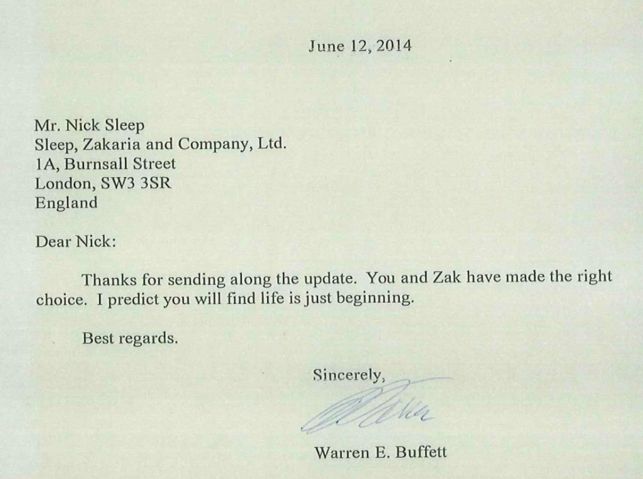
He shut Nomad down.
Not because he had to.
But because he had enough.
He and his partner returned capital and focused on philanthropy.
15
He never worked with Buffett or Munger, but their influence is obvious:
• Owner mindset
• Incentive alignment
• Simplicity over complexity
• Character > cleverness
Sleep just lived it more quietly.
• Owner mindset
• Incentive alignment
• Simplicity over complexity
• Character > cleverness
Sleep just lived it more quietly.
16
Today, his archived investor letters are cult reading for long-term thinkers.
They’re not just about money.
They’re about clarity, conviction, and doing the right thing.
They’re not just about money.
They’re about clarity, conviction, and doing the right thing.
17
If you want to be a better investor:
• Think longer than others
• Seek businesses that serve, not exploit
• Look for alignment, not cleverness
• Read more annual letters than news headlines
Nick Sleep did all of that, and it worked.
• Think longer than others
• Seek businesses that serve, not exploit
• Look for alignment, not cleverness
• Read more annual letters than news headlines
Nick Sleep did all of that, and it worked.
18
We're Zee & @thehowietan:
• Financially-free investors
• Focused on resilient investing
• Passionate about helping others build & repair portfolios
Follow @kintsugiinvest for more.
If this was useful, Like & Retweet so others can learn too.
• Financially-free investors
• Focused on resilient investing
• Passionate about helping others build & repair portfolios
Follow @kintsugiinvest for more.
If this was useful, Like & Retweet so others can learn too.
Kintsugi Investing@kintsugiinvest
Nick Sleep was a quiet legend who beat the market by a huge margin during the "lost decade" (2001-2014).
His secret?
A rare mix of deep business insight, long-term patience, and moral clarity.
Here’s how he turned $1 into $10 by focusing on companies others misunderstood:🧵
His secret?
A rare mix of deep business insight, long-term patience, and moral clarity.
Here’s how he turned $1 into $10 by focusing on companies others misunderstood:🧵