High cortisol causally increases the risk of obesity, insulin...

Master Metabolism@lowmegatron
137 views
Mar 18, 2026
~7 min read
Advertisement
1
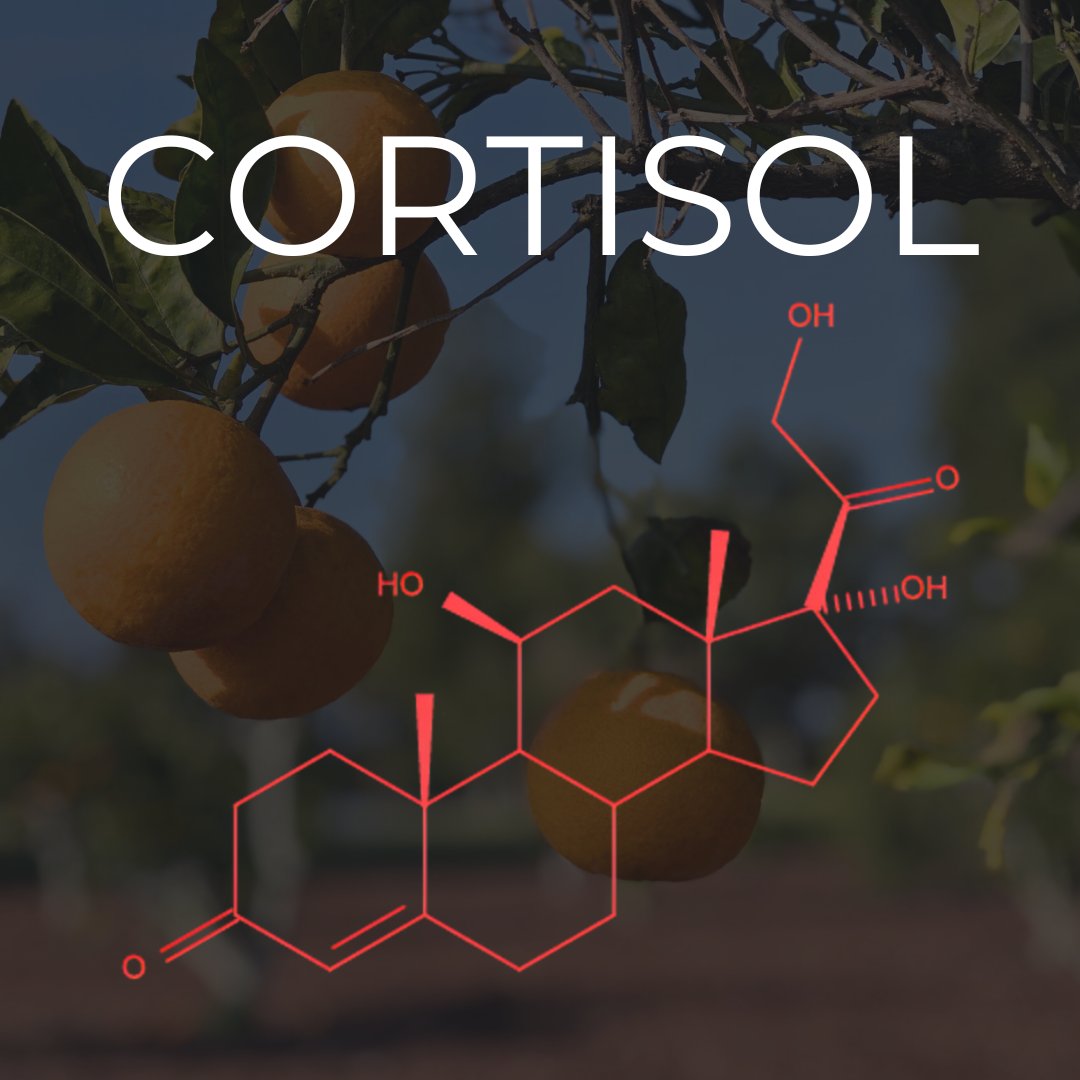
High cortisol causally increases the risk of obesity, insulin resistance, T2D, insomnia, depression, fatty liver, low thyroid hormone T3, high blood pressure. Here are some tips for keeping it under control. 🧵
2
☆ Vitamin C lowers stress-induced cortisol release.
(ACTH is increased in stress, and ACTH increases cortisol.)
“Ascorbic acid (vitamin C) excess following adrenal stimulation with ACTH exerts an inhibitory effect on cortisol secretion and consequently it may be of no benefit in conditions of stress.” PMID: 173480
“The study shows that female patients with functional hypercortisolemia or elevated levels of DHEA-S can be treated with vitamin C to bring level of these hormones closer to a normal range.” PMID: 38010274
I prefer vitamin C sources from foods, such as fruits, fruit juice, and acerola powder.
(ACTH is increased in stress, and ACTH increases cortisol.)
“Ascorbic acid (vitamin C) excess following adrenal stimulation with ACTH exerts an inhibitory effect on cortisol secretion and consequently it may be of no benefit in conditions of stress.” PMID: 173480
“The study shows that female patients with functional hypercortisolemia or elevated levels of DHEA-S can be treated with vitamin C to bring level of these hormones closer to a normal range.” PMID: 38010274
I prefer vitamin C sources from foods, such as fruits, fruit juice, and acerola powder.
3
Parathyroid hormone (PTH) increases cortisol. Parathyroid hormone levels are elevated in low dietary calcium and low vitamin D status.
“In vitro evidence supports a stimulatory effect of PTH on cortisol secretion...” PMID: 25631825
“PTH … concentration dependently enhanced … cortisol secretion from dispersed human adrenocortical cells …” PMID: 11158922
“Treatment with PTH (1-34) increased tissue levels of … cortisol …” PMID: 39167533
x.com/lowmegatron/st…
“In vitro evidence supports a stimulatory effect of PTH on cortisol secretion...” PMID: 25631825
“PTH … concentration dependently enhanced … cortisol secretion from dispersed human adrenocortical cells …” PMID: 11158922
“Treatment with PTH (1-34) increased tissue levels of … cortisol …” PMID: 39167533
x.com/lowmegatron/st…
4
☆ Vitamin D appears to lower 11ß-HSD1 activity.
11ß-HSD1 is a cortisol-regenerating enzyme that increases cortisol levels locally, though it may not be detected on blood tests. This enzyme is implicated in insulin resistance, obesity, fatty liver, and type 2 diabetes.
2,000 IU for 2 weeks:
“An ELISA was used to measure stress levels through cortisol (162) and cortisone (74). Following intervention, cortisol levels were significantly reduced to 96... Cortisol:cortisone ratio was significantly reduced from 2.22 to 1.04. In the placebo group, no significant changes were evident... These results suggest that daily vitamin D supplementation may ameliorate CVD risk factors including a decrease in 11β-HSD1 activity.” PMID: 27540461
11ß-HSD1 is a cortisol-regenerating enzyme that increases cortisol levels locally, though it may not be detected on blood tests. This enzyme is implicated in insulin resistance, obesity, fatty liver, and type 2 diabetes.
2,000 IU for 2 weeks:
“An ELISA was used to measure stress levels through cortisol (162) and cortisone (74). Following intervention, cortisol levels were significantly reduced to 96... Cortisol:cortisone ratio was significantly reduced from 2.22 to 1.04. In the placebo group, no significant changes were evident... These results suggest that daily vitamin D supplementation may ameliorate CVD risk factors including a decrease in 11β-HSD1 activity.” PMID: 27540461
5
☆ Salycilate, a metabolite of aspirin, lowers tissue regeneration of cortisol by lowering the cortisol regenerating enzyme 11β-HSD1.
“Recent trials show salicylates improve glycemic control in type 2 diabetes, but the mechanism is poorly understood. Expression of the glucocorticoid-generating enzyme 11β-hydroxysteroid dehydrogenase type 1 (11β-HSD1) in adipose tissue is increased in vitro by proinflammatory cytokines and upregulated in obesity.”
“In C57Bl/6 DIO mice, salicylate improved glucose tolerance and downregulated 11β-HSD1 mRNA and activity selectively in visceral adipose. DIO 11β-HSD1-deficient mice were resistant to these metabolic effects of salicylate.”
When humans ingest salsalate, it is converted into salicylate.
“In men, salsalate reduced 11β-HSD1 expression in subcutaneous adipose, and in vitro salicylate treatment reduced adipocyte 11β-HSD1 expression and induced adiponectin expression only in the presence of 11β-HSD1 substrate. Reduced intra-adipose glucocorticoid regeneration by 11β-HSD1 is a novel mechanism that contributes to the metabolic efficacy of salicylates.” PMID: 22357964
“Recent trials show salicylates improve glycemic control in type 2 diabetes, but the mechanism is poorly understood. Expression of the glucocorticoid-generating enzyme 11β-hydroxysteroid dehydrogenase type 1 (11β-HSD1) in adipose tissue is increased in vitro by proinflammatory cytokines and upregulated in obesity.”
“In C57Bl/6 DIO mice, salicylate improved glucose tolerance and downregulated 11β-HSD1 mRNA and activity selectively in visceral adipose. DIO 11β-HSD1-deficient mice were resistant to these metabolic effects of salicylate.”
When humans ingest salsalate, it is converted into salicylate.
“In men, salsalate reduced 11β-HSD1 expression in subcutaneous adipose, and in vitro salicylate treatment reduced adipocyte 11β-HSD1 expression and induced adiponectin expression only in the presence of 11β-HSD1 substrate. Reduced intra-adipose glucocorticoid regeneration by 11β-HSD1 is a novel mechanism that contributes to the metabolic efficacy of salicylates.” PMID: 22357964
6
☆ Aspirin itself lowers stress-induced increases in ACTH and cortisol.
“Aspirin ingestion significantly blunted … ACTH … [and] cortisol … and was associated with reduced cortisol … after exercise.”PMID: 11740295
“Aspirin ingestion significantly blunted … ACTH … [and] cortisol … and was associated with reduced cortisol … after exercise.”PMID: 11740295
7
Drugs that work on this mechanism (reducing local cortisol by reducing 11β-HSD1) are being investigated for the treatment of T2D.
“ The cortisol-regenerating enzyme 11ß-HSD1 amplifies glucocorticoid levels in liver and adipose tissue. 11B-HSD1 inhibitors are being developed to treat type 2 diabetes... Conclusions: Whole-body 11B-HSD1 activity is increased in obese men with type 2 diabetes, whereas liver 11B-HSD1 activity is sustained, unlike in euglycemic obesity. This suppor the concept that inhibitors of 11ß-HSD1 are likely to be most effective in obese type 2 diabetic subjects.” PMID: 21266326
“ The cortisol-regenerating enzyme 11ß-HSD1 amplifies glucocorticoid levels in liver and adipose tissue. 11B-HSD1 inhibitors are being developed to treat type 2 diabetes... Conclusions: Whole-body 11B-HSD1 activity is increased in obese men with type 2 diabetes, whereas liver 11B-HSD1 activity is sustained, unlike in euglycemic obesity. This suppor the concept that inhibitors of 11ß-HSD1 are likely to be most effective in obese type 2 diabetic subjects.” PMID: 21266326
8
☆ Coffee, known to reduce the risk of T2D and blood sugar dysregulation, contains 11ß-HSD1 inhibitors, reducing the local regeneration of cortisol.
“Recent epidemiological studies demonstrated a beneficial effect of coffee consumption for the prevention of type 2 diabetes, however, the underlying mechanisms remained unknown. We demonstrate that coffee extract, corresponding to an Italian Espresso, inhibits recombinant and endogenous 11beta-HSD1 activity... We suggest that at least part of the anti-diabetic effects of coffee consumption is due to inhibition of 11beta-HSD1-dependent glucocorticoid reactivation.” PMID: 16814782
“Recent epidemiological studies demonstrated a beneficial effect of coffee consumption for the prevention of type 2 diabetes, however, the underlying mechanisms remained unknown. We demonstrate that coffee extract, corresponding to an Italian Espresso, inhibits recombinant and endogenous 11beta-HSD1 activity... We suggest that at least part of the anti-diabetic effects of coffee consumption is due to inhibition of 11beta-HSD1-dependent glucocorticoid reactivation.” PMID: 16814782
9
☆ DHEA may have the same effect, lowering 11ß-HSD1 and local generation of cortisol.
“Dehydroepiandrosterone (DHEA) exerts beneficial effects on blood glucose levels and insulin sensitivity in obese rodents and humans... we provide evidence that some of the anti-diabetic effects of DHEA may be caused through inhibition of the local amplification of glucocorticoids by 11ß-HSD1 in adipose tissue.” PMID: 15613680
It’s probably best used in low doses of no more than 5mg, 3x a day, because it can otherwise increase estrogen.
“Dehydroepiandrosterone (DHEA) exerts beneficial effects on blood glucose levels and insulin sensitivity in obese rodents and humans... we provide evidence that some of the anti-diabetic effects of DHEA may be caused through inhibition of the local amplification of glucocorticoids by 11ß-HSD1 in adipose tissue.” PMID: 15613680
It’s probably best used in low doses of no more than 5mg, 3x a day, because it can otherwise increase estrogen.
10
☆ Emodin is found in foods and herbs, including cascara sagrada, aloe, and rhubarb. It also inhibits the 11ß-HSD1 enzyme, reducing local cortisol levels. In obese mice, it lowers the mouse equivalent of cortisol, reducing insulin resistance, liver fat, and high blood sugar. It's also available in a supplement called Lapodin (which I have not tried and which I am not affiliated with.)
“This study demonstrated a new role for emodin as a potent and selective inhibitor of 11beta-HSD1 and its beneficial effects on metabolic disorders in DIO mice. This highlights the potential value of analogues of emodin as a new class of compounds for the treatment of metabolic syndrome or type 2 diabetes.” PMID: 20718744
“This study demonstrated a new role for emodin as a potent and selective inhibitor of 11beta-HSD1 and its beneficial effects on metabolic disorders in DIO mice. This highlights the potential value of analogues of emodin as a new class of compounds for the treatment of metabolic syndrome or type 2 diabetes.” PMID: 20718744
11
☆ Magnesium and potassium lower serum cortisol in type 2 diabetes. 250 mg of each lowered cortisol by nearly 50% and had a huge effect on insomnia scores. The percentage of participants without insomnia increased from about 5% to over 40%, and the percentage with severe insomnia decreased from 38% to 0%.
“This study revealed that magnesium, potassium, and magnesium and potassium combined had a significant effect on serum cortisol and melatonin levels (sleep hormones)... In addition, supplementation significantly decreased the severity of insomnia among patients with diabetes.” PMID: 39534260
“This study revealed that magnesium, potassium, and magnesium and potassium combined had a significant effect on serum cortisol and melatonin levels (sleep hormones)... In addition, supplementation significantly decreased the severity of insomnia among patients with diabetes.” PMID: 39534260
12
☆ Darkness increases cortisol and bright light reduces it (after an initial spike). Low light keeps cortisol elevated. It’s very important to be exposed to bright light during the day; most indoor lighting doesn't cut it.
“Cortisol levels were significantly lower under constant bright light as compared to the dim light condition during the latter half of the light exposure, which corresponded to the rising phase of the cortisol profile under dim light. In contrast, cortisol levels were not significantly reduced during intermittent bright light stimuli.” PMID: 31873098
“Cortisol levels were significantly lower under constant bright light as compared to the dim light condition during the latter half of the light exposure, which corresponded to the rising phase of the cortisol profile under dim light. In contrast, cortisol levels were not significantly reduced during intermittent bright light stimuli.” PMID: 31873098
13
☆ Creatine reduces stress-induced increases in cortisol.
“Results of the present study suggest that more than 5 days of creatine supplementation, associated with resistance exercises is sufficient for increasing testosterone concentrations and decrement in cortisol concentrations.” [Effects of short term creatine supplementation and resistance exercises on resting hormonal and cardiovascular responses]
“Results of the present study suggest that more than 5 days of creatine supplementation, associated with resistance exercises is sufficient for increasing testosterone concentrations and decrement in cortisol concentrations.” [Effects of short term creatine supplementation and resistance exercises on resting hormonal and cardiovascular responses]
14
☆ L-theanine lowers the cortisol response to stress.
“...subjective stress response to a cognitive stressor was found to be significantly reduced one hour post-dose, and cortisol response was significantly reduced three hours post-dose, using a double-blind, placebo-controlled, balanced crossover design... The active treatment contained L-theanine (200 mg, L-Tea-Active®; Blue California, CA, USA), L-alpha glycerylphosphorylcholine (alpha GPC; 25 mg), phosphatidylserine (1 mg) and micronized chamomile (10 mg).” PMID: 26797633
“...subjective stress response to a cognitive stressor was found to be significantly reduced one hour post-dose, and cortisol response was significantly reduced three hours post-dose, using a double-blind, placebo-controlled, balanced crossover design... The active treatment contained L-theanine (200 mg, L-Tea-Active®; Blue California, CA, USA), L-alpha glycerylphosphorylcholine (alpha GPC; 25 mg), phosphatidylserine (1 mg) and micronized chamomile (10 mg).” PMID: 26797633
15
☆ Hypothyroidism increases cortisol, and many hypothyroid symptoms are similar to excess cortisol symptoms.
Researchers investigating the connection suggest that TSH levels above 2.0 are abnormal, based on the increase in cortisol seen with higher ”normal “ TSH.
TSH levels above 2.5 are associated with higher cortisol levels.
“Results suggest a positive relationship between TSH and cortisol in apparently healthy young individuals. In as much as this relationship may herald a pathologic disorder, these preliminary results suggest that TSH levels > 2.0 uIU/L may be abnormal.” PMID: 23111240
Thyroid hormones regulate 11β-HSD2 expression/activity, which inactivates cortisol to cortisone locally. The opposite of the 11β-HSD1 I wrote about earlier.
Reduced thyroid hormone lowers cortisol detox.
This depends on thyroid hormone T3. TSH is not a reliable way to assess this.
“(Thyroid hormone) T3 exposure induces a 50% increase in 11βHSD2 mRNA levels in renal KC3AC1 cells, in a dose-dependent and time-dependent manner... thyroid hormones directly regulate expression and activity of the renal 11βHSD2 enzyme, thereby controlling glucocorticoid metabolism and action.” [Thyroid hormones are new key regulators of glucocorticoid metabolism]
Researchers investigating the connection suggest that TSH levels above 2.0 are abnormal, based on the increase in cortisol seen with higher ”normal “ TSH.
TSH levels above 2.5 are associated with higher cortisol levels.
“Results suggest a positive relationship between TSH and cortisol in apparently healthy young individuals. In as much as this relationship may herald a pathologic disorder, these preliminary results suggest that TSH levels > 2.0 uIU/L may be abnormal.” PMID: 23111240
Thyroid hormones regulate 11β-HSD2 expression/activity, which inactivates cortisol to cortisone locally. The opposite of the 11β-HSD1 I wrote about earlier.
Reduced thyroid hormone lowers cortisol detox.
This depends on thyroid hormone T3. TSH is not a reliable way to assess this.
“(Thyroid hormone) T3 exposure induces a 50% increase in 11βHSD2 mRNA levels in renal KC3AC1 cells, in a dose-dependent and time-dependent manner... thyroid hormones directly regulate expression and activity of the renal 11βHSD2 enzyme, thereby controlling glucocorticoid metabolism and action.” [Thyroid hormones are new key regulators of glucocorticoid metabolism]
16
☆ Hypothyroidism activates the sympathetic nervous system, elevating stress hormones, anxiety, blood sugar, and blood pressure.
> +60% cortisol
> Doubles adrenaline
> Doubles noradrenaline
> Doubles aldosterone
From a study on hypothyroid people who stopped taking their medication.
As the active thyroid hormone (T3) increased with thyroid hormone replacement, diastolic blood pressure dropped.
“The observed sympathetic and adrenal activation in hypothyroidism, which is reversible with thyroid hormone treatment, may also contribute to the development of arterial hypertension in human hypothyroidism.” PMID: 11994331
> +60% cortisol
> Doubles adrenaline
> Doubles noradrenaline
> Doubles aldosterone
From a study on hypothyroid people who stopped taking their medication.
As the active thyroid hormone (T3) increased with thyroid hormone replacement, diastolic blood pressure dropped.
“The observed sympathetic and adrenal activation in hypothyroidism, which is reversible with thyroid hormone treatment, may also contribute to the development of arterial hypertension in human hypothyroidism.” PMID: 11994331