Tips to Boost Thyroid Hormones🧵

Master Metabolism@lowmegatron
126 views
Feb 06, 2026
~3 min read
Advertisement
1
Tips to Boost Thyroid Hormones🧵
2
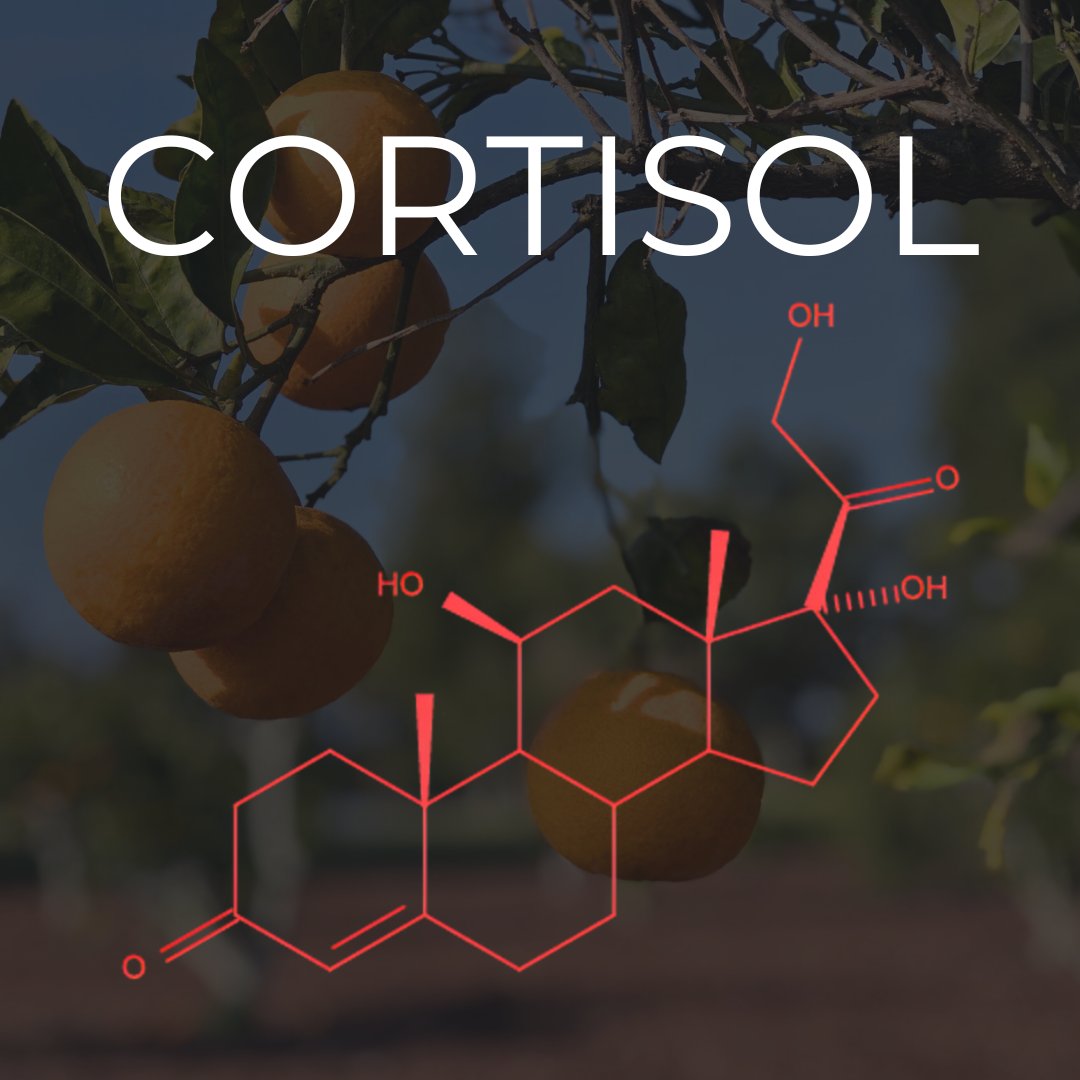
Cortisol, glucagon, and adrenaline inhibit thyroid hormone conversion, reducing the amount of active thyroid hormone (T3) and increasing reverse T3, which creates a vicious cycle.
Common, often easily corrected causes of high cortisol and adrenaline:
> Lack of quality sleep
> Lack of carbohydrates
> Lack of sodium
> Lack of potassium
> Lack of magnesium
> Lack of calcium
> Fasting
> Chronic caloric restriction
> Noise pollution
> Shallow breathing
> Black coffee on an empty stomach
> Constant media/device stimulation
Other things that may help:
> Vitamin C from acerola powder
> L-Theanine
> Glycine

Common, often easily corrected causes of high cortisol and adrenaline:
> Lack of quality sleep
> Lack of carbohydrates
> Lack of sodium
> Lack of potassium
> Lack of magnesium
> Lack of calcium
> Fasting
> Chronic caloric restriction
> Noise pollution
> Shallow breathing
> Black coffee on an empty stomach
> Constant media/device stimulation
Other things that may help:
> Vitamin C from acerola powder
> L-Theanine
> Glycine
Master Metabolism@lowmegatron
High cortisol causally increases the risk of obesity, insulin resistance, T2D, insomnia, depression, fatty liver, low thyroid hormone T3, high blood pressure. Here are some tips for keeping it under control. 🧵
3
Get Sufficient Iodine:
Iodine is essential for thyroid hormone synthesis. Deficiency can lead to low thyroid levels and may increase future thyroid issues, sometimes triggered by rapid high-dose iodine repletion.
High doses can cause hypothyroidism, hyperthyroidism, or autoimmunity in susceptible individuals. Risk factors include low iodine, low selenium, and genetics. The RDA is 150mcg; intakes above 300mcg daily may pose risks. High-dose iodine from X-ray contrast media can also trigger thyroid issues in vulnerable people.
Seafood and dairy are good sources.


Iodine is essential for thyroid hormone synthesis. Deficiency can lead to low thyroid levels and may increase future thyroid issues, sometimes triggered by rapid high-dose iodine repletion.
High doses can cause hypothyroidism, hyperthyroidism, or autoimmunity in susceptible individuals. Risk factors include low iodine, low selenium, and genetics. The RDA is 150mcg; intakes above 300mcg daily may pose risks. High-dose iodine from X-ray contrast media can also trigger thyroid issues in vulnerable people.
Seafood and dairy are good sources.
Master Metabolism@lowmegatron
“Chronic excess iodine tends to cause (autoimmune) thyroiditis, regardless of the gland’s size. The amounts used by Abraham and Flechas are much larger than this, very toxic doses, enough to cause severe thyroid problems.”
—Ray Peat
“Excessive amounts of iodide have been linked to the development of autoimmune thyroiditis in humans and animals, while intrathyroidal depletion of iodine prevents disease in animal strains susceptible to severe thyroiditis. Although the mechanisms by which iodide induces thyroiditis are still unclear, several mechanisms have been proposed:
(1) excess iodine induces the production of cytokines and chemokines that can recruit immunocompetent cells to the thyroid;
(2) processing excess iodine in thyroid epithelial cells may result in elevated levels of oxidative stress, leading to harmful lipid oxidation and thyroid tissue injuries; and
(3) iodine incorporation in the protein chain of thyroglobulin may augment the antigenicity of this molecule.”
— PMID: 25050783
—Ray Peat
“Excessive amounts of iodide have been linked to the development of autoimmune thyroiditis in humans and animals, while intrathyroidal depletion of iodine prevents disease in animal strains susceptible to severe thyroiditis. Although the mechanisms by which iodide induces thyroiditis are still unclear, several mechanisms have been proposed:
(1) excess iodine induces the production of cytokines and chemokines that can recruit immunocompetent cells to the thyroid;
(2) processing excess iodine in thyroid epithelial cells may result in elevated levels of oxidative stress, leading to harmful lipid oxidation and thyroid tissue injuries; and
(3) iodine incorporation in the protein chain of thyroglobulin may augment the antigenicity of this molecule.”
— PMID: 25050783
4
Ensure Adequate Energy Availability:
The thyroid adjusts to energy availability. Insufficient energy intake or chronic overexertion reduces thyroid hormone production, whether at the gland, peripheral conversion, or tissue resistance.
Undereating or excessive exercise can impair thyroid function, lowering the metabolic rate.
Combining fasting with intense exercise is a recipe for trouble, sooner or later. Focus exercise on muscle building or retention, and design your diet to support metabolism.
Mild, careful caloric restriction, balanced with periods of adequate caloric intake, can minimize the risk of thyroid downregulation and long-term dysfunction.


The thyroid adjusts to energy availability. Insufficient energy intake or chronic overexertion reduces thyroid hormone production, whether at the gland, peripheral conversion, or tissue resistance.
Undereating or excessive exercise can impair thyroid function, lowering the metabolic rate.
Combining fasting with intense exercise is a recipe for trouble, sooner or later. Focus exercise on muscle building or retention, and design your diet to support metabolism.
Mild, careful caloric restriction, balanced with periods of adequate caloric intake, can minimize the risk of thyroid downregulation and long-term dysfunction.
Master Metabolism@lowmegatron
“I keep exercising more and eating less but I can’t lose weight.”
> Thyroid hormone regulates the resting metabolic rate
> Resting metabolic rate burns calories at rest
> Thyroid hormone is regulated by energy availability
If calories IN are too low or calories OUT are too high (excessive exercise in relation to calories in)
↓ T3/fT3 (the thyroid hormone)
↑Reverse T3 (blocks the thyroid hormone)
Resting metabolic rate decreases
Increasing the metabolic rate promotes leanness and health. As thyroid function improves, calories are used for producing energy and sustaining health rather than being stored as excess fat.
“Reductions in T3 (16%) and fT3 (9%) occurred abruptly between 19.0 and 25.0 kcal/kg LBM-1.day-1 and that increases in fT4 (11%) and rT3 (22%) occurred abruptly between 10.8 and 19.0 kcal/kg LBM-1.day-1... If energy deficiency suppresses reproductive as well as thyroid function, athletic amenorrhea might be prevented or reversed by increasing energy availability through dietary reform to 25 kcal/kg LBM LBM-1.day-1, without moderating the exercise regimen.”
> Thyroid hormone regulates the resting metabolic rate
> Resting metabolic rate burns calories at rest
> Thyroid hormone is regulated by energy availability
If calories IN are too low or calories OUT are too high (excessive exercise in relation to calories in)
↓ T3/fT3 (the thyroid hormone)
↑Reverse T3 (blocks the thyroid hormone)
Resting metabolic rate decreases
Increasing the metabolic rate promotes leanness and health. As thyroid function improves, calories are used for producing energy and sustaining health rather than being stored as excess fat.
“Reductions in T3 (16%) and fT3 (9%) occurred abruptly between 19.0 and 25.0 kcal/kg LBM-1.day-1 and that increases in fT4 (11%) and rT3 (22%) occurred abruptly between 10.8 and 19.0 kcal/kg LBM-1.day-1... If energy deficiency suppresses reproductive as well as thyroid function, athletic amenorrhea might be prevented or reversed by increasing energy availability through dietary reform to 25 kcal/kg LBM LBM-1.day-1, without moderating the exercise regimen.”
5
Limit Goitrogens:
Goitrogens are substances that cause visible swelling of the thyroid (goiter) at high doses, but they can interfere with thyroid hormone levels even before a goiter is visible.
Cruciferous vegetables and soy-based products are the main offenders.
Cooking reduces goitrogens, so raw or lightly cooked foods are more risky.
Iodine insufficiency increases the effect of goitrogens.
Goitrogens are substances that cause visible swelling of the thyroid (goiter) at high doses, but they can interfere with thyroid hormone levels even before a goiter is visible.
Cruciferous vegetables and soy-based products are the main offenders.
Cooking reduces goitrogens, so raw or lightly cooked foods are more risky.
Iodine insufficiency increases the effect of goitrogens.
6
Increase The Ratio of Saturated to Unsaturated Fats
Unsaturated fats, especially polyunsaturated fats from seed oils and non-ruminant animals fed high-PUFA diets, disrupt thyroid hormone metabolism by reducing production, transport, and binding.
These fats are released as free fatty acids in large amounts during stress, making both dietary intake and stress management key factors in thyroid dysfunction.
Eat mostly saturated fats:
Coconut oil
Cocoa butter
Butter/ghee
Cream and cheese
Beef fat/tallow
Most importantly!
Avoid highly polyunsaturated fats:
Soybean oil
Rapeseed/canola oil
Sunflower seed oil
Peanut oil
Cottonseed oil
Corn oil
Safflower oil
Grapeseed oil
Flaxseed soil
Hemp oil
Chia seed oil
Evening primrose oil
Fish oil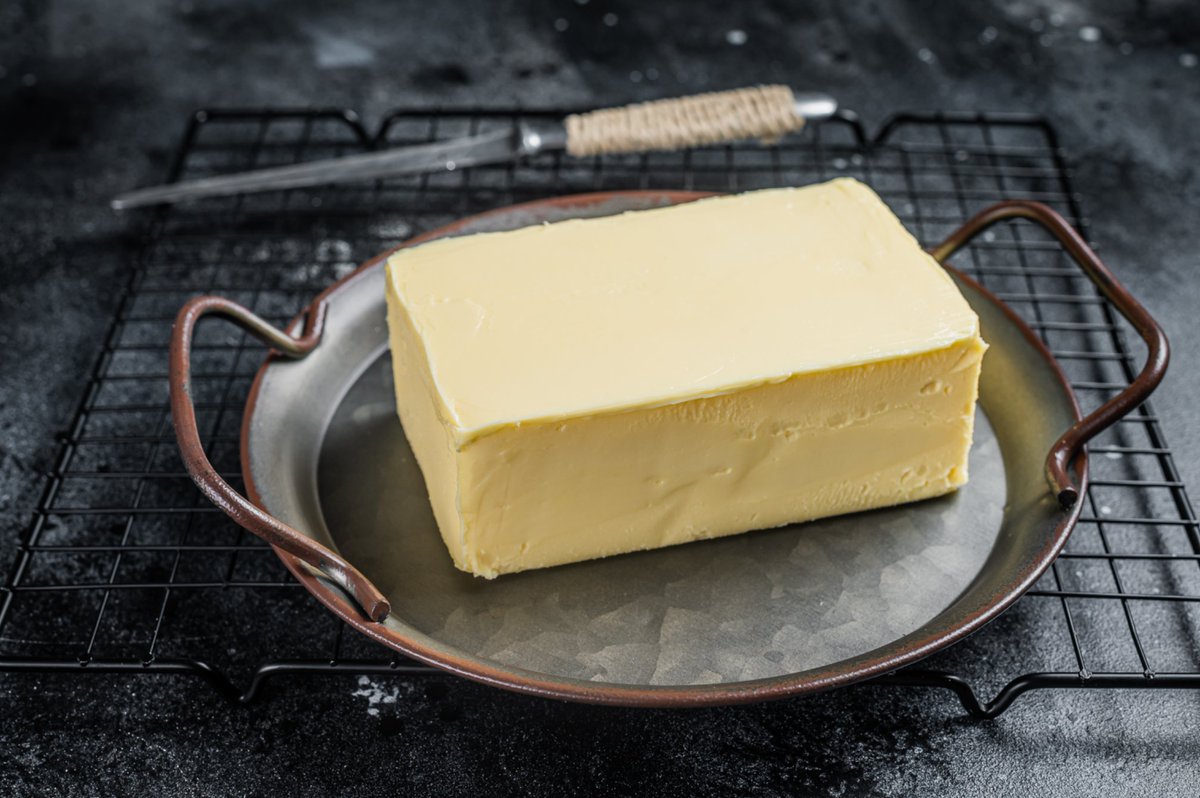
Unsaturated fats, especially polyunsaturated fats from seed oils and non-ruminant animals fed high-PUFA diets, disrupt thyroid hormone metabolism by reducing production, transport, and binding.
These fats are released as free fatty acids in large amounts during stress, making both dietary intake and stress management key factors in thyroid dysfunction.
Eat mostly saturated fats:
Coconut oil
Cocoa butter
Butter/ghee
Cream and cheese
Beef fat/tallow
Most importantly!
Avoid highly polyunsaturated fats:
Soybean oil
Rapeseed/canola oil
Sunflower seed oil
Peanut oil
Cottonseed oil
Corn oil
Safflower oil
Grapeseed oil
Flaxseed soil
Hemp oil
Chia seed oil
Evening primrose oil
Fish oil
7
Minimize Exposure to Plastics and Plasticizers:
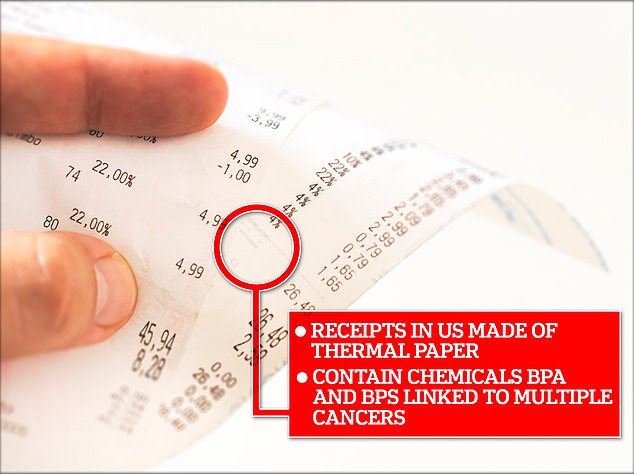
Compounds like phthalates and BPA/S/F in plastics impair thyroid gland function and peripheral thyroid hormone conversion. BPA also blocks thyroid hormone at the receptor level.
Common sources:
Cosmetics with "fragrance" or "parfum" (may contain hidden phthalates)
Plastic food containers
Plastic bottles, including BPA-free ones
Linings of canned foods and beverages
Household dust
Thermal paper receipts
Compounds like phthalates and BPA/S/F in plastics impair thyroid gland function and peripheral thyroid hormone conversion. BPA also blocks thyroid hormone at the receptor level.
Common sources:
Cosmetics with "fragrance" or "parfum" (may contain hidden phthalates)
Plastic food containers
Plastic bottles, including BPA-free ones
Linings of canned foods and beverages
Household dust
Thermal paper receipts
Master Metabolism@lowmegatron
BPA harms thyroid function but ginger offers some protection.
“A subsequent significant decreased serum levels of T3 and T4 accompanied by a significantly increased serum TSH level were also detected (from BPA)... These findings were confirmed by the severe pathological changes detected in the thyroid tissue of BPA treated rats... These biochemical and histological alterations were significantly alleviated with ginger administration... In conclusion, ginger extract is a potent antioxidant that can effectively protect against BPA-induced thyroid oxidative damage by activating the Nrf-2/HO-1 gene expressions and enhancing the thyroid hormones synthesis.” PMID: 31757552
“A subsequent significant decreased serum levels of T3 and T4 accompanied by a significantly increased serum TSH level were also detected (from BPA)... These findings were confirmed by the severe pathological changes detected in the thyroid tissue of BPA treated rats... These biochemical and histological alterations were significantly alleviated with ginger administration... In conclusion, ginger extract is a potent antioxidant that can effectively protect against BPA-induced thyroid oxidative damage by activating the Nrf-2/HO-1 gene expressions and enhancing the thyroid hormones synthesis.” PMID: 31757552
8
Want a clear, no-nonsense guide to hypothyroidism?
Join my Hypothyroid Masterclass group.
I have created a video course covering all the relevant aspects of hypothyroidism and low thyroid hormone activity.
thyroid.psee.io/8f3m4z
Join my Hypothyroid Masterclass group.
I have created a video course covering all the relevant aspects of hypothyroidism and low thyroid hormone activity.
thyroid.psee.io/8f3m4z


