Do patients with schizophrenia or bipolar disorder always have to...

Psychiatry Excellence@psycheureka
15 views
Aug 27, 2025
~2 min read
Advertisement
1
Do patients with schizophrenia or bipolar disorder always have to be heavily sedated when agitated?
A new study (Mashaw, 2025) highlights that agitation isn’t just disruptive. It signals distress, resistance to care, and safety risks.
Here are emerging treatments that can calm without over-sedation, helping you manage agitation more safely and effectively in daily practice. 👇🧵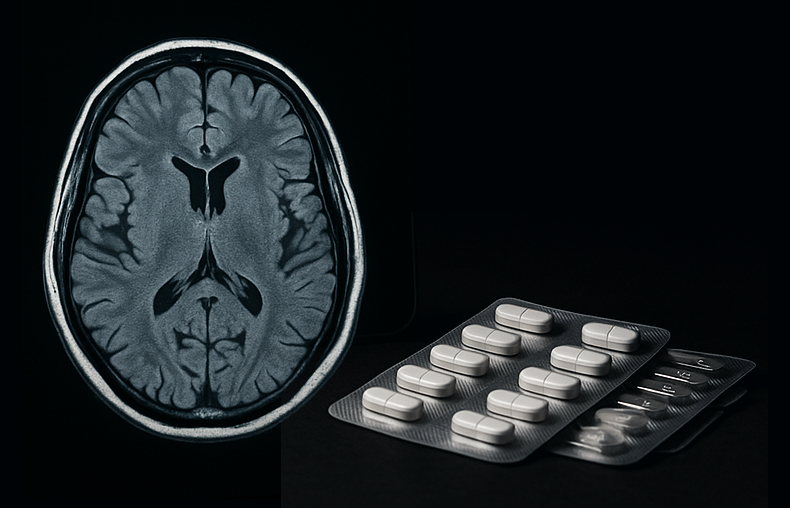
A new study (Mashaw, 2025) highlights that agitation isn’t just disruptive. It signals distress, resistance to care, and safety risks.
Here are emerging treatments that can calm without over-sedation, helping you manage agitation more safely and effectively in daily practice. 👇🧵
2
Agitation is one of the most urgent psychiatric emergencies.
Traditional medications often calm quickly but bring significant risks:
● Extrapyramidal symptoms (EPS)
● Respiratory depression
● Falls, fractures, cognitive impairment, and over-sedation
Clinicians need safer pathways that preserve engagement.
So what are the new treatments that can reduce these risks?
Traditional medications often calm quickly but bring significant risks:
● Extrapyramidal symptoms (EPS)
● Respiratory depression
● Falls, fractures, cognitive impairment, and over-sedation
Clinicians need safer pathways that preserve engagement.
So what are the new treatments that can reduce these risks?
3
Sublingual Dexmedetomidine
Sublingual film, FDA-approved (2022).
● Rapid calming, non-invasive
● Sedation without respiratory depression
● May cause hypotension, bradycardia, somnolence
A practical option when patients resist injections.
Sublingual film, FDA-approved (2022).
● Rapid calming, non-invasive
● Sedation without respiratory depression
● May cause hypotension, bradycardia, somnolence
A practical option when patients resist injections.
4
Subcutaneous Olanzapine
Alternative to IM haloperidol.
● Faster onset, lower EPS risk
● Evidence still limited, mostly from delirium cohorts
● Well-tolerated, fewer injection complications
Broadens antipsychotic options in acute agitation.
Alternative to IM haloperidol.
● Faster onset, lower EPS risk
● Evidence still limited, mostly from delirium cohorts
● Well-tolerated, fewer injection complications
Broadens antipsychotic options in acute agitation.
5
Ketamine
Ultra-rapid option in severe or prehospital agitation.
● Fast onset, effective in specific contexts
● May cause dissociation
● Avoid in schizophrenia due to the risk of psychiatric exacerbation
● Requires close monitoring
Best reserved for extreme cases with safeguards in place.
Ultra-rapid option in severe or prehospital agitation.
● Fast onset, effective in specific contexts
● May cause dissociation
● Avoid in schizophrenia due to the risk of psychiatric exacerbation
● Requires close monitoring
Best reserved for extreme cases with safeguards in place.
6
Gabapentinoids
Gabapentin / Pregabalin.
● May help with anxiety, insomnia, chronic dysregulation
● Not effective in acute agitation
● Sedation may worsen negative symptoms
Use is limited in emergency psychiatry.
Gabapentin / Pregabalin.
● May help with anxiety, insomnia, chronic dysregulation
● Not effective in acute agitation
● Sedation may worsen negative symptoms
Use is limited in emergency psychiatry.
7
Investigational Options
Still early-stage:
● Intranasal delivery systems (e.g., olanzapine) → promising but limited evidence
● Cannabinoids → potential role, but regulatory and dosing barriers
Not FDA-approved; not yet ready for routine practice.
Still early-stage:
● Intranasal delivery systems (e.g., olanzapine) → promising but limited evidence
● Cannabinoids → potential role, but regulatory and dosing barriers
Not FDA-approved; not yet ready for routine practice.
8
How can these treatments guide care?
● Mild–moderate → sublingual dexmedetomidine (non-invasive, calming)
● Moderate–severe → subcutaneous olanzapine (faster, lower EPS vs IM haloperidol)
● Extreme/prehospital → ketamine (with monitoring; avoid in schizophrenia when possible)
● Gabapentinoids / CBD → not acute tools; limited to chronic states
A graded approach helps match treatment to clinical need.
● Mild–moderate → sublingual dexmedetomidine (non-invasive, calming)
● Moderate–severe → subcutaneous olanzapine (faster, lower EPS vs IM haloperidol)
● Extreme/prehospital → ketamine (with monitoring; avoid in schizophrenia when possible)
● Gabapentinoids / CBD → not acute tools; limited to chronic states
A graded approach helps match treatment to clinical need.
9
Psych Scene Tip 💡
Start with de-escalation whenever possible.
If medication is needed:
● Begin with a single agent
● Combine only when justified
● Document rationale and review timeframe
This reduces compounded risks and keeps care patient-centred.
Start with de-escalation whenever possible.
If medication is needed:
● Begin with a single agent
● Combine only when justified
● Document rationale and review timeframe
This reduces compounded risks and keeps care patient-centred.
10
Want to refine how you manage agitation in schizophrenia?
Dive deeper into diagnosis, staging, and evidence-based treatment with our course, “Schizophrenia: Advanced Clinical Approaches & Training for Psychiatrists” on The Academy:
psychscene.co/4lLKPHG
Dive deeper into diagnosis, staging, and evidence-based treatment with our course, “Schizophrenia: Advanced Clinical Approaches & Training for Psychiatrists” on The Academy:
psychscene.co/4lLKPHG