📄Ficino's Instruction on Correcting the Passions Marsilio Ficino...

𝘢𝘳𝘳𝘶𝘴@_bonaventurian
13 views
Sep 23, 2025
~6 min read
Advertisement
1
📄Ficino's Instruction on Correcting the Passions
Marsilio Ficino has quite a few remedies for combatting lust, habits of impure thought and correcting the passions generally.
And this he considers especially vital for the philosopher whose way of life is directly injured by it.

Marsilio Ficino has quite a few remedies for combatting lust, habits of impure thought and correcting the passions generally.
And this he considers especially vital for the philosopher whose way of life is directly injured by it.
2
From De Vita Libris Tres, lib. II, these can be classed into four categories:
i) Diet and Humour
ii) Body and and Phantasy
iii) Harmonics
iv) Contemplation
I will supplement each category with my own recommendations.
i) Diet and Humour
ii) Body and and Phantasy
iii) Harmonics
iv) Contemplation
I will supplement each category with my own recommendations.
3
i) Diet and Humour
Ficino argues that lust arises especially from the dominance of blood and black bile (melancholy mixed with heat), inflaming the imagination and lower appetites. He recommends:


Ficino argues that lust arises especially from the dominance of blood and black bile (melancholy mixed with heat), inflaming the imagination and lower appetites. He recommends:
4
- avoiding foods that inflame the blood or increase heat & moisture (e.g. alcohol, rich meats).
I think to stanza 3 of St. Ambrose's Jam Lucis Orto Sidere hymn "To drive iniquity away,/and Purify our inmost soul,/And by spare use of meat and drink,/Our rebel passions to control"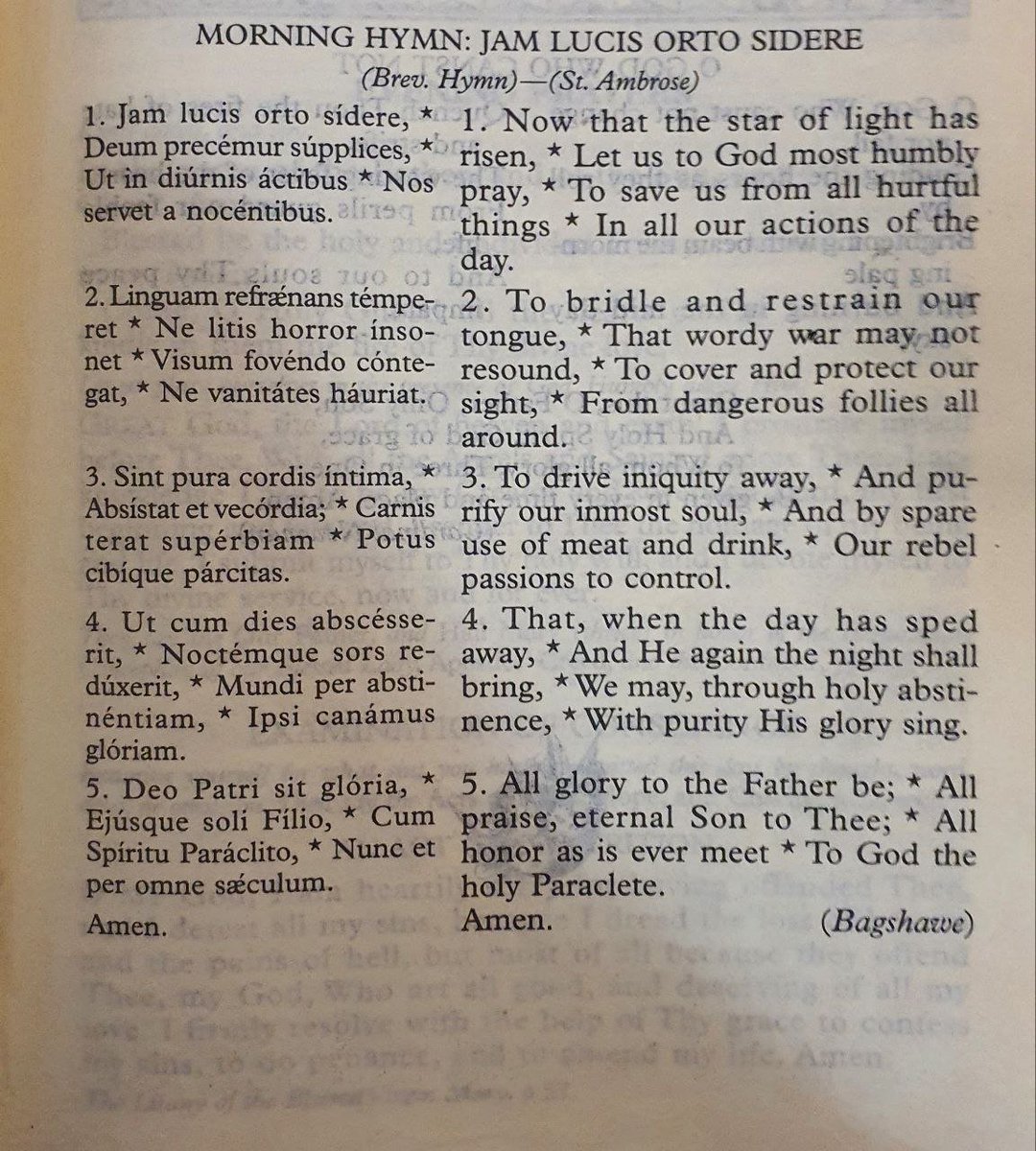
I think to stanza 3 of St. Ambrose's Jam Lucis Orto Sidere hymn "To drive iniquity away,/and Purify our inmost soul,/And by spare use of meat and drink,/Our rebel passions to control"
5
- Foods
a) cooling
b) drying
c) mildly bitter foods
(e.g. lettuce, endive/chicory, purslane).
But as someone who deals with Japanese cuisine a lot here are my recommendations, which you can find recipes for in Murota's Simply Japanese which I use:
a) cooling
b) drying
c) mildly bitter foods
(e.g. lettuce, endive/chicory, purslane).
But as someone who deals with Japanese cuisine a lot here are my recommendations, which you can find recipes for in Murota's Simply Japanese which I use:
6
a) Cooling:
Daikon radish, Cucumber, Eggplant, Wakame, Edamame, Kombu, Mitsuba, Green Tea
b) Drying Ingredients:
Shiso, Umeboshi, Roasted Barley Tea, Shiitake, Gobou.
Daikon radish, Cucumber, Eggplant, Wakame, Edamame, Kombu, Mitsuba, Green Tea
b) Drying Ingredients:
Shiso, Umeboshi, Roasted Barley Tea, Shiitake, Gobou.
7
c) And probably more importantly, mildly Bitter Ingredients to calm desire (and also aid the liver!):
Goya/bitter melon, Green Tea again (almost always drink Genmaicha when I'm studying unless for exams), mustard greens (in noodle soups esp with Soba and seafood).
Goya/bitter melon, Green Tea again (almost always drink Genmaicha when I'm studying unless for exams), mustard greens (in noodle soups esp with Soba and seafood).
8
To combine, think of perhaps Miso soup with burdock, mitsuba, and tofu.
Chilled tofu with shiso, grated daikon, and soy sauce.
Chilled tofu with shiso, grated daikon, and soy sauce.
9
A controversial one might be matcha. Controversial because it falls under the mildly bitter category but is often thought of by some as an aphrodisiac. This varies from person to person. If it doesn't incur this effect on you then its a strong contender.
10
- Avoiding garlic, onions, and stimulating spices.
I would avoid Indian cuisine wholesale. Just horrific to your humours.
I would avoid Indian cuisine wholesale. Just horrific to your humours.
11
ii) Body and and Phantasy
To moderate the heat that fuels lustful thoughts, Ficino prescribes:
- Exposure to cool air and temperate baths.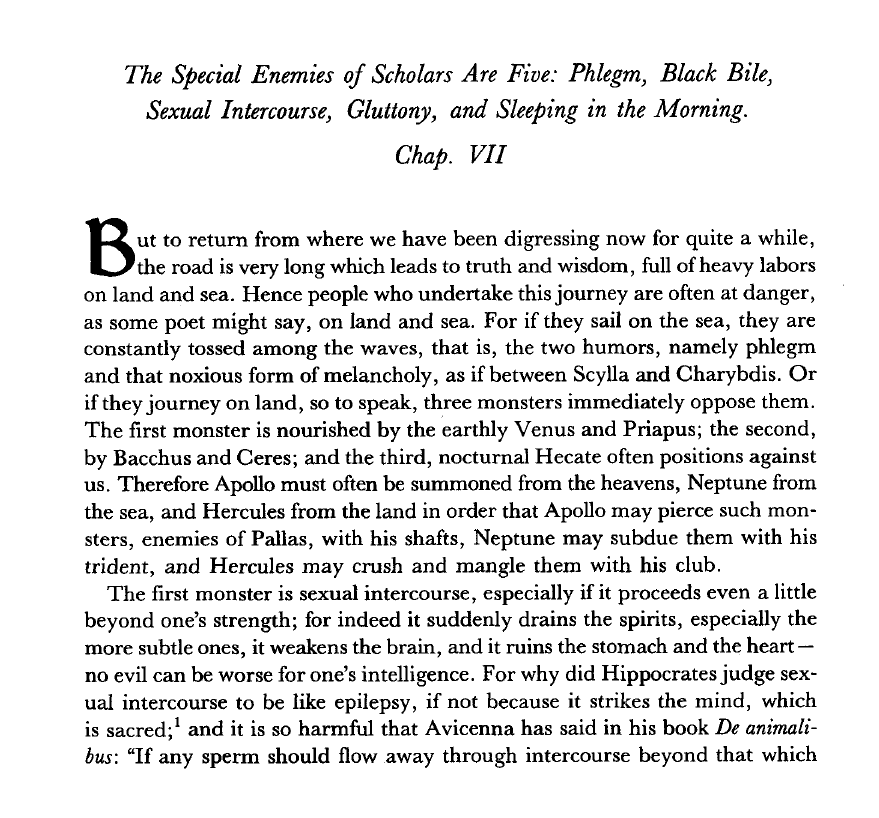
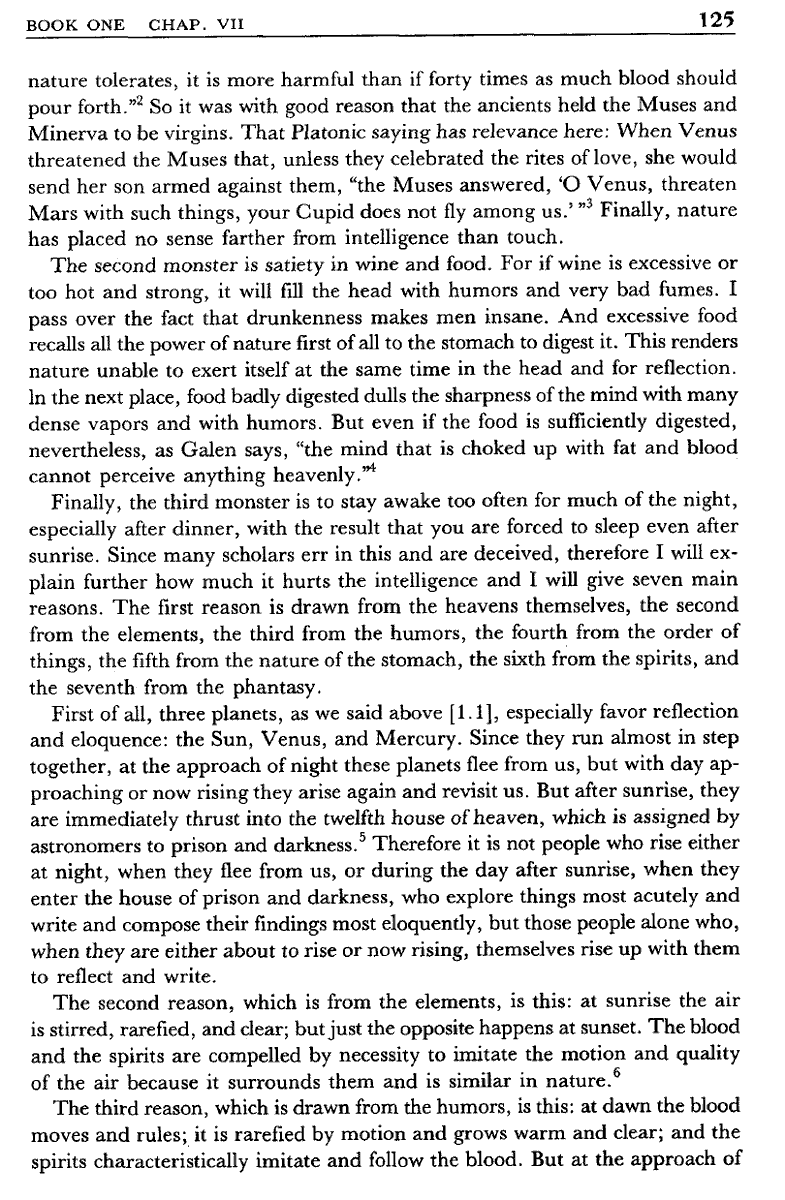

To moderate the heat that fuels lustful thoughts, Ficino prescribes:
- Exposure to cool air and temperate baths.
12
- Cooling herbs like violets, roses, and sandalwood.
I especially encourage roses due to their connotation of Our Lady and also of St. Thérèse of Lisieux
I especially encourage roses due to their connotation of Our Lady and also of St. Thérèse of Lisieux
13
- Avoid solitude and idle daydreaming, as these stoke the imaginative faculty that contributes to lust.
Likewise, St. Teresa of Avila commends community life.
Occupy yourself with something good, even better if it is with someone
Likewise, St. Teresa of Avila commends community life.
Occupy yourself with something good, even better if it is with someone
14
iii) Harmonics
Ficino encourages redirecting the passions through the liberal arts:
- Listening to appropriate music, especially in the Dorian mode, to harmonise the soul.
Ficino encourages redirecting the passions through the liberal arts:
- Listening to appropriate music, especially in the Dorian mode, to harmonise the soul.
15
Ficino associates Dorian mode with moderation, a noble sadness, and the tuning of the soul’s faculties to reason.
16
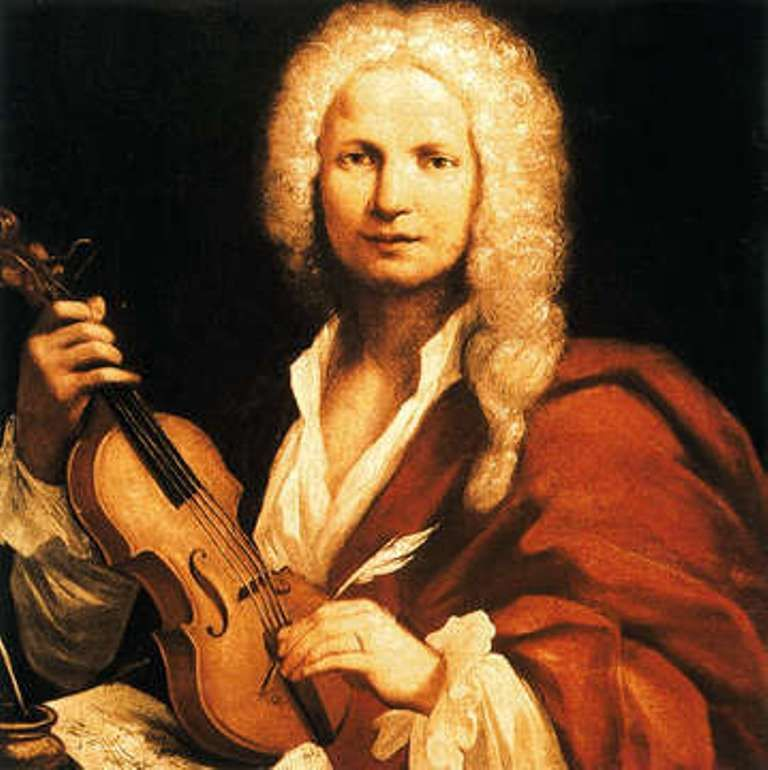
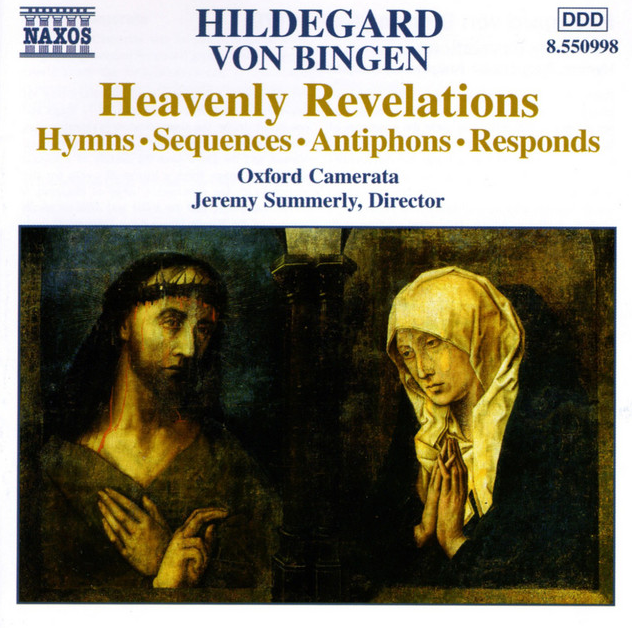
Go listen to the Baroques or even better: St. Hildegard, to cool yourself off. Otherwise, here you're going to get a few very specific German Romantic recommendations from me.
17
These composers, especially in their more meditative works, avoid hedonistic extremes while still touching on longing, a redirection of eros from the carnal to the contemplative. Thereby: Platonic eros and clarity.
18
All of whom I often listen to while reading Balthasar (or being melodramatic standing out in the rain).
19
I. Felix Mendelssohn
Noble, balanced, often spiritually elevated. His music is clear, classical in form, and I can recommend his Wolfgang Sawallisch renditions highly.
In particular for individual pieces:

Noble, balanced, often spiritually elevated. His music is clear, classical in form, and I can recommend his Wolfgang Sawallisch renditions highly.
In particular for individual pieces:
20
Songs Without Words, Op. 19b & Op. 30 (piano pieces of quiet introspection.)
String Symphony No. 9 in C major "Swiss" (Dorian-style counterpoint and freshness which is exactly what Ficino prescribes)
Psalm 42 "Wie der Hirsch schreit" (no need to explain its benefit to the soul)
String Symphony No. 9 in C major "Swiss" (Dorian-style counterpoint and freshness which is exactly what Ficino prescribes)
Psalm 42 "Wie der Hirsch schreit" (no need to explain its benefit to the soul)
21
II. Johannes Brahms
Tempered melancholy, noble restraint, deeply humane. Not my go to but beloved for good reason.
For individual pieces: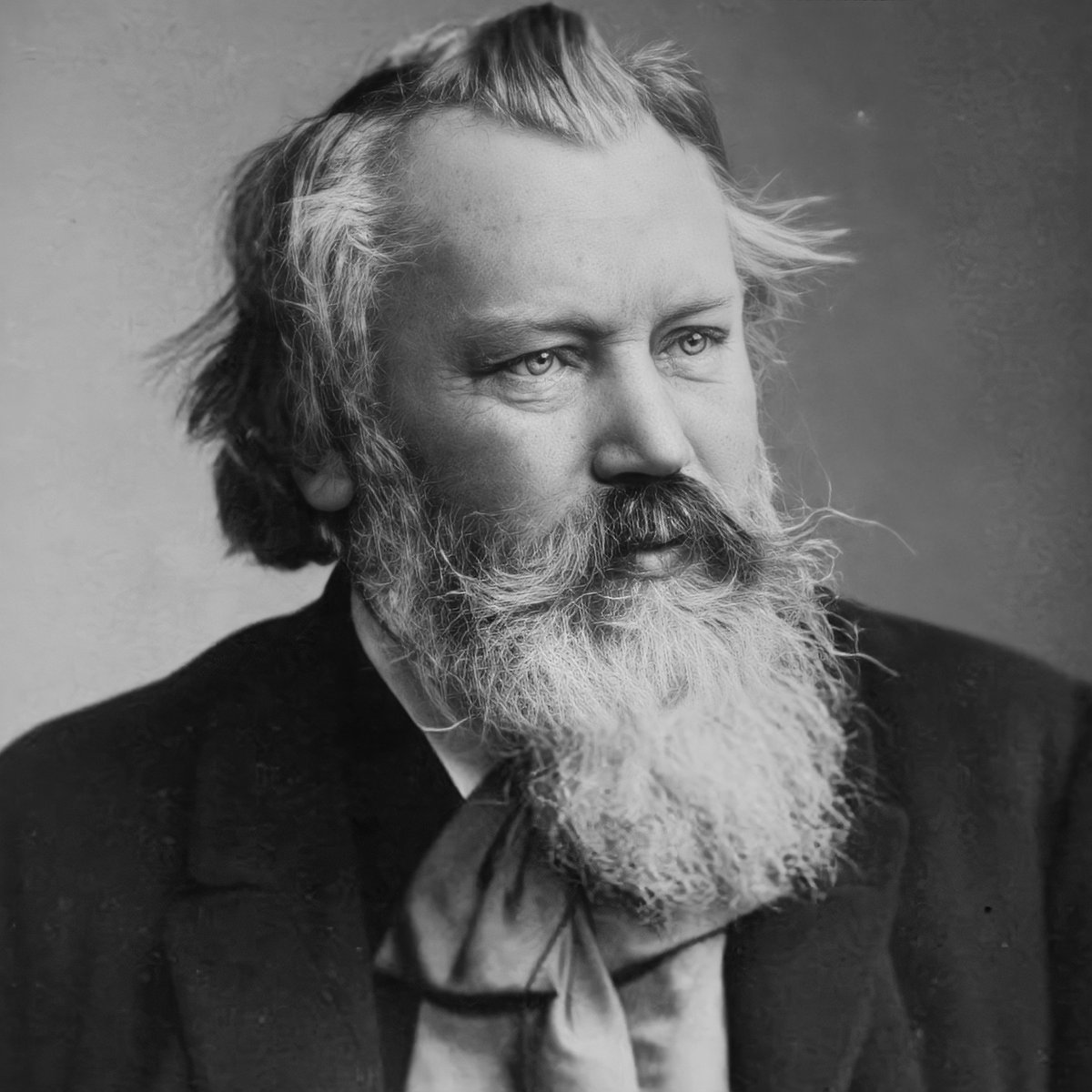
Tempered melancholy, noble restraint, deeply humane. Not my go to but beloved for good reason.
For individual pieces:
22
Intermezzi, Op. 117 ("lullabies of my sorrows")
Clarinet Quintet in B minor, Op. 115 (warm and reflective, like Ficino's own instruction in sound)
Vier ernste Gesänge, Op. 121 (contemplate your mortality with this)
Clarinet Quintet in B minor, Op. 115 (warm and reflective, like Ficino's own instruction in sound)
Vier ernste Gesänge, Op. 121 (contemplate your mortality with this)
23
III. Robert Schumann
Scenes from Childhood (Kinderszenen), Op. 15
Fantasiestücke, Op. 12 (to me they are lyrical, moody piano miniatures that reflect the soul’s movement)
Liederkreis, Op. 39 (spiritual yearning and nature’s harmony)
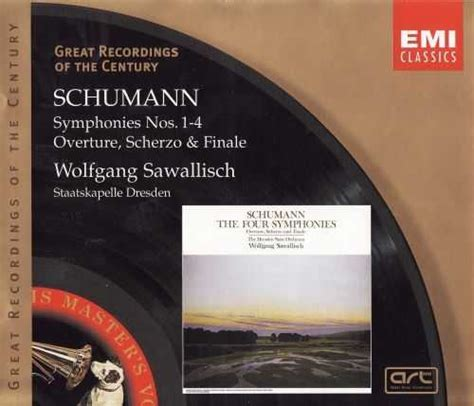
Scenes from Childhood (Kinderszenen), Op. 15
Fantasiestücke, Op. 12 (to me they are lyrical, moody piano miniatures that reflect the soul’s movement)
Liederkreis, Op. 39 (spiritual yearning and nature’s harmony)
24
IV. Franz Schubert - my go to on a day to day basis
A master of tonal chiaroscuro, between longing and serenity, death and beauty.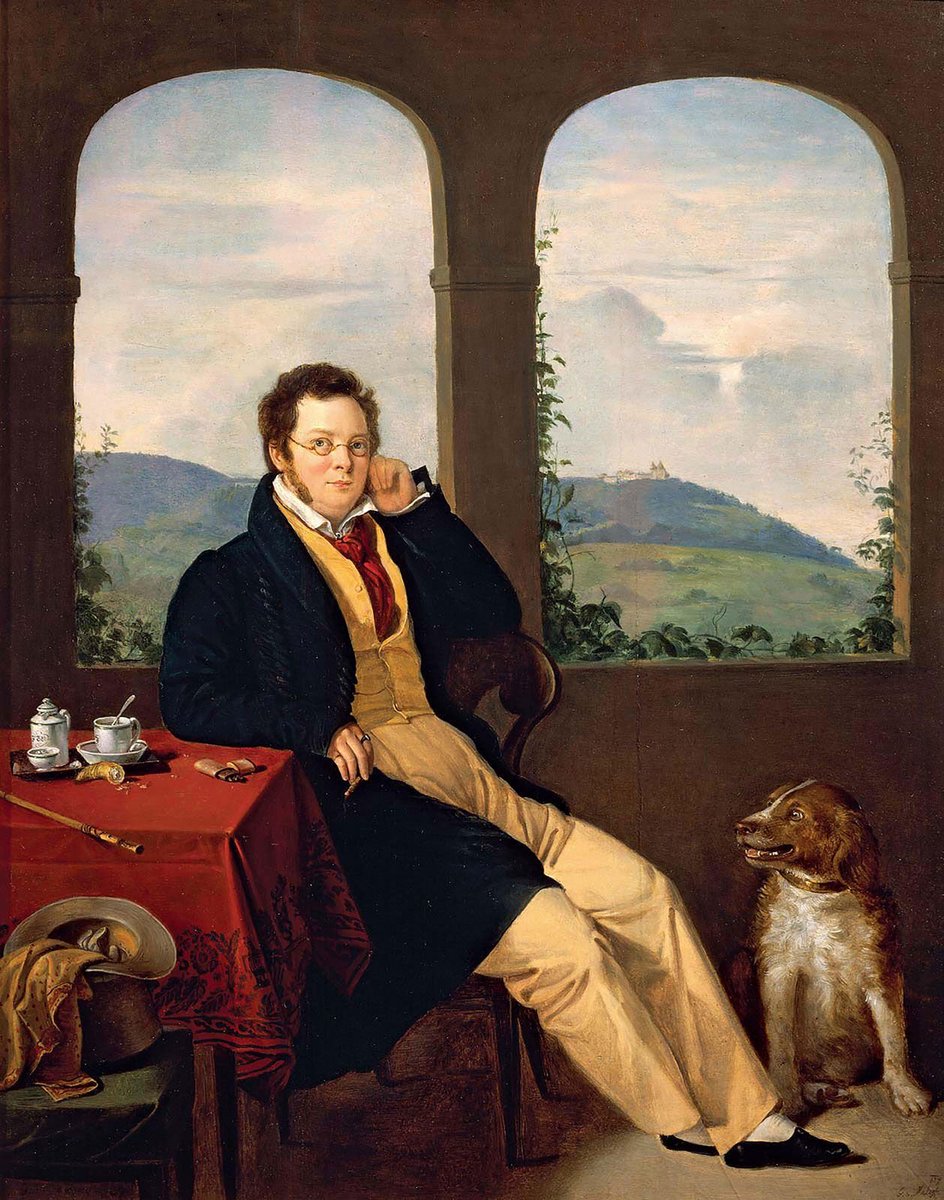

A master of tonal chiaroscuro, between longing and serenity, death and beauty.
25
Impromptus, Op. 90 — catharsis for the phantasy, at least personally.
Piano Sonata in B-flat Major, D. 960 — meditative
Gesang der Geister über den Wassern, D. 714 (text by Goethe) — a Platonic hymn on the soul’s journey. So naturally I am a big fan.
Piano Sonata in B-flat Major, D. 960 — meditative
Gesang der Geister über den Wassern, D. 714 (text by Goethe) — a Platonic hymn on the soul’s journey. So naturally I am a big fan.
26
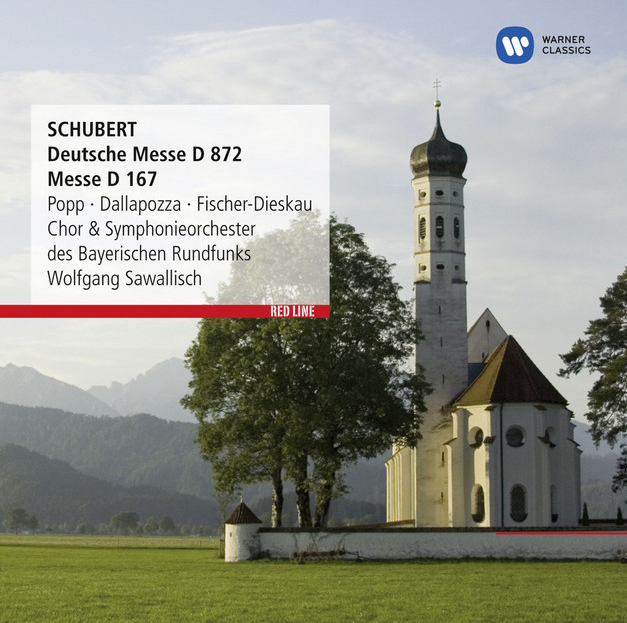
I also highly suggest his Masses of the Sawallisch recording.
27
Richard Wagner
Look, I love Wagner’s works very much but he fits the least here. While Wagner is intense and not always Ficino-adequate in temperament, some of his early or quieter works are suitable. But there is one piece in particular I would recommend: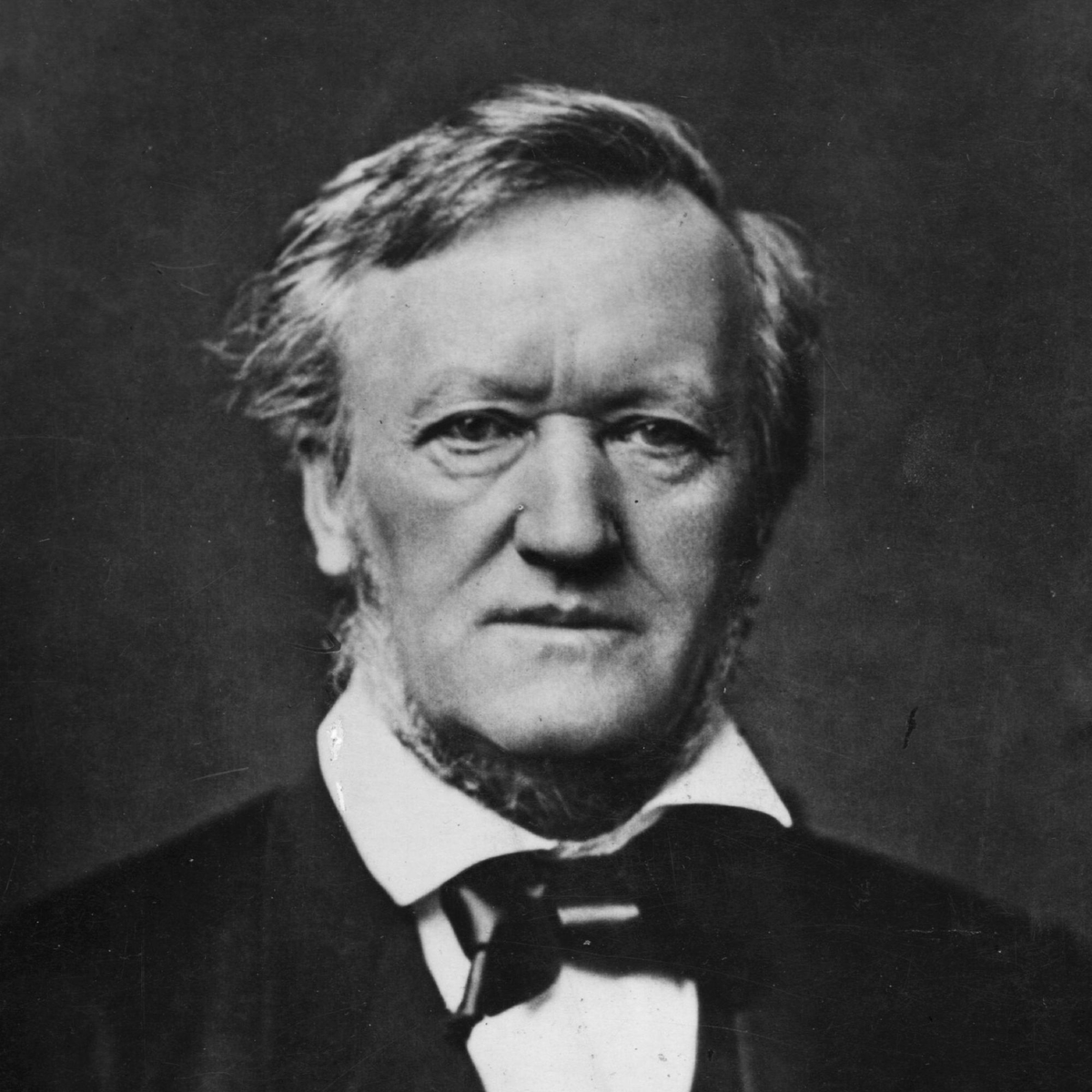
Look, I love Wagner’s works very much but he fits the least here. While Wagner is intense and not always Ficino-adequate in temperament, some of his early or quieter works are suitable. But there is one piece in particular I would recommend:
28
The Siegfried Idyll. Written for Cosima Wagner after the birth of their son. Intentionally seems to evokes cosmic harmony. Very intimate, luminous. At least to my ear.
29
Other recommendations regarding harmonics:
- Gazing at the stars or contemplating celestial order to elevate the mind from carnal to divine things.
- Gazing at the stars or contemplating celestial order to elevate the mind from carnal to divine things.
30
And especially: Cultivating the rational soul through philosophy to restrain the lower powers.
31
The Platonic curriculum starting from Alcibiades I is recommended, see Kate’s Seven Grades of Excellence for the curriculum of dialogues. And ultimately everything on that chart will help you in this regard.


Catalina 🇻🇦@kateofleninka
Seven Grades of Excellence 📖
I drew the table below as a reference for how I’ve categorized my readings, dividing things into that which pertains principally with the senses, intellect, and spirit, and then proceeded by the Platonic dialogues, Scripture, Catholic writings, etc.
I drew the table below as a reference for how I’ve categorized my readings, dividing things into that which pertains principally with the senses, intellect, and spirit, and then proceeded by the Platonic dialogues, Scripture, Catholic writings, etc.
32
iv) Contemplation
This one is rather simple. If what occupies the mind turns the soul away from the body, from carnality wholesale, it will dull the ability of the passions to draw it back down.

This one is rather simple. If what occupies the mind turns the soul away from the body, from carnality wholesale, it will dull the ability of the passions to draw it back down.
33
So naturally:
a) Prayer and invocation of angels in particular he recommends.
A solid prayer life, regular rosary perhaps. I’ve often also encouraged the examination of conscience which lies here too. I would consider mystical theology in its totality worthwhile.
a) Prayer and invocation of angels in particular he recommends.
A solid prayer life, regular rosary perhaps. I’ve often also encouraged the examination of conscience which lies here too. I would consider mystical theology in its totality worthwhile.
34
Sacraments too of course are vital. Pick up Thomas A Kempis’s Imitation or St. Teresa of Avila’s Way of Perfection. Pray to your guardian angel. I would also suggest prayers to St. Angela of Foligno.


35
b) Philosophical purification through contemplation of Forms.
This is an extension of iii) and the Platonic curriculum. Here I would recommend the study of Ficino’s Commentary on the Parmenides or his Platonic Theology once you finish the curriculum.
This is an extension of iii) and the Platonic curriculum. Here I would recommend the study of Ficino’s Commentary on the Parmenides or his Platonic Theology once you finish the curriculum.
36
Pick up St. Bonaventure’s Disputed Questions on the Knowledge of Christ or his Second Book of the Commentary on the Sentences (dm me if you need a copy). Avicenna. Plotinus. Proclus. St. Thomas’s Commentary on the Liber De Causis.
37
Good pieces of secondary lit: Eric Perl, Thinking Being; O’Rourke, Dionysius and the Metaphysics of Aquinas; Emilsson, Plotinus on Intellect; Chlup, Proclus; van Buren, Aristotle and the Ontology of St. Bonaventure.


38
St. Bonaventure really unites these two with the Itinerarium which I highly suggest studying closely with Fr. Philotheus Boehner’s Commentary (Franciscan Institute Press)

39
Fr. Dominic Prummer likewise suggests: early rising, early to bed. Fasting. Sleeping on your side with your hands to your chest. And of course regular reception of the sacraments.
40
Ultimately this all is directed towards doing much more than combatting lust and correcting the passions. It’s a totalising reorientation of the soul back towards its empyrean Fatherland. ☴