📄 A Guide to Studying Philosophy and Theology Well I've been asked...

𝘢𝘳𝘳𝘶𝘴@_bonaventurian
54 views
Feb 17, 2026
~6 min read
Advertisement
1
📄 A Guide to Studying Philosophy and Theology Well
I've been asked enough times that I'm going to lay out in full how I study. Figured that this mode of discipline may also be of good use as Lent is quickly approaching.
I've been asked enough times that I'm going to lay out in full how I study. Figured that this mode of discipline may also be of good use as Lent is quickly approaching.
2
The only thing I will be omitting is the more advanced memory techniques but I will point out resources on this to examine.
3
i. Prior considerations.
ii. Dopamine Loading.
iii. Structure and methods.
iv. Resources and Recommendations
ii. Dopamine Loading.
iii. Structure and methods.
iv. Resources and Recommendations
4
i. Prior considerations.
a. Final Cause.
b. Antecedent motivation.
a. Final Cause.
b. Antecedent motivation.
5
a. Final Cause: Before we even get to "how do I study philosophy and theology?" the question you need to ask yourself is "why?"
If it is merely curiosity or even if it is merely knowledge then this ought to be admonished.
Seek to know out of love for God.
If it is merely curiosity or even if it is merely knowledge then this ought to be admonished.
Seek to know out of love for God.
6
b. Antecedent state: the physical and psychological motivation to actually place oneself in the study of "wisdom, the knowledge of divine and human things" (St. Augustine, De Trin, XIV.3) must likewise be adequate to the task.
7
The most pressing and immediate stumbling block to this is being in a dopamine hole. You'll be without mental energy, clarity and discipline if you don't get out of the hole. "Flat, foggy and tired".
A good guide to getting out of a dopamine hole:
youtube.com/watch?v=eXQ3VV…
A good guide to getting out of a dopamine hole:
youtube.com/watch?v=eXQ3VV…
8
The fundamental lesson from Newel's guide is simple: defer gratification.
Get your tasks done first and switch on for them (he outlines physical ways to do this), and only after they're sufficiently done should you touch other pleasantries.
Get your tasks done first and switch on for them (he outlines physical ways to do this), and only after they're sufficiently done should you touch other pleasantries.
9
In summary:
[S]top digging for pleasure.
[T]une in - Physically signal to your body to lock in.
[O]ne small win- Complete one small easy task. (30sec)
[R]egulate -Start a sustained habit in short bursts. (10min)
[E]ngage 1 target - Pick a longer task to complete. (40min-1hr).
[R]eflect - Examine everything you've done.
[S]top digging for pleasure.
[T]une in - Physically signal to your body to lock in.
[O]ne small win- Complete one small easy task. (30sec)
[R]egulate -Start a sustained habit in short bursts. (10min)
[E]ngage 1 target - Pick a longer task to complete. (40min-1hr).
[R]eflect - Examine everything you've done.
10
And to be honest while I only ever do this if I'm in a bad shape, its not a bad idea to use this regularly to kick yourself into gear.
To this I would add that the necessity of a good sleep cycle (7-10hrs between 9pm-9am ideally).
To this I would add that the necessity of a good sleep cycle (7-10hrs between 9pm-9am ideally).
11
ii. Dopamine Loading
The other less antecedent and more immediate issue is sitting down to study and being just physically unable to function and engage. Again, dopamine might be the issue and in the converse, controlling it can easily make the habit more desirable.
The other less antecedent and more immediate issue is sitting down to study and being just physically unable to function and engage. Again, dopamine might be the issue and in the converse, controlling it can easily make the habit more desirable.
12
Take the general principle from before: delay gratification.
Now apply it to the structure of your entire day.
Ideally you want to study early. Marsilio Ficino counsels to study before eating and also to do so before the evening - before you get more tired towards the end of the day.
Now apply it to the structure of your entire day.
Ideally you want to study early. Marsilio Ficino counsels to study before eating and also to do so before the evening - before you get more tired towards the end of the day.
13
Of course some philosophers and theologians historically do quite well in the evening - Avicenna comes to mind. But as a general rule you want to make sure you do not spike your dopamine before studying otherwise you will not focus.
14
Ficino again admonishes two things as quite heavily worrying for the philosopher: melancholy and lust. Melancholy he finds can often follow the philosopher and dampen his motivations while lust will rupture his cognitive ability on top of being mortally sinful.
15
The latter evidentially is absolutely imperative you never use or frequent pornography, but even sensible visual gratification you should defer entirely and especially for the mode of life that a philosopher and theologian requires.
It spikes your dopamine, and averts you from God. No gooning. If you need help on that:


It spikes your dopamine, and averts you from God. No gooning. If you need help on that:
𝘢𝘳𝘳𝘶𝘴@_bonaventurian
🧵To Combat Lust
I have gotten many CC qs earnestly asking, from some very tortured souls, for help with combatting lust. Here is my own personal guide to overcoming the impulse and habit.
Let's i) set out the problem ii) provide some immediate then iii) long term solutions:
I have gotten many CC qs earnestly asking, from some very tortured souls, for help with combatting lust. Here is my own personal guide to overcoming the impulse and habit.
Let's i) set out the problem ii) provide some immediate then iii) long term solutions:
16
For the conjugal union in marriage he admonishes married persons to therefore engage in the venereal act less frequently if they are philosophers, and not early in the day.
17
But this also applies to anything that could spike dopamine: carb heavy foods or fast food, scrolling social media, video games etc.,
Do these after. Otherwise your dopamine levels will be erratic as you try and focus to study.
A further guide:


Do these after. Otherwise your dopamine levels will be erratic as you try and focus to study.
A further guide:
𝘢𝘳𝘳𝘶𝘴@_bonaventurian
📄Ficino's Instruction on Correcting the Passions
Marsilio Ficino has quite a few remedies for combatting lust, habits of impure thought and correcting the passions generally.
And this he considers especially vital for the philosopher whose way of life is directly injured by it.
Marsilio Ficino has quite a few remedies for combatting lust, habits of impure thought and correcting the passions generally.
And this he considers especially vital for the philosopher whose way of life is directly injured by it.
18
Matthew Smith has a detailed guide to Dopamine loading I would examine closely. This and Newel's video I would watch in full.
youtube.com/watch?v=jyLXcy…
youtube.com/watch?v=jyLXcy…
19
Both Newel and Matthew make the good point of how light exercise can be a good way to start the day. I personally workout first thing in the morning after morning prayer.
20
iii. Structure and methods
(i) Preparation and beginning
(ii) Structure
(iii) Method
(i) Preparation and beginning
(ii) Structure
(iii) Method
21
(i) Begin in prayer
Put away all your distractions.
Get something to drink.
Get out everything you need (pencil, notebook, book, laptop etc.,) and take no more than 1-5min to do so.
Pray:
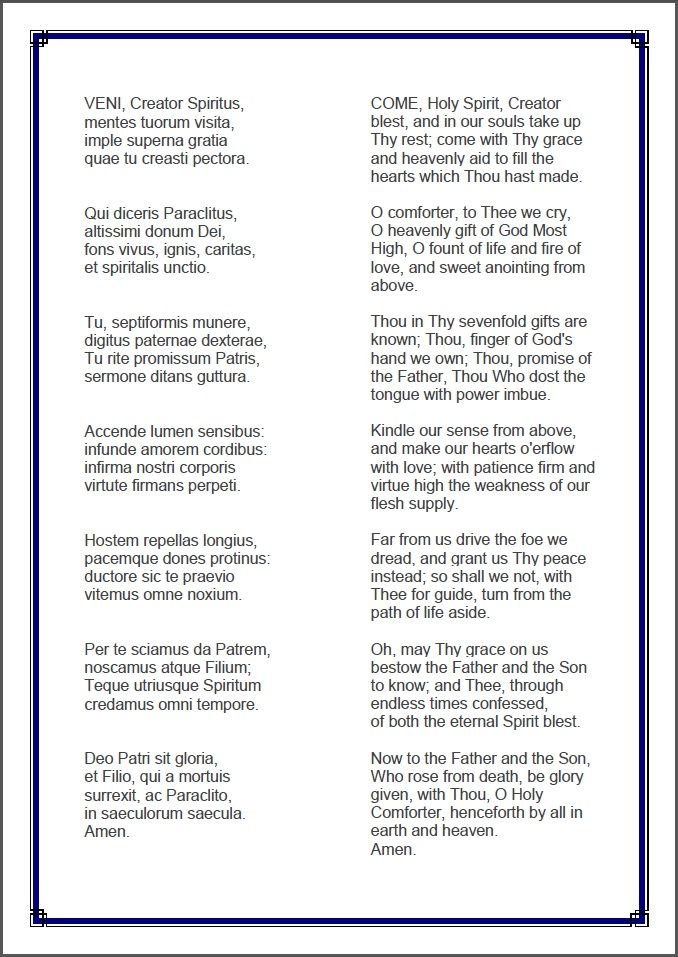
St. Thomas's student's prayer. (left)
Veni Creator Spiritus. (right)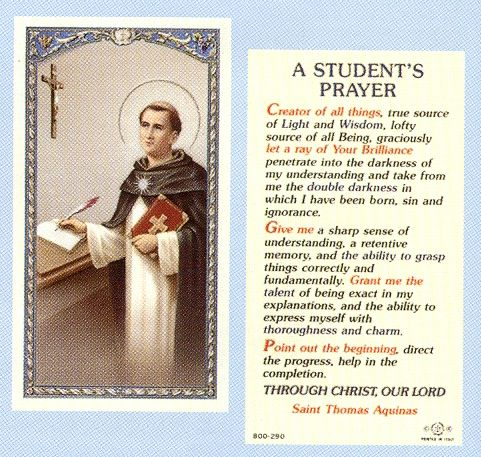
Put away all your distractions.
Get something to drink.
Get out everything you need (pencil, notebook, book, laptop etc.,) and take no more than 1-5min to do so.
Pray:
St. Thomas's student's prayer. (left)
Veni Creator Spiritus. (right)
22
(ii) Structure
Set a block of time [e.g. 3x45min, 15min breaks between windows]. Pick two or three tasks in order of priority.
Complete them in this window, in order of difficulty.
Do not sit down with the aim of "read X amount of pages", instead: read a section or chapter. Finish the author's thought.
Set a block of time [e.g. 3x45min, 15min breaks between windows]. Pick two or three tasks in order of priority.
Complete them in this window, in order of difficulty.
Do not sit down with the aim of "read X amount of pages", instead: read a section or chapter. Finish the author's thought.
23
(iii) Method
This will vary from person to person in terms of suitability. But what I do is have a select few books I actually note take for or annotate, and other which I do not.
This will vary from person to person in terms of suitability. But what I do is have a select few books I actually note take for or annotate, and other which I do not.
24
For those I note-take and annotate I will use a ruler and a pacer/mechanical pencil to underline, write in margins (summarise paragraphs, make short notes, or even formalise arguments) and use page markers.
25
I will often write out my summaries into sets of notes or just opt to posting about them. In general you will find completion in keeping the habit even if you don't always complete all your tasks in a single sitting.
26
I also like to keep a separate document of definitions, axioms, short arguments and prooftexts to memorise.
27
iv. Resources and Recommendations
If you have no idea what to read I would highly suggest four books.
Plato - Alcibiades I
Brant Pitre - Jesus and the Jewish Roots of Mary
St. Bonaventure - Journey of the Mind into God, Tree of Life, Life of St. Francis (CWS)
St. Therese of Lisieux - Story of a Soul (ICS)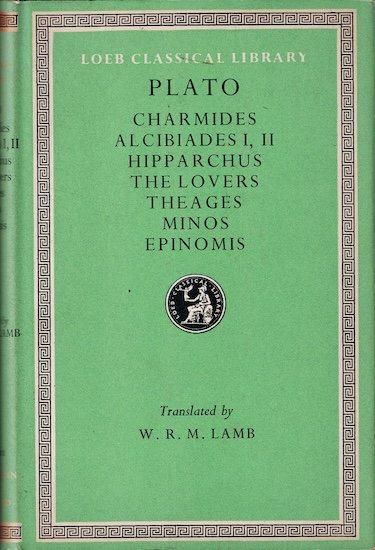
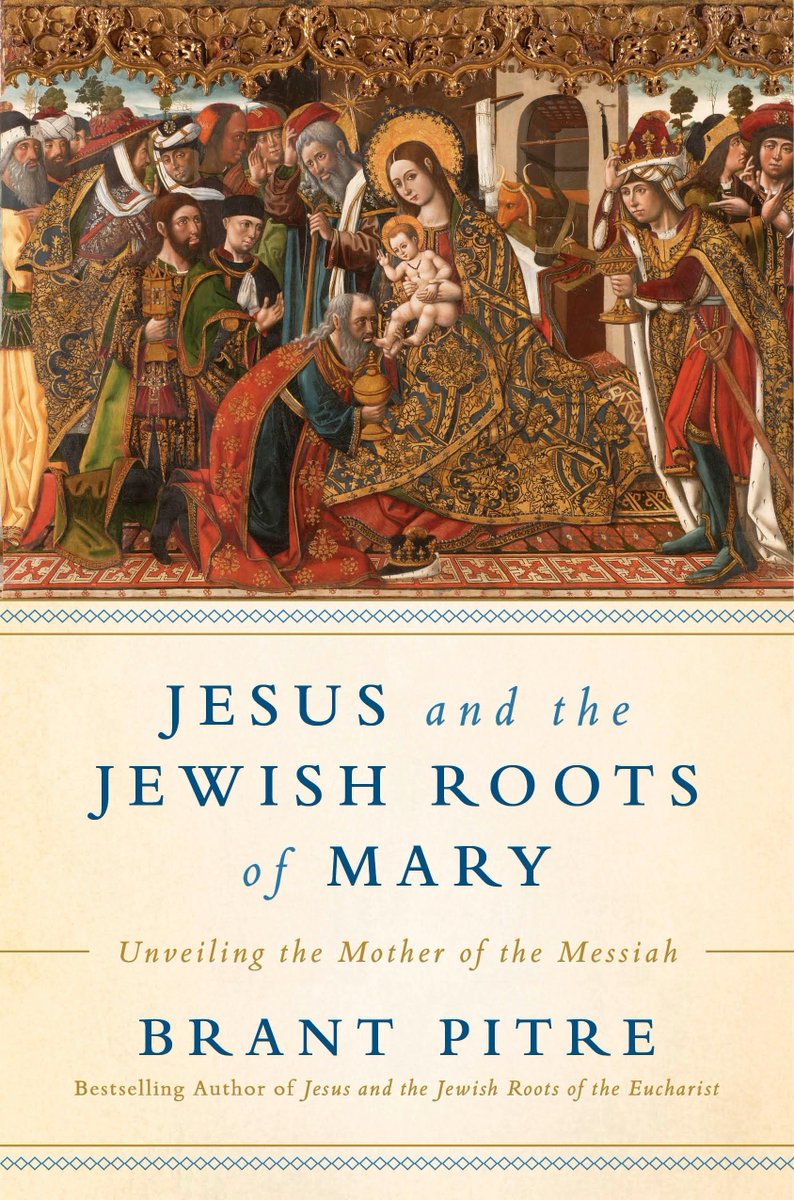


If you have no idea what to read I would highly suggest four books.
Plato - Alcibiades I
Brant Pitre - Jesus and the Jewish Roots of Mary
St. Bonaventure - Journey of the Mind into God, Tree of Life, Life of St. Francis (CWS)
St. Therese of Lisieux - Story of a Soul (ICS)
28
Ars Memoria: For the memory techniques I mentioned, this will take much far too much time. So I will refer you to:
(i) Frances Yates, Art of Memory; Lull & Bruno (ii) St. Thomas Aquinas ST, II-II, Q. 49
(iii) Cicero, Rhetorica ad Herrenium
(iv) Anthony Bonner, User's Guide to Ramon Lull



(i) Frances Yates, Art of Memory; Lull & Bruno (ii) St. Thomas Aquinas ST, II-II, Q. 49
(iii) Cicero, Rhetorica ad Herrenium
(iv) Anthony Bonner, User's Guide to Ramon Lull
29
I will also leave the following guides:
Franciscan Theology:

Franciscan Theology:
𝘢𝘳𝘳𝘶𝘴@_bonaventurian
📄Comprehensive entry to Franciscan Theology
I was asked on strawpage for Franciscan reading recommendations.
I would suggest four figures to know:
i) St. Francis of Assisi
ii) St. Bonaventure
iii) Bl. Duns Scotus
iv) Bl. Ramon Lull
I will, then, tie into Carmelite theology.
I was asked on strawpage for Franciscan reading recommendations.
I would suggest four figures to know:
i) St. Francis of Assisi
ii) St. Bonaventure
iii) Bl. Duns Scotus
iv) Bl. Ramon Lull
I will, then, tie into Carmelite theology.
30
My old St. Bonaventure reading guide:
𝘢𝘳𝘳𝘶𝘴@_bonaventurian
I’ve never read the Seraphic Doctor. Any recommendations on which writings I should start with and how I read him?ーStart with the CWS print of his writings which contain the Journey of the Mind into God, the Tree of Life, and the Life of St. Francis. Then do:
31
Seven Grades of Excellence:


Catalina 🇻🇦@kateofleninka
Seven Grades of Excellence 📖
I drew the table below as a reference for how I’ve categorized my readings, dividing things into that which pertains principally with the senses, intellect, and spirit, and then proceeded by the Platonic dialogues, Scripture, Catholic writings, etc.
I drew the table below as a reference for how I’ve categorized my readings, dividing things into that which pertains principally with the senses, intellect, and spirit, and then proceeded by the Platonic dialogues, Scripture, Catholic writings, etc.
32
Another quick set of Scholastic introductions:
𝘢𝘳𝘳𝘶𝘴@_bonaventurian
Platonism: Eric Perl, Thinking Being. Follow the Anonymous Curriculum, starting with Plato's Alcibiades I
Thomism: Fr. Garrigou, Reality. De Ente and shorter treatises like De Caritate to start.
Scholasticism: Cullen, Bonaventure.
Ingham & Dreyer, Scotus.
Salas, Suarez.
Thomism: Fr. Garrigou, Reality. De Ente and shorter treatises like De Caritate to start.
Scholasticism: Cullen, Bonaventure.
Ingham & Dreyer, Scotus.
Salas, Suarez.
33
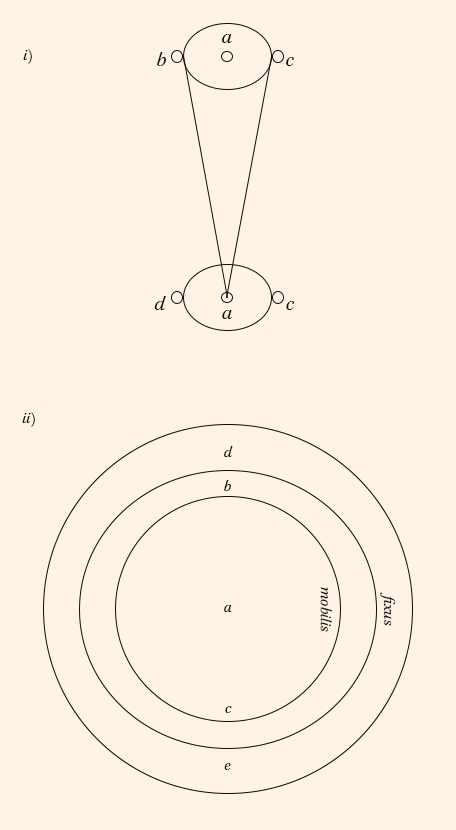
Nicholas Cusanus:

𝘢𝘳𝘳𝘶𝘴@_bonaventurian
🧵How to get into the works of Cr. Nicholas of Cusa
Cusanus was one of the most brilliant, yet eclectic & difficult theologians to get a solid grasp of. I've poured over much secondary literature and his own works to do so.
Here are my recommendations:
(Links in the last tweet)
Cusanus was one of the most brilliant, yet eclectic & difficult theologians to get a solid grasp of. I've poured over much secondary literature and his own works to do so.
Here are my recommendations:
(Links in the last tweet)
34
Another little list:

𝘢𝘳𝘳𝘶𝘴@_bonaventurian
Not in priority order but in order in which they should be read:
Fr. Cajetan - Humility of Heart
Fr. Thomas Dubay - Fire within
St. Therese of Lisieux - Story of a Soul
St. Thomas Aquinas - De Caritate
Ignatius Study Bible
Fr. Cajetan - Humility of Heart
Fr. Thomas Dubay - Fire within
St. Therese of Lisieux - Story of a Soul
St. Thomas Aquinas - De Caritate
Ignatius Study Bible
35
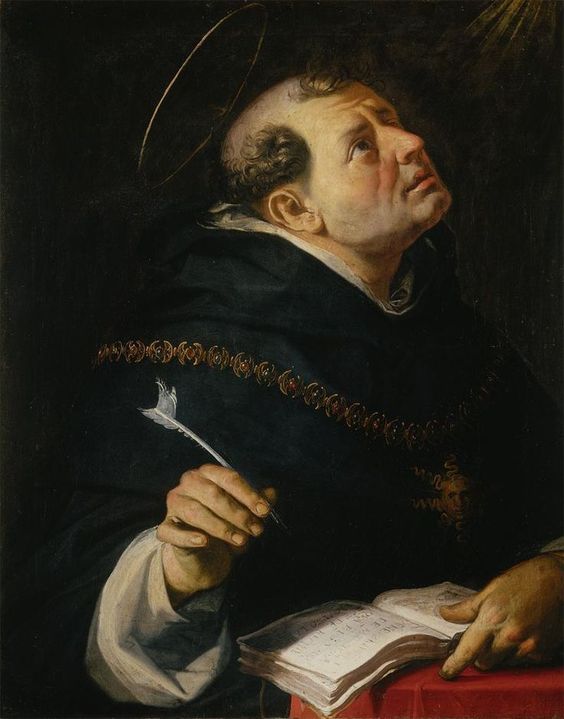
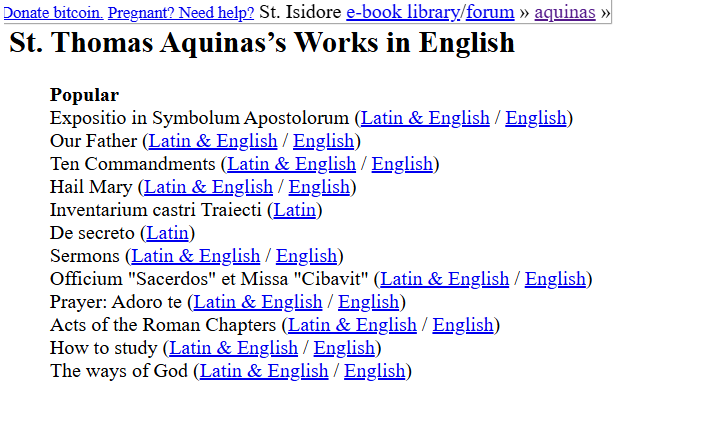
Devotional works from St. Thomas Aquinas and St. Bonaventure


𝘢𝘳𝘳𝘶𝘴@_bonaventurian
"St. Thomas Aquinas and St. Bonaventure are so difficult and these Scholastic writers must be for super clever people. St. Thomas is so technical, St. Bonaventure is so lofty..."
Consider starting with devotional works!
Consider starting with devotional works!
36
Further for you to consider is to always run to Our Lady's intercession when you are stuck in your studying. She has been and continues to be a great light for all the church's greatest luminaries and all students of Wisdom.


𝘢𝘳𝘳𝘶𝘴@_bonaventurian
📄Mary's Teaching role in Theology
Fr. Peter Damien Felhner's ambitious sounding thesis: that Mary is in a preeminent way our teacher of theology, directly and intimately involved in any such fruitful pursuit, as she is the Immaculate Conception, thus the mediatrix of grace.
Fr. Peter Damien Felhner's ambitious sounding thesis: that Mary is in a preeminent way our teacher of theology, directly and intimately involved in any such fruitful pursuit, as she is the Immaculate Conception, thus the mediatrix of grace.
37
But above all please sit with Sacred Scripture!
Have a blessed Lent everyone. God keep you all.
Have a blessed Lent everyone. God keep you all.