Operation Sindoor: It is India's arguably The most successful...

DeepDownAnalysis@deepdownanlyz
10 views
May 24, 2025
~5 min read
Advertisement
1
Operation Sindoor: It is India's arguably The most successful Military and Diplomatic operation till date.
India is decisively victorious in true sense at both front.
Many argue:
India could have taken POK.
India could have freed Baloch, may be KFP too.
But India accepted Pakistan's request of ceasefire.
Leading oppn party is doing a comparision forgetting India lost 100,000+ SqKM under their rule.
I am telling this most successful operation because of past blunders.
Do you know India's diplomatic blunder since Independence:
Read this thread till the end:
India is decisively victorious in true sense at both front.
Many argue:
India could have taken POK.
India could have freed Baloch, may be KFP too.
But India accepted Pakistan's request of ceasefire.
Leading oppn party is doing a comparision forgetting India lost 100,000+ SqKM under their rule.
I am telling this most successful operation because of past blunders.
Do you know India's diplomatic blunder since Independence:
Read this thread till the end:
2
Taking Kashmir Issue to the United Nations in 1948 –
78000 Sq KM lost to Pakistan:
Soon after invasion of Kashmir by Pakistani forces in 1947, Prime Minister Nehru made the decision to take the matter to the United Nations, When India started gaining the ground, hoping for a peaceful resolution through international mediation.
Kashmir issue became internationalized, and Pakistan retained control over roughly 78,000 square kilometers of territory, now known as Pakistan-occupied Kashmir.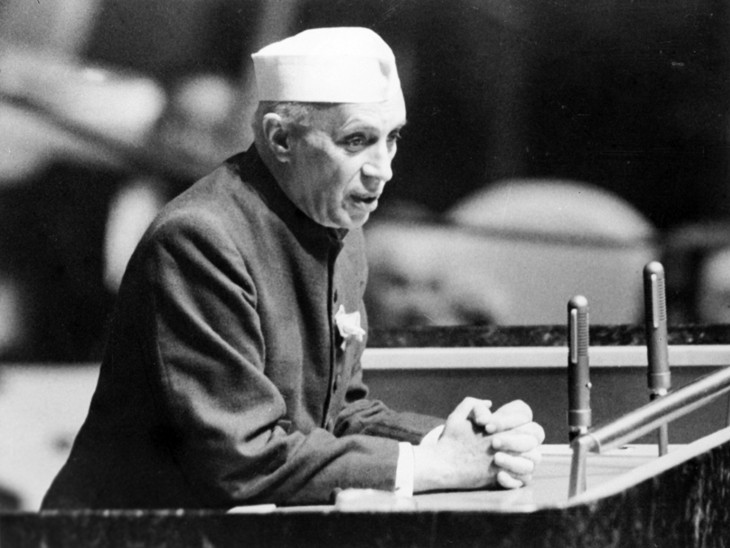
78000 Sq KM lost to Pakistan:
Soon after invasion of Kashmir by Pakistani forces in 1947, Prime Minister Nehru made the decision to take the matter to the United Nations, When India started gaining the ground, hoping for a peaceful resolution through international mediation.
Kashmir issue became internationalized, and Pakistan retained control over roughly 78,000 square kilometers of territory, now known as Pakistan-occupied Kashmir.
3
Rejecting the Permanent Seat at the United Nations Security Council in the 1950s –
During the 1950s, both the United States and the Soviet Union reportedly offered India a permanent seat at the UN Security Council, either instead of or before China.
Nehru declined the offer, believing Communist China was the more legitimate representative of Asia.
The result was a strategic miscalculation that allowed China to gain a veto-wielding position, while India has spent more than seventy years lobbying for a seat it once rejected.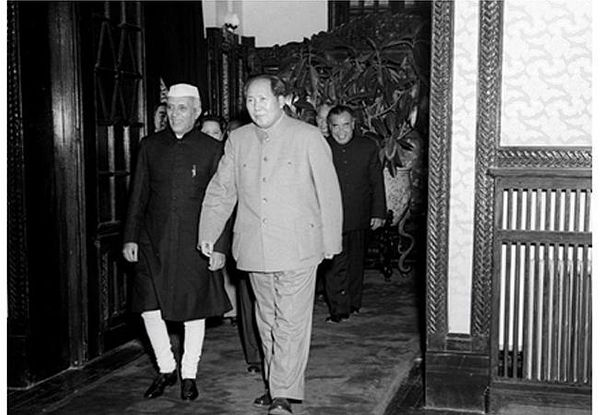
During the 1950s, both the United States and the Soviet Union reportedly offered India a permanent seat at the UN Security Council, either instead of or before China.
Nehru declined the offer, believing Communist China was the more legitimate representative of Asia.
The result was a strategic miscalculation that allowed China to gain a veto-wielding position, while India has spent more than seventy years lobbying for a seat it once rejected.
4
Recognizing Chinese Sovereignty Over Tibet in 1954 –
Under sever pressure from China, PM Nehru officially recognized Tibet as part of the People’s Republic of China, surrendering India's traditional influence in the region.
The outcome was the loss of a strategic buffer zone between India and China, bringing Chinese forces directly to the Indian border. This significantly worsened India’s long-term security posture.
Under sever pressure from China, PM Nehru officially recognized Tibet as part of the People’s Republic of China, surrendering India's traditional influence in the region.
The outcome was the loss of a strategic buffer zone between India and China, bringing Chinese forces directly to the Indian border. This significantly worsened India’s long-term security posture.
5
Failure to Anticipate the 1962 Sino-Indian War –
38000 SqKM Lost to Chinese, 1300 personnel killed.
Despite growing evidence of Chinese infrastructure buildup in Aksai Chin and several border skirmishes, Nehru maintained a pacifist stance and failed to adequately prepare India’s military.
He believed in diplomatic goodwill and underestimated China’s intentions. This misjudgment, exacerbated by poor intelligence and internal policy paralysis, led to the 1962 war in which India lost.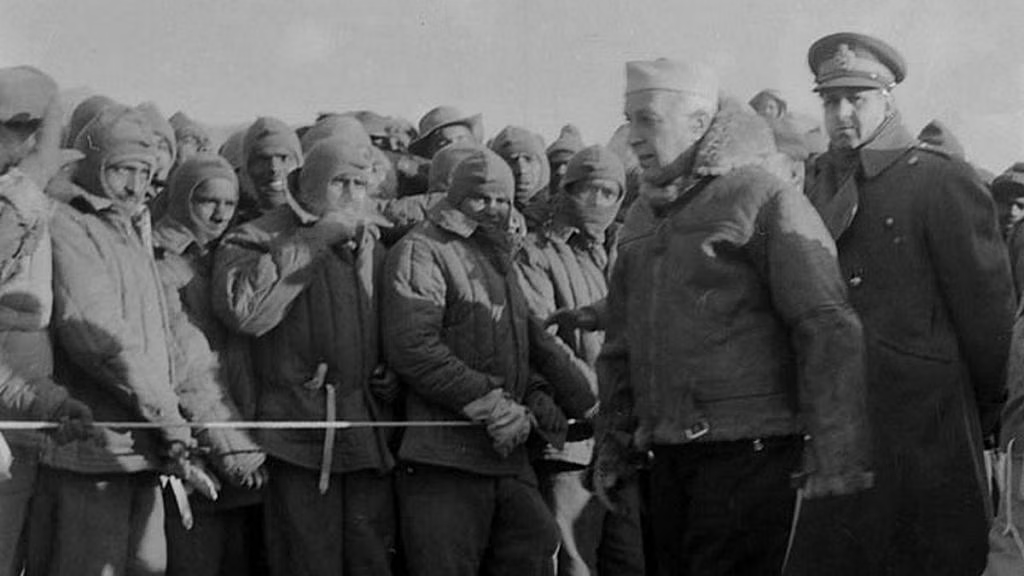
38000 SqKM Lost to Chinese, 1300 personnel killed.
Despite growing evidence of Chinese infrastructure buildup in Aksai Chin and several border skirmishes, Nehru maintained a pacifist stance and failed to adequately prepare India’s military.
He believed in diplomatic goodwill and underestimated China’s intentions. This misjudgment, exacerbated by poor intelligence and internal policy paralysis, led to the 1962 war in which India lost.
6
Failing to Act on China’s Nuclear Test in 1964 –
When China conducted its first nuclear test in 1964, India had neither anticipated nor countered it.
Nehru, deeply committed to global disarmament and nonalignment, had resisted the idea of India pursuing nuclear weapons.
There was pressure from the global non-proliferation regime, and internal opposition to military buildup.
The result was that China became Asia’s first nuclear power, dramatically altering the regional balance of power and leaving India vulnerable until its own tests decades later.
When China conducted its first nuclear test in 1964, India had neither anticipated nor countered it.
Nehru, deeply committed to global disarmament and nonalignment, had resisted the idea of India pursuing nuclear weapons.
There was pressure from the global non-proliferation regime, and internal opposition to military buildup.
The result was that China became Asia’s first nuclear power, dramatically altering the regional balance of power and leaving India vulnerable until its own tests decades later.
7
Signing the Shimla Agreement in 1972 –
Following India’s decisive victory in the 1971 war and the capture of 93,000 Pakistani prisoners of war ad 15000 sqKM of Western Pakistan, PM Indira Gandhi signed the Simla Agreement with Zulfikar Ali Bhutto.
India, under pressure from US, couldn't resolve POK nor got 54 officer ranked POW from Pakistan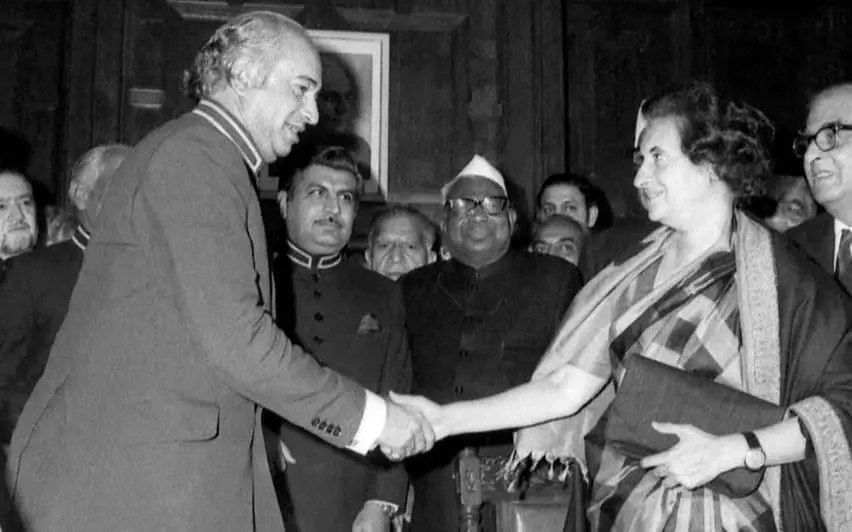
Following India’s decisive victory in the 1971 war and the capture of 93,000 Pakistani prisoners of war ad 15000 sqKM of Western Pakistan, PM Indira Gandhi signed the Simla Agreement with Zulfikar Ali Bhutto.
India, under pressure from US, couldn't resolve POK nor got 54 officer ranked POW from Pakistan
8
No Strategic Follow-Through After India’s First Nuclear Test in 1974 –
After successfully conducting the Pokhran-I nuclear test in 1974, Indira Gandhi failed to declare a nuclear doctrine or deterrent posture.
Fearing international sanctions and wanting to maintain ambiguity, India did not operationalize its nuclear capacity.
As a result, Pakistan accelerated its own covert program with Chinese and North Korean support. India lost the chance to establish clear superiority and deterrence in South Asia.
After successfully conducting the Pokhran-I nuclear test in 1974, Indira Gandhi failed to declare a nuclear doctrine or deterrent posture.
Fearing international sanctions and wanting to maintain ambiguity, India did not operationalize its nuclear capacity.
As a result, Pakistan accelerated its own covert program with Chinese and North Korean support. India lost the chance to establish clear superiority and deterrence in South Asia.
9
Failing to Authorize the Kahuta Nuclear Strike in the 1980s –
Pakistan’s nuclear weapons program was concentrated at the Kahuta facility.
In the early 1980s, Indian intelligence agencies proposed a preventive airstrike to destroy it before it became operational. Both Indira and later Rajiv Gandhi were hesitant due to US warnings of severe consequences and a fear of regional escalation.
This restraint allowed Pakistan to test nuclear weapons by 1998, creating a permanent nuclear stand-off with India and eliminating India’s conventional superiority.
Pakistan’s nuclear weapons program was concentrated at the Kahuta facility.
In the early 1980s, Indian intelligence agencies proposed a preventive airstrike to destroy it before it became operational. Both Indira and later Rajiv Gandhi were hesitant due to US warnings of severe consequences and a fear of regional escalation.
This restraint allowed Pakistan to test nuclear weapons by 1998, creating a permanent nuclear stand-off with India and eliminating India’s conventional superiority.
10
No Strong Action After 1993 Mumbai Blasts –
After the 1993 serial bomb blasts in Mumbai, which killed over 250 people, India did little to hold Pakistan accountable for harboring and aiding key conspirators like Dawood Ibrahim.
The response was limited to domestic arrests, with little diplomatic or military consequence for Pakistan. This emboldened cross-border terrorism and allowed safe havens for anti-India terror networks to flourish in Pakistan.
After the 1993 serial bomb blasts in Mumbai, which killed over 250 people, India did little to hold Pakistan accountable for harboring and aiding key conspirators like Dawood Ibrahim.
The response was limited to domestic arrests, with little diplomatic or military consequence for Pakistan. This emboldened cross-border terrorism and allowed safe havens for anti-India terror networks to flourish in Pakistan.
11
Backing Off from Nuclear Tests Under US Pressure in 1995-1996 –
PM PV Narsimha Rao had planned to conduct nuclear tests but aborted them after US satellite surveillance detected test preparations.
Washington applied heavy pressure and threatened sanctions, leading India to delay the tests.
This allowed Pakistan to close the gap and achieve nuclear capability. When India finally conducted tests in 1998 under a different government, Pakistan followed within weeks, neutralizing India’s advantage.
PM PV Narsimha Rao had planned to conduct nuclear tests but aborted them after US satellite surveillance detected test preparations.
Washington applied heavy pressure and threatened sanctions, leading India to delay the tests.
This allowed Pakistan to close the gap and achieve nuclear capability. When India finally conducted tests in 1998 under a different government, Pakistan followed within weeks, neutralizing India’s advantage.
12
No Retaliation After 26/11 Mumbai Attacks in 2008 – Manmohan Singh
When Pakistani terrorists attacked Mumbai in 2008, killing 200 people, the UPA government led by Manmohan Singh chose not to take any military or covert action against Pakistan.
The fear of escalation, international pressure, and the global financial crisis led to an extremely restrained response. Pakistan faced no real cost for this massive act of cross-border terrorism, and terror groups like Lashkar-e-Taiba remained active.
When Pakistani terrorists attacked Mumbai in 2008, killing 200 people, the UPA government led by Manmohan Singh chose not to take any military or covert action against Pakistan.
The fear of escalation, international pressure, and the global financial crisis led to an extremely restrained response. Pakistan faced no real cost for this massive act of cross-border terrorism, and terror groups like Lashkar-e-Taiba remained active.
13
There are few more like Operation Brasstacks (1986–87) , India’s largest military exercise, but it became a strategic failure due to then political leader succumbing to pressure.
Now you can understand why Op Sindoor has been arguable the most successful operation because Indian leaders have faultered in the past and now doing chest thumping.
Now you can understand why Op Sindoor has been arguable the most successful operation because Indian leaders have faultered in the past and now doing chest thumping.
14
Follow @deepdownanlyz for logical posts.
