Mohnish Pabrai turned $1 million into $600 million in 10 years....

Oguz Erkan@oguzerkan
51 views
Apr 27, 2025
~3 min read
Advertisement
1
Mohnish Pabrai turned $1 million into $600 million in 10 years.
Even Charlie Munger gave him money to manage.
His strategy is simple ⎯ buy companies that can build new businesses. He calls this "spawner strategy."
Here's his updated philosophy: 🧵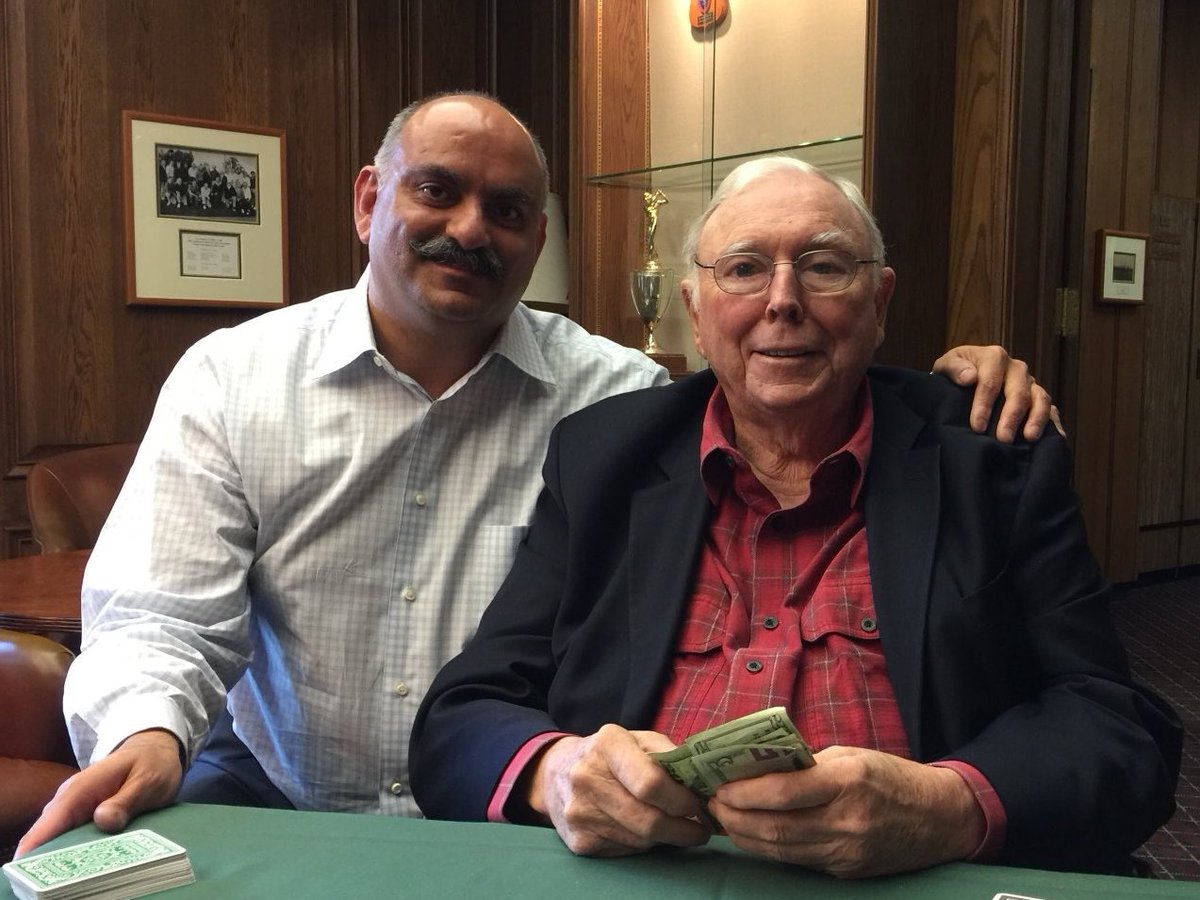
Even Charlie Munger gave him money to manage.
His strategy is simple ⎯ buy companies that can build new businesses. He calls this "spawner strategy."
Here's his updated philosophy: 🧵
2
1. There are only a few ways to 100x returns:
- Focused companies like McDonald's.
- Capital allocators like Berkshire.
- Cannibals that buy back a lot of stock.
- Deep value companies like turnarounds.
The fifth type is the spawners - it's also the most lucrative type.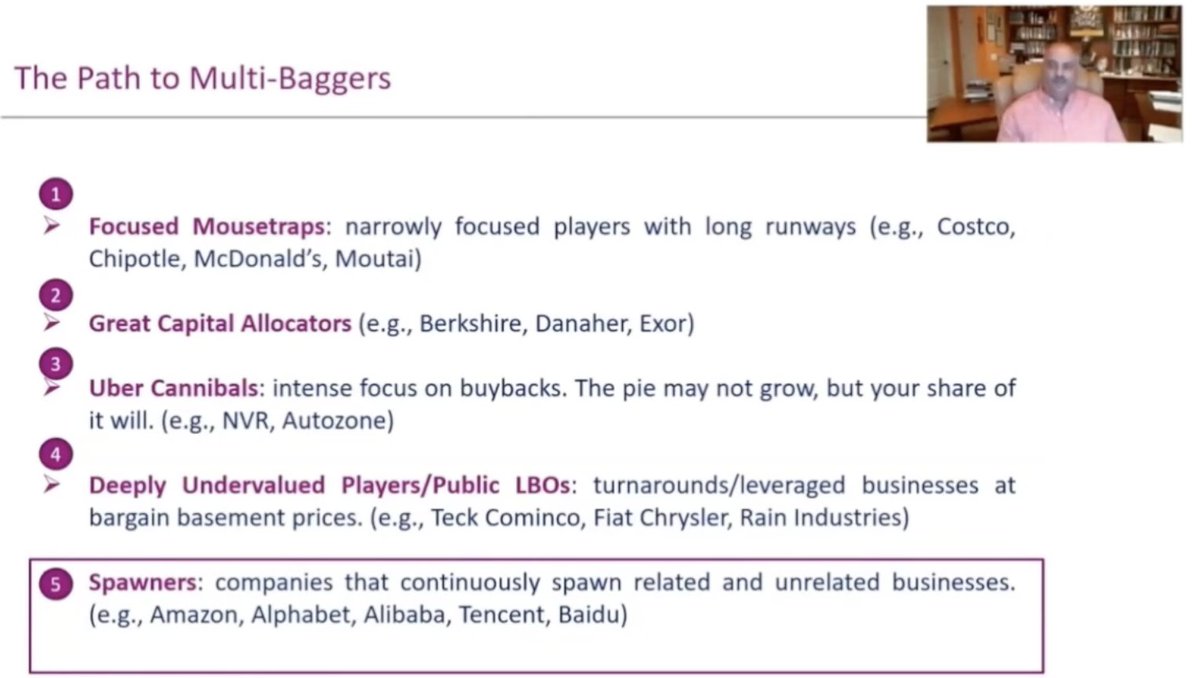
- Focused companies like McDonald's.
- Capital allocators like Berkshire.
- Cannibals that buy back a lot of stock.
- Deep value companies like turnarounds.
The fifth type is the spawners - it's also the most lucrative type.
3
2. What the hell are spawners?
They are the companies that have successfully expanded into different businesses.
Take Amazon as an example.
It started in e-commerce, then expanded into other markets.
Today, it has 4 businesses, each generating +$50 billion in annual revenue.
They are the companies that have successfully expanded into different businesses.
Take Amazon as an example.
It started in e-commerce, then expanded into other markets.
Today, it has 4 businesses, each generating +$50 billion in annual revenue.
4
3. There are 5 types of spawner companies:
• Adjacent spawners
• Embryonic spawners
• Cloner spawners
• Non-adjacent spawners
• Apex Spawners
Let me explain each of them:
• Adjacent spawners
• Embryonic spawners
• Cloner spawners
• Non-adjacent spawners
• Apex Spawners
Let me explain each of them:
5
4. Adjacent Spawners
These companies start in a niche market, dominate it, and then leverage this power to expand into neighboring markets.
Starbucks is an example.
It dominated coffee chains, then launched a merchandise business, entered into supermarkets, launched a loyalty card effectively creating a financial business etc..
These companies start in a niche market, dominate it, and then leverage this power to expand into neighboring markets.
Starbucks is an example.
It dominated coffee chains, then launched a merchandise business, entered into supermarkets, launched a loyalty card effectively creating a financial business etc..
6
5. Embryonic Spawners
These are the companies that acquire high-potential startups when they are small and make them into empires.
Meta is the biggest example.
It acquired both Instagram and WhatsApp.
Today, WhatsApp is the dominant messaging app in the market, and Instagram is the dominant social network.
These are the companies that acquire high-potential startups when they are small and make them into empires.
Meta is the biggest example.
It acquired both Instagram and WhatsApp.
Today, WhatsApp is the dominant messaging app in the market, and Instagram is the dominant social network.
7
6. Cloner Spawners
These are the companies that successfully clone the winning products.
Microsoft is the largest example.
It's Windows was a Mac OS clone, Xbox was a PlayStation clone.
Windows 95 was a near-perfect look-alike of Mac OS 7.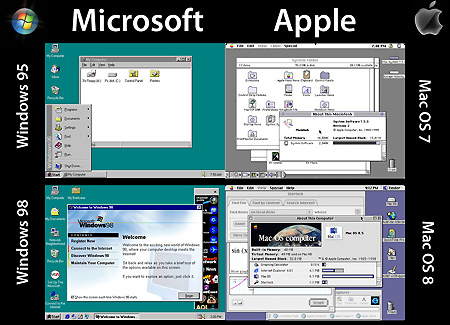
These are the companies that successfully clone the winning products.
Microsoft is the largest example.
It's Windows was a Mac OS clone, Xbox was a PlayStation clone.
Windows 95 was a near-perfect look-alike of Mac OS 7.
8
7. Non-Adjacent Spawners
This group creates or buys businesses in unrelated areas.
Berkshire Hathaway is an example.
It owns businesses from furniture stores to insurance, a chocolate manufacturer, real estate developer etc...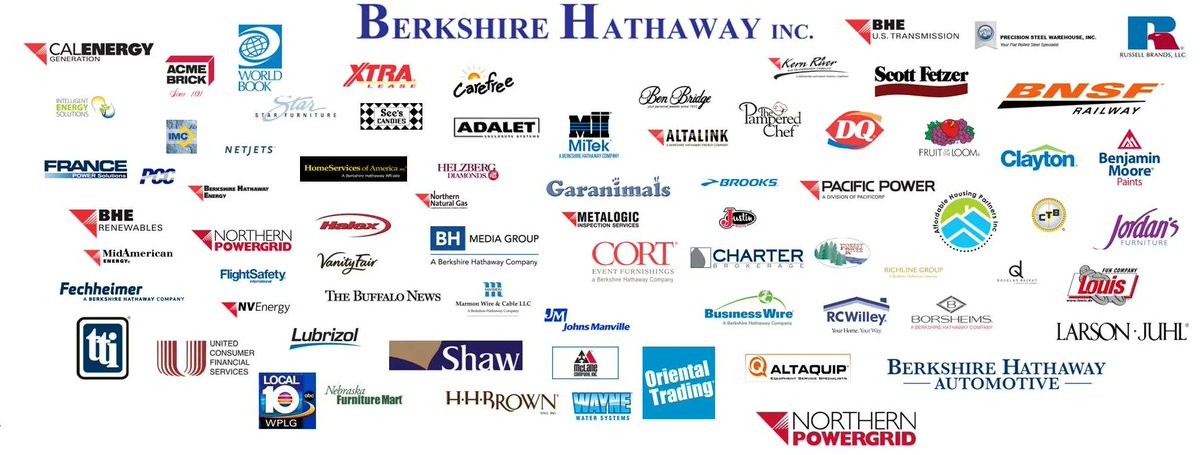
This group creates or buys businesses in unrelated areas.
Berkshire Hathaway is an example.
It owns businesses from furniture stores to insurance, a chocolate manufacturer, real estate developer etc...
9
8. Apex Spawners
These are the spawners that successfully deploy all the strategies above.
Amazon is the prime example.
It started in books, expanded to everything -> adjacent spawner
It bought Zappos -> embryonic spawner
It built AWS -> Non-adjacent spawner
It copied Netflix in Amazon Prime Video -> Cloner spawner
These are the spawners that successfully deploy all the strategies above.
Amazon is the prime example.
It started in books, expanded to everything -> adjacent spawner
It bought Zappos -> embryonic spawner
It built AWS -> Non-adjacent spawner
It copied Netflix in Amazon Prime Video -> Cloner spawner
10
9. How to find spawners?
A very small percentage of IPOs reach a $50 billion market cap.
This means that you can't invest in a company that's larger than $5 billion for a 10-bagger and $500 million for a 100-bagger.
This is the starting point.
A very small percentage of IPOs reach a $50 billion market cap.
This means that you can't invest in a company that's larger than $5 billion for a 10-bagger and $500 million for a 100-bagger.
This is the starting point.
11
10. Characteristics of Spawners
There is no clear formula, but spawners share some common characteristics.
• Diversified revenue streams
• High return on equity
• Vertical integration
Look at the past of the business to see whether it expanded into different markets.
There is no clear formula, but spawners share some common characteristics.
• Diversified revenue streams
• High return on equity
• Vertical integration
Look at the past of the business to see whether it expanded into different markets.
12
11. Let Them Run!
Once you create a portfolio of potential spawners, don't interrupt the process unless the secular decline is obvious.
Companies don't become 10-baggers overnight.
It's a bumpy road, set it and forget it!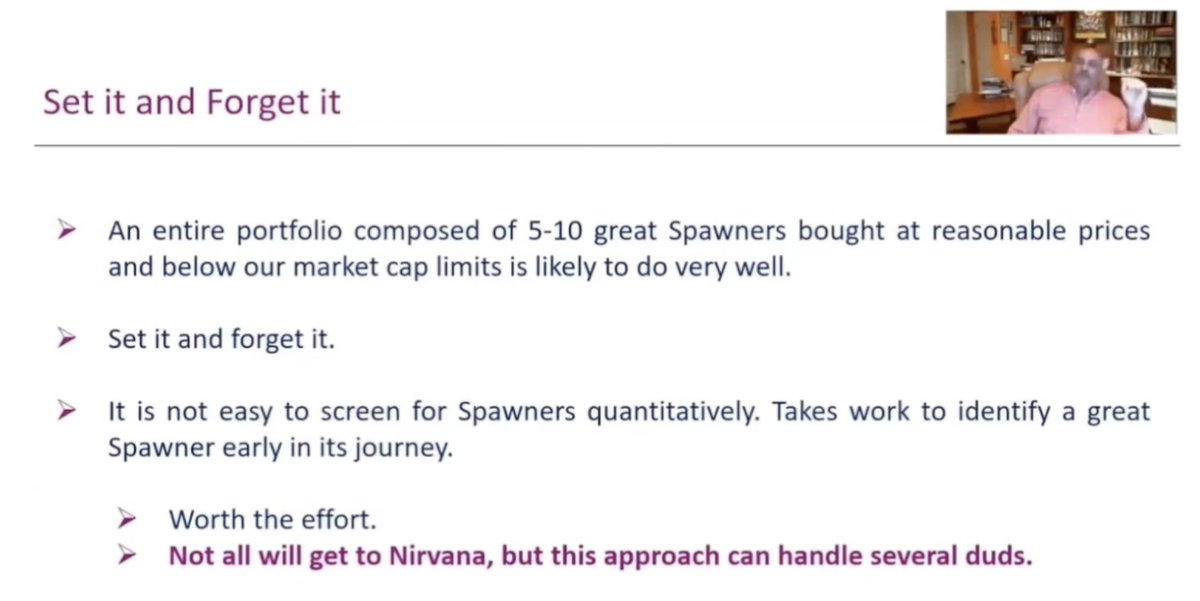
Once you create a portfolio of potential spawners, don't interrupt the process unless the secular decline is obvious.
Companies don't become 10-baggers overnight.
It's a bumpy road, set it and forget it!
13
Do you want to become a better investor?
I share all my insights in my free weekly newsletter.
Join 15,000+ readers to become a better investor.
You will also get a free e-book when you join 👇
capitalist-letters.com
I share all my insights in my free weekly newsletter.
Join 15,000+ readers to become a better investor.
You will also get a free e-book when you join 👇
capitalist-letters.com