⚠️ If you want to protect your immune system, stop drinking. Even a...

Brandon Luu, MD@BrandonLuuMD
26 views
Mar 17, 2025
~1 min read
Advertisement
1
⚠️ If you want to protect your immune system, stop drinking.
Even a single binge can trigger inflammation within 20 minutes.
Moderate drinking alters immune responses, while chronic use weakens defenses and fuels long-term inflammation 🧵 1/9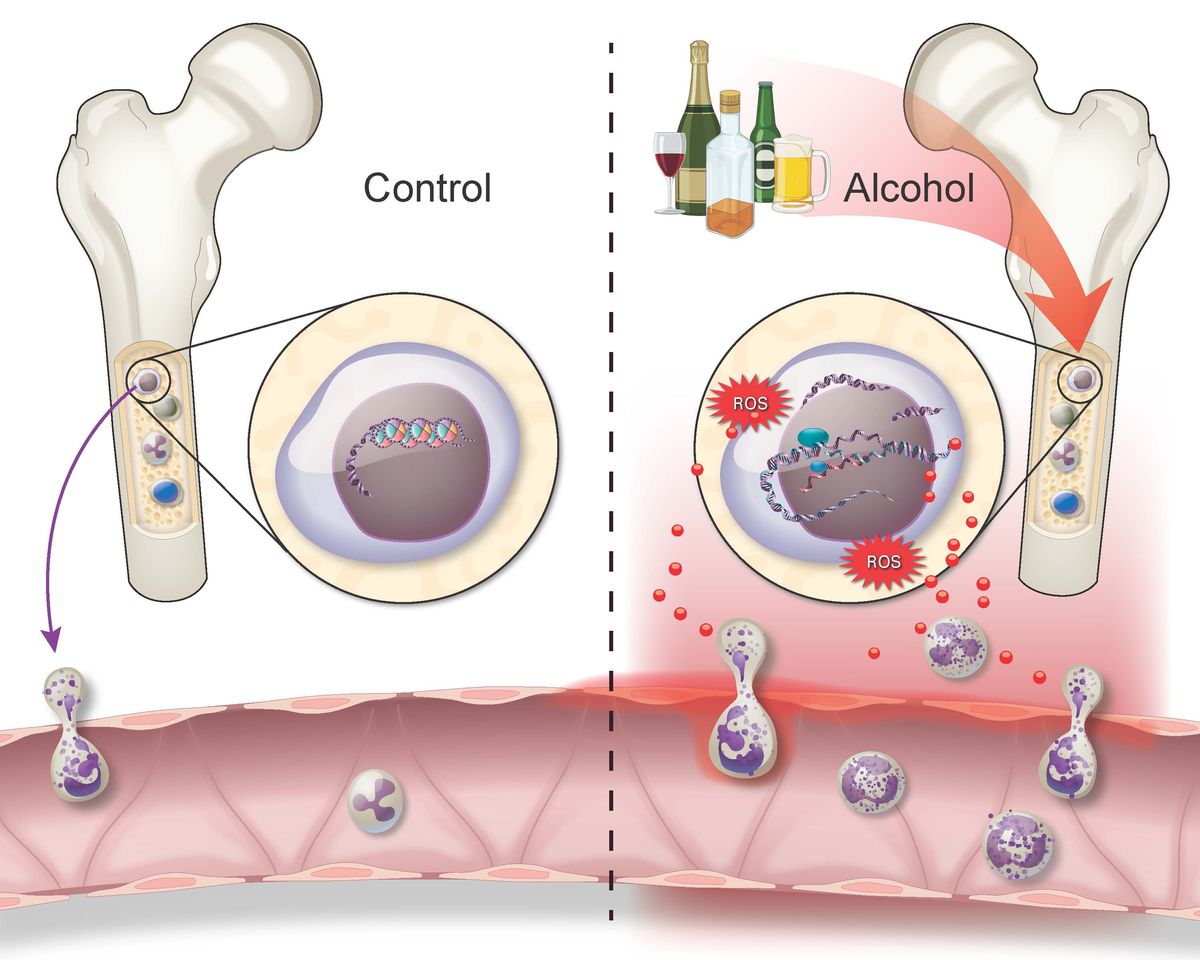
Even a single binge can trigger inflammation within 20 minutes.
Moderate drinking alters immune responses, while chronic use weakens defenses and fuels long-term inflammation 🧵 1/9
2
Alcohol affects both innate and adaptive immunity. Acute alcohol suppresses immune responses, while chronic alcohol increases inflammation. Over time, this weakens the body’s ability to fight infections. /2
pmc.ncbi.nlm.nih.gov/articles/PMC45…
pmc.ncbi.nlm.nih.gov/articles/PMC45…
3
The innate immune system provides immediate defense, but alcohol disrupts key players like macrophages, neutrophils, and natural killer cells. Acute alcohol reduces their activity, while chronic alcohol overactivates them, leading to excessive inflammation. /3

4
Chronic alcohol drives inflammation in multiple organs. It can lead to serious conditions like alcoholic liver disease and pancreatitis. It also impairs anti-inflammatory cytokines, making it harder to regulate immune responses. /4

5
Alcohol weakens adaptive immunity by impairing T-cell and B-cell function. This increases susceptibility to viral and bacterial infections. /5
the-scientist.com/alcohol-leaves… (Figure source)
the-scientist.com/alcohol-leaves… (Figure source)
6
Chronic alcohol use increases the risk of serious infections. It worsens tuberculosis, pneumonia, HIV, and hepatitis C. Lung infections are more severe due to weakened immune defenses. /6
7
The gut microbiome influences immune function, but alcohol disrupts it. This could fuel systemic inflammation and contribute to liver and brain disease. /7
8
Even a single binge drinking episode affects immunity. Within hours, immune function drops, increasing vulnerability to infections. Repeated use leads to long-term immune dysfunction and chronic inflammation. /8
9
In summary, alcohol impairs immune defenses and drives inflammation, increasing disease risk and worsening infections. The best way to avoid these effects is to not drink or at the very least limit intake. /9