The Columbus Conspiracy 🧵 Was Columbus the illegitimate son of Pope...

Foundring 🇺🇸@foundring1
3 views
Oct 13, 2026
~5 min read
Advertisement
1
The Columbus Conspiracy 🧵
Was Columbus the illegitimate son of Pope Innocent VIII?
Was he an agent in the race to control the New World?
Did the financial powers behind Venice want it kept hidden?
Why has his story been manipulated, marginalized and memory-holed?
👇👇👇
Was Columbus the illegitimate son of Pope Innocent VIII?
Was he an agent in the race to control the New World?
Did the financial powers behind Venice want it kept hidden?
Why has his story been manipulated, marginalized and memory-holed?
👇👇👇
2
Venice once controlled the world's finances for centuries. The Council of Ten was the main governing body of Venice, acting behind the scenes.
In 1204, the Fourth Crusade was manipulated by Venice. Instead of reclaiming Jerusalem, they sacked the city of Constantinople instead.

In 1204, the Fourth Crusade was manipulated by Venice. Instead of reclaiming Jerusalem, they sacked the city of Constantinople instead.
3
This led to the fall of the Imperial Library of Constantinople, the last great library of the ancient world.
It was "allegedly destroyed by the Venetians of the Fourth Crusade" but there's no record of mass burning of manuscripts like Alexandria.
It was all confiscated by Venice.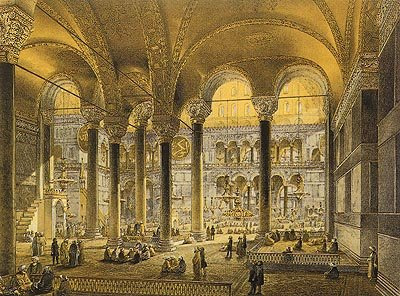

It was "allegedly destroyed by the Venetians of the Fourth Crusade" but there's no record of mass burning of manuscripts like Alexandria.
It was all confiscated by Venice.
4
Knowledge is power, and the priceless manuscripts of Constantinople gave Venice complete control over the narrative.
Less than a century later, Venetian merchant Marco Polo may have been acting as a covert agent for Venice, sent to confirm the New World.
gizadeathstar.com/2014/10/venice…

Less than a century later, Venetian merchant Marco Polo may have been acting as a covert agent for Venice, sent to confirm the New World.
gizadeathstar.com/2014/10/venice…
5
Because of its geographic location, Venice would NOT benefit if existence of the New World got out, so it was guarded jealously.
All the while they started transferring their power structure elsewhere (London etc.) since those locations WOULD benefit from the restructuring.

All the while they started transferring their power structure elsewhere (London etc.) since those locations WOULD benefit from the restructuring.
6
Enter the enigmatic Christopher Columbus, an agent from Genoa, one of Venice's great rivals.
Genoa had stumbled upon an important map. It was cartographic documentation of a New World.
If they could PROVE its existence, it would be a significant blow to the hegemony of Venice.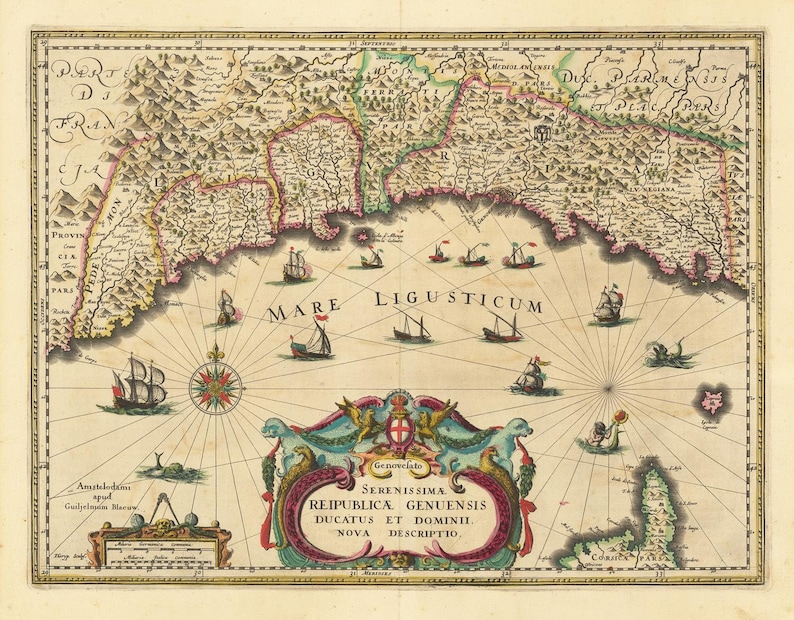

Genoa had stumbled upon an important map. It was cartographic documentation of a New World.
If they could PROVE its existence, it would be a significant blow to the hegemony of Venice.
7
The Piri Reis map of 1513 is a fascinating time capsule, due to its visual similarities to parts of the Americas not officially discovered at the time.
Joseph P. Farrell writes in The Financial Vipers of Venice:
The Turkish admiral Piri Reis pries open the door to a significant mystery regarding Columbus and the possible real--though very definitely secret--purposes of his initial voyage for Ferdinand and Isabella of Spain. On his now famous map there are marginal notes by the admiral himself, and in one of these Piri Reis states:
"I also studied the chart that Christopher Columbus drew for the West."
Note that Piri Reis states that he is relying upon a chart drawn by Columbus "for the West." But the questions are, when did Columbus draw this chart, before, or after, his first voyage? And more importantly, what did it show?
The standard answer is of course that Columbus drew his chart "for the West" after his return to Europe from his first voyage. However, in yet another marginal note the Turkish admiral states something truly astounding. Ponder these words closely:
"But it is reported thus, that a Genoese infidel, his name was Colombo, he it was who discovered these places. For instance, a book fell into the hands of the said Colombo, and he found it said in this book that at the end of the Western Sea (Atlantic) there were coasts and islands and all kinds of metals and also precious stones."
Joseph P. Farrell writes in The Financial Vipers of Venice:
The Turkish admiral Piri Reis pries open the door to a significant mystery regarding Columbus and the possible real--though very definitely secret--purposes of his initial voyage for Ferdinand and Isabella of Spain. On his now famous map there are marginal notes by the admiral himself, and in one of these Piri Reis states:
"I also studied the chart that Christopher Columbus drew for the West."
Note that Piri Reis states that he is relying upon a chart drawn by Columbus "for the West." But the questions are, when did Columbus draw this chart, before, or after, his first voyage? And more importantly, what did it show?
The standard answer is of course that Columbus drew his chart "for the West" after his return to Europe from his first voyage. However, in yet another marginal note the Turkish admiral states something truly astounding. Ponder these words closely:
"But it is reported thus, that a Genoese infidel, his name was Colombo, he it was who discovered these places. For instance, a book fell into the hands of the said Colombo, and he found it said in this book that at the end of the Western Sea (Atlantic) there were coasts and islands and all kinds of metals and also precious stones."
8
According to Piri Reis:
1. Columbus possessed a book relating the knowledge of the New World.
2. He knew there was an abundance of bullion and gems (bullion NOT in the hands of the Venetians) and thus a means of breaking the banking monopolies of Italy.
3. The publicly-stated purpose for Columbus' voyage--that the Genoese navigator was seeking a direct trade route to the Far East--was not the real purpose of the voyage. The real purpose from the outset was to find "Atlantis," the lands of the Western Sea, to find the New World, and its riches.

1. Columbus possessed a book relating the knowledge of the New World.
2. He knew there was an abundance of bullion and gems (bullion NOT in the hands of the Venetians) and thus a means of breaking the banking monopolies of Italy.
3. The publicly-stated purpose for Columbus' voyage--that the Genoese navigator was seeking a direct trade route to the Far East--was not the real purpose of the voyage. The real purpose from the outset was to find "Atlantis," the lands of the Western Sea, to find the New World, and its riches.
9
Historian Las Casas noted that prior to his first voyage, Columbus "had a world map, which he showed to King Ferdinand and Queen Isabella, and which, apparently, convinced them that they should back Columbus."
Spain's King and Queen would certainly back such a venture. If Columbus failed to find the New World, a trade route to the Far East might still be opened, bypassing the rival Portuguese monopoly routes around the horn of Africa and through the Indian Ocean.
If Columbus DID discover the New World with vast new sources of spices, bullion, and gems, Ferdinand and Isabella would also gain. It was a win-win proposition, but one whose true purpose--the testing of a tradition of hidden knowledge--had to be maintained in deepest secrecy lest Spain lose its jump-started position in the race for those riches.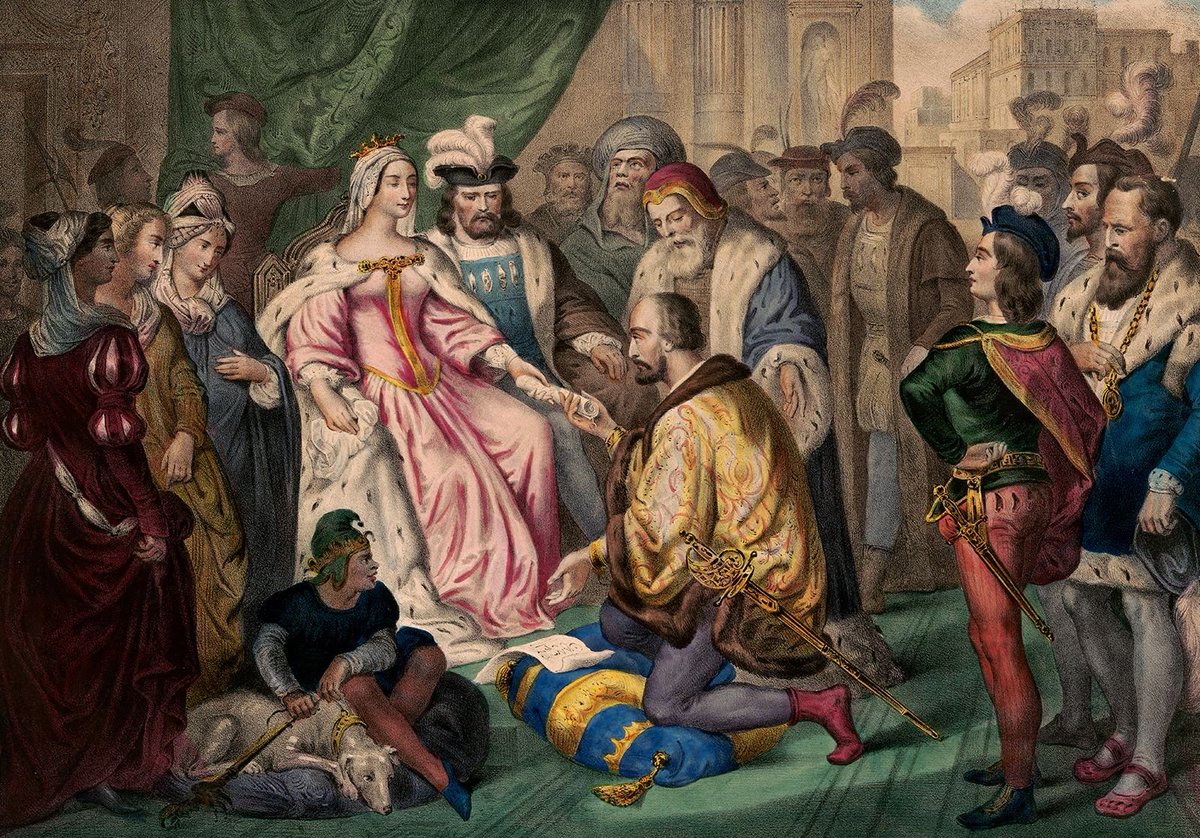
Spain's King and Queen would certainly back such a venture. If Columbus failed to find the New World, a trade route to the Far East might still be opened, bypassing the rival Portuguese monopoly routes around the horn of Africa and through the Indian Ocean.
If Columbus DID discover the New World with vast new sources of spices, bullion, and gems, Ferdinand and Isabella would also gain. It was a win-win proposition, but one whose true purpose--the testing of a tradition of hidden knowledge--had to be maintained in deepest secrecy lest Spain lose its jump-started position in the race for those riches.
10
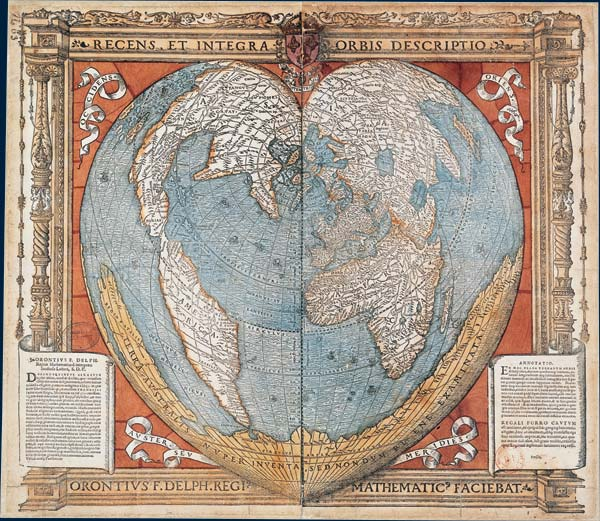
Charles Hapgood notes how Piri Reis had ancient maps at his disposal in Constantinople and that it's possible that copies of these had reached the West long before his day, such as the 1204 Venetian capture of Constantinople. For years Italian merchants had access to those maps.

11
No one has been able to decipher the strange signature of Columbus. Who WAS he?
Why does the tomb of Genoan "naval pope" Innocent VIII say he was pope during the discovery of the New World when he died one week after Columbus left for his "first" voyage?
ruggeromarino-cristoforocolombo.com/papa-innocenzo…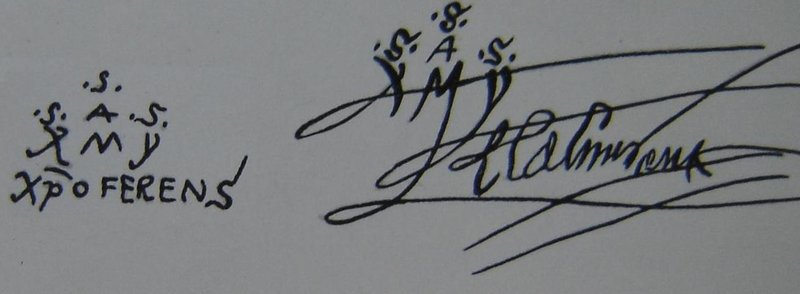
Why does the tomb of Genoan "naval pope" Innocent VIII say he was pope during the discovery of the New World when he died one week after Columbus left for his "first" voyage?
ruggeromarino-cristoforocolombo.com/papa-innocenzo…
12
Mainstream historians dismiss Innocent VIII's tomb as "erroneous" but alternative researchers take it further. Was the "naval pope" ALSO an explorer? Did he ALREADY discover the New World with his own son...who we now call Christopher Columbus?
ruggeromarino-cristoforocolombo.com/colombo/67-it-…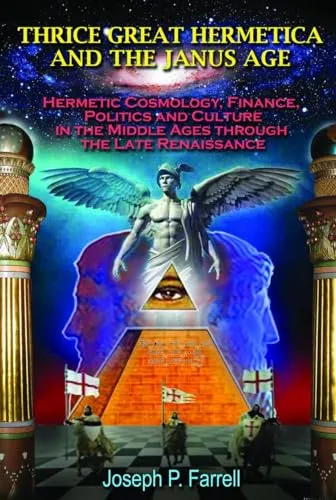

ruggeromarino-cristoforocolombo.com/colombo/67-it-…
13
Was his journey even more esoteric? Was he part of an ancient tradition that *required* the discovery of a "New World" to usher in the events of the Apocalypse?
Pope Giovanni Cybo (Innocent VIII) was the first to encode documents in ciphers. Was he steeped in the Hermetic Arts?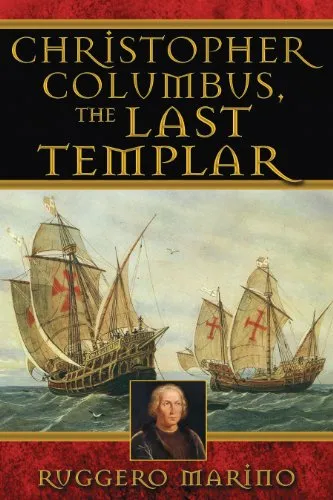

Pope Giovanni Cybo (Innocent VIII) was the first to encode documents in ciphers. Was he steeped in the Hermetic Arts?
14
Why did Columbus' son Ferdinand claim his father was descended from the "blood royal of Jerusalem"?
Was he the bastard son of Pope Innocent VIII and Anna Colonna? This theory is argued by some Italian historians.
Is the strange cipher of Columbus REALLY on the TOMB of the pope?
Was he the bastard son of Pope Innocent VIII and Anna Colonna? This theory is argued by some Italian historians.
Is the strange cipher of Columbus REALLY on the TOMB of the pope?
15
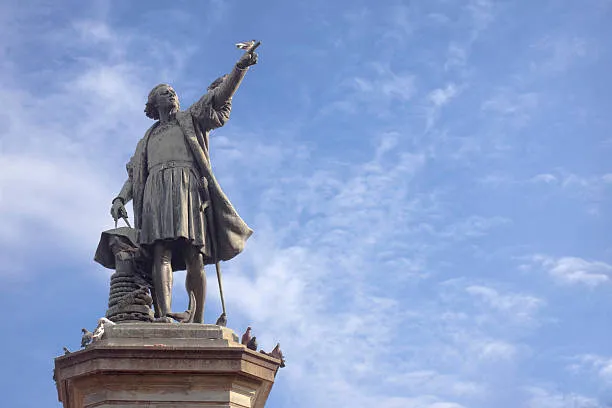
Why is he being erased? Is it really because he was a "bad" man?
Or is it because he represents a hidden history of the world, one they STILL hide?
Did he strike a blow to their power structure?
Or did he ultimately reinforce it?
Either way, there's always more to the story.
🙏♥️
Or is it because he represents a hidden history of the world, one they STILL hide?
Did he strike a blow to their power structure?
Or did he ultimately reinforce it?
Either way, there's always more to the story.
🙏♥️
