Thread #3 of 5: Is Sc2, the 𝐂0𝕍𝕚𝖉 virus, carcinogenic? (If you've...

Arijit Chakravarty@arijitchakrav
19 views
Jun 11, 2024
~5 min read
Advertisement
1
Thread #3 of 5:
Is Sc2, the 𝐂0𝕍𝕚𝖉 virus, carcinogenic?
(If you've been scrolling through my threads on cancer the past couple of days, waiting for the other shoe to drop, here it is.) (1/)
Is Sc2, the 𝐂0𝕍𝕚𝖉 virus, carcinogenic?
(If you've been scrolling through my threads on cancer the past couple of days, waiting for the other shoe to drop, here it is.) (1/)
2
We started this conversation with what causes cancer- the TL; DR of that 🧵is - chromosomal instability (CIN) is a driving force in carcinogenesis. Events that put CIN into motion kick off a process of unbridled somatic evolution- tumor progression. (2/)

Arijit Chakravarty@arijitchakrav
Bit of a change of topic, but let's talk about cancer.
What causes cancer? We learned in high school that it's mutations in oncogenes- "cancer is not one disease, it's many different diseases, each driven by a different oncogenic mutation." (1/)
What causes cancer? We learned in high school that it's mutations in oncogenes- "cancer is not one disease, it's many different diseases, each driven by a different oncogenic mutation." (1/)
3
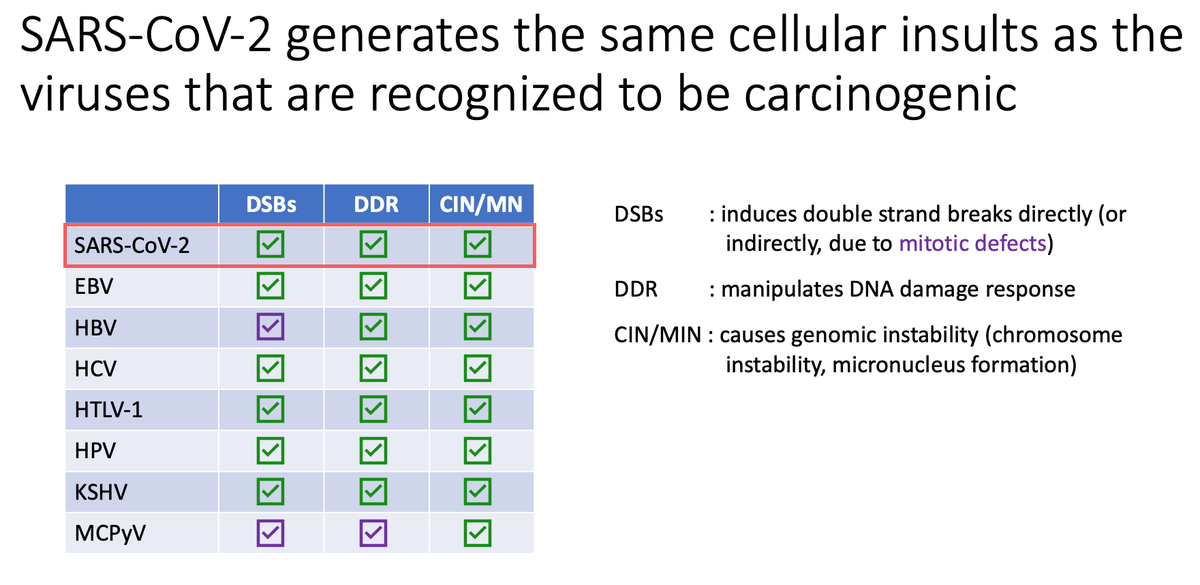
We discussed how carcinogenic viruses share a set of common properties: the initiation of CIN (via DNA double strand breaks (DSBs) & suppression of DNA damage repair (DDR) checkpoints/ apoptosis). (This is often facilitated by immune suppression). (3/)
Arijit Chakravarty@arijitchakrav
How do viruses cause cancer? (Thread #2 of a 5 part series).
There's been a fair bit of twitter-chatter about this topic lately, so let's talk about it. Understanding the process of viral carcinogenesis is key to managing the risk of viral infections. (1/)
There's been a fair bit of twitter-chatter about this topic lately, so let's talk about it. Understanding the process of viral carcinogenesis is key to managing the risk of viral infections. (1/)
4
Begs the question, right? How well does Sc2 do on the checklist? It turns out, it cleans up on it. 👀⬇️ (This next section is 'technical'. Skip ahead to #11 for the TL;DR, or keep an eye out for my blog posts. I'll do a deeper dive with refs in an upcoming YouTube video). (4/)
5
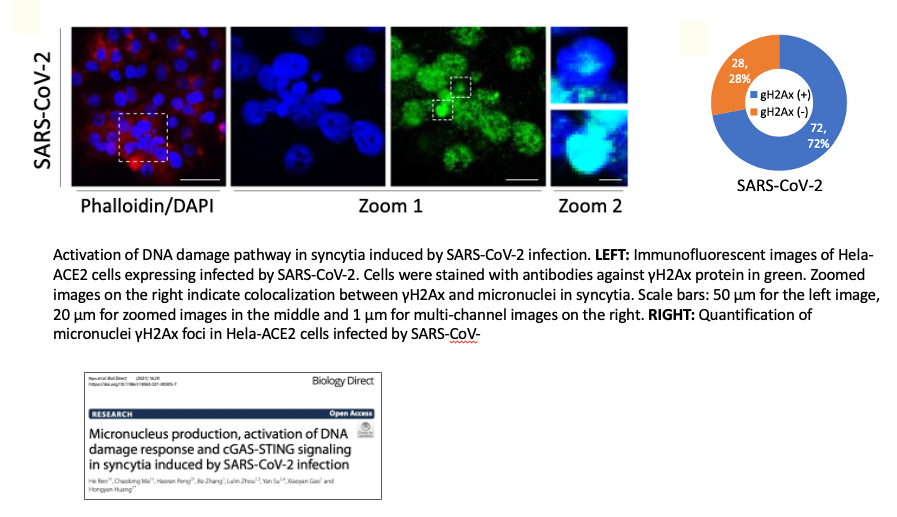
Sc2 infection causes DSBs in various cell types, as shown by several groups using standard assays- γH2Ax (associated with unrepaired DSBs), via immunofluorescence or Western Blotting & the Comet Assay (which looks for a "comet tail" of broken DNA under gel electrophoresis). (5/)



6
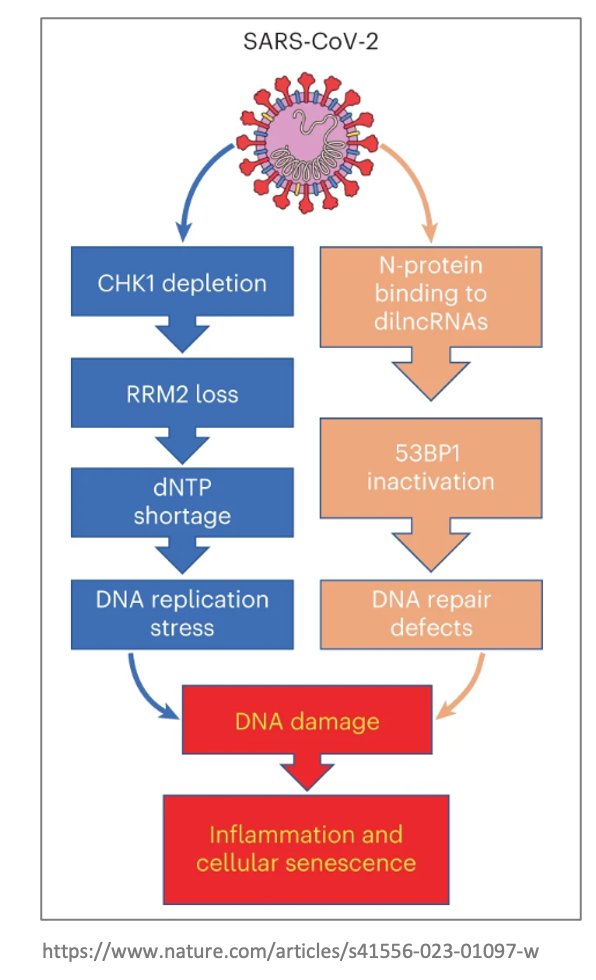
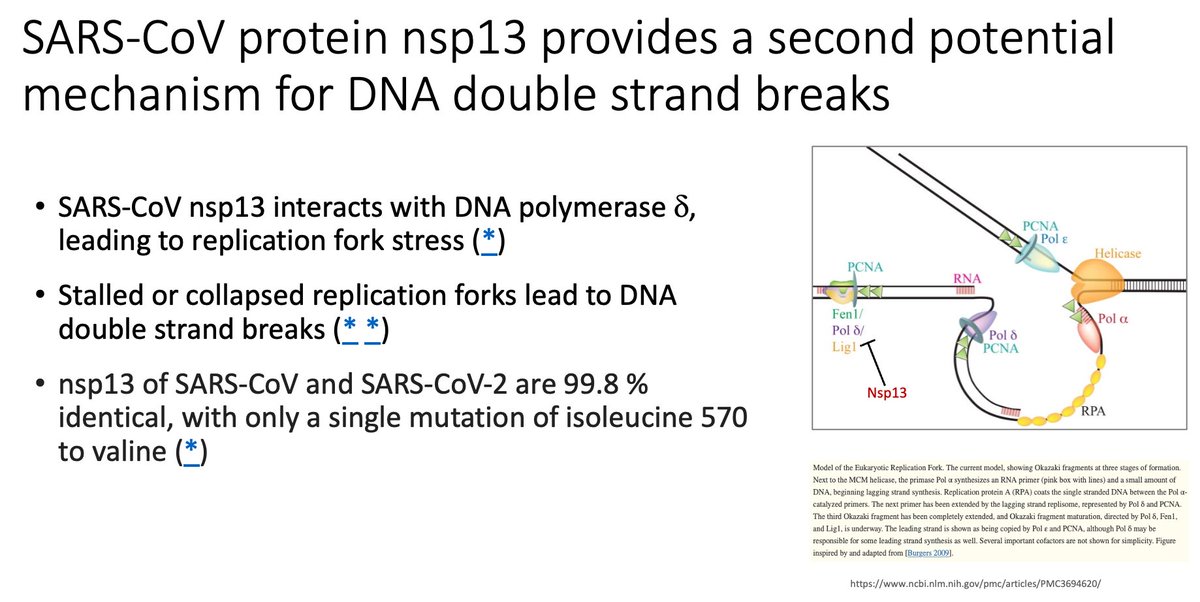
RNA viruses (even ones that replicate in the cytoplasm) often cause DSBs. There are several mechanistic hypotheses for how Sc2 causes DSBs: reactive oxygen species, impaired DDR, dNTP depletion & stalled replication forks. (Tune into the YouTube videos for more on this.) (6/)
7
Now, these DSBs in some cell types (but not others) cause cell cycle arrest at the G1/S boundary, but these arrests are notoriously "leaky". If even a subset of Sc2-infected cells continues proliferating with unrepaired DSBs, they will undergo chromosome missegregation & CIN.(7/)
8
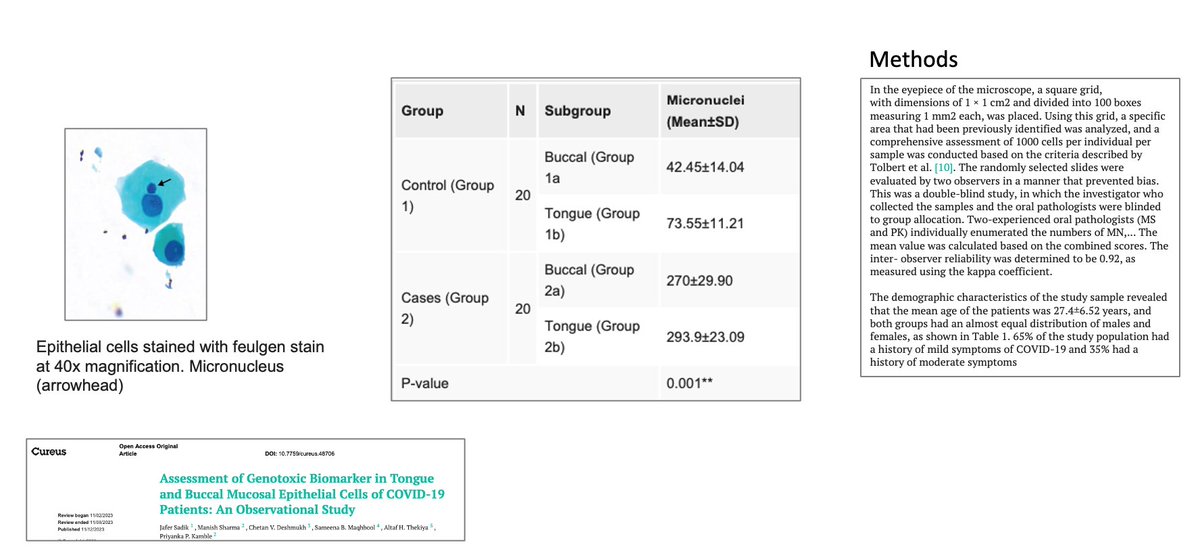
A common biomarker of CIN is micronucleus (MN) formation. We saw in yesterday's thread that MN formation is a hallmark of carcinogenic viruses.
The vast majority of carcinogens (& oncogenes) cause MN formation in at least some cell types. (More on that in a separate thread).(8/)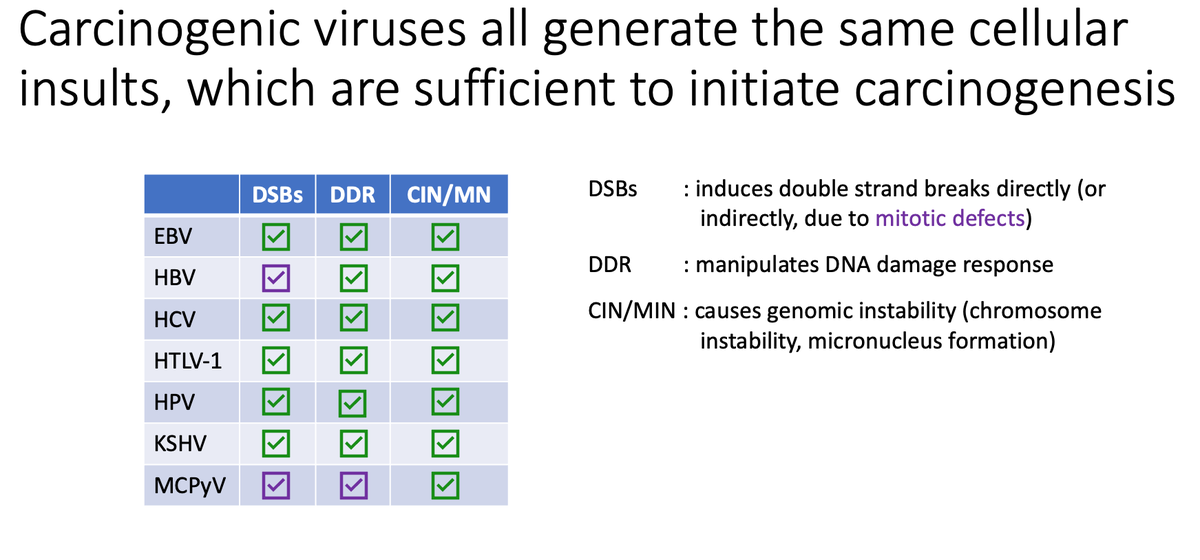
The vast majority of carcinogens (& oncogenes) cause MN formation in at least some cell types. (More on that in a separate thread).(8/)
9
Sc2 has been shown to induce MN by several different groups. Sc2 triggers the cGAS/STING response and DDR checkpoints, while several Sc2 viral proteins also downregulate these cellular surveillance mechanisms, providing avenues of escape for cells with DSBs & MN. (9/)



10
The formation of MN in dividing cells is telling - DNA damage in actively replicating cells leading to stable G1/S arrest won't cause MN formation. (Response to DSBs varies by cell type- many carcinogens induce stable arrest in some cell types, while inducing MN in others). (10/)
11
TL;DR is Sc2 generates the same cellular insults as the viruses that are recognized to be carcinogenic. Not only does it cause DSBs and CIN (MN), it also suppresses the surveillance mechanisms (DDR checkpoints, cGAS/STING, apoptosis) that prevent CIN cells replicating. (11/)

12
This is especially problematic because Sc2 infects many different tissue types, including those that are actively dividing.
Multiple studies have found actively replicating virus throughout the body (more details and refs in the upcoming YouTube webinars). (12/)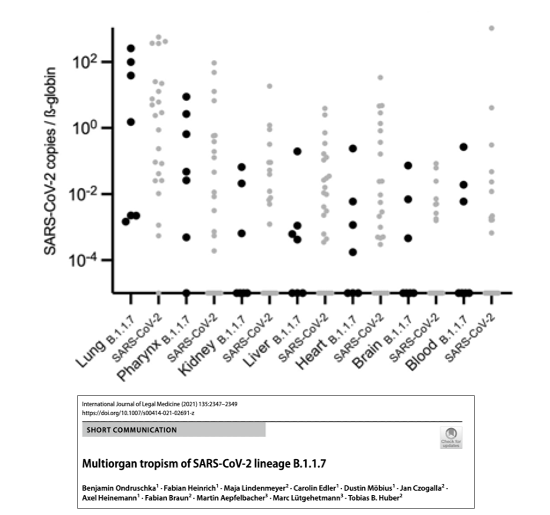

Multiple studies have found actively replicating virus throughout the body (more details and refs in the upcoming YouTube webinars). (12/)
13
Sc2 infections (even 'mild' ones)can lead to the virus establishing persistent reservoirs within the body. (More details in the YouTube webinar). In some tissues, Sc2 infection leads to a wave of regenerative proliferation in the infected tissue. This is especially bad news.(13/)

14
A great way to get a tumor going is to have a virus that's capable of inducing CIN, hanging out persistently in an actively dividing tissue. All those elements are present here- making the case that persistent Sc2 infections in the gut may increase risk of colorectal cancer.(14/)
15
Much like the cellular-level surveillance mechanisms (DDR checkpoints & apoptosis), immune surveillance acts as an additional line of defense against carcinogenesis. T cells and the innate immune system both play a crucial role.
Sc2 attacks these defenses as well. (15/)

Sc2 attacks these defenses as well. (15/)
16
Sc2 infections, even mild ones, can lead to loss of white blood cells (lymphocytopenia). Sc2 causes DNA damage in these cells. Sc2 infects T cells (killing them) and suppresses T cell signaling. The innate immune system is also suppressed by Sc2. (16/)


17
As @fitterhappierAJ & others have pointed out, Sc2 infection causes chronic inflammation (which may also facilitate cancer progression) & reactivates carcinogenic viruses.
Taken together, many plausible mechanisms exist for Sc2 to promote cancer progression once initiated. (17/)
Taken together, many plausible mechanisms exist for Sc2 to promote cancer progression once initiated. (17/)
18
The key point is this: Sc2 generates CIN cells & offers them many avenues of escape. It infects many tissue types (some of them dividing), often leading to persistent infections. How hard will it be to "prove" Sc2 is carcinogenic by traditional criteria?
Near impossible.(18/)
Near impossible.(18/)
19
As discussed in a previous🧵, the traditional criteria are dated, relying heavily on the oncogene paradigm. Okay, so what about epidemiological studies? We'd need to prove that people who've had 𝐂0𝕍𝕚𝖉 have ⏫cancer risk than those who haven't.
Yeah. Good luck with that.(19/)
Yeah. Good luck with that.(19/)
20
We've shown previously that most people can expect to be infected 1-2x/yr, if they're not taking precautions. Only 4yrs into the pandemic, serology studies estimate <10% of people have never had covid. (Antibodies wane quickly, so this number is likely an overestimate.) (20/)
21
Many infections are asymptomatic. Another angle is if there's a post-2020 rise in cancers, which we may already be seeing. (Likely because of pre-existing cancers being boosted by immune suppression from S𝒞2, rather than direct carcinogenesis, which we're focused on here.) (21/)

22
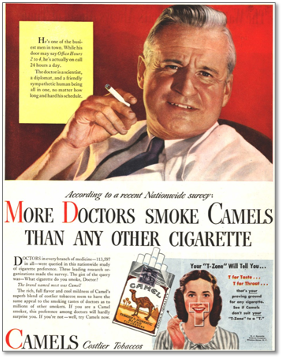
But linking any rise in cancers (without an association study) to 𝐂0𝕍𝕚𝖉 will be incredibly difficult. Remember how Big Tobacco successfully wasted decades creating confusion with cigarettes? And that was a lot easier than this will be- people know when they're smoking. (22/)

23
By analogy, the year is 1945 & most of us are smoking 2 packs a day without realizing. Framing the question of "proof" correctly is critical now. Deductive logic is key - Sc2 ticks the same checklist as other carcinogenic viruses (indeed other carcinogens & oncogenes) do. (23/)

24
Studies should be done now focusing on supporting a deductive argument for carcinogenesis. Waiting for - or focusing solely on - epi data is a mistake, as it'll bake in years or decades of delay. In the next thread, I will discuss what will happen if we fall into that trap. (24/)
25
H/T @TRyanGregory @SGriffin_Lab @white_bite @0bj3ctivity @kasza_leslie @DavidJoffe64 @RS_Rose_Sauvage @Falseflag
@lisa_iannattone @DaniBeckman @ToshiAkima @FdAdF66 @WesleyWilson @_Lisa_LJ @RolandBakerIII @calirunnerdoc @ejustin46 @RadCentrism @bronterDoc @tohmes1 @DrGrahamLJ
@lisa_iannattone @DaniBeckman @ToshiAkima @FdAdF66 @WesleyWilson @_Lisa_LJ @RolandBakerIII @calirunnerdoc @ejustin46 @RadCentrism @bronterDoc @tohmes1 @DrGrahamLJ
26