How to Make Money with Memecoins. (Part 2)

This article is a continuation of the previous article, where I talked about important things to keep in mind if you want to get into memecoins.
If you haven’t read it and you’re interested, I’ll leave Part 1 here:
TIPS:
(Here I’m going to add some new things I remembered over the past few days that I really wish I had understood better when I started. I hope they’re useful to you.)
As I mentioned before, if you’re new to this ecosystem or maybe haven’t traded in a long time, this information will be very useful to you.
CHANGE THE DEFAULT CHART COLORS
A tip that might sound stupid to many people, but changing the default chart colors actually helped me a lot.
I don’t know why, but the standard red and green are very intense and can create more uncertainty when making decisions, which need to be quick in such a volatile environment.
I’ve attached a picture of how I personally use them.

BE AWARE OF EVERYTHING THAT IS HAPPENING
While there are many people who prefer to simply buy, forget about it, and come back a few months later, this is something that applies more to established winning memes with huge market caps, where the approach is more like:
“This is going to fly in the next cycle, so I’ll keep accumulating and wait until the right moment comes.”
I agree that this approach makes sense in those cases, but here I want to focus more on mid/low-cap tokens. Tokens where you’re looking to make shorter-term plays, whether that means hours, days, or weeks.
You don’t need to be glued to your screen 24/7, but you do need to know instantly if something happens that requires you to act.
You can activate notifications for the tokens you’re interested in through the DexScreener app, or you can simply vibe-code a bot that sends you signals based on the token’s movement. With Claude, you can build something like this in two minutes.
The point is that whether you’re on chain or not, you should know immediately if a token drops 50% or does a 2x.

AUTOSELL / AUTOBUY
As a consequence of the previous point, I also wanted to talk about the following:
Just like I mentioned when talking about trading bots, all of them give you options to configure buys and sells at whatever market cap you want.
These can be interesting options for specific situations, such as when you’re looking for a correction to enter, or when you want to take profits in situations where you might not be able to keep an eye on the chart.
Personally, I recommend using them for specific situations like the ones I mentioned, or other similar cases.
At the end of the day, these configurations are set according to the rules of the game at the moment you configure them, and those conditions can perfectly well change for better or worse by the time the action is actually executed.
That’s why I recommend knowing that these tools exist and understanding how to use them, but keeping them for isolated situations.
It’s always better to be the one manually giving the final OK.
PAY ATTENTION TO ACTIVITY
If you’re going to trade, it’s very important to keep track of how things are looking.
Especially these two points:
VOLUME
Volume is useful for understanding the actual activity on each chain. I use DeFiLlama to check this, as it gives you a lot of information about each chain.
META
Basically, what is working or what is driving the trend at that particular moment.
(This doesn’t necessarily mean it’s the best thing. It simply shows you where everyone’s attention is.)
For example, if a real-world event happens that captures a huge amount of attention, the tokens launched during that day will probably be related to it.
Will Smith slapping Chris Rock, the Trump shooting, Charlie Kirk, etc.
These are very specific examples, but they help explain the idea.
When something like this happens, one or two winning tokens related to the topic may emerge, along with countless other tokens derived from or related to the same narrative.
This gives you a good indication of which ones might have the potential to fly.
It doesn’t necessarily have to be something as obvious as the examples I mentioned. Most of the time, metas only last a few hours and are related to more everyday events.
But understanding where attention is shifting at the exact moment you’re trading is extremely important.
Just like there are daily metas related to what’s happening in the real world, there are also metas that can last for weeks or even months, such as animals, celebrities, AI agents, countries, and many others.
People are always finding something new to tokenize, and staying aware of these trends can be very useful.
A meta doesn’t necessarily have to be taking up most of the market’s volume. Sometimes, a narrative can take a more secondary position for a long period of time, slowly building up and gaining attention over time.
That’s why it’s important not to only pay attention to whatever is dominating the market at that exact moment. Some metas can quietly develop in the background for weeks before suddenly becoming much more relevant.
WORK FOR YOUR BAGS.
One of the best habits you can develop as a new crypto user is to work for your bags.
If you believe in a project, don’t just buy the token and sit there waiting for it to pump. Contribute to it.
Make memes. Create content. Talk about it. Bring attention to it. Help the community. Share your ideas.
You don’t need to be a developer or have thousands of followers. Even small contributions can make a difference.
WATCH LIQUIDITY, NOT JUST MCAP.
This is especially important if you’re new to crypto.
A token can have a huge market cap while having relatively little liquidity. That means even a relatively small sell can have a significant impact on the price.
This is also a common way scammers attract inexperienced traders. They can create a token that shows an impressive market cap, making it look much bigger and more established than it actually is. People see the number and assume there’s a lot of money behind the token, without checking how much liquidity is actually available.

KNOW WHEN NOT TO TRADE.
There isn’t an opportunity for you every single day.
Sometimes the market is dead, the narratives are weak, liquidity is low, and you simply don’t find anything that really convinces you.
That’s completely fine.
One of the biggest mistakes new traders make is forcing trades just because they feel like they need to be doing something. You don’t have to be exposed to the market all the time to feel like you’re participating.
Doing nothing is also a position.
If you don’t see a setup you like, you can simply wait. There will always be another opportunity.

ACCEPT THAT YOU WILL MISS MOVES.
You will see tokens do a 10x after you spotted them at a ridiculously low market cap.
You’ll look back and think:
“I knew this was going to happen.”
It doesn’t matter.
You’re going to miss good trades. You’re going to sell too early. You’re going to hesitate on a token that eventually does a 100x.
That’s part of the game.
You don't need to catch every 100x. You just need to avoid destroying your account while looking for the next one.
There will always be another token, another narrative, and another opportunity.
You don’t need to catch them all.

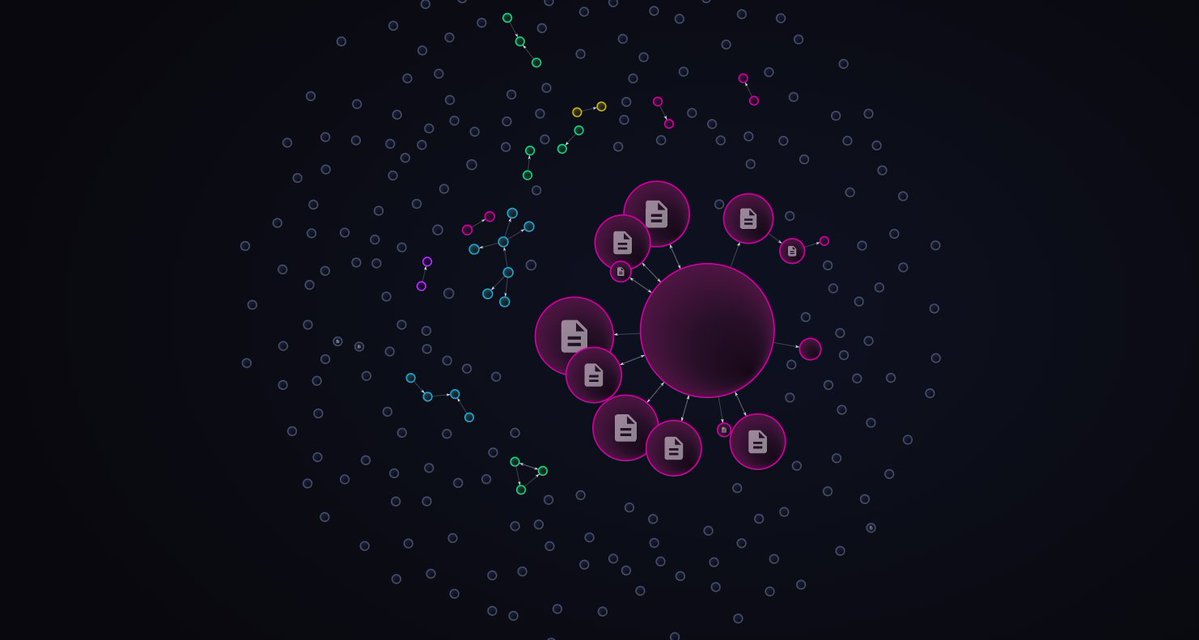
Look at the Bubble Map and learn how to identify a cluster.
Sometimes the teams launching memecoins, or simply a group of people who managed to acquire a large portion of the supply, can heavily influence the token’s trajectory.
Learn how to link wallets and identify selling patterns. This will help you understand whether you’re holding something with healthy distribution or whether you’re exposed to massive, coordinated sell-offs controlled by just a few wallets.
For example, if 40% of a token’s supply is held by a few wallets that are all connected to each other, that’s a concerning detail that you should take seriously into account.
In a situation like this, you might only want to buy if you genuinely trust the team behind the project.
I think I’ll wrap it up here.
In general, I’d like to keep writing about this “series.” I think the idea behind it is pretty clear: useful tips for people who are new to the ecosystem, coming from someone who has been around for years.
Most of these are things that come to me throughout my day-to-day, or things I wish someone had told me when I was just starting out.
If you’re enjoying the series and have any tips you think would be useful to share, or if there’s something you’d like me to elaborate on, I’m all ears.
I’ll also leave some of my other investment-related articles here:
BEING SMART BUT LAZY.
##
THE FUTURE OF SOLANA?
ROBINHOOD.
Thanks for reading.