How to Make Money with Memecoins: A Basic Guide.

This article is mainly for people who are getting into memecoins but haven’t taken the plunge yet, or who are procrastinating on learning about them before they start trading.

If you’ve been away from crypto for a while, or if your exposure to the ecosystem has mostly been through Bitcoin and Ethereum, you may have noticed that the space has changed quite a bit since the last time you looked at it.
You may also be coming directly from the stock market or maybe you come from e-commerce. Perhaps you’re already used to trading stocks, following companies, analyzing markets, and looking for new opportunities, and you’ve now started looking at crypto with fresh eyes.
If either of these describes you, this article is for you.
I’m not going to try to explain the entire crypto ecosystem from scratch. The idea here is much more specific: to give you an introduction to the world of memecoins, explain where a large part of this market currently lives, and give you some basic tools to start exploring it on your own.
Different chains
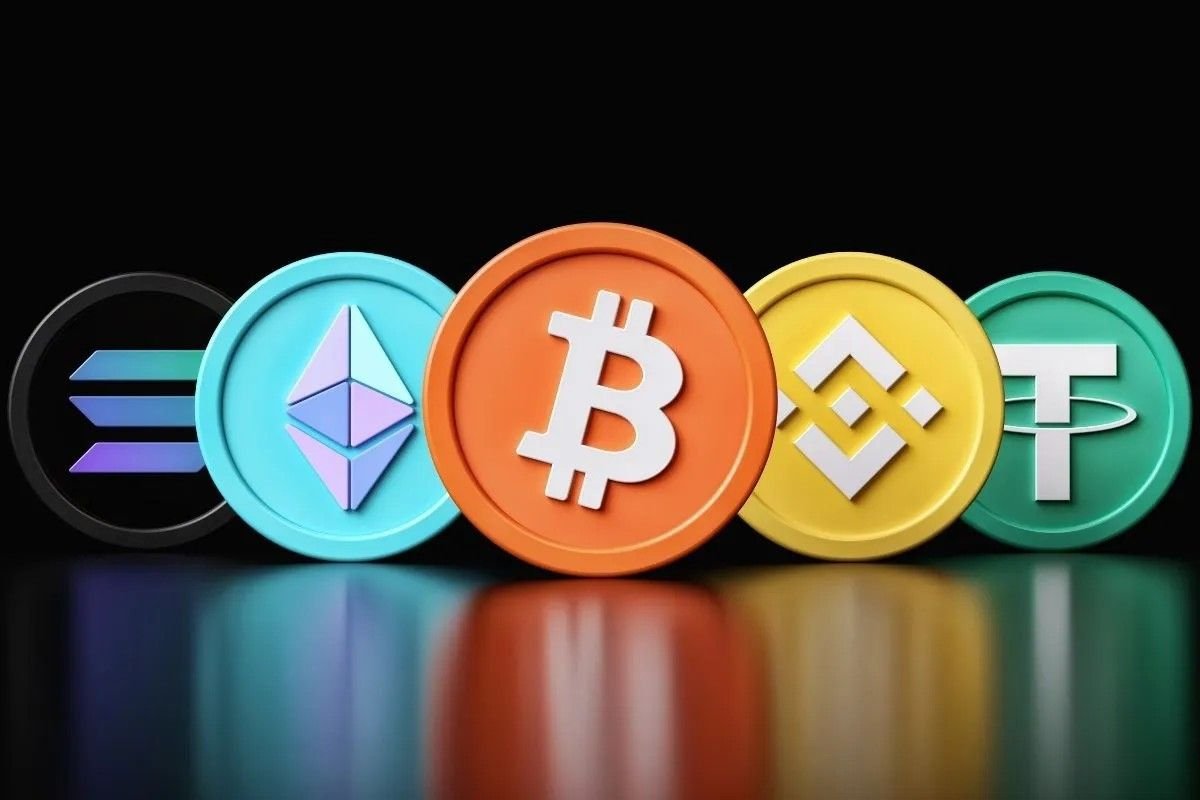
A simple way to understand it is to think of each blockchain as a different ecosystem.
Memecoins are launched and traded within these networks, and each one has developed its own culture, communities, and narratives.
Not all chains work the same way, nor do they have the same level of activity, liquidity, or community. Some have become particularly well known for their memecoins.
SOLANA:
Solana is probably one of the most important names when it comes to memecoins.
Over the past few years, it has become one of the main hubs for speculation and new token launches. The speed of the network and its relatively low fees have made it possible for thousands of people to participate in extremely dynamic markets.
Some of the most well-known memes in the entire ecosystem emerged on Solana, such as:
$WIF
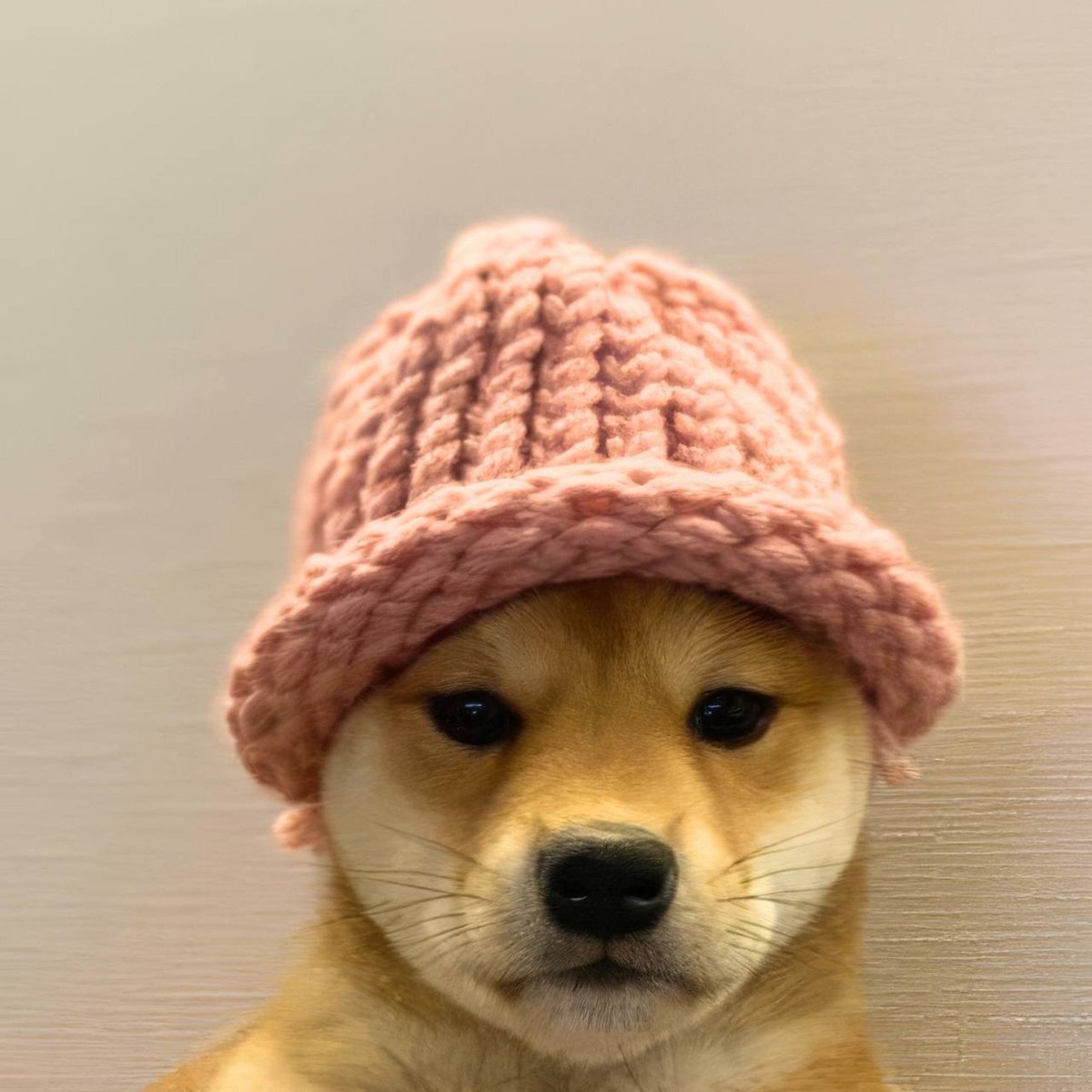
$CHILLGUY

And many more...
Key point: if you want to understand modern memecoin culture, Solana is probably one of the first places you should study.
I also wrote an article about what, in my opinion, could explode within Solana.
ROBINHOOD:
I previously wrote a post explaining the Robinhood universe in detail. I’ll leave it here in case you’re interested.
But, in short, it is a chain designed to connect tokens with company stocks.
And at the same time, it’s the one stealing all the attention right now.
BNB
Several memes within the ecosystem have reached considerable market capitalizations, and the chain continues to have a huge number of users.
BNB has a massive community and its own culture that is worth understanding.
Last year, it had its season and a lot of people made a lot of money.
In my opinion, the chain is very dependent on binance, which can be bullish in some ways because it gives you visibility and volume, but it also takes away some of its spontaneity, as it becomes a sort of competition to please the binance team.

Ethereum Mainnet
Ethereum Mainnet is one of the oldest and most established environments in the crypto ecosystem, and it still plays an important role in the memecoin market.
Some of the most recognizable memecoins in crypto originated on Ethereum, including $SHIB and $PEPE.
The main difference you will notice compared to chains such as Solana is the cost of transactions. Ethereum Mainnet can be significantly more expensive, which makes it a very different environment for active trading.
At the same time, Ethereum remains extremely important because many of the largest projects, communities, and narratives in crypto have historically developed around it.
Key point: Ethereum Mainnet is not necessarily where you will find the fastest or cheapest memecoin trading, but understanding it is important if you want to understand the ecosystem.
If you're just getting started and don't have much money, it might not be the place for you, since depending on the activity, tx fees can get very expensive.

KEY POINTS ABOUT THE CHAINS
There are many other chains out there. I simply took the liberty of talking about the ones I consider the most important, but that can change over time. Every chain has its highs and lows.
I think the important thing is to understand where you stand and, based on that, try to move toward wherever you feel most comfortable without becoming attached to any particular chain.
If the natural flow of the market indicates that activity is going to move somewhere new, it is important to pay attention to it.
I recommend having at least one wallet ready with an amount you consider meaningful on each of the chains I mentioned, and perhaps on a few others that you consider interesting as well. That way, you can be ready in case you come across an interesting play.
At the same time, you should have a clear understanding of each ecosystem, its apps, and its trading bots. If an interesting play appears, you want to be able to buy the token in literally two clicks.
TRADING BOTS
When it comes to trading highly volatile tokens, buying directly from your wallet, having to sign a tx and losing several seconds doing so, versus buying directly through a trading bot, can be the difference between winning and losing.
They are extremely useful tools that also provide you with a lot of valuable information that, over time, you'll learn how to use properly.
Some of the most widely used tools are fomo, photon, gmgn, axiom, etc. personally, i don't 100% trust bots because some of them have had security issues, so try not to keep all your money there.
Use them as a tool to trade faster and more conveniently. only deposit the amount of money you're willing to trade, and always keep the rest in your own personal wallets.
Don’t try to do it completely on your own
One of the first things you’ll discover when entering this world is that information is extremely distributed.
There are people sharing opportunities on Twitter/X, entire communities on Telegram, Discord groups, and all kinds of chats where new projects, narratives, and market movements are constantly being discussed.
My advice is to try to meet people.
You don’t need hundreds of contacts or to be part of ten different groups. In fact, the opposite may be better.
Try to find a relatively small group of people you genuinely click with, who share some of your interests, and with whom you can eventually build a certain level of trust.
That doesn’t mean blindly believing everything someone tells you.
It means having a small group of people you can discuss ideas with, share information with, question your own decisions with, and learn from.
In a market that moves this quickly, having people you can talk to can be much more valuable than simply following hundreds of accounts.
It doesn’t matter how many people there are.
What matters is that they are people with whom you can genuinely build a relationship and, over time, trust.
You have no idea how important it is to have a close group of people you trust whose notifications you can actually leave unmuted. So many times, friends have messaged me in situations where I wasn’t even on chain and simply said, “Don’t ask questions, just buy this,” and they ended up making me money.

this is how it must feel to enter the trenches with your friends.
I’ll also take this opportunity to wrap things up with some tips that I think will be very useful.
Check your slippage. Every time you buy or swap something, you should check how your slippage is set. Sometimes you may be spending more money than necessary on simple transactions, while at other times you will need more speed and will have to pay a little more. For example, if you are buying something that just launched and the price is fluctuating heavily, you may need to increase your fees and slippage slightly so the transaction can go through properly. But if you are making purchases during more stable conditions, always make sure to keep your slippage low.
Don’t be loyal to a KOL. KOLs will always try to shill things they believe will work because their reputation is on the line, but they are human and they can be wrong. You can also sometimes detect strange movements or intentions. Use your own judgment to decide who you want to follow and who you don’t.
Pay attention to the teams. It is very important that they have a team that knows how to communicate, is active, hardworking, has a vision, and holds a reasonable portion of the supply. A team holding an large percentage could kill the coin within minutes, while a supply that is too widely distributed can sometimes mean that nobody really has control over it. Although, in some cases, that can also be a good thing.
Don’t compare yourself to others. You will constantly see traders on X posting PNLs you’ve never seen before. Remember that many people lose more than they make but only show their wins. Crypto is no different from the rest of social media.
Not every trade is the same. Some tokens can give you an incredible PNL for a few hours and then collapse. Learn to recognize when it’s time to exit. Others may have strong communities and a long-term vision, allowing you to hold a larger position for longer.
You don’t need much: a wallet, a trading bot, Telegram, and X. There is more educational material online than ever before. Podcasts, YouTube videos, articles, and communities can teach you almost everything you need to know.
Set your expectations before buying. If you tell yourself, “I’ll sell at a 2x" then sell when you reach it. Don’t expect one token to change your life. It’s a step by step process.
Have an exit strategy for both wins and losses. If you’re down and volume and activity are disappearing, sometimes it’s better to take the loss than wait for a miracle. When you’re up, a common strategy is to sell your initial investment, then take more profits while keeping a small moonbag in case the token takes off.
I hope these tips help you take your first steps. you have to be willing to make mistakes and learn from them, that's what it's all about.
If you'd like to see more articles like this, let me know.