Jeremy Renner was run over by a 14,300-pound snowplough while...

George Ferman@Helios_Movement
68 views
Jan 05, 2026
~14 min read
1
Jeremy Renner was run over by a 14,300-pound snowplough while trying to prevent it from hitting his nephew.
He was airlifted to the hospital, had more than 30 broken bones and yet somehow he has achieved a remarkable recovery.
This was partly possible thanks to peptides.
So here's the Avengers' peptide stack.
Thread🧵

He was airlifted to the hospital, had more than 30 broken bones and yet somehow he has achieved a remarkable recovery.
This was partly possible thanks to peptides.
So here's the Avengers' peptide stack.
Thread🧵
2
It’s George.
Peptides can legitimately help with almost every goal people chase today:
-Extreme fat loss
-Improved memory recall, mood, mental clarity, focus etc
-Healing gut issues
-Healing common gym injuries
-Restoring libido and sexual function
-Rebuilding a broken immune system
-Slowing biological aging
And many more…
BUT, peptides are also one of the deepest, most confusing rabbit holes in modern health and performance.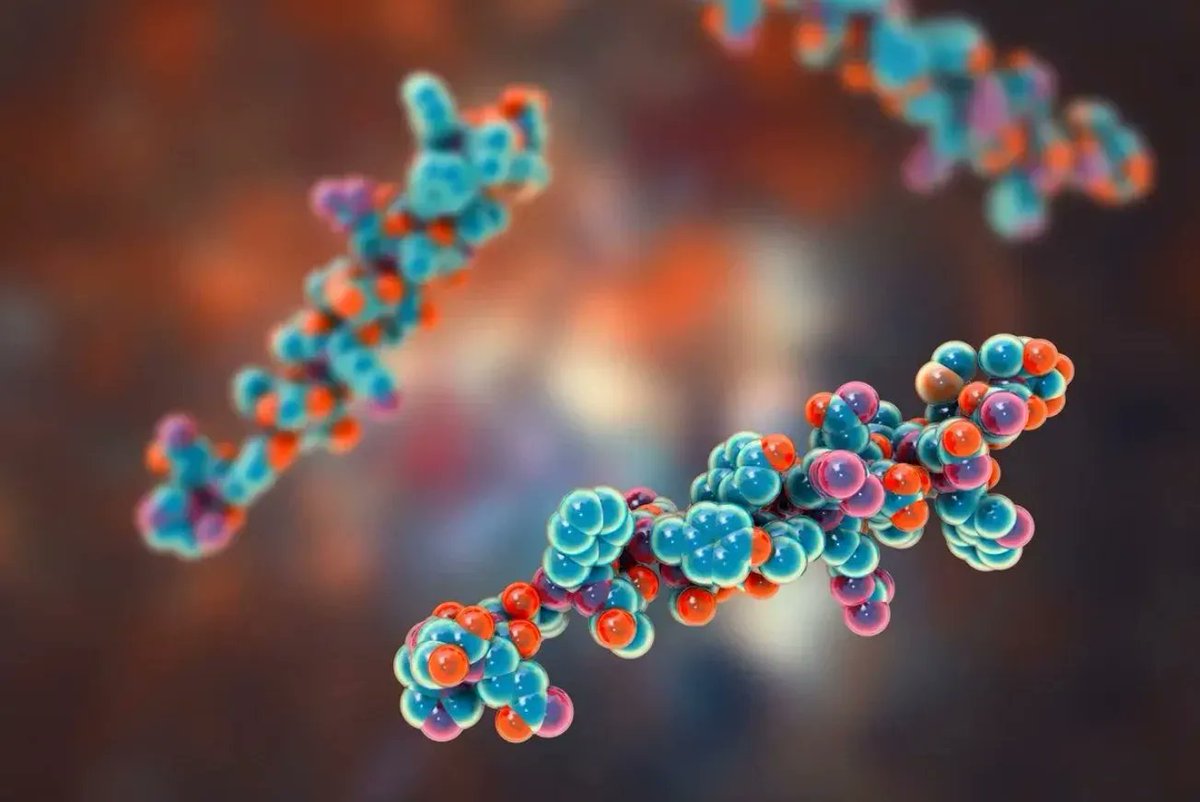
Peptides can legitimately help with almost every goal people chase today:
-Extreme fat loss
-Improved memory recall, mood, mental clarity, focus etc
-Healing gut issues
-Healing common gym injuries
-Restoring libido and sexual function
-Rebuilding a broken immune system
-Slowing biological aging
And many more…
BUT, peptides are also one of the deepest, most confusing rabbit holes in modern health and performance.
3
So take 10 minutes to read this before you buy a single vial.
First, the non-negotiable disclaimers:
1. Nothing here is medical advice.
2. Target the root cause of your issues as well.
Peptides are amplifiers, not magic wands.
3. Scams are everywhere in 2025.
4. Talk to an actual doctor.
5. Stacking 5–10 peptides with no bloodwork is playing Russian roulette with expensive water.
Different peptides need different environments (PHs etc), have different half-lives and act on different receptors/sites.
General idiot’s rules of thumb:
-You don’t need more than 3 peptides at a time, most likely unless you are almost dying.
-If the liquid in your syringe turns cloudy once you mix your peptides, they are ruined.
-Cerebrolysin and GHK-CU should not be paired with anything.
-Do not stack BPC-157 or TB-500 with anything related to GH.
-Space injections at least 30 minutes apart.
Jeremy Renner himself has stated that he takes 3 months off peptides and does 2-3 months on.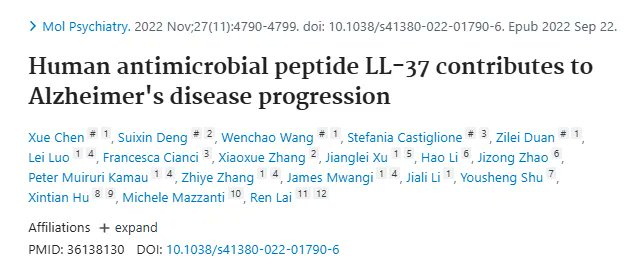

First, the non-negotiable disclaimers:
1. Nothing here is medical advice.
2. Target the root cause of your issues as well.
Peptides are amplifiers, not magic wands.
3. Scams are everywhere in 2025.
4. Talk to an actual doctor.
5. Stacking 5–10 peptides with no bloodwork is playing Russian roulette with expensive water.
Different peptides need different environments (PHs etc), have different half-lives and act on different receptors/sites.
General idiot’s rules of thumb:
-You don’t need more than 3 peptides at a time, most likely unless you are almost dying.
-If the liquid in your syringe turns cloudy once you mix your peptides, they are ruined.
-Cerebrolysin and GHK-CU should not be paired with anything.
-Do not stack BPC-157 or TB-500 with anything related to GH.
-Space injections at least 30 minutes apart.
Jeremy Renner himself has stated that he takes 3 months off peptides and does 2-3 months on.
4
But what are peptides?
Peptides are short chains of 2–50 amino acids that are linked together by peptide bonds where the carboxyl group of one amino acid reacts with the amino group of another and serve as signaling molecules, hormones or structural components in the body.
How do they do this?
By binding to receptors on cell surfaces to trigger specific biological responses, whether that’s called growth, general repair or immune modulation for example.
They can of course influence gene transcription, inhibit or activate enzymes and so on.
Now, we have:
-Endogenous peptides such as insulin, thymosin beta 4 and PRPs that are naturally produced by the body to regulate physiological processes such as blood sugar for example.
-Synthetic peptides that mimic or enhance natural endogenous peptides, often with greater potency such as BPC-157, tesamorelin, thymosin A1, ipamorelin or PT-141
*There are also some bioactive peptides in foods such as colostrum for example that contains bioactive peptides like PRPs and growth factors such as IGF-1 or TGF-β that are released from larger proteins during digestion or processing.
There are two primary approaches to peptide synthesis:
1. Chemical synthesis
2. Ecombinant DNA technology.
The first one, particularly solid-phase peptide synthesis (SPPS), is the most common method for producing short peptides and recombinant methods are used for longer peptides.
Now, here’s a common misconception: Peptide use is NOT something news.
SPPS for example was developed in 1963 by Robert Bruce Merrifield
Peptides are short chains of 2–50 amino acids that are linked together by peptide bonds where the carboxyl group of one amino acid reacts with the amino group of another and serve as signaling molecules, hormones or structural components in the body.
How do they do this?
By binding to receptors on cell surfaces to trigger specific biological responses, whether that’s called growth, general repair or immune modulation for example.
They can of course influence gene transcription, inhibit or activate enzymes and so on.
Now, we have:
-Endogenous peptides such as insulin, thymosin beta 4 and PRPs that are naturally produced by the body to regulate physiological processes such as blood sugar for example.
-Synthetic peptides that mimic or enhance natural endogenous peptides, often with greater potency such as BPC-157, tesamorelin, thymosin A1, ipamorelin or PT-141
*There are also some bioactive peptides in foods such as colostrum for example that contains bioactive peptides like PRPs and growth factors such as IGF-1 or TGF-β that are released from larger proteins during digestion or processing.
There are two primary approaches to peptide synthesis:
1. Chemical synthesis
2. Ecombinant DNA technology.
The first one, particularly solid-phase peptide synthesis (SPPS), is the most common method for producing short peptides and recombinant methods are used for longer peptides.
Now, here’s a common misconception: Peptide use is NOT something news.
SPPS for example was developed in 1963 by Robert Bruce Merrifield
5
Now let’s analyze the peptides Jeremy has publicly disclosed that he used.
Number 1: Thymosin Alpha-1 (Tα1 or Thymalfasin)
Thymosin Alpha-1 is a 28-amino-acid peptide (acetylated at the N-terminus) originally isolated from thymic tissue and derived from the precursor protein prothymosin alpha (encoded by the PTMA gene).
Its sequence is: Ac-Ser-Asp-Ala-Ala-Val-Asp-Thr-Ser-Ser-Glu-Ile-Thr-Thr-Lys-Asp-Leu-Lys-Glu-Lys-Lys-Glu-Val-Val-Glu-Glu-Ala-Glu-Asn (also known as Zadaxin or thymalfasin).
Unlike the unrelated β-thymosins (Thymosin Beta-4/TB-500), Tα1 is genetically and chemically distinct and focuses primarily on immune modulation rather than actin-binding or tissue repair.
It’s primarily used for:
-Hepatitis B and C (approved in over 35 countries (primarily developing/under-developed) as Zadaxin).
-Adjunct in cancer immunotherapy (melanoma, hepatocellular carcinoma/HCC, non-small cell lung cancer/NSCLC, often with chemotherapy or checkpoint inhibitors).
-Boosting immune response in immunocompromised states (post-chemotherapy, elderly, vaccine non-responders).
-Chronic viral infections, bacterial/fungal infections and sepsis.
Then it’s investigated in cystic fibrosis, septic shock, ARDS, critically ill lung infections and autoimmune conditions (rheumatoid arthritis/RA, psoriasis).
Number 1: Thymosin Alpha-1 (Tα1 or Thymalfasin)
Thymosin Alpha-1 is a 28-amino-acid peptide (acetylated at the N-terminus) originally isolated from thymic tissue and derived from the precursor protein prothymosin alpha (encoded by the PTMA gene).
Its sequence is: Ac-Ser-Asp-Ala-Ala-Val-Asp-Thr-Ser-Ser-Glu-Ile-Thr-Thr-Lys-Asp-Leu-Lys-Glu-Lys-Lys-Glu-Val-Val-Glu-Glu-Ala-Glu-Asn (also known as Zadaxin or thymalfasin).
Unlike the unrelated β-thymosins (Thymosin Beta-4/TB-500), Tα1 is genetically and chemically distinct and focuses primarily on immune modulation rather than actin-binding or tissue repair.
It’s primarily used for:
-Hepatitis B and C (approved in over 35 countries (primarily developing/under-developed) as Zadaxin).
-Adjunct in cancer immunotherapy (melanoma, hepatocellular carcinoma/HCC, non-small cell lung cancer/NSCLC, often with chemotherapy or checkpoint inhibitors).
-Boosting immune response in immunocompromised states (post-chemotherapy, elderly, vaccine non-responders).
-Chronic viral infections, bacterial/fungal infections and sepsis.
Then it’s investigated in cystic fibrosis, septic shock, ARDS, critically ill lung infections and autoimmune conditions (rheumatoid arthritis/RA, psoriasis).
6
Tα1 is a pleiotropic immune modulator with a strong safety profile in clinical use:
-Acts as an agonist for Toll-like receptors 2 and 9 (TLR2/TLR9) on myeloid and plasmacytoid dendritic cells, triggering maturation and antigen presentation.
-Enhances T-cell differentiation/maturation (CD4+/CD8+), promoting cell-mediated immunity.
-Increases cytokine production (primarily IL-2, IFN-γ, IL-10, IL-12) while balancing Th1/Th2 responses, shifting toward Th1 in deficiency states and reducing excessive Th2/autoimmune activity.
-Boosts natural killer (NK) cell cytotoxicity and dendritic cell function.
-Stimulates antibody production and improves vaccine efficacy.
-Reduces excessive inflammation in sepsis/cytokine storms by modulating pathways without immunosuppression.
Potential anti-tumor effects: Enhances tumor surveillance, reverses M2 macrophage polarization, and synergizes with immunotherapies.
These effects restore immune homeostasis in deficient or dysregulated states, with consistent results across thousands of patients in trials.
Administration Forms:
-Primarily subcutaneous injection (standard clinical route).
-Reconstituted lyophilized powder (Zadaxin vials: 1.6 mg).
Potential risks:
-Needs caution in active autoimmunity (theoretical flare risk, though often beneficial for rebalancing).
Dosing guidelines:
-Standard/Immune Support: 1.6 mg (800–1,600 mcg) subcutaneously 1–2x weekly.
-Start low and adjust based on response/lab monitoring (lymphocyte counts).
-Acts as an agonist for Toll-like receptors 2 and 9 (TLR2/TLR9) on myeloid and plasmacytoid dendritic cells, triggering maturation and antigen presentation.
-Enhances T-cell differentiation/maturation (CD4+/CD8+), promoting cell-mediated immunity.
-Increases cytokine production (primarily IL-2, IFN-γ, IL-10, IL-12) while balancing Th1/Th2 responses, shifting toward Th1 in deficiency states and reducing excessive Th2/autoimmune activity.
-Boosts natural killer (NK) cell cytotoxicity and dendritic cell function.
-Stimulates antibody production and improves vaccine efficacy.
-Reduces excessive inflammation in sepsis/cytokine storms by modulating pathways without immunosuppression.
Potential anti-tumor effects: Enhances tumor surveillance, reverses M2 macrophage polarization, and synergizes with immunotherapies.
These effects restore immune homeostasis in deficient or dysregulated states, with consistent results across thousands of patients in trials.
Administration Forms:
-Primarily subcutaneous injection (standard clinical route).
-Reconstituted lyophilized powder (Zadaxin vials: 1.6 mg).
Potential risks:
-Needs caution in active autoimmunity (theoretical flare risk, though often beneficial for rebalancing).
Dosing guidelines:
-Standard/Immune Support: 1.6 mg (800–1,600 mcg) subcutaneously 1–2x weekly.
-Start low and adjust based on response/lab monitoring (lymphocyte counts).
7
Number 2: BPC-157 (Body Protection Compound-157)
This is derived from a protein found in human gastric juice and has the following 15 amino acid sequence: Gly-Glu-Pro-Pro-Pro-Gly-Lys-Pro-Ala-Asp-Asp-Ala-Gly-Leu-Val
Primary uses (Based on preclinical and limited human data):
-Accelerated healing of common gym/overuse injuries, such as elbow tendinitis, tendon/ligament tears, muscle strains, and post-surgical recovery.
-Gastrointestinal tract protection and repair (ulcers, inflammatory bowel conditions, leaky gut).
-Neuroprotection and potential nerve regeneration.
-Support for chronic joint/connective tissue disorders (osteoarthritis-like models).
-Cardiovascular benefits (improved blood flow, endothelial protection).
-Liver protection in toxin-induced damage models.
Ongoing research areas: Spinal cord injury regeneration, corneal healing, and interstitial cystitis/bladder pain.
This is derived from a protein found in human gastric juice and has the following 15 amino acid sequence: Gly-Glu-Pro-Pro-Pro-Gly-Lys-Pro-Ala-Asp-Asp-Ala-Gly-Leu-Val
Primary uses (Based on preclinical and limited human data):
-Accelerated healing of common gym/overuse injuries, such as elbow tendinitis, tendon/ligament tears, muscle strains, and post-surgical recovery.
-Gastrointestinal tract protection and repair (ulcers, inflammatory bowel conditions, leaky gut).
-Neuroprotection and potential nerve regeneration.
-Support for chronic joint/connective tissue disorders (osteoarthritis-like models).
-Cardiovascular benefits (improved blood flow, endothelial protection).
-Liver protection in toxin-induced damage models.
Ongoing research areas: Spinal cord injury regeneration, corneal healing, and interstitial cystitis/bladder pain.
8
The main mechanisms of action include:
-Upregulates vascular endothelial growth factor (VEGF) expression (a protein that promotes new blood vessel formation) by activating the VEGF receptor 2 (VEGFR2) pathway that triggers the Akt-eNOS pathway, which increases production of nitric oxide (NO) in the blood vessel walls, resulting in enhanced tissue perfusion, aiding repair of muscles, tendons, ligaments and even bones since without adequate blood supply, injured tissues cannot heal properly.
-Stimulates fibroblast proliferation and collagen deposition (which is also crucial for healing the gut lining).
-Protects and repairs gastrointestinal mucosa by modulating tight junction proteins.
-Downregulates Nos2 and Nfkb and thus reduces inflammatory responses.
-Downregulates pro-inflammatory cytokines such as TNF-α, IL-6 and upregulates anti-inflammatory pathways.
-Influences serotonin and dopamine systems in the gut-brain axis and it may promote nerve regeneration via growth factor pathways (JAK2 signaling).
-Activates focal adhesion kinase (FAK)-paxillin complexes that move cells into the damaged areas to begin rebuilding tissue and early growth response gene 1 (Egr-1) is also activated (involved in cell growth, survival and blood vessel formation).
-Upregulates vascular endothelial growth factor (VEGF) expression (a protein that promotes new blood vessel formation) by activating the VEGF receptor 2 (VEGFR2) pathway that triggers the Akt-eNOS pathway, which increases production of nitric oxide (NO) in the blood vessel walls, resulting in enhanced tissue perfusion, aiding repair of muscles, tendons, ligaments and even bones since without adequate blood supply, injured tissues cannot heal properly.
-Stimulates fibroblast proliferation and collagen deposition (which is also crucial for healing the gut lining).
-Protects and repairs gastrointestinal mucosa by modulating tight junction proteins.
-Downregulates Nos2 and Nfkb and thus reduces inflammatory responses.
-Downregulates pro-inflammatory cytokines such as TNF-α, IL-6 and upregulates anti-inflammatory pathways.
-Influences serotonin and dopamine systems in the gut-brain axis and it may promote nerve regeneration via growth factor pathways (JAK2 signaling).
-Activates focal adhesion kinase (FAK)-paxillin complexes that move cells into the damaged areas to begin rebuilding tissue and early growth response gene 1 (Egr-1) is also activated (involved in cell growth, survival and blood vessel formation).
9
Administration forms:
-Oral: Highly stable in human gastric juice (>24 hours intact), making it effective for gut-focused issues (IBD models, ulcers).
-Injectable (subcutaneous, intramuscular, or intra-articular): Preferred for localized tissue repair (near injury site) due to direct delivery and potentially higher local concentrations.
Potential risks:
-Angiogenesis promotion could potentially exacerbate undiagnosed tumors.
-Modulating tissue growth and repair mechanisms can ALWAYS, no matter the COMPOUND, negatively affect some autoimmune cases.
-It’s also banned by WADA.
-Oral: Highly stable in human gastric juice (>24 hours intact), making it effective for gut-focused issues (IBD models, ulcers).
-Injectable (subcutaneous, intramuscular, or intra-articular): Preferred for localized tissue repair (near injury site) due to direct delivery and potentially higher local concentrations.
Potential risks:
-Angiogenesis promotion could potentially exacerbate undiagnosed tumors.
-Modulating tissue growth and repair mechanisms can ALWAYS, no matter the COMPOUND, negatively affect some autoimmune cases.
-It’s also banned by WADA.
10
Number 3: MOTS-c.
MOTS-c is a 16-amino-acid peptide encoded directly in the mitochondrial DNA (mtDNA) within the 12S rRNA region.
Its human sequence is: Met-Arg-Trp-Gln-Glu-Met-Gly-Tyr-Ile-Phe-Tyr-Pro-Arg-Lys-Leu-Arg (MRWQEMGYIFYPRKLR).
As one of the first discovered “mitokines” (mitochondrial-derived signaling peptides), MOTS-c acts as an endocrine-like regulator of whole-body metabolism, stress adaptation, and cellular resilience.
Unlike nearly all other peptides (encoded in nuclear DNA), MOTS-c’s origin in mtDNA underscores the emerging role of mitochondria as active communicators influencing systemic health beyond energy production.
Endogenous MOTS-c levels rise acutely in response to metabolic stressors like exercise, fasting, or caloric restriction and decline with age.
MOTS-c is a 16-amino-acid peptide encoded directly in the mitochondrial DNA (mtDNA) within the 12S rRNA region.
Its human sequence is: Met-Arg-Trp-Gln-Glu-Met-Gly-Tyr-Ile-Phe-Tyr-Pro-Arg-Lys-Leu-Arg (MRWQEMGYIFYPRKLR).
As one of the first discovered “mitokines” (mitochondrial-derived signaling peptides), MOTS-c acts as an endocrine-like regulator of whole-body metabolism, stress adaptation, and cellular resilience.
Unlike nearly all other peptides (encoded in nuclear DNA), MOTS-c’s origin in mtDNA underscores the emerging role of mitochondria as active communicators influencing systemic health beyond energy production.
Endogenous MOTS-c levels rise acutely in response to metabolic stressors like exercise, fasting, or caloric restriction and decline with age.
11
As one of the first discovered “mitokines” (mitochondrial-derived signaling peptides), MOTS-c acts as an endocrine-like regulator of whole-body metabolism, stress adaptation, and cellular resilience.
Unlike nearly all other peptides (encoded in nuclear DNA), MOTS-c’s origin in mtDNA underscores the emerging role of mitochondria as active communicators influencing systemic health beyond energy production.
Endogenous MOTS-c levels rise acutely in response to metabolic stressors like exercise, fasting, or caloric restriction and decline with age.
Unlike nearly all other peptides (encoded in nuclear DNA), MOTS-c’s origin in mtDNA underscores the emerging role of mitochondria as active communicators influencing systemic health beyond energy production.
Endogenous MOTS-c levels rise acutely in response to metabolic stressors like exercise, fasting, or caloric restriction and decline with age.
12
MOTS-c exerts broad, adaptive effects primarily through energy-sensing pathways such as:
-AMPK activation: Rapidly phosphorylates and activates AMP-activated protein kinase (AMPK), the cell’s primary energy sensor.
This shifts metabolism from anabolic (growth/storage) to catabolic (energy-producing) modes: enhancing GLUT4 translocation for insulin-independent glucose uptake (especially in skeletal muscle), boosting glycolysis and fatty acid oxidation while also suppressing gluconeogenesis.
-Nuclear translocation and gene regulation: Under stress, MOTS-c relocates to the nucleus (AMPK-dependent) where it binds transcription factors like ATF7, regulating antioxidant response elements (ARE) via NRF2 pathways.
This upregulates genes for stress resistance, antioxidant defense (think HO-1, SOD), and mitochondrial biogenesis (think PGC-1α, SIRT1).
-ER/JNK stress reduction: Directly mitigates endoplasmic reticulum stress and JNK signaling (key drivers of insulin resistance).
-mTOR Modulation: Temporarily inhibits mTORC1 to prioritize repair over growth during stress.
-Influences folate/purine metabolism (accumulating AICAR, a natural AMPK activator) and enhances NAD+ levels.
Theoretical risks:
-Excessive/chronic use could disrupt natural adaptive responses or energy sensing, potential tumor progression in vulnerable individuals (unsubstantiated but cautioned in reviews).
-Anecdotal side effects: Insomnia.
-Banned by WADA.
-AMPK activation: Rapidly phosphorylates and activates AMP-activated protein kinase (AMPK), the cell’s primary energy sensor.
This shifts metabolism from anabolic (growth/storage) to catabolic (energy-producing) modes: enhancing GLUT4 translocation for insulin-independent glucose uptake (especially in skeletal muscle), boosting glycolysis and fatty acid oxidation while also suppressing gluconeogenesis.
-Nuclear translocation and gene regulation: Under stress, MOTS-c relocates to the nucleus (AMPK-dependent) where it binds transcription factors like ATF7, regulating antioxidant response elements (ARE) via NRF2 pathways.
This upregulates genes for stress resistance, antioxidant defense (think HO-1, SOD), and mitochondrial biogenesis (think PGC-1α, SIRT1).
-ER/JNK stress reduction: Directly mitigates endoplasmic reticulum stress and JNK signaling (key drivers of insulin resistance).
-mTOR Modulation: Temporarily inhibits mTORC1 to prioritize repair over growth during stress.
-Influences folate/purine metabolism (accumulating AICAR, a natural AMPK activator) and enhances NAD+ levels.
Theoretical risks:
-Excessive/chronic use could disrupt natural adaptive responses or energy sensing, potential tumor progression in vulnerable individuals (unsubstantiated but cautioned in reviews).
-Anecdotal side effects: Insomnia.
-Banned by WADA.
13
Now i also read that he used SS-31, but i could NOT verify it 100%.
So he personally has NOT disclosed its use.
I'll just mention some basic facts about it.
SS-31, also known as elamipretide, is a tetrapeptide with the amino acid sequence: D-Arg-2’,6’-dimethylTyr-Lys-Phe-NH₂ (often abbreviated as D-Arg-Dmt-Lys-Phe-NH₂).
It is a water-soluble, cell-permeable compound explicitly engineered to selectively target and accumulate in the inner mitochondrial membrane (IMM), concentrating up to 5,000-fold in mitochondria due to its aromatic-cationic structure and the negative membrane potential.
Unlike conventional broad-spectrum antioxidants that act diffusely throughout the cell, SS-31 homes in on the site of greatest oxidative stress, the mitochondria.
It exerts its effects primarily by binding to cardiolipin, a unique phospholipid almost exclusively found in the IMM that is essential for cristae structure, supercomplex formation in the electron transport chain (ETC), and efficient oxidative phosphorylation.
Key actions include:
-Stabilizing cardiolipin: Prevents peroxidative damage and maintains optimal curvature of cristae membranes, preserving ETC supercomplex organization and electron flow efficiency.
-Reducing mitochondrial ROS: Acts as a targeted scavenger of reactive oxygen species (superoxide, hydrogen peroxide) at their source, inhibiting propagation of oxidative damage without overly depleting physiological ROS signaling.
-Inhibiting cytochrome c peroxidase activity: By binding cardiolipin, SS-31 prevents cytochrome c from converting into a peroxidase (which amplifies ROS), while preserving its role in electron transport.
-Enhancing ATP synthesis: Improves mitochondrial bioenergetics, restores membrane potential (ΔΨm), prevents swelling/fragmentation, and optimizes ADP sensitivity via interactions with the adenine nucleotide translocator (ANT).
-Anti-apoptotic effects: Reduces mitochondrial permeability transition pore (mPTP) opening, calcium overload, and cytochrome c release.
So he personally has NOT disclosed its use.
I'll just mention some basic facts about it.
SS-31, also known as elamipretide, is a tetrapeptide with the amino acid sequence: D-Arg-2’,6’-dimethylTyr-Lys-Phe-NH₂ (often abbreviated as D-Arg-Dmt-Lys-Phe-NH₂).
It is a water-soluble, cell-permeable compound explicitly engineered to selectively target and accumulate in the inner mitochondrial membrane (IMM), concentrating up to 5,000-fold in mitochondria due to its aromatic-cationic structure and the negative membrane potential.
Unlike conventional broad-spectrum antioxidants that act diffusely throughout the cell, SS-31 homes in on the site of greatest oxidative stress, the mitochondria.
It exerts its effects primarily by binding to cardiolipin, a unique phospholipid almost exclusively found in the IMM that is essential for cristae structure, supercomplex formation in the electron transport chain (ETC), and efficient oxidative phosphorylation.
Key actions include:
-Stabilizing cardiolipin: Prevents peroxidative damage and maintains optimal curvature of cristae membranes, preserving ETC supercomplex organization and electron flow efficiency.
-Reducing mitochondrial ROS: Acts as a targeted scavenger of reactive oxygen species (superoxide, hydrogen peroxide) at their source, inhibiting propagation of oxidative damage without overly depleting physiological ROS signaling.
-Inhibiting cytochrome c peroxidase activity: By binding cardiolipin, SS-31 prevents cytochrome c from converting into a peroxidase (which amplifies ROS), while preserving its role in electron transport.
-Enhancing ATP synthesis: Improves mitochondrial bioenergetics, restores membrane potential (ΔΨm), prevents swelling/fragmentation, and optimizes ADP sensitivity via interactions with the adenine nucleotide translocator (ANT).
-Anti-apoptotic effects: Reduces mitochondrial permeability transition pore (mPTP) opening, calcium overload, and cytochrome c release.
14
Number 4: TB-500
This one is derived from thymosin beta-4 (Tβ4), a naturally occurring 43-amino-acid protein found in nearly all human and animal cells that is encoded by the TMSB4X gene.
The full Tβ4 sequence is: Ac-Ser-Asp-Lys-Pro-Asp-Met-Ala-Glu-Ile-Glu-Lys-Phe-Asp-Lys-Ser-Lys-Leu-Lys-Lys-Thr-Glu-Thr-Gln-Glu-Lys-Asn-Pro-Leu-Pro-Ser-Lys-Glu-Thr-Ile-Glu-Gln-Glu-Lys-Gln-Ala-Gly-Glu-Ser.
TB-500 specifically refers to a shorter, active fragment, typically the N-acetylated heptapeptide Ac-LKKTETQ (amino acids 17–23 of Tβ4), which contains the core actin-binding motif.
This fragment is designed to mimic key regenerative effects of the “parent” molecule while offering greater stability.
Primary uses (based on preclinical data):
-Accelerated repair of damaged muscles, tendons, ligaments, skin wounds,corneal injuries and post-surgical healing.
-Reduction of inflammation and pain in chronic conditions like tendonitis, arthritis or overuse injuries.
-Improved joint mobility, flexibility, and reduced stiffness.
-Promotion of angiogenesis for better nutrient/oxygen delivery to tissues.
Emerging areas: Cardiac repair post-myocardial infarction, neuroprotection/nerve regeneration, hair regrowth stimulation and potential benefits in sepsis or dry eye models.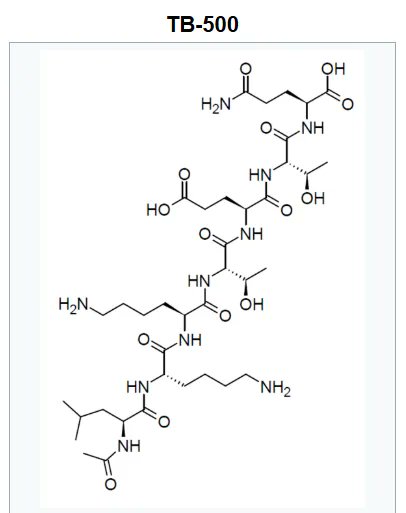
This one is derived from thymosin beta-4 (Tβ4), a naturally occurring 43-amino-acid protein found in nearly all human and animal cells that is encoded by the TMSB4X gene.
The full Tβ4 sequence is: Ac-Ser-Asp-Lys-Pro-Asp-Met-Ala-Glu-Ile-Glu-Lys-Phe-Asp-Lys-Ser-Lys-Leu-Lys-Lys-Thr-Glu-Thr-Gln-Glu-Lys-Asn-Pro-Leu-Pro-Ser-Lys-Glu-Thr-Ile-Glu-Gln-Glu-Lys-Gln-Ala-Gly-Glu-Ser.
TB-500 specifically refers to a shorter, active fragment, typically the N-acetylated heptapeptide Ac-LKKTETQ (amino acids 17–23 of Tβ4), which contains the core actin-binding motif.
This fragment is designed to mimic key regenerative effects of the “parent” molecule while offering greater stability.
Primary uses (based on preclinical data):
-Accelerated repair of damaged muscles, tendons, ligaments, skin wounds,corneal injuries and post-surgical healing.
-Reduction of inflammation and pain in chronic conditions like tendonitis, arthritis or overuse injuries.
-Improved joint mobility, flexibility, and reduced stiffness.
-Promotion of angiogenesis for better nutrient/oxygen delivery to tissues.
Emerging areas: Cardiac repair post-myocardial infarction, neuroprotection/nerve regeneration, hair regrowth stimulation and potential benefits in sepsis or dry eye models.
15
Mechanisms (the main reasons when it comes to why it stacks so well with BPC-157). TB-500 primarily acts by regulating actin (a key cellular protein for structure and movement), with broad regenerative effects:
-Actin sequestration and cytoskeletal reorganization: Binds G-actin (monomeric form) to prevent premature polymerization, promoting cell migration, proliferatio and differentiation.
-Angiogenesis promotion: Upregulates VEGF and stimulates endothelial cell migration/tube formation, leading to new blood vessel growth and improved perfusion in ischemic or damaged tissues.
-Anti-Inflammatory effects: Downregulates pro-inflammatory cytokines (IL-1β, TNF-α) and inhibits NF-κB signaling, reducing swelling and pain while minimizing scarring/fibrosis.
-Cell migration enhancement: Promotes fibroblast, keratinocyte, and stem/progenitor cell movement to injury sites; also supports extracellular matrix remodeling via matrix metalloproteinases (MMPs).
Additional protective effects: Reduces oxidative stress, supports collagen deposition with less scarring, and may mobilize epicardial progenitors for heart repair.
Administration forms:
-Primarily injectable (subcutaneous or intramuscular): Systemic distribution for broad effects, site-specific near injuries for targeted repair.
-Less common: Nasal sprays or topical in some research contexts, but injectable is standard for regenerative goals.
Theoretical risk:
-Angiogenesis promotion could potentially exacerbate undiagnosed tumors.
-It’s also banned by WADA.
-Actin sequestration and cytoskeletal reorganization: Binds G-actin (monomeric form) to prevent premature polymerization, promoting cell migration, proliferatio and differentiation.
-Angiogenesis promotion: Upregulates VEGF and stimulates endothelial cell migration/tube formation, leading to new blood vessel growth and improved perfusion in ischemic or damaged tissues.
-Anti-Inflammatory effects: Downregulates pro-inflammatory cytokines (IL-1β, TNF-α) and inhibits NF-κB signaling, reducing swelling and pain while minimizing scarring/fibrosis.
-Cell migration enhancement: Promotes fibroblast, keratinocyte, and stem/progenitor cell movement to injury sites; also supports extracellular matrix remodeling via matrix metalloproteinases (MMPs).
Additional protective effects: Reduces oxidative stress, supports collagen deposition with less scarring, and may mobilize epicardial progenitors for heart repair.
Administration forms:
-Primarily injectable (subcutaneous or intramuscular): Systemic distribution for broad effects, site-specific near injuries for targeted repair.
-Less common: Nasal sprays or topical in some research contexts, but injectable is standard for regenerative goals.
Theoretical risk:
-Angiogenesis promotion could potentially exacerbate undiagnosed tumors.
-It’s also banned by WADA.
16
Number 5: Thymalin (probably (it is mentioned idirectly in some interviews))
Note: There is frequent confusion between Thymalin and Thymulin.
Thymalin is a polypeptide extract derived from the calf thymus, consisting of a complex mixture of short peptides (primarily 2–8 amino acids, molecular weight 1–10 kDa).
Its key active components include the dipeptide Glu-Trp (EW, also known as Thymogen), dipeptide KE and tripeptide EDP.
Thymulin, in contrast, is a specific nonapeptide (9 amino acids) with the sequence: Pyr-Ala-Lys-Ser-Gln-Gly-Gly-Ser-Asn (also written as Pyr-Glu-Ala-Lys-Ser-Gln-Gly-Gly-Ser-Asn in some sources), a natural thymic hormone requiring zinc for full activity.
Primary uses:
-Restoration of immune function in immunodeficiency states (primary/secondary, age-related decline).
-Adjunct therapy for chronic viral/bacterial infections (hepatitis, herpes, influenza).
-Support during/after chemotherapy/radiotherapy (reduces immunosuppression, aids hematopoiesis recovery).
-Management of acute respiratory infections, including severe cases (COVID-19 adjunct in trials).
-Age-related immune decline and geroprotection (reduced mortality/infections in elderly).
-Potential in autoimmune regulation, chronic inflammation, and regeneration support.
Note: There is frequent confusion between Thymalin and Thymulin.
Thymalin is a polypeptide extract derived from the calf thymus, consisting of a complex mixture of short peptides (primarily 2–8 amino acids, molecular weight 1–10 kDa).
Its key active components include the dipeptide Glu-Trp (EW, also known as Thymogen), dipeptide KE and tripeptide EDP.
Thymulin, in contrast, is a specific nonapeptide (9 amino acids) with the sequence: Pyr-Ala-Lys-Ser-Gln-Gly-Gly-Ser-Asn (also written as Pyr-Glu-Ala-Lys-Ser-Gln-Gly-Gly-Ser-Asn in some sources), a natural thymic hormone requiring zinc for full activity.
Primary uses:
-Restoration of immune function in immunodeficiency states (primary/secondary, age-related decline).
-Adjunct therapy for chronic viral/bacterial infections (hepatitis, herpes, influenza).
-Support during/after chemotherapy/radiotherapy (reduces immunosuppression, aids hematopoiesis recovery).
-Management of acute respiratory infections, including severe cases (COVID-19 adjunct in trials).
-Age-related immune decline and geroprotection (reduced mortality/infections in elderly).
-Potential in autoimmune regulation, chronic inflammation, and regeneration support.
17
Thymalin acts as an epigenetic regulator and immunomodulator via its short peptides:
-Gene expression modulation: Short peptides (EW, KE, EDP) penetrate cells, bind to DNA/histones, altering chromatin structure and regulating transcription of genes involved in immunity, stress response, and aging (gerontogenes).
-T-Cell enhancement: Promotes differentiation, maturation, and proliferation of T-lymphocytes (especially Th1 subset), restores T/B cell ratios, and enhances cellular immunity.
-Anti-inflammatory effects: Reduces proinflammatory cytokines (IL-6, TNF-α) while normalizing anti-inflammatory signals, modulates NF-κB pathways to dampen excessive inflammation (observed in sepsis/COVID models).
Lowers acute-phase markers like CRP.
-Cytokine balance and stress response: Stimulates heat-shock proteins (e.g., HSP70/72), fibrinolysis, and cytokine production in balanced ways.
-Hematopoiesis and regeneration: Supports stem cell differentiation toward lymphoid lineages, aids bone marrow recovery post-suppression.
-Geroprotective: Normalizes apoptosis/proliferation in immune cells, potentially extending healthspan.
Potential risks:
Immune stimulation could exacerbate active autoimmune diseases or undiagnosed cancer (though no evidence in trials).
So caution is required in immunosuppressed transplant patients.
-Gene expression modulation: Short peptides (EW, KE, EDP) penetrate cells, bind to DNA/histones, altering chromatin structure and regulating transcription of genes involved in immunity, stress response, and aging (gerontogenes).
-T-Cell enhancement: Promotes differentiation, maturation, and proliferation of T-lymphocytes (especially Th1 subset), restores T/B cell ratios, and enhances cellular immunity.
-Anti-inflammatory effects: Reduces proinflammatory cytokines (IL-6, TNF-α) while normalizing anti-inflammatory signals, modulates NF-κB pathways to dampen excessive inflammation (observed in sepsis/COVID models).
Lowers acute-phase markers like CRP.
-Cytokine balance and stress response: Stimulates heat-shock proteins (e.g., HSP70/72), fibrinolysis, and cytokine production in balanced ways.
-Hematopoiesis and regeneration: Supports stem cell differentiation toward lymphoid lineages, aids bone marrow recovery post-suppression.
-Geroprotective: Normalizes apoptosis/proliferation in immune cells, potentially extending healthspan.
Potential risks:
Immune stimulation could exacerbate active autoimmune diseases or undiagnosed cancer (though no evidence in trials).
So caution is required in immunosuppressed transplant patients.
18
Now he probably also used something like NA-Semax due to the extent of the brain injury, but it's not disclosed (the 4 that were mentioned are 100% disclosed).
N-Acetyl Semax is a modified version of the synthetic heptapeptide Semax, with an N-acetyl group added for enhanced stability and potentially improved blood-brain barrier penetration.
The base Semax sequence is: Met-Glu-His-Phe-Pro-Gly-Pro (MEHFPGP), an analogue of ACTH(4-10).
Its primary uses include:
-Treatment and recovery from stroke, transient ischemic attacks and cerebrovascular insufficiency.
-Management of traumatic brain injury (TBI), head trauma and post-concussive symptoms.
-Cognitive disorders, memory deficits and attention issues.
-Optic nerve disease and glaucomatous neuropathy.
-Peptic ulcers (anti-ulcer effects observed in some trials).
-General neuroprotection.
N-Acetyl Semax is a modified version of the synthetic heptapeptide Semax, with an N-acetyl group added for enhanced stability and potentially improved blood-brain barrier penetration.
The base Semax sequence is: Met-Glu-His-Phe-Pro-Gly-Pro (MEHFPGP), an analogue of ACTH(4-10).
Its primary uses include:
-Treatment and recovery from stroke, transient ischemic attacks and cerebrovascular insufficiency.
-Management of traumatic brain injury (TBI), head trauma and post-concussive symptoms.
-Cognitive disorders, memory deficits and attention issues.
-Optic nerve disease and glaucomatous neuropathy.
-Peptic ulcers (anti-ulcer effects observed in some trials).
-General neuroprotection.
19
Semax exhibits multi-faceted neurotrophic and neuromodulatory effects such as:
-Upregulation of neurotrophic factors: Rapidly increases brain-derived neurotrophic factor (BDNF) protein levels and expression, along with its receptor TrkB (tropomyosin receptor kinase B), particularly in the hippocampus and basal forebrain.
This promotes neuroplasticity, synaptic repair, neuron survival and new neuron growth.
-Nerve growth factor (NGF) support: Enhances NGF expression, aiding nerve regeneration and protection.
-Monoamine system modulation: Activates serotonergic and dopaminergic pathways, increasing dopamine and serotonin signaling for improved motivation, mood balance and stress response.
-Melanocortin receptor interaction: Likely acts as a partial agonist/antagonist at MC4 and MC5 receptors (competitively antagonizes α-MSH); potential involvement of MC3, though unclear for MC1/MC2.
-Enkephalinase inhibition: Inhibits the degradation of enkephalins and other regulatory peptides, potentially contributing to analgesic and mood-enhancing effects.
-Improves cerebral blood flow, exerts antioxidant action, reduces oxidative stress/inflammation and protects against ischemic/hypoxic damage.
Administration forms:
-Nasal Spray/Drops: Preferred route due to direct blood-brain barrier access and rapid onset (effects within hours).Standard formulations: 0.1% (mild) or 1% (for acute conditions).
-Subcutaneous Injection: Used in some clinical settings or for potentially higher bioavailability; less common in nootropic use.
-Upregulation of neurotrophic factors: Rapidly increases brain-derived neurotrophic factor (BDNF) protein levels and expression, along with its receptor TrkB (tropomyosin receptor kinase B), particularly in the hippocampus and basal forebrain.
This promotes neuroplasticity, synaptic repair, neuron survival and new neuron growth.
-Nerve growth factor (NGF) support: Enhances NGF expression, aiding nerve regeneration and protection.
-Monoamine system modulation: Activates serotonergic and dopaminergic pathways, increasing dopamine and serotonin signaling for improved motivation, mood balance and stress response.
-Melanocortin receptor interaction: Likely acts as a partial agonist/antagonist at MC4 and MC5 receptors (competitively antagonizes α-MSH); potential involvement of MC3, though unclear for MC1/MC2.
-Enkephalinase inhibition: Inhibits the degradation of enkephalins and other regulatory peptides, potentially contributing to analgesic and mood-enhancing effects.
-Improves cerebral blood flow, exerts antioxidant action, reduces oxidative stress/inflammation and protects against ischemic/hypoxic damage.
Administration forms:
-Nasal Spray/Drops: Preferred route due to direct blood-brain barrier access and rapid onset (effects within hours).Standard formulations: 0.1% (mild) or 1% (for acute conditions).
-Subcutaneous Injection: Used in some clinical settings or for potentially higher bioavailability; less common in nootropic use.
20
That's all.
I hope that you enjoyed this thread and learned something from it.
If you did, make sure to leave a like/RT.
x.com/Helios_Movemen…
I hope that you enjoyed this thread and learned something from it.
If you did, make sure to leave a like/RT.
x.com/Helios_Movemen…
21
For more on the topic of peptides:
healthlibrary.substack.com/p/understandin…
healthlibrary.substack.com/p/understandin…
healthlibrary.substack.com/p/understandin…
healthlibrary.substack.com/p/understandin…
healthlibrary.substack.com/p/understandin…
healthlibrary.substack.com/p/understandin…