Most people think carbs cause: • Fat gain • Brain fog • Energy...

Hans Amato@HansAmato
12 views
Dec 23, 2025
~3 min read
Advertisement
1
Most people think carbs cause:
• Fat gain
• Brain fog
• Energy crashes
But carbs aren't the problem.
It's a broken process inside your body that prevents you from burning them properly.
Here's what's actually broken (and how to fix it): 🧵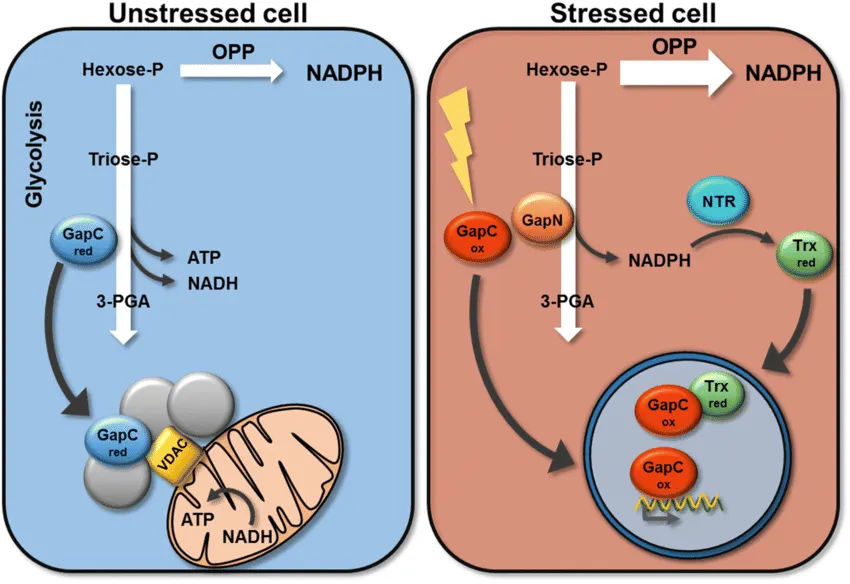
• Fat gain
• Brain fog
• Energy crashes
But carbs aren't the problem.
It's a broken process inside your body that prevents you from burning them properly.
Here's what's actually broken (and how to fix it): 🧵
2
You don't have a carb problem.
You have a glucose oxidation problem.
Your PDH enzyme is blocked, fatty acid oxidation is dominating, and your redox balance is stuck.
You have a glucose oxidation problem.
Your PDH enzyme is blocked, fatty acid oxidation is dominating, and your redox balance is stuck.
3
I know this because I experimented with eating 700g of carbs per day, so you don't have to guess.
Results:
• HbA1c: 4.9
• Fasting glucose: 70-80 mg/dL
• Post-meal: rarely exceeded 120 mg/dL
No metformin. No 30k steps daily.
Here’s how it works:
Results:
• HbA1c: 4.9
• Fasting glucose: 70-80 mg/dL
• Post-meal: rarely exceeded 120 mg/dL
No metformin. No 30k steps daily.
Here’s how it works:
4
When you oxidize glucose properly, carbs become your most powerful fuel:
• Higher IGF-1 → faster recovery
• Higher T3 → faster metabolism
• Higher DHEA-S & testosterone → more drive
• Lower cortisol & adrenaline → calmer mind, better sleep
• Higher IGF-1 → faster recovery
• Higher T3 → faster metabolism
• Higher DHEA-S & testosterone → more drive
• Lower cortisol & adrenaline → calmer mind, better sleep
5
Here's what's blocking your glucose oxidation:
1. Low NAD+ → electrons can't flow properly
2. Fatty acid oxidation dominance → fats steal mitochondrial bandwidth from glucose
3. PDH inhibition → glucose can't enter the mitochondria (picture)
1. Low NAD+ → electrons can't flow properly
2. Fatty acid oxidation dominance → fats steal mitochondrial bandwidth from glucose
3. PDH inhibition → glucose can't enter the mitochondria (picture)
6
4. Mitochondrial dysfunction → increases demand for antioxidant pathways (picture)
5. Gut & endotoxin interference → gut-derived metabolic block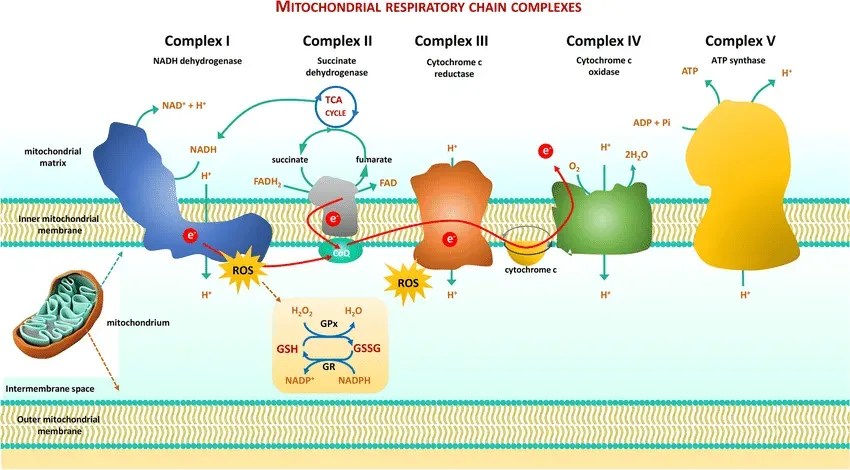
5. Gut & endotoxin interference → gut-derived metabolic block
7
The far most impactful one?
Blocked PDH.
Instead of reaching mitochondria, glucose gets recycled into lactate.
That excess lactate causes:
• Fatigue
• Brain fog
• "Carb crashes"
• Reactive hypoglycemia
You blame the carbs. But your enzyme is shut down.
Blocked PDH.
Instead of reaching mitochondria, glucose gets recycled into lactate.
That excess lactate causes:
• Fatigue
• Brain fog
• "Carb crashes"
• Reactive hypoglycemia
You blame the carbs. But your enzyme is shut down.
8
So, what blocks PDH?
• High cortisol, adrenaline, glucagon
• Low B1, magnesium, B2, B3, B5
• Poor thyroid function (low T3)
• Nutrient deficiencies
• Chronic stress
Even with high testosterone, if PDH is blocked, carbs won't oxidize.
• High cortisol, adrenaline, glucagon
• Low B1, magnesium, B2, B3, B5
• Poor thyroid function (low T3)
• Nutrient deficiencies
• Chronic stress
Even with high testosterone, if PDH is blocked, carbs won't oxidize.
9
High free fatty acids from stress, fasting, or low-carb diets inhibit PDH.
Result: glucose can't be oxidized → builds up as lactate → you feel terrible after eating carbs.
What about people feeling “stable” on a low-carb diet?
Let’s have a look:
Result: glucose can't be oxidized → builds up as lactate → you feel terrible after eating carbs.
What about people feeling “stable” on a low-carb diet?
Let’s have a look:
10
Most people feel "stable" on low-carb because they stopped feeding the broken system.
But they're doing it by:
• Raising stress hormones
• Lowering metabolism
• Suppressing T3
They're not healing. They're actually stressing their body.
But they're doing it by:
• Raising stress hormones
• Lowering metabolism
• Suppressing T3
They're not healing. They're actually stressing their body.
11
So before you try eating more carbs, you need to fix what’s broken:
• PDH enzyme function
• NAD+ and redox balance
• Fatty acid oxidation dominance
• Mitochondrial electron transport
• Gut endotoxin (LPS directly inhibits PDH)
• PDH enzyme function
• NAD+ and redox balance
• Fatty acid oxidation dominance
• Mitochondrial electron transport
• Gut endotoxin (LPS directly inhibits PDH)
12
When glucose oxidation is restored:
• Lactate drops
• Sleep deepens
• Muscles stay full
• Anxiety disappears
• Energy feels smooth and powerful
Your nervous system finally relaxes.
• Lactate drops
• Sleep deepens
• Muscles stay full
• Anxiety disappears
• Energy feels smooth and powerful
Your nervous system finally relaxes.
13
The bottom line:
Low-carb doesn't fix broken metabolism.
It just avoids the problem by raising stress hormones.
You have to restore glucose oxidation to feel calm, strong, and metabolically healthy again.
Low-carb doesn't fix broken metabolism.
It just avoids the problem by raising stress hormones.
You have to restore glucose oxidation to feel calm, strong, and metabolically healthy again.
14
I wrote a complete guide on how to restore glucose oxidation.
Inside, I go over:
• Step-by-step restoration playbook
• 14-day oxidation reset with exact dosing
• Ready-to-use testing templates
Everything you need to burn carbs cleanly again 👇
hansamato.substack.com/p/the-ultimate…
Inside, I go over:
• Step-by-step restoration playbook
• 14-day oxidation reset with exact dosing
• Ready-to-use testing templates
Everything you need to burn carbs cleanly again 👇
hansamato.substack.com/p/the-ultimate…
15
I hope you've found this thread helpful.
If you did, follow me @HansAmato for more of these.
And repost the tweet below to share it with anyone who needs to hear this:
If you did, follow me @HansAmato for more of these.
And repost the tweet below to share it with anyone who needs to hear this:
