𝘿𝙞𝙙 𝙖𝙡-𝙉𝙖𝙨𝙖’𝙞 (𝙙. 303 𝘼𝙃) 𝙖𝙛𝙛𝙞𝙧𝙢 𝙞𝙨𝙩𝙞𝙬𝙖 𝙗𝙚𝙞𝙣𝙜 𝙨𝙞𝙢𝙞𝙡𝙖𝙧 𝙩𝙤 𝙩𝙝𝙚...

keep Itreal@KItreal512
24 views
Nov 18, 2025
~3 min read
Advertisement
1
𝘿𝙞𝙙 𝙖𝙡-𝙉𝙖𝙨𝙖’𝙞 (𝙙. 303 𝘼𝙃) 𝙖𝙛𝙛𝙞𝙧𝙢 𝙞𝙨𝙩𝙞𝙬𝙖 𝙗𝙚𝙞𝙣𝙜 𝙨𝙞𝙢𝙞𝙡𝙖𝙧 𝙩𝙤 𝙩𝙝𝙚 𝙢𝙤𝙪𝙣𝙩𝙞𝙣𝙜 𝙤𝙛 𝙖 𝙧𝙞𝙙𝙚𝙧 𝙤𝙫𝙚𝙧 𝙝𝙞𝙨 𝙘𝙖𝙢𝙚𝙡?
Al-Nasa’i in his ‘Sunan’ narrates three hadiths in relation to Surah Fussilat.
[See 10/245 Al-Risalah Edition].
The first narration is of the slave girl and “Where is Allah?” and ties to verse 11 of Surah Fussilat which mentions “istawa”.
Now the second narration is the Prophet’s mounting (istawa) his camel to set out on a journey and reciting:
“Glory be to the One who subjected this to us, and we were not able to control it ourselves, and surely to our Lord we will return.”
[az Zukhruf: 13]
Some may think that al-Nasai mentioning this narration is to give an example of the usage of the word “istawa” in the language and how it was used for mounting a camel.
Note al-Nasai doesn’t actually say this is the reason for mentioning the narration, rather it is what some may deduce from it.
However, recall that the first narration about the slave girl and “where is Allah’ was correlated to verse 11 of Surah Fussilat and its mention of “Istawa”.
This second narration about istawa/mounting a camel for a journey quoted verse 13 from Surah az-Zukhruf, and verses 12–18 of this surah closely parallel verses 12–16 of Surah Fussilat.
Both assert Allah’s absolute control over creation, subjugating the heavens in Fussilat and ships and animals in az-Zukhruf, and both contrast this power with human arrogance.
In Fussilat, Aad boast “Who is stronger than us?” and are destroyed, just as earlier nations in az-Zukhruf mocked their prophets and were destroyed. Each passage ends by stressing humanity’s return to Allah and the futility of associating partners with Him.
So the mention in the narration of istawa/mounting the camel could be a mere coincidence and not necessarily the reason why al-Nasai mentioned the narration. As the rest of the narration ties in with the verses 12-16 of Surah Fussilat.
What solidifies this reasoning is that the third and final narration that al-Nasai brings has no relation to the word “istawa” whatsoever.
This narration is:
The Messenger of Allah ﷺ said:
“I was helped by the east wind (al saba), and Aad were destroyed by the west wind (al dabur).”
This ties in with the full verse 16 of Surah Fussilat, which is:
“So We sent upon them a furious, violent wind during days of misfortune, in order that We make them taste a humiliating punishment in this worldly life. But far more humiliating will be the punishment of the Hereafter, and they will not be helped.”
This sequence gives a coherent and fluid connection of all three narrations being tied into order of the verses of Surah Fussilat with:
The first narration = verse 11
The second narration = verses 12-16
The third and final narration = verse 16.
The third narration has absolutely no linguistic connection to the word “istawa,” therefore the three narrations CANNOT be only about explaining the word “istawa.”
This third narration fits perfectly with verse 16 of Surah Fussilat about Aad’s punishment by a violent wind and does not relate directly at all to verse 11 about “istawa”.
The heading is marking the section (Surah Fussilat 41:11 onward), rather than just restricting the narrations to the lexical and/or theological explanation of the word “istawa.”
It could be said Al-Nasa’i is gathering narrations that illustrate the themes of the whole passage, not just the meaning of the one word “istawa”.
And Allah knows best.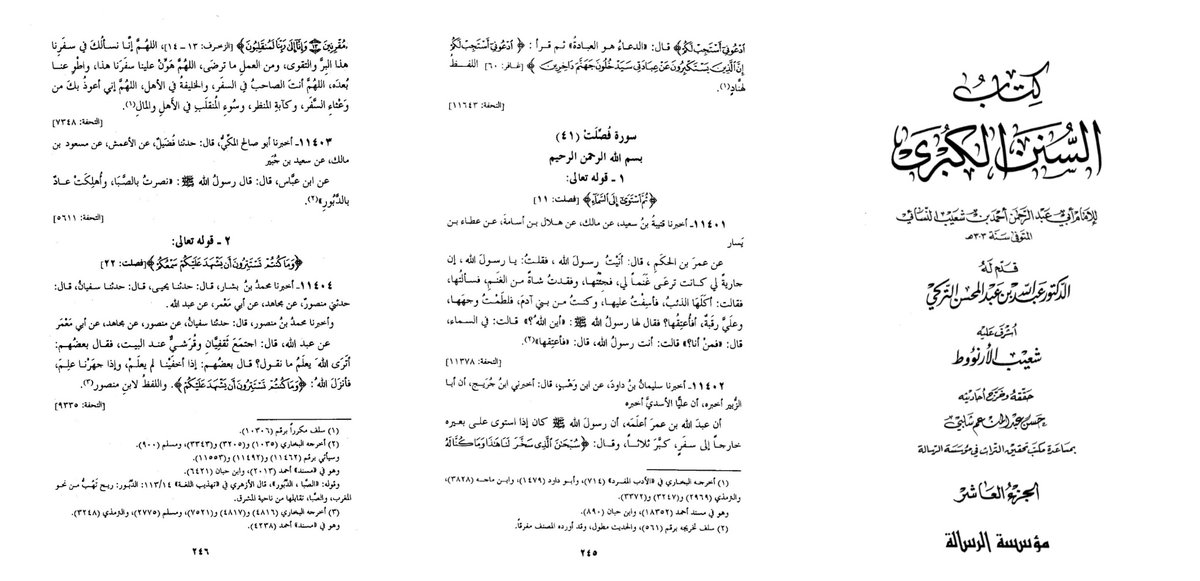
Al-Nasa’i in his ‘Sunan’ narrates three hadiths in relation to Surah Fussilat.
[See 10/245 Al-Risalah Edition].
The first narration is of the slave girl and “Where is Allah?” and ties to verse 11 of Surah Fussilat which mentions “istawa”.
Now the second narration is the Prophet’s mounting (istawa) his camel to set out on a journey and reciting:
“Glory be to the One who subjected this to us, and we were not able to control it ourselves, and surely to our Lord we will return.”
[az Zukhruf: 13]
Some may think that al-Nasai mentioning this narration is to give an example of the usage of the word “istawa” in the language and how it was used for mounting a camel.
Note al-Nasai doesn’t actually say this is the reason for mentioning the narration, rather it is what some may deduce from it.
However, recall that the first narration about the slave girl and “where is Allah’ was correlated to verse 11 of Surah Fussilat and its mention of “Istawa”.
This second narration about istawa/mounting a camel for a journey quoted verse 13 from Surah az-Zukhruf, and verses 12–18 of this surah closely parallel verses 12–16 of Surah Fussilat.
Both assert Allah’s absolute control over creation, subjugating the heavens in Fussilat and ships and animals in az-Zukhruf, and both contrast this power with human arrogance.
In Fussilat, Aad boast “Who is stronger than us?” and are destroyed, just as earlier nations in az-Zukhruf mocked their prophets and were destroyed. Each passage ends by stressing humanity’s return to Allah and the futility of associating partners with Him.
So the mention in the narration of istawa/mounting the camel could be a mere coincidence and not necessarily the reason why al-Nasai mentioned the narration. As the rest of the narration ties in with the verses 12-16 of Surah Fussilat.
What solidifies this reasoning is that the third and final narration that al-Nasai brings has no relation to the word “istawa” whatsoever.
This narration is:
The Messenger of Allah ﷺ said:
“I was helped by the east wind (al saba), and Aad were destroyed by the west wind (al dabur).”
This ties in with the full verse 16 of Surah Fussilat, which is:
“So We sent upon them a furious, violent wind during days of misfortune, in order that We make them taste a humiliating punishment in this worldly life. But far more humiliating will be the punishment of the Hereafter, and they will not be helped.”
This sequence gives a coherent and fluid connection of all three narrations being tied into order of the verses of Surah Fussilat with:
The first narration = verse 11
The second narration = verses 12-16
The third and final narration = verse 16.
The third narration has absolutely no linguistic connection to the word “istawa,” therefore the three narrations CANNOT be only about explaining the word “istawa.”
This third narration fits perfectly with verse 16 of Surah Fussilat about Aad’s punishment by a violent wind and does not relate directly at all to verse 11 about “istawa”.
The heading is marking the section (Surah Fussilat 41:11 onward), rather than just restricting the narrations to the lexical and/or theological explanation of the word “istawa.”
It could be said Al-Nasa’i is gathering narrations that illustrate the themes of the whole passage, not just the meaning of the one word “istawa”.
And Allah knows best.
2
keep Itreal@KItreal512
𝙄𝙗𝙣 𝘽𝙖𝙯 𝙖𝙣𝙙 𝙄𝙗𝙣 𝙖𝙡-𝙐𝙩𝙝𝙖𝙮𝙢𝙚𝙚𝙣 𝙧𝙚𝙛𝙪𝙩𝙚 𝙩𝙝𝙤𝙨𝙚 𝙬𝙝𝙤 𝙡𝙞𝙠𝙚𝙣 𝘼𝙡𝙡𝙖𝙝’𝙨 𝙄𝙨𝙩𝙞𝙬𝙖 𝙩𝙤 𝙤𝙣𝙚’𝙨 𝙄𝙨𝙩𝙞𝙬𝙖 𝙪𝙥𝙤𝙣 𝙖𝙣𝙞𝙢𝙖𝙡𝙨:
Ibn Baz said:
“He is elevated above His Throne with an elevation that befits Him, Mighty and Majestic, not resembling the elevation of a human on a bed, nor his elevation on animals, nor his elevation on a ship — the ship which Allah mentioned in His saying: “And He made for you from ships and cattle what you ride, so that you may sit balanced on its back, then remember the blessing of your Lord when you are settled upon it, and say: Glory be to the One who subjected this to us, and we could not have done so on our own, and surely to our Lord we will return.”
So the istiwa of a created being upon something cannot resemble the istiwa of Allah over His Throne, because nothing is like Allah.”
[Ibn Baz ‘Fatawa muhimmah li-'umum al-ummah’ p.14 Dar Al-Asimah - Riyadh]
Ibn al-Uthaymeen repeats exactly the same words in ‘Fiqh al Ibadat’ [p.13 Al-Uthaymeen Charitable Foundation Edition and Madar al Watan Edition].
Those who misinterpret al-Nasa’i’s mentioning of the hadith of mounting (istawa) a camel, thinking that al-Nasa’i mentioned in to prove istawa of Allah, are mistaken.
As explained already in my previous thread, al-Nasa’i’s mention of the hadith was the Quranic verse in it from Surah az Zukhruf and how the verses in that Surah link with verses in Surah Fussilat.

