Melatonin is what expensive anti-ageing supplements want (and...

George Ferman@Helios_Movement
39 views
Oct 31, 2025
~7 min read
1
Melatonin is what expensive anti-ageing supplements want (and pretend) to be.
This 3.5 billion-year-old molecule is the ultimate insurance policy of the human body.
It:
-Prevents and helps treat hair loss.
-Controls mitochondrial oxidative stress (broad-spectrum antioxidant that's 10 times stronger than vitamin C).
-Prevents migraines and protects the brain.
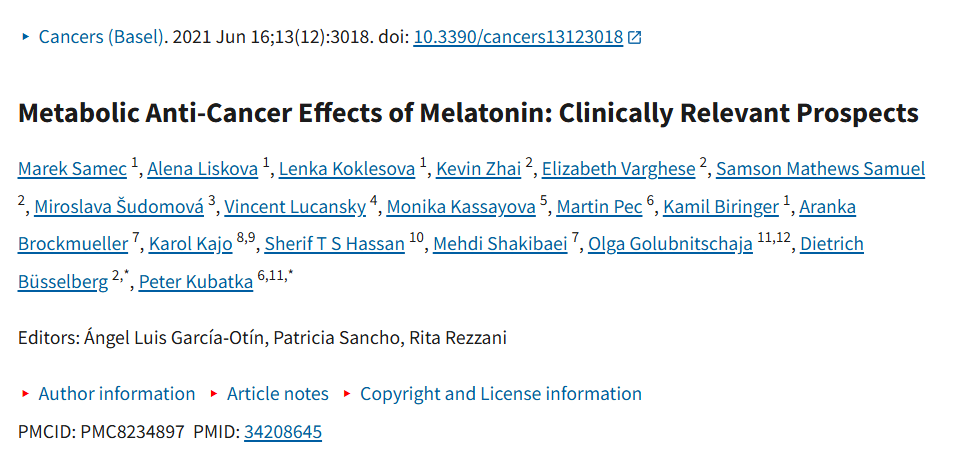
-Has anti-cancer properties via Warburg reversal.
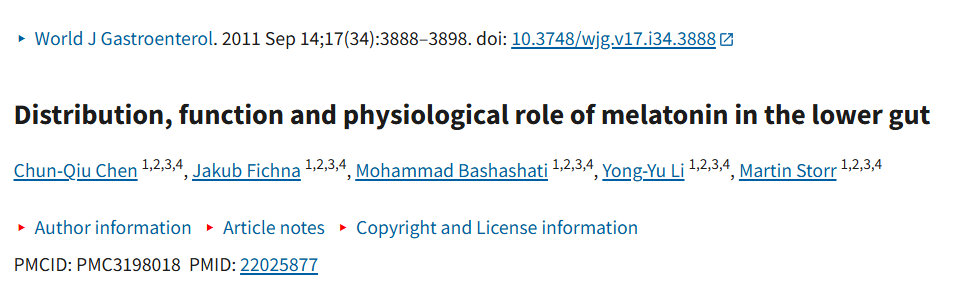
-Regulates gut motility, protects the mucosal barrier and modulates the gut microbiota.
-Inhibiting pro-inflammatory cytokines like TNF-a and interleukins.
-Protects the immune system and enhances immune surveillance (it even prevents thymic atrophy).
-Regulates key inflammatory signaling pathways.
-Controls CRs.
-Reduces hypertension and improves endothelial function.
and does so much more.
Here's what you need to know.
Thread🧵

This 3.5 billion-year-old molecule is the ultimate insurance policy of the human body.
It:
-Prevents and helps treat hair loss.
-Controls mitochondrial oxidative stress (broad-spectrum antioxidant that's 10 times stronger than vitamin C).
-Prevents migraines and protects the brain.
-Has anti-cancer properties via Warburg reversal.
-Regulates gut motility, protects the mucosal barrier and modulates the gut microbiota.
-Inhibiting pro-inflammatory cytokines like TNF-a and interleukins.
-Protects the immune system and enhances immune surveillance (it even prevents thymic atrophy).
-Regulates key inflammatory signaling pathways.
-Controls CRs.
-Reduces hypertension and improves endothelial function.
and does so much more.
Here's what you need to know.
Thread🧵
2
*Standard disclaimer that nothing in this thread should be used as a substitute for medical advice*
It's George.
Melatonin, chemically known as N-acetyl-5-methoxytryptamine, is classified as an indoleamine that is derived from the amino acid tryptophan.
It is evolutionarily ancient and present in organisms from bacteria to humans.
Now technically speaking, since it is synthesized in many non-endocrine organs and doesn't target a specific organ it’s not a hormone (melatonin fits this in the pineal context only).
So melatonin also acts as a paracrine and autocrine signaling molecule, influencing cellular processes across multiple tissues without requiring endocrine-specific pathways.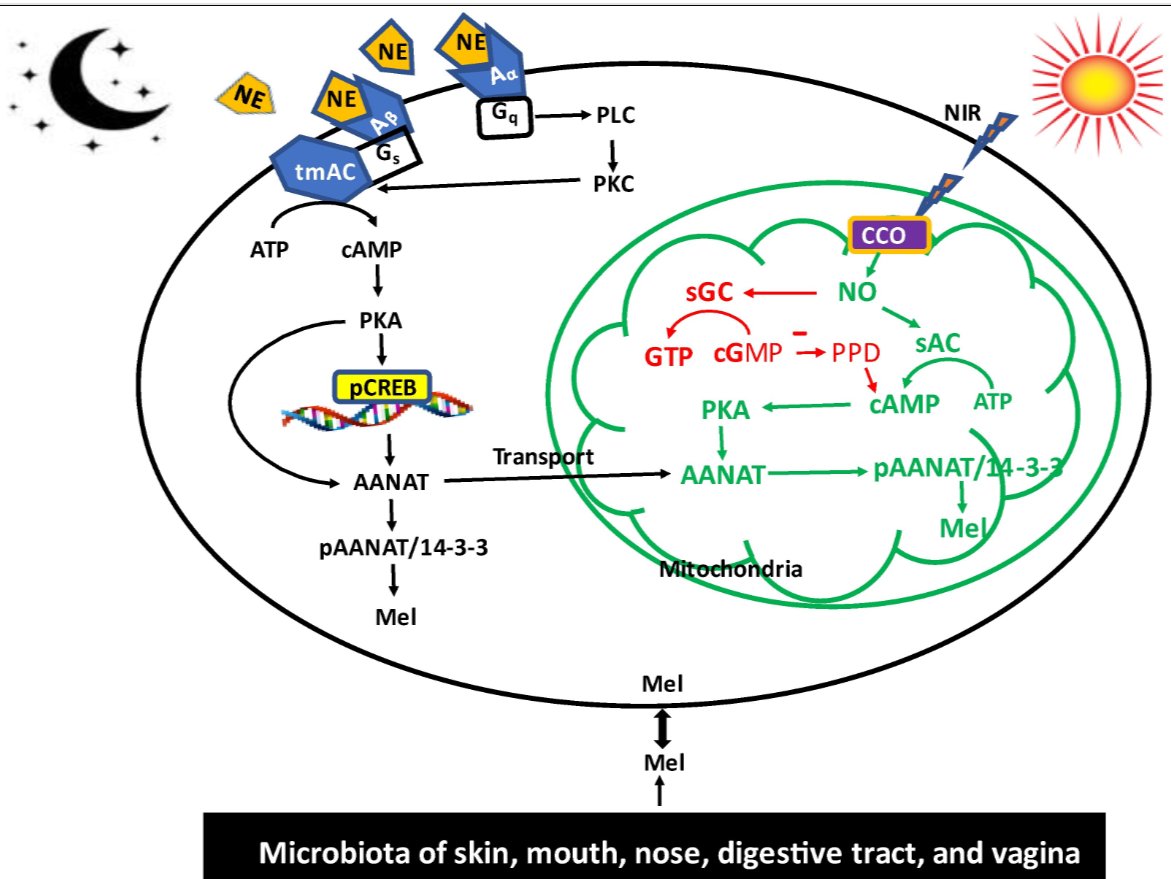

It's George.
Melatonin, chemically known as N-acetyl-5-methoxytryptamine, is classified as an indoleamine that is derived from the amino acid tryptophan.
It is evolutionarily ancient and present in organisms from bacteria to humans.
Now technically speaking, since it is synthesized in many non-endocrine organs and doesn't target a specific organ it’s not a hormone (melatonin fits this in the pineal context only).
So melatonin also acts as a paracrine and autocrine signaling molecule, influencing cellular processes across multiple tissues without requiring endocrine-specific pathways.
3
The most powerful antioxidant is not vitamin C, E or even glutathione. Even though all of these are extremely important since each one has unique roles within the human body (for example, glutathione is critical for detoxification) the most powerful antioxidant is free and it's called melatonin.
A single melatonin molecule can scavenge up to 10 reactive oxygen and nitrogen species (ROS and RNS), more than many classic antioxidants like vitamin C and E.
When a melatonin molecule neutralizes a free radical, it becomes a new, less-reactive intermediate molecule.
These intermediate metabolites, such as N1-acetyl-N2-formyl-5-methoxykynuramine (AFMK) and N-acetyl-5-methoxykynuramine (AMK), are also potent free radical scavengers.
The process can continue with these metabolites neutralizing additional free radicals in a chain reaction.
This cascade helps explain why melatonin is so effective in protecting cells, lipids, proteins, and DNA from oxidative damage throughout the body, as it is both water- and fat-soluble.

A single melatonin molecule can scavenge up to 10 reactive oxygen and nitrogen species (ROS and RNS), more than many classic antioxidants like vitamin C and E.
When a melatonin molecule neutralizes a free radical, it becomes a new, less-reactive intermediate molecule.
These intermediate metabolites, such as N1-acetyl-N2-formyl-5-methoxykynuramine (AFMK) and N-acetyl-5-methoxykynuramine (AMK), are also potent free radical scavengers.
The process can continue with these metabolites neutralizing additional free radicals in a chain reaction.
This cascade helps explain why melatonin is so effective in protecting cells, lipids, proteins, and DNA from oxidative damage throughout the body, as it is both water- and fat-soluble.
4
If this was too hard to understand, keep in mind the following:
Melatonin as an amphipathic free radical scavenger (it has hydrophilic and hydrophobic nature and this dual solubility gives it broader reach (it goes through membranes and blood alike for example)), neutralizes free radicals like superoxide, hydrogen peroxide and the brutal hydroxyl radical.
So it’s a multi functional antioxidant.
Not only that, but melatonin is a sacrificial electron donor (it neutralizes radicals directly) so it has little to no pro-oxidant activity.
After donating electrons, its reaction products such as N1-acetyl-N2-formyl-5-methoxykynuramine, or AFMK are either inert or continue to scavenge radicals, creating a “cascade” effect.
Melatonin as an amphipathic free radical scavenger (it has hydrophilic and hydrophobic nature and this dual solubility gives it broader reach (it goes through membranes and blood alike for example)), neutralizes free radicals like superoxide, hydrogen peroxide and the brutal hydroxyl radical.
So it’s a multi functional antioxidant.
Not only that, but melatonin is a sacrificial electron donor (it neutralizes radicals directly) so it has little to no pro-oxidant activity.
After donating electrons, its reaction products such as N1-acetyl-N2-formyl-5-methoxykynuramine, or AFMK are either inert or continue to scavenge radicals, creating a “cascade” effect.
5
It also enhances the body’s endogenous antioxidant defenses by upregulating key enzymes and molecules such as the GSH system (glutathione) where melatonin increases GSH levels and the activity of GSH-related enzymes such as γ-Glutamylcysteine ligase, glutathione peroxidase, glutathione reductase, superoxide dismutase, catalase and heme oxygenase-1.
Melatonin’s hydrophobic properties also make it especially effective at preventing lipid peroxidation (a chain reaction where ROS damage polyunsaturated fatty acids in cell membranes) where melatonin interrupts the propagation phase of lipid peroxidation by neutralizing lipid peroxyl radicals and stabilizing membrane fluidity.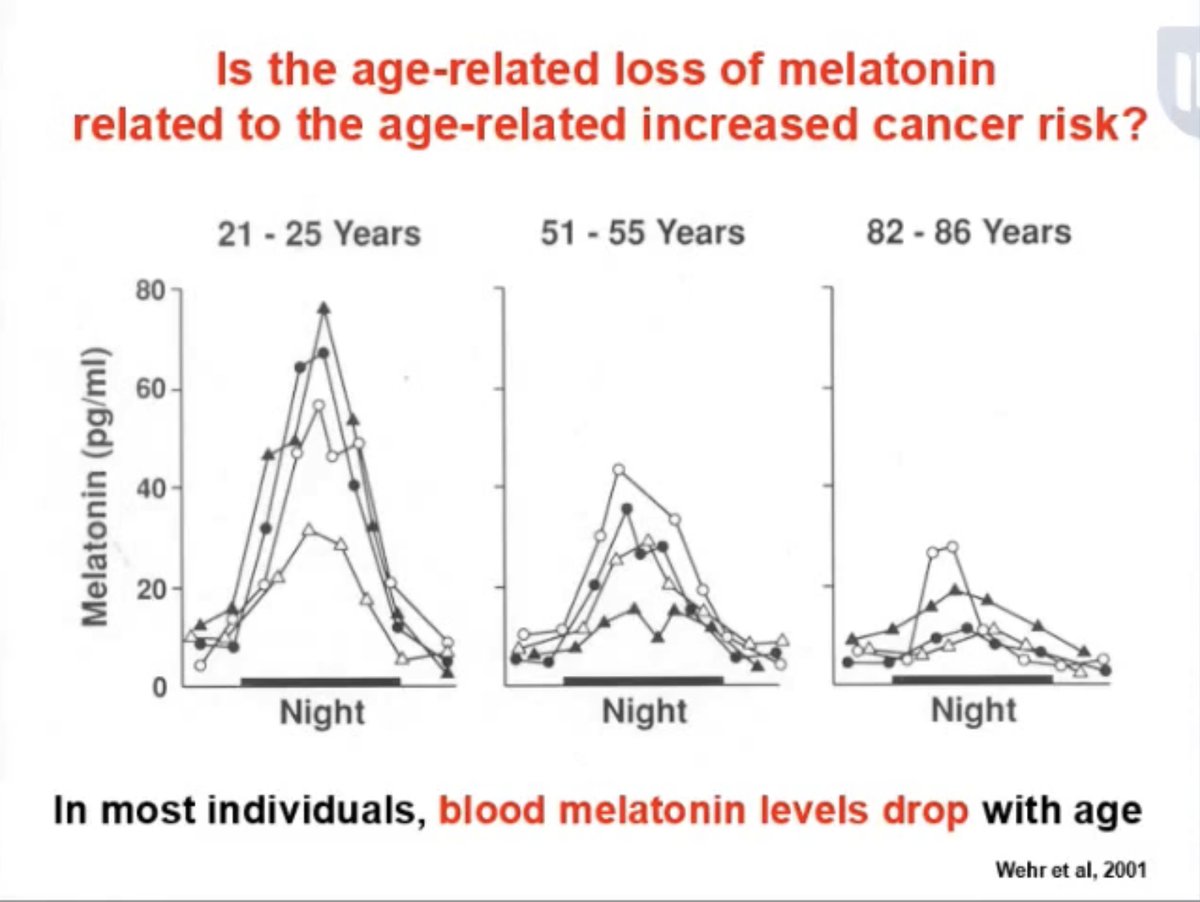
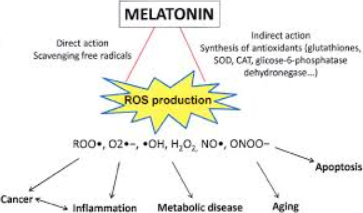
Melatonin’s hydrophobic properties also make it especially effective at preventing lipid peroxidation (a chain reaction where ROS damage polyunsaturated fatty acids in cell membranes) where melatonin interrupts the propagation phase of lipid peroxidation by neutralizing lipid peroxyl radicals and stabilizing membrane fluidity.
6
It also reduces amyloid-beta production by inhibiting β-secretase (BACE1) (an enzyme that cleaves amyloid precursor protein (APP) into Aβ) and enhancing Aβ clearance by upregulating enzymes like neprilysin.
Or, when it comes to the immune system it stimulates the production of several types of immune system cells such as natural killer cells and CD4+ cells but also it inhibits Warburg metabolism by keeping pyruvate flowing into the TCA cycle and when the immune response is overactive, melatonin reduces inflammatory mediators and neutrophil infiltration.
And finally when it comes to libido and reproduction for example, melatonin can modulate gonadotropin-releasing hormone (GnRH) secretion from the hypothalamus for example.

Or, when it comes to the immune system it stimulates the production of several types of immune system cells such as natural killer cells and CD4+ cells but also it inhibits Warburg metabolism by keeping pyruvate flowing into the TCA cycle and when the immune response is overactive, melatonin reduces inflammatory mediators and neutrophil infiltration.
And finally when it comes to libido and reproduction for example, melatonin can modulate gonadotropin-releasing hormone (GnRH) secretion from the hypothalamus for example.
7
Now how does the body produce melatonin?
In a nutshell: Melatonin is made from the aromatic amino acid tryptophan whose indole structure (a benzene ring fused to a pyrrole ring) contains a conjugated π-electron system that give it UV absorption and emission properties.
In a nutshell: Melatonin is made from the aromatic amino acid tryptophan whose indole structure (a benzene ring fused to a pyrrole ring) contains a conjugated π-electron system that give it UV absorption and emission properties.
8
The entire journey of melatonin production goes as follows:
1. The enzyme tryptophan hydroxylase, with help from cofactors like iron, BH4, and oxygen, converts tryptophan into 5-hydroxytryptophan (5-HTP).
2. A decarboxylase enzyme, aided by vitamin B6 (PLP), turns 5-HTP into serotonin.
3. Serotonin gets acetylated using acetyl-CoA, with an enzyme called serotonin N-acetyltransferase.
4. Finally, S-adenosyl methionine (SAM) methylates it into melatonin, with cofactors like B vitamins, magnesium, and zinc playing supporting roles.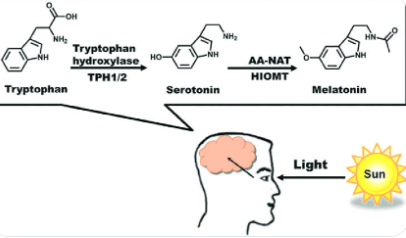
1. The enzyme tryptophan hydroxylase, with help from cofactors like iron, BH4, and oxygen, converts tryptophan into 5-hydroxytryptophan (5-HTP).
2. A decarboxylase enzyme, aided by vitamin B6 (PLP), turns 5-HTP into serotonin.
3. Serotonin gets acetylated using acetyl-CoA, with an enzyme called serotonin N-acetyltransferase.
4. Finally, S-adenosyl methionine (SAM) methylates it into melatonin, with cofactors like B vitamins, magnesium, and zinc playing supporting roles.
9
Now another important question that needs to be answered is where is melatonin produced.
In order to answer this, we need to mention that we have two different endogenous “forms” (they are the same molecule).
Number 1: Circulatory form.
This one is found in the blood and pineal gland.
The pineal gland is a little organ located in the middle of the brain that produces, recycles cerebral spinal fluid and produces melatonin at night so circulatory melatonin is stimulated by darkness.
In order to understand just how much: even dim light (1.5 lux) can suppress melatonin release.
Note: blue light (~480 nm) activates melanopsin in your retina, telling the SCN to halt melatonin production while darkness does the opposite. Green light can also suppress melatonin production, but its effect is weaker compared to blue light.
This is why melatonin is often referred to as “the hormone of darkness”.
Number 2: Subcellular form.
This one is found in the mitochondria and its production is driven by near-infrared light (750–2500 nm (strongest midday (10 a.m.–2 p.m.))
Mitochondrial production, is larger than pineal output but both have complementary roles in the body.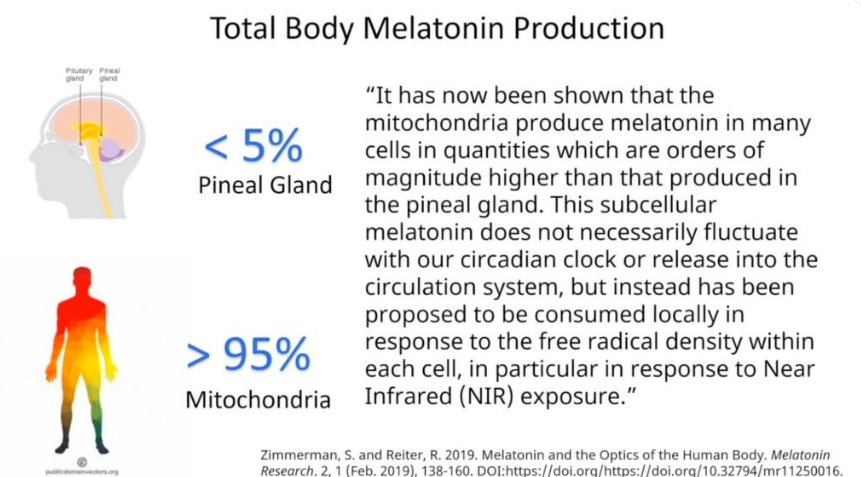
In order to answer this, we need to mention that we have two different endogenous “forms” (they are the same molecule).
Number 1: Circulatory form.
This one is found in the blood and pineal gland.
The pineal gland is a little organ located in the middle of the brain that produces, recycles cerebral spinal fluid and produces melatonin at night so circulatory melatonin is stimulated by darkness.
In order to understand just how much: even dim light (1.5 lux) can suppress melatonin release.
Note: blue light (~480 nm) activates melanopsin in your retina, telling the SCN to halt melatonin production while darkness does the opposite. Green light can also suppress melatonin production, but its effect is weaker compared to blue light.
This is why melatonin is often referred to as “the hormone of darkness”.
Number 2: Subcellular form.
This one is found in the mitochondria and its production is driven by near-infrared light (750–2500 nm (strongest midday (10 a.m.–2 p.m.))
Mitochondrial production, is larger than pineal output but both have complementary roles in the body.
10
Now, let's see what we have to do in order to max our endogenous melatonin production.
1. Make sure that your days are bright (go outside).
pubmed.ncbi.nlm.nih.gov/29875029/
2. Block the artificial blue light.
pubmed.ncbi.nlm.nih.gov/29101797/
3. Do not exercise intensely late in the day.
pubmed.ncbi.nlm.nih.gov/30160559/
4. Chill with fasting.
1. Make sure that your days are bright (go outside).
pubmed.ncbi.nlm.nih.gov/29875029/
2. Block the artificial blue light.
pubmed.ncbi.nlm.nih.gov/29101797/
3. Do not exercise intensely late in the day.
pubmed.ncbi.nlm.nih.gov/30160559/
4. Chill with fasting.
11
5. Take care of the electron transport chain and the TCA cycle (get B vitamins, CoQ10, L-carnitine, K2 and magnesium).
But there's no need to overdo it with these either since "overdriving" the ETC or TCA with excessive supplements will increase ROS.
But there's no need to overdo it with these either since "overdriving" the ETC or TCA with excessive supplements will increase ROS.
12
6. Add some fuji apples, tart cherry, goji berries, pineapple and kiwis in your diet.
ncbi.nlm.nih.gov/pubmed/29495435
7. Take care of your pineal gland by avoiding sodium fluoride, consuming boron, tamarid and molybdenum.
fluorideresearch.online/epub/files/125…
ncbi.nlm.nih.gov/pubmed/29495435
7. Take care of your pineal gland by avoiding sodium fluoride, consuming boron, tamarid and molybdenum.
fluorideresearch.online/epub/files/125…
13
8. Avoid glyphosate.
9. Make sure to consume: magnesium, zinc, B6, B12, B9 and potassium.
10. And in case it's not obvious, go to bed before 11p.m if it's possible (ideally 10).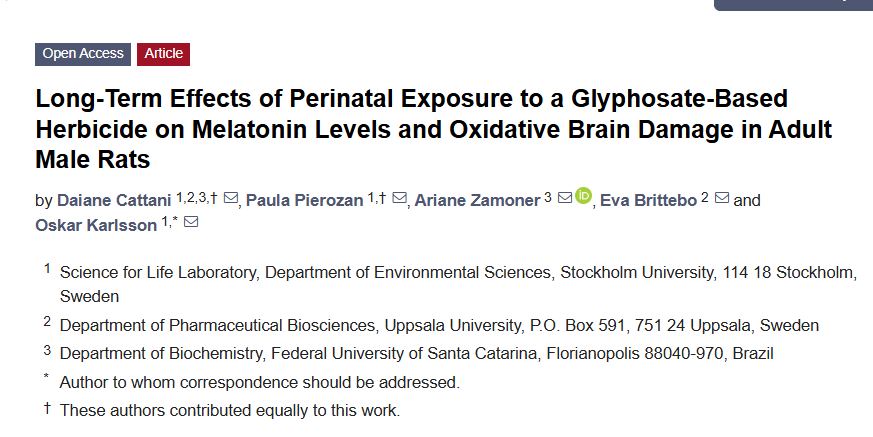
9. Make sure to consume: magnesium, zinc, B6, B12, B9 and potassium.
10. And in case it's not obvious, go to bed before 11p.m if it's possible (ideally 10).
14
When it comes to melatonin supplements:
-If you want to low dose them, just stick to foods.
Tart cherry juice contains about 100mcg of melatonin per 60mL for example.
-The amount that’s mentioned in supplements varies up to 465%.
-They obviously do not have a deuterium-depleted molecular structure (the methyl and acetyl groups that get attached in the synthesis of melatonin are deuterium depleted) so doses such as 200mg as stated in the comment are obviously not recommended from me.
-Plenty have 5-HTP, which is not mentioned on the label (not a joke).
-They could delay children's sexual maturation
-Low dose supplementation (300 mcg) from a time-released formula seems fine if you have changed time zones and want to help your CR.
-They could trigger autoimmune skin diseases if they are not timed properly multiple times.
-Doses such as 10-20-50mg could be used short term during viral infections and help certain conditions.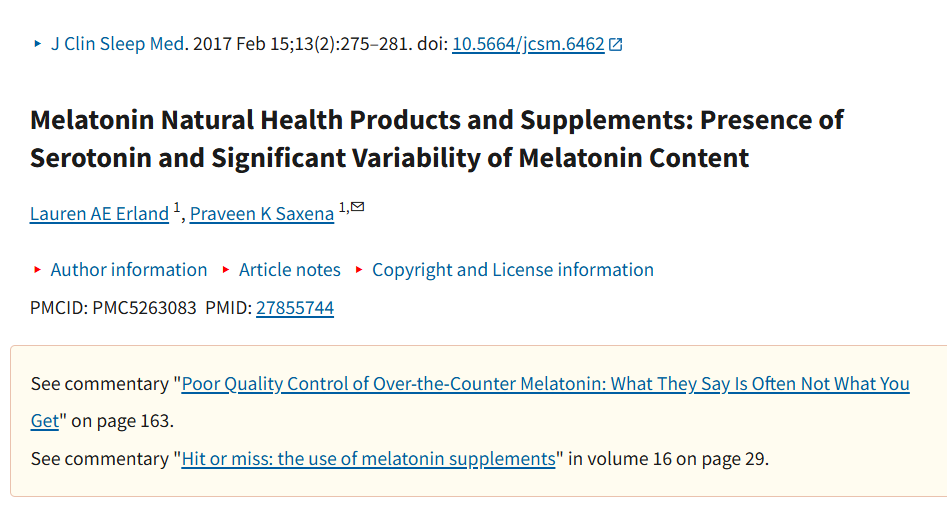
-If you want to low dose them, just stick to foods.
Tart cherry juice contains about 100mcg of melatonin per 60mL for example.
-The amount that’s mentioned in supplements varies up to 465%.
-They obviously do not have a deuterium-depleted molecular structure (the methyl and acetyl groups that get attached in the synthesis of melatonin are deuterium depleted) so doses such as 200mg as stated in the comment are obviously not recommended from me.
-Plenty have 5-HTP, which is not mentioned on the label (not a joke).
-They could delay children's sexual maturation
-Low dose supplementation (300 mcg) from a time-released formula seems fine if you have changed time zones and want to help your CR.
-They could trigger autoimmune skin diseases if they are not timed properly multiple times.
-Doses such as 10-20-50mg could be used short term during viral infections and help certain conditions.
15
Notes:
-Exogenous melatonin most likely does not suppress your body’s own via feedback because there's no negative feedback loop.
-Humans are NOT seasonal breeders (unlike deer for example) so studies done in seasonal breeders can no be applied to humans when it comes to fertility etc.
-There's no LD50 in animals (even at 800 mg/kg).
-Older people (60+) might need some supplementation.
Dr. Russell Reiter for example, at 80+ takes 100mg per day.
-Exogenous melatonin most likely does not suppress your body’s own via feedback because there's no negative feedback loop.
-Humans are NOT seasonal breeders (unlike deer for example) so studies done in seasonal breeders can no be applied to humans when it comes to fertility etc.
-There's no LD50 in animals (even at 800 mg/kg).
-Older people (60+) might need some supplementation.
Dr. Russell Reiter for example, at 80+ takes 100mg per day.
16
Of course, everything is one quick search away.
pubmed.ncbi.nlm.nih.gov/19817880/
pubmed.ncbi.nlm.nih.gov/23766606/
pubmed.ncbi.nlm.nih.gov/14996107/
pubmed.ncbi.nlm.nih.gov/39887415/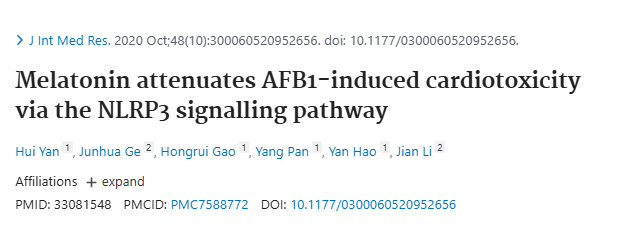

pubmed.ncbi.nlm.nih.gov/19817880/
pubmed.ncbi.nlm.nih.gov/23766606/
pubmed.ncbi.nlm.nih.gov/14996107/
pubmed.ncbi.nlm.nih.gov/39887415/


19
That's all.
I hope that you enjoyed this thread and learned something from it.
If you did, make sure to leave a like/RT.
x.com/Helios_Movemen…
I hope that you enjoyed this thread and learned something from it.
If you did, make sure to leave a like/RT.
x.com/Helios_Movemen…