This is the MOST important thing to understand about health. The...

Dalton (Analyze & Optimize)@Outdoctrination
177 views
Sep 21, 2025
~6 min read
Advertisement
1
This is the MOST important thing to understand about health.
The antioxidant system protects you from every disease + aging.
But antioxidants aren't just about berries and chocolate.
Here's what you need to know to make yours in the top 1%
(🧵1/26)
The antioxidant system protects you from every disease + aging.
But antioxidants aren't just about berries and chocolate.
Here's what you need to know to make yours in the top 1%
(🧵1/26)
2
Why do we need antioxidants?
Every moment we are exposed to what are called reactive oxygen species (ROS).
These are molecules related to oxygen that are highly reactive, and:
◈ Damage every structural component of the cell (proteins, lipids, DNA)
◈ Dysregulates cell signaling
◈ Turns on inflammation
◈ Shuts down energy production
Literally every single disease is driven by these processes - collectively known as oxidative stress.
I can't stress enough how important it is.
(2/26)
Every moment we are exposed to what are called reactive oxygen species (ROS).
These are molecules related to oxygen that are highly reactive, and:
◈ Damage every structural component of the cell (proteins, lipids, DNA)
◈ Dysregulates cell signaling
◈ Turns on inflammation
◈ Shuts down energy production
Literally every single disease is driven by these processes - collectively known as oxidative stress.
I can't stress enough how important it is.
(2/26)
3
Where do these ROS come from?
1. The mitochondria during energy metabolism (main source)
2. Heavy metals / toxins
3. Inflammation
4. Radiation
and some other sources as well.
You will have ROS production, it's inevitable.
The question is how to limit their excessive production and
Luckily, we have a network of multiple different parts that protects us against them.
Let's get into some of the key nutrients
(3/26)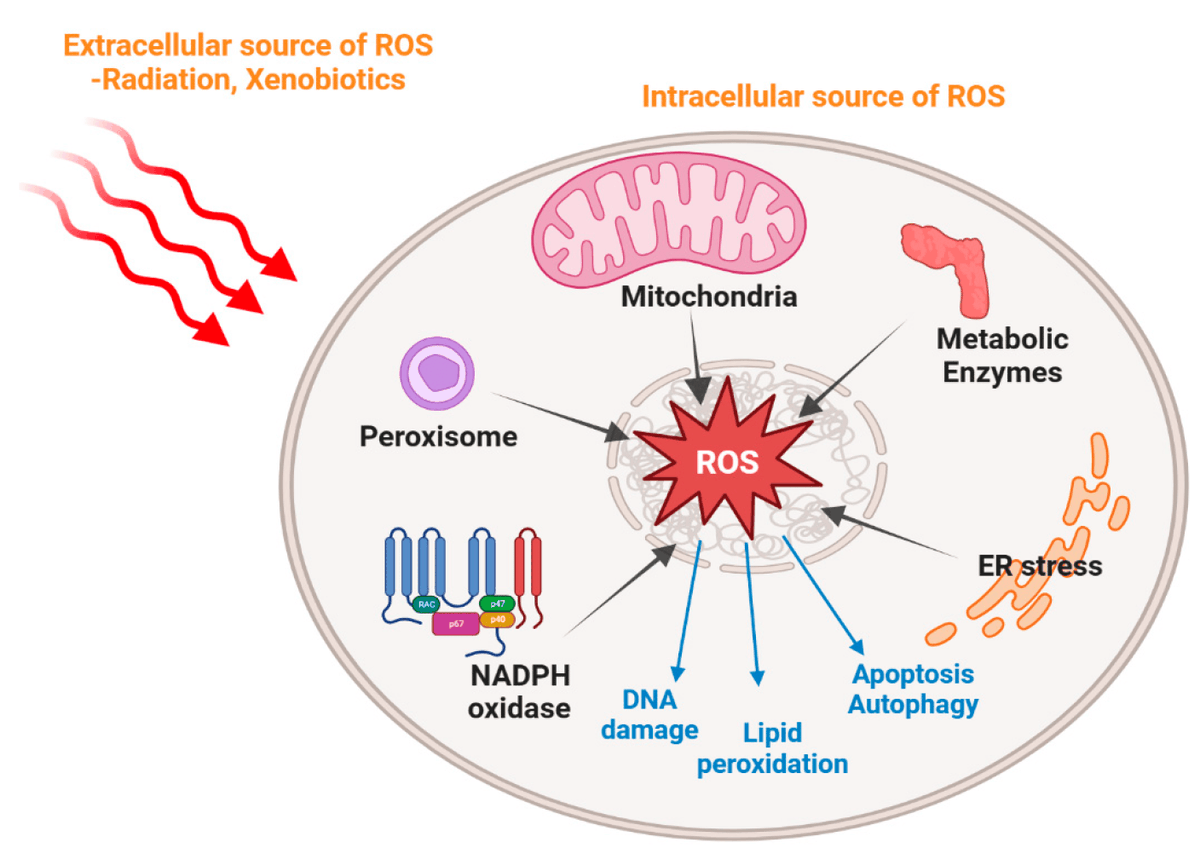
1. The mitochondria during energy metabolism (main source)
2. Heavy metals / toxins
3. Inflammation
4. Radiation
and some other sources as well.
You will have ROS production, it's inevitable.
The question is how to limit their excessive production and
Luckily, we have a network of multiple different parts that protects us against them.
Let's get into some of the key nutrients
(3/26)
4
COPPER
ROLE: Cofactor for Superoxide dismutase (SOD1) → converts superoxide → H₂O₂ (hydrogen peroxide).
This could be considered the first step in the defense - since superoxide is what is produced in the mitochondria and is much more reactive than hydrogen peroxide.
FOODS: Shellfish, liver, cacao.
SUPPLEMENTING: Copper bisglycinate or gluconate, 1–2 mg/day (typically I am not a fan of this - copper can cause oxidative stress in excess).
(4/26)
ROLE: Cofactor for Superoxide dismutase (SOD1) → converts superoxide → H₂O₂ (hydrogen peroxide).
This could be considered the first step in the defense - since superoxide is what is produced in the mitochondria and is much more reactive than hydrogen peroxide.
FOODS: Shellfish, liver, cacao.
SUPPLEMENTING: Copper bisglycinate or gluconate, 1–2 mg/day (typically I am not a fan of this - copper can cause oxidative stress in excess).
(4/26)
5
ZINC
ROLE: Cofactor for Cu/Zn-SOD, and for metallothionein, which chelates heavy metals.
FOODS: Oysters, beef, dairy.
SUPPLEMENTS: Zinc gluconate / sulfate 15–30 mg/day.
(5/26)
ROLE: Cofactor for Cu/Zn-SOD, and for metallothionein, which chelates heavy metals.
FOODS: Oysters, beef, dairy.
SUPPLEMENTS: Zinc gluconate / sulfate 15–30 mg/day.
(5/26)
6
MANGANESE
ROLE: Cofactor for Mn-SOD (SOD2) in mitochondria → quenches superoxide at the source.
Food: Pineapple, oats, mussels, leafy greens.
Supplements: Manganese bisglycinate, 1–5 mg/day.
(6/26)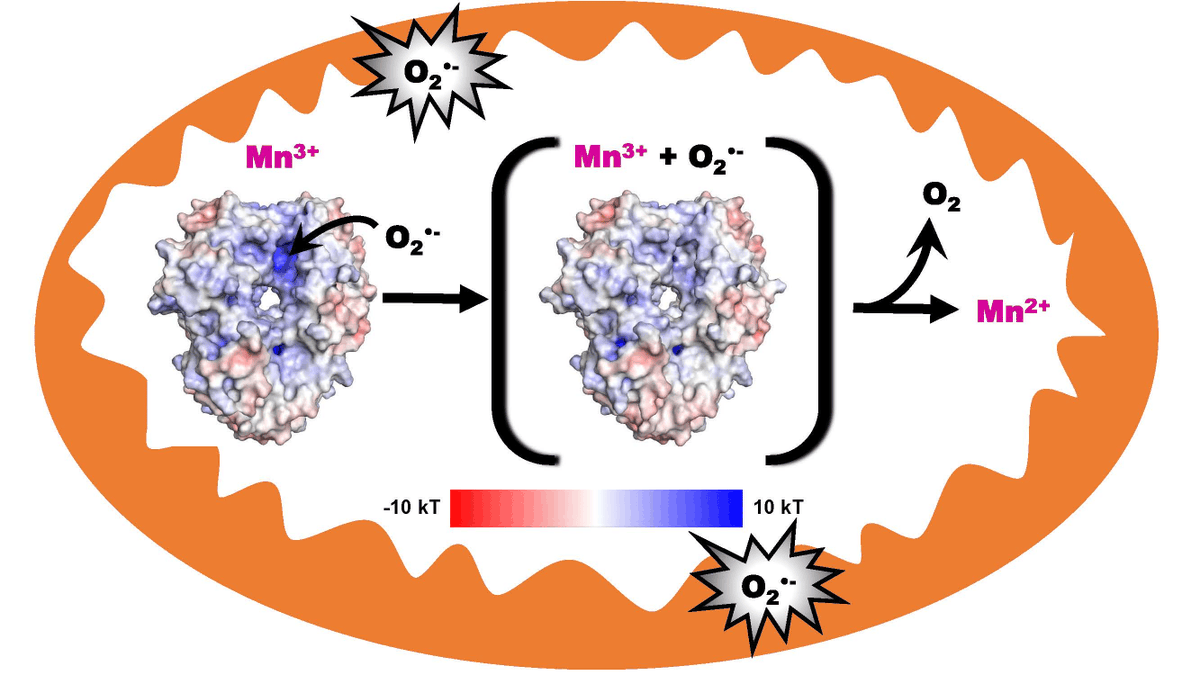
ROLE: Cofactor for Mn-SOD (SOD2) in mitochondria → quenches superoxide at the source.
Food: Pineapple, oats, mussels, leafy greens.
Supplements: Manganese bisglycinate, 1–5 mg/day.
(6/26)
7
IRON
ROLE: Cofactor for catalase (which converts hydrogen peroxide → water + oxygen) + precursor to biliverdin (antioxidant)
FOODS: Red meat, shellfish.
SUPPLEMENTS: Again not a fan of this - excess iron drives Fenton reactions → ROS.
(7/26)
ROLE: Cofactor for catalase (which converts hydrogen peroxide → water + oxygen) + precursor to biliverdin (antioxidant)
FOODS: Red meat, shellfish.
SUPPLEMENTS: Again not a fan of this - excess iron drives Fenton reactions → ROS.
(7/26)
8
VITAMIN E
ROLE: Stops lipid peroxidation in membranes - the process by which polyunsaturated fats get damaged, which initiates a chain reaction.
FOODS: Olive oil, avocado (ratio of polyunsaturated fats to E is the key)
SUPPLEMENTS: Mixed tocopherols/tocotrienols, 200–800 IU/day.
(8/26)
ROLE: Stops lipid peroxidation in membranes - the process by which polyunsaturated fats get damaged, which initiates a chain reaction.
FOODS: Olive oil, avocado (ratio of polyunsaturated fats to E is the key)
SUPPLEMENTS: Mixed tocopherols/tocotrienols, 200–800 IU/day.
(8/26)
9
VITAMIN C
ROLE: Recycles oxidized vitamin E; regenerates glutathione; direct ROS scavenger.
FOODS: Citrus, kiwi, bell peppers.
SUPPLEMENTING: Ascorbic acid, camu camu, or acerola cherry powder, 500–2000 mg/day.
(9/26)
ROLE: Recycles oxidized vitamin E; regenerates glutathione; direct ROS scavenger.
FOODS: Citrus, kiwi, bell peppers.
SUPPLEMENTING: Ascorbic acid, camu camu, or acerola cherry powder, 500–2000 mg/day.
(9/26)
10
GLYCINE
ROLE: Required for glutathione synthesis
Glutathione is considered the "master antioxidant" because it acts as a cofactor for both glutathione reductase (helps recycle E and C) and for glutathione peroxidase (detoxifies lipid peroxides).
FOODS: Gelatin, collagen, bone broth, pork skin.
SUPPLEMENTS: Glycine powder, 3–10 g/day.
(10/26)
ROLE: Required for glutathione synthesis
Glutathione is considered the "master antioxidant" because it acts as a cofactor for both glutathione reductase (helps recycle E and C) and for glutathione peroxidase (detoxifies lipid peroxides).
FOODS: Gelatin, collagen, bone broth, pork skin.
SUPPLEMENTS: Glycine powder, 3–10 g/day.
(10/26)
11
CYSTEINE
ROLE: Rate-limiting amino acid for glutathione synthesis
FOODS: Meat, eggs, dairy, allium veggies (garlic, onions).
SUPPLEMENTS: N-acetylcysteine (NAC) 600–1800 mg/day
(11/26)
ROLE: Rate-limiting amino acid for glutathione synthesis
FOODS: Meat, eggs, dairy, allium veggies (garlic, onions).
SUPPLEMENTS: N-acetylcysteine (NAC) 600–1800 mg/day
(11/26)
12
VITAMIN B1 (THIAMINE)
ROLE: Cofactor for transketolase in the pentose phosphate pathway → generates NADPH for glutathione reductase.
FOODS: Pork, legumes, whole grains.
SUPPLEMENTS: Thiamine HCl or benfotiamine, 50–300 mg/day.
(12/26)
ROLE: Cofactor for transketolase in the pentose phosphate pathway → generates NADPH for glutathione reductase.
FOODS: Pork, legumes, whole grains.
SUPPLEMENTS: Thiamine HCl or benfotiamine, 50–300 mg/day.
(12/26)
13
VITAMIN B2 (RIBOFLAVIN)
ROLE: FAD cofactor for glutathione reductase; recycles glutathione.
FOODS: Dairy, eggs, liver, almonds.
SUPPLEMENTS: Riboflavin-5′-phosphate, 10–100 mg/day.
(13/26)
ROLE: FAD cofactor for glutathione reductase; recycles glutathione.
FOODS: Dairy, eggs, liver, almonds.
SUPPLEMENTS: Riboflavin-5′-phosphate, 10–100 mg/day.
(13/26)
14
VITAMIN B3 (niacin, NAD⁺ precursor)
ROLE: Fuels NADPH generation, which recycles glutathione (see above)
FOODS: Meat, fish, peanuts.
SUPPLEMENTS: Niacin, nicotinamide, NR/NMN, 250–1000 mg/day (form-dependent).
(14/26)
ROLE: Fuels NADPH generation, which recycles glutathione (see above)
FOODS: Meat, fish, peanuts.
SUPPLEMENTS: Niacin, nicotinamide, NR/NMN, 250–1000 mg/day (form-dependent).
(14/26)
15
SELENIUM
ROLE: Cofactor for glutathione peroxidase & thioredoxin reductase (which recycles NADPH).
FOODS: Brazil nuts, seafood, eggs.
SUPPLEMENTS: Selenomethionine, 100–200 mcg/day.
(15/26)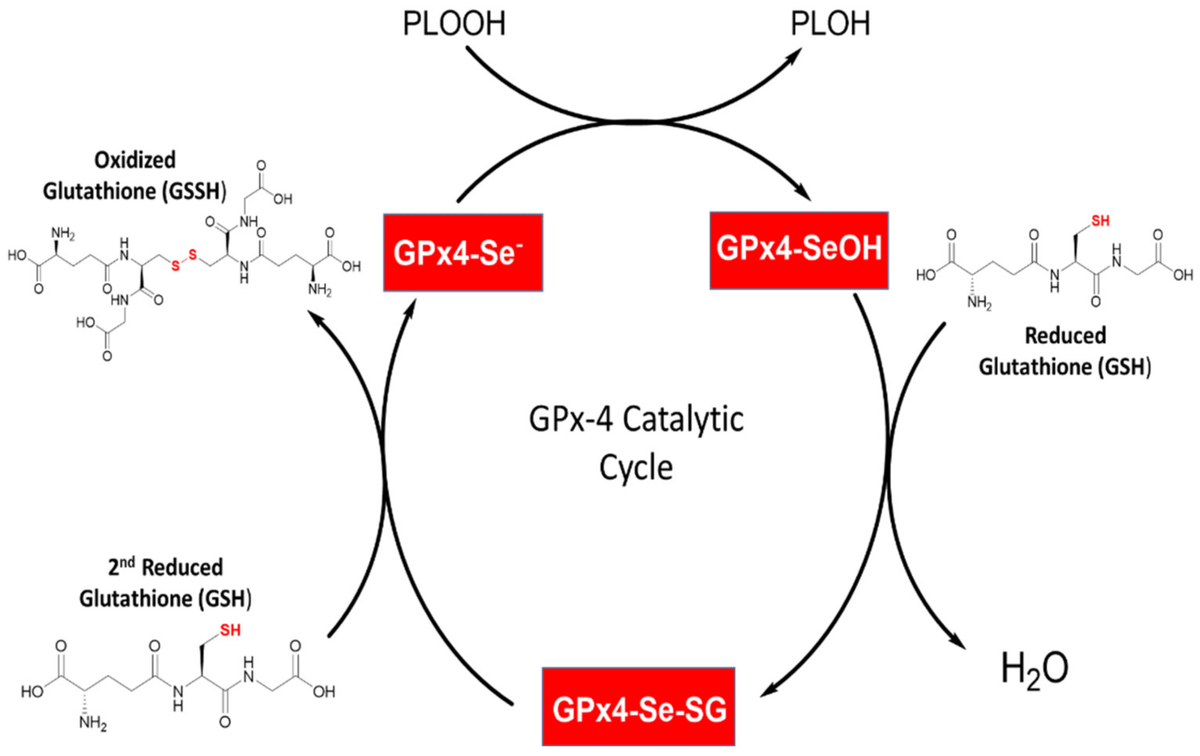
ROLE: Cofactor for glutathione peroxidase & thioredoxin reductase (which recycles NADPH).
FOODS: Brazil nuts, seafood, eggs.
SUPPLEMENTS: Selenomethionine, 100–200 mcg/day.
(15/26)
16
COENZYME Q10
ROLE: Directly quenches ROS in the mitochondria
FOODS: Meat, beef heart
SUPPLEMENTS: Ubiquinone / ubiquinol - 100-300 mg / day
(16/26)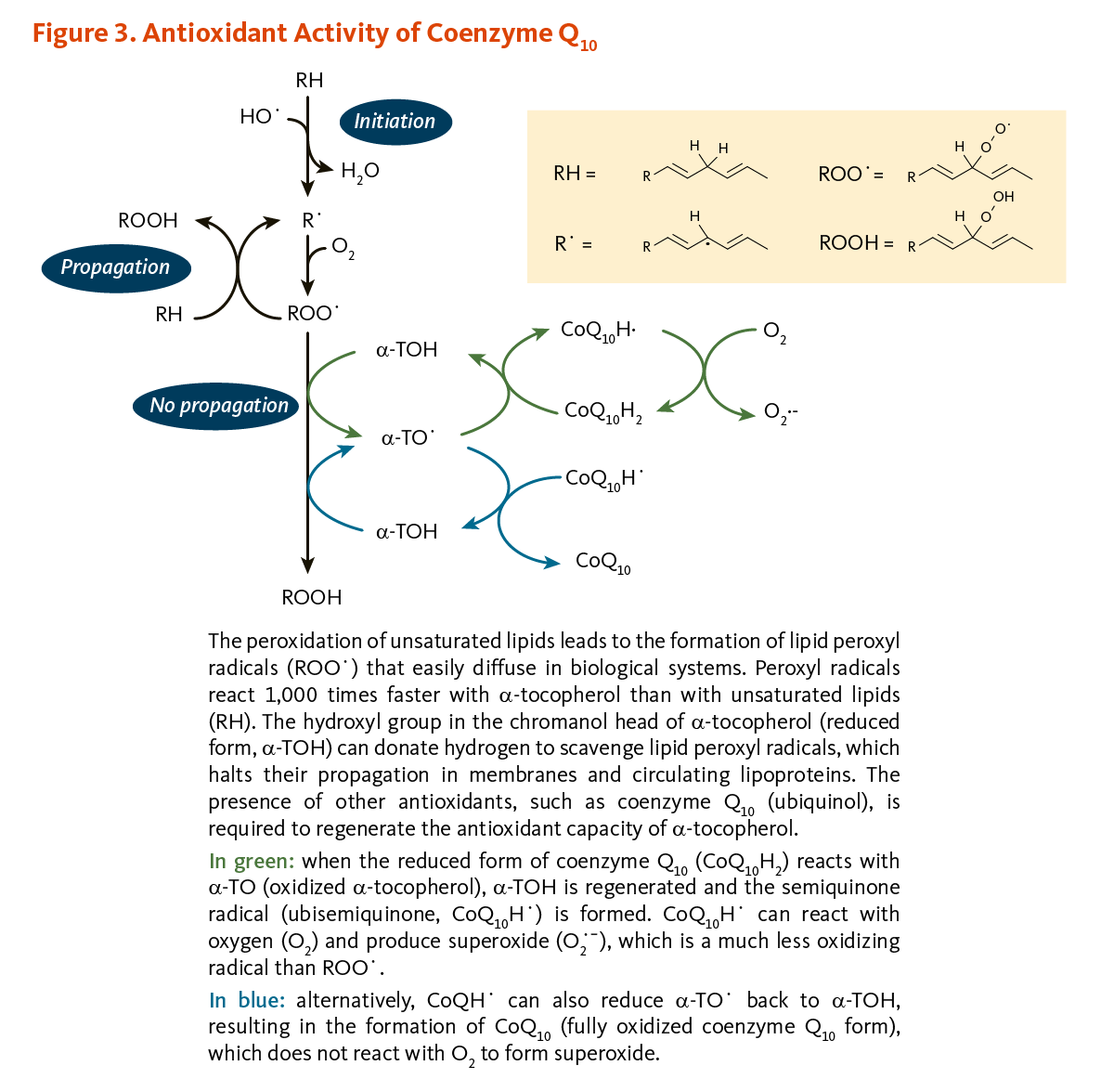
ROLE: Directly quenches ROS in the mitochondria
FOODS: Meat, beef heart
SUPPLEMENTS: Ubiquinone / ubiquinol - 100-300 mg / day
(16/26)
17
GLUCOSE / CARBS
ROLE: Insulin stimulates glutathione synthesis, fuels the pentose phosphate pathway, which regenerates NADPH.
FOODS: Potatoes, rice, honey, milk, fruit / juices
Being insulin sensitive / being able to tolerate them is key (see below)

ROLE: Insulin stimulates glutathione synthesis, fuels the pentose phosphate pathway, which regenerates NADPH.
FOODS: Potatoes, rice, honey, milk, fruit / juices
Being insulin sensitive / being able to tolerate them is key (see below)
Dalton (Analyze & Optimize)@Outdoctrination
Diabetes & insulin resistance plague nearly 90% of the Western world,
because modern medicine doesn't understand, prevent or treat it properly.
Let's talk about the TRUTH about INSULIN RESISTANCE - how it REALLY happens, and what to do about it:
because modern medicine doesn't understand, prevent or treat it properly.
Let's talk about the TRUTH about INSULIN RESISTANCE - how it REALLY happens, and what to do about it:
18
VITAMIN A
ROLE: Lipid-soluble antioxidant; quenches singlet oxygen and protects membranes. Works alongside vitamin E to stabilize PUFA-rich tissues (esp. retina, skin).
FOODS: Liver, dairy fat, egg yolks, cod liver oil.
SUPPLEMENTS: Retinyl palmitate or acetate, 2500–10,000 IU/day (avoid chronic excess, balance w vit D).
(18/26)
ROLE: Lipid-soluble antioxidant; quenches singlet oxygen and protects membranes. Works alongside vitamin E to stabilize PUFA-rich tissues (esp. retina, skin).
FOODS: Liver, dairy fat, egg yolks, cod liver oil.
SUPPLEMENTS: Retinyl palmitate or acetate, 2500–10,000 IU/day (avoid chronic excess, balance w vit D).
(18/26)
19
Mitochondrial function is directly linked to this.
If the mitochondria aren't working properly, you'll be generating much more ROS and producing less ATP to synthesize glutathione.
Thread on mitochondrial optimization below.

If the mitochondria aren't working properly, you'll be generating much more ROS and producing less ATP to synthesize glutathione.
Thread on mitochondrial optimization below.
Dalton (Analyze & Optimize)@Outdoctrination
READ THIS IF YOU ARE ALWAYS TIRED (no matter how much you rest).
It's not in your head. It's not normal, but it is fixable.
Let's talk about what causes FATIGUE + TIREDNESS, and what you can do about it to have flying energy levels for life:
It's not in your head. It's not normal, but it is fixable.
Let's talk about what causes FATIGUE + TIREDNESS, and what you can do about it to have flying energy levels for life:
20
Now we get to the importance of other unique antioxidants.
These are important, no doubt. BUT - they are SECONDARY to your primary defense systems we just talked about.
Plants are rich in molecules called polyphenols, which can act as direct scavengers of ROS.
A quick guide to them:
FLAVONOIDS
Quercetin → onions, apples, capers.
Catechins (EGCG) → green tea, dark chocolate.
Anthocyanins → blueberries, blackberries, purple cabbage.
Isoflavones → soy, legumes.
PHENOLIC ACIDS
Chlorogenic acid → coffee, apples, pears.
Caffeic acid → coffee, herbs, wine.
Ferulic acid → whole grains, rice bran, citrus, coconut oil
CAROTENOIDS
β-carotene → carrots, pumpkin, sweet potatoes.
Lycopene → tomatoes (esp. cooked), watermelon.
Astaxanthin → salmon, shrimp, krill.
Lutein/zeaxanthin → spinach, kale, egg yolk.
OTHERS
Curcumin → turmeric (boosted with black pepper/piperine).
Resveratrol → red grapes, red wine, peanuts, dark chocolate.
Sulforaphane → broccoli sprouts, crucifers.
Ellagic acid → pomegranate, berries, walnuts.
Theaflavins → black tea.
Hydroxytyrosol & oleuropein → extra virgin olive oil.
(20/26)
These are important, no doubt. BUT - they are SECONDARY to your primary defense systems we just talked about.
Plants are rich in molecules called polyphenols, which can act as direct scavengers of ROS.
A quick guide to them:
FLAVONOIDS
Quercetin → onions, apples, capers.
Catechins (EGCG) → green tea, dark chocolate.
Anthocyanins → blueberries, blackberries, purple cabbage.
Isoflavones → soy, legumes.
PHENOLIC ACIDS
Chlorogenic acid → coffee, apples, pears.
Caffeic acid → coffee, herbs, wine.
Ferulic acid → whole grains, rice bran, citrus, coconut oil
CAROTENOIDS
β-carotene → carrots, pumpkin, sweet potatoes.
Lycopene → tomatoes (esp. cooked), watermelon.
Astaxanthin → salmon, shrimp, krill.
Lutein/zeaxanthin → spinach, kale, egg yolk.
OTHERS
Curcumin → turmeric (boosted with black pepper/piperine).
Resveratrol → red grapes, red wine, peanuts, dark chocolate.
Sulforaphane → broccoli sprouts, crucifers.
Ellagic acid → pomegranate, berries, walnuts.
Theaflavins → black tea.
Hydroxytyrosol & oleuropein → extra virgin olive oil.
(20/26)
21
We also have animal based antioxidants.
CARNOSINE:
Role: Scavenges hydroxyl radicals, quenches reactive carbonyls, buffers pH in muscle.
Foods: Meat, poultry, fish (esp. beef & chicken).
ANSERINE:
Role: Similar to carnosine; antioxidant & pH buffer.
Foods: Poultry, fish (salmon, tuna).
Animal foods are also the best source of all amino acids, which are needed to produce all of these enzymes and especially for glutathione production.
(21/26)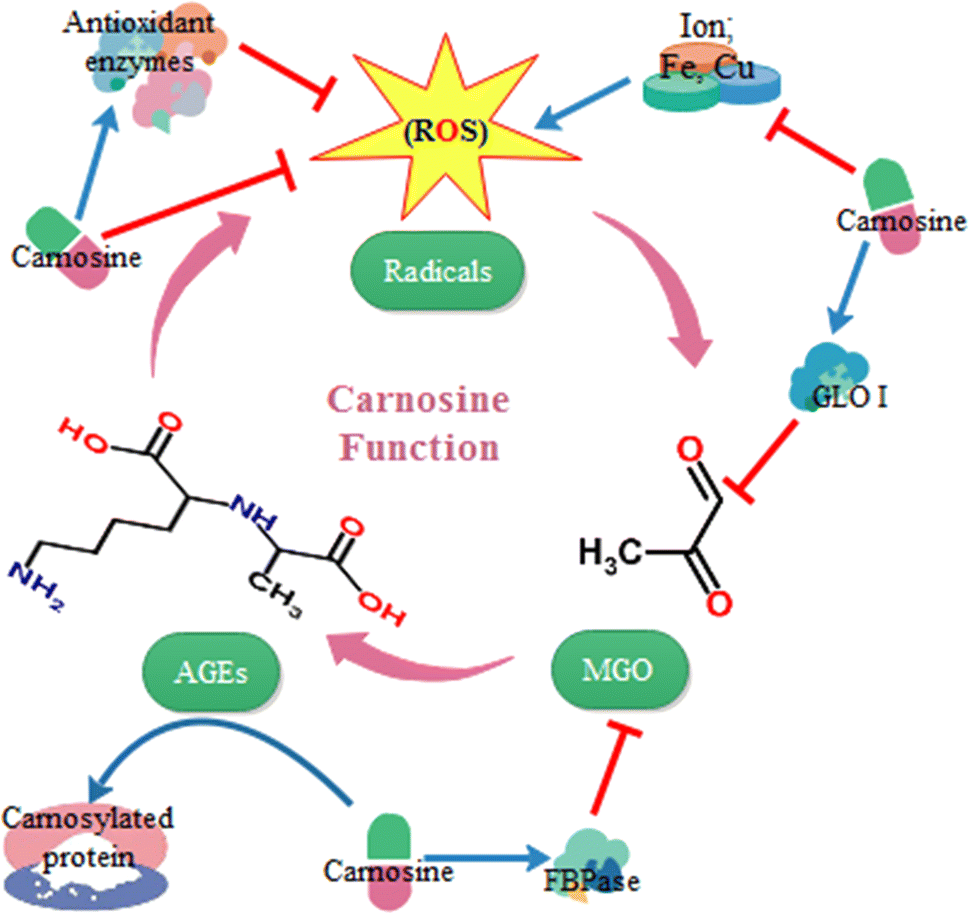
CARNOSINE:
Role: Scavenges hydroxyl radicals, quenches reactive carbonyls, buffers pH in muscle.
Foods: Meat, poultry, fish (esp. beef & chicken).
ANSERINE:
Role: Similar to carnosine; antioxidant & pH buffer.
Foods: Poultry, fish (salmon, tuna).
Animal foods are also the best source of all amino acids, which are needed to produce all of these enzymes and especially for glutathione production.
(21/26)
22
There is also a key mushroom antioxidant - ERGOTHIONEINE
ROLE: Scavenges ROS & protects DNA/proteins from oxidation.
Food: Highest in mushrooms (shiitake, oyster, king trumpet)
More on that below

ROLE: Scavenges ROS & protects DNA/proteins from oxidation.
Food: Highest in mushrooms (shiitake, oyster, king trumpet)
More on that below
Dalton (Analyze & Optimize)@Outdoctrination
Literally a handful of these a day can:
𓋼 Prevent cancer by nearly 50%
𓋼 Prevent cognitive decline by 75%
𓋼 Boost mood
𓋼 Restore digestive health
𓋼 Increase lifespan
& more.
Let's talk about the incredible benefits of EDIBLE MUSHROOMS (no not the tripping kind).
THREAD:
𓋼 Prevent cancer by nearly 50%
𓋼 Prevent cognitive decline by 75%
𓋼 Boost mood
𓋼 Restore digestive health
𓋼 Increase lifespan
& more.
Let's talk about the incredible benefits of EDIBLE MUSHROOMS (no not the tripping kind).
THREAD:
23
There is also the NRF-2 protein - a master regulator of antioxidant enzymes.
Essentially, if this gets activated, all antioxidant enzymes get upregulated.
Some things that boost it:
➥ Taurine
➥ Exercise
➥ T3 (thyroid hormone)
➥ Many of the polyphenols mentioned above
(23/26)
Essentially, if this gets activated, all antioxidant enzymes get upregulated.
Some things that boost it:
➥ Taurine
➥ Exercise
➥ T3 (thyroid hormone)
➥ Many of the polyphenols mentioned above
(23/26)
24
We also need to understand the importance of melatonin.
Melatonin is an exceptionally unique antioxidant.
Melatonin itself scavenges a wide range of reactive species,
but when it neutralizes a radical, it doesn’t just become inactive - it turns into bioactive metabolites that can continue scavenging ROS.
This creates what’s called the antioxidant cascade: one melatonin molecule can mop up multiple free radicals sequentially.
Melatonin also accumulates in mitochondria where it is often most needed.
This can be supplemented of course, but the key to natural melatonin production is to get bright morning sunlight in your eyes and then to shut out all bright + blue light at night.
(24/26)
Melatonin is an exceptionally unique antioxidant.
Melatonin itself scavenges a wide range of reactive species,
but when it neutralizes a radical, it doesn’t just become inactive - it turns into bioactive metabolites that can continue scavenging ROS.
This creates what’s called the antioxidant cascade: one melatonin molecule can mop up multiple free radicals sequentially.
Melatonin also accumulates in mitochondria where it is often most needed.
This can be supplemented of course, but the key to natural melatonin production is to get bright morning sunlight in your eyes and then to shut out all bright + blue light at night.
(24/26)
25
MELANIN is also a vital antioxidant.
Melanin is produced in our skin and in our brain in response to sunlight.
Melanin can act as an antioxidant, and chelate heavy metals as well - just don't get burnt in the sun as that will drive oxidative damage.
(25/26)
Melanin is produced in our skin and in our brain in response to sunlight.
Melanin can act as an antioxidant, and chelate heavy metals as well - just don't get burnt in the sun as that will drive oxidative damage.
(25/26)
26
Alpha lipoic acid also deserves a mention.
It serves as a cofactor for mitochondrial energy production, but it also has a direct antioxidant role.
It can be supplemented as well - just note that it can strongly chelate and displace heavy metals, which can cause redistribution and potentially worsen symptoms.
(26/26)
It serves as a cofactor for mitochondrial energy production, but it also has a direct antioxidant role.
It can be supplemented as well - just note that it can strongly chelate and displace heavy metals, which can cause redistribution and potentially worsen symptoms.
(26/26)
27
If YOU want PERSONALIZED, IN DEPTH help from us with any of your health goals, schedule a free call here: go.prism.miami/consultation
28
If you’re interested in getting lab testing, we offer a ton of different tests you can get without even needing to go to a doctor below. 10% off using code “ANALYZE” at checkout. revelationdiagnostics.com
