This is the MOST important thing to understand about health.
The antioxidant system protects you from every disease + aging.
But antioxidants aren't just about berries and chocolate.
Here's what you need to know to make yours in the top 1%
(🧵1/26)


Why do we need antioxidants?
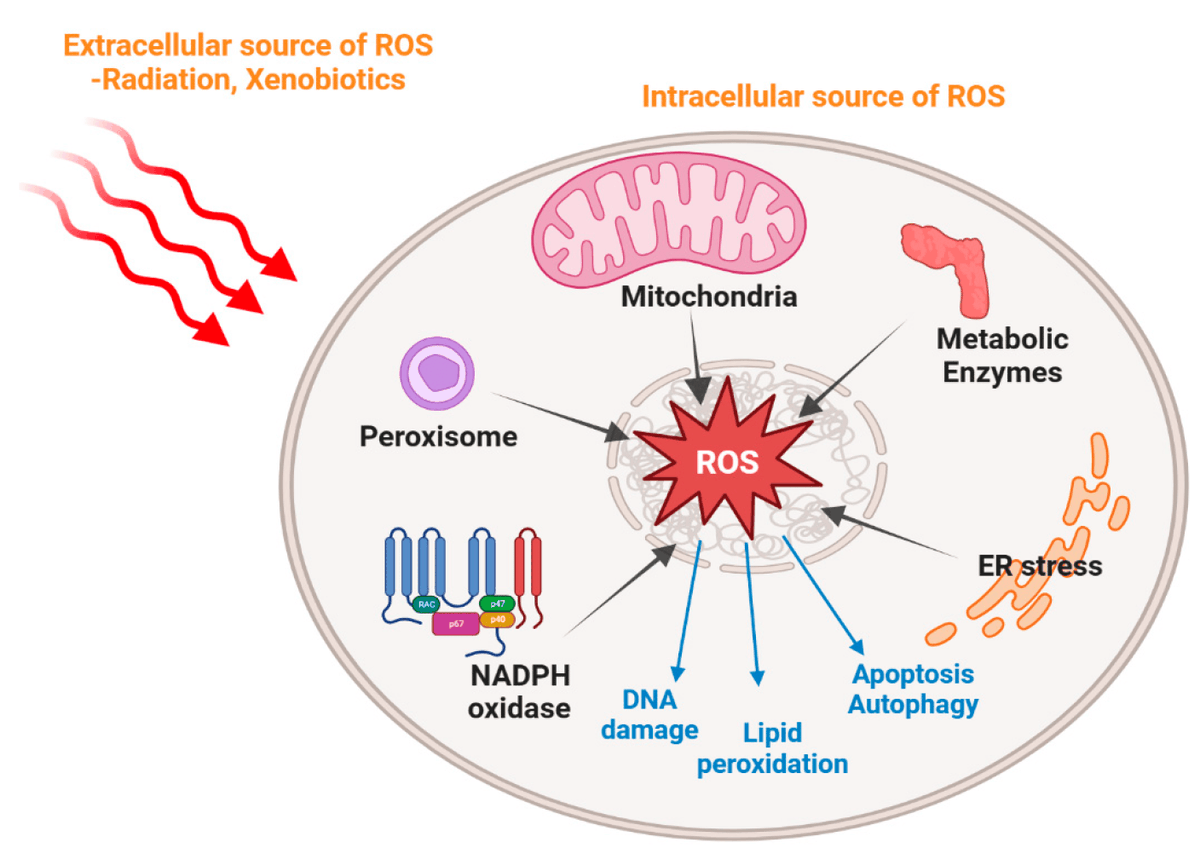
Every moment we are exposed to what are called reactive oxygen species (ROS).
These are molecules related to oxygen that are highly reactive, and:
◈ Damage every structural component of the cell (proteins, lipids, DNA)
◈ Dysregulates cell signaling
◈ Turns on inflammation
◈ Shuts down energy production
Literally every single disease is driven by these processes - collectively known as oxidative stress.
I can't stress enough how important it is.
(2/26)
Every moment we are exposed to what are called reactive oxygen species (ROS).
These are molecules related to oxygen that are highly reactive, and:
◈ Damage every structural component of the cell (proteins, lipids, DNA)
◈ Dysregulates cell signaling
◈ Turns on inflammation
◈ Shuts down energy production
Literally every single disease is driven by these processes - collectively known as oxidative stress.
I can't stress enough how important it is.
(2/26)
Where do these ROS come from?
1. The mitochondria during energy metabolism (main source)
2. Heavy metals / toxins
3. Inflammation
4. Radiation
and some other sources as well.
You will have ROS production, it's inevitable.
The question is how to limit their excessive production and
Luckily, we have a network of multiple different parts that protects us against them.
Let's get into some of the key nutrients
(3/26)
1. The mitochondria during energy metabolism (main source)
2. Heavy metals / toxins
3. Inflammation
4. Radiation
and some other sources as well.
You will have ROS production, it's inevitable.
The question is how to limit their excessive production and
Luckily, we have a network of multiple different parts that protects us against them.
Let's get into some of the key nutrients
(3/26)
COPPER
ROLE: Cofactor for Superoxide dismutase (SOD1) → converts superoxide → H₂O₂ (hydrogen peroxide).
This could be considered the first step in the defense - since superoxide is what is produced in the mitochondria and is much more reactive than hydrogen peroxide.
FOODS: Shellfish, liver, cacao.
SUPPLEMENTING: Copper bisglycinate or gluconate, 1–2 mg/day (typically I am not a fan of this - copper can cause oxidative stress in excess).
(4/26)
ROLE: Cofactor for Superoxide dismutase (SOD1) → converts superoxide → H₂O₂ (hydrogen peroxide).
This could be considered the first step in the defense - since superoxide is what is produced in the mitochondria and is much more reactive than hydrogen peroxide.
FOODS: Shellfish, liver, cacao.
SUPPLEMENTING: Copper bisglycinate or gluconate, 1–2 mg/day (typically I am not a fan of this - copper can cause oxidative stress in excess).
(4/26)

ZINC
ROLE: Cofactor for Cu/Zn-SOD, and for metallothionein, which chelates heavy metals.
FOODS: Oysters, beef, dairy.
SUPPLEMENTS: Zinc gluconate / sulfate 15–30 mg/day.
(5/26)
ROLE: Cofactor for Cu/Zn-SOD, and for metallothionein, which chelates heavy metals.
FOODS: Oysters, beef, dairy.
SUPPLEMENTS: Zinc gluconate / sulfate 15–30 mg/day.
(5/26)

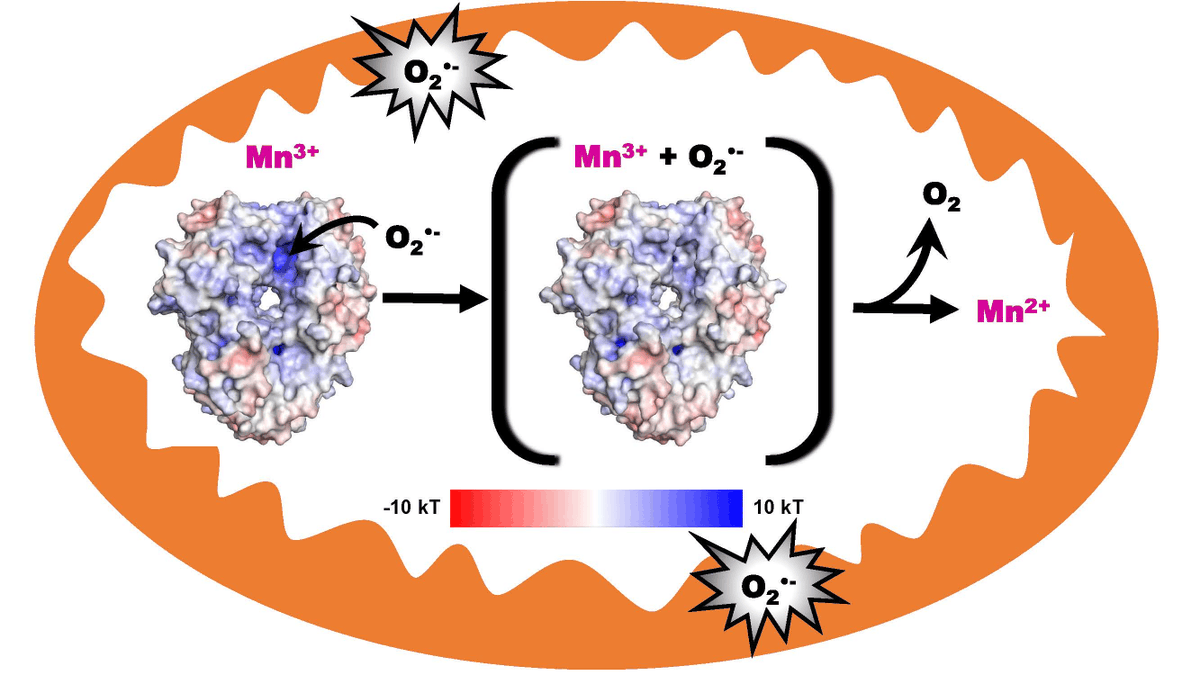
MANGANESE
ROLE: Cofactor for Mn-SOD (SOD2) in mitochondria → quenches superoxide at the source.
Food: Pineapple, oats, mussels, leafy greens.
Supplements: Manganese bisglycinate, 1–5 mg/day.
(6/26)
ROLE: Cofactor for Mn-SOD (SOD2) in mitochondria → quenches superoxide at the source.
Food: Pineapple, oats, mussels, leafy greens.
Supplements: Manganese bisglycinate, 1–5 mg/day.
(6/26)
IRON
ROLE: Cofactor for catalase (which converts hydrogen peroxide → water + oxygen) + precursor to biliverdin (antioxidant)
FOODS: Red meat, shellfish.
SUPPLEMENTS: Again not a fan of this - excess iron drives Fenton reactions → ROS.
(7/26)
ROLE: Cofactor for catalase (which converts hydrogen peroxide → water + oxygen) + precursor to biliverdin (antioxidant)
FOODS: Red meat, shellfish.
SUPPLEMENTS: Again not a fan of this - excess iron drives Fenton reactions → ROS.
(7/26)

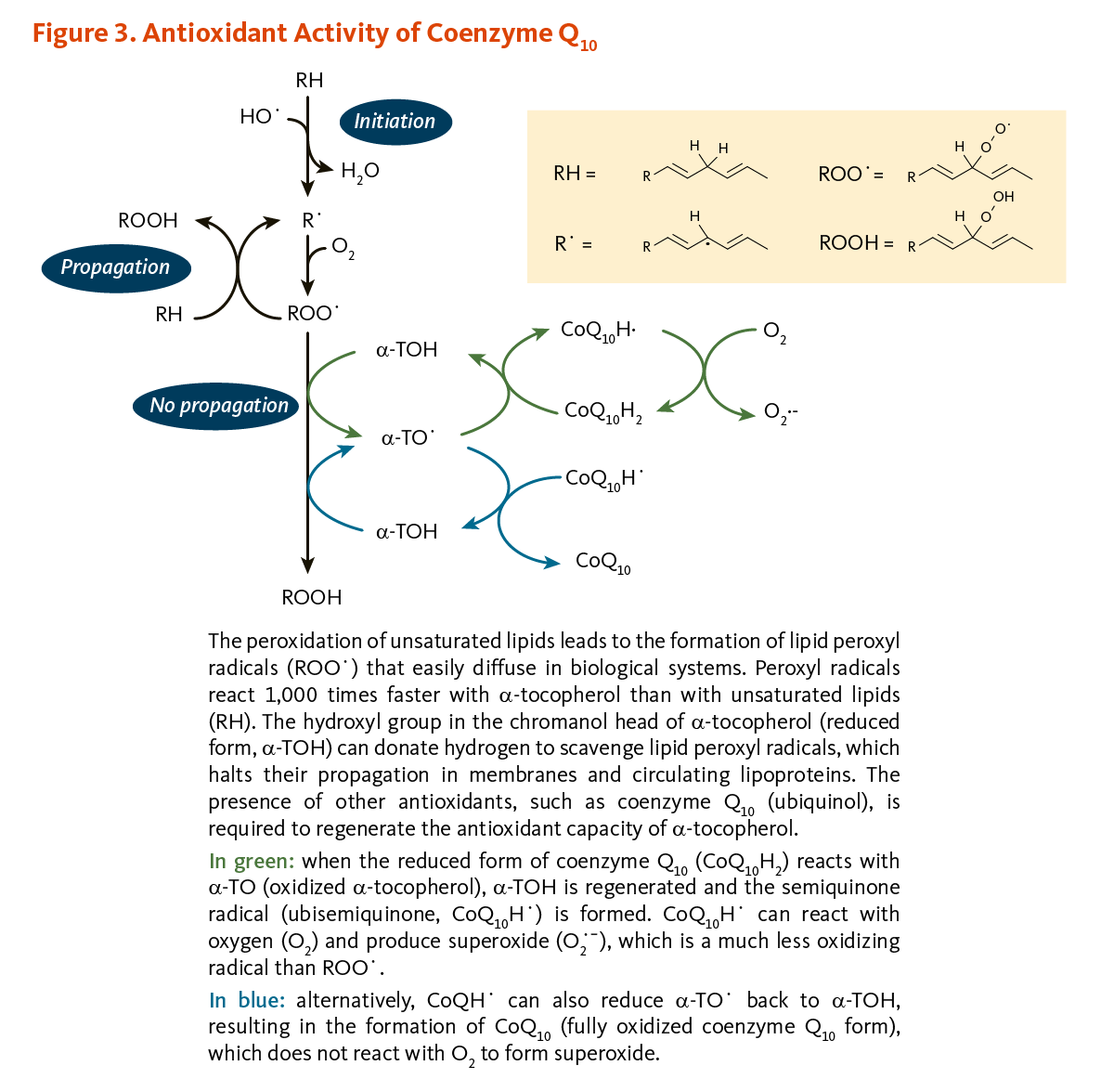
VITAMIN E
ROLE: Stops lipid peroxidation in membranes - the process by which polyunsaturated fats get damaged, which initiates a chain reaction.
FOODS: Olive oil, avocado (ratio of polyunsaturated fats to E is the key)
SUPPLEMENTS: Mixed tocopherols/tocotrienols, 200–800 IU/day.
(8/26)
ROLE: Stops lipid peroxidation in membranes - the process by which polyunsaturated fats get damaged, which initiates a chain reaction.
FOODS: Olive oil, avocado (ratio of polyunsaturated fats to E is the key)
SUPPLEMENTS: Mixed tocopherols/tocotrienols, 200–800 IU/day.
(8/26)

VITAMIN C
ROLE: Recycles oxidized vitamin E; regenerates glutathione; direct ROS scavenger.
FOODS: Citrus, kiwi, bell peppers.
SUPPLEMENTING: Ascorbic acid, camu camu, or acerola cherry powder, 500–2000 mg/day.
(9/26)
ROLE: Recycles oxidized vitamin E; regenerates glutathione; direct ROS scavenger.
FOODS: Citrus, kiwi, bell peppers.
SUPPLEMENTING: Ascorbic acid, camu camu, or acerola cherry powder, 500–2000 mg/day.
(9/26)

GLYCINE
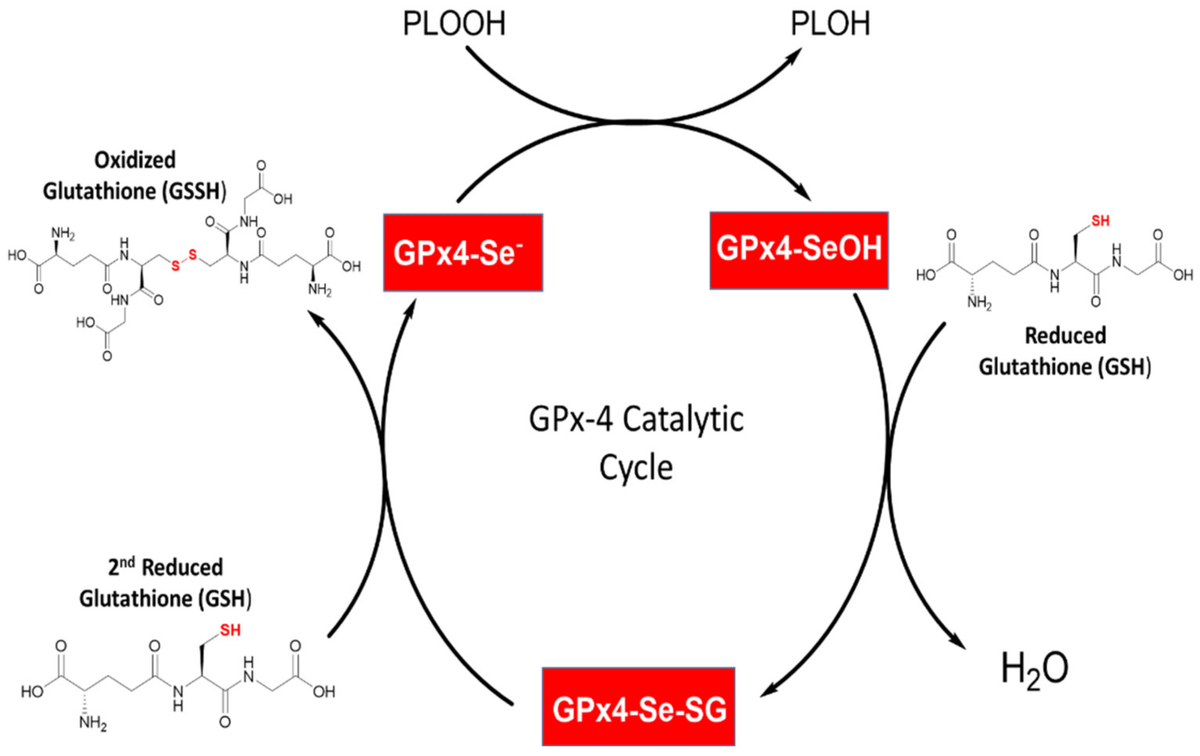
ROLE: Required for glutathione synthesis
Glutathione is considered the "master antioxidant" because it acts as a cofactor for both glutathione reductase (helps recycle E and C) and for glutathione peroxidase (detoxifies lipid peroxides).
FOODS: Gelatin, collagen, bone broth, pork skin.
SUPPLEMENTS: Glycine powder, 3–10 g/day.
(10/26)
ROLE: Required for glutathione synthesis
Glutathione is considered the "master antioxidant" because it acts as a cofactor for both glutathione reductase (helps recycle E and C) and for glutathione peroxidase (detoxifies lipid peroxides).
FOODS: Gelatin, collagen, bone broth, pork skin.
SUPPLEMENTS: Glycine powder, 3–10 g/day.
(10/26)

CYSTEINE
ROLE: Rate-limiting amino acid for glutathione synthesis
FOODS: Meat, eggs, dairy, allium veggies (garlic, onions).
SUPPLEMENTS: N-acetylcysteine (NAC) 600–1800 mg/day
(11/26)
ROLE: Rate-limiting amino acid for glutathione synthesis
FOODS: Meat, eggs, dairy, allium veggies (garlic, onions).
SUPPLEMENTS: N-acetylcysteine (NAC) 600–1800 mg/day
(11/26)

VITAMIN B1 (THIAMINE)
ROLE: Cofactor for transketolase in the pentose phosphate pathway → generates NADPH for glutathione reductase.
FOODS: Pork, legumes, whole grains.
SUPPLEMENTS: Thiamine HCl or benfotiamine, 50–300 mg/day.
(12/26)
ROLE: Cofactor for transketolase in the pentose phosphate pathway → generates NADPH for glutathione reductase.
FOODS: Pork, legumes, whole grains.
SUPPLEMENTS: Thiamine HCl or benfotiamine, 50–300 mg/day.
(12/26)

VITAMIN B2 (RIBOFLAVIN)
ROLE: FAD cofactor for glutathione reductase; recycles glutathione.
FOODS: Dairy, eggs, liver, almonds.
SUPPLEMENTS: Riboflavin-5′-phosphate, 10–100 mg/day.
(13/26)
ROLE: FAD cofactor for glutathione reductase; recycles glutathione.
FOODS: Dairy, eggs, liver, almonds.
SUPPLEMENTS: Riboflavin-5′-phosphate, 10–100 mg/day.
(13/26)

VITAMIN B3 (niacin, NAD⁺ precursor)
ROLE: Fuels NADPH generation, which recycles glutathione (see above)
FOODS: Meat, fish, peanuts.
SUPPLEMENTS: Niacin, nicotinamide, NR/NMN, 250–1000 mg/day (form-dependent).
(14/26)
ROLE: Fuels NADPH generation, which recycles glutathione (see above)
FOODS: Meat, fish, peanuts.
SUPPLEMENTS: Niacin, nicotinamide, NR/NMN, 250–1000 mg/day (form-dependent).
(14/26)
SELENIUM
ROLE: Cofactor for glutathione peroxidase & thioredoxin reductase (which recycles NADPH).
FOODS: Brazil nuts, seafood, eggs.
SUPPLEMENTS: Selenomethionine, 100–200 mcg/day.
(15/26)
ROLE: Cofactor for glutathione peroxidase & thioredoxin reductase (which recycles NADPH).
FOODS: Brazil nuts, seafood, eggs.
SUPPLEMENTS: Selenomethionine, 100–200 mcg/day.
(15/26)
COENZYME Q10
ROLE: Directly quenches ROS in the mitochondria
FOODS: Meat, beef heart
SUPPLEMENTS: Ubiquinone / ubiquinol - 100-300 mg / day
(16/26)
ROLE: Directly quenches ROS in the mitochondria
FOODS: Meat, beef heart
SUPPLEMENTS: Ubiquinone / ubiquinol - 100-300 mg / day
(16/26)
GLUCOSE / CARBS
ROLE: Insulin stimulates glutathione synthesis, fuels the pentose phosphate pathway, which regenerates NADPH.
FOODS: Potatoes, rice, honey, milk, fruit / juices
Being insulin sensitive / being able to tolerate them is key (see below)
ROLE: Insulin stimulates glutathione synthesis, fuels the pentose phosphate pathway, which regenerates NADPH.
FOODS: Potatoes, rice, honey, milk, fruit / juices
Being insulin sensitive / being able to tolerate them is key (see below)
View Tweet
VITAMIN A
ROLE: Lipid-soluble antioxidant; quenches singlet oxygen and protects membranes. Works alongside vitamin E to stabilize PUFA-rich tissues (esp. retina, skin).
FOODS: Liver, dairy fat, egg yolks, cod liver oil.
SUPPLEMENTS: Retinyl palmitate or acetate, 2500–10,000 IU/day (avoid chronic excess, balance w vit D).
(18/26)
ROLE: Lipid-soluble antioxidant; quenches singlet oxygen and protects membranes. Works alongside vitamin E to stabilize PUFA-rich tissues (esp. retina, skin).
FOODS: Liver, dairy fat, egg yolks, cod liver oil.
SUPPLEMENTS: Retinyl palmitate or acetate, 2500–10,000 IU/day (avoid chronic excess, balance w vit D).
(18/26)

Mitochondrial function is directly linked to this.
If the mitochondria aren't working properly, you'll be generating much more ROS and producing less ATP to synthesize glutathione.
Thread on mitochondrial optimization below.
If the mitochondria aren't working properly, you'll be generating much more ROS and producing less ATP to synthesize glutathione.
Thread on mitochondrial optimization below.
View Tweet
Now we get to the importance of other unique antioxidants.
These are important, no doubt. BUT - they are SECONDARY to your primary defense systems we just talked about.
Plants are rich in molecules called polyphenols, which can act as direct scavengers of ROS.
A quick guide to them:
FLAVONOIDS
Quercetin → onions, apples, capers.
Catechins (EGCG) → green tea, dark chocolate.
Anthocyanins → blueberries, blackberries, purple cabbage.
Isoflavones → soy, legumes.
PHENOLIC ACIDS
Chlorogenic acid → coffee, apples, pears.
Caffeic acid → coffee, herbs, wine.
Ferulic acid → whole grains, rice bran, citrus, coconut oil
CAROTENOIDS
β-carotene → carrots, pumpkin, sweet potatoes.
Lycopene → tomatoes (esp. cooked), watermelon.
Astaxanthin → salmon, shrimp, krill.
Lutein/zeaxanthin → spinach, kale, egg yolk.
OTHERS
Curcumin → turmeric (boosted with black pepper/piperine).
Resveratrol → red grapes, red wine, peanuts, dark chocolate.
Sulforaphane → broccoli sprouts, crucifers.
Ellagic acid → pomegranate, berries, walnuts.
Theaflavins → black tea.
Hydroxytyrosol & oleuropein → extra virgin olive oil.
(20/26)
These are important, no doubt. BUT - they are SECONDARY to your primary defense systems we just talked about.
Plants are rich in molecules called polyphenols, which can act as direct scavengers of ROS.
A quick guide to them:
FLAVONOIDS
Quercetin → onions, apples, capers.
Catechins (EGCG) → green tea, dark chocolate.
Anthocyanins → blueberries, blackberries, purple cabbage.
Isoflavones → soy, legumes.
PHENOLIC ACIDS
Chlorogenic acid → coffee, apples, pears.
Caffeic acid → coffee, herbs, wine.
Ferulic acid → whole grains, rice bran, citrus, coconut oil
CAROTENOIDS
β-carotene → carrots, pumpkin, sweet potatoes.
Lycopene → tomatoes (esp. cooked), watermelon.
Astaxanthin → salmon, shrimp, krill.
Lutein/zeaxanthin → spinach, kale, egg yolk.
OTHERS
Curcumin → turmeric (boosted with black pepper/piperine).
Resveratrol → red grapes, red wine, peanuts, dark chocolate.
Sulforaphane → broccoli sprouts, crucifers.
Ellagic acid → pomegranate, berries, walnuts.
Theaflavins → black tea.
Hydroxytyrosol & oleuropein → extra virgin olive oil.
(20/26)

Generated by Thread Navigator
Press ⌘ + S to quick-export
auto_awesome
Image exported!
Pro export renders embedded tweets & media at 2x Retina resolution.
Upgrade — $5 for 30 days