Stanford's leading addiction expert just exposed the modern...

Clint Jarvis@clinjar
18 views
Aug 26, 2025
~3 min read
Advertisement
1
Stanford's leading addiction expert just exposed the modern addiction crisis.
The unlikely cause? Too much pleasure
Her 25+ years of research reveals how it makes us anxious, addicted, and miserable.
Her 5 rules to break free & reclaim your brain:
The unlikely cause? Too much pleasure
Her 25+ years of research reveals how it makes us anxious, addicted, and miserable.
Her 5 rules to break free & reclaim your brain:
2
1. Name your "drug of choice" with brutal honesty.
What’s the ONE thing you can’t stop once you start?
Scrolling, shopping, gaming, sugar?
It gives a quick hit, then leaves you worse.
Naming it is the first step to taking back control.
What’s the ONE thing you can’t stop once you start?
Scrolling, shopping, gaming, sugar?
It gives a quick hit, then leaves you worse.
Naming it is the first step to taking back control.
1:54
3
2. Do a 30-day dopamine fast from that 1 thing.
Complete abstinence resets your pleasure-pain balance.
A suicidal gamer came to Dr. Lembke, playing every waking hour. After 30 screen-free days, his depression vanished.
Your brain needs time to clear the "gremlins."
Complete abstinence resets your pleasure-pain balance.
A suicidal gamer came to Dr. Lembke, playing every waking hour. After 30 screen-free days, his depression vanished.
Your brain needs time to clear the "gremlins."
2:03
4
3. Create "categorical binding rules" you never break.
"I only eat dessert on Saturdays"
"I check email twice daily at 10am and 4pm"
"I shop online only on the 1st of each month"
Patients using barriers succeed ~3x more than those using willpower.
"I only eat dessert on Saturdays"
"I check email twice daily at 10am and 4pm"
"I shop online only on the 1st of each month"
Patients using barriers succeed ~3x more than those using willpower.
1:07
5
4. Add deliberate discomfort to your daily routine.
Cold showers. Intense exercise. Fasting until noon.
Dr. Lembke's research proves deliberate discomfort creates lasting pleasure after.
The pain gets weaker. Natural high gets stronger.
This is EARNED dopamine.
Cold showers. Intense exercise. Fasting until noon.
Dr. Lembke's research proves deliberate discomfort creates lasting pleasure after.
The pain gets weaker. Natural high gets stronger.
This is EARNED dopamine.
1:30
6
5. Replace cheap dopamine with human connection.
Craving a dopamine hit? Call a friend instead of scrolling.
Play a board game with family instead of gaming alone.
Meet someone for coffee.
Real human connection gives lasting dopamine without the crash.
Craving a dopamine hit? Call a friend instead of scrolling.
Play a board game with family instead of gaming alone.
Meet someone for coffee.
Real human connection gives lasting dopamine without the crash.
1:17
7
The most convenient "drug of choice" for most people?
Your phone - it hijacks every pleasure pathway:
• Novelty (scroll)
• Validation (likes)
• Arousal (apps)
• Gambling (notifications)
Dr. Lembke calls it "the modern-day hypodermic needle".
Your phone - it hijacks every pleasure pathway:
• Novelty (scroll)
• Validation (likes)
• Arousal (apps)
• Gambling (notifications)
Dr. Lembke calls it "the modern-day hypodermic needle".
1:16
8
But 30-day phone fasts aren't practical for most people.
You need your phone for work, family, life.
So what can you actually do?
You need your phone for work, family, life.
So what can you actually do?
1:20
9
You can set boundaries without going cold turkey...
As Dr. Lembke says: willpower isn't enough.
You need to change your environment.
Here's a simple 4-step process to do that:
As Dr. Lembke says: willpower isn't enough.
You need to change your environment.
Here's a simple 4-step process to do that:
10
Step 1: Use a screen time app
I use Roots, but there are several good ones.
Just be sure it has 4.8/5 stars and 1,000+ reviews.
Here's why this is key:
getroots.link/7rPUkiz
I use Roots, but there are several good ones.
Just be sure it has 4.8/5 stars and 1,000+ reviews.
Here's why this is key:
getroots.link/7rPUkiz
11
Apps like Roots keep you accountable.
You can't just ignore your rules, or delete the app.
This extra friction is key.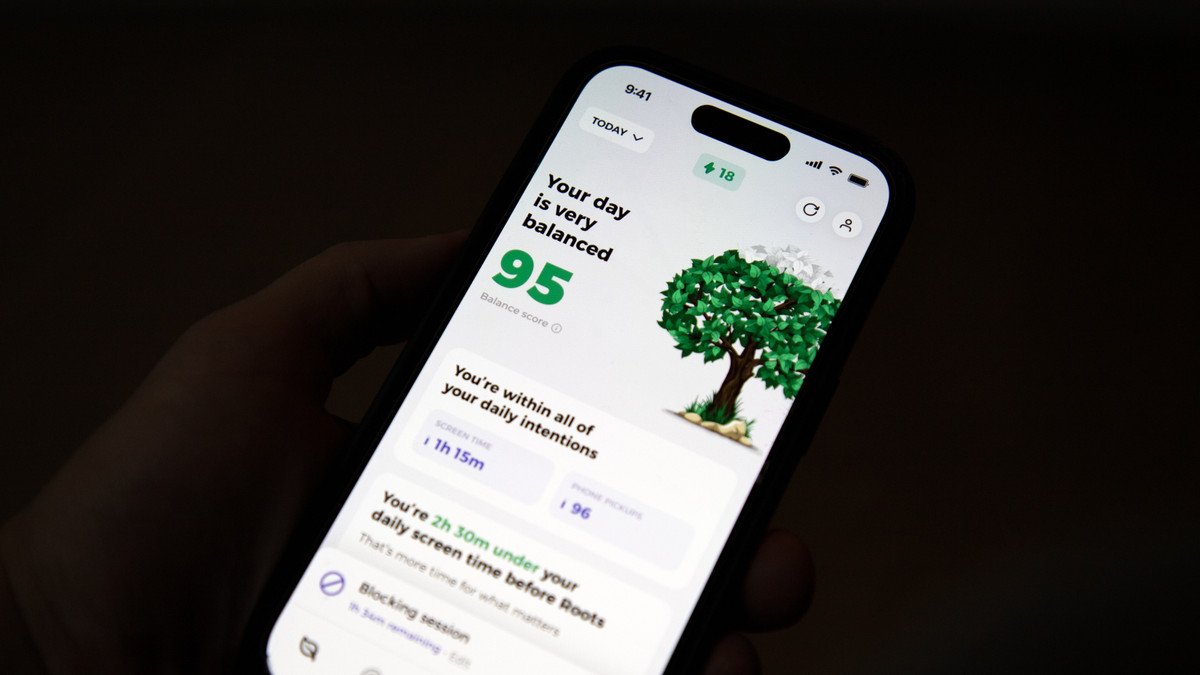
You can't just ignore your rules, or delete the app.
This extra friction is key.
12
Step 2. Limit social media apps
I limit social media to 30 minutes a day on my phone.
Once I reach that limit, I can't unblock.
No uninstalling, no logging out, no workarounds.
I limit social media to 30 minutes a day on my phone.
Once I reach that limit, I can't unblock.
No uninstalling, no logging out, no workarounds.
0:14
13
Step 3. Schedule phone downtime
Go full "Monk Mode" with certain apps completely blocked.
• Mornings: no social media or work apps
• Evenings: everything blocked
This downtime helps rewire your brain.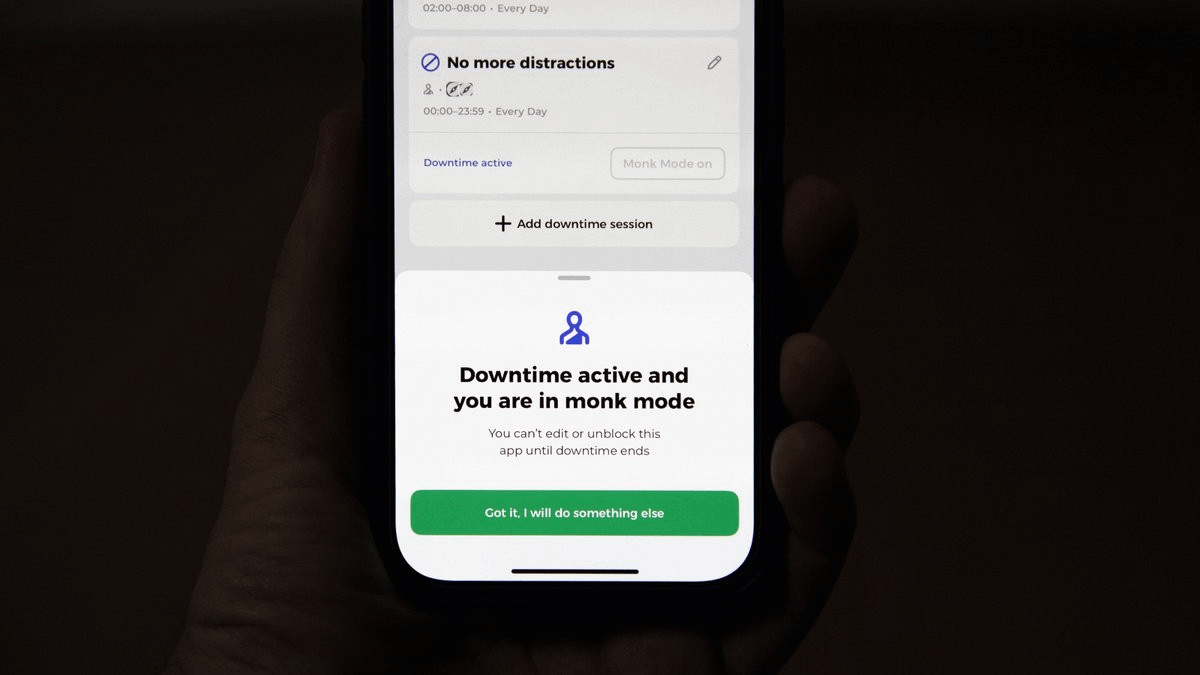
Go full "Monk Mode" with certain apps completely blocked.
• Mornings: no social media or work apps
• Evenings: everything blocked
This downtime helps rewire your brain.
14
Step 4. Pick scroll replacements
Simple things to redirect yourself away from scrolling.
Go for a walk, pick up a book, play with your dog, or grab a guitar.
Roots nudges me toward these when apps are blocked.
Simple things to redirect yourself away from scrolling.
Go for a walk, pick up a book, play with your dog, or grab a guitar.
Roots nudges me toward these when apps are blocked.
15
With small changes, my phone usage has dropped from 4 hours to ~1 daily.
Pickups from 150 to 50 daily.
My mind feels more calm, clear, and creative.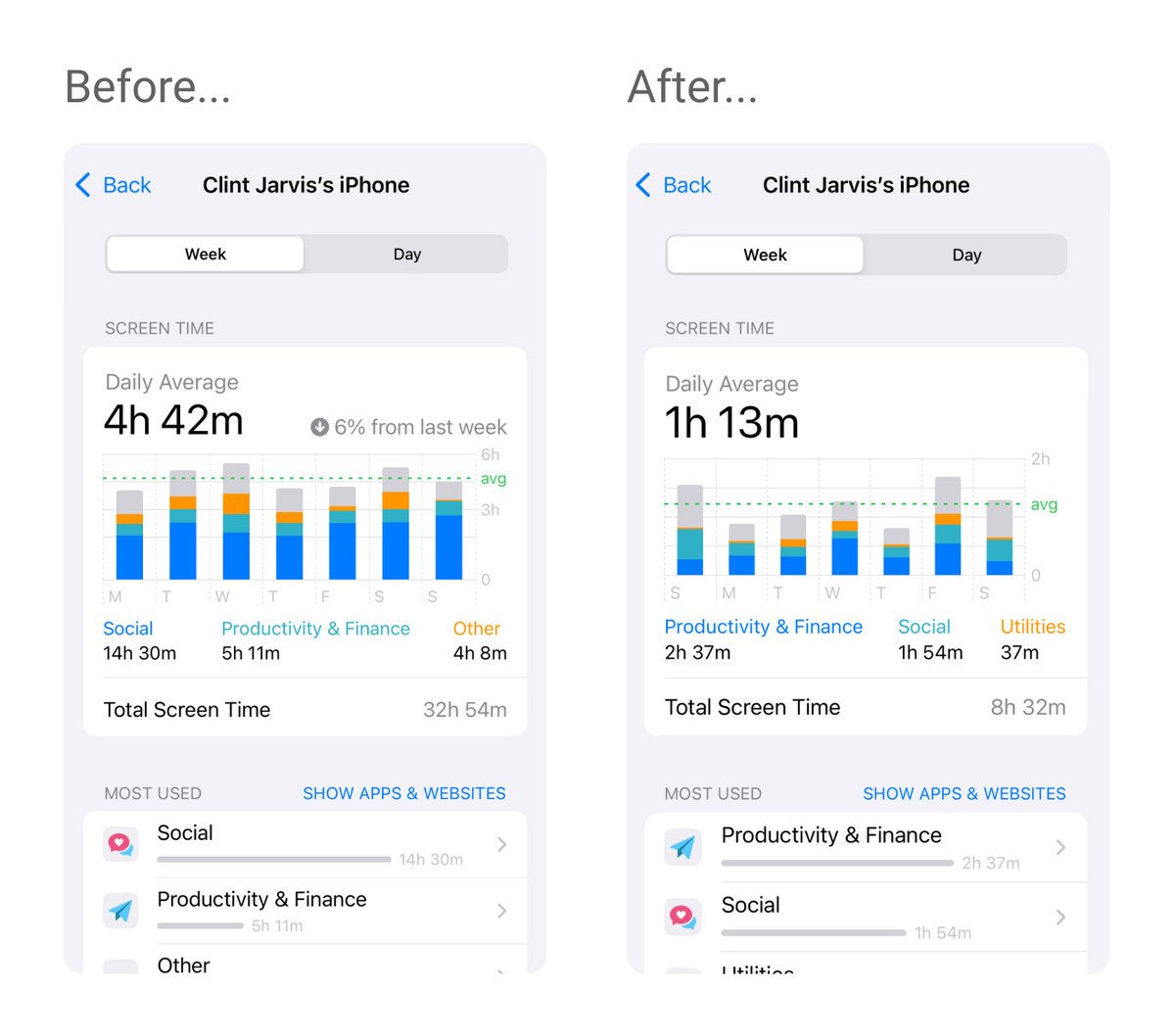
Pickups from 150 to 50 daily.
My mind feels more calm, clear, and creative.
16
Here's the paradox of Dopamine Nation:
We’re not miserable because life lacks pleasure.
We’re miserable because it has too much of it.
Here's the app that can help you find the right balance:
getroots.link/7rPUkiz
We’re not miserable because life lacks pleasure.
We’re miserable because it has too much of it.
Here's the app that can help you find the right balance:
getroots.link/7rPUkiz
17
Photo/Video Credits:
annalembke.com
Anna Lembke On The Neuroscience of Addiction: Our Dopamine Nation | Rich Roll Podcast
annalembke.com
Anna Lembke On The Neuroscience of Addiction: Our Dopamine Nation | Rich Roll Podcast
