Endotoxins can lead to almost any health issue under the sun and...

George Ferman@Helios_Movement
29 views
Jul 27, 2025
~18 min read
1
Endotoxins can lead to almost any health issue under the sun and are shown to cause:
-Liver damage
-Depression
-Heart disease
-Allergies
-Skin issue
-Hormonal issues
and much more.
You might already know this but most tips and tricks surrounding this topic are incomplete.
So here's a more in depth guide for anyone interested in this topic.
Thread🧵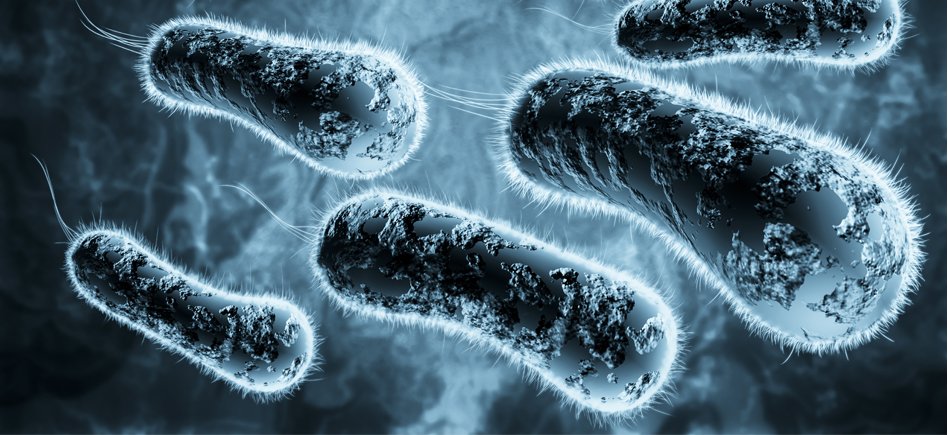
-Liver damage
-Depression
-Heart disease
-Allergies
-Skin issue
-Hormonal issues
and much more.
You might already know this but most tips and tricks surrounding this topic are incomplete.
So here's a more in depth guide for anyone interested in this topic.
Thread🧵
2
*Standard disclaimer that nothing in this thread should be used as a substitute for medical advice*
It's George.
Now, endotoxins constitute even up to 20% of the microbiome in healthy individual and are lipopolysaccharides (LPS) that are mainly produced by gram-negative bacteria (they are found in their outer membrane) and released when bacterial cells die or divide.
Dysbiosis, such as in SIBO or inflammatory bowel disease (IBD) for example, increases their production by quite a lot.
Structurally, they consist of:
-Lipid A: The toxic anchor responsible for immune activation and inflammation.
-Core Oligosaccharide: A sugar-based structure that stabilizes the molecule.
-O-Antigen: A variable polysaccharide chain that determines bacterial strain specificity.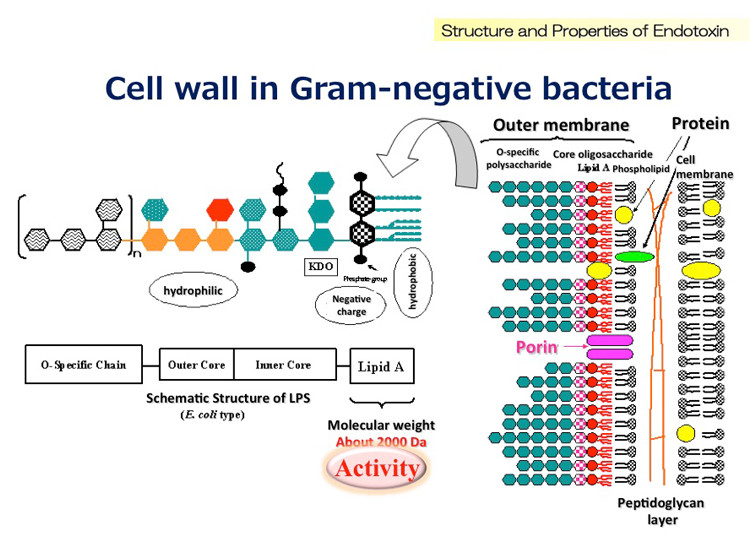
It's George.
Now, endotoxins constitute even up to 20% of the microbiome in healthy individual and are lipopolysaccharides (LPS) that are mainly produced by gram-negative bacteria (they are found in their outer membrane) and released when bacterial cells die or divide.
Dysbiosis, such as in SIBO or inflammatory bowel disease (IBD) for example, increases their production by quite a lot.
Structurally, they consist of:
-Lipid A: The toxic anchor responsible for immune activation and inflammation.
-Core Oligosaccharide: A sugar-based structure that stabilizes the molecule.
-O-Antigen: A variable polysaccharide chain that determines bacterial strain specificity.
3
They exert their effects by interacting with the toll-like receptor 4 (TLR4) on immune cells such as the mast cells (also discussed in the mast cell part).
They trigger the release of pro-inflammatory cytokines such as IL-6 and TNF-α quite a lot and are some of the primary drivers behind chronic inflammation.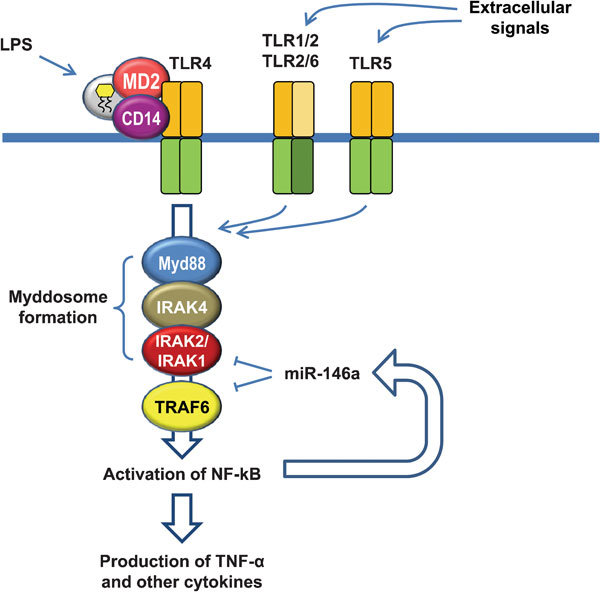
They trigger the release of pro-inflammatory cytokines such as IL-6 and TNF-α quite a lot and are some of the primary drivers behind chronic inflammation.
4
Some 101 when it comes to their side effects include:
-Triggering the release of pro-inflammatory cytokines like TNF-α, IL-1β, and IL-6.
-Compromising the integrity of the blood brain barrier.
-Disrupting endothelial cell integrity, increasing vascular permeability and promoting blood clotting.
-Generating reactive oxygen species (ROS) through activated immune cells.
-Disrupting insulin signaling and glucose metabolism.
-Impairing liver function by overwhelming Kupffer cells.
-Activating the HPA axis through cytokine signaling, increasing cortisol release.
-Inhibit steroidogenesis by downregulating key enzymes like steroidogenic acute regulatory protein (StAR) and cytochrome P450scc.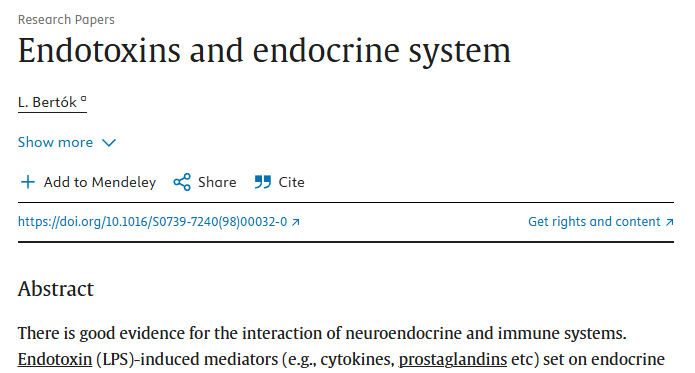

-Triggering the release of pro-inflammatory cytokines like TNF-α, IL-1β, and IL-6.
-Compromising the integrity of the blood brain barrier.
-Disrupting endothelial cell integrity, increasing vascular permeability and promoting blood clotting.
-Generating reactive oxygen species (ROS) through activated immune cells.
-Disrupting insulin signaling and glucose metabolism.
-Impairing liver function by overwhelming Kupffer cells.
-Activating the HPA axis through cytokine signaling, increasing cortisol release.
-Inhibit steroidogenesis by downregulating key enzymes like steroidogenic acute regulatory protein (StAR) and cytochrome P450scc.
5
So how are endotoxins (LPS) carried out of the body?
They are primarily cleared from the body through the following mechanisms:
-The liver.
Kupffer cells engulf and degrade LPS through phagocytosis and hepatocytes incorporate LPS into bile.
-The intestines.
After what was just mentioned, LPS in the bile is eliminated through feces. This is also where a healthy intestinal barrier is of vital importance since it helps prevent reabsorption.
-The immune system.
Immune cells, such as macrophages and monocytes also have the ability of binding LPS and neutralize it.
They are primarily cleared from the body through the following mechanisms:
-The liver.
Kupffer cells engulf and degrade LPS through phagocytosis and hepatocytes incorporate LPS into bile.
-The intestines.
After what was just mentioned, LPS in the bile is eliminated through feces. This is also where a healthy intestinal barrier is of vital importance since it helps prevent reabsorption.
-The immune system.
Immune cells, such as macrophages and monocytes also have the ability of binding LPS and neutralize it.
6
They can also be bound by circulating proteins like lipopolysaccharide-binding protein (LBP) and high-density lipoproteins (HDL), which can facilitate its clearance or reduce its toxicity.
This is why for example, VERY high HDL can indicate endotoximia when it’s also paired with other symptoms of gut dysbiosis.
Note, test wise consider: fecal calprotectin, sIgA, IL-6, TNF-α, or C-reactive protein (CRP) paired with tests for SIBO, candida, H. Pylori and so on.
The kidneys also paly a minor role where small amounts of LPS may be filtered by the kidneys and excreted in urine.
This is why for example, VERY high HDL can indicate endotoximia when it’s also paired with other symptoms of gut dysbiosis.
Note, test wise consider: fecal calprotectin, sIgA, IL-6, TNF-α, or C-reactive protein (CRP) paired with tests for SIBO, candida, H. Pylori and so on.
The kidneys also paly a minor role where small amounts of LPS may be filtered by the kidneys and excreted in urine.
7
Now that these absolute basics where covered, let's see what we can do.
First and foremost, avoid the following foods and dietary habits that can negatively impact gut health in general:
1. The consumption of highly processed foods.
These are problematic for a variety of reasons.
Most of them for example will have emulsifiers and preservatives in them which are shown to disrupt the gut microbiome by altering bacterial composition and increasing inflammation.
Then most will be devoided of nutrients and the ones that aren’t often are high in histamine and also packaged in ways that leads to the leakage of toxins such ass aluminum (thik canned seafood for example).
2. The consumption of too many acellular carbs (think refined sugars).
These in excess promote the growth of harmful bacteria and yeast, leading to dysbiosis.
They also increase gut permeability by disrupting tight junction proteins.
3. Artificial sweeteners such as aspartame, sucralose, saccharin and acesulfame potassium.
Even though it is in fact true that in order for these to show a direct and immediate impact on things such as cancer, the doses that are required are quite high, in the context of gut health, even in small amounts they can alter gut bacterial diversity, reducing beneficial species like Bifidobacterium and increasing pro-inflammatory bacteria.
4. High O6 and trans fats.
Trans and easily oxidized fats produce pro inflammatory cytokines, damaging the gut lining and are also shown to reduce beneficial bacteria.
5. Excessive alcohol intake (if you have any gut issue, take a 2 month break from all alcoholic beverages, and if you have any pathogen overgrowth avoid all beers, ciders and wines for 4 months).
Alcohol is known to disrupt tight junctions, reduce microbial diversity and in the case of detoxing, it will of course over burden the liver.
6. Hybridized grains.
Overall, after 1960 we started creating wheat hybrids with the purpose of the plant being able to survive some pretty harsh climates.
Now the gluten that’s presented in hybridized grains is so hard to digest that it will inevitably lead to your gut taking such as big hit if they are consumed very often.
Note: Gluten is a mixture of different protein types (mainly gliadin and glutenin) or a protein composite that is found in things such as wheat, rye and barley.
Not only that but please also consider that we no longer sprout or ferment the grains a lot of the times which is designed to break down some of the gluten but also compounds such as phytic acid.
Then in a lot of countries such as the states, grains are probably the number 2 (soy is probably the number 1) thing that is sprayed with enormous amounts of herbicides such as glyphosate.
Gluten also triggers the release of zonulin (a protein that regulates the permeability of the intestinal wall by modulating the tight junctions).
Then, we have the issue of mycotoxin contamination and of course the fact that plenty of grains are fortified with folic acid and forms of iron that are basically iron shavings.
Some people are also sensitive to plant albumin.
7. A1 dairy and the overconsumption of dairy overall (even too much milk can dilute stomach acid for example and cause issues).
A2 dairy have proline in the 67 position of the beta casein chain while A1 dairy have histidine.
This can make a night and day difference when consuming dairy and makes A1 dairy a no go for people struggling with mast cell issues and and will inevitably lead to inflammation compared to A2.
8. The over consumption of high-FODMAP (fermentable oligosaccharides, disaccharides, monosaccharides, and polyols) foods such as onions, garlic, beans, lentils, wheat, apples, pears, stone fruits, honey, high-fructose fruits etc that lead to fast fermentation by gut bacteria.
9. The overconsumption of foods rich in phytates and oxalates that will bind to minerals such as zinc, iron, and calcium, reducing their absorption and potentially impairing gut cell function.
10. The overconsumption of caffeine (>100mg/day) increases peristalsis and reduces mucus production.
11. Herbicides and pesticides like glyphosate that act as antibiotics and reduce beneficial gut bacteria. Note: N-phosphomethylglycine aka glyphosate, works by inhibiting the enzyme 5-enolpyruvylshikimate-3-phosphate (EPSP) synthase.
This results in disrupting the shikimic acid pathway and reducing the aromatic amino acids.
In general, the shikimic acid pathway is responsible for the production of vitamins and aromatic amino acids such as phenylalanine through EPSP synthase so disrupting it negatively affects eNOS, the pancreas, adrenals, SOD, CAT and GPx enzymes, glutamate, GABA, the metabolism of retinoic acid and inhibiting GGT plus G6PD and can even exacerbate the damage that aluminum causes.
12. Irregular eating patterns that reduce gastric acid and enzyme production and disrupt the gut’s circadian rhythm, microbial balance and motility.
13. Eating too quickly or large portion sizes both of which will lead to incomplete digestion and fermentation in the gut.
14. Eating late at night will also disrupt the gut’s circadian rhythm, impairing microbial balance and motility. It will also increase the risk of acid reflux, as lying down after eating allows stomach acid to enter the esophagus.
15. Inadequate hydration which was previously discussed and will reduce mucus production while also slowing motility.
16. Frequent snacking.
Eating something every 1-2 hours, does not allow the migrating motor complex (MMC (a cyclical pattern of peristaltic activity that occurs during fasting state)) to clear bacteria from the small intestine for example.
First and foremost, avoid the following foods and dietary habits that can negatively impact gut health in general:
1. The consumption of highly processed foods.
These are problematic for a variety of reasons.
Most of them for example will have emulsifiers and preservatives in them which are shown to disrupt the gut microbiome by altering bacterial composition and increasing inflammation.
Then most will be devoided of nutrients and the ones that aren’t often are high in histamine and also packaged in ways that leads to the leakage of toxins such ass aluminum (thik canned seafood for example).
2. The consumption of too many acellular carbs (think refined sugars).
These in excess promote the growth of harmful bacteria and yeast, leading to dysbiosis.
They also increase gut permeability by disrupting tight junction proteins.
3. Artificial sweeteners such as aspartame, sucralose, saccharin and acesulfame potassium.
Even though it is in fact true that in order for these to show a direct and immediate impact on things such as cancer, the doses that are required are quite high, in the context of gut health, even in small amounts they can alter gut bacterial diversity, reducing beneficial species like Bifidobacterium and increasing pro-inflammatory bacteria.
4. High O6 and trans fats.
Trans and easily oxidized fats produce pro inflammatory cytokines, damaging the gut lining and are also shown to reduce beneficial bacteria.
5. Excessive alcohol intake (if you have any gut issue, take a 2 month break from all alcoholic beverages, and if you have any pathogen overgrowth avoid all beers, ciders and wines for 4 months).
Alcohol is known to disrupt tight junctions, reduce microbial diversity and in the case of detoxing, it will of course over burden the liver.
6. Hybridized grains.
Overall, after 1960 we started creating wheat hybrids with the purpose of the plant being able to survive some pretty harsh climates.
Now the gluten that’s presented in hybridized grains is so hard to digest that it will inevitably lead to your gut taking such as big hit if they are consumed very often.
Note: Gluten is a mixture of different protein types (mainly gliadin and glutenin) or a protein composite that is found in things such as wheat, rye and barley.
Not only that but please also consider that we no longer sprout or ferment the grains a lot of the times which is designed to break down some of the gluten but also compounds such as phytic acid.
Then in a lot of countries such as the states, grains are probably the number 2 (soy is probably the number 1) thing that is sprayed with enormous amounts of herbicides such as glyphosate.
Gluten also triggers the release of zonulin (a protein that regulates the permeability of the intestinal wall by modulating the tight junctions).
Then, we have the issue of mycotoxin contamination and of course the fact that plenty of grains are fortified with folic acid and forms of iron that are basically iron shavings.
Some people are also sensitive to plant albumin.
7. A1 dairy and the overconsumption of dairy overall (even too much milk can dilute stomach acid for example and cause issues).
A2 dairy have proline in the 67 position of the beta casein chain while A1 dairy have histidine.
This can make a night and day difference when consuming dairy and makes A1 dairy a no go for people struggling with mast cell issues and and will inevitably lead to inflammation compared to A2.
8. The over consumption of high-FODMAP (fermentable oligosaccharides, disaccharides, monosaccharides, and polyols) foods such as onions, garlic, beans, lentils, wheat, apples, pears, stone fruits, honey, high-fructose fruits etc that lead to fast fermentation by gut bacteria.
9. The overconsumption of foods rich in phytates and oxalates that will bind to minerals such as zinc, iron, and calcium, reducing their absorption and potentially impairing gut cell function.
10. The overconsumption of caffeine (>100mg/day) increases peristalsis and reduces mucus production.
11. Herbicides and pesticides like glyphosate that act as antibiotics and reduce beneficial gut bacteria. Note: N-phosphomethylglycine aka glyphosate, works by inhibiting the enzyme 5-enolpyruvylshikimate-3-phosphate (EPSP) synthase.
This results in disrupting the shikimic acid pathway and reducing the aromatic amino acids.
In general, the shikimic acid pathway is responsible for the production of vitamins and aromatic amino acids such as phenylalanine through EPSP synthase so disrupting it negatively affects eNOS, the pancreas, adrenals, SOD, CAT and GPx enzymes, glutamate, GABA, the metabolism of retinoic acid and inhibiting GGT plus G6PD and can even exacerbate the damage that aluminum causes.
12. Irregular eating patterns that reduce gastric acid and enzyme production and disrupt the gut’s circadian rhythm, microbial balance and motility.
13. Eating too quickly or large portion sizes both of which will lead to incomplete digestion and fermentation in the gut.
14. Eating late at night will also disrupt the gut’s circadian rhythm, impairing microbial balance and motility. It will also increase the risk of acid reflux, as lying down after eating allows stomach acid to enter the esophagus.
15. Inadequate hydration which was previously discussed and will reduce mucus production while also slowing motility.
16. Frequent snacking.
Eating something every 1-2 hours, does not allow the migrating motor complex (MMC (a cyclical pattern of peristaltic activity that occurs during fasting state)) to clear bacteria from the small intestine for example.
8
Then, if you have symptoms of SIBO, SIFO, H. Pylori or candida overgrowth, go and get tested.
If you have one of these and do not address it, targeting endotoxins won't work since we do not address the main driver behind the LPS increase.
Now tests you can take include:
H. Pylori:
-Urea breath test
-Stool antigen test: Identifies H. pylori antigens.
SIBO:
-Breath tests that measure hydrogen, methane, or hydrogen sulfide after lactulose/glucose ingestion.
-Stool Analysis
Candida:
-Fungal culture
-CHROMagar Candida
-Stool Analysis (mainly for SIFO (small intestive fungal overgrowth)).
If you have one of these and do not address it, targeting endotoxins won't work since we do not address the main driver behind the LPS increase.
Now tests you can take include:
H. Pylori:
-Urea breath test
-Stool antigen test: Identifies H. pylori antigens.
SIBO:
-Breath tests that measure hydrogen, methane, or hydrogen sulfide after lactulose/glucose ingestion.
-Stool Analysis
Candida:
-Fungal culture
-CHROMagar Candida
-Stool Analysis (mainly for SIFO (small intestive fungal overgrowth)).
9
Proceed to work on tight junctions.
Tight junctions such as claudins, occludin and JAMs are the main factor that prevents LPS leakage into the blood stream.
Tight junctions (TJs) are protein-based structures (their structure is broken down in a moment) that form a selective barrier between epithelial (the top region of adjacent epithelial cells) and endothelial cells primarily in the gastrointestinal (GI) tract which makes them components of the intestinal mucosal barrier.
Without TJs enterocytes and colonocytes can not function properly and overall, tight junctions are essential for preventing the uncontrolled passage of things such as bacteria, toxins and undigested food into the bloodstream maintaining a selective barrier (they allow regulated paracellular transport of small molecules such as ions, water and glucose for example through claudin pores).
They also assist the gut-associated lymphoid tissue (GALT), limit translocation of lipopolysaccharides (LPS), facilitate mucus layer integrity and do much more which is why increased permeability or leaky gut, leads to system inflammation (TLR4 is activated and cytokines such as IL-6 and TNF-a are activated after LPS, food antigens or toxins enter circulation for example), contributes to to food sensitivities (IgG-mediated), autoimmune disorder and of course, issues such as pathogen overgrowths, IBS and IBD where for example even up to 80% of people with IBS have increased permeability.
Tight junctions such as claudins, occludin and JAMs are the main factor that prevents LPS leakage into the blood stream.
Tight junctions (TJs) are protein-based structures (their structure is broken down in a moment) that form a selective barrier between epithelial (the top region of adjacent epithelial cells) and endothelial cells primarily in the gastrointestinal (GI) tract which makes them components of the intestinal mucosal barrier.
Without TJs enterocytes and colonocytes can not function properly and overall, tight junctions are essential for preventing the uncontrolled passage of things such as bacteria, toxins and undigested food into the bloodstream maintaining a selective barrier (they allow regulated paracellular transport of small molecules such as ions, water and glucose for example through claudin pores).
They also assist the gut-associated lymphoid tissue (GALT), limit translocation of lipopolysaccharides (LPS), facilitate mucus layer integrity and do much more which is why increased permeability or leaky gut, leads to system inflammation (TLR4 is activated and cytokines such as IL-6 and TNF-a are activated after LPS, food antigens or toxins enter circulation for example), contributes to to food sensitivities (IgG-mediated), autoimmune disorder and of course, issues such as pathogen overgrowths, IBS and IBD where for example even up to 80% of people with IBS have increased permeability.
10
Now TJs are made out of:
1. Transmembrane proteins such as:
-Claudins which is a family of 27 proteins that determine TJ permeability (claudin-1 and -3 for example form tight seals, while claudin-2 increases pore size).
-Occludin that enhances TJ stability and regulates paracellular transport by organising TJ strands and linking them to the actin cytoskeleton via ZO protein for example or by regulating paracellular transport of ions and small molecules.
-JAMs that modulate TJ assembly and immune cell transmigration.
For example, they contribute to the initial formation of TJs by recruiting scaffolding proteins and facilitating cell-cell adhesion.
They also interact with claudins and occludin while also regulating leukocyte and monocyte transmigration across endothelial and epithelial barriers.
-Tricellulin that strengthens junctions at tricellular contacts (where three cells meet).
For example, it forms a barrier to prevent paracellular flux of macromolecules and pathogens at these sites while also binding to LSR (lipolysis-stimulated lipoprotein receptor) to maintain tricellular integrity.
2. Intracellular scaffolding proteins such as:
-Zonula occludens (ZO) proteins are members of the membrane-associated guanylate kinase (MAGUK) family and serve as intracellular scaffolding proteins that place TJ transmembrane proteins (claudins, occludin, JAMs, tricellulin) to the actin cytoskeleton, stabilize TJ structure and mediate signaling.
-Associated (cytoskeletal) proteins actin and myosin filaments in the cytoskeleton dynamically regulate TJ opening/closing via phosphorylation responding to mechanical and biochemical cues.
Now here's how you can improve the function of tight junctions in a nutshell:
Number 1: If you have any inflammatory condition such as MCAS you need to take it into consideration.
Number 2: Eliminate gluten, sugar, alcohol, the overconsumption of high FODMAP foods, NSAIDs, PPIs, heavy metals and glyphosate.
Number 3: Relax.
As stated, cortisol disrupts TJs by dysregulating the HPA axis and it also activates MLCK.
Number 4: Go to sleep and get sun.
Poor sleep and CR disrupt TJ protein expression while sunlight and vitamin D upregulates it.
Number 5: Provide enough zinc (stabilizes TJs), L glutamine (enhances TJ protein expression), retinol and polyphenols.
Number 6: Pick the following probiotic that works best for you:
-Lactobacillus rhamnosus GG.
-Bifidobacterium longum.
-Saccharomyces boulardii.
If these do not work for you or you can't use them, consider:
-Quercetin
-Curcumin
NAC can also help in the specific context of people with Chrohn's
-DGL
1. Transmembrane proteins such as:
-Claudins which is a family of 27 proteins that determine TJ permeability (claudin-1 and -3 for example form tight seals, while claudin-2 increases pore size).
-Occludin that enhances TJ stability and regulates paracellular transport by organising TJ strands and linking them to the actin cytoskeleton via ZO protein for example or by regulating paracellular transport of ions and small molecules.
-JAMs that modulate TJ assembly and immune cell transmigration.
For example, they contribute to the initial formation of TJs by recruiting scaffolding proteins and facilitating cell-cell adhesion.
They also interact with claudins and occludin while also regulating leukocyte and monocyte transmigration across endothelial and epithelial barriers.
-Tricellulin that strengthens junctions at tricellular contacts (where three cells meet).
For example, it forms a barrier to prevent paracellular flux of macromolecules and pathogens at these sites while also binding to LSR (lipolysis-stimulated lipoprotein receptor) to maintain tricellular integrity.
2. Intracellular scaffolding proteins such as:
-Zonula occludens (ZO) proteins are members of the membrane-associated guanylate kinase (MAGUK) family and serve as intracellular scaffolding proteins that place TJ transmembrane proteins (claudins, occludin, JAMs, tricellulin) to the actin cytoskeleton, stabilize TJ structure and mediate signaling.
-Associated (cytoskeletal) proteins actin and myosin filaments in the cytoskeleton dynamically regulate TJ opening/closing via phosphorylation responding to mechanical and biochemical cues.
Now here's how you can improve the function of tight junctions in a nutshell:
Number 1: If you have any inflammatory condition such as MCAS you need to take it into consideration.
Number 2: Eliminate gluten, sugar, alcohol, the overconsumption of high FODMAP foods, NSAIDs, PPIs, heavy metals and glyphosate.
Number 3: Relax.
As stated, cortisol disrupts TJs by dysregulating the HPA axis and it also activates MLCK.
Number 4: Go to sleep and get sun.
Poor sleep and CR disrupt TJ protein expression while sunlight and vitamin D upregulates it.
Number 5: Provide enough zinc (stabilizes TJs), L glutamine (enhances TJ protein expression), retinol and polyphenols.
Number 6: Pick the following probiotic that works best for you:
-Lactobacillus rhamnosus GG.
-Bifidobacterium longum.
-Saccharomyces boulardii.
If these do not work for you or you can't use them, consider:
-Quercetin
-Curcumin
NAC can also help in the specific context of people with Chrohn's
-DGL
11
Support your immune system and rebuild the natural protection mechanisms with SAFE tools.
As it was stated immune cells, such as macrophages and monocytes, detect LPS and circulating proteins like lipopolysaccharide-binding protein (LBP) and high-density lipoproteins (HDL) also neutralize LPS, facilitating its clearance.
So:
-GET SUN.
Melanin fights Candida directly, while vitamin D upregulates LL-37 (an antimicrobial peptide), acts as an immune modulator by binding to VDRs in immune cells, such as T-cells, B-cells, and macrophages, within the gut-associated lymphoid tissue (GALT).
-SWEAT and do the big 6.
Very basic ways to manage toxin overload without many side effects.
-MOVE.
"MIND BLOWING INFORMATION GEORGE".
Be quiet and don't take this for granted.
Regular movement is crucial for our gut health/
Movement:
-Stimulates the smooth muscles of the GI tract, promoting peristalsis.
-Enhances HCl, enzyme, and bile production for digestion.
-Promotes MMC activity.
-Supports lymphatic flow.
-Boosts antimicrobial peptide production and reduces inflammation.
-Influences the diversity and composition of the gut microbiota. Physical activity for example has shown to increase the production of short-chain fatty acids (SCFAs) like butyrate and also promote the growth of beneficial bacterial species, such as Lactobacillus and Bifidobacterium.
-Enhances circulation, ensuring that the gut receives adequate oxygen and nutrients to support its high metabolic demands.
-Regular movement has anti-inflammatory effects that protect the gut lining and prevent chronic inflammation, a key driver of gut disorders.
Name one pill that does all these (you can't).
-Provide KEY nutrients such as zinc, B vitamins, potassium, magnesium, selenium, vitamin C, E and glutamine.
Zinc for example is a cofactor for enzymes involved in gastric acid secretion in the stomach, competes for binding sites on gut epithelial cells with pathogens and strengthens the intestinal lining by supporting tight junction proteins while also being critical for the gut-associated lymphoid tissue (GALT) and the immune system.
While selenium, is a cofactor for selenoproteins, such as glutathione peroxidase, which protect gut cells from oxidative damage and support immune cell function (it supports T-cell proliferation and cytokine production for example).
Vitamin E also protects gut cell membranes from lipid peroxidation and ROS overall.
-GET ON THAT S. Boulardii
pubmed.ncbi.nlm.nih.gov/21077734/
-Consider safe prokinetics such as:
-Ginger.
-Dandelion root.
-Artichoke leaf.
-Peppermint.
-Licorice root.
-Go to sleep and fix your CR.
When it comes to circadian health and sleep:
-The gut microbiota dynamics follow a 24-hour cycle (the entire G.I tract follows a circadian pattern, bacterial populations, gastric emptying, peristalsis, and enzyme secretion peak at specific times to aid digestion and shift work for example has been shown to alter microbial composition, reducing beneficial bacteria and promoting harmful species).
Note: This is why, believe it or not, the simple act of eating at consistent times has improved the gut health of so many people.
-Melatonin acts as a potent antioxidant in the gastrointestinal tract, enhances mucosal repair and regulates gut motility.
-Sleep is critical for cellular repair and tissue regeneration (through growth hormone for example) throughout the body and thus the gastrointestinal tract as well.
-During sleep, immune cells like T-cells and B-cells in the gut are replenished and primed to combat pathogens
-Then during sleep, anti-inflammatory cytokines like IL-10 are upregulated.
-Also, poor sleep or circadian disruption elevate cortisol, which reduce microbial diversity, increase gut permeability, and also promote inflammation.
-Then the gut-associated lymphoid tissue (GALT) also relies on circadian rhythms to maintain its surveillance and response capabilities.
-During sleep, immune cells like T-cells and B-cells in the gut are replenished and primed to combat pathogens.
-Adequate sleep enhances the production of immunoglobulin A (IgA), an antibody that coats the gut mucosa to neutralize harmful bacteria and viruses.
-Supports the migrating motor complex (MMC), which clears bacteria from the small intestine during fasting.
As it was stated immune cells, such as macrophages and monocytes, detect LPS and circulating proteins like lipopolysaccharide-binding protein (LBP) and high-density lipoproteins (HDL) also neutralize LPS, facilitating its clearance.
So:
-GET SUN.
Melanin fights Candida directly, while vitamin D upregulates LL-37 (an antimicrobial peptide), acts as an immune modulator by binding to VDRs in immune cells, such as T-cells, B-cells, and macrophages, within the gut-associated lymphoid tissue (GALT).
-SWEAT and do the big 6.
Very basic ways to manage toxin overload without many side effects.
-MOVE.
"MIND BLOWING INFORMATION GEORGE".
Be quiet and don't take this for granted.
Regular movement is crucial for our gut health/
Movement:
-Stimulates the smooth muscles of the GI tract, promoting peristalsis.
-Enhances HCl, enzyme, and bile production for digestion.
-Promotes MMC activity.
-Supports lymphatic flow.
-Boosts antimicrobial peptide production and reduces inflammation.
-Influences the diversity and composition of the gut microbiota. Physical activity for example has shown to increase the production of short-chain fatty acids (SCFAs) like butyrate and also promote the growth of beneficial bacterial species, such as Lactobacillus and Bifidobacterium.
-Enhances circulation, ensuring that the gut receives adequate oxygen and nutrients to support its high metabolic demands.
-Regular movement has anti-inflammatory effects that protect the gut lining and prevent chronic inflammation, a key driver of gut disorders.
Name one pill that does all these (you can't).
-Provide KEY nutrients such as zinc, B vitamins, potassium, magnesium, selenium, vitamin C, E and glutamine.
Zinc for example is a cofactor for enzymes involved in gastric acid secretion in the stomach, competes for binding sites on gut epithelial cells with pathogens and strengthens the intestinal lining by supporting tight junction proteins while also being critical for the gut-associated lymphoid tissue (GALT) and the immune system.
While selenium, is a cofactor for selenoproteins, such as glutathione peroxidase, which protect gut cells from oxidative damage and support immune cell function (it supports T-cell proliferation and cytokine production for example).
Vitamin E also protects gut cell membranes from lipid peroxidation and ROS overall.
-GET ON THAT S. Boulardii
pubmed.ncbi.nlm.nih.gov/21077734/
-Consider safe prokinetics such as:
-Ginger.
-Dandelion root.
-Artichoke leaf.
-Peppermint.
-Licorice root.
-Go to sleep and fix your CR.
When it comes to circadian health and sleep:
-The gut microbiota dynamics follow a 24-hour cycle (the entire G.I tract follows a circadian pattern, bacterial populations, gastric emptying, peristalsis, and enzyme secretion peak at specific times to aid digestion and shift work for example has been shown to alter microbial composition, reducing beneficial bacteria and promoting harmful species).
Note: This is why, believe it or not, the simple act of eating at consistent times has improved the gut health of so many people.
-Melatonin acts as a potent antioxidant in the gastrointestinal tract, enhances mucosal repair and regulates gut motility.
-Sleep is critical for cellular repair and tissue regeneration (through growth hormone for example) throughout the body and thus the gastrointestinal tract as well.
-During sleep, immune cells like T-cells and B-cells in the gut are replenished and primed to combat pathogens
-Then during sleep, anti-inflammatory cytokines like IL-10 are upregulated.
-Also, poor sleep or circadian disruption elevate cortisol, which reduce microbial diversity, increase gut permeability, and also promote inflammation.
-Then the gut-associated lymphoid tissue (GALT) also relies on circadian rhythms to maintain its surveillance and response capabilities.
-During sleep, immune cells like T-cells and B-cells in the gut are replenished and primed to combat pathogens.
-Adequate sleep enhances the production of immunoglobulin A (IgA), an antibody that coats the gut mucosa to neutralize harmful bacteria and viruses.
-Supports the migrating motor complex (MMC), which clears bacteria from the small intestine during fasting.
12
Work on bile.
The gut eliminates LPS and other toxins via stool, with bile as a carrier.
Start working on biofilms.
Biofilms are organized “groups” of microorganisms such as bacteria, fungi, archaea, or protozoa commonly formed in the gut, oral cavity and sinuses.
They are embedded in a self-produced extracellular matrix composed of polysaccharides, proteins, and extracellular DNA (eDNA) that acts as a physical barrier and makes them highly resistant to antibiotics and antifungals.
Biofilm formation starts with planktonic microbes adhering to a surface through something called van der Waals forces or specific adhesins, then microbes start producing matrix components.
Then the maturation process begins where cell division and matrix expansion form microcolonies starts and finally three-dimensional structures develop, with channels for nutrient flow.
This process is regulated by quorum sensing which is a cell-to-cell communication system using signaling molecules to coordinate gene expression, enhancing virulence and resistance.
The three biofilm disruptors with the least chances of backfiring include:
1. Apolactoferrin
Lactoferrin comes in two forms:
-Native lactoferrin
-Apolactoferrin
Both can be quite valuable but the first one is iron bound and the second one is not which allows it to deprive pathogens of iron and thus helping us actually starve iron-dependent pathogens like candida albicans.
It also prevents pathogens from adhering to surfaces by interfering with adhesins and inhibits quorum sensing.
It also seems to be better tolerated from people who experience discomfort from things such as NAC and bromelain.
And it can of course help people who have hereditary hemochromatosis and find that even though flavonoids help their markers and some symptoms, they lower their libido too much.
2. L. reuteri DSM 17938, ATCC PTA 5289.
These are suggested since they produce reuterin that has broad-spectrum antimicrobial properties that can also disrupt EPS, competes for adhesion sites and inhibits quorum-sensing pathways.
3. Curcumin.
This one inhibits quorum sensing and disrupts bacterial cell membranes as well.
Other ones that can help include: NAC, berberine, garlic extract, bromelain and serrapeptase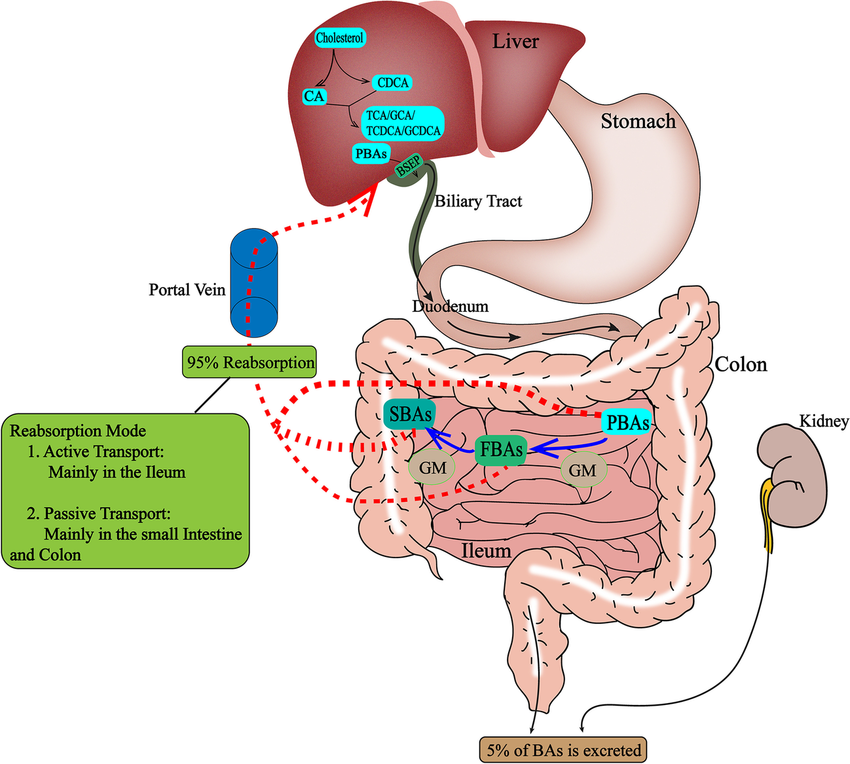

The gut eliminates LPS and other toxins via stool, with bile as a carrier.
Start working on biofilms.
Biofilms are organized “groups” of microorganisms such as bacteria, fungi, archaea, or protozoa commonly formed in the gut, oral cavity and sinuses.
They are embedded in a self-produced extracellular matrix composed of polysaccharides, proteins, and extracellular DNA (eDNA) that acts as a physical barrier and makes them highly resistant to antibiotics and antifungals.
Biofilm formation starts with planktonic microbes adhering to a surface through something called van der Waals forces or specific adhesins, then microbes start producing matrix components.
Then the maturation process begins where cell division and matrix expansion form microcolonies starts and finally three-dimensional structures develop, with channels for nutrient flow.
This process is regulated by quorum sensing which is a cell-to-cell communication system using signaling molecules to coordinate gene expression, enhancing virulence and resistance.
The three biofilm disruptors with the least chances of backfiring include:
1. Apolactoferrin
Lactoferrin comes in two forms:
-Native lactoferrin
-Apolactoferrin
Both can be quite valuable but the first one is iron bound and the second one is not which allows it to deprive pathogens of iron and thus helping us actually starve iron-dependent pathogens like candida albicans.
It also prevents pathogens from adhering to surfaces by interfering with adhesins and inhibits quorum sensing.
It also seems to be better tolerated from people who experience discomfort from things such as NAC and bromelain.
And it can of course help people who have hereditary hemochromatosis and find that even though flavonoids help their markers and some symptoms, they lower their libido too much.
2. L. reuteri DSM 17938, ATCC PTA 5289.
These are suggested since they produce reuterin that has broad-spectrum antimicrobial properties that can also disrupt EPS, competes for adhesion sites and inhibits quorum-sensing pathways.
3. Curcumin.
This one inhibits quorum sensing and disrupts bacterial cell membranes as well.
Other ones that can help include: NAC, berberine, garlic extract, bromelain and serrapeptase
13
Number 5: Nuke, bind and manage die offs.
This is where antifungals such as caprylic acid, sodium caprylate, molybdenum, berberine, ceylon cinnamon, blackseed oil paired with prokinetics such as ginger and binder such as activated charcoal come into play.
Disclaimer: If you do everything else right, you really should feel die off with small amounts of these.
If not (and i've seen this happen) the tips that were addressed so far might actually have already taken care of the overgrowth so consider taking the tests again.
When it comes to die offs, antimicrobial or antifungal therapies can often trigger a Jarisch-Herxheimer reaction or "die-off" with symptoms that can range from nausea, headaches, slight fevers, fatigue, rashes, feelings of histamine intolerance and so on.
This reaction occurs during rapid pathogen death and includes the release of microbial components such as:
-Lipopolysaccharides (LPS).
Endotoxins from gram-negative bacteria activate the toll-like receptor 4 on immune cells, triggering nuclear factor-kappa B (NF-κB) signaling and the release of pro-inflammatory cytokines such as interleukin-6 (IL-6), tumor necrosis factor-alpha (TNF-α) and interleukin-1β (IL-1β).
-β-Glucans and Mannoproteins.
Fungal cell wall components from Candida species stimulate dectin-1 receptors on macrophages, further activating NF-κB and cytokine release.
-Acetaldehyde and ethanol.
These are metabolic byproducts of Candida and certain bacteria that cause oxidative stress and neurotoxicity.
-Nucleic acids and proteins.
These are released during microbial lysis, these act as damage-associated molecular patterns (DAMPs), perpetuating immune activation through pattern recognition receptors (PRRs).
Now the intensity of die-off is influences by the:
Microbial loads (severe SIBO with >10^5 CFU/mL will release more toxins than a minor case for example)
The person’s detoxification capacity.
Impaired phase I (cytochrome P450) and phase II (conjugation) liver detoxification pathways will obviously harm the person’s ability to detox these products.
The states of his immune system.
Overactive Th1/Th17 responses or mast cell activation syndrome (MCAS) amplify inflammatory responses for example.
His gut barrier integrity.
A leaky gut, allows greater translocation of toxins into systemic circulation.
So it’s vital to follow every process that’s presented in this email step by step and taking your time with hit especially considering that some die offs can last days.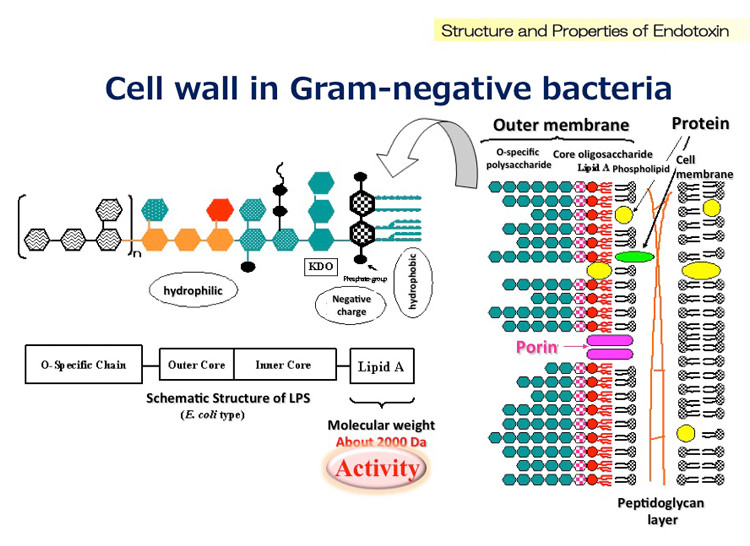
This is where antifungals such as caprylic acid, sodium caprylate, molybdenum, berberine, ceylon cinnamon, blackseed oil paired with prokinetics such as ginger and binder such as activated charcoal come into play.
Disclaimer: If you do everything else right, you really should feel die off with small amounts of these.
If not (and i've seen this happen) the tips that were addressed so far might actually have already taken care of the overgrowth so consider taking the tests again.
When it comes to die offs, antimicrobial or antifungal therapies can often trigger a Jarisch-Herxheimer reaction or "die-off" with symptoms that can range from nausea, headaches, slight fevers, fatigue, rashes, feelings of histamine intolerance and so on.
This reaction occurs during rapid pathogen death and includes the release of microbial components such as:
-Lipopolysaccharides (LPS).
Endotoxins from gram-negative bacteria activate the toll-like receptor 4 on immune cells, triggering nuclear factor-kappa B (NF-κB) signaling and the release of pro-inflammatory cytokines such as interleukin-6 (IL-6), tumor necrosis factor-alpha (TNF-α) and interleukin-1β (IL-1β).
-β-Glucans and Mannoproteins.
Fungal cell wall components from Candida species stimulate dectin-1 receptors on macrophages, further activating NF-κB and cytokine release.
-Acetaldehyde and ethanol.
These are metabolic byproducts of Candida and certain bacteria that cause oxidative stress and neurotoxicity.
-Nucleic acids and proteins.
These are released during microbial lysis, these act as damage-associated molecular patterns (DAMPs), perpetuating immune activation through pattern recognition receptors (PRRs).
Now the intensity of die-off is influences by the:
Microbial loads (severe SIBO with >10^5 CFU/mL will release more toxins than a minor case for example)
The person’s detoxification capacity.
Impaired phase I (cytochrome P450) and phase II (conjugation) liver detoxification pathways will obviously harm the person’s ability to detox these products.
The states of his immune system.
Overactive Th1/Th17 responses or mast cell activation syndrome (MCAS) amplify inflammatory responses for example.
His gut barrier integrity.
A leaky gut, allows greater translocation of toxins into systemic circulation.
So it’s vital to follow every process that’s presented in this email step by step and taking your time with hit especially considering that some die offs can last days.
14
Supplements that can help you mitigate die-off symptoms by reducing inflammation, binding toxins and enhancing detoxification include:
-Activated charcoal (start with just 500mg 2 hours before or after your meals and medications).
This one absorbs LPS, acetaldehyde and mycotoxins due to its porous structure.
-Bentonite clay (start with just ½ a teaspoon on an empty stomach).
This one binds cationic toxins.
-N-Acetylcysteine (NAC) (start with just 300mg twice a day).
This one increases GSH synthesis and conjugates acetaldehyde while also inhibiting NF-κB.
-Milk thistle (Silymarin).
This one upregulates Nrf2.
-Quercetin.
This one inhibits mast cell degranulation and downregulates NF-κB.
-Pantethine.
This serves a s precursor to coenzyme A, supporting acetyl-CoA formation from acetate (it basically enhances phase II detoxification).
-Provide enough B3 (or NAD+ precursors such as NMN), molybdenum, magnesium and zinc to support ALDH/AOX activity.
-Thiamine (B1) can aso help by supporting pyruvate dehydrogenase and preventing acetaldehyde formation from pyruvate.
And finally after all these, remember to restore the balance.
This one will require testing in order to see if the overgrowth is at bay and tools such as glutamine, PEA, quercetin, tributyrin, colostrum, zinc, B2 and B1 can be used.
-Activated charcoal (start with just 500mg 2 hours before or after your meals and medications).
This one absorbs LPS, acetaldehyde and mycotoxins due to its porous structure.
-Bentonite clay (start with just ½ a teaspoon on an empty stomach).
This one binds cationic toxins.
-N-Acetylcysteine (NAC) (start with just 300mg twice a day).
This one increases GSH synthesis and conjugates acetaldehyde while also inhibiting NF-κB.
-Milk thistle (Silymarin).
This one upregulates Nrf2.
-Quercetin.
This one inhibits mast cell degranulation and downregulates NF-κB.
-Pantethine.
This serves a s precursor to coenzyme A, supporting acetyl-CoA formation from acetate (it basically enhances phase II detoxification).
-Provide enough B3 (or NAD+ precursors such as NMN), molybdenum, magnesium and zinc to support ALDH/AOX activity.
-Thiamine (B1) can aso help by supporting pyruvate dehydrogenase and preventing acetaldehyde formation from pyruvate.
And finally after all these, remember to restore the balance.
This one will require testing in order to see if the overgrowth is at bay and tools such as glutamine, PEA, quercetin, tributyrin, colostrum, zinc, B2 and B1 can be used.
15
That's all.
I hope that you found something interesting in this thread.
If you did, make sure to leave a like/RT.
x.com/Helios_Movemen…
I hope that you found something interesting in this thread.
If you did, make sure to leave a like/RT.
x.com/Helios_Movemen…
16
And if you want to understand the root causes of the most common gut issues such as general bloating and constipation all the way to SIBO, IBS , H.Pylori , Candida albicans and how to approach them you can check this👇
fitandball.gumroad.com/l/uftii/candida
fitandball.gumroad.com/l/uftii/candida