A Comparative Analysis of the ECRS Mk2 and AN/APG-81 Radars 1/25...

MtarfaLee@MtarfaL
99 views
Jul 16, 2025
~7 min read
Advertisement
1
A Comparative Analysis of the ECRS Mk2 and AN/APG-81 Radars
1/25 Introduction to Modern Air Combat Radars
Modern air combat demands advanced radar systems to navigate complex electromagnetic environments, support multi-role missions, and ensure platform survivability. This thread compares the European Common Radar System Mark 2 (ECRS Mk2) for the Eurofighter Typhoon and the AN/APG-81 for the F-35 Lightning II, analysing their development, design, and strategic roles. I also examine France’s RBE2 radar, the ECRS Mk2’s prolonged gestation, and optimal air combat applications.
Views my own.
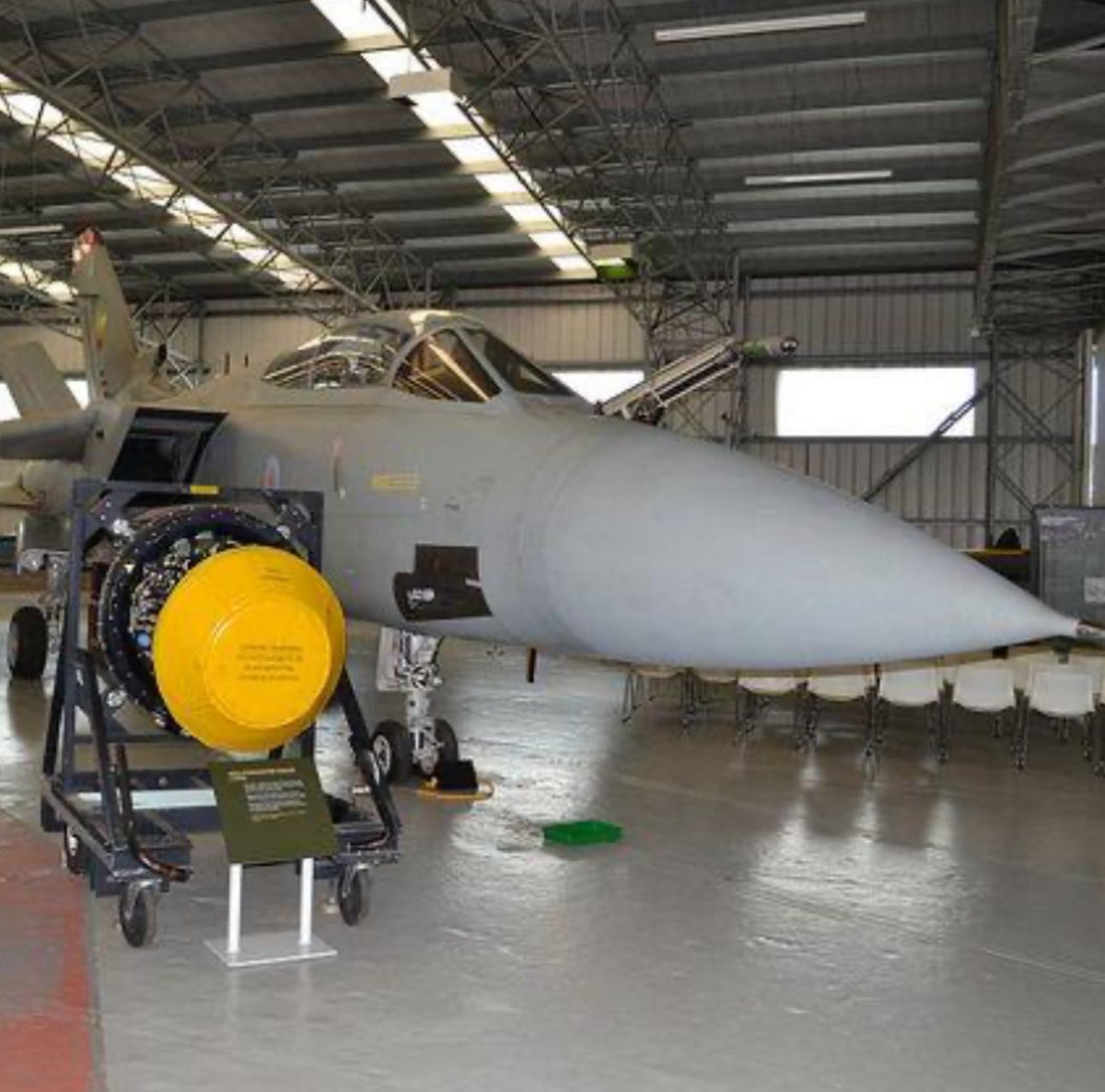
1/25 Introduction to Modern Air Combat Radars
Modern air combat demands advanced radar systems to navigate complex electromagnetic environments, support multi-role missions, and ensure platform survivability. This thread compares the European Common Radar System Mark 2 (ECRS Mk2) for the Eurofighter Typhoon and the AN/APG-81 for the F-35 Lightning II, analysing their development, design, and strategic roles. I also examine France’s RBE2 radar, the ECRS Mk2’s prolonged gestation, and optimal air combat applications.
Views my own.
2
AN/APG-81 Development History
2/25 The AN/APG-81, developed by Northrop Grumman for the F-35, emerged from the 1990s Joint Strike Fighter (JSF) programme to replace platforms like the F-16. Requirements emphasised stealth integration, multi-role flexibility, and network-centric warfare. Building on the AN/APG-77 (F-22 Raptor), development began in the early 2000s, with integration by 2009 and initial operational capability (IOC) in 2015.
2/25 The AN/APG-81, developed by Northrop Grumman for the F-35, emerged from the 1990s Joint Strike Fighter (JSF) programme to replace platforms like the F-16. Requirements emphasised stealth integration, multi-role flexibility, and network-centric warfare. Building on the AN/APG-77 (F-22 Raptor), development began in the early 2000s, with integration by 2009 and initial operational capability (IOC) in 2015.
3
AN/APG-81 Design Features
3/25 The AN/APG-81 features a large aperture (~0.7 m²) and high transmit/receive module (TRM) count, enabling superior detection range and high-resolution Synthetic Aperture Radar (SAR). Its electronic warfare (EW) capabilities include jamming and passive detection, supporting the F-35’s stealth architecture. Over 3,000 units are planned for the global F-35 fleet, with production ongoing beyond 2035.
3/25 The AN/APG-81 features a large aperture (~0.7 m²) and high transmit/receive module (TRM) count, enabling superior detection range and high-resolution Synthetic Aperture Radar (SAR). Its electronic warfare (EW) capabilities include jamming and passive detection, supporting the F-35’s stealth architecture. Over 3,000 units are planned for the global F-35 fleet, with production ongoing beyond 2035.
4
ECRS Mk2 Development Origins
4/25 The ECRS Mk2, developed by Leonardo UK for the RAF’s Eurofighter Typhoon, addresses the need to replace the mechanically scanned Captor-M radar. Initiated in the early 2000s, the European Common Radar System (ECRS) programme aimed to deliver AESA technology for the Typhoon, evolving from air superiority to multi-role capabilities in response to advanced threats.
4/25 The ECRS Mk2, developed by Leonardo UK for the RAF’s Eurofighter Typhoon, addresses the need to replace the mechanically scanned Captor-M radar. Initiated in the early 2000s, the European Common Radar System (ECRS) programme aimed to deliver AESA technology for the Typhoon, evolving from air superiority to multi-role capabilities in response to advanced threats.
5
ECRS Program Divergence
5/25 The ECRS programme split into three variants due to multinational priorities:
• ECRS Mk0: GaAs-based for Kuwait/Qatar, delivered by 2021.
• ECRS Mk1: GaN-based for Germany/Spain, planned for mid-2020s.
• ECRS Mk2: RAF-specific with wideband EW, targeting IOC in 2030. This divergence allowed export customers earlier AESA access, while the RAF prioritised advanced capabilities.
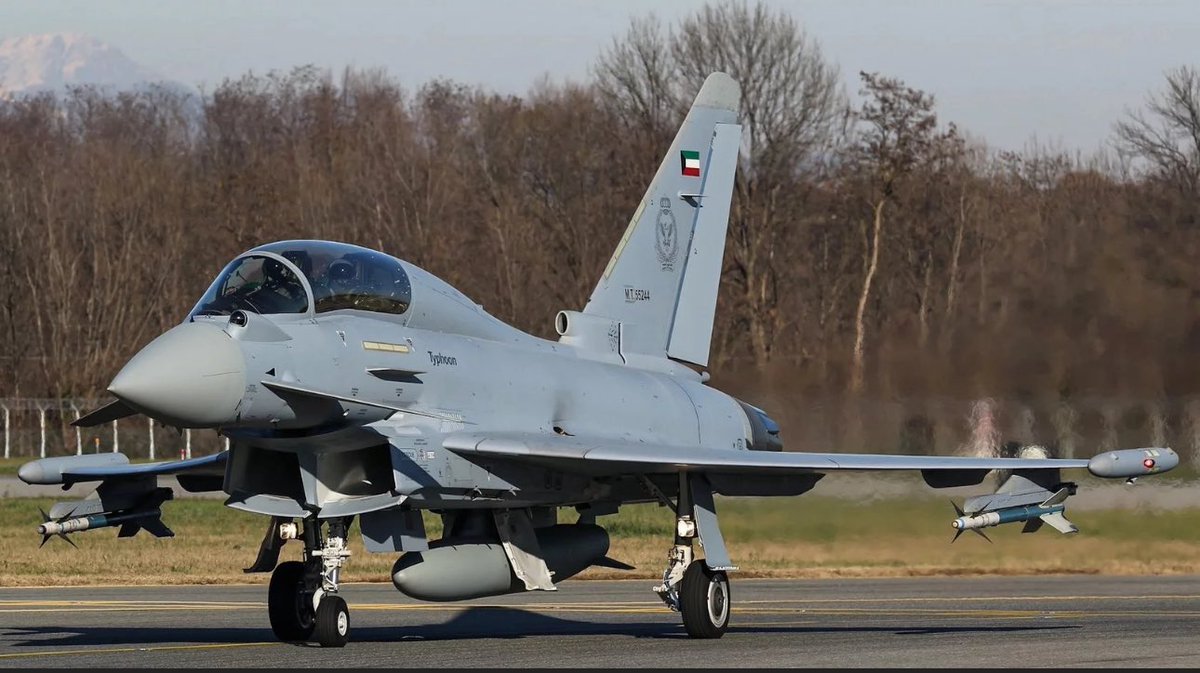
5/25 The ECRS programme split into three variants due to multinational priorities:
• ECRS Mk0: GaAs-based for Kuwait/Qatar, delivered by 2021.
• ECRS Mk1: GaN-based for Germany/Spain, planned for mid-2020s.
• ECRS Mk2: RAF-specific with wideband EW, targeting IOC in 2030. This divergence allowed export customers earlier AESA access, while the RAF prioritised advanced capabilities.
6
ECRS Mk2 Development Milestones
6/25 ECRS Mk2 development began with technology demonstrators (ARTS 2007, Bright Adder 2010). A £317 million contract in 2020 initiated prototyping, followed by £870 million in 2023 for integration. In June 2025, a £204.6 million funding award supported production, securing long-lead elements and full-rate production by late 2025.
6/25 ECRS Mk2 development began with technology demonstrators (ARTS 2007, Bright Adder 2010). A £317 million contract in 2020 initiated prototyping, followed by £870 million in 2023 for integration. In June 2025, a £204.6 million funding award supported production, securing long-lead elements and full-rate production by late 2025.
7
ECRS Mk2 Recent Progress
7/25 The first ECRS Mk2 prototype was delivered to BAE Systems in April 2023, with ground testing completed by July 2024. A September 2024 flight trial demonstrated simultaneous target tracking and electronic attack. The critical design review (CDR) was finalised in June 2024, and February 2025 trials confirmed readiness. The recent £204.6 million ensures integration into 40 Tranche 3 Typhoons starting (hopefully) in 2028.
7/25 The first ECRS Mk2 prototype was delivered to BAE Systems in April 2023, with ground testing completed by July 2024. A September 2024 flight trial demonstrated simultaneous target tracking and electronic attack. The critical design review (CDR) was finalised in June 2024, and February 2025 trials confirmed readiness. The recent £204.6 million ensures integration into 40 Tranche 3 Typhoons starting (hopefully) in 2028.
8
Economic Impact of ECRS Mk2 Funding
8/25 The £2.35 billion investment since 2020, including the June 2025 £204.6 million, sustains 1,300 UK jobs: 300 at Leonardo’s Edinburgh site, 100 in Luton, and 120 at BAE Systems in Lancashire. This funding reinforces the UK’s aerospace industry while advancing the ECRS Mk2 toward its 2030 IOC.
8/25 The £2.35 billion investment since 2020, including the June 2025 £204.6 million, sustains 1,300 UK jobs: 300 at Leonardo’s Edinburgh site, 100 in Luton, and 120 at BAE Systems in Lancashire. This funding reinforces the UK’s aerospace industry while advancing the ECRS Mk2 toward its 2030 IOC.
9
ECRS Mk2 Design Features
9/25 The ECRS Mk2 features a multi-functional array (MFA) with GaN TRMs and a rotating positioner inspired by the Gripen E’s Selex ES-05 Raven radar. Its wideband electronic attack (EA) capabilities enable jamming and suppression of enemy air defences (SEAD/DEAD), compensating for the Typhoon’s non-stealth design.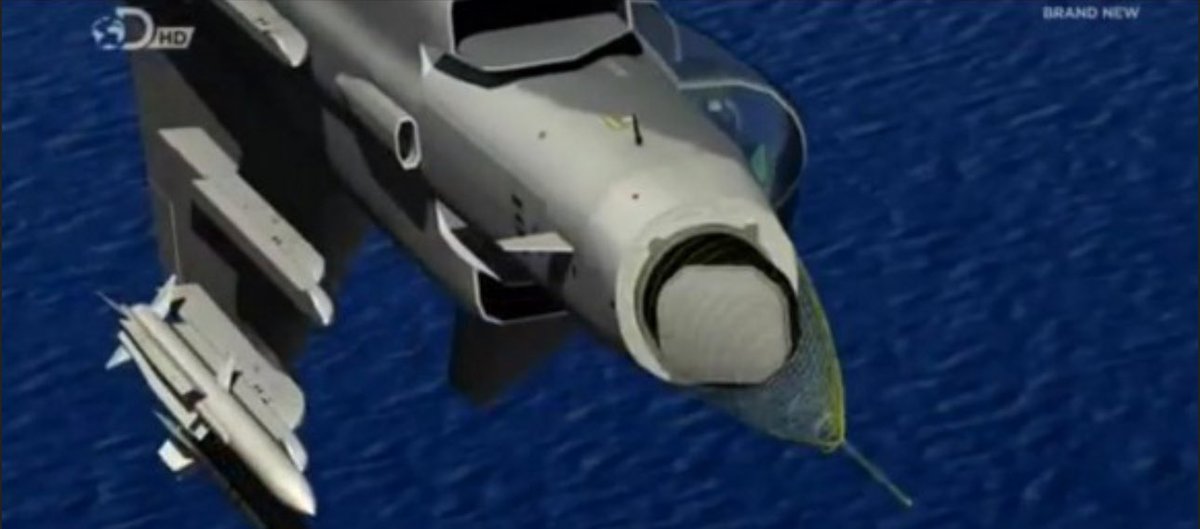

9/25 The ECRS Mk2 features a multi-functional array (MFA) with GaN TRMs and a rotating positioner inspired by the Gripen E’s Selex ES-05 Raven radar. Its wideband electronic attack (EA) capabilities enable jamming and suppression of enemy air defences (SEAD/DEAD), compensating for the Typhoon’s non-stealth design.
10
France’s RBE2 Radar Overview
10/25 France’s RBE2 AESA radar, developed by Thales for the Dassault Rafale, transitioned from PESA to AESA by 2012, achieving IOC in 2013. It supports air-to-air, air-to-ground, and limited EW functions, relying on the Rafale’s SPECTRA suite for electronic countermeasures. GaN upgrades are planned for the Rafale F4 standard by the late 2020s.
10/25 France’s RBE2 AESA radar, developed by Thales for the Dassault Rafale, transitioned from PESA to AESA by 2012, achieving IOC in 2013. It supports air-to-air, air-to-ground, and limited EW functions, relying on the Rafale’s SPECTRA suite for electronic countermeasures. GaN upgrades are planned for the Rafale F4 standard by the late 2020s.
11
RBE2 Development and Future Plans
11/25 The RBE2’s smaller aperture limits detection range but suits the Rafale’s compact airframe. France’s centralised procurement enabled a faster timeline than the ECRS Mk2. Future upgrades focus on unmanned system integration and data fusion, aligning with the Future Combat Air System (FCAS), but EW capabilities remain less extensive than the ECRS Mk2.
11/25 The RBE2’s smaller aperture limits detection range but suits the Rafale’s compact airframe. France’s centralised procurement enabled a faster timeline than the ECRS Mk2. Future upgrades focus on unmanned system integration and data fusion, aligning with the Future Combat Air System (FCAS), but EW capabilities remain less extensive than the ECRS Mk2.
12
AN/APG-81 User Requirements
12/25 The AN/APG-81 was designed to meet F-35 requirements:
• Low Observability: Compact design to minimise radar cross-section (RCS).
• Multi-Role Flexibility: Air-to-air, air-to-ground, and EW capabilities.
• Data Fusion: Integration with the F-35’s sensor suite.
• Interoperability: Secure data links for coalition operations. These align with US doctrines of stealth and networked warfare.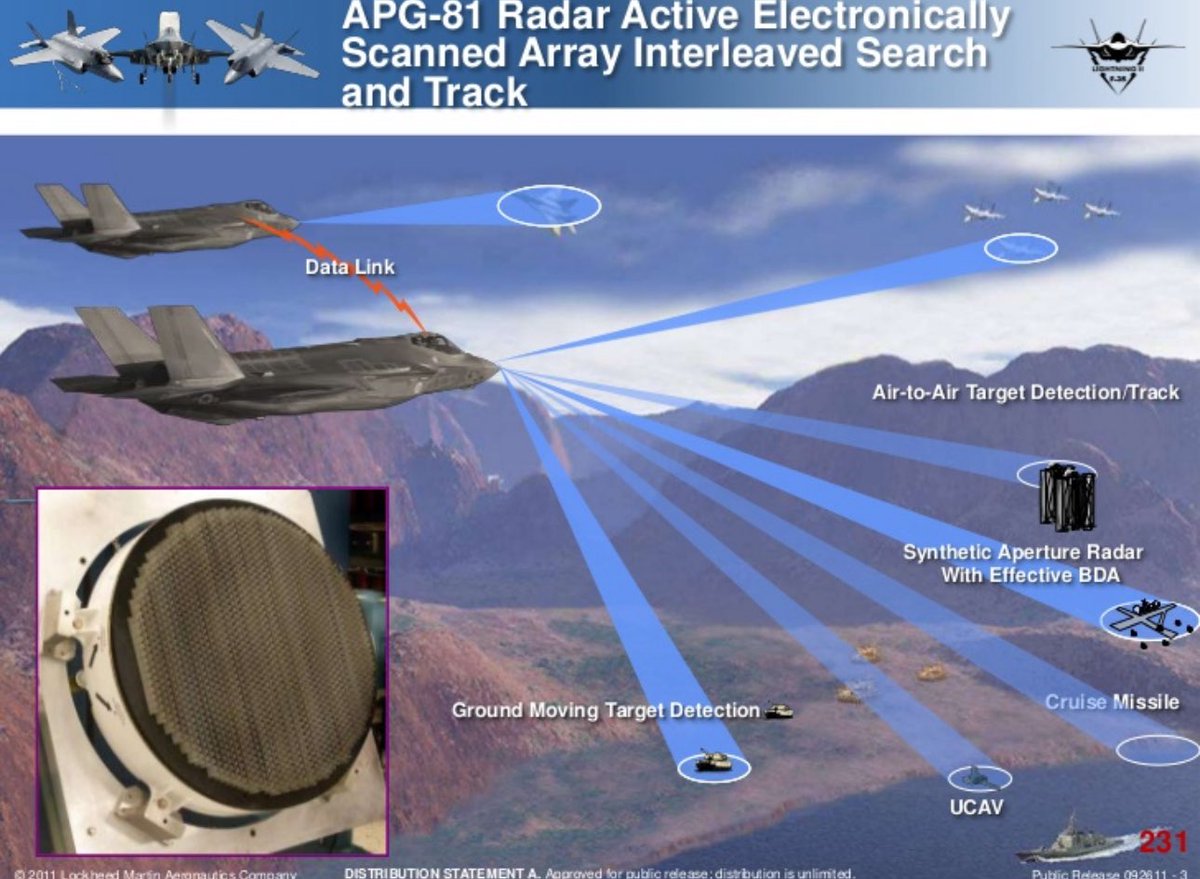
12/25 The AN/APG-81 was designed to meet F-35 requirements:
• Low Observability: Compact design to minimise radar cross-section (RCS).
• Multi-Role Flexibility: Air-to-air, air-to-ground, and EW capabilities.
• Data Fusion: Integration with the F-35’s sensor suite.
• Interoperability: Secure data links for coalition operations. These align with US doctrines of stealth and networked warfare.
13
ECRS Mk2 User Requirements
13/25 The ECRS Mk2 addresses RAF needs for the non-stealth Typhoon:
• Wideband EW/EA: Jamming and SEAD/DEAD capabilities.
• Multi-Functionality: Simultaneous air, ground, and EW operations.
• Sovereign Capability: UK control for strategic autonomy.
• Long-Term Viability: Compatibility with Typhoon Tranches 2 and 3 and the Global Combat Air Programme (GCAP).
13/25 The ECRS Mk2 addresses RAF needs for the non-stealth Typhoon:
• Wideband EW/EA: Jamming and SEAD/DEAD capabilities.
• Multi-Functionality: Simultaneous air, ground, and EW operations.
• Sovereign Capability: UK control for strategic autonomy.
• Long-Term Viability: Compatibility with Typhoon Tranches 2 and 3 and the Global Combat Air Programme (GCAP).
14
Comparative Design Philosophies
14/25 The AN/APG-81 leverages the F-35’s stealth for passive detection and data fusion, with a compact design suited to its airframe. The ECRS Mk2 compensates for the Typhoon’s higher RCS with active EW, using a larger array and rotating positioner. The US benefited from economies of scale, while the UK’s bespoke requirements delayed the Mk2 but enhanced its EW scope.
14/25 The AN/APG-81 leverages the F-35’s stealth for passive detection and data fusion, with a compact design suited to its airframe. The ECRS Mk2 compensates for the Typhoon’s higher RCS with active EW, using a larger array and rotating positioner. The US benefited from economies of scale, while the UK’s bespoke requirements delayed the Mk2 but enhanced its EW scope.
15
AN/APG-81 Strengths
15/25
• Stealth Integration: Optimised for low RCS, enhancing survivability.
• Detection Range: Large aperture for superior range and resolution.
• Data Fusion: Seamless sensor integration for networked warfare.
• Mature Deployment: Operational since 2015, with global use.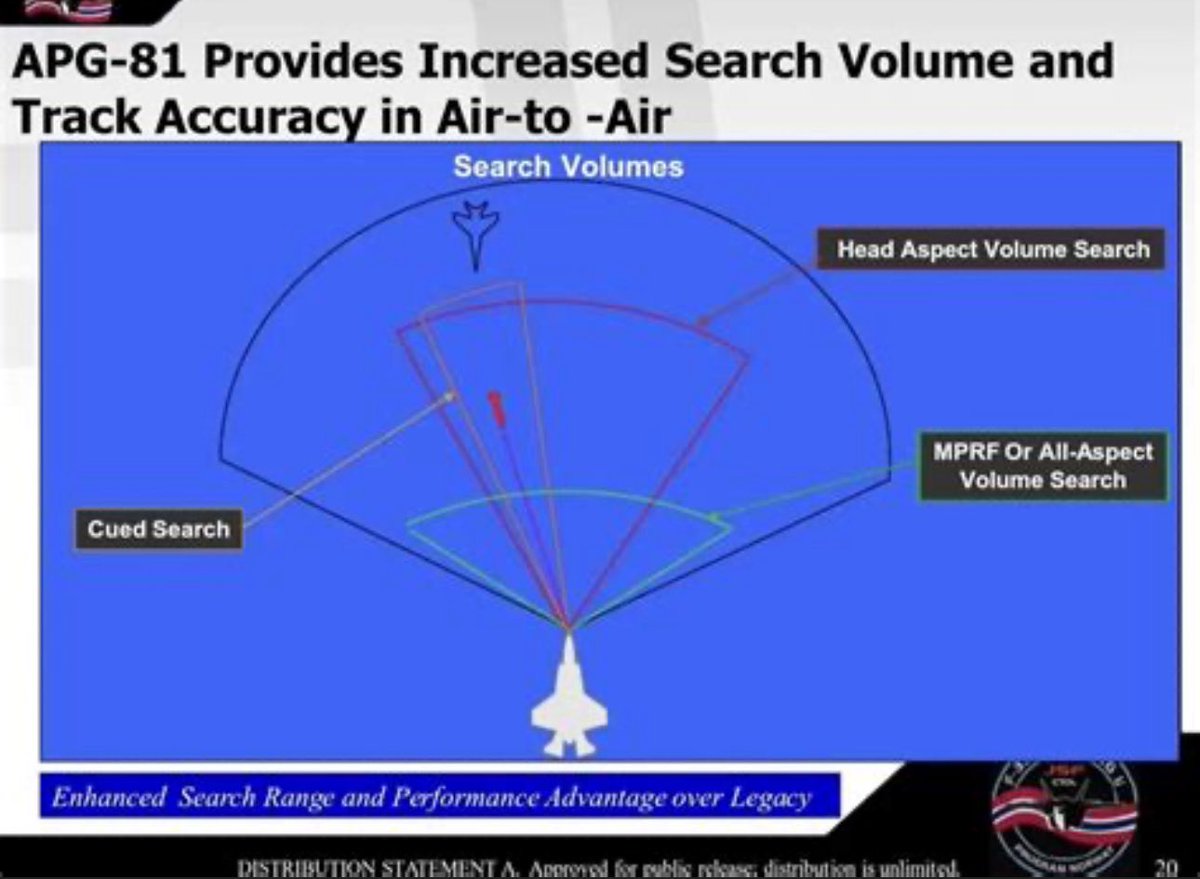
15/25
• Stealth Integration: Optimised for low RCS, enhancing survivability.
• Detection Range: Large aperture for superior range and resolution.
• Data Fusion: Seamless sensor integration for networked warfare.
• Mature Deployment: Operational since 2015, with global use.
16
AN/APG-81 Weaknesses
16/25
• Limited EW Scope: Robust but less extensive than ECRS Mk2’s wideband EA.
• Platform Dependency: Tailored to the F-35, limiting retrofit potential.
• Cost: High production and maintenance costs due to F-35 integration.
16/25
• Limited EW Scope: Robust but less extensive than ECRS Mk2’s wideband EA.
• Platform Dependency: Tailored to the F-35, limiting retrofit potential.
• Cost: High production and maintenance costs due to F-35 integration.
17
ECRS Mk2 Strengths
17/25
• Advanced EW/EA: Wideband jamming and SEAD/DEAD capabilities.
• Flexibility: MFA supports simultaneous air, ground, and EW tasks.
• Retrofit Potential: Compatible with 107 Typhoon Tranches 2 and 3.
• Sovereign Control: UK-led design supports GCAP and sustains jobs.
• Recent Funding: £204.6 million ensures production by 2028.
17/25
• Advanced EW/EA: Wideband jamming and SEAD/DEAD capabilities.
• Flexibility: MFA supports simultaneous air, ground, and EW tasks.
• Retrofit Potential: Compatible with 107 Typhoon Tranches 2 and 3.
• Sovereign Control: UK-led design supports GCAP and sustains jobs.
• Recent Funding: £204.6 million ensures production by 2028.
18
ECRS Mk2 Weaknesses
18/25
• Delayed Timeline: IOC in 2030, lagging behind RBE2 and APG-81.
• Non-Stealth Platform: Relies on EW due to Typhoon’s RCS.
• Cost and Complexity: £2.35 billion investment strains budgets.
18/25
• Delayed Timeline: IOC in 2030, lagging behind RBE2 and APG-81.
• Non-Stealth Platform: Relies on EW due to Typhoon’s RCS.
• Cost and Complexity: £2.35 billion investment strains budgets.
19
RBE2 Comparison
19/25 The RBE2 balances rapid deployment and interoperability with SPECTRA but has a smaller aperture and limited EW scope compared to the ECRS Mk2. It lags behind the APG-81 in data fusion and stealth integration but benefits from a faster timeline, suiting France’s expeditionary operations.
19/25 The RBE2 balances rapid deployment and interoperability with SPECTRA but has a smaller aperture and limited EW scope compared to the ECRS Mk2. It lags behind the APG-81 in data fusion and stealth integration but benefits from a faster timeline, suiting France’s expeditionary operations.
20
ECRS Mk2’s Prolonged Gestation
20/25 The ECRS Mk2’s nearly two-decade development reflects UK procurement challenges. Early demonstrators (ARTS, Bright Adder) were hampered by funding delays. Investments of £317 million (2020), £870 million (2023), and £204.6 million (2025) total £2.35 billion, yet IOC remains 2030. This mirrors historical projects like Nimrod AEW3, where ambition outpaced funding.
20/25 The ECRS Mk2’s nearly two-decade development reflects UK procurement challenges. Early demonstrators (ARTS, Bright Adder) were hampered by funding delays. Investments of £317 million (2020), £870 million (2023), and £204.6 million (2025) total £2.35 billion, yet IOC remains 2030. This mirrors historical projects like Nimrod AEW3, where ambition outpaced funding.
21
British Procurement Challenges
21/25 The UK’s bespoke requirements for advanced EW and multinational Eurofighter collaboration added complexity, delaying the ECRS Mk2. Germany and Spain prioritised earlier AESA adoption (Mk0/Mk1), while the RAF’s focus on electronic dominance extended timelines. The recent £204.6 million mitigates delays, securing production and jobs.
21/25 The UK’s bespoke requirements for advanced EW and multinational Eurofighter collaboration added complexity, delaying the ECRS Mk2. Germany and Spain prioritised earlier AESA adoption (Mk0/Mk1), while the RAF’s focus on electronic dominance extended timelines. The recent £204.6 million mitigates delays, securing production and jobs.
22
Air Combat Doctrines
22/25
• AN/APG-81: Supports US stealth and networked warfare, excelling in air superiority, precision strikes, and ISR in high-threat environments.
• ECRS Mk2: Aligns with RAF air superiority and flexibility, leveraging SEAD/DEAD and multi-role capabilities for NATO air policing.
• RBE2: Supports France’s independent air power, focusing on multi-role flexibility but relying on SPECTRA for EW.
22/25
• AN/APG-81: Supports US stealth and networked warfare, excelling in air superiority, precision strikes, and ISR in high-threat environments.
• ECRS Mk2: Aligns with RAF air superiority and flexibility, leveraging SEAD/DEAD and multi-role capabilities for NATO air policing.
• RBE2: Supports France’s independent air power, focusing on multi-role flexibility but relying on SPECTRA for EW.
23
Conclusion – AN/APG-81’s Strategic Role
23/25 The AN/APG-81 excels in stealth-driven, high-threat missions, leveraging the F-35’s low RCS and data fusion for air superiority, precision strikes, and networked operations. Its mature deployment since 2015 ensures reliability, making it ideal for penetration missions and coalition warfare, supported by US economies of scale.
23/25 The AN/APG-81 excels in stealth-driven, high-threat missions, leveraging the F-35’s low RCS and data fusion for air superiority, precision strikes, and networked operations. Its mature deployment since 2015 ensures reliability, making it ideal for penetration missions and coalition warfare, supported by US economies of scale.
24
Conclusion – ECRS Mk2’s Strategic Role
24/25 The ECRS Mk2, enhanced by the £204.6 million funding in June 2025, prioritises electronic dominance and multi-role flexibility for the non-stealth Typhoon. Its wideband EA and SEAD/DEAD capabilities make it optimal for NATO air policing and coalition operations, with integration into 40 Tranche 3 Typhoons starting in 2028 ensuring relevance through 2040 and alignment with GCAP.
24/25 The ECRS Mk2, enhanced by the £204.6 million funding in June 2025, prioritises electronic dominance and multi-role flexibility for the non-stealth Typhoon. Its wideband EA and SEAD/DEAD capabilities make it optimal for NATO air policing and coalition operations, with integration into 40 Tranche 3 Typhoons starting in 2028 ensuring relevance through 2040 and alignment with GCAP.
25
Conclusion and Invitation for Feedback
25/25 The AN/APG-81 suits stealth-centric doctrines, while the ECRS Mk2 excels in electronic dominance for contested environments, complementing platforms like the F-35. The RBE2 offers a balanced alternative but lacks the Mk2’s EW scope. The ECRS Mk2’s funding secures its future, despite procurement delays. Readers are invited to comment, share insights, or correct any inaccuracies to further this discussion.
I’m working on other background projects as well, SPEAR 3 is on the horizon - another “challenging British procurement saga”.


25/25 The AN/APG-81 suits stealth-centric doctrines, while the ECRS Mk2 excels in electronic dominance for contested environments, complementing platforms like the F-35. The RBE2 offers a balanced alternative but lacks the Mk2’s EW scope. The ECRS Mk2’s funding secures its future, despite procurement delays. Readers are invited to comment, share insights, or correct any inaccuracies to further this discussion.
I’m working on other background projects as well, SPEAR 3 is on the horizon - another “challenging British procurement saga”.