In 1975, Bill Walsh's mentor destroyed his dreams with one phone...

Thad Wells@ThadWells
67 views
Jul 08, 2025
~4 min read
Advertisement
1
In 1975, Bill Walsh's mentor destroyed his dreams with one phone call.
Paul Brown didn't just pass him over—he secretly sabotaged Walsh.
6 years later, he beat Brown in the Super Bowl.
🧵THREAD
Paul Brown didn't just pass him over—he secretly sabotaged Walsh.
6 years later, he beat Brown in the Super Bowl.
🧵THREAD
2
At San Jose State, Walsh was a 190-pound tight end who described himself as "average."
He won the boxing championship and caught a 66-yard touchdown.
But injuries limited him to just 5 games his senior year.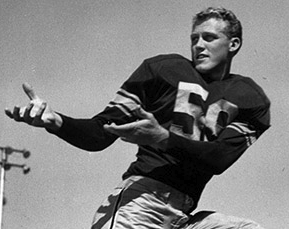
He won the boxing championship and caught a 66-yard touchdown.
But injuries limited him to just 5 games his senior year.
3
His playing career ended, but his real education was just beginning.
At 25, Walsh took over Washington Union High School.
They had lost 26 of their last 27 games. The previous coach had been fired in scandal.
At 25, Walsh took over Washington Union High School.
They had lost 26 of their last 27 games. The previous coach had been fired in scandal.
4
The turnaround was immediate.
Walsh's first season: 9-1 record and a conference championship.
He earned $4,650 per year while coaching football, teaching PE, and driving the team bus.
Walsh's first season: 9-1 record and a conference championship.
He earned $4,650 per year while coaching football, teaching PE, and driving the team bus.
5
His secret wasn't talent—it was preparation.
Walsh introduced passing concepts revolutionary for high school football.
He already understood: when you lack physical gifts, you must outthink everyone.
Walsh introduced passing concepts revolutionary for high school football.
He already understood: when you lack physical gifts, you must outthink everyone.
6
Walsh moved to college coaching under legendary mentors.
At UC Berkeley under Marv Levy, he coached defense.
At Stanford under John Ralston, he learned high-level program organization.
At UC Berkeley under Marv Levy, he coached defense.
At Stanford under John Ralston, he learned high-level program organization.
7
In 1965, Walsh was a finalist for the San Jose State head coaching job.
He didn't get it.
Another rejection that taught him about persistence and the politics of coaching.
He didn't get it.
Another rejection that taught him about persistence and the politics of coaching.
8
Then Paul Brown hired him at Cincinnati in 1968.
For 8 years, Walsh built the Bengals into an offensive powerhouse.
When forced to work with weak-armed quarterbacks, Walsh invented the West Coast Offense.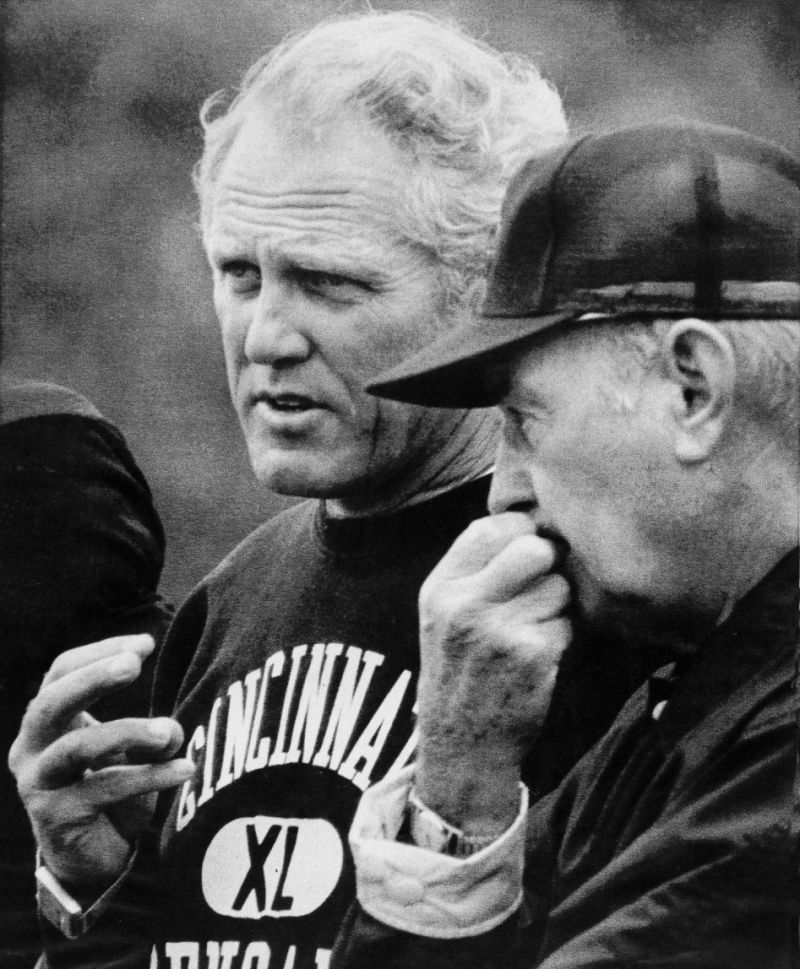
For 8 years, Walsh built the Bengals into an offensive powerhouse.
When forced to work with weak-armed quarterbacks, Walsh invented the West Coast Offense.
9
Brown was his mentor and father figure.
Walsh naturally expected to be promoted when Brown retired.
On New Year's Eve 1975, Walsh got the call. Brown had chosen someone else.
Walsh naturally expected to be promoted when Brown retired.
On New Year's Eve 1975, Walsh got the call. Brown had chosen someone else.
10
Worse—Walsh later discovered Brown was telling other teams not to hire him either.
"He's too soft," Brown would tell NFL executives.
"Don't touch Walsh with a ten-foot pole."
"He's too soft," Brown would tell NFL executives.
"Don't touch Walsh with a ten-foot pole."
11
For years, Walsh didn't know opportunities were being destroyed behind his back.
Walsh almost quit football entirely.
Instead, he took an assistant job with San Diego in 1976.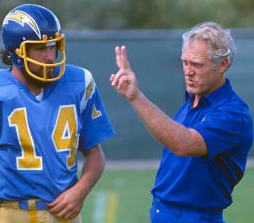
Walsh almost quit football entirely.
Instead, he took an assistant job with San Diego in 1976.
12
After one season with the Chargers, Walsh returned to Stanford as head coach.
In two seasons (1977-1978), he went 17-7 with innovative offenses.
College success finally opened NFL doors.
In two seasons (1977-1978), he went 17-7 with innovative offenses.
College success finally opened NFL doors.
13
In 1979, the San Francisco 49ers were desperate.
They had gone 2-14 and were the worst team in football.
Walsh became head coach of a franchise in complete ruins.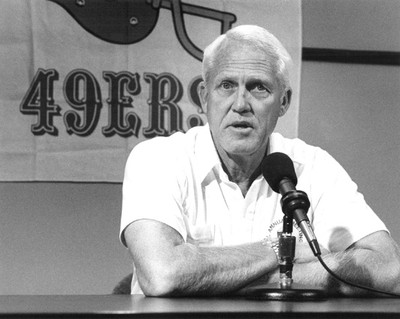
They had gone 2-14 and were the worst team in football.
Walsh became head coach of a franchise in complete ruins.
14
Walsh's first season was brutal: 2-14 again.
The team had no talent, no confidence, and no identity.
But Walsh was building something systematic beneath the surface.
The team had no talent, no confidence, and no identity.
But Walsh was building something systematic beneath the surface.
15
His second season started promisingly.
The 49ers won their first 3 games of 1980.
Then everything collapsed. They lost 7 straight games.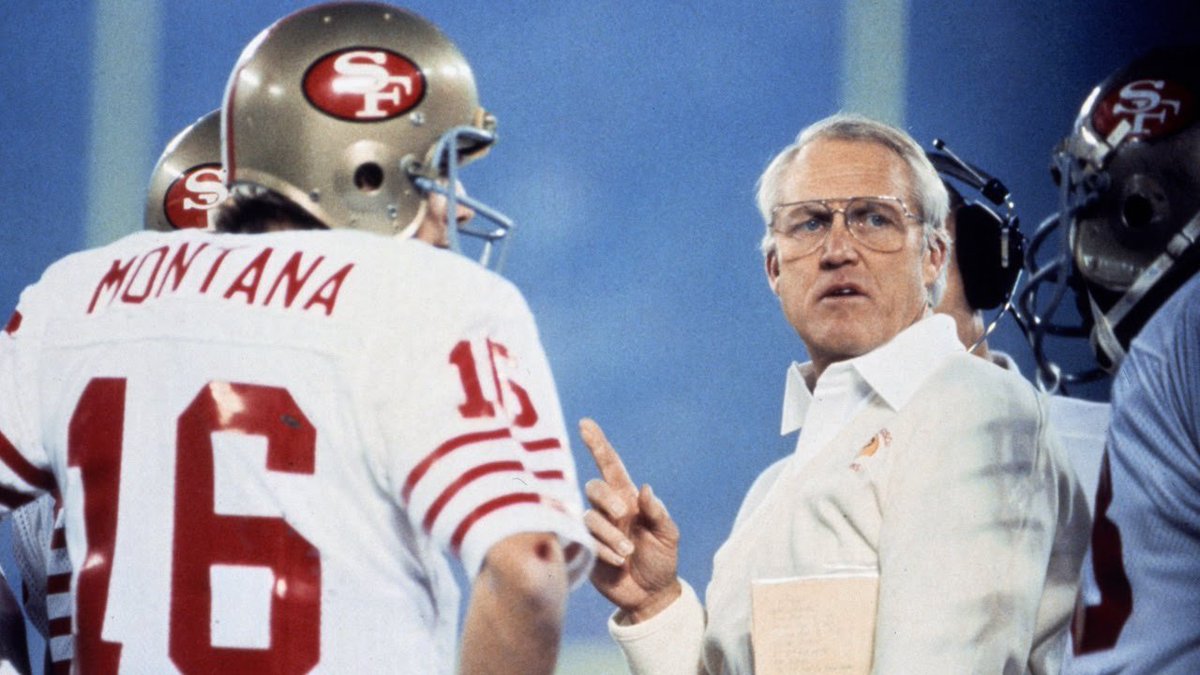
The 49ers won their first 3 games of 1980.
Then everything collapsed. They lost 7 straight games.
16
After the 7th consecutive loss, Walsh had an emotional breakdown on the team plane.
"I was truly broken. I didn't think I had what it takes."
The pressure and self-doubt nearly consumed him.
"I was truly broken. I didn't think I had what it takes."
The pressure and self-doubt nearly consumed him.
17
But in that moment, Walsh made a decision.
"I must stand and fight again, or it's all over."
He developed what he called his philosophy for "getting back in the game."
"I must stand and fight again, or it's all over."
He developed what he called his philosophy for "getting back in the game."
18
16 months later, the 49ers won Super Bowl XVI.
They beat Paul Brown's Cincinnati Bengals 26-21.
The student had become the master through sheer force of will.
They beat Paul Brown's Cincinnati Bengals 26-21.
The student had become the master through sheer force of will.
19
What separated Walsh wasn't talent—it was systems.
He scripted the first 25 plays of every game when no one else was doing it.
He created detailed standards for everyone from stars to secretaries.
He scripted the first 25 plays of every game when no one else was doing it.
He created detailed standards for everyone from stars to secretaries.
20
His teaching philosophy: "You must love what you are teaching."
Walsh believed coaches were educators first, strategists second.
He developed more successful head coaches than anyone in NFL history.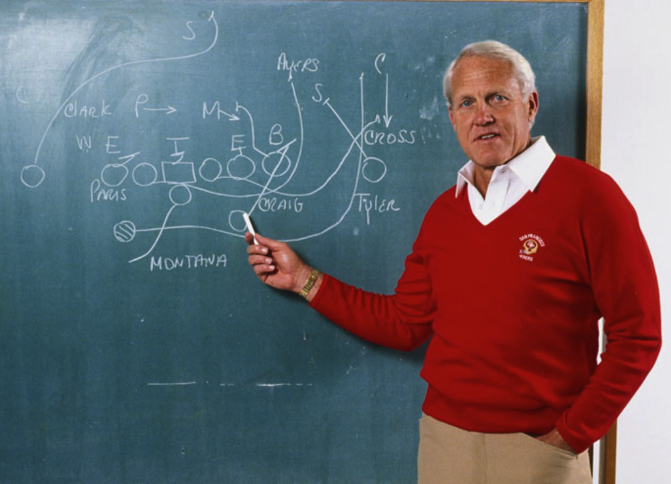
Walsh believed coaches were educators first, strategists second.
He developed more successful head coaches than anyone in NFL history.
21
Walsh's "Standard of Performance" wasn't about winning.
It was about behavior, preparation, and attention to detail.
Champions, he said, behave like champions before they're champions.
It was about behavior, preparation, and attention to detail.
Champions, he said, behave like champions before they're champions.
22
The man who almost quit football revolutionized it instead.
His coaching tree includes dozens of Super Bowl winners.
Most modern offenses trace back to Walsh's innovations.
His coaching tree includes dozens of Super Bowl winners.
Most modern offenses trace back to Walsh's innovations.
23
Here's what Walsh learned: Your biggest setbacks often contain your greatest breakthroughs.
The betrayal that nearly ended his career forced him to innovate in ways that changed football forever.
Sometimes you have to lose everything to discover what you're truly capable of.
The betrayal that nearly ended his career forced him to innovate in ways that changed football forever.
Sometimes you have to lose everything to discover what you're truly capable of.
24
Walsh's journey from a high school coach to Hall of Fame legend proves that greatness isn't about avoiding failure.
It's about learning to transform your deepest wounds into your greatest strengths.
Every rejection is redirecting you toward something better.
It's about learning to transform your deepest wounds into your greatest strengths.
Every rejection is redirecting you toward something better.
25
This resilience mindset is what made Walsh's "Finding the Winning Edge" legendary.
It's out of print and sells for $500+ but I'm giving my SIGNED copy away for free.
Reply with the word "BILL" and I'll DM you the details!
(Must be following for me to DM back.)
It's out of print and sells for $500+ but I'm giving my SIGNED copy away for free.
Reply with the word "BILL" and I'll DM you the details!
(Must be following for me to DM back.)
0:25
