🧵 The Evolution of the Independent Fundamental Baptist (IFB)...

Josh Barzon@JoshuaBarzon
61 views
Jun 25, 2025
~23 min read
Advertisement
1
🧵 The Evolution of the Independent Fundamental Baptist (IFB) Movement: A Historical Overview
No matter what denomination you’re in, the IFB has shaped your world…whether you realize it or not.
Its legacy is messy, massive, & often misunderstood.
This is the IFB story🧵👇🏼
No matter what denomination you’re in, the IFB has shaped your world…whether you realize it or not.
Its legacy is messy, massive, & often misunderstood.
This is the IFB story🧵👇🏼
2
🧵 Introduction and Disclaimer
The Independent Fundamental Baptist (IFB) movement has left a unique and complex mark on American religious life over the past century. Known for its strict theological conservatism, separatist mindset, and cultural traditionalism, the IFB movement emerged out of early 20th-century fundamentalism and has since splintered into numerous subgroups.
This 🧵 walks through the history of the IFB (from its late 19th-century roots to its present-day factions) highlighting key figures, institutions, doctrines, controversies, and cultural impacts along the way.
As someone who spent many years in various IFB circles, my goal is to offer an honest and objective look at this movement with its strengths, flaws, and influence.
🚨 DISCLAIMER: You may find points you disagree with or think need more nuance. I’ve done my best to condense a century of history into a readable format while remaining as historically objective as possible. This is not a hit piece. Just a concise historical overview.
Let’s dive in 👇🏼
3
🧵 1. Prehistory: Foundations of Fundamentalism (Late 1800s – Early 1900s)
Before there was an “IFB,” there was a fire kindling deep within American Protestantism. The late 19th century saw traditional Christian beliefs challenged on every front: science, philosophy, and theology. Darwin’s Origin of Species had sparked a cultural revolution. German higher criticism was sweeping through seminaries, questioning the reliability and unity of the Bible. And the social gospel movement was beginning to replace personal salvation with societal reform.
In this era of upheaval, a coalition of conservative Christians rose to defend what they called the “fundamentals of the faith.” These included the inerrancy of Scripture, the virgin birth, substitutionary atonement, the bodily resurrection of Christ, and the reality of His second coming. It wasn’t just about doctrine. It was about drawing a line in the sand.
Though the Independent Fundamental Baptist movement hadn’t yet taken form, its theological DNA was already being written. These early fundamentalists were not yet separatists. In fact, many fought to reform their denominations from within (Presbyterians, Baptists, Methodists, and others) united by shared convictions and a growing sense of urgency.
🔥 Key Figures:
• A. J. Gordon – Boston pastor and Baptist thinker who championed missions and premillennialism.
• B. H. Carroll – Founder of Southwestern Baptist Theological Seminary, committed to inerrancy and Baptist distinctives.
• Curtis Lee Laws – The Baptist editor who coined the term “fundamentalist” in 1920, calling for a stand against liberal drift.
• R. A. Torrey – Evangelist, educator, and editor of The Fundamentals, the 12-volume defense of orthodox Christian beliefs.
• J. Gresham Machen – A towering Presbyterian scholar who walked away from Princeton to form Westminster Seminary, declaring war on modernist theology.
⚔️ Key Issues
• The rise of higher criticism and naturalistic theology; scholars began dissecting the Bible as merely a human document, questioning its authorship, unity, and divine origin. This shook confidence in Scripture’s authority.
• Erosion of belief in miracles and the supernatural; influenced by Enlightenment thinking, many theologians began to dismiss the virgin birth, resurrection, and other miracles as myth or metaphor, not historical fact.
• Modernism in seminaries and mainline pulpits; liberal theology gained ground in once-conservative institutions, leading future pastors and professors to reinterpret or reject core Christian doctrines.
• The struggle to define orthodoxy in a shifting age; with cultural, scientific, and theological norms rapidly changing, believers faced mounting pressure to adapt or hold firm to historic Christian beliefs, often at great cost.
🌎 Key Impacts:
• The birth of the term “fundamentalist” as a badge of doctrinal fidelity
• A surge in Bible conferences, revivalism, and printed materials to combat liberalism
• The formation of new institutions and seminaries committed to doctrinal purity
• A growing tension between fighting from within and separating entirely
⛪ From Cooperation to Conflict
What began as a united front would soon fracture. As denominations like the Northern Baptist Convention and the Presbyterian Church USA tilted further left, some conservatives stayed and fought. Others walked away. These fault lines would eventually give rise to the next generation of separatists, many of whom would go on to form the backbone of what would become the Independent Fundamental Baptist movement.
This was the calm before the storm. The IFB wasn’t born yet, but the stage was set.
4
🧵 2. The Fundamentalist-Modernist Controversy (1910s–1930s)
As the 20th century progressed, American Protestantism fractured. The Fundamentalist-Modernist Controversy erupted as modernists questioned the authority of Scripture, denied miracles, and redefined core doctrines. Conservatives pushed back, refusing to surrender the faith.
In Baptist life, the Northern Baptist Convention became a major battleground. Conservatives watched their seminaries drift left, while denominational leaders promoted tolerance over truth. Eventually, many pastors and churches decided they could no longer stay.
This wave of separatist Baptists left their denominations to preserve doctrinal purity. They began to build new institutions, host Bible conferences, and circulate conservative literature, laying the groundwork for what would become the Independent Fundamental Baptist movement.
🏛️ Key Institutions
• Northern Baptist Convention (NBC); the mainline denomination where liberal theology spread rapidly.
• Baptist Bible Union (1923); a fellowship of conservatives breaking from the NBC.
• Southwestern Baptist Seminary; remained a bastion of conservative theology.
• Moody Bible Institute and Biola; trained pastors and missionaries in fundamentalist principles.
• The Fundamentals (1910–1915); a series of essays defining essential doctrines.
• World Christian Fundamentals Association (1919); organized to unite fundamentalists across denominational lines.
🔥 Key Figures
• William Bell Riley; organizer and leading fundamentalist voice.
• J. Frank Norris; fiery Texas pastor known for militant separatism and controversy.
• T. T. Shields; Canadian defender of orthodoxy.
• Robert Ketcham; key founder of the GARBC.
• Louis Talbot; strengthened Biola’s conservative stance.
📜 Key Doctrines
• Biblical literalism; Scripture is accurate and authoritative in every area. It should be read plainly, without allegorizing or subjecting it to modern reinterpretations.
• Premillennial dispensationalism; emphasized Christ’s imminent return. History is seen as unfolding in distinct biblical eras, culminating in a literal thousand-year reign of Christ on earth.
• Soul-winning and revivalism; evangelism through altar calls and personal appeals. Churches prioritized aggressive outreach, believing salvation decisions should be immediate and measurable.
• Landmarkism; belief in an unbroken chain of true Baptist churches. This view claimed historical legitimacy for Baptists as the original and only faithful New Testament churches.
⚔️ Key Issues
• Evolution in schools: The 1925 Scopes Trial symbolized an attack on Genesis and biblical authority.
• Liberal seminaries: Many pastors trained in institutions that denied key doctrines like the virgin birth and resurrection.
• Higher criticism: This academic trend downplayed the supernatural and eroded trust in Scripture.
• Norris’s scandals: His aggressive style and a 1926 shooting trial damaged his credibility, even among allies.
• SBC tensions: Norris clashed with the SBC over doctrine and control, pushing many toward independent fundamentalism.
📣 Key Impacts
• Triggered a wave of separation from liberal denominations as churches prioritized doctrinal purity over fellowship.
• Separation was framed as a biblical duty, citing verses like Romans 16:17 and 2 Corinthians 6:17.
• Led to a new network of independent churches united by theology, not hierarchy through conferences and publications.
🏗️ From Separation to Structure
Having separated, fundamentalist Baptists now faced the challenge of building a movement. Through schools, conferences, and fellowships, the framework of the Independent Fundamental Baptist world began to emerge that was fiercely independent, deeply committed, and ready to expand.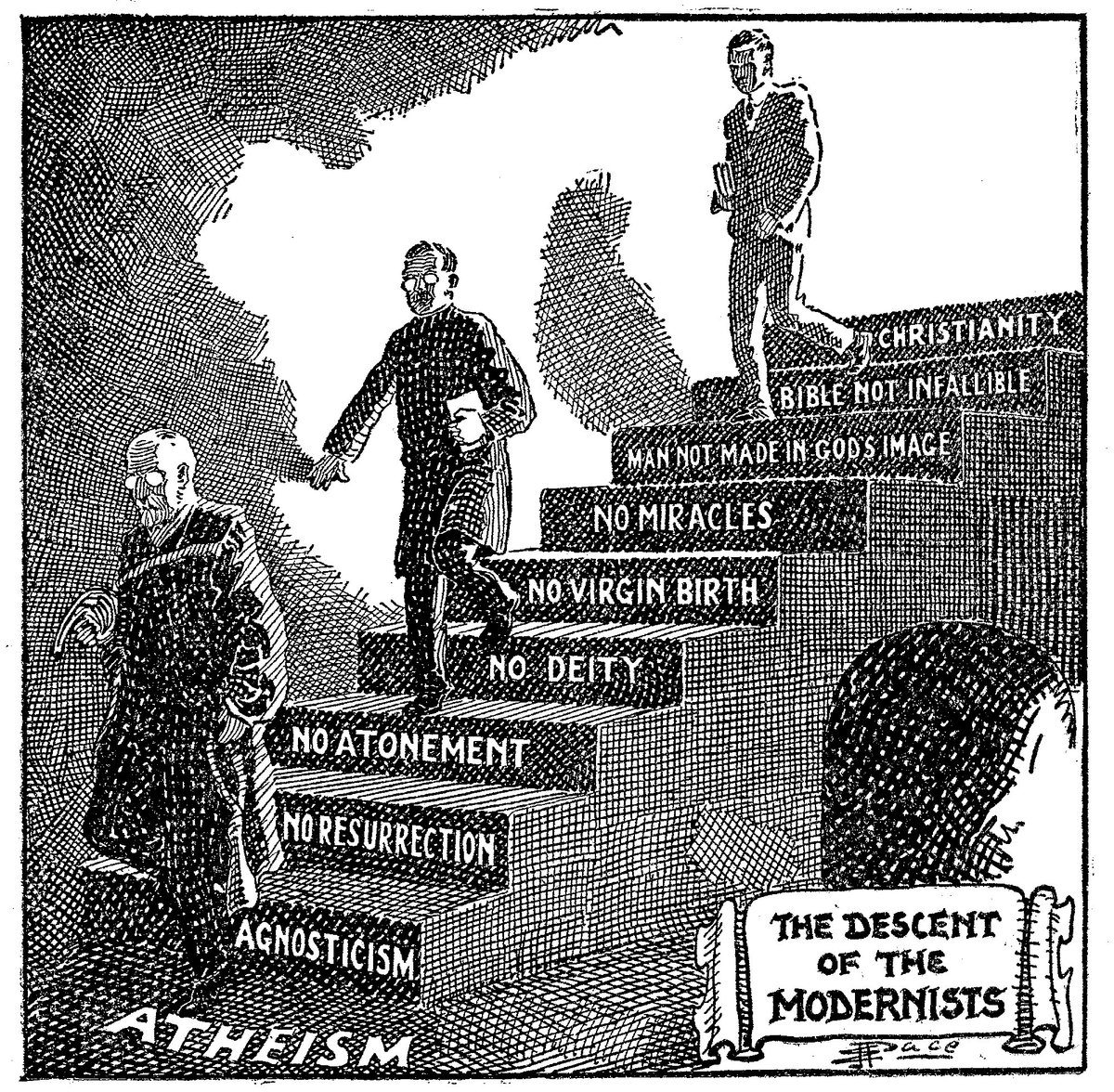
As the 20th century progressed, American Protestantism fractured. The Fundamentalist-Modernist Controversy erupted as modernists questioned the authority of Scripture, denied miracles, and redefined core doctrines. Conservatives pushed back, refusing to surrender the faith.
In Baptist life, the Northern Baptist Convention became a major battleground. Conservatives watched their seminaries drift left, while denominational leaders promoted tolerance over truth. Eventually, many pastors and churches decided they could no longer stay.
This wave of separatist Baptists left their denominations to preserve doctrinal purity. They began to build new institutions, host Bible conferences, and circulate conservative literature, laying the groundwork for what would become the Independent Fundamental Baptist movement.
🏛️ Key Institutions
• Northern Baptist Convention (NBC); the mainline denomination where liberal theology spread rapidly.
• Baptist Bible Union (1923); a fellowship of conservatives breaking from the NBC.
• Southwestern Baptist Seminary; remained a bastion of conservative theology.
• Moody Bible Institute and Biola; trained pastors and missionaries in fundamentalist principles.
• The Fundamentals (1910–1915); a series of essays defining essential doctrines.
• World Christian Fundamentals Association (1919); organized to unite fundamentalists across denominational lines.
🔥 Key Figures
• William Bell Riley; organizer and leading fundamentalist voice.
• J. Frank Norris; fiery Texas pastor known for militant separatism and controversy.
• T. T. Shields; Canadian defender of orthodoxy.
• Robert Ketcham; key founder of the GARBC.
• Louis Talbot; strengthened Biola’s conservative stance.
📜 Key Doctrines
• Biblical literalism; Scripture is accurate and authoritative in every area. It should be read plainly, without allegorizing or subjecting it to modern reinterpretations.
• Premillennial dispensationalism; emphasized Christ’s imminent return. History is seen as unfolding in distinct biblical eras, culminating in a literal thousand-year reign of Christ on earth.
• Soul-winning and revivalism; evangelism through altar calls and personal appeals. Churches prioritized aggressive outreach, believing salvation decisions should be immediate and measurable.
• Landmarkism; belief in an unbroken chain of true Baptist churches. This view claimed historical legitimacy for Baptists as the original and only faithful New Testament churches.
⚔️ Key Issues
• Evolution in schools: The 1925 Scopes Trial symbolized an attack on Genesis and biblical authority.
• Liberal seminaries: Many pastors trained in institutions that denied key doctrines like the virgin birth and resurrection.
• Higher criticism: This academic trend downplayed the supernatural and eroded trust in Scripture.
• Norris’s scandals: His aggressive style and a 1926 shooting trial damaged his credibility, even among allies.
• SBC tensions: Norris clashed with the SBC over doctrine and control, pushing many toward independent fundamentalism.
📣 Key Impacts
• Triggered a wave of separation from liberal denominations as churches prioritized doctrinal purity over fellowship.
• Separation was framed as a biblical duty, citing verses like Romans 16:17 and 2 Corinthians 6:17.
• Led to a new network of independent churches united by theology, not hierarchy through conferences and publications.
🏗️ From Separation to Structure
Having separated, fundamentalist Baptists now faced the challenge of building a movement. Through schools, conferences, and fellowships, the framework of the Independent Fundamental Baptist world began to emerge that was fiercely independent, deeply committed, and ready to expand.
5
🧵 3. The Rise of Independent Fundamental Baptists (1940s–1960s)
After the battles of the Modernist controversy, separatist Baptists had left the mainline. But the question remained: What would they build next?
From the 1940s to the 1960s, the loose collection of separatist churches began to coalesce into a distinct identity: Independent Fundamental Baptists (IFB). These churches rejected denominational ties, emphasized strict doctrinal purity, and embraced aggressive evangelism.
As broader evangelicalism formed institutions like the National Association of Evangelicals (1942) and Billy Graham’s crusades, the IFB world chose a different path. Rather than cooperate, they separated even further.
This was the era of building. Schools, mission boards, conferences, and print ministries formed the infrastructure of a new movement. While fiercely independent, many churches became deeply connected through shared institutions and leaders.
🏛️ Key Institutions
• Bob Jones University; shaped generations of conservative pastors, though not exclusively Baptist.
• Baptist Bible College (Springfield, MO); launched by followers of J. Frank Norris to train militant Baptist preachers.
• Tennessee Temple University; under Lee Roberson, it championed soul-winning and conservative ministry.
• Sword of the Lord; John R. Rice’s newspaper that spread sermons, revivalism, and IFB news to thousands.
• World Baptist Fellowship and BBFI; fellowships formed by Baptists who rejected the drift in mainline conventions.
• Southwide Baptist Fellowship (1956); a major national conference uniting independent Baptists across the country.
🔥 Key Figures
• John R. Rice; evangelist and editor who shaped the early movement’s direction.
• Lee Roberson; pastor and college president who modeled successful large-scale ministry.
• G. B. Vick and Jack Wood; BBFI leaders focused on church planting and preacher training.
• Harold Sightler; South Carolina radio preacher known for defending traditionalism.
• Lester Roloff; controversial revivalist and youth home director who clashed with state authorities.
• Bob Jones Sr.; founded Bob Jones University to fight modernism and train Christian leaders.
📜 Key Doctrines and Traits
• Ecclesiastical separation; not only from liberals, but from evangelicals who cooperated with them.
• Aggressive evangelism; church buses, revival meetings, and door-to-door soul-winning were emphasized.
• Authoritarian pastoral leadership; pastors were seen as the spiritual authority within their churches.
• King James Onlyism (emerging); skepticism of modern translations began to grow.
• Strict lifestyle standards; holiness was defined by modest dress, gender roles, and music choices.
⚔️ Key Issues
• Billy Graham’s ecumenical crusades; his cooperation with liberals and Catholics led to strong IFB backlash.
• Tensions with the SBC and NBC; viewed as increasingly liberal and bureaucratic.
• Split between John R. Rice and Bob Jones Jr.; revealed growing divisions over how far separation should go.
📣 Key Impacts
• Solidified IFB as separate from mainstream evangelicalism; a full break from cooperative movements.
• Established a network of institutions; churches trained their own pastors, published their own materials, and hosted their own events.
• Preachers became celebrities; figures like Rice, Roberson, and Vick became household names in IFB homes.
🧠From a Movement to an Identity
What began as a protest had now become a movement with structure. Churches, colleges, and conferences multiplied. The IFB world was now deeply networked, not through formal denominations, but through shared doctrine, loyalty, and cultural identity.
The modern IFB was no longer just reacting. It was rising.
6
🧵 4. Positive and Negative Traits of the IFB
The next stage of the IFB from the 1970s to this 1990s would mark the “Golden Age of the IFB.” But before we get to this shifting point, there were already key positive and negative traits of IFB culture and doctrine that had taken root across almost all camps and circles:
✅ Positive Traits:
• Strong emphasis on family and church life: IFB churches often fostered tight-knit communities, emphasizing family unity and involvement. Many offered active youth ministries, homeschool co-ops, and family-oriented events that strengthened social cohesion.
• Passion for evangelism: Soul-winning and missions were central. The bus ministry model flourished in the 1970s and 1980s, often bringing thousands of children and families to church services each week.
• Moral clarity and separation from worldly values: IFB churches positioned themselves as moral anchors in a shifting culture. Clear boundaries around media, dress, and behavior helped believers feel grounded.
• Commitment to Scripture: A reverent view of the Bible (typically the King James Version) shaped preaching, teaching, and discipleship.
• Institution-building: The IFB movement constructed a massive parallel culture of Christian schools, Bible colleges, printing ministries, and mission agencies.
❌ Negative Traits:
• Authoritarian leadership: Many IFB churches were led by pastors with unchecked authority. Dissent was often equated with rebellion.
• Eisegetical Preaching: IFB sermons were often loud and emotional, but many lacked faithful interpretation. Instead of drawing meaning from Scripture, pastors read their opinions into it, using verses out of context to support personal agendas. This led to fringe beliefs like “touch not the Lord’s anointed” to avoid criticism or condemning drums and guitars from an obscure passage in Exodus.
• Strict external standards: Modesty rules, short hair for men, and bans on pants for women became marks of spirituality.
• Militant preaching style: Loud, aggressive sermons were often celebrated as boldness, but some experienced them as spiritual abuse.
• KJV-onlyism: Elevated to the level of doctrine by some, causing unnecessary division.
• Cultural legalism: Rules around dating, music, media, and even clothing became measures of holiness.
• Legalistic discipleship: Rule-keeping often overshadowed gospel-centered growth.
These traits shaped generations of IFB believers. For some, they provided clarity and purpose. For others, they became barriers to spiritual freedom. But much of this wouldnt be explored and untangled until decades later. At this point, the “Golden Age” of IFB expansion is right around the corner…
7
🧵 5. The Golden Age of the IFB Movement (1970s–1990s)
By the 1970s, the Independent Fundamental Baptist (IFB) movement had entered its golden age. Not golden in terms of its substance, but in terms of its expanse and influence.
What began as a separatist reaction had grown into a national religious force, marked by rapid expansion, strong institutions, and celebrity pastors.
Churches exploded in size through revivals, soul-winning, and bus ministries. Bible colleges filled. Missions expanded. Some IFB churches became early megachurches built around dominant pastoral personalities.
IFB preaching didn’t just confront bad theology. It targeted American culture…condemning rock music, feminism, Hollywood, public schools, and women wearing pants. Many saw this as the final stand for biblical morality in a collapsing culture.
Through publications, broadcasts, youth camps, and Christian schools, the IFB left a lasting mark on conservative church life. But behind the momentum, warning signs were emerging.
🏛️ Key Institutions
• Hyles-Anderson College (1972); trained pastors and soul-winners in Jack Hyles’ ministry model. It became a flagship and defining influence on the IFB.
• The Sword of the Lord; under Rice and Hutson, remained the movement’s most influential publication.
• Christian Law Association (1969); defended IFB churches in court, especially school and parental rights cases.
• Accelerated Christian Education (ACE); offered a separatist curriculum for thousands of Christian schools.
• Pensacola Christian College and Abeka Curriculum; cornerstone of IFB-affiliated education, promoting strict conservative values
• Southwide Baptist Fellowship; one of the most influential national IFB conferences.
• BBFI, WBF, and others; regional fellowships grew quickly with churches and affiliated colleges.
🔥 Key Figures
• Jack Hyles; pastor of First Baptist Hammond and the most influential IFB leader of the time.
• Curtis Hutson; followed Rice at Sword of the Lord, known for his upbeat preaching and KJV loyalty.
• Tom Malone; pastor and college founder who blended education with revivalism.
• Lee Roberson; continued to lead with influence through Highland Park and Tennessee Temple.
• Lester Roloff; battled courts over youth homes, preaching faith and separation.
• Bob Gray (FL) ; influential Hyles associates and conference speakers who was engaged in many sexual abuse cases
📜 Key Doctrines and Traits
• King James Onlyism (now dominant); the KJV was upheld as the only true English Bible.
• Hardline separation; separation extended to anyone associating with liberals or evangelicals.
• Militant evangelism; soul-winning quotas, altar calls, and door-to-door outreach became normal.
• Strict external standards; dress, music, and appearance were tied to holiness.
• Strong pastoral authority; pastors were treated as God’s voice to the congregation.
⚔️ Key Issues
• Culture war preaching; sermons attacked moral decline and urged a return to biblical living.
• Personality-driven factions; rivalries emerged around colleges, camps, and leaders.
• Abuse of pastoral power; authoritarian leadership led to growing internal concern.
• Silencing critics; those questioning standards were often branded as compromisers.
• SBC Conservative Resurgence: The SBC’s return to conservatism challenged the IFB not due to liberalism, but as a competing conservative force.
📣 Key Impacts
• Explosive church growth; thousands of churches were planted using IFB methods.
• Centralized influence; a few colleges and conferences shaped the movement’s tone.
• Codified a unique culture; shared dress codes, preaching styles, and language became widespread.
⚙️ From Movement to Machine
By the late 1990s, the IFB was more than a network. It was a system. Churches followed the same leaders, used the same tools, and upheld the same standards.
It looked strong on the outside. But tensions were building inside.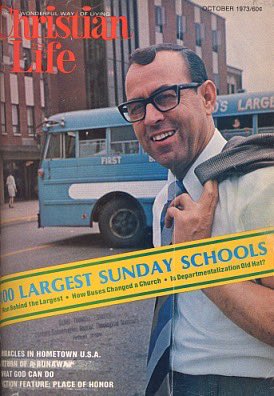
By the 1970s, the Independent Fundamental Baptist (IFB) movement had entered its golden age. Not golden in terms of its substance, but in terms of its expanse and influence.
What began as a separatist reaction had grown into a national religious force, marked by rapid expansion, strong institutions, and celebrity pastors.
Churches exploded in size through revivals, soul-winning, and bus ministries. Bible colleges filled. Missions expanded. Some IFB churches became early megachurches built around dominant pastoral personalities.
IFB preaching didn’t just confront bad theology. It targeted American culture…condemning rock music, feminism, Hollywood, public schools, and women wearing pants. Many saw this as the final stand for biblical morality in a collapsing culture.
Through publications, broadcasts, youth camps, and Christian schools, the IFB left a lasting mark on conservative church life. But behind the momentum, warning signs were emerging.
🏛️ Key Institutions
• Hyles-Anderson College (1972); trained pastors and soul-winners in Jack Hyles’ ministry model. It became a flagship and defining influence on the IFB.
• The Sword of the Lord; under Rice and Hutson, remained the movement’s most influential publication.
• Christian Law Association (1969); defended IFB churches in court, especially school and parental rights cases.
• Accelerated Christian Education (ACE); offered a separatist curriculum for thousands of Christian schools.
• Pensacola Christian College and Abeka Curriculum; cornerstone of IFB-affiliated education, promoting strict conservative values
• Southwide Baptist Fellowship; one of the most influential national IFB conferences.
• BBFI, WBF, and others; regional fellowships grew quickly with churches and affiliated colleges.
🔥 Key Figures
• Jack Hyles; pastor of First Baptist Hammond and the most influential IFB leader of the time.
• Curtis Hutson; followed Rice at Sword of the Lord, known for his upbeat preaching and KJV loyalty.
• Tom Malone; pastor and college founder who blended education with revivalism.
• Lee Roberson; continued to lead with influence through Highland Park and Tennessee Temple.
• Lester Roloff; battled courts over youth homes, preaching faith and separation.
• Bob Gray (FL) ; influential Hyles associates and conference speakers who was engaged in many sexual abuse cases
📜 Key Doctrines and Traits
• King James Onlyism (now dominant); the KJV was upheld as the only true English Bible.
• Hardline separation; separation extended to anyone associating with liberals or evangelicals.
• Militant evangelism; soul-winning quotas, altar calls, and door-to-door outreach became normal.
• Strict external standards; dress, music, and appearance were tied to holiness.
• Strong pastoral authority; pastors were treated as God’s voice to the congregation.
⚔️ Key Issues
• Culture war preaching; sermons attacked moral decline and urged a return to biblical living.
• Personality-driven factions; rivalries emerged around colleges, camps, and leaders.
• Abuse of pastoral power; authoritarian leadership led to growing internal concern.
• Silencing critics; those questioning standards were often branded as compromisers.
• SBC Conservative Resurgence: The SBC’s return to conservatism challenged the IFB not due to liberalism, but as a competing conservative force.
📣 Key Impacts
• Explosive church growth; thousands of churches were planted using IFB methods.
• Centralized influence; a few colleges and conferences shaped the movement’s tone.
• Codified a unique culture; shared dress codes, preaching styles, and language became widespread.
⚙️ From Movement to Machine
By the late 1990s, the IFB was more than a network. It was a system. Churches followed the same leaders, used the same tools, and upheld the same standards.
It looked strong on the outside. But tensions were building inside.
8
🧵 6. Understanding IFB Culture: What It Was Like on the Inside
Before we get to the phase of the cracks and fragmentation of the IFB, it is important to understand that for many, the IFB wasn’t just a church. It was a total environment that shaped how you dressed, what you believed, how you worshipped, who you interacted with, and how you viewed the outside world.
Here’s what that world looked like.
👔 Dress and Appearance
Modesty wasn’t optional. Men wore shirts and ties, short hair, and clean faces. Women wore skirts (never pants) long hair, and little or no makeup. How you looked was treated as a direct reflection of your walk with God.
📖 King James Onlyism (KJVO)
The King James Bible wasn’t just preferred - it was presented as the only inspired English Bible. Using other translations was framed as dangerous or even sinful. Many believed the KJV was divinely preserved word-for-word.
🏫 Christian Schools
Many IFB churches ran their own schools to keep children out of secular education. These schools enforced strict dress codes, moral rules, and heavy discipline. The focus was often on separation from the world rather than academic strength.
🚌 Bus Ministries
The church bus ministry was a badge of honor. Volunteers spent weekends canvassing neighborhoods and running chaotic bus routes to bring children to church. Although many true conversions and life-changing stories came from the best ministry, many false conversions, and abuses of easy believeism also resulted.
🎶 Music and Worship
Only hymns. No CCM. No drums or electric guitars. Even Southern Gospel could be too edgy. Worship wasn’t just about reverence. It was about reinforcing separation from “worldly” music. Style mattered as much as substance.
🔥 Camp Meetings and Revivals
Weeklong revivals and camp meetings were emotional, high-energy events filled with fiery sermons, red-faced preaching, and long altar calls. Teens were often called to surrender to ministry or “get right with God” in dramatic, public moments.
🚫 Separation from the World
TV, movies, secular music, public school friends… these were treated as spiritual dangers. Many IFB homes threw away TVs or banned “Hollywood” entertainment entirely. The focus wasn’t just holiness, but insulation.
📚 Landmarkism and Baptist Identity
Many IFB churches taught that true New Testament churches were always Baptist. This belief in an unbroken historical line from Jesus to modern Baptists created a strong sense of exclusivity and separation from “false churches.”
🎯 Evangelism and Soul-Winning
Soul-winning was central. Members were trained to go door-to-door, give gospel presentations, and keep count of “decisions.” You weren’t just encouraged to evangelize, you were expected to.
🎒 Youth Camps and VBS
Summer meant youth camp and Vacation Bible School. both packed with games, preaching, and altar calls. Teens were challenged to surrender to full-time ministry, often in emotional late-night services.
🗣️ Topical Preaching and Eisegesis
While there was certainly bold preaching that rightly confronted real sin and taught biblical truth, much of the preaching was heavily topical and driven by personal opinion. Sermons often started with a conviction or standard, then searched for a verse to back it up.
📣 Altar Calls and Decisionism
Every service ended with an altar call. Decisions were frequent, salvation, rededication, surrender. Assurance of salvation often depended more on a repeated moment than a settled faith. Many people made dozens of “decisions” by adulthood.
🎓 Bible College Pressure
Teens were expected to attend approved Bible colleges, especially if they had surrendered to preach. Secular college was viewed as spiritually dangerous.
🙋♂️ Walls, Not Bridges
The IFB prided itself on separation. Not just from the world, but from other Christians. Even other Baptists were suspect if they didn’t share the same standards. Fellowship was based on total agreement, not shared gospel unity.
9
🧵 7. From Golden Age to Fragmentation (1990s–Present)
By the 1990s, the Independent Fundamental Baptist (IFB) movement still looked strong. Churches were packed. Colleges were full. Conferences drew thousands. Soul-winning, bus routes, and King James preaching defined success.
But the cracks were showing.
The movement’s foundation (loyalty to Scripture, institutions, and personalities) was starting to fracture. Scandals didn’t just reveal moral failure; they exposed a system built on unchecked power, silenced dissent, and institutional self-preservation.
Though not the sole cause, Jack Hyles’ death in 2001 was pivotal in the fracturing of the IFB. His absence left a leadership vacuum, leading to competing personalities, new Bible colleges, and rival circles of influence.
The unraveling had begun.
🏛️ Institutions in Decline
• Hyles-Anderson College: declined after Jack Hyles’ death in 2001. His successor, Jack Schaap, was imprisoned in 2012 for sexually abusing a minor, devastating the school’s reputation.
• The Sword of the Lord lost relevance as digital media eclipsed print. Its conferences became nostalgic exercises in preserving a bygone era.
• BBFI, Southwide, and others like ACE saw steep enrollment drops as younger generations moved on.
• New fellowships appeared—but more tied to personalities than reform or doctrine.
🔥 Key Figures and Diverging Paths
• Jack Schaap became a symbol of collapse. His fall reflected the dangers of unaccountable leadership.
• Bob Gray Sr. (FL) was accused of decades-long sexual abuse.
• Keith Gomez and Jack Trieber preserved the Hyles model but were criticized for authoritarianism and enabling abuse.
• Paul Chappell offered a more polished version with traditional doctrine, professional image, institutional order.
• Leaders like Carey Schmidt and Josh Teis kept Baptist convictions but rejected legalism and control.
• Recovering Fundamentalist Podcast and Preacher Boys Podcast (Erik Skwarczynski) gave voice to survivors and exposed systemic abuse.
• Clarence Sexton upheld classic IFB structure through Crown College.
• Stephen Anderson represents the radical fringe of hate-filled rhetoric, extreme separation, and international bans.
• Phil Kidd became infamous for loud, theatrical, confrontational preaching.
• David Cloud, founder of Way of Life Literature, served as a watchdog of ultra-strict IFB standards, critical of nearly everyone else but himself.
• Tony Hutson, John Hamblin, and Sam Gipp kept the revival circuit alive by preaching hardline separation and King James Onlyism.
🌐 The Internet Changed Everything
For decades, IFB churches thrived on isolation. Dissent was silenced. Outside voices were suspect.
Then the internet arrived.
Now people could search their doubts, discover others with the same questions, and compare their stories. Podcasts, blogs, and social media created community and accountability.
Documentaries like Shiny Happy People (2023) exposed ties between the IFB and IBLP: authoritarianism, purity culture, and strict modesty rules. Media outlets like CNN and Dr. Phil aired IFB abuse cases, shifting public perception dramatically.
Once, the IFB controlled the message. Now, they couldn’t contain it.
📜 Key Issues
• Abuse and cover-ups became painfully common.
• Authoritarian leadership resisted accountability.
• Legalism often overshadowed the gospel.
• Cultural stagnation drove younger generations away.
• Online platforms exposed hidden patterns.
📣 Key Impacts
• Trust in IFB leaders and institutions collapsed.
• Fellowships splintered with no central authority left.
• Reformers dropped the IFB label or walked away entirely.
• Survivor-led platforms reshaped the public narrative.
• No unifying identity remains. Some still cling to the label, others reject it.
🖼️ From Movement to Mosaic
The IFB is was no longer a unified force. It’s a scattered landscape of loyalists, reformers, critics, and the wounded.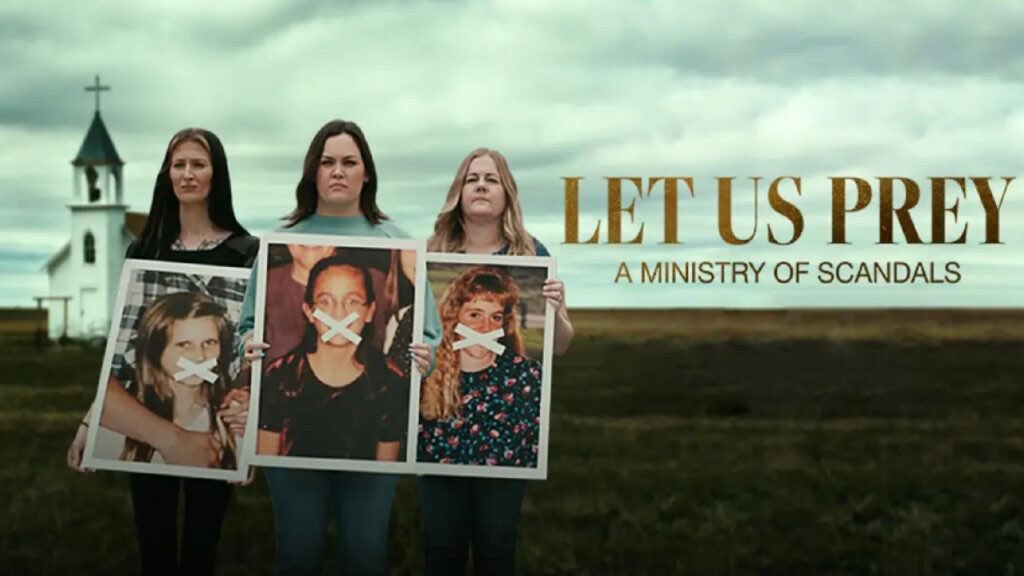
By the 1990s, the Independent Fundamental Baptist (IFB) movement still looked strong. Churches were packed. Colleges were full. Conferences drew thousands. Soul-winning, bus routes, and King James preaching defined success.
But the cracks were showing.
The movement’s foundation (loyalty to Scripture, institutions, and personalities) was starting to fracture. Scandals didn’t just reveal moral failure; they exposed a system built on unchecked power, silenced dissent, and institutional self-preservation.
Though not the sole cause, Jack Hyles’ death in 2001 was pivotal in the fracturing of the IFB. His absence left a leadership vacuum, leading to competing personalities, new Bible colleges, and rival circles of influence.
The unraveling had begun.
🏛️ Institutions in Decline
• Hyles-Anderson College: declined after Jack Hyles’ death in 2001. His successor, Jack Schaap, was imprisoned in 2012 for sexually abusing a minor, devastating the school’s reputation.
• The Sword of the Lord lost relevance as digital media eclipsed print. Its conferences became nostalgic exercises in preserving a bygone era.
• BBFI, Southwide, and others like ACE saw steep enrollment drops as younger generations moved on.
• New fellowships appeared—but more tied to personalities than reform or doctrine.
🔥 Key Figures and Diverging Paths
• Jack Schaap became a symbol of collapse. His fall reflected the dangers of unaccountable leadership.
• Bob Gray Sr. (FL) was accused of decades-long sexual abuse.
• Keith Gomez and Jack Trieber preserved the Hyles model but were criticized for authoritarianism and enabling abuse.
• Paul Chappell offered a more polished version with traditional doctrine, professional image, institutional order.
• Leaders like Carey Schmidt and Josh Teis kept Baptist convictions but rejected legalism and control.
• Recovering Fundamentalist Podcast and Preacher Boys Podcast (Erik Skwarczynski) gave voice to survivors and exposed systemic abuse.
• Clarence Sexton upheld classic IFB structure through Crown College.
• Stephen Anderson represents the radical fringe of hate-filled rhetoric, extreme separation, and international bans.
• Phil Kidd became infamous for loud, theatrical, confrontational preaching.
• David Cloud, founder of Way of Life Literature, served as a watchdog of ultra-strict IFB standards, critical of nearly everyone else but himself.
• Tony Hutson, John Hamblin, and Sam Gipp kept the revival circuit alive by preaching hardline separation and King James Onlyism.
🌐 The Internet Changed Everything
For decades, IFB churches thrived on isolation. Dissent was silenced. Outside voices were suspect.
Then the internet arrived.
Now people could search their doubts, discover others with the same questions, and compare their stories. Podcasts, blogs, and social media created community and accountability.
Documentaries like Shiny Happy People (2023) exposed ties between the IFB and IBLP: authoritarianism, purity culture, and strict modesty rules. Media outlets like CNN and Dr. Phil aired IFB abuse cases, shifting public perception dramatically.
Once, the IFB controlled the message. Now, they couldn’t contain it.
📜 Key Issues
• Abuse and cover-ups became painfully common.
• Authoritarian leadership resisted accountability.
• Legalism often overshadowed the gospel.
• Cultural stagnation drove younger generations away.
• Online platforms exposed hidden patterns.
📣 Key Impacts
• Trust in IFB leaders and institutions collapsed.
• Fellowships splintered with no central authority left.
• Reformers dropped the IFB label or walked away entirely.
• Survivor-led platforms reshaped the public narrative.
• No unifying identity remains. Some still cling to the label, others reject it.
🖼️ From Movement to Mosaic
The IFB is was no longer a unified force. It’s a scattered landscape of loyalists, reformers, critics, and the wounded.
10
🧵 8. Final Reflections: What Remains of the IFB?
Over the past century, the Independent Fundamental Baptist movement rose with boldness, burned with zeal, and ultimately fractured under the weight of its own unchecked authority and cultural rigidity.
What began as a stand for truth became a system obsessed with control, image, and isolation. Its legacy is a complex mixture of gospel urgency and spiritual trauma, biblical conviction and institutional abuse, evangelistic fervor and legalistic fear.
The IFB isn’t gone, but it’s no longer a single movement. It’s now a spectrum:
🔹 Some churches still embrace the old model: King James Only, suits and standards, hymns only, revival meetings, and loyalty to the “man of God.”
🔹 Others have quietly distanced themselves… holding onto Baptist doctrine but shedding the label and much of the culture.
🔹 A growing number of former insiders now lead gospel-centered churches, committed to grace and depth without legalism.
🔹 And many have left entirely: bruised, disillusioned, or still in the process of healing.
But this isn’t just an IFB problem.
The story of the IFB is a cautionary tale for every church, every tribe, every theological circle. It’s a reminder that no movement is above correction, and that even those most zealous for truth can drift into pride, insularity, and control.
Wherever you are… Reformed or Arminian, Baptist or Presbyterian, missional or traditional… the temptation to elevate leaders, protect institutions, and silence dissent is always lurking.
We are all susceptible.
😢 So may we listen to the voices of the wounded.
✝️ May we pursue Christ over celebrity.
🕊️May we prize humility over hype.
📖And may we never confuse biblical conviction with cultural uniformity or institutional preservation.
11
🧵 9. Sources and Further Reading
This historical overview of the Independent Fundamental Baptist (IFB) movement draws upon a diverse range of scholarly, journalistic, and first-hand sources. The following resources were consulted in the research and composition of this article and are recommended for readers who wish to explore the topic further.
David Beale, In Pursuit of Purity: American Fundamentalism Since 1850
George Marsden, Fundamentalism and American Culture
Matthew Lyon, “The Development of American Fundamentalist Apologetics from 1897 to 1977” (Liberty University Dissertation)
Mark Ward, Authorized: The Use and Misuse of the King James Bible
Ernest Sandeen, The Roots of Fundamentalism
Shepherds Theological Seminary – A Brief History of Fundamentalism
GotQuestions – What is an Independent Baptist Church?
Baptist News Global – “How Let Us Prey highlights the struggles of former IFB who leave the church”
The Gospel Coalition – Who Is a Fundamentalist? (Justin Taylor)
TGC – “10 Key Events: Fundamentalism and Evangelicalism in 20th-Century America”
TGC – “The Four Phases of Protestant Fundamentalism in America”
TGC – “What Can Evangelicals Learn from Fundamentalists?”
TGC – “Southern Baptist Fundamentalism: Then and Now”
Joshua Teis – “Six Degrees of Separation”
Joshua Teis – “The Old Independent Baptist”
Joshua Teis – “The New Independent Baptist”
Bruce Gerencser – “The Anatomy of the IFB Church Movement”
Patheos (No Longer Quivering) – “Explaining the Differences Between NIFB, IFB, and IBLP”
SharperIron Discussion Threads on IFB and Fundamentalist Colleges
RevivalFocus – “Fundamentalism: Original and Reshaped”
Recovering Fundamentalist Podcast
#IFBHistory #IndependentBaptist #FundamentalBaptist #20thCenturyChurch #KJVO #KingJamesOnly #HylesAnderson #JackHyles #SwordOfTheLord #SoulWinning #BusMinistry #OldPaths #RecoveringFundamentalist #ChurchAbuse #Legalism #Dispensationalism #PreMillennialism #BiblicalAuthority #TheologyMatters #SoundDoctrine #BiblicalPreaching #Thread #ChristianTwitter #BibleCollege #IFB #fundamental #baptist #deconstruction #faith #cnn #drphil #tgc


