READ THIS IF YOU ARE ALWAYS TIRED (no matter how much you rest)....

Dalton (Analyze & Optimize)@Outdoctrination
190 views
Oct 06, 2025
~9 min read
Advertisement
1
READ THIS IF YOU ARE ALWAYS TIRED (no matter how much you rest).
It's not in your head. It's not normal, but it is fixable.
Let's talk about what causes FATIGUE + TIREDNESS, and what you can do about it to have flying energy levels for life:
It's not in your head. It's not normal, but it is fixable.
Let's talk about what causes FATIGUE + TIREDNESS, and what you can do about it to have flying energy levels for life:
2
Mitochondria are the engines of your cells, and thus your body.
They take food and oxygen, and convert it into usable energy.
If they aren't working optimally, your “battery” never charges.
Focusing on them is thus the key to solving low energy, so that is what we will do: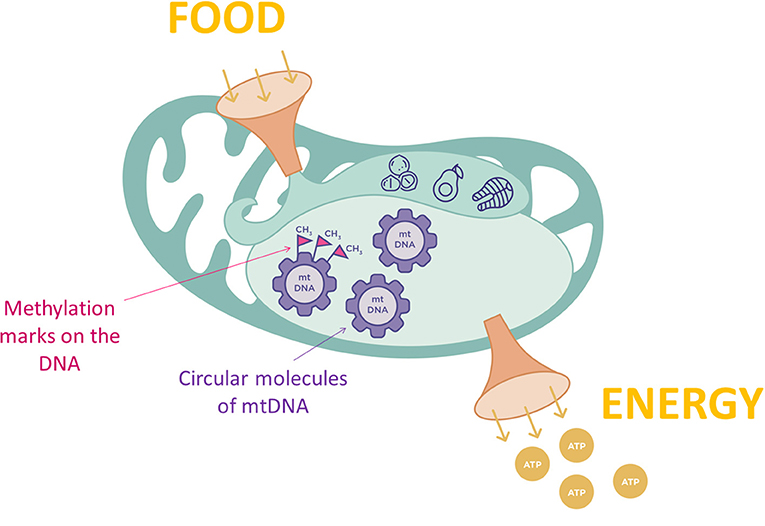
They take food and oxygen, and convert it into usable energy.
If they aren't working optimally, your “battery” never charges.
Focusing on them is thus the key to solving low energy, so that is what we will do:
3
Vitamins & minerals are needed for your cells to create energy from food.
⬩B1
⬩B2
⬩B3
⬩B6
⬩Magnesium
⬩Zinc
⬩Copper
⬩Iron
⬩Sulfur
⬩CoQ10
⬩K2
⬩Creatine
Just to name a few.
If you're low on any, you're already screwed.
⬩B1
⬩B2
⬩B3
⬩B6
⬩Magnesium
⬩Zinc
⬩Copper
⬩Iron
⬩Sulfur
⬩CoQ10
⬩K2
⬩Creatine
Just to name a few.
If you're low on any, you're already screwed.
4
Vitamin B1 megadosing can cure fatigue.
600 - 1,500 mg of thiamine (B1) reduced fatigue severity by ~40%
Multiple studies showing this.
Perhaps the most important nutrient for the mitochondria.
More on that below.

600 - 1,500 mg of thiamine (B1) reduced fatigue severity by ~40%
Multiple studies showing this.
Perhaps the most important nutrient for the mitochondria.
More on that below.
Dalton (Analyze & Optimize)@Outdoctrination
The quintessential metabolism maximizing nutrient.
From crushing fatigue, improving digestion and even cancer support -
VITAMIN B1 might just be what you need:
From crushing fatigue, improving digestion and even cancer support -
VITAMIN B1 might just be what you need:
5
Coenzyme Q10 has potent energizing properties.
60 mg per day prevented and even improved fatigue in patients with heart failure.
CoQ10 is a central compound in mitochondria: a lack of it impairs our ability to generate energy
i.e you get tired.
60 mg per day prevented and even improved fatigue in patients with heart failure.
CoQ10 is a central compound in mitochondria: a lack of it impairs our ability to generate energy
i.e you get tired.
6
Magnesium cuts fatigue in half.
People with persistent fatigue have depleted magnesium stores,
but 6 weeks of magnesium, subjective energy level improves by >50%.
Magnesium is necessary to form cellular energy in the form of ATP, and supports multiple energy producing enzymes.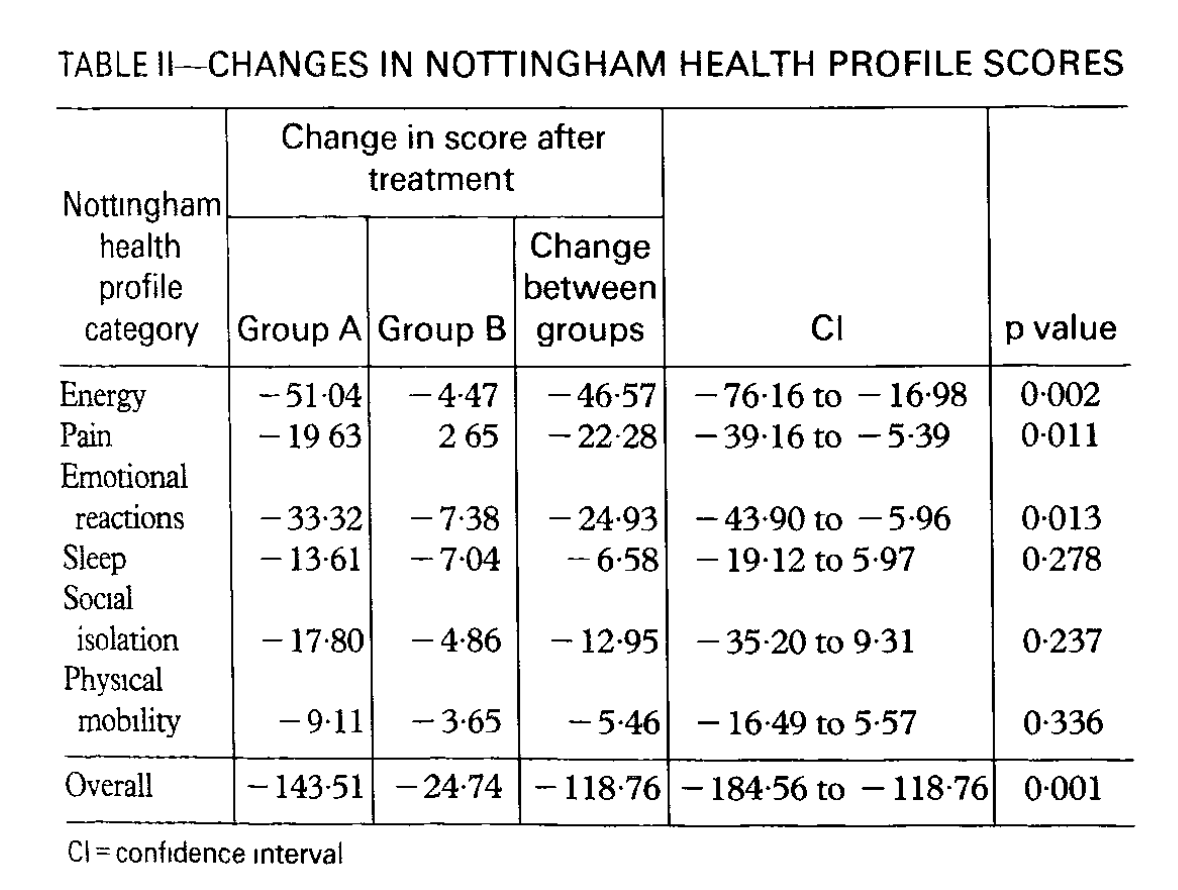
People with persistent fatigue have depleted magnesium stores,
but 6 weeks of magnesium, subjective energy level improves by >50%.
Magnesium is necessary to form cellular energy in the form of ATP, and supports multiple energy producing enzymes.
7
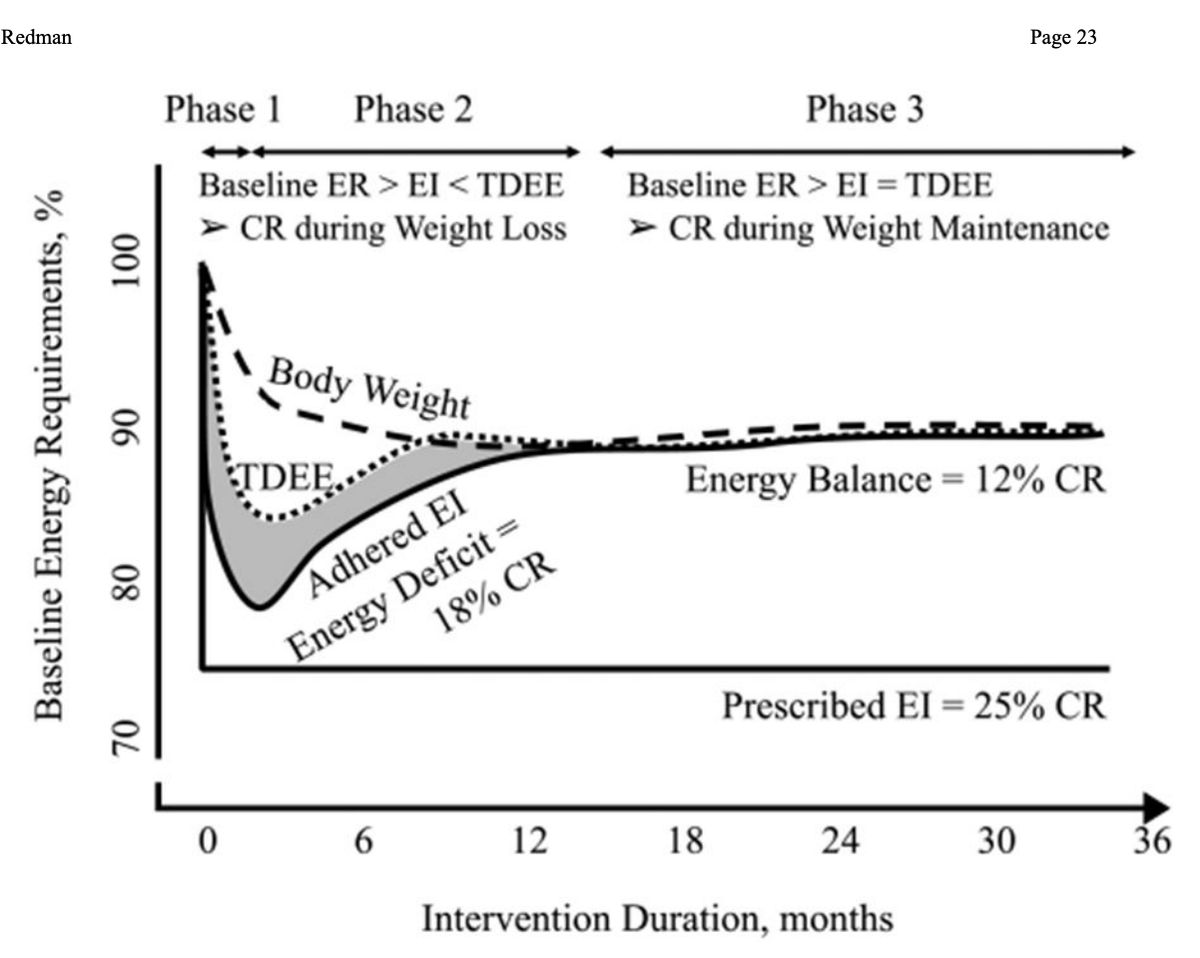
Mitochondria don’t just run on vitamins and minerals though, you need to EAT ENOUGH CALORIES,
Restricting calories also body drops thyroid hormone and leptin to conserve energy.
You’re not just eating less, you’re telling your body to produce less energy.
More on that below.

Restricting calories also body drops thyroid hormone and leptin to conserve energy.
You’re not just eating less, you’re telling your body to produce less energy.
More on that below.
Dalton (Analyze & Optimize)@Outdoctrination
The reason you can’t lose weight (or keep it off) no matter how hard you try.
LEPTIN: why it’s SO important and how to optimize yours to boost your metabolism and finally stay thin for life.
LEPTIN: why it’s SO important and how to optimize yours to boost your metabolism and finally stay thin for life.
8
When mitochondria can’t generate ATP properly, your cells fall back on glycolysis - a less efficient form of energy production.
This leads to excess lactic acid buildup, especially after activity. This is a hallmark of chronic fatigue.


This leads to excess lactic acid buildup, especially after activity. This is a hallmark of chronic fatigue.
Dalton (Analyze & Optimize)@Outdoctrination
LACTIC ACID - a sign things are going wrong.
· Anxiety / panic attacks
· Fatigue, especially in muscle
· Shortness of breath
Are all signs of high lactic acid.
It is produced in large amounts when metabolism is impaired (Warburg Effect). This is famous for happening in cancer.
Excess lactic acid also drives:
· Insulin resistance
· Inflammation
· Stress (sympathetic nervous system + HPA axis)
Some things that can lower lactic acid:
· Thyroid hormone
· Methylene blue
· B1, B2, B3, B6, B7
· Anything to lower stress
You can measure it in the blood. It's not all encompassing but it's a good marker.
x.com/Outdoctrinatio…
· Anxiety / panic attacks
· Fatigue, especially in muscle
· Shortness of breath
Are all signs of high lactic acid.
It is produced in large amounts when metabolism is impaired (Warburg Effect). This is famous for happening in cancer.
Excess lactic acid also drives:
· Insulin resistance
· Inflammation
· Stress (sympathetic nervous system + HPA axis)
Some things that can lower lactic acid:
· Thyroid hormone
· Methylene blue
· B1, B2, B3, B6, B7
· Anything to lower stress
You can measure it in the blood. It's not all encompassing but it's a good marker.
x.com/Outdoctrinatio…
9
And it’s not just in your muscles.
Studies show people with chronic fatigue have elevated lactate in the brain’s cerebrospinal fluid.
Again, this is a sign of impaired energy generation in the brain.
Studies show people with chronic fatigue have elevated lactate in the brain’s cerebrospinal fluid.
Again, this is a sign of impaired energy generation in the brain.
10
NAD+ is a coenzyme that carries electrons for energy production.
Low NAD+/NADH ratio = stalled mitochondrial output and higher lactic acid production.
Higher ratio = more ability to burn energy.
The ratio drops when energy production is off, and further shuts down the system.
Low NAD+/NADH ratio = stalled mitochondrial output and higher lactic acid production.
Higher ratio = more ability to burn energy.
The ratio drops when energy production is off, and further shuts down the system.
11
Nicotinamide Mononucleotide (NMN) reduces fatigue.
Raising NAD+ with precursors (NMN, NR, niacinamide) restores energy production in mitochondria, since it is often limited by NAD+ availability.
250mg here was shown to have an energizing effect.
Raising NAD+ with precursors (NMN, NR, niacinamide) restores energy production in mitochondria, since it is often limited by NAD+ availability.
250mg here was shown to have an energizing effect.
12
ENDOTOXIN (LPS) is a primary driver of impaired energy generation.
This is a part of most gut bacteria, and circulate systemically if your gut health is poor.
Endotoxin inhibits mitochondrial energy production at multiple levels.
This is a very common cause of fatigue.
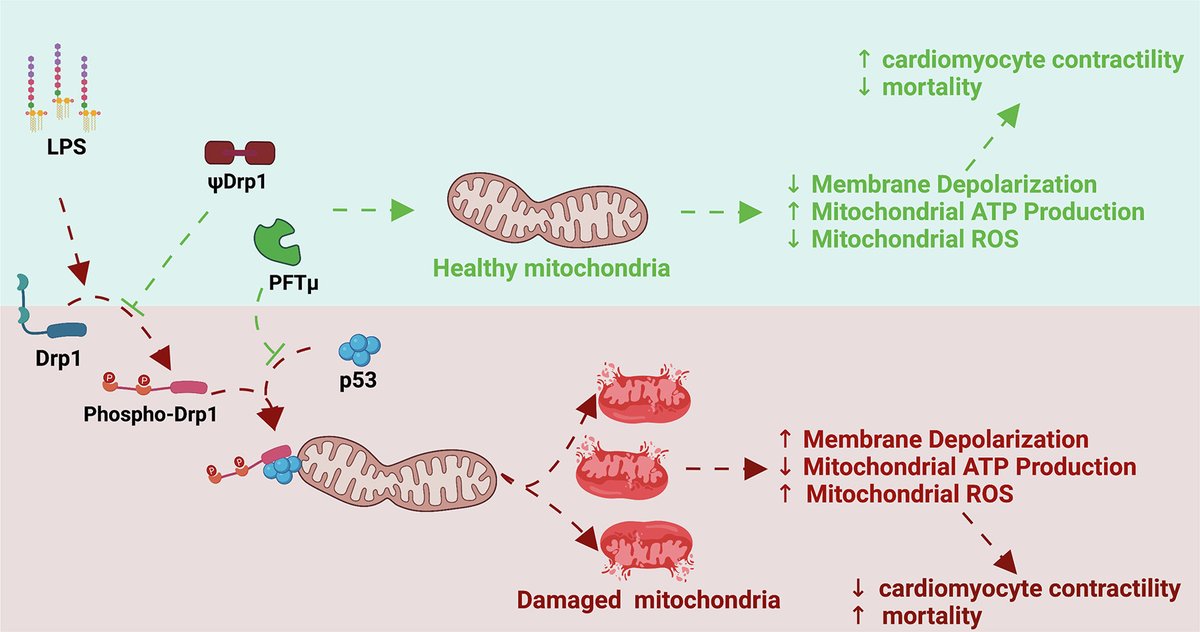
This is a part of most gut bacteria, and circulate systemically if your gut health is poor.
Endotoxin inhibits mitochondrial energy production at multiple levels.
This is a very common cause of fatigue.
13
Eating meals higher in fat can increase the absorption of endotoxin into the blood.
This is especially problematic if you already have bacterial overgrowth / dysbiosis and leaky gut.
Lower fat / higher fiber can help mitigate, but ultimately you need to fix the gut.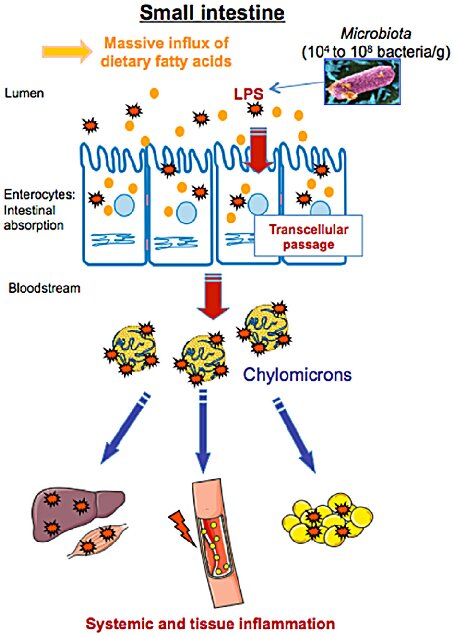
This is especially problematic if you already have bacterial overgrowth / dysbiosis and leaky gut.
Lower fat / higher fiber can help mitigate, but ultimately you need to fix the gut.
14
Fatigue doesn’t come far behind once digestion becomes burdened.
Consistently and strongly associated with elevated levels of intestinal permeability, gut bacterial toxicity and subsequent inflammation.
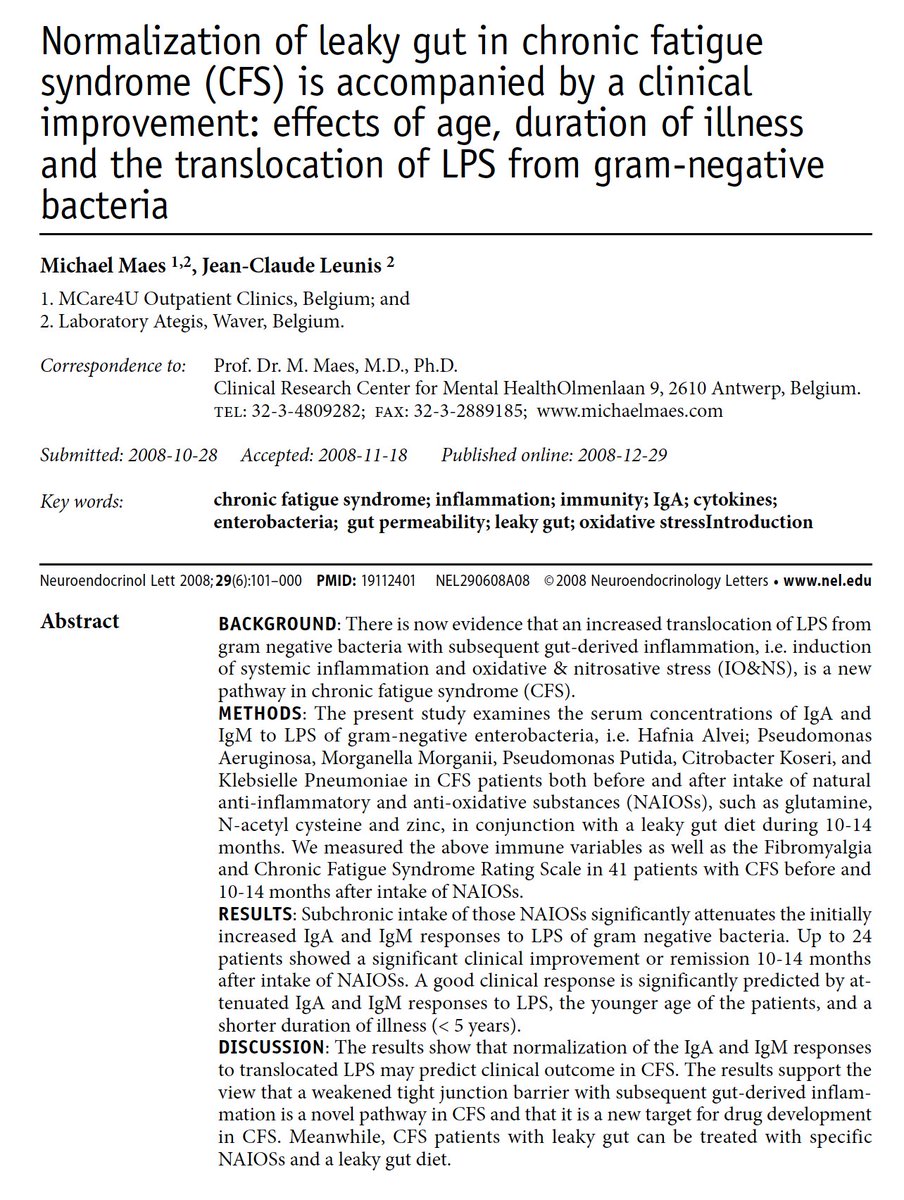
Consistently and strongly associated with elevated levels of intestinal permeability, gut bacterial toxicity and subsequent inflammation.
15
Chronic fatigue often starts in the gut.
An overproduction of D-Lactic acid bacteria are prominent in chronic fatigue, contributing to brain fog and tiredness.
Antibiotics can reverse it.
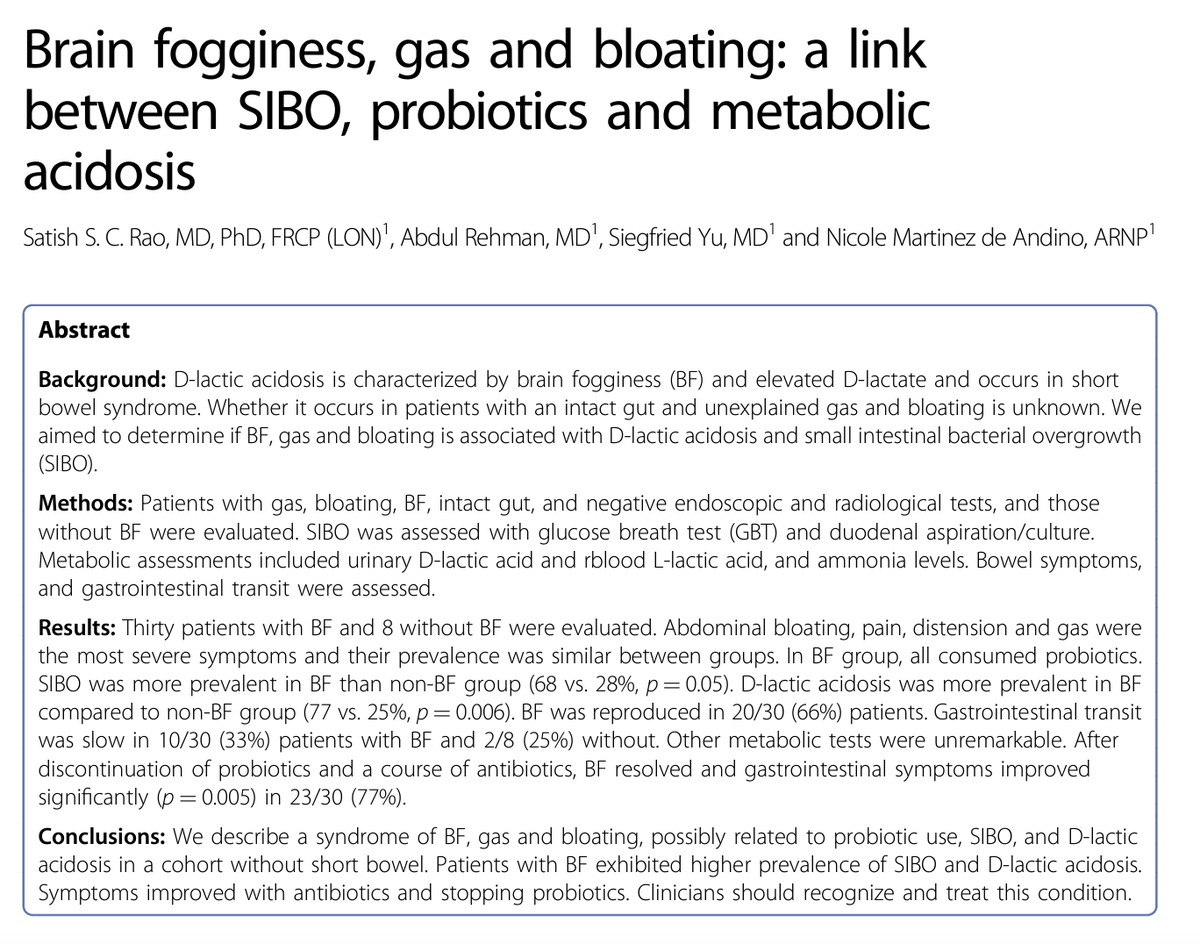
An overproduction of D-Lactic acid bacteria are prominent in chronic fatigue, contributing to brain fog and tiredness.
Antibiotics can reverse it.
16
Chronic fatigue caused by candida.
These fungi can:
◇ Drive chronic inflammation
◇ Suppress the immune system, increasing pathogenic load
Contributing to fatigue pathology.
Anti-fungal interventions can resolve Chronic Fatigue Syndrome.
More on tackling it below.
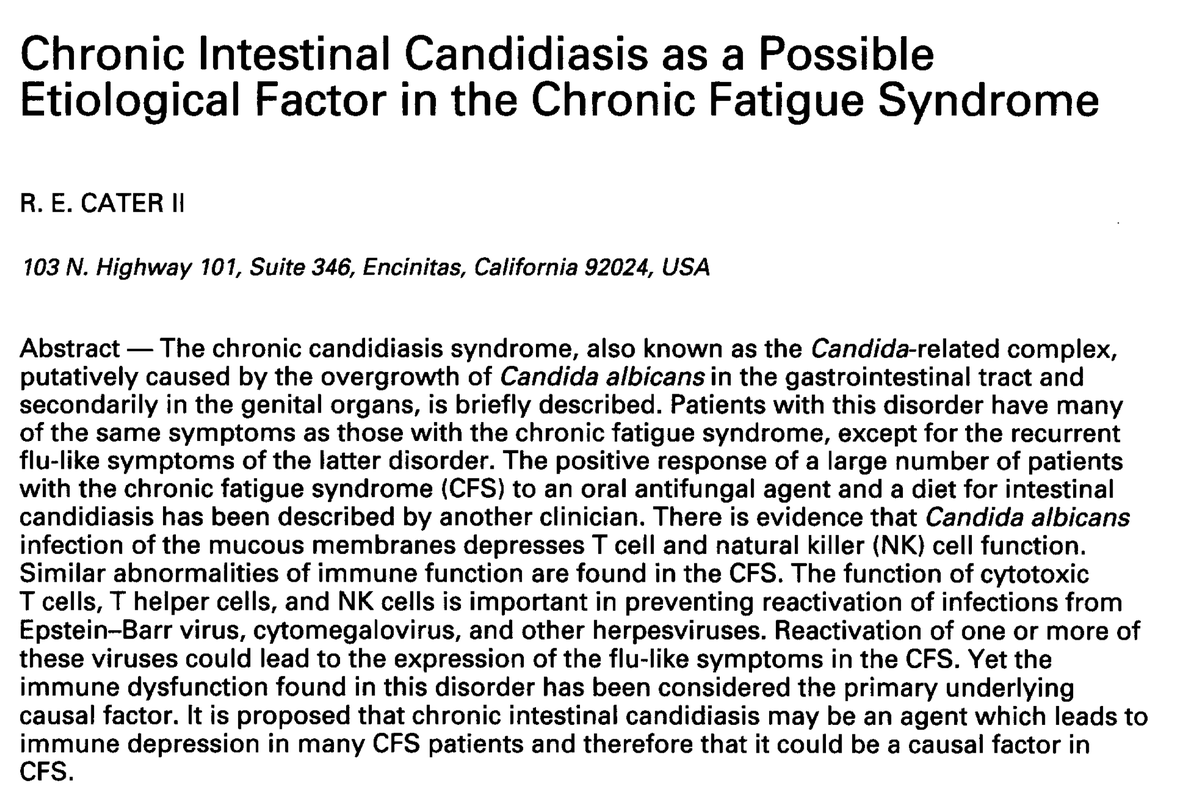

These fungi can:
◇ Drive chronic inflammation
◇ Suppress the immune system, increasing pathogenic load
Contributing to fatigue pathology.
Anti-fungal interventions can resolve Chronic Fatigue Syndrome.
More on tackling it below.
Dalton (Analyze & Optimize)@Outdoctrination
CANDIDA: The cause of your terrible gut health and fatigue that your doctor has no idea how to fix.
Here’s how to know if you have it, what causes it and what to do about it:
Here’s how to know if you have it, what causes it and what to do about it:
17
That means you MUST focus on the gut if you want to overcome chronic fatigue.
Lucky for you, I have a guide on how to do just that below:
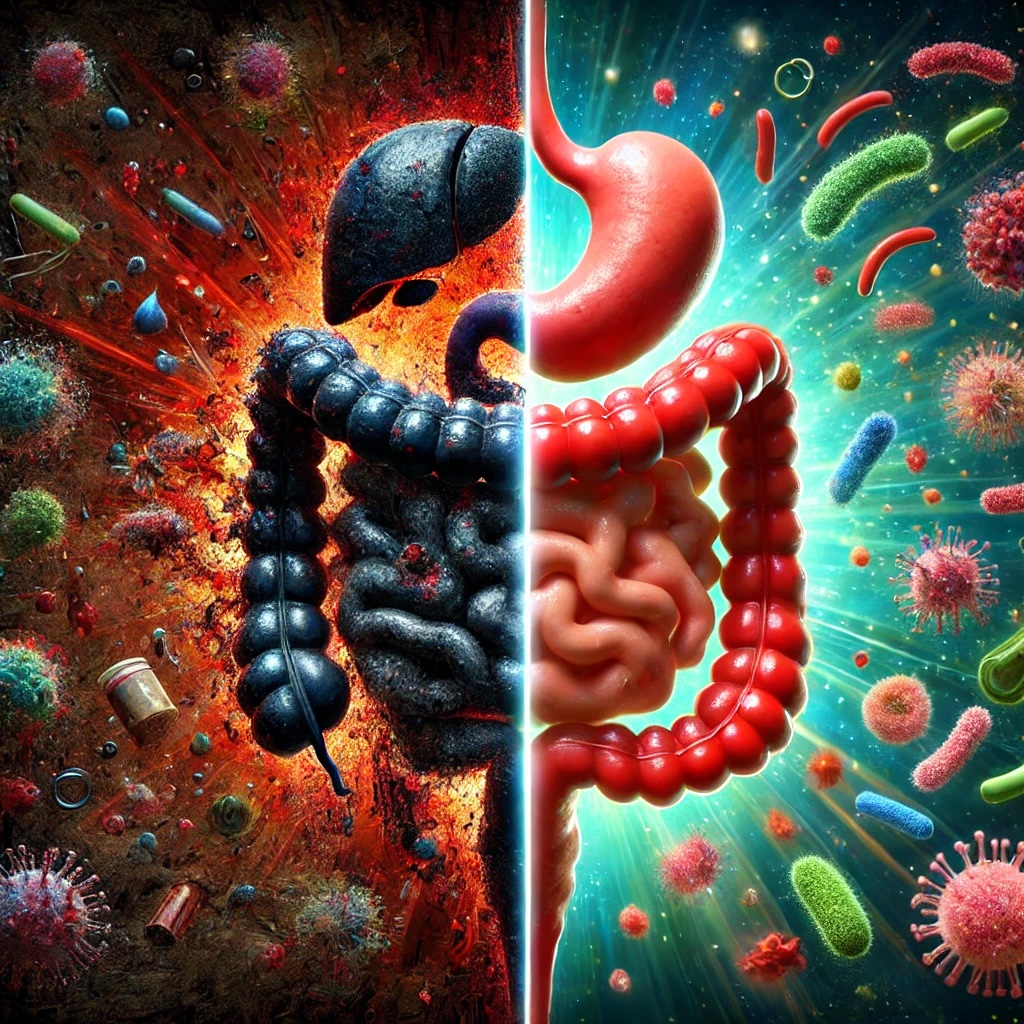
Lucky for you, I have a guide on how to do just that below:
Dalton (Analyze & Optimize)@Outdoctrination
READ THIS IF YOU WANT TO FIX YOUR GUT.
If you have IBS, bloating, gas, poor bowel movements or brain fog, you NEED to see this.
This is a comprehensive DEEP dive into fixing your digestive health:
If you have IBS, bloating, gas, poor bowel movements or brain fog, you NEED to see this.
This is a comprehensive DEEP dive into fixing your digestive health:
18
Inflammation is one of the primary mitochondrial inhibitors.
⇒ Inhibits mitochondrial enzymes
⇒ Fragments them into inefficient pieces
⇒ Triggers oxidative stress (damages structure + stop energy uptake)
This is why you get tired when you get sick, but you can have chronic inflammation that makes you chronically tired.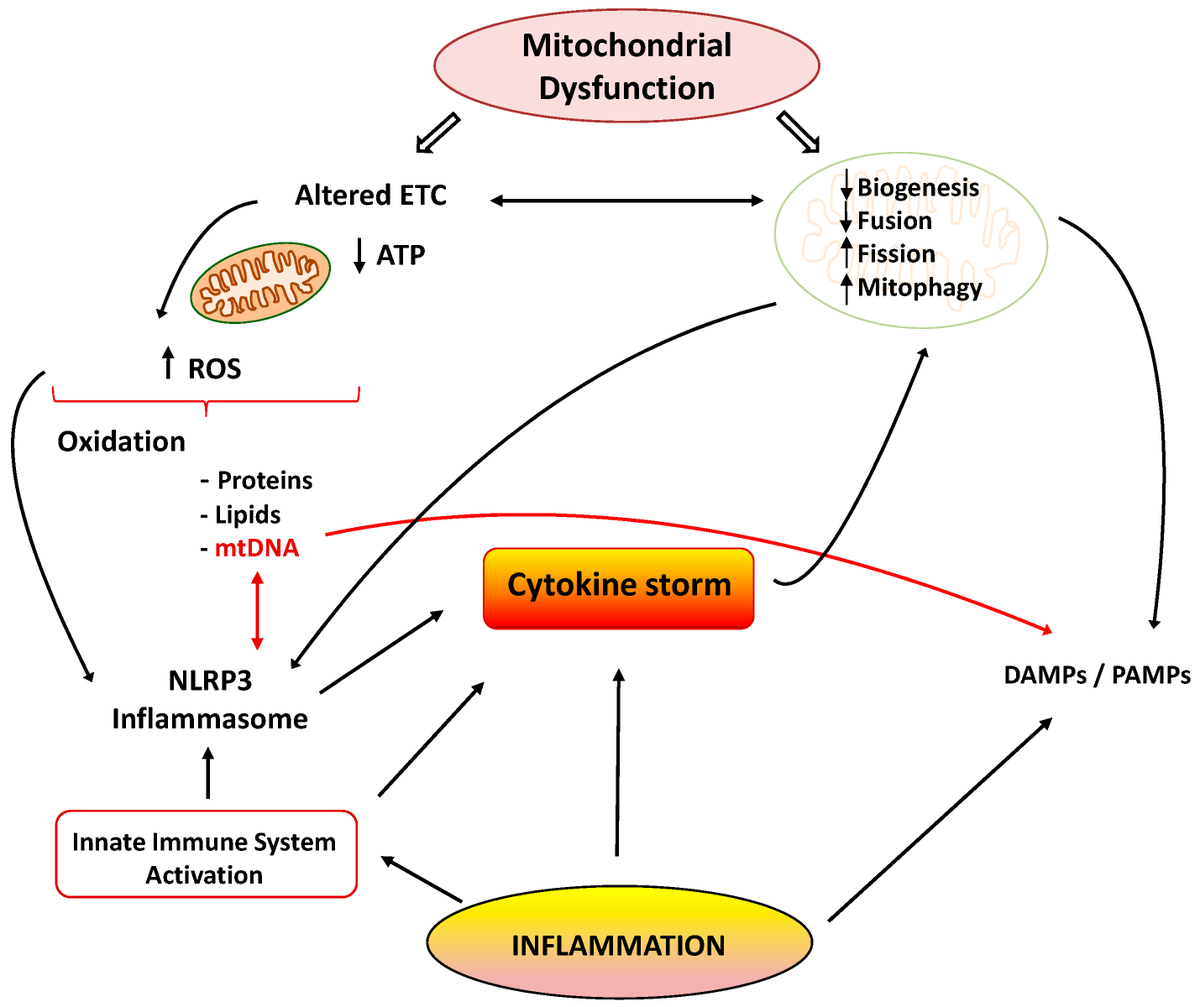
⇒ Inhibits mitochondrial enzymes
⇒ Fragments them into inefficient pieces
⇒ Triggers oxidative stress (damages structure + stop energy uptake)
This is why you get tired when you get sick, but you can have chronic inflammation that makes you chronically tired.
19
Chronic fatigue is really chronic inflammation.
Microglia (inflammatory cells, red/yellow) in the brain are directly tied to symptoms of:
△ Cognitive impairment
△ Depression
△ Pain
△ Lethargy
interventions that address inflammation will be key in solving it.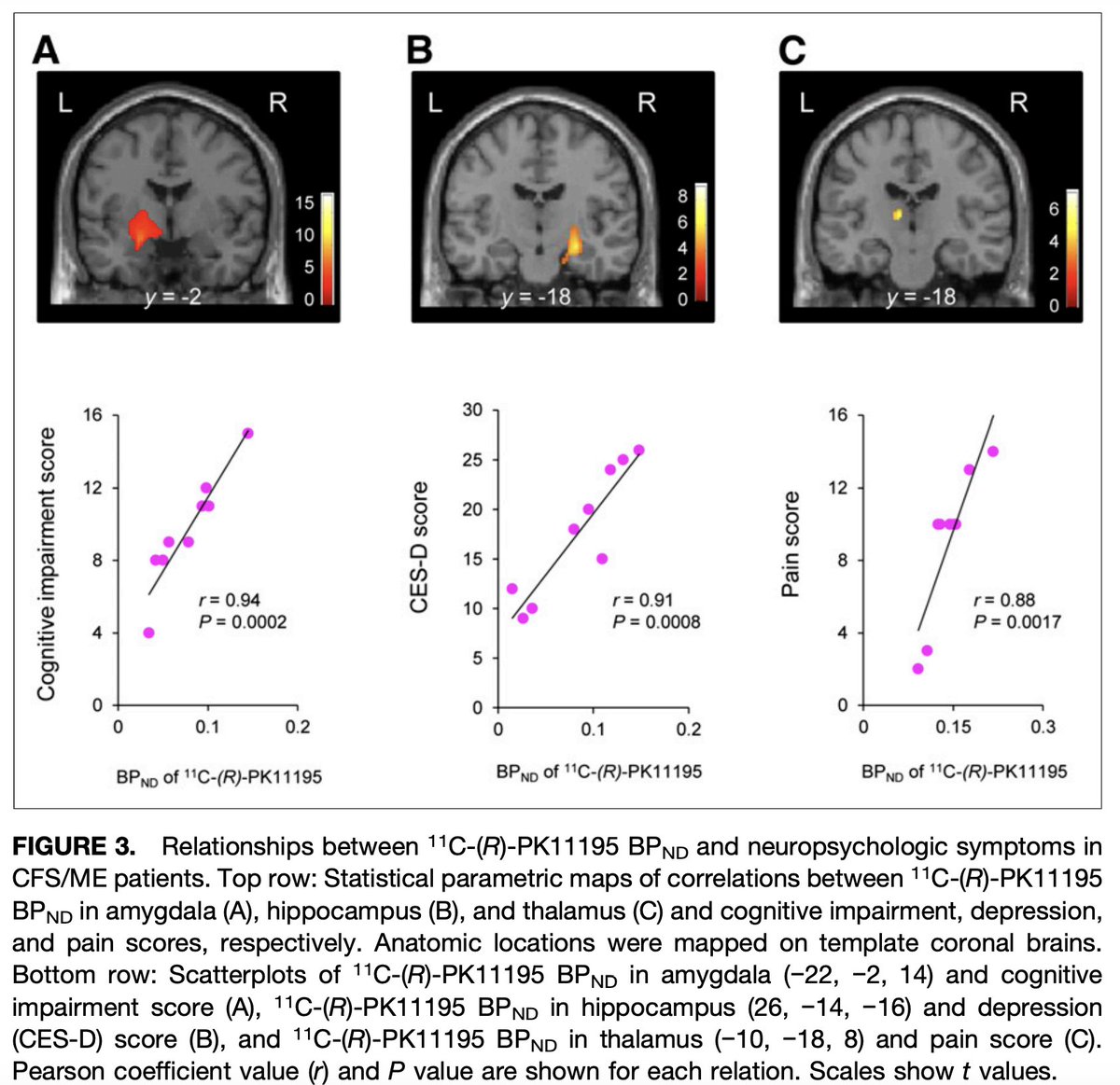
Microglia (inflammatory cells, red/yellow) in the brain are directly tied to symptoms of:
△ Cognitive impairment
△ Depression
△ Pain
△ Lethargy
interventions that address inflammation will be key in solving it.
20
Viruses are a primary trigger of fatigue.
Some researchers think that MOST cases of chronic fatigue are initiated by a virus.
Common ones:
⇨ EBV reduces mitochondrial DNA replication.
⇨ HHV-6B and CMV increase oxidative stress
All viruses can ramp up inflammation and derail your cellular energy systems.
Some researchers think that MOST cases of chronic fatigue are initiated by a virus.
Common ones:
⇨ EBV reduces mitochondrial DNA replication.
⇨ HHV-6B and CMV increase oxidative stress
All viruses can ramp up inflammation and derail your cellular energy systems.
21
CRH is the first step to producing cortisol.
CRH activates microglia - immune cells in your brain that drive neuroinflammation, again which is directly tied to fatigue symptoms.
Thus, lowering stress is going to be key.
My guide on doing just that is below.
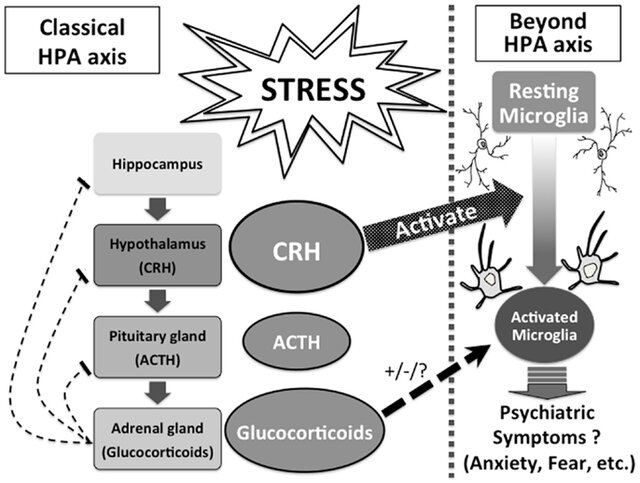

CRH activates microglia - immune cells in your brain that drive neuroinflammation, again which is directly tied to fatigue symptoms.
Thus, lowering stress is going to be key.
My guide on doing just that is below.
Dalton (Analyze & Optimize)@Outdoctrination
High cortisol, anxiety, and can’t sleep? This is for you.
This is the ULTIMATE GUIDE to STRESS - the signs, the biological mechanisms and what to do about it:
This is the ULTIMATE GUIDE to STRESS - the signs, the biological mechanisms and what to do about it:
22
Thyroid hormone is the PRIMARY energizing hormone.
It acts on nearly every possible way to benefit mitochondrial health.
If you're always tired, you're likely low on thyroid (+ should check out this guide to optimizing it):
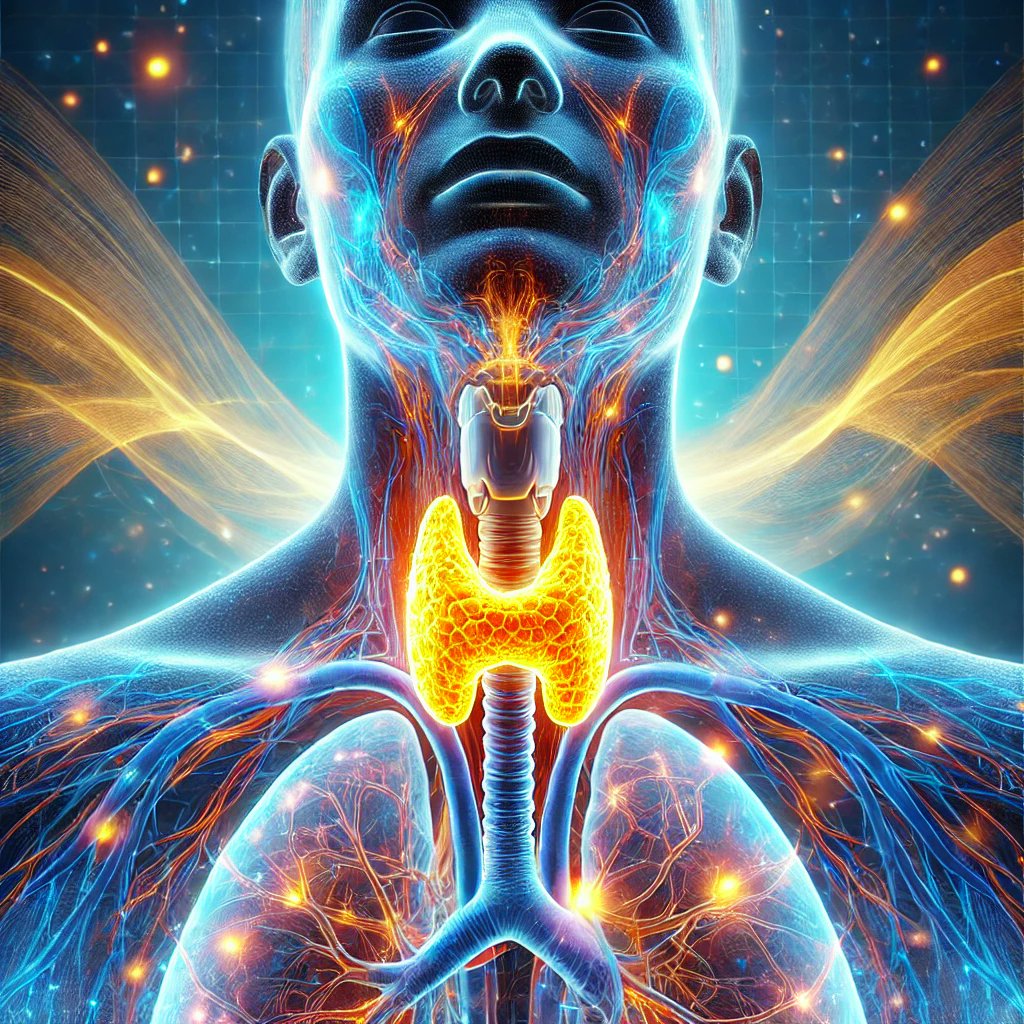
It acts on nearly every possible way to benefit mitochondrial health.
If you're always tired, you're likely low on thyroid (+ should check out this guide to optimizing it):
Dalton (Analyze & Optimize)@Outdoctrination
The key to unlocking your metabolism, mood, energy and gut health is sitting under your tongue being ignored by your doctor.
This is the ULTIMATE AND COMPLETE GUIDE TO THYROID HEALTH so you can optimize it:
This is the ULTIMATE AND COMPLETE GUIDE TO THYROID HEALTH so you can optimize it:
23
Stress also blunts thyroid function
➜ High cortisol blocks the conversion of inactive T4 to active T3
➜ Free fatty acids inhibit thyroid signaling at the nuclear level
No thyroid signaling = no mitochondrial activation = no energy.

➜ High cortisol blocks the conversion of inactive T4 to active T3
➜ Free fatty acids inhibit thyroid signaling at the nuclear level
No thyroid signaling = no mitochondrial activation = no energy.
Dalton (Analyze & Optimize)@Outdoctrination
Keto, Carnivore and Fasting are DECIMATING your metabolism.
The thyroid needs carbs.
Here’s why:
The thyroid needs carbs.
Here’s why:
24
Reduced blood flow is another hallmark of persistent fatigue.
This lack of blood flow into the brain can cause fatigue by impairing oxygen delivery, which is needed for energy production.
One primary factor for improving oxygen delivery + blood flow is CARBON DIOXIDE.
I explain why below.

This lack of blood flow into the brain can cause fatigue by impairing oxygen delivery, which is needed for energy production.
One primary factor for improving oxygen delivery + blood flow is CARBON DIOXIDE.
I explain why below.
Dalton (Analyze & Optimize)@Outdoctrination
CARBON DIOXIDE:
Not a waste product or a villain in global warming, but an enhancer for your metabolism.
THREAD:
Not a waste product or a villain in global warming, but an enhancer for your metabolism.
THREAD:
25
Methylene blue enhances cognitive function, in part by improving blood flow to the brain.
Many folks report increased energy levels with it in the mix.
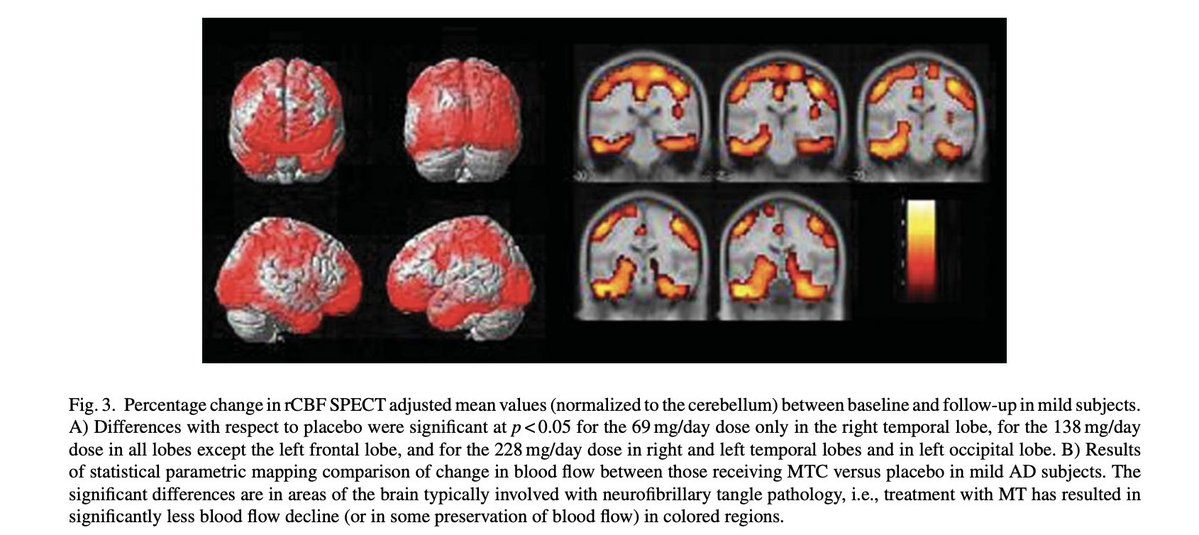

Many folks report increased energy levels with it in the mix.
Dalton (Analyze & Optimize)@Outdoctrination
How a cheap clothing dye can turbocharge your energy production, bolster your mood and cognition, and prevent disease in the long run
Let’s talk about METHYLENE BLUE. How it works
[THREAD]
Let’s talk about METHYLENE BLUE. How it works
[THREAD]
26
Ginkgo biloba reverses fatigue.
240 mg / day here.
Ginkgo works in part by improving blood flow to the brain, which increases energy production by enhancing nutrient / oxygen delivery.
240 mg / day here.
Ginkgo works in part by improving blood flow to the brain, which increases energy production by enhancing nutrient / oxygen delivery.
27
Red light therapy stimulates blood flow to the brain.
610 nm wavelength.
One of the many reasons it is so beneficial for cognitive health (more on that below).
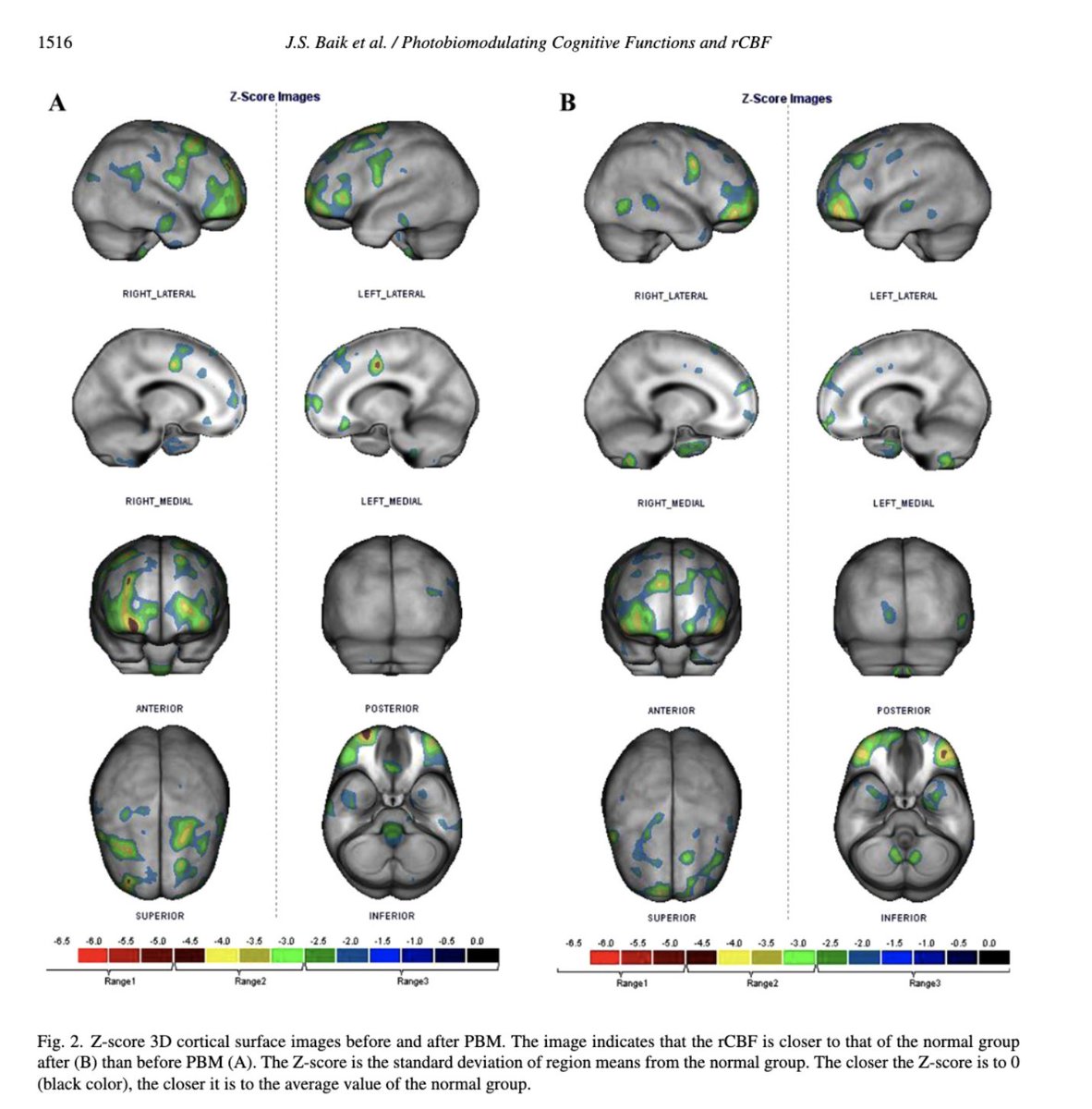

610 nm wavelength.
One of the many reasons it is so beneficial for cognitive health (more on that below).
Dalton (Analyze & Optimize)@Outdoctrination
An incredibly powerful tool for mental & cognitive health.
It heals depression, brain damage, Alzheimer's, and keeps your mind sharp.
The benefits of RED / INFRARED LIGHT THERAPY for the brain are astonishing:
It heals depression, brain damage, Alzheimer's, and keeps your mind sharp.
The benefits of RED / INFRARED LIGHT THERAPY for the brain are astonishing:
28
People with chronic fatigue have 10X more microclots.
Excessive blood clotting impedes blood flow, and thus oxygen delivery.
⇨ Aspirin
⇨ Proteolytic enzymes,
⇨ Reducing omega-6 / omega-3 ratio
can slow this process,
but they are primarily driven by oxidative stress.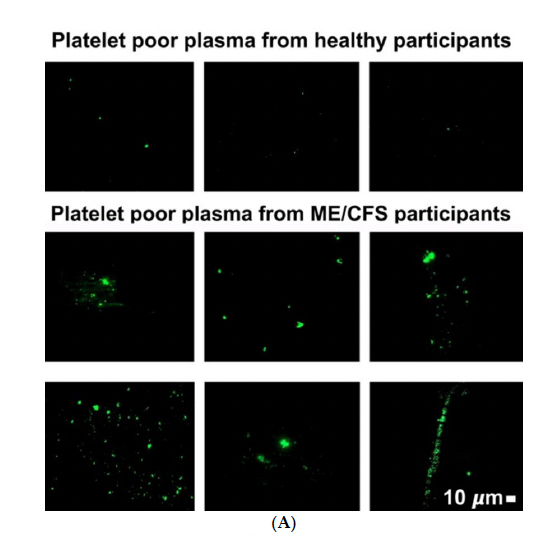
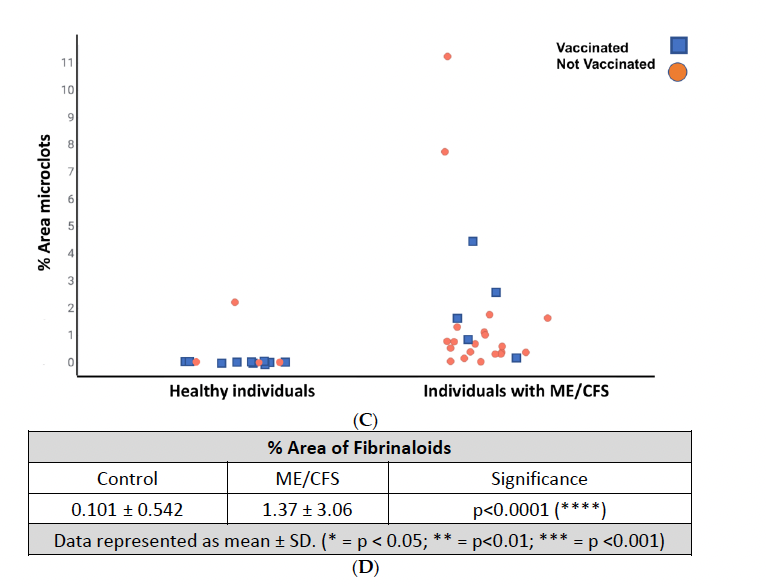
Excessive blood clotting impedes blood flow, and thus oxygen delivery.
⇨ Aspirin
⇨ Proteolytic enzymes,
⇨ Reducing omega-6 / omega-3 ratio
can slow this process,
but they are primarily driven by oxidative stress.
29
High homocysteine inflames vessels and accelerates clot formation.
It becomes elevated with deficiencies of:
⬩Glycine
⬩Choline
⬩B2
⬩B6
⬩B9
⬩B12
and directly drives inflammation + mitochondrial dysfunction.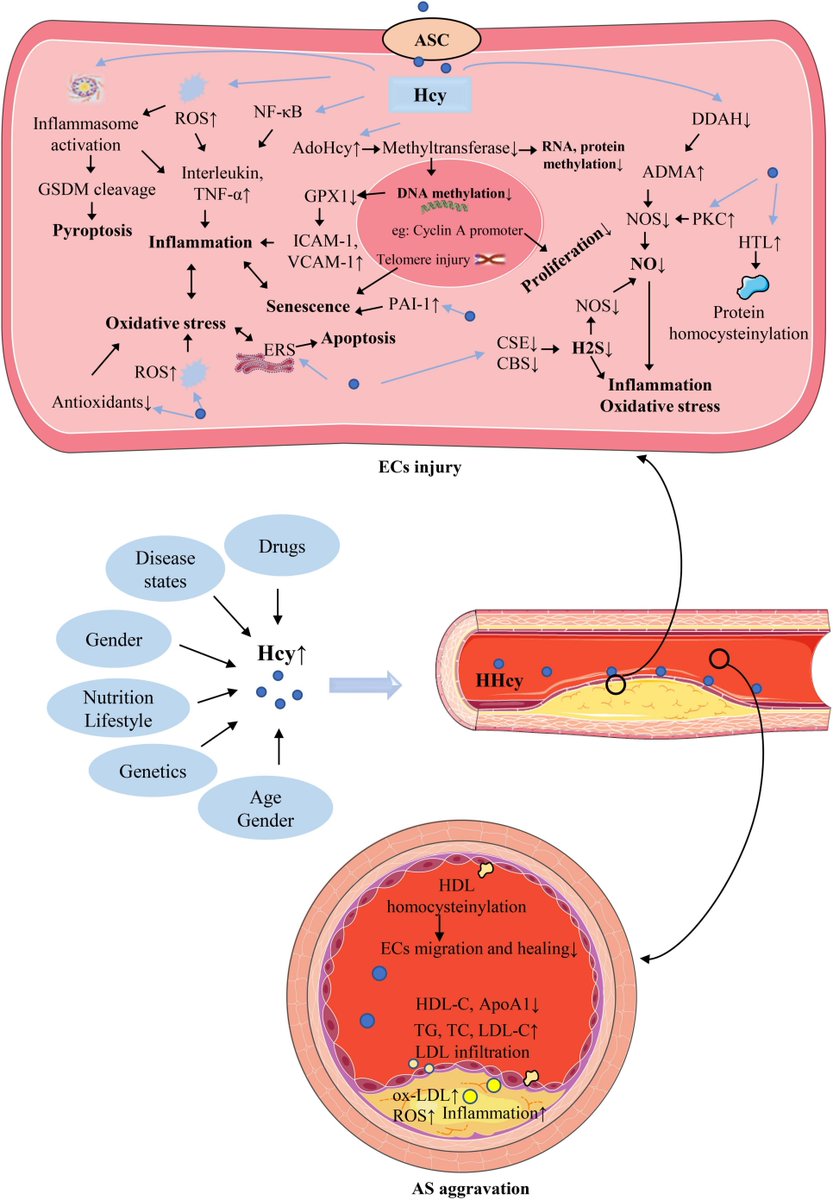
It becomes elevated with deficiencies of:
⬩Glycine
⬩Choline
⬩B2
⬩B6
⬩B9
⬩B12
and directly drives inflammation + mitochondrial dysfunction.
30
Antioxidant status is also vital for energy production.
Oxidative stress
➞ Damages mitochondria
➞ Damages blood vessels - worsens blood flow
➞ Increases inflammation
➞ Impedes energy import into cells
The basics of antioxidant support are below:
Oxidative stress
➞ Damages mitochondria
➞ Damages blood vessels - worsens blood flow
➞ Increases inflammation
➞ Impedes energy import into cells
The basics of antioxidant support are below:
Dalton (Analyze & Optimize)@Outdoctrination
If I were trying to prevent / mitigate the effects of a major oxidative insult (serious drug exposure, radiation, heavy metals, major trauma, etc.):
☆ Vitamin E
☆ Vitamin C
☆ B1
☆ B2
☆ Selenium
☆ Copper
☆ Zinc
☆ NAc
☆ Glycine
☆ Taurine
☆ Red / near infrared / sun light
☆ Foods rich in these nutrients (liver, oysters, meat, gelatinous foods)
☆ Foods rich in flavonoids (fruits, whole juices, coffee, chocolate)
☆ Edible mushrooms (ergothioneine)
☆ Plenty of carbohydrates
☆ Avoid polyunsaturated fat (seed oils) like the plague
☆ Run iron labs, potentially some more comprehensive panels if serious enough
☆ Vitamin E
☆ Vitamin C
☆ B1
☆ B2
☆ Selenium
☆ Copper
☆ Zinc
☆ NAc
☆ Glycine
☆ Taurine
☆ Red / near infrared / sun light
☆ Foods rich in these nutrients (liver, oysters, meat, gelatinous foods)
☆ Foods rich in flavonoids (fruits, whole juices, coffee, chocolate)
☆ Edible mushrooms (ergothioneine)
☆ Plenty of carbohydrates
☆ Avoid polyunsaturated fat (seed oils) like the plague
☆ Run iron labs, potentially some more comprehensive panels if serious enough
31
High dose vitamin C prevents fatigue, lowers cortisol.
6g a day for 2 weeks:
◇ Cuts fatigue scores
◇ Improves insulin sensitivity
◇ Cut cortisol
◇ Lowers liver enzymes
◇ Decreases inflammation
Vitamin C is a primary antioxidant supportive nutrient.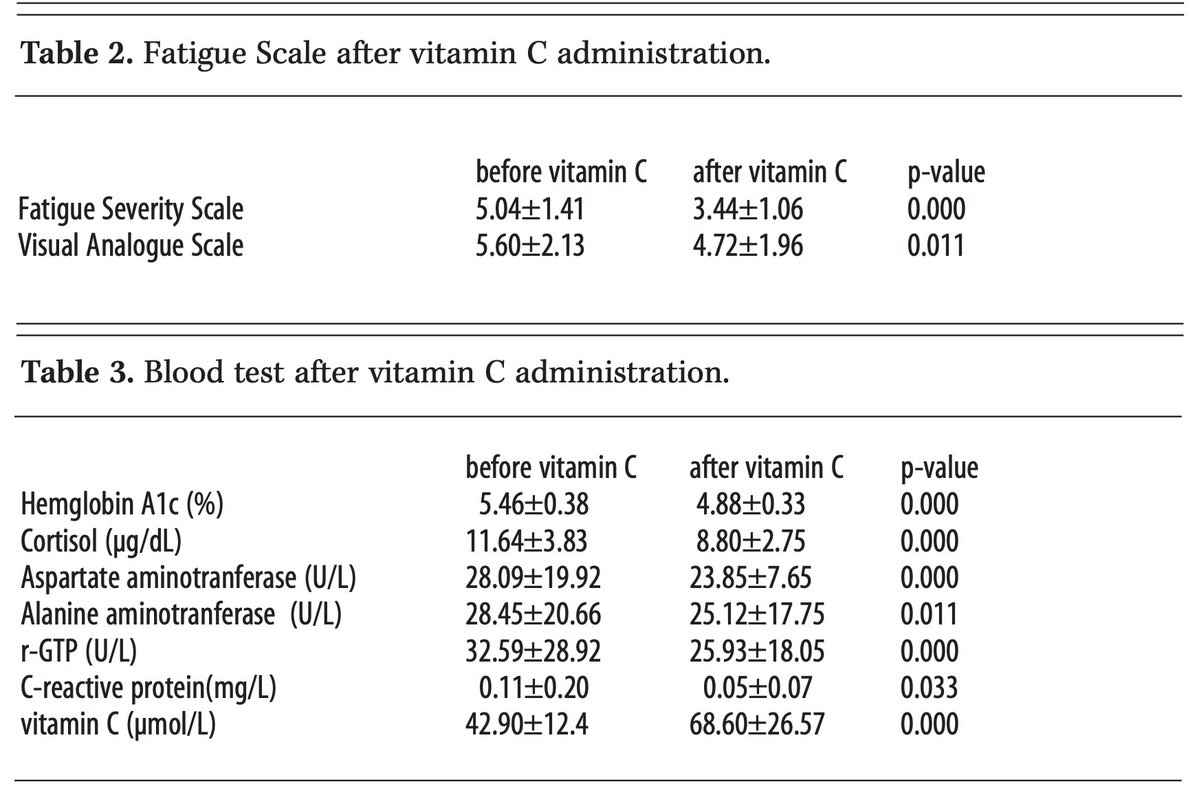
6g a day for 2 weeks:
◇ Cuts fatigue scores
◇ Improves insulin sensitivity
◇ Cut cortisol
◇ Lowers liver enzymes
◇ Decreases inflammation
Vitamin C is a primary antioxidant supportive nutrient.
32
Chronic fatigue is low brain glutathione.
Glutathione protects mitochondria from the deleterious effects of oxidative stress, and thus fatigue.
Precursors (NAC+Glycine) have powerful effects on mitochondrial function.


Glutathione protects mitochondria from the deleterious effects of oxidative stress, and thus fatigue.
Precursors (NAC+Glycine) have powerful effects on mitochondrial function.
Dalton (Analyze & Optimize)@Outdoctrination
NAC + glycine is an anti-aging, metabolic elixir.
➜ Reduces oxidative stress
➜ Improves mitochondrial function
➜ Improves cognitive function
➜ Reverses insulin resistance
Nearly every metric of aging and disease imaginable.
More on glycine below: x.com/Outdoctrinatio…
➜ Reduces oxidative stress
➜ Improves mitochondrial function
➜ Improves cognitive function
➜ Reverses insulin resistance
Nearly every metric of aging and disease imaginable.
More on glycine below: x.com/Outdoctrinatio…
33
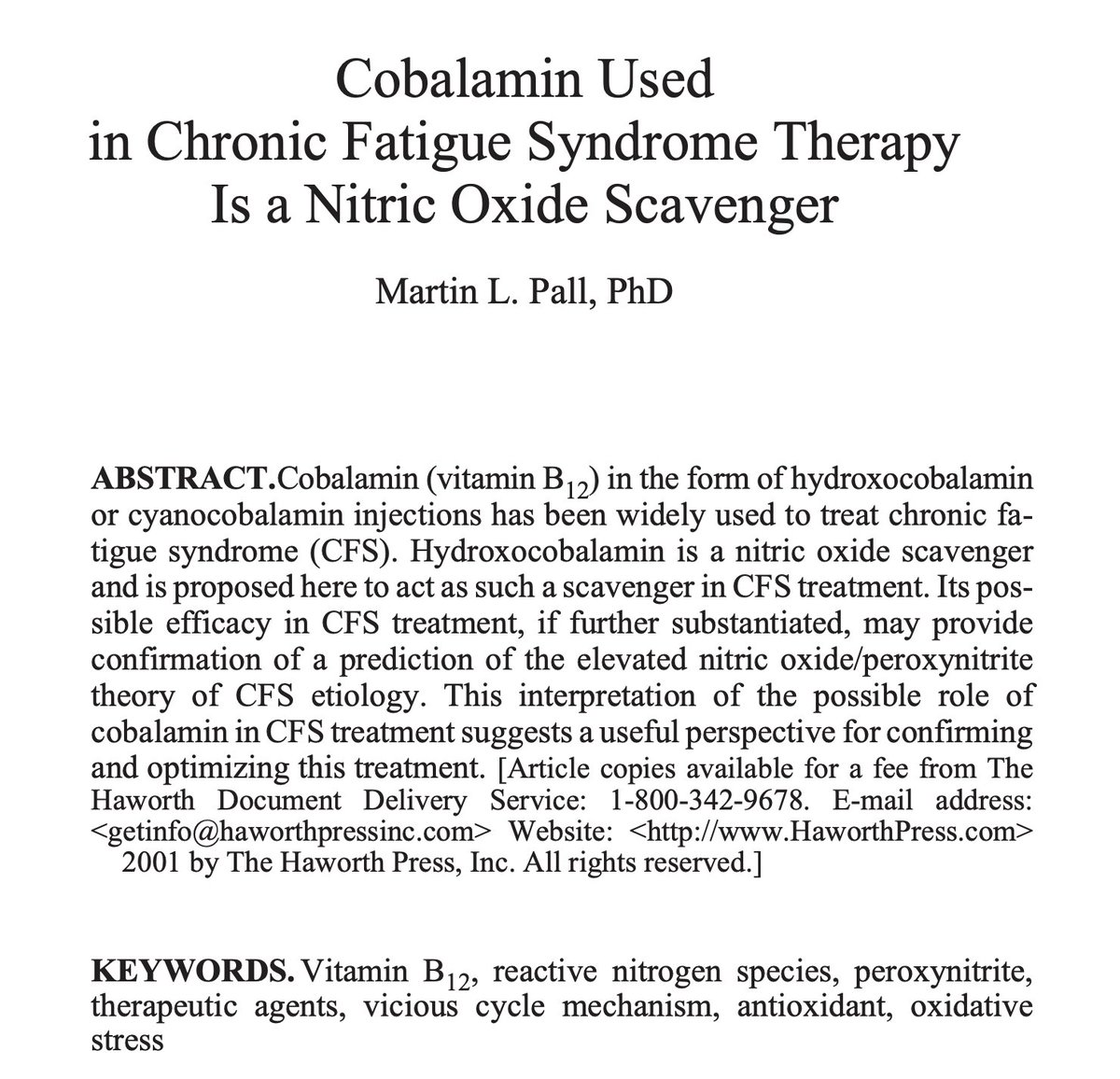
Too much nitric oxide can backfire.
It reacts with superoxide to form peroxynitrite, a potent oxidant that damages mitochondria.
➜ B12
➜ D3
➜ Methylene blue
can help excessive nitric oxide production.
It reacts with superoxide to form peroxynitrite, a potent oxidant that damages mitochondria.
➜ B12
➜ D3
➜ Methylene blue
can help excessive nitric oxide production.
34
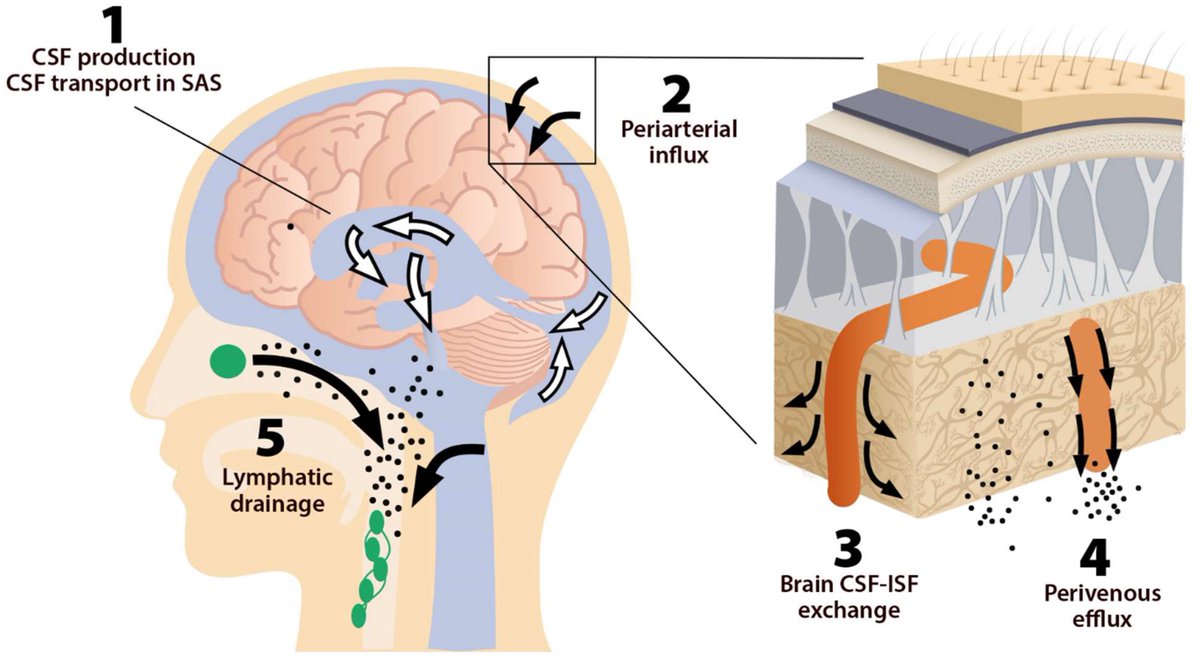
The glymphatic system clears waste out of the brain.
It’s impaired in fatigue.
Tender cervical or axillary lymph nodes is a common finding in chronic fatigue.
➜ Lymph massages (see below)
➜ Sleeping on side
➜ Infrared light
➜ Diaphragmatic breathing
can all help.

It’s impaired in fatigue.
Tender cervical or axillary lymph nodes is a common finding in chronic fatigue.
➜ Lymph massages (see below)
➜ Sleeping on side
➜ Infrared light
➜ Diaphragmatic breathing
can all help.
Dalton (Analyze & Optimize)@Outdoctrination
If you feel puffy, have “cortisol face,” are congested and feel like your body needs a reset, look no further.
You’re probably filled up with fluid that won’t leave until you address this.
Let’s talk about the LYMPH STAGNATION - why it is harmful & how to fix it:
You’re probably filled up with fluid that won’t leave until you address this.
Let’s talk about the LYMPH STAGNATION - why it is harmful & how to fix it:
35
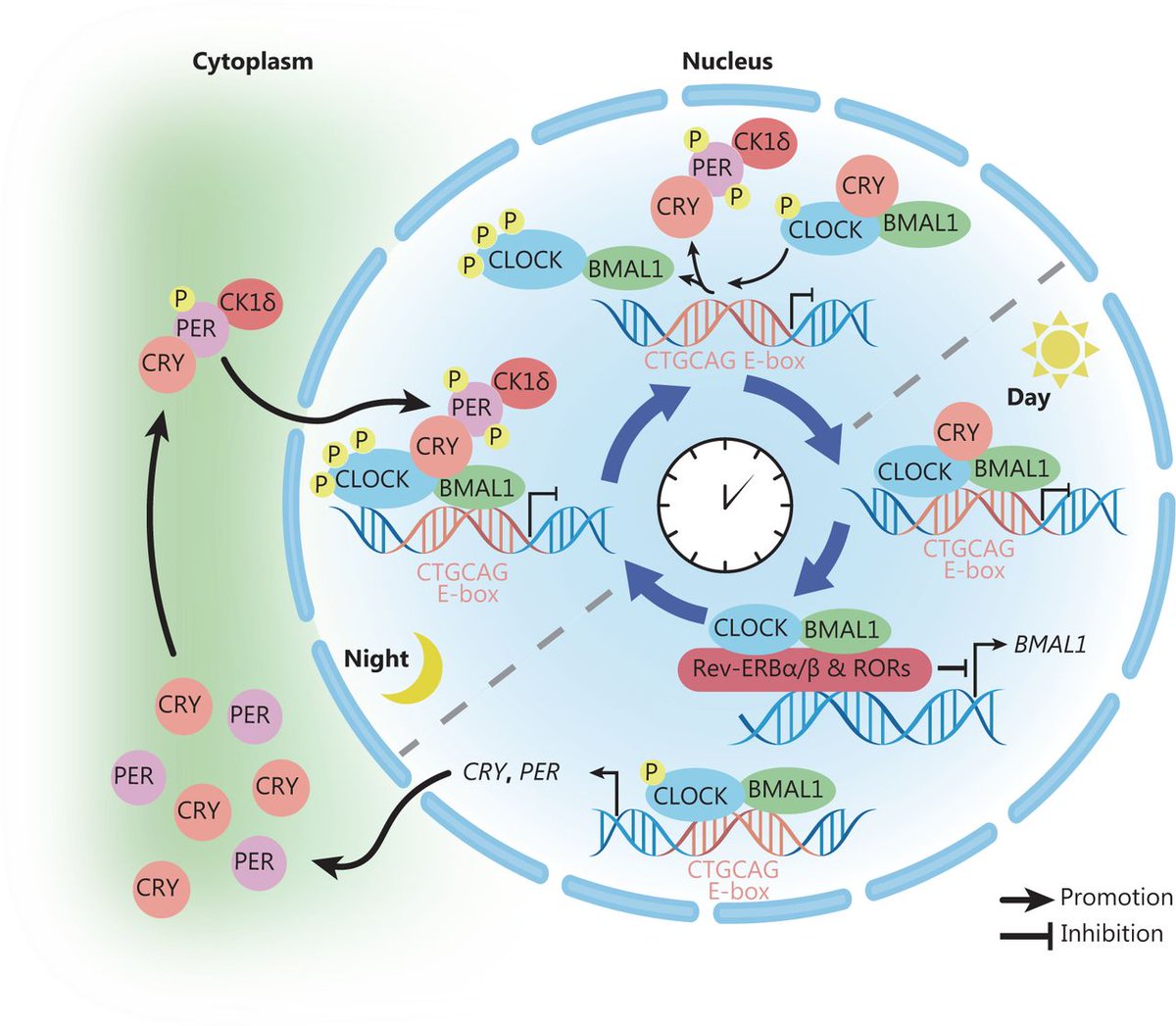
Aligning your circadian rhythm will be vital for energy levels.
~20% of all genes are under circadian control.
Genes for:
➜ Digestion
➜ Hormones
➜ Oxidative stress
➜ Inflammation
all included.
BRIGHT LIGHT is the most important way to optimize it.

~20% of all genes are under circadian control.
Genes for:
➜ Digestion
➜ Hormones
➜ Oxidative stress
➜ Inflammation
all included.
BRIGHT LIGHT is the most important way to optimize it.
Dalton (Analyze & Optimize)@Outdoctrination
The effects of BRIGHT LIGHT on your mood are more important than anyone realizes.
If you’re feeling down, tired, stressed, or anxious, this may just be the answer you never knew you needed.
I found that out the hard way.
Here’s why:
If you’re feeling down, tired, stressed, or anxious, this may just be the answer you never knew you needed.
I found that out the hard way.
Here’s why:
36
There are tons of other ways to support mitochondrial function for energy optimization.
Pregnenolone supports mitochondrial fusion - making them bigger, more efficient, and better at generating ATP.
It’s also neuroprotective and anti-inflammatory.

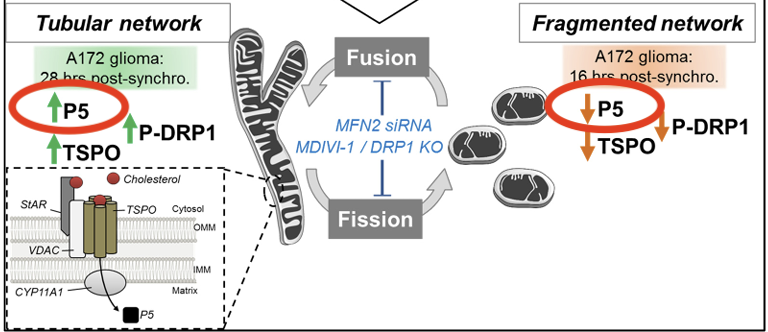

Pregnenolone supports mitochondrial fusion - making them bigger, more efficient, and better at generating ATP.
It’s also neuroprotective and anti-inflammatory.
Dalton (Analyze & Optimize)@Outdoctrination
PREGNENOLONE: A fountain of youth
1. Pregnenolone lowers stress - restores youthful appearance
As we age, we:
☞ Put on more fat
☞ Lose muscle
☞ Produce less energy
☞ Do so in a more stressful manner
The primary stress hormone, cortisol, actually predicts your perceived age.
In other words, the lower your stress, the younger you appear to other people, and the younger you likely are biologically!
Stress directly promotes the breakdown of
☞ Skin
☞ Hair
☞ Muscle
while promoting the creation of fat mass.
Pregnenolone INHIBITS the release of CRH, the hypothalamic precursor of cortisol.
Prengnolone’s ability to inhibit the release of CRH/CRF is unique, targeting stress at the most basic biological root cause.
Pregnenolone also functionally inhibits the receptor for cortisol.
The "pregnenolone facelift" phenomenon is real.
The production of pregnenolone and its metabolites like DHEA, declines in aging, while the production of stress steroids like cortisol continue to rise.
The ratio of DHEA/Cortisol is one of the best predictors of disease and mortality, and declines with aging.
Pregnenolone also gets metabolized in large quantities to progesterone, which also inhibits CRH release and is a direct antagonist on the cortisol receptors.
Progesterone has GABAnergic effects, which is the key relaxing signaling molecule in the body.
Another compound which pregnenolone largely gets converted into is allopregnanolone, our body’s primary endogenous GABAnergic steroid.
2. Pregnenolone is anti-inflammatory
CRH, independently of cortisol production, also contributes to stress, disease and aging, by initiating inflammation.
Inflammation is uniformly seen in all chronic diseases and in the aging process, as it
☞ Breaks down our tissue
☞ Dampens energy production
☞ Generally makes us feel crappy
Pregnenolone actually degrades the toll like receptors (TLRs) that initiate inflammation in conditions from Alzheimer's disease to IBS.
3. Pregnenolone increases energy
As we age, our mitochondria become:
☞ More susceptible to damage
☞ More fragmented
☞ Smaller
☞ Less effective at producing energy,
☞ More prone to generate free radicals
but pregnenolone allows them to
☞ Produce more energy,
☞ Produce less with oxidative stress
☞ Undergo fusion, when mitochondria come together and become more robust.
The pro-energy effects of pregnenolone have been observed for nearly a century.
Some early studies showed that workers, especially those under stress, subjectively felt better when doing so with pregnenolone.
This anti-fatigue effect was also demonstrated in arthritic patients.
100-500 mg of pregnenolone taken orally has consistently shown an anti-fatigue, cognitive enhancing and anti-stress/anxiety effect.
I'll link the pregnenolone we use ourselves and with clients below.
Perhaps the most noteworthy testimonial:
" 'I didn't have my usual summer recovery from "winter sickness,' during a two week trip I felt perfectly well, but except for that short time I kept getting sicker and sicker (with inflammation of arteries, dental abscesses, asthma, migraines, and colitis).
Lying in bed one day trying to understand what had happened during that two week trip, I remembered that I had used the vitamin E containing a residue of pregnenolone on the trip, but used pure vitamin E after I got home.
I immediately got out of bed and took a pinch of pregnenolone. In about an hour, all of my
symptoms had stopped, and for over a week I was healthy and energetic.
But then I got sick again, and was so distracted by the pain that it was several days before I remembered the pregnenolone. Another pinch had the same dramatic sudden effect.
Since then I have taken some almost every day."
- Ray Peat
Look at his transformation!
1. Pregnenolone lowers stress - restores youthful appearance
As we age, we:
☞ Put on more fat
☞ Lose muscle
☞ Produce less energy
☞ Do so in a more stressful manner
The primary stress hormone, cortisol, actually predicts your perceived age.
In other words, the lower your stress, the younger you appear to other people, and the younger you likely are biologically!
Stress directly promotes the breakdown of
☞ Skin
☞ Hair
☞ Muscle
while promoting the creation of fat mass.
Pregnenolone INHIBITS the release of CRH, the hypothalamic precursor of cortisol.
Prengnolone’s ability to inhibit the release of CRH/CRF is unique, targeting stress at the most basic biological root cause.
Pregnenolone also functionally inhibits the receptor for cortisol.
The "pregnenolone facelift" phenomenon is real.
The production of pregnenolone and its metabolites like DHEA, declines in aging, while the production of stress steroids like cortisol continue to rise.
The ratio of DHEA/Cortisol is one of the best predictors of disease and mortality, and declines with aging.
Pregnenolone also gets metabolized in large quantities to progesterone, which also inhibits CRH release and is a direct antagonist on the cortisol receptors.
Progesterone has GABAnergic effects, which is the key relaxing signaling molecule in the body.
Another compound which pregnenolone largely gets converted into is allopregnanolone, our body’s primary endogenous GABAnergic steroid.
2. Pregnenolone is anti-inflammatory
CRH, independently of cortisol production, also contributes to stress, disease and aging, by initiating inflammation.
Inflammation is uniformly seen in all chronic diseases and in the aging process, as it
☞ Breaks down our tissue
☞ Dampens energy production
☞ Generally makes us feel crappy
Pregnenolone actually degrades the toll like receptors (TLRs) that initiate inflammation in conditions from Alzheimer's disease to IBS.
3. Pregnenolone increases energy
As we age, our mitochondria become:
☞ More susceptible to damage
☞ More fragmented
☞ Smaller
☞ Less effective at producing energy,
☞ More prone to generate free radicals
but pregnenolone allows them to
☞ Produce more energy,
☞ Produce less with oxidative stress
☞ Undergo fusion, when mitochondria come together and become more robust.
The pro-energy effects of pregnenolone have been observed for nearly a century.
Some early studies showed that workers, especially those under stress, subjectively felt better when doing so with pregnenolone.
This anti-fatigue effect was also demonstrated in arthritic patients.
100-500 mg of pregnenolone taken orally has consistently shown an anti-fatigue, cognitive enhancing and anti-stress/anxiety effect.
I'll link the pregnenolone we use ourselves and with clients below.
Perhaps the most noteworthy testimonial:
" 'I didn't have my usual summer recovery from "winter sickness,' during a two week trip I felt perfectly well, but except for that short time I kept getting sicker and sicker (with inflammation of arteries, dental abscesses, asthma, migraines, and colitis).
Lying in bed one day trying to understand what had happened during that two week trip, I remembered that I had used the vitamin E containing a residue of pregnenolone on the trip, but used pure vitamin E after I got home.
I immediately got out of bed and took a pinch of pregnenolone. In about an hour, all of my
symptoms had stopped, and for over a week I was healthy and energetic.
But then I got sick again, and was so distracted by the pain that it was several days before I remembered the pregnenolone. Another pinch had the same dramatic sudden effect.
Since then I have taken some almost every day."
- Ray Peat
Look at his transformation!
37
Vinegar is a mitochondrial enhancer.
It's unique metabolism activates AMPK and PGC1α, two key regulators of mitochondrial biogenesis and energy metabolism.
It also has an anti-inflammatory / antioxidant effect at the genetic level.
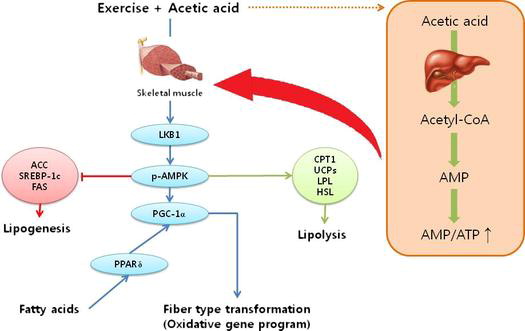

It's unique metabolism activates AMPK and PGC1α, two key regulators of mitochondrial biogenesis and energy metabolism.
It also has an anti-inflammatory / antioxidant effect at the genetic level.
Dalton (Analyze & Optimize)@Outdoctrination
The miracle medicine that’s sitting in your kitchen, and costs you almost nothing.
It sheds fat, improves insulin resistance, stops kidney stones, and might even turn cancer cells back to normal.
The benefits of VINEGAR will absolutely blow your mind:
It sheds fat, improves insulin resistance, stops kidney stones, and might even turn cancer cells back to normal.
The benefits of VINEGAR will absolutely blow your mind:
38
Caffeine isn’t just a stimulant - it promotes mitophagy, the clean-up of old, damaged mitochondria, and supports new mitochondrial growth.
Another way to improve the health of your mitochondria.

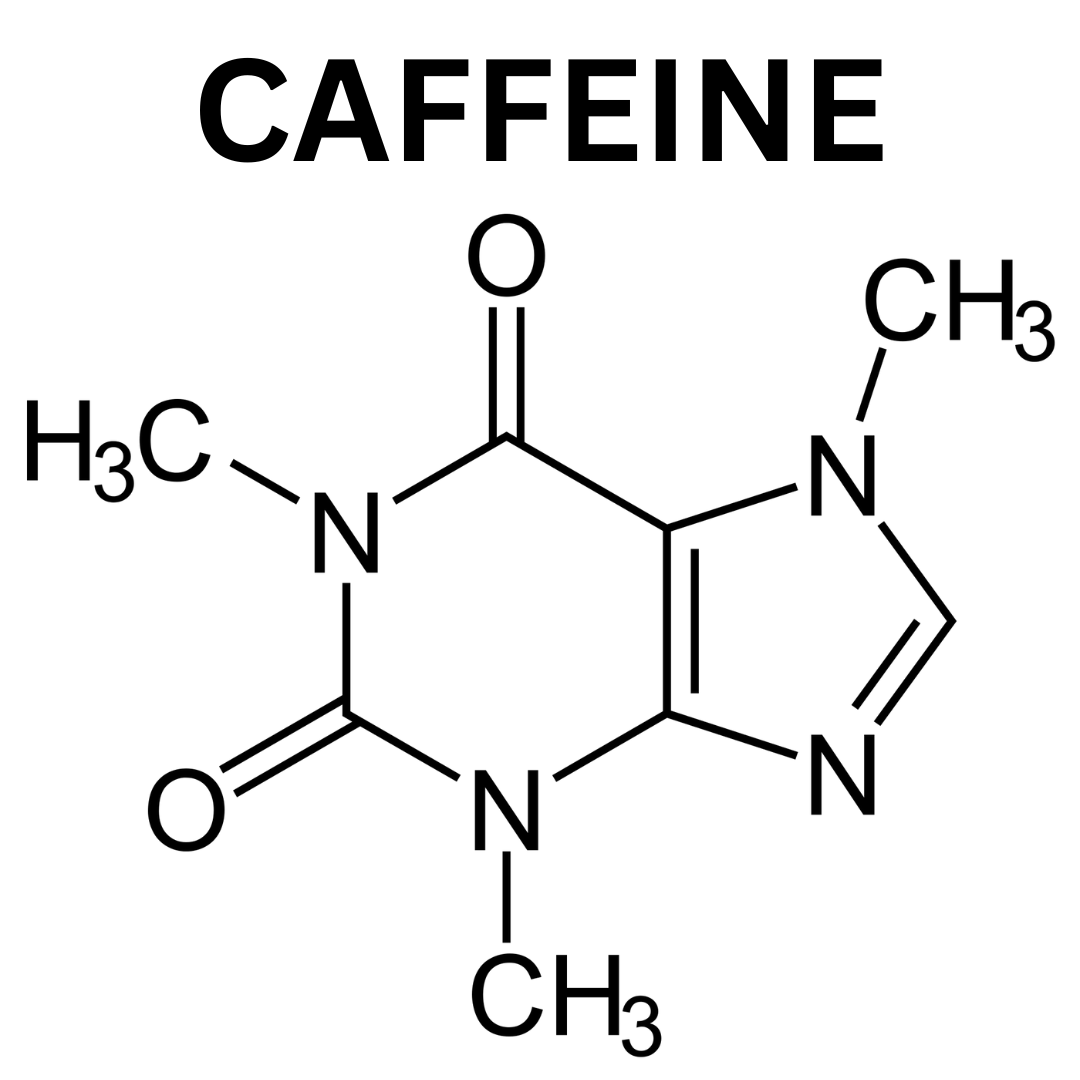
Another way to improve the health of your mitochondria.
Dalton (Analyze & Optimize)@Outdoctrination
CAFFEINE is so much more than a stimulant.
It's actually one of the most powerful anti-aging, anti-inflammatory and neuroprotective tools known to man, yet it's been demonized.
The TRUTH about caffeine will blow your mind:
It's actually one of the most powerful anti-aging, anti-inflammatory and neuroprotective tools known to man, yet it's been demonized.
The TRUTH about caffeine will blow your mind:
39
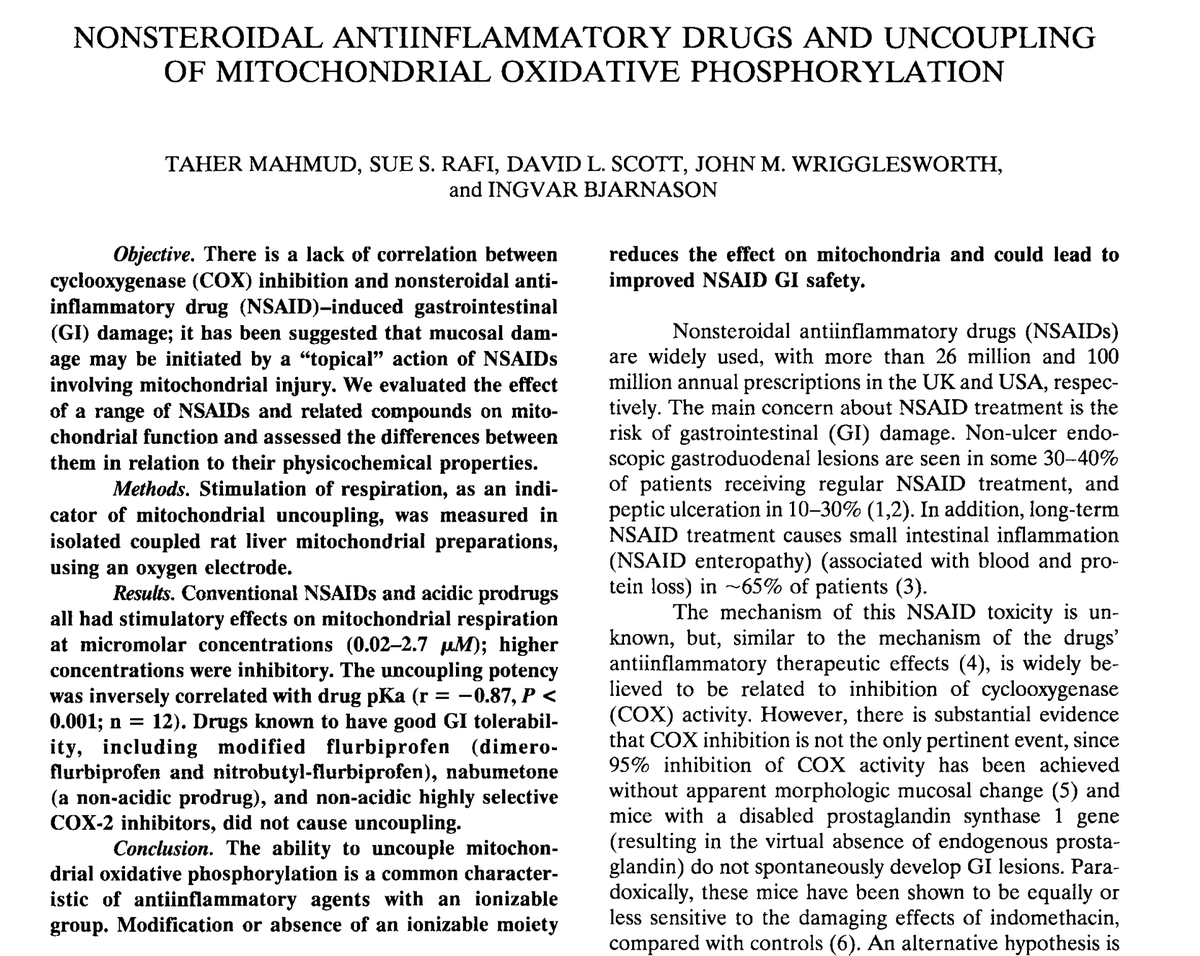
Low dose aspirin is another tool.
It prevents mitochondrial fission, keeping them large and efficient.
It also upregulates oxidative phosphorylation, directly enhancing ATP output in the mitochondria.
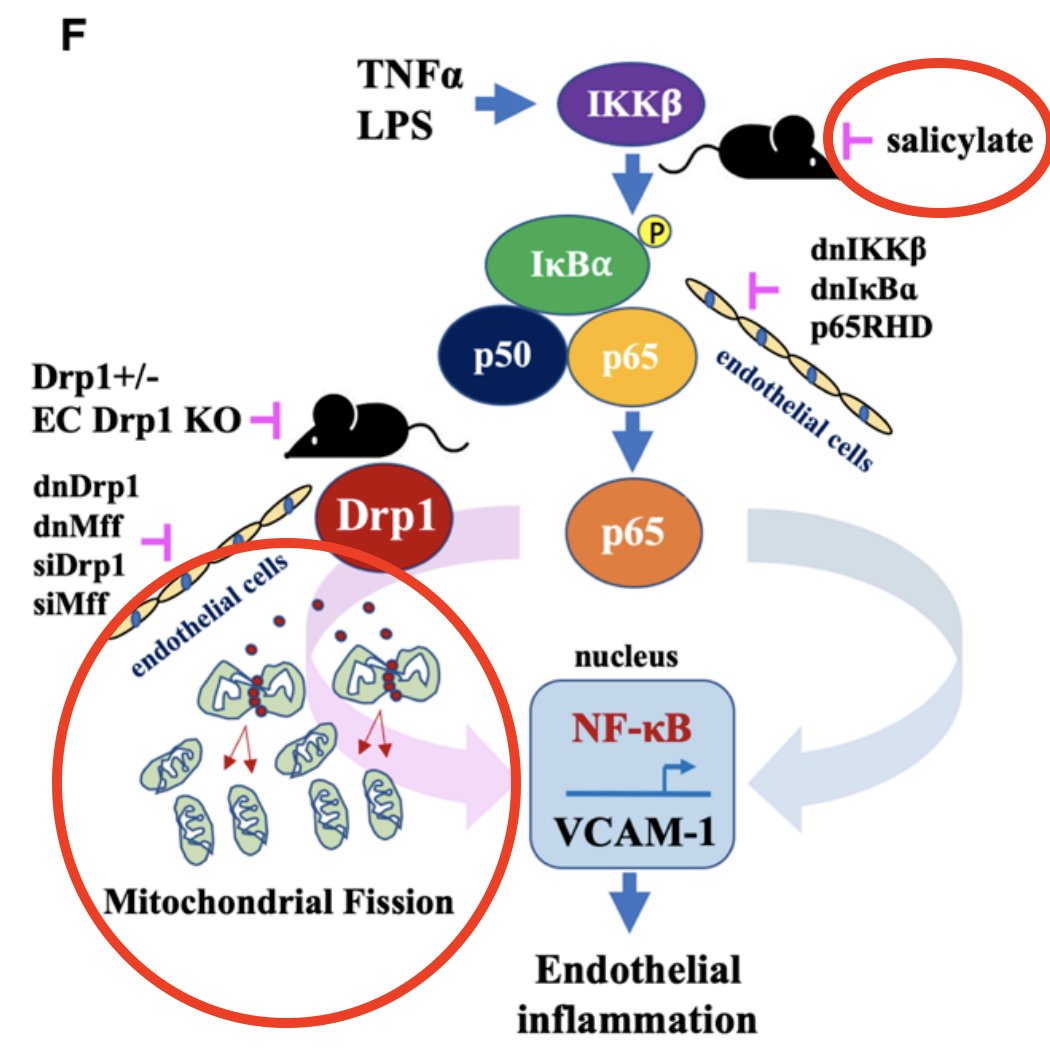

It prevents mitochondrial fission, keeping them large and efficient.
It also upregulates oxidative phosphorylation, directly enhancing ATP output in the mitochondria.
Dalton (Analyze & Optimize)@Outdoctrination
Modern medicine’s greatest contribution to the health of mankind.
It heals cancer, depression and is even a nootropic.
And it’s safe and cheap to boot.
Why ASPIRIN is so much more than a painkiller and a blood thinner:
It heals cancer, depression and is even a nootropic.
And it’s safe and cheap to boot.
Why ASPIRIN is so much more than a painkiller and a blood thinner:
40
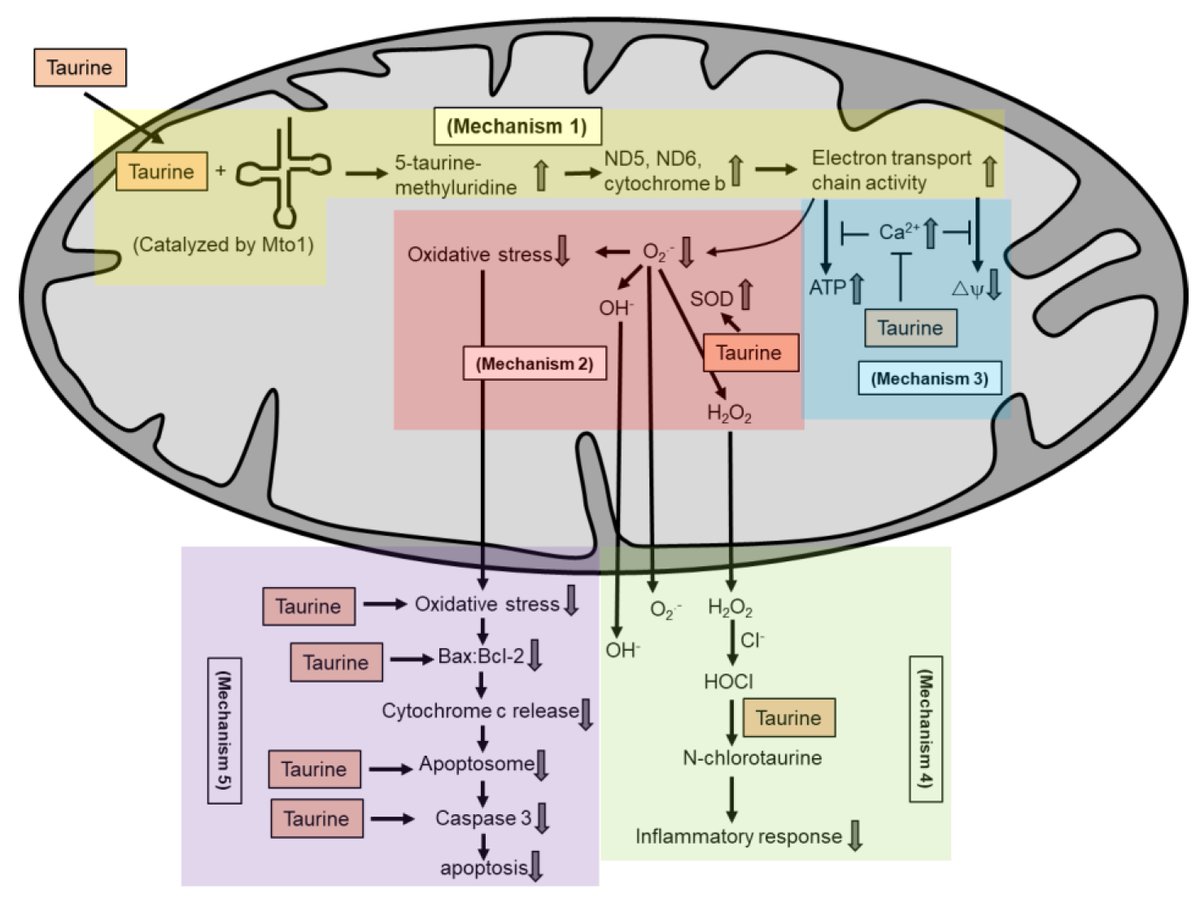
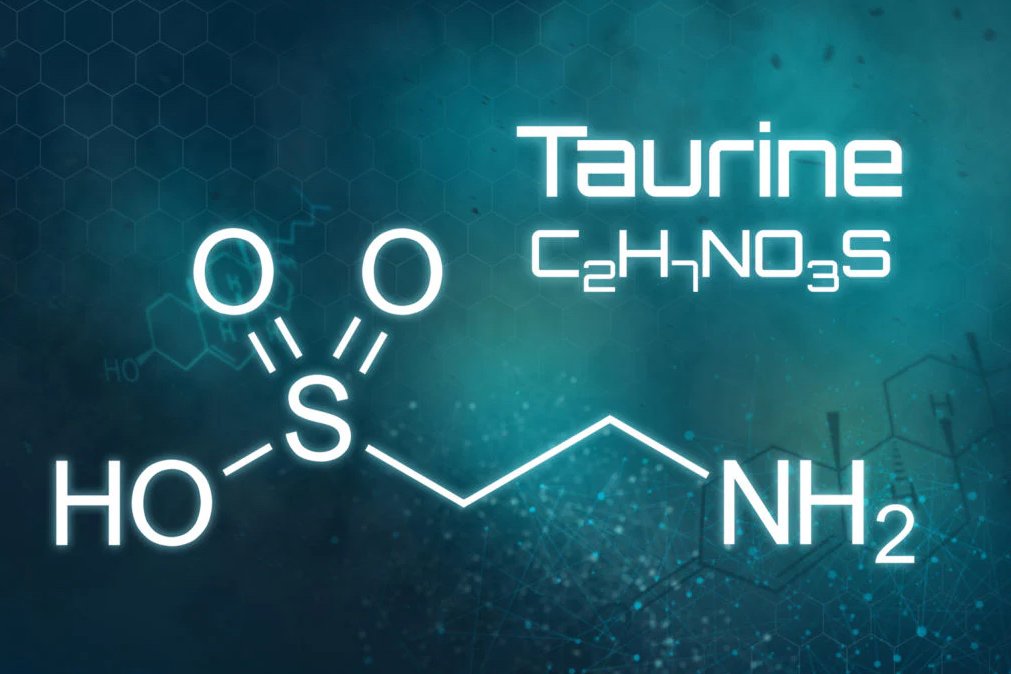
Taurine is a mitochondrial Godsend.
☆ Buffers mitochondrial pH
☆ Regulates calcium flux
☆ Antioxidant
☆ Anti-inflammatory
☆ Supports mitochondrial tRNA function
Works wonders for many metabolic emergencies.
☆ Buffers mitochondrial pH
☆ Regulates calcium flux
☆ Antioxidant
☆ Anti-inflammatory
☆ Supports mitochondrial tRNA function
Works wonders for many metabolic emergencies.
Dalton (Analyze & Optimize)@Outdoctrination
The animal-based, anti-aging nutrient you aren't getting enough of.
It protects the brain, reduces inflammation, stress, insulin resistance, and might even grow your hair.
The benefits of TAURINE are boundless:
It protects the brain, reduces inflammation, stress, insulin resistance, and might even grow your hair.
The benefits of TAURINE are boundless:
41
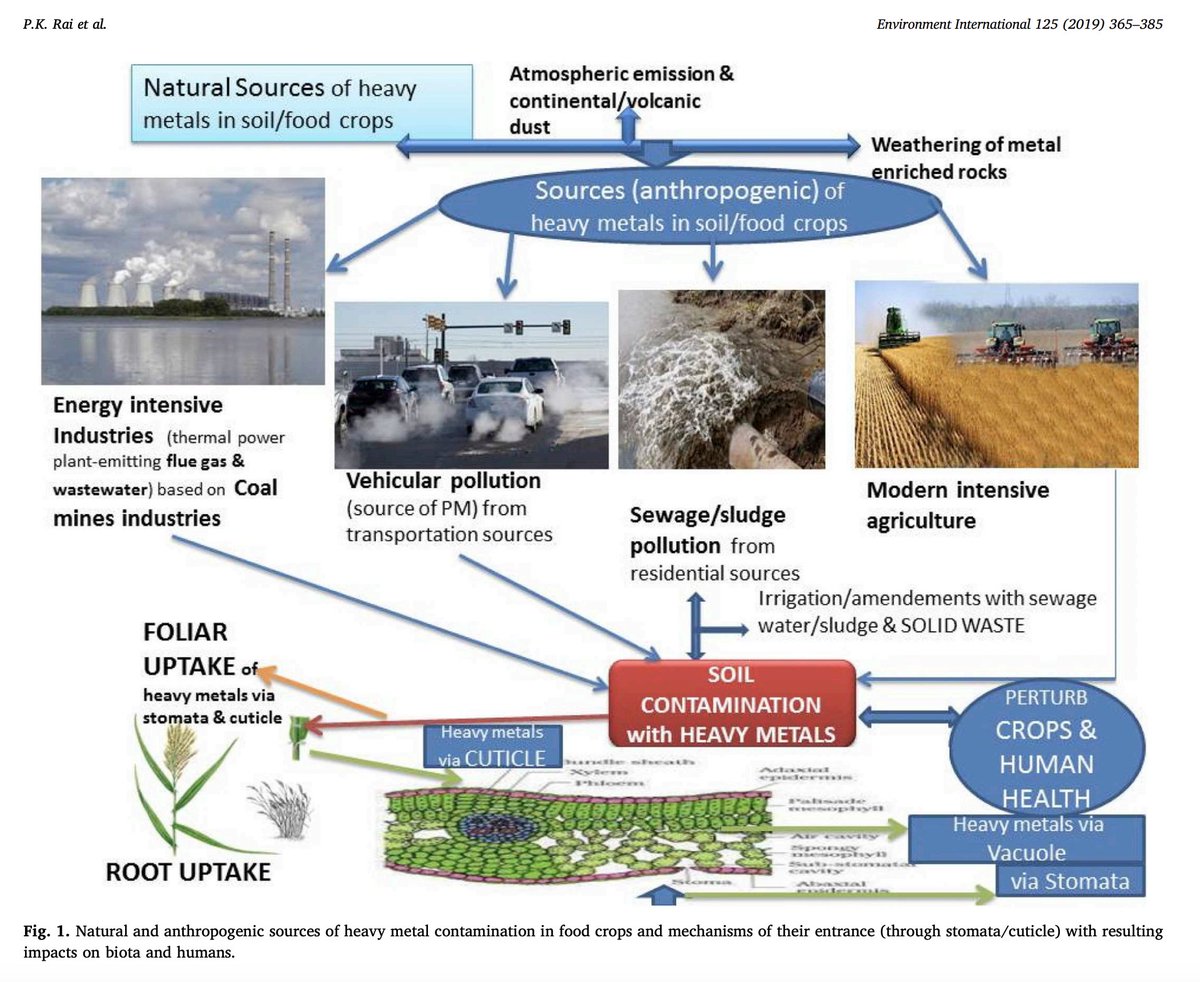
There's also tons of poisons in the modern environment that impair mitochondrial function.
1. Heavy Metals
• Mercury – disrupts mitochondrial membranes and enzymes.
• Lead – impairs mitochondrial respiration and energy production.
• Arsenic – inhibits mitochondrial enzymes
• Cadmium – damages electron transport chain complexes.
2. Pesticides
• Rotenone – inhibits Complex I of the electron transport chain.
• Paraquat – generates superoxide radicals, causing oxidative mitochondrial damage.
• Organophosphates – indirectly damage mitochondria via oxidative stress.
3. Industrial Chemicals
• Dioxins – interfere with mitochondrial biogenesis and induce oxidative stress.
• Polychlorinated biphenyls (PCBs) – disrupt mitochondrial membranes.
• Phthalates – impair mitochondrial respiration and ATP synthesis.
4. Pharmaceuticals
• Statins – lower CoQ10 levels, impairing mitochondrial energy production.
• Antibiotics (e.g., aminoglycosides, tetracyclines) – inhibit mitochondrial protein synthesis.
• Chemotherapy agents (e.g., doxorubicin) – cause mitochondrial DNA damage and ROS generation.
5. Mycotoxins (mold toxins)
• Ochratoxin A – inhibits mitochondrial respiration.
• Aflatoxins – generate oxidative stress, damaging mitochondria.
6. Air Pollutants
• Particulate matter (PM2.5) – induces mitochondrial oxidative stress and fragmentation.
• Ozone – damages mitochondrial membranes and impairs respiration.
7. Fluoride
• Inhibits enzymes like enolase and ATP synthase, reducing mitochondrial efficiency.
• Inhibits thyroid hormone production
8. Electromagnetic Fields (EMFs)
• Impair mitochondrial calcium handling and increase oxidative stress.


1. Heavy Metals
• Mercury – disrupts mitochondrial membranes and enzymes.
• Lead – impairs mitochondrial respiration and energy production.
• Arsenic – inhibits mitochondrial enzymes
• Cadmium – damages electron transport chain complexes.
2. Pesticides
• Rotenone – inhibits Complex I of the electron transport chain.
• Paraquat – generates superoxide radicals, causing oxidative mitochondrial damage.
• Organophosphates – indirectly damage mitochondria via oxidative stress.
3. Industrial Chemicals
• Dioxins – interfere with mitochondrial biogenesis and induce oxidative stress.
• Polychlorinated biphenyls (PCBs) – disrupt mitochondrial membranes.
• Phthalates – impair mitochondrial respiration and ATP synthesis.
4. Pharmaceuticals
• Statins – lower CoQ10 levels, impairing mitochondrial energy production.
• Antibiotics (e.g., aminoglycosides, tetracyclines) – inhibit mitochondrial protein synthesis.
• Chemotherapy agents (e.g., doxorubicin) – cause mitochondrial DNA damage and ROS generation.
5. Mycotoxins (mold toxins)
• Ochratoxin A – inhibits mitochondrial respiration.
• Aflatoxins – generate oxidative stress, damaging mitochondria.
6. Air Pollutants
• Particulate matter (PM2.5) – induces mitochondrial oxidative stress and fragmentation.
• Ozone – damages mitochondrial membranes and impairs respiration.
7. Fluoride
• Inhibits enzymes like enolase and ATP synthase, reducing mitochondrial efficiency.
• Inhibits thyroid hormone production
8. Electromagnetic Fields (EMFs)
• Impair mitochondrial calcium handling and increase oxidative stress.
Dalton (Analyze & Optimize)@Outdoctrination
HEAVY METALS - the complete guide on how you get exposed, sick, and what to do about it:
SOURCES OF HEAVY METAL EXPOSURE:
The main heavy metals of concern are aluminum, nickel, cadmium, lead, arsenic, and mercury.
Due to pollution and industrialization, these elements that normally reside deep in the earth have been introduced to our environment in unprecedented amounts.
As a result, heavy metals have made their way into damn near every aspect of our modern lives.
● Vegetables - due to soil contamination
● Grains (especially brown rice)
● Canned foods - using metals
● Chocolate (especially dark)
● Pesticides - which incorporate heavy metals
● Seafood (especially larger fish) - as the ocean gets contaminated from pollution
● Vaccines - used as preservatives
● Water
● Medical devices
● Cigarettes / vapes
● The air itself
● Supplements
● Dental devices
● Utensils
● Aluminum foil
● Cookware (+ utensils)
● Drugs
● Jewelry
● Tattoos
● Glassware
● Cars (especially working on engines)
● Batteries
● Wires
● Paint (especially old)
● Piping
● Sewage
● Ceramic
● Gasoline / oil
● Grills/charcoal
● Personal care products
● Cosmetics
● Baking powder
● Food additives
If you work in a lab, with batteries, cars, if you’re a welder, electrician, or any type of manual labor that requires contact with metal, oil, gas, or other industrial processes, chances are you’re getting disproportionately exposed to these.
HEAVY METAL TOXICITY SIGNS / SYMPTOMS:
These poisons have such a fundamental way of disrupting normal biology / biochemistry that they can impact nearly every aspect of health.
◍ Mental / cognitive health
◍ Fat gain
◍ Hormonal disruptions
◍ Liver problems
◍ Cancer
◍ Gut issues - IBS, IBDs
◍ Respiratory issues
◍ Fatigue
◍ Kidney problems
◍ Heart diseases
MECHANISMS OF HEAVY METAL TOXICITY.
While metals can be toxic, our body NEEDS certain metals, or minerals.
Zinc, copper, iron, magnesium, manganese, etc. etc.
These are essential elements that are intertwined, literally, with every fiber of our being.
Toxic heavy metals use this property, essentially “hacking” the role of many of these nutrients, due to their chemical similarity.
As a result, they:
◍ Bind to native proteins and enzymes
◍ Deplete antioxidants
◍ Cause oxidative stress
◍ Drive inflammation
◍ Increase intracellular calcium
◍ Impair mitochondrial function
However, while this property creates their toxicity, it also leads to the most logical way to deal with them - by “outnourishing” them.
Many of our essential minerals have built in ways of protecting us from heavy metals.
◍ Iron deficiency increases lead and cadmium absorption
◍ Iron also mitigates arsenic toxicity
◍ Calcium deficiency increases lead absorption and impairs excretion.
◍ Zinc stimulates the production of metallothionein, which binds heavy metals
◍ Selenium protects against mercury toxicity
MOLYBDENUM is a little known nutrient that literally prevents death from mercury poisoning.
Research has shown that giving molybdenum alongside mercury completely prevented death from an otherwise completely lethal mercury treatment.
Molybdenum also helps increase the excretion of heavy metals.
Molybdenum has shown protection against lead poisoning, too.
Lead can be incredibly dangerous by replacing iron and inhibiting red blood cell formation, which we need to breathe and survive.
Molybdenum prevents that.
Molybdenum is most abundant in liver, as well as grains and beans, plus cottage cheese.
Supplementing during heavy metal toxicity can have benefits.
Selenium markedly improves mercury toxicity & increases its excretion.
Mercury interacts with selenium dependent proteins, causing oxidative damage.
Supplementing selenium binds to mercury and supports its elimination, while preventing oxidative stress.
Selenium is in brazil nuts, beef, organ meats and more.
One study showed that a zinc & selenium combination mitigate heavy metal toxicity.
A mixture of various toxic heavy metals was combatted by supplementing zinc+selenium:
• Restores antioxidant enzymes
• Lowers inflammation
• Prevents cell death, tissue damage
• Lowers absorption of heavy metals
A study in battery workers found that zinc + vitamin C powerfully reduces heavy metals in the body.
‣ Both prevent absorption of lead, cadmium, etc
‣ Zinc directly promotes their excretion by producing metallothionein
‣ Both critical for antioxidant protection against them
Trace minerals are some of our best protection.
Aluminum is known to induce Alzheimer's plaques, but Vitamin E reverses it.
Aluminum is higher in neurodegenerative conditions in the brain - causing oxidative damage and cognitive decline.
Vitamin E is one of our primary protectors.
Another paper demonstrated that vitamin E + selenium mitigate mercury poisoning.
Due to their therapeutic effect on oxidative stress, they are able to prolong survival during mercury exposure.
Magnesium also improves lead toxicity & enhances its excretion.
Lead likes to accumulate in the bones and become a slow poison over time, but ample magnesium can mitigate this.
Magnesium supplementation is a no brainer for most, especially during heavy metal overload.
Silicon is a mineral that lowers aluminum in tissues.
➢ Brain
➢ Liver
➢ Bone
➢ Spleen
➢ Kidney
all have drastically reduced aluminum content when enough of this mineral are included in the diet.
Prevents aluminum absorption and improves excretion.
Thiamine (vitamin B1) can lower lead stores in the body.
B1 binds lead and prevents it from being locked up in tissues where it can cause toxicity.
Something important to remember is that heavy metals get excreted in large part through the feces.
That means if your gut is slow or not functioning well, you're going to have a tough time getting it all out - sorting out gut health is going to be VITAL.
Some things that aid in the binding and excretion of heavy metals through the gut:
✦ Fiber: insoluble fibers like wheat bran
✦ Pectin: especially modified citrus pectin
✦ Humic / fulvic acid (found in shilajit)
✦ Bentonite clay
✦ Charcoal
✦ Taurine / glycine (for bile)
You'll also want to support your detoxification systems in general.
The body has a myriad of ways to inactivate and excrete various toxins.
There are also a number of natural compounds that can bind and aid in the excretion of heavy metals.
◈ Glutathione (made from glycine)
◈ N-Acetylcysteine
◈ Taurine
◈Allium sativum (garlic)
◈ Milk thistle
◈ Cilantro
◈ Ginkgo
◈ Turmeric
◈ Triphala
◈ Phytochelatins
There are also chemical chelators of heavy metals.
◈ DMSA
◈ ALA
◈ EDTA
and others.
I would exert EXTREME CAUTION if trying to go this route, since these can take metals and redistribute them into different tissues.
Done properly, it can be helpful, but doing it properly is very difficult.
TESTING FOR HEAVY METALS:
Blood testing is considered the gold standard, and is more reflective of recent exposure.
Urine is more representative of excretion and long term exposure.
Hair testing is relatively unreliable since it can easily be externally contaminated.
Nail testing is more promising, but not very well studied.
I would opt for blood + urine in most cases, if suspecting heavy metal toxicity.
This is how you know for sure. I would not undergo any of these interventions without a strong suspicion of heavy metal toxicity.
SOURCES OF HEAVY METAL EXPOSURE:
The main heavy metals of concern are aluminum, nickel, cadmium, lead, arsenic, and mercury.
Due to pollution and industrialization, these elements that normally reside deep in the earth have been introduced to our environment in unprecedented amounts.
As a result, heavy metals have made their way into damn near every aspect of our modern lives.
● Vegetables - due to soil contamination
● Grains (especially brown rice)
● Canned foods - using metals
● Chocolate (especially dark)
● Pesticides - which incorporate heavy metals
● Seafood (especially larger fish) - as the ocean gets contaminated from pollution
● Vaccines - used as preservatives
● Water
● Medical devices
● Cigarettes / vapes
● The air itself
● Supplements
● Dental devices
● Utensils
● Aluminum foil
● Cookware (+ utensils)
● Drugs
● Jewelry
● Tattoos
● Glassware
● Cars (especially working on engines)
● Batteries
● Wires
● Paint (especially old)
● Piping
● Sewage
● Ceramic
● Gasoline / oil
● Grills/charcoal
● Personal care products
● Cosmetics
● Baking powder
● Food additives
If you work in a lab, with batteries, cars, if you’re a welder, electrician, or any type of manual labor that requires contact with metal, oil, gas, or other industrial processes, chances are you’re getting disproportionately exposed to these.
HEAVY METAL TOXICITY SIGNS / SYMPTOMS:
These poisons have such a fundamental way of disrupting normal biology / biochemistry that they can impact nearly every aspect of health.
◍ Mental / cognitive health
◍ Fat gain
◍ Hormonal disruptions
◍ Liver problems
◍ Cancer
◍ Gut issues - IBS, IBDs
◍ Respiratory issues
◍ Fatigue
◍ Kidney problems
◍ Heart diseases
MECHANISMS OF HEAVY METAL TOXICITY.
While metals can be toxic, our body NEEDS certain metals, or minerals.
Zinc, copper, iron, magnesium, manganese, etc. etc.
These are essential elements that are intertwined, literally, with every fiber of our being.
Toxic heavy metals use this property, essentially “hacking” the role of many of these nutrients, due to their chemical similarity.
As a result, they:
◍ Bind to native proteins and enzymes
◍ Deplete antioxidants
◍ Cause oxidative stress
◍ Drive inflammation
◍ Increase intracellular calcium
◍ Impair mitochondrial function
However, while this property creates their toxicity, it also leads to the most logical way to deal with them - by “outnourishing” them.
Many of our essential minerals have built in ways of protecting us from heavy metals.
◍ Iron deficiency increases lead and cadmium absorption
◍ Iron also mitigates arsenic toxicity
◍ Calcium deficiency increases lead absorption and impairs excretion.
◍ Zinc stimulates the production of metallothionein, which binds heavy metals
◍ Selenium protects against mercury toxicity
MOLYBDENUM is a little known nutrient that literally prevents death from mercury poisoning.
Research has shown that giving molybdenum alongside mercury completely prevented death from an otherwise completely lethal mercury treatment.
Molybdenum also helps increase the excretion of heavy metals.
Molybdenum has shown protection against lead poisoning, too.
Lead can be incredibly dangerous by replacing iron and inhibiting red blood cell formation, which we need to breathe and survive.
Molybdenum prevents that.
Molybdenum is most abundant in liver, as well as grains and beans, plus cottage cheese.
Supplementing during heavy metal toxicity can have benefits.
Selenium markedly improves mercury toxicity & increases its excretion.
Mercury interacts with selenium dependent proteins, causing oxidative damage.
Supplementing selenium binds to mercury and supports its elimination, while preventing oxidative stress.
Selenium is in brazil nuts, beef, organ meats and more.
One study showed that a zinc & selenium combination mitigate heavy metal toxicity.
A mixture of various toxic heavy metals was combatted by supplementing zinc+selenium:
• Restores antioxidant enzymes
• Lowers inflammation
• Prevents cell death, tissue damage
• Lowers absorption of heavy metals
A study in battery workers found that zinc + vitamin C powerfully reduces heavy metals in the body.
‣ Both prevent absorption of lead, cadmium, etc
‣ Zinc directly promotes their excretion by producing metallothionein
‣ Both critical for antioxidant protection against them
Trace minerals are some of our best protection.
Aluminum is known to induce Alzheimer's plaques, but Vitamin E reverses it.
Aluminum is higher in neurodegenerative conditions in the brain - causing oxidative damage and cognitive decline.
Vitamin E is one of our primary protectors.
Another paper demonstrated that vitamin E + selenium mitigate mercury poisoning.
Due to their therapeutic effect on oxidative stress, they are able to prolong survival during mercury exposure.
Magnesium also improves lead toxicity & enhances its excretion.
Lead likes to accumulate in the bones and become a slow poison over time, but ample magnesium can mitigate this.
Magnesium supplementation is a no brainer for most, especially during heavy metal overload.
Silicon is a mineral that lowers aluminum in tissues.
➢ Brain
➢ Liver
➢ Bone
➢ Spleen
➢ Kidney
all have drastically reduced aluminum content when enough of this mineral are included in the diet.
Prevents aluminum absorption and improves excretion.
Thiamine (vitamin B1) can lower lead stores in the body.
B1 binds lead and prevents it from being locked up in tissues where it can cause toxicity.
Something important to remember is that heavy metals get excreted in large part through the feces.
That means if your gut is slow or not functioning well, you're going to have a tough time getting it all out - sorting out gut health is going to be VITAL.
Some things that aid in the binding and excretion of heavy metals through the gut:
✦ Fiber: insoluble fibers like wheat bran
✦ Pectin: especially modified citrus pectin
✦ Humic / fulvic acid (found in shilajit)
✦ Bentonite clay
✦ Charcoal
✦ Taurine / glycine (for bile)
You'll also want to support your detoxification systems in general.
The body has a myriad of ways to inactivate and excrete various toxins.
There are also a number of natural compounds that can bind and aid in the excretion of heavy metals.
◈ Glutathione (made from glycine)
◈ N-Acetylcysteine
◈ Taurine
◈Allium sativum (garlic)
◈ Milk thistle
◈ Cilantro
◈ Ginkgo
◈ Turmeric
◈ Triphala
◈ Phytochelatins
There are also chemical chelators of heavy metals.
◈ DMSA
◈ ALA
◈ EDTA
and others.
I would exert EXTREME CAUTION if trying to go this route, since these can take metals and redistribute them into different tissues.
Done properly, it can be helpful, but doing it properly is very difficult.
TESTING FOR HEAVY METALS:
Blood testing is considered the gold standard, and is more reflective of recent exposure.
Urine is more representative of excretion and long term exposure.
Hair testing is relatively unreliable since it can easily be externally contaminated.
Nail testing is more promising, but not very well studied.
I would opt for blood + urine in most cases, if suspecting heavy metal toxicity.
This is how you know for sure. I would not undergo any of these interventions without a strong suspicion of heavy metal toxicity.
42
If nothing’s working, you might want to run tests.
I put together a deep dive guide on how to really get into the weeds of your metabolism here.
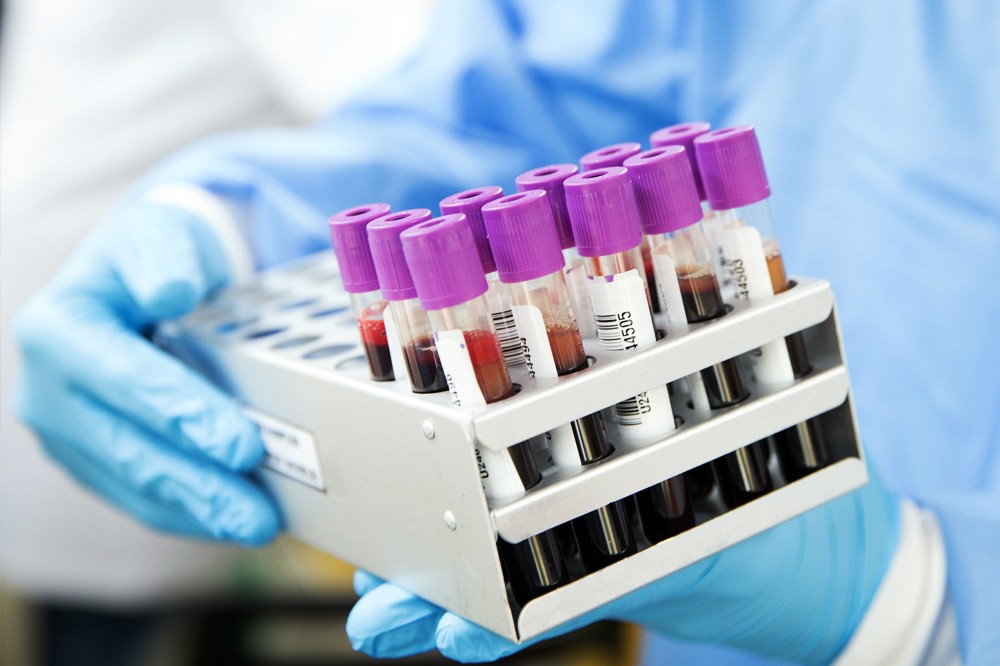
I put together a deep dive guide on how to really get into the weeds of your metabolism here.
Dalton (Analyze & Optimize)@Outdoctrination
I spent over $1,000 on lab testing to optimize my health.
I wanted to dive deep into my metabolism to see what I could discover.
So deep, you probably haven’t even heard of most of these metrics.
Here’s everything I learned:
I wanted to dive deep into my metabolism to see what I could discover.
So deep, you probably haven’t even heard of most of these metrics.
Here’s everything I learned:
43
All of this can be quite difficult to figure out on your own, but that doesn't mean you have to.
If you want some help in solving fatigue, you can schedule a free call with us here prism.miami/scheduling
If you want some help in solving fatigue, you can schedule a free call with us here prism.miami/scheduling
44
Thank you for reading through this. Give this tweet below a repost if you found it interesting to spread the message.
Dalton (Analyze & Optimize)@Outdoctrination
READ THIS IF YOU ARE ALWAYS TIRED (no matter how much you rest).
It's not in your head. It's not normal, but it is fixable.
Let's talk about what causes FATIGUE + TIREDNESS, and what you can do about it to have flying energy levels for life:
It's not in your head. It's not normal, but it is fixable.
Let's talk about what causes FATIGUE + TIREDNESS, and what you can do about it to have flying energy levels for life:
45
Be sure to check out all of our content, supplements, lab testing options and join our email list for exclusive offers here: analyzeandoptimize.io
